
words by FRANCESCO PIZZUTI
Celebrity culture used to feel exciting. We wanted to know what celebrities were doing, what they were wearing, who they were dating, what they were thinking. Their lives felt distant enough to remain aspirational, and every magazine cover or red carpet appearance offered another carefully curated glimpse into a world most people could only imagine.
Today, that fascination feels different. While celebrity culture is still everywhere, it's hard to ignore a growing sense of fatigue, as though we've reached capacity. The main issue is perhaps access; what once felt rare has become relentless.
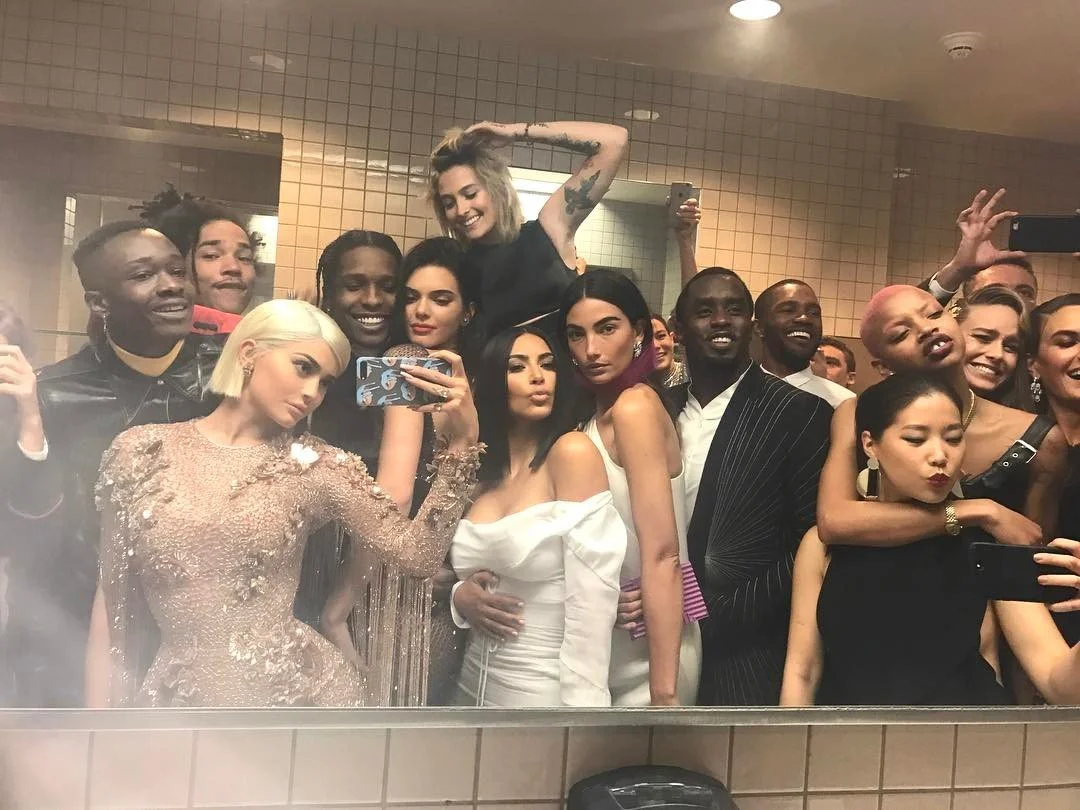
image via @kyliejenner on instagram
The fashion industry has always relied on celebrities to amplify collections, campaigns and brands, while celebrities themselves have long gravitated toward fashion as the ultimate marker of cultural relevance. Becoming a fashion icon has become a rite of passage for every actor, musician, influencer or athlete who reaches a certain level of fame. The same repetitive formula. Every time.
We’ve also come a long way from the celebrity worship of the early 2000s. Late-stage capitalism and social media transformed stars from distant figures into people permanently occupying our screens. We no longer encounter them occasionally through still images in a magazine, ambiguous taglines or late-night talk shows; instead, they have taken over the media so ubiquitously that they’ve almost become a medium themselves, like a bridge between us and the experiences that we used to aspire to. They are the first to experience incredible destinations, wear the newest collections, attend special events and collaborate with luxury houses, all while every step is documented and broadcast. In this way, the same visibility that made celebrities more valuable and desirable is also what is now diminishing their appeal.
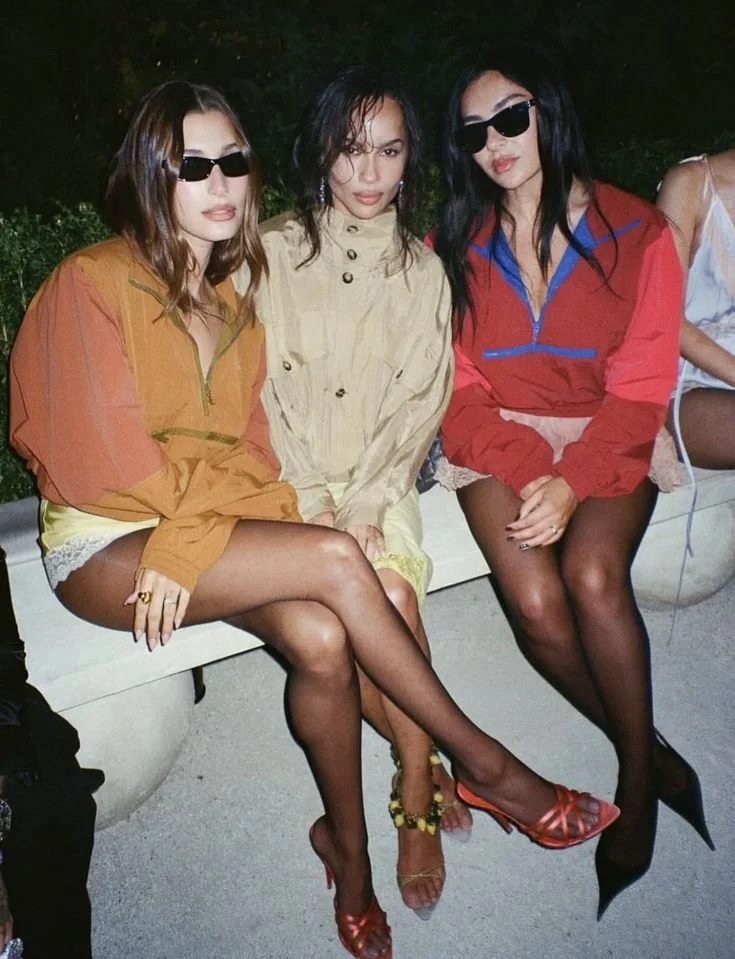
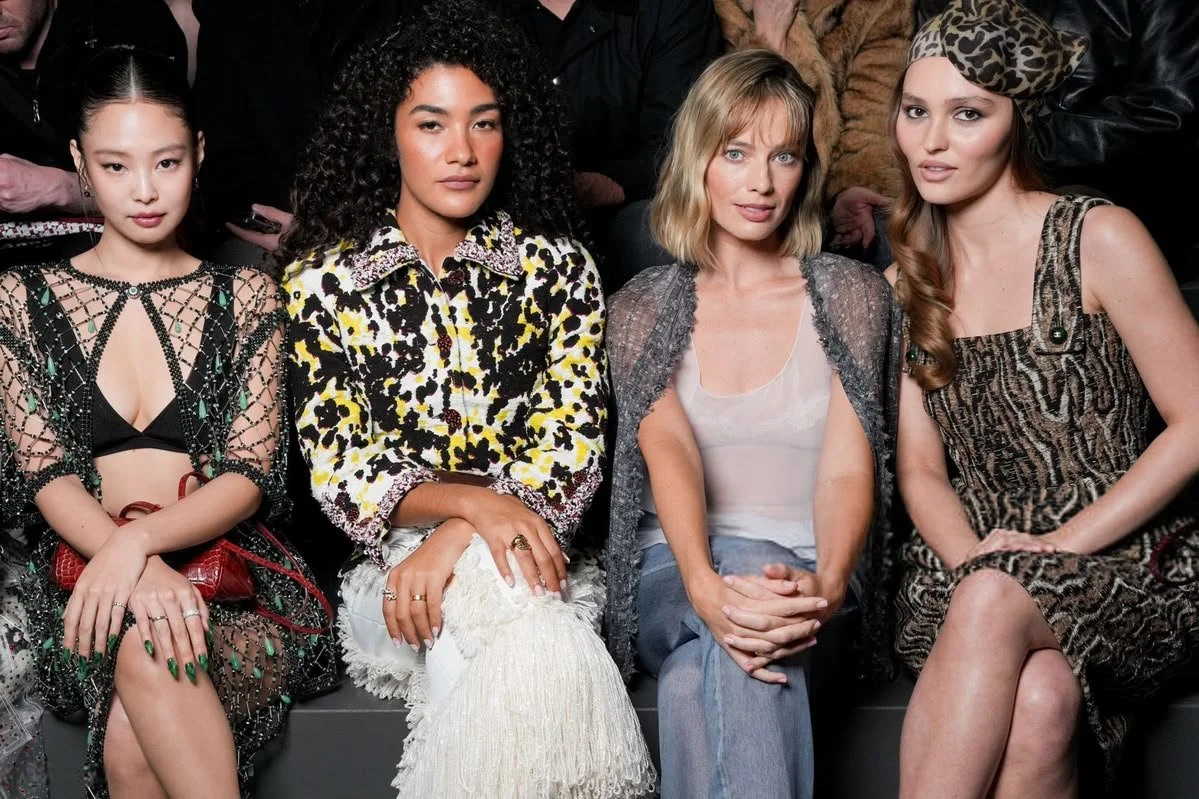
image via @byritaoliveira and @SadFromHeaven on pinterest
Their constant exposure often makes us question why they are there in the first place. Why are they always front row? Why are they the face of every campaign? Why are their opinions on every subject treated as inherently valuable? In short, why are we supposed to care? Celebrity culture has become less about admiration and more about endless consumption, and audiences seem increasingly aware of the machinery behind it.
This feels particularly evident in fashion because fashion has always been an industry built on obsession. Behind every collection lies years of research, craftsmanship, references, technical knowledge and relentless dedication. Designers spend decades refining a visual language, while stylists, editors, photographers and craftspeople build careers through years and years of hard work in a ruthless industry. Against that backdrop, seeing celebrities seamlessly inserted into fashion's most exclusive spaces feels increasingly hollow.
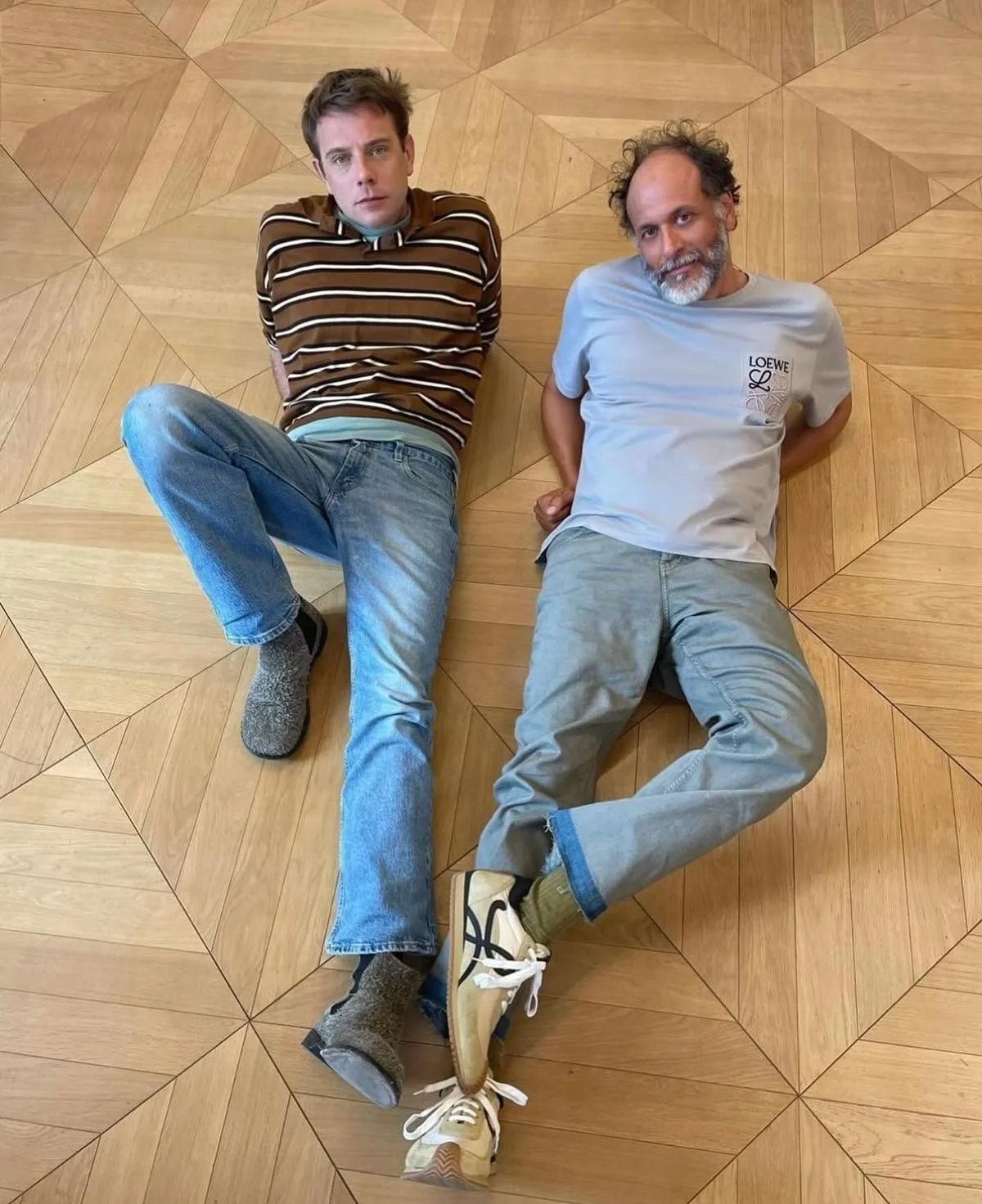
@connorives and @challengersmovie on instagram
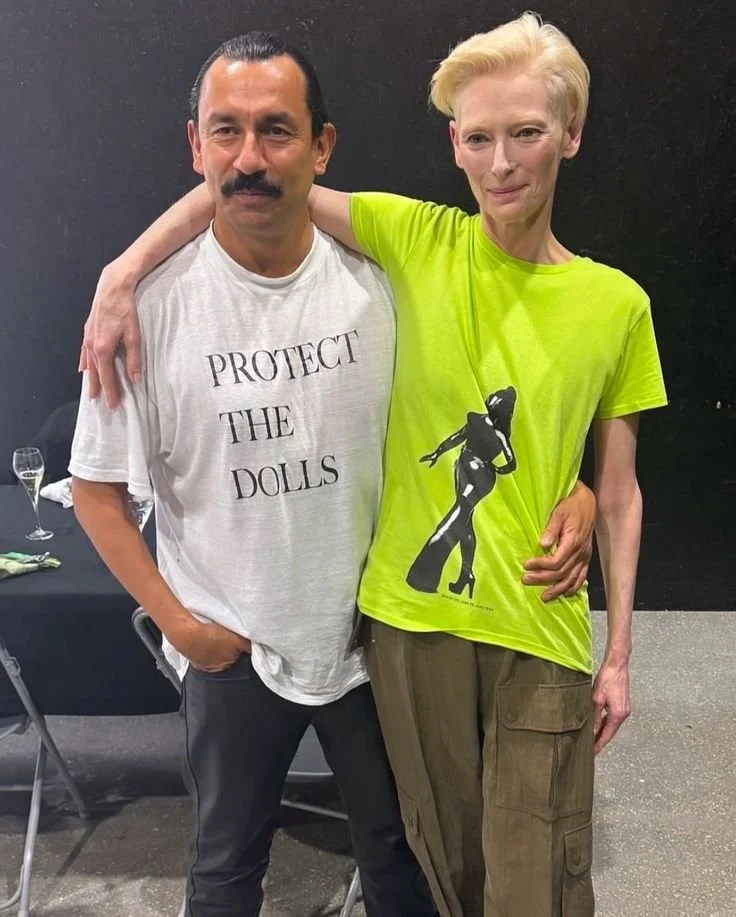
Of course, there have always been genuine relationships between artists and fashion. Figures like Tilda Swinton or Luca Guadagnino have developed long-standing creative dialogues with designers that extend far beyond simply wearing clothes and doing get-ready-with-mes. Their involvement feels earned because it stems from a real appreciation and knowledge of fashion as an artistic medium rather than another branding opportunity. Instead, what feels increasingly frustrating is the assumption that visibility has become synonymous with expertise. Fame is treated as a qualification in itself, whether in fashion or almost any other field, when in reality it often creates the opposite effect: the more detached someone becomes from ordinary life, the harder it is for their voice to feel genuinely relatable, insightful or even necessary.
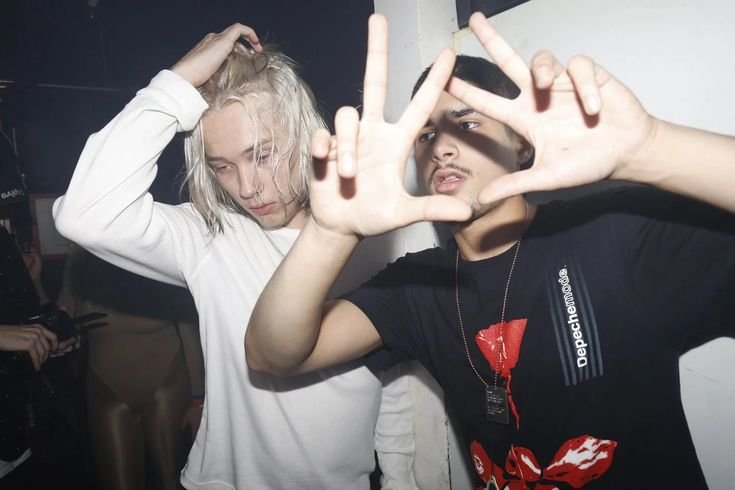
image via @icedaancer on pinterest
Some facets of fashion are somewhat aware of this shifting dynamic. At Demna's Gucci debut show, for example, celebrity appearances — including figures like Fakemink and Nettspend — felt knowingly theatrical, almost satirical. Celebrities felt like characters within a larger spectacle, not so much like someone to admire or look up to.
There is a clear cultural and social reframing happening, and much of it is rooted in ridicule. Not just the usual hate celebrities have always received, but a wider sense that we are starting to see through the desperation of it all. There is something almost absurd about being expected to consume every brand deal, every partnership, every calculated move without questioning it. Things like Timothée Chalamet turning to a sports betting campaign reflect this shift heavily. Selling out is not shocking anymore; it’s just exhausting. We see the image, the strategy, the performance, and we are not interested.
