
THOUGHTS ON TATE MODERN’S ‘THE 90S: ART AND FASHION’ EXHIBITION
words by BEX WHITLEY
Following months of anticipation, Tate Britain has opened its doors to The 90s: Art and Fashion, curated by Edward Enninful OBE. From “Cool Britannia” and grunge to the dramatic opulence of designers such as Alexander McQueen, the 1990s left Britain with some of its most enduring cultural influences. Bringing together art, fashion, photography and design, the exhibition revisits a period marked by experimentation and radical change. Early reactions have been polarised, with some praising its depiction of an era fuelled by possibility and defiance, while others have dismissed it as an overly glamourised portrayal.
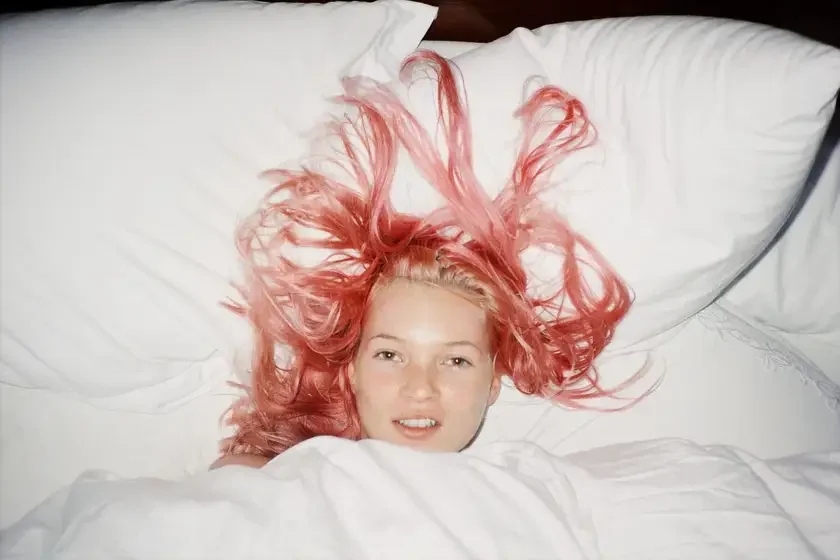
Juergen Teller, Young Pink Kate, London 1998 © Juergen Teller, courtesy of TATE MODERN
Viewers are met by images of the decade's icons, from Naomi Campbell to the Spice Girls. Nearby, Kate Moss wears Liza Bruce’s sheer slip dress in a photograph by Richard Young, which drew intense media attention due to its unexpected exposure under camera flash. Both Moss and Corinne Day feature throughout the exhibition, with Moss’s youthful, gritty image appearing closely associated with Day’s photography. Day’s pictures challenged fashion’s polished conventions but also provoked controversy, with critics accusing them of glamorising “heroin chic” and exploiting the young women they depicted.
Unlike in many exhibitions, the impact of life beyond the capital is considered and celebrated. Mark Leckey’s Fiorucci Made Me Hardcore traces British club culture through archival footage of dancers, from Northern Soul to rave. Scenes from across the UK are featured, including the Haçienda in Manchester, alongside images of queer club nights, raves and free parties. The photographs show clubbing as a space for self-invention, belonging and release, with dancers moving without inhibition.
The decade’s appetite for provocation is further compounded through the representation of the body, from Hamad Butt’s response to the continuing impact of the AIDS crisis to Sarah Lucas’s Chicken Knickers, in which a raw chicken is placed over the artist’s crotch to reject the objectification of women. Elsewhere, Lucas’s 1-123-123-12-12 turns the Dr. Martens boot, a symbol of working-class identity and youth rebellion, into something more threatening, with razor blades embedded in its toes. The work draws on Lucas’s own experience of feeling vulnerable walking home alone at night.
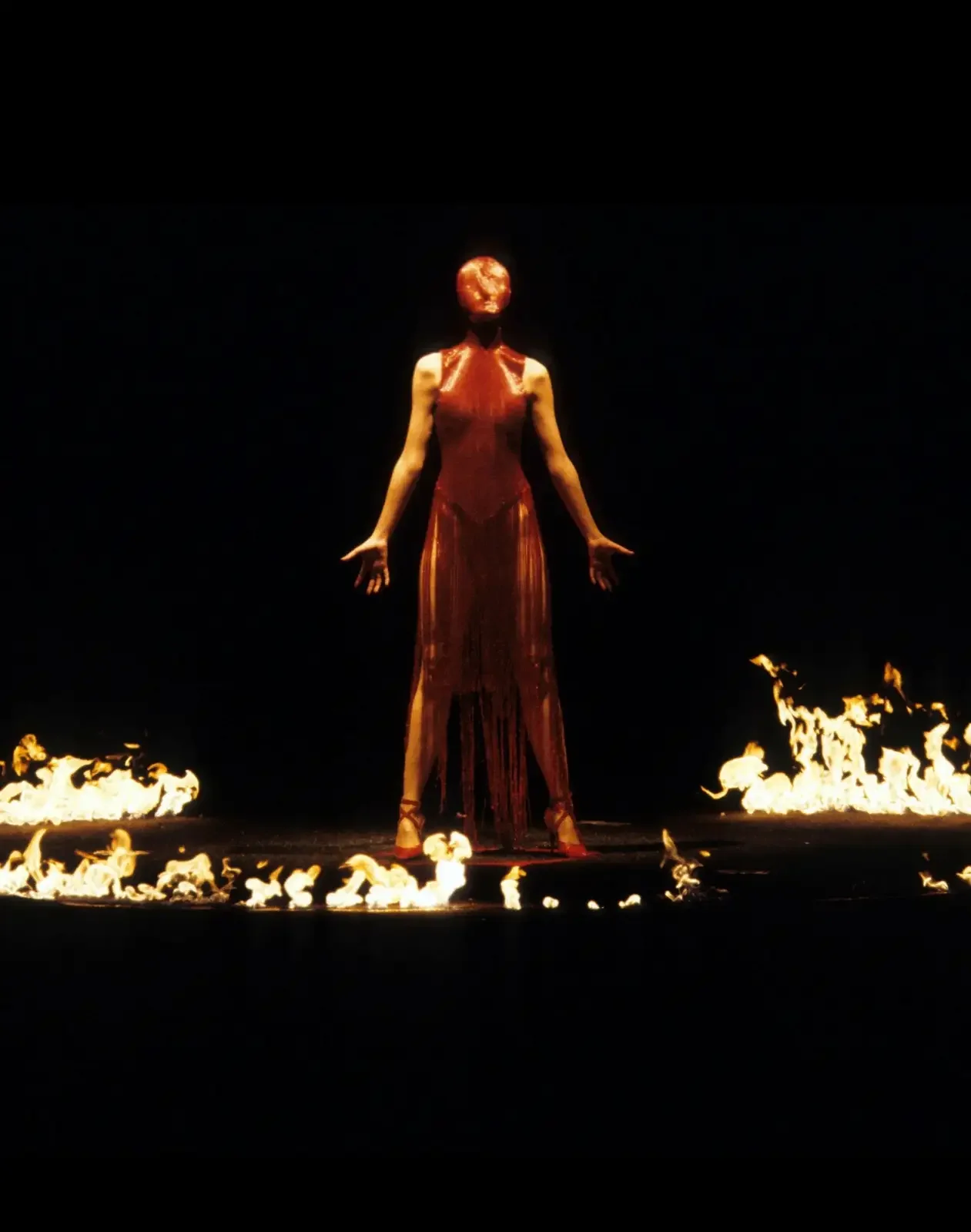
Alexander McQueen, Joan of Arc, AW1998 'Joan' #91, 1998 © Conde Nast Archives, courtesy of TATE MODERN
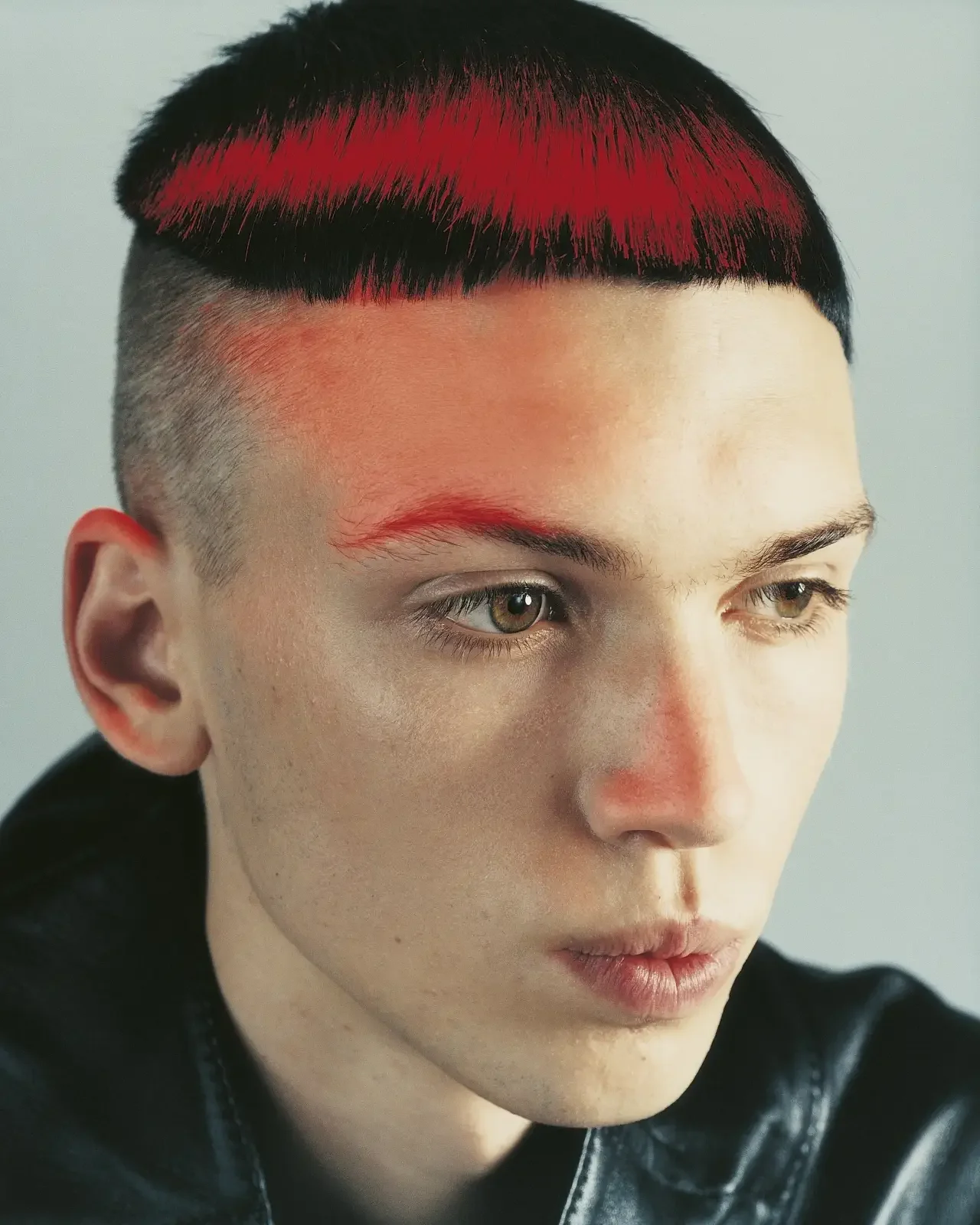
David Sims, Isolated Heroes 1999-2000, printed 2026 © David Sims, courtesy of TATE MODERN
For fashion lovers, the appeal is undeniable. Vivienne Westwood, John Galliano, Alexander McQueen and Hussein Chalayan are all represented. McQueen’s provocative, often nightmarish presentations contrast with Chalayan’s conceptual designs, including clothing inspired by everyday objects. The garments and photography show fashion’s role in shaping the decade’s opposing ideas surrounding identity, beauty and self-expression
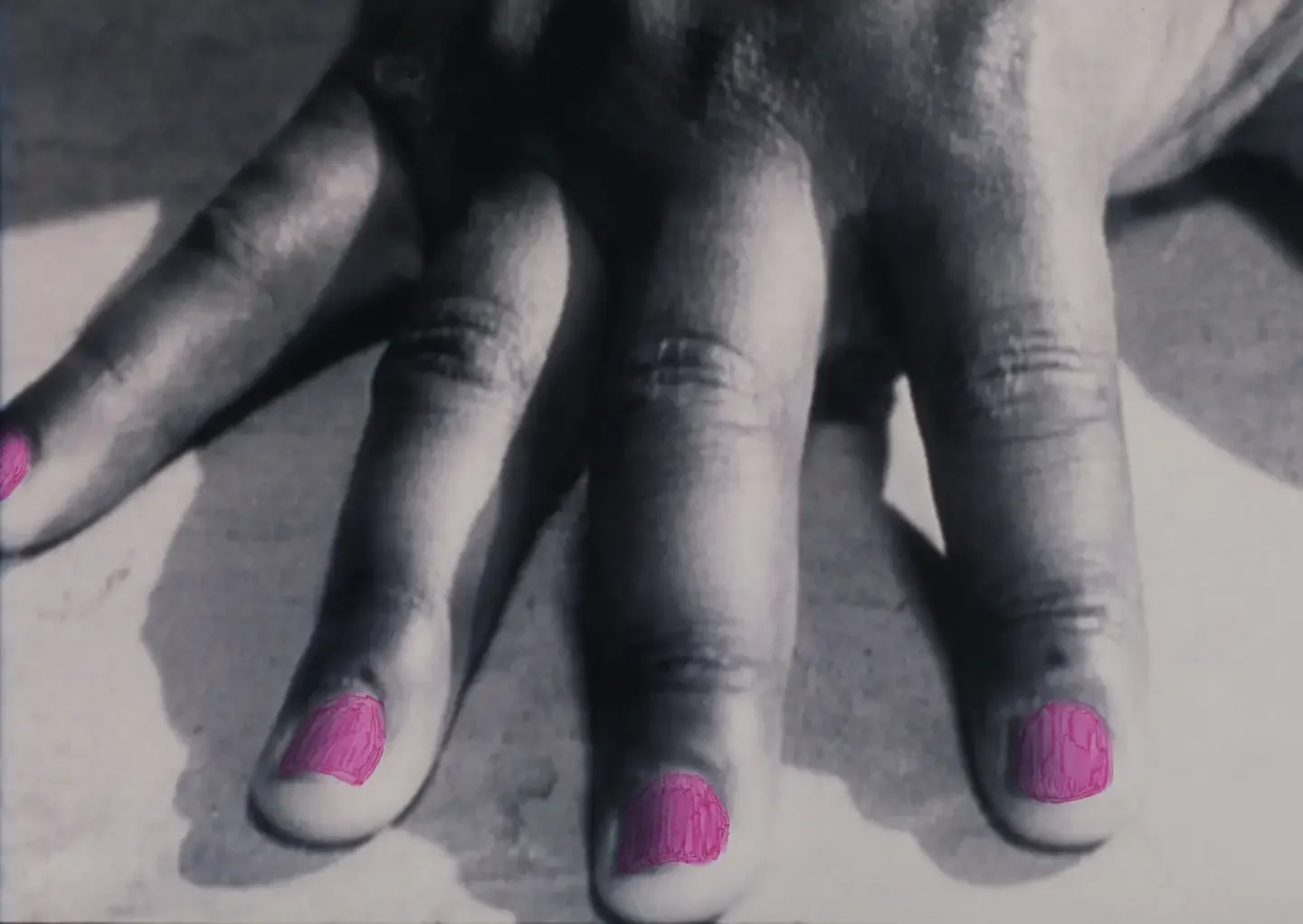
Steve McQueen, Pink Nails, 1999 © Steve McQueen. Courtesy the artist, Thomas Dane Gallery and Marian Goodman Gallery, courtesy of TATE MODERN
From opulence and horror to starkness and minimalism, the exhibition draws together more than 200 photographs, paintings, sculptures and garments. At times, the sheer number of references can feel overwhelming, with some connections between works left underdeveloped. On reflection, however, there is something fitting about the collisions between scenes, images and ideas. The period itself was restless and full of contradictions, where rebellion sat alongside glamour, and rawness against refinement.
Despite the exhibition’s inherent nostalgia, the feeling upon leaving is one of unease. Much of the art on display was considered provocative, challenging or radical at the time, confronting expectations around women’s bodies, sexuality and identity. Why, then, despite 30 years having passed, are women still being sexualised, perfectionist ideals still upheld, and the rights and safety of queer communities still contested? Beneath the familiar pleasures of revisiting ’90s fashion, music and club culture lies a deeper, uglier question about why so many of the battles these artists confronted still feel unresolved.