TO CULTIVATE ART IS TO CULTIVATE LOVE: WHY PLATFORMS LIKE THE INDEPENDENT ART REPUBLIC MATTER IN THE AGE OF UNCERTAINTY
words by DEBORAH DRENOFCI
The world needs art, and art needs the world. One does not need exceptional talent or some rare depth of passion to remember that we've all been gifted, without exception, the divine capacity for creativity, an artistry pumping through us the way blood does, quietly, constantly, whether we tend to it or not. And still, this remains something of a generational struggle: schools rarely invest in cultivating it, the beliefs passed down tell us it's an uncertain path, something to grow out of. Yet the art world keeps expanding anyway, even when it's challenged, even when it's underfunded, even when no one's watching closely enough to notice. Now, all of this collides with a new kind of disruption: artificial intelligence, and a promise of speed and access that feels, at times, overwhelming, ideas generated in seconds, styles replicated instantly, the line between concept and execution thinner than it's ever been. It's tempting to see this as a threat, something to resist or distance ourselves from entirely. But is that really the answer? Or is there a more curious, more critical way to sit with this disruption, one that doesn't reject the tool but questions what it means for the hand, the eye, and the slow, human process behind every real idea? It's within this turbulent landscape that an initiative like the Independent Art Republic (IAR) feels especially necessary, not as an answer to the disruption, but as a place built to hold the question, and to give young artists room to work through it together, in company rather than alone.
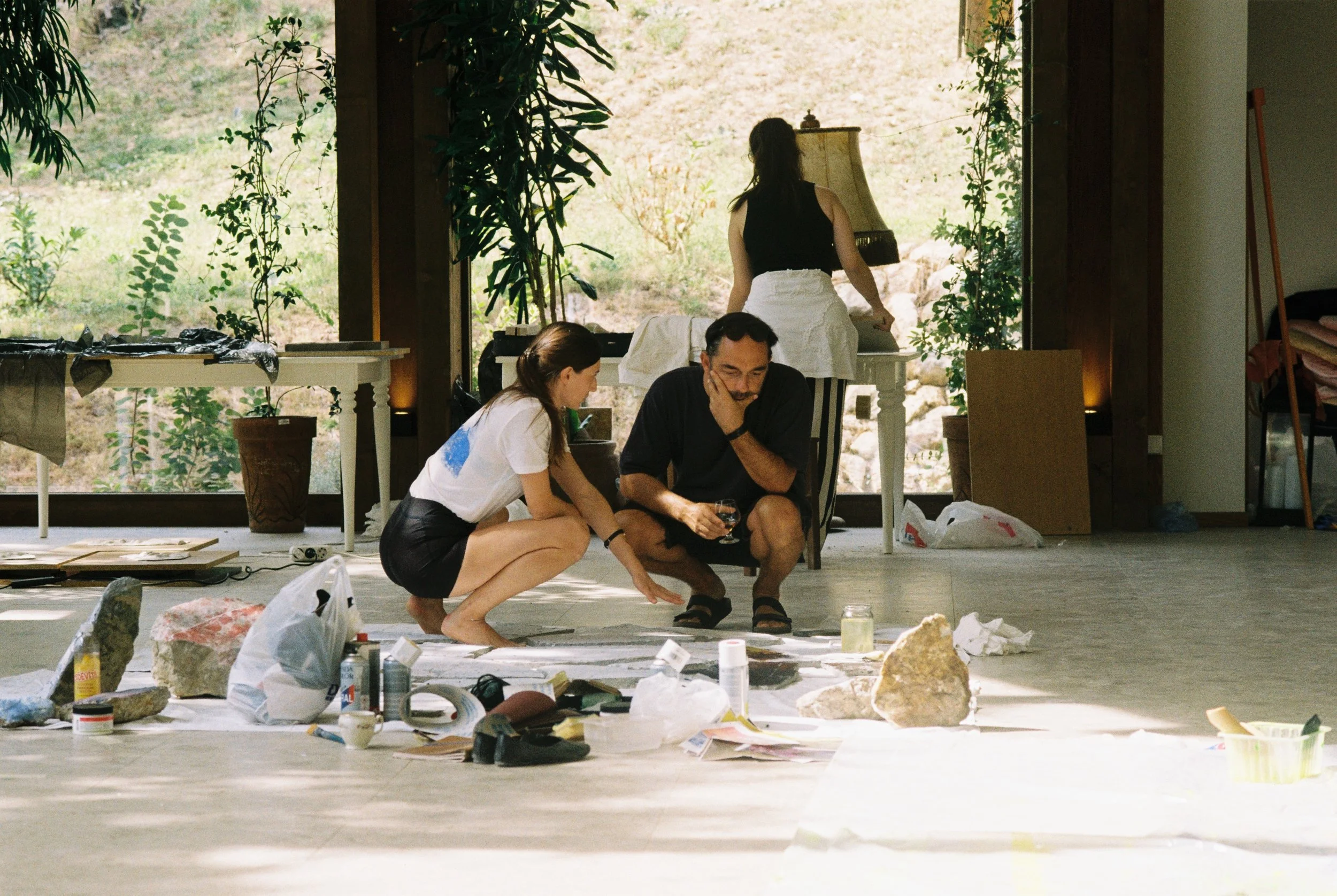
photography by KATARINA ŠOŠKIĆ
THE INDEPENDENT ART REPUBLIC
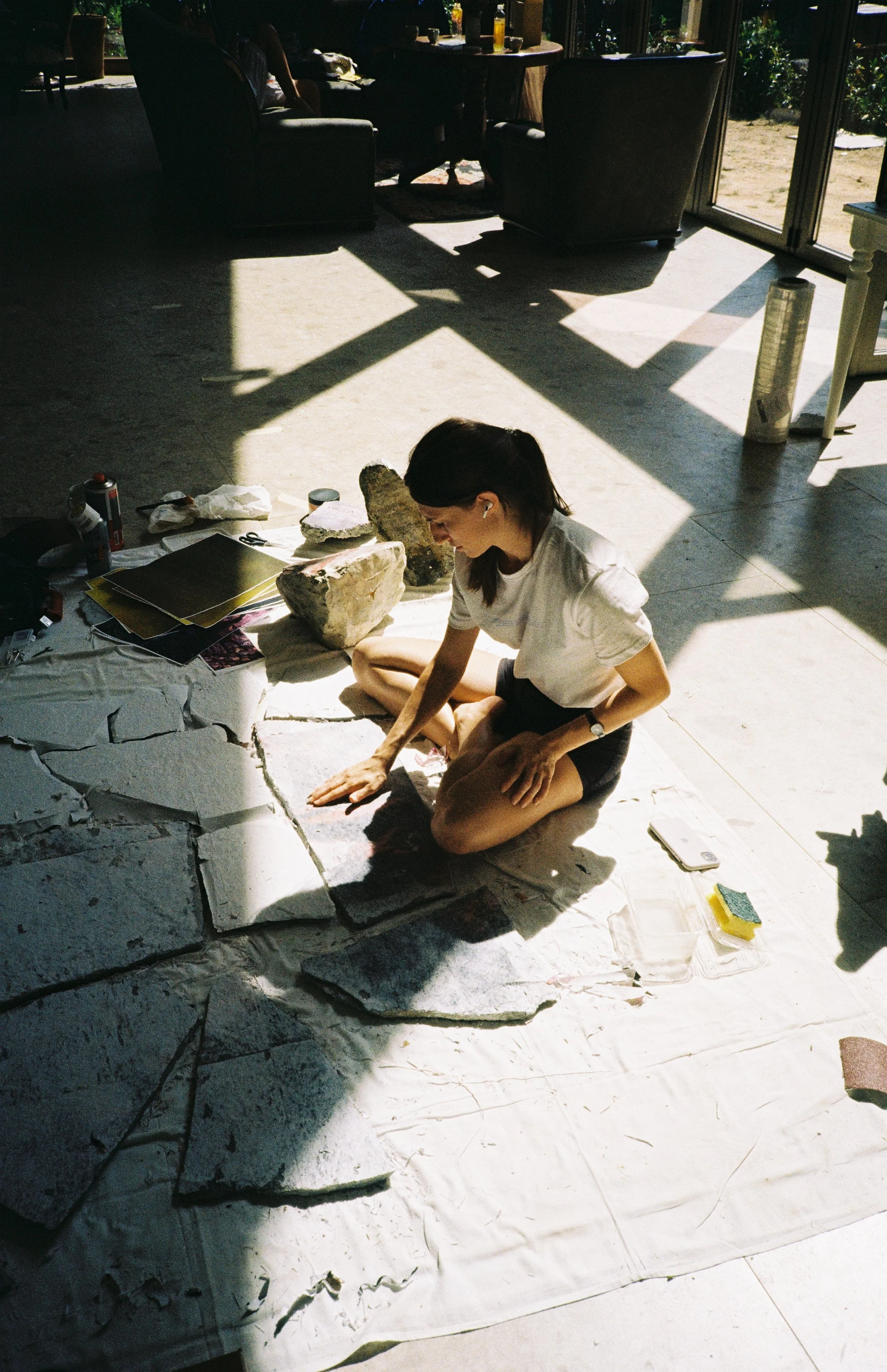
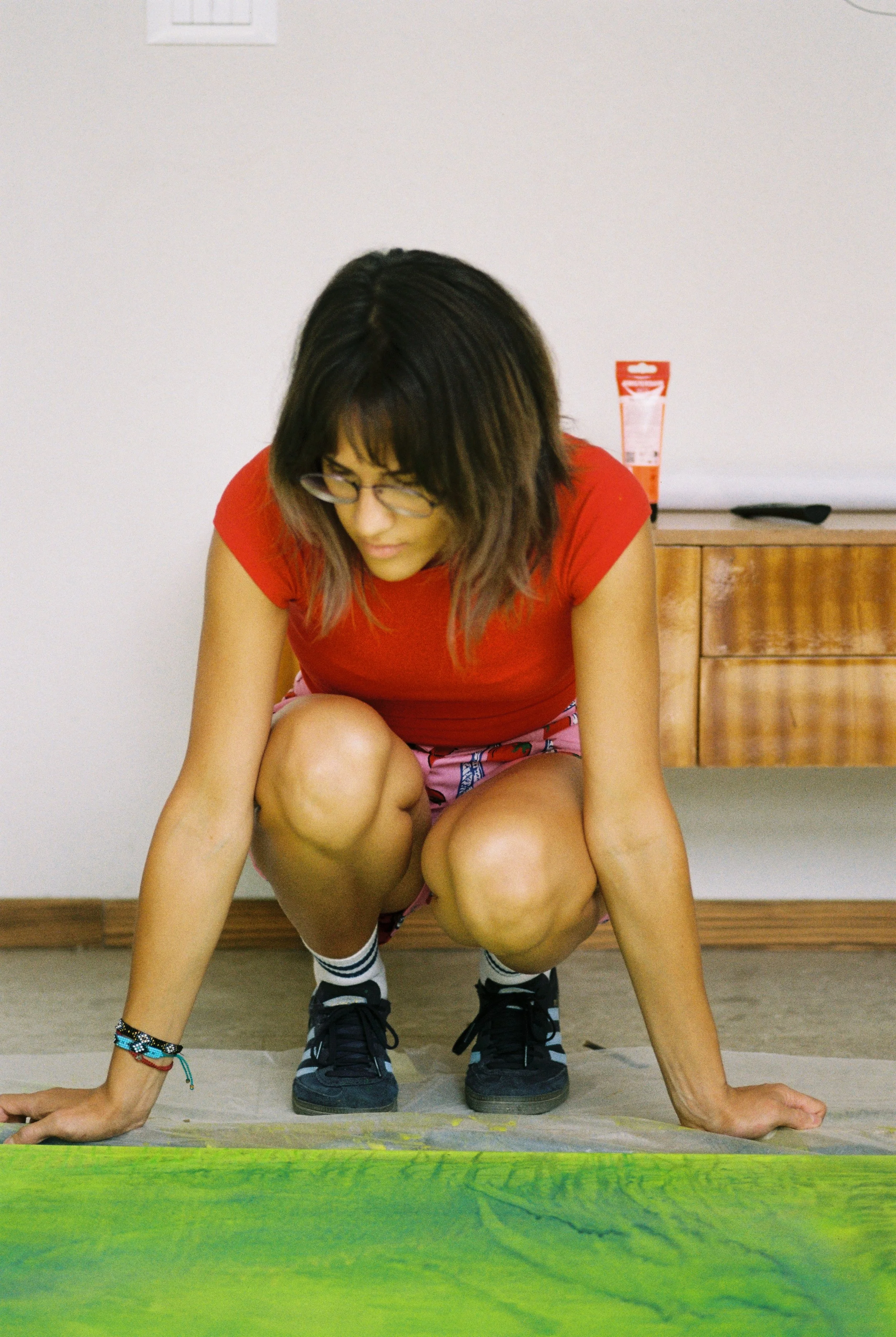
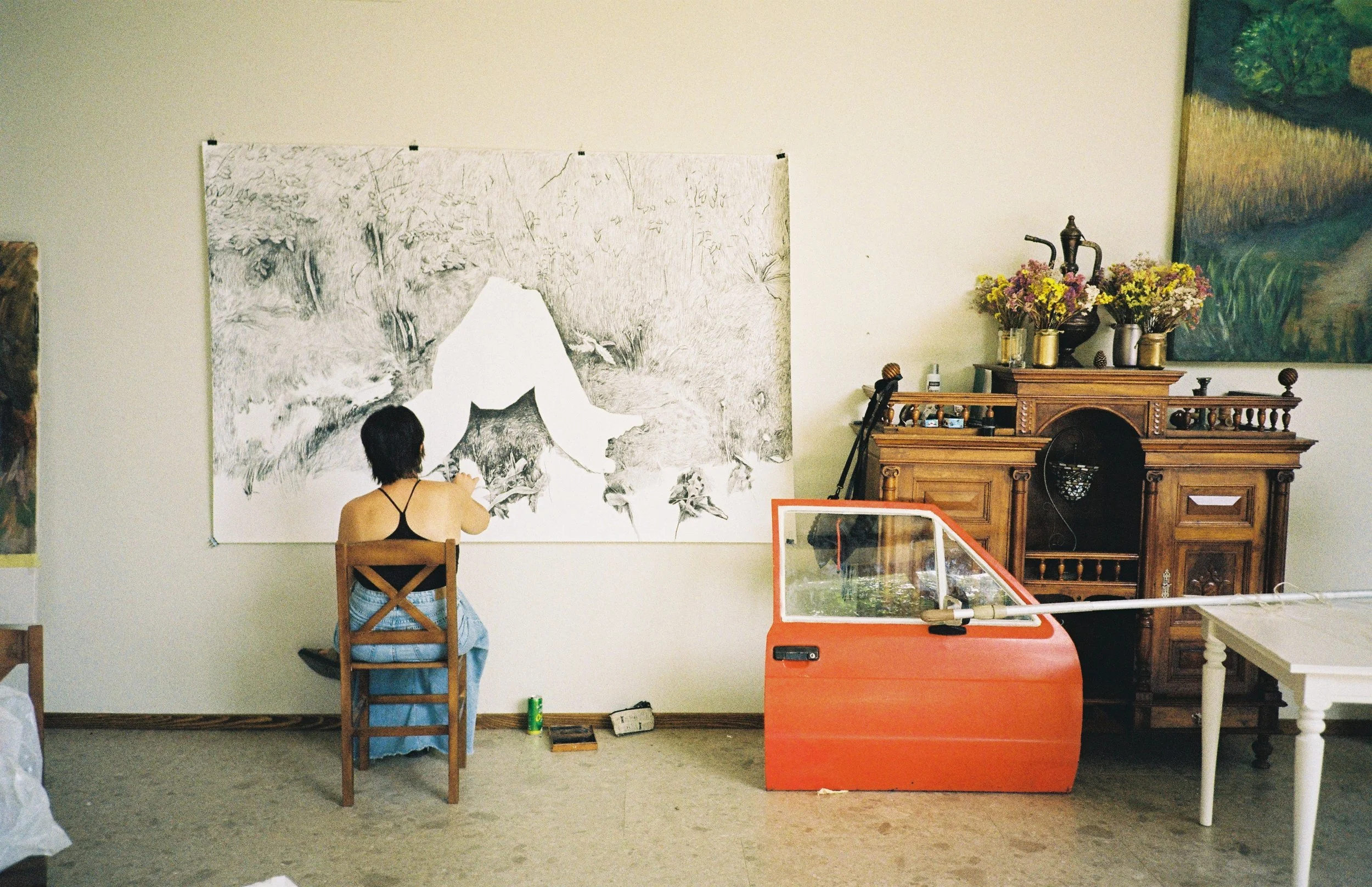
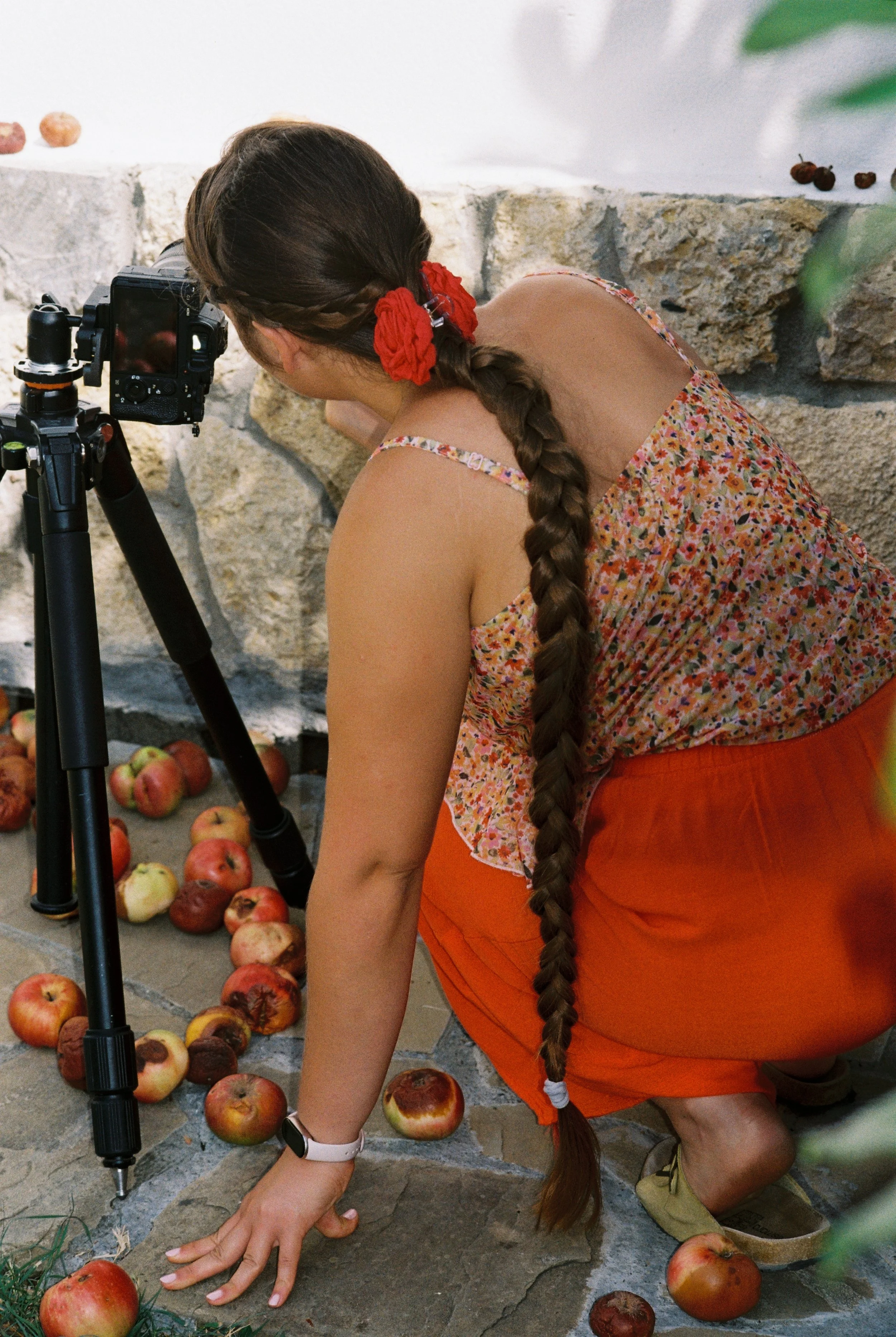
The Independent Art Republic (IAR) is an international art residency built to connect emerging and established artists, mentors, and industry professionals, not through lectures or theory, but through lived, shared experience. Its pilot edition took place in Mokrin, Serbia, a seven-day mentorship program that gave young artists from the region time among fellow creatives and, more importantly, real support from mentors already working in the field. The residency's ambition has always reached further than the week itself: to bring art closer to schools, to make it something that sparks conversation, curiosity, and above all, a sense of community.
This year's second edition ran from September 5th to 12th in Serbia, bringing together artists and mentors from different backgrounds for a program centered on artistic research, exchange, and the development of new work. Leading this year's mentorship were performance artist, researcher, and educator Marta Jovanović, sculptor and visual artist Davide Dormino, and visual artist Vladimir Miladinović, each bringing a distinct perspective and practice into the residency. A key part of this year's international expansion came through IAR's new connection with the Rome University of Fine Arts (RUFA), alongside the presentation of selected artists and works as part of Rome Art Week 2026.
There's something quite reassuring about residencies like this existing, a reminder that art, no matter the era or the tools available, is always better when it's shared. That matters everywhere, but it feels particularly important across the Balkans, where attention is so often pulled elsewhere: toward political tension, infrastructure, rebuilding, survival in the more literal sense. These are countries carrying layered histories, shaped by fragmentation and resilience, yet somehow still holding a strange, paradoxical synergy between old structures and new ambition. They allow people to dream enormously, while offering very little resources to actually open the doors behind those dreams.
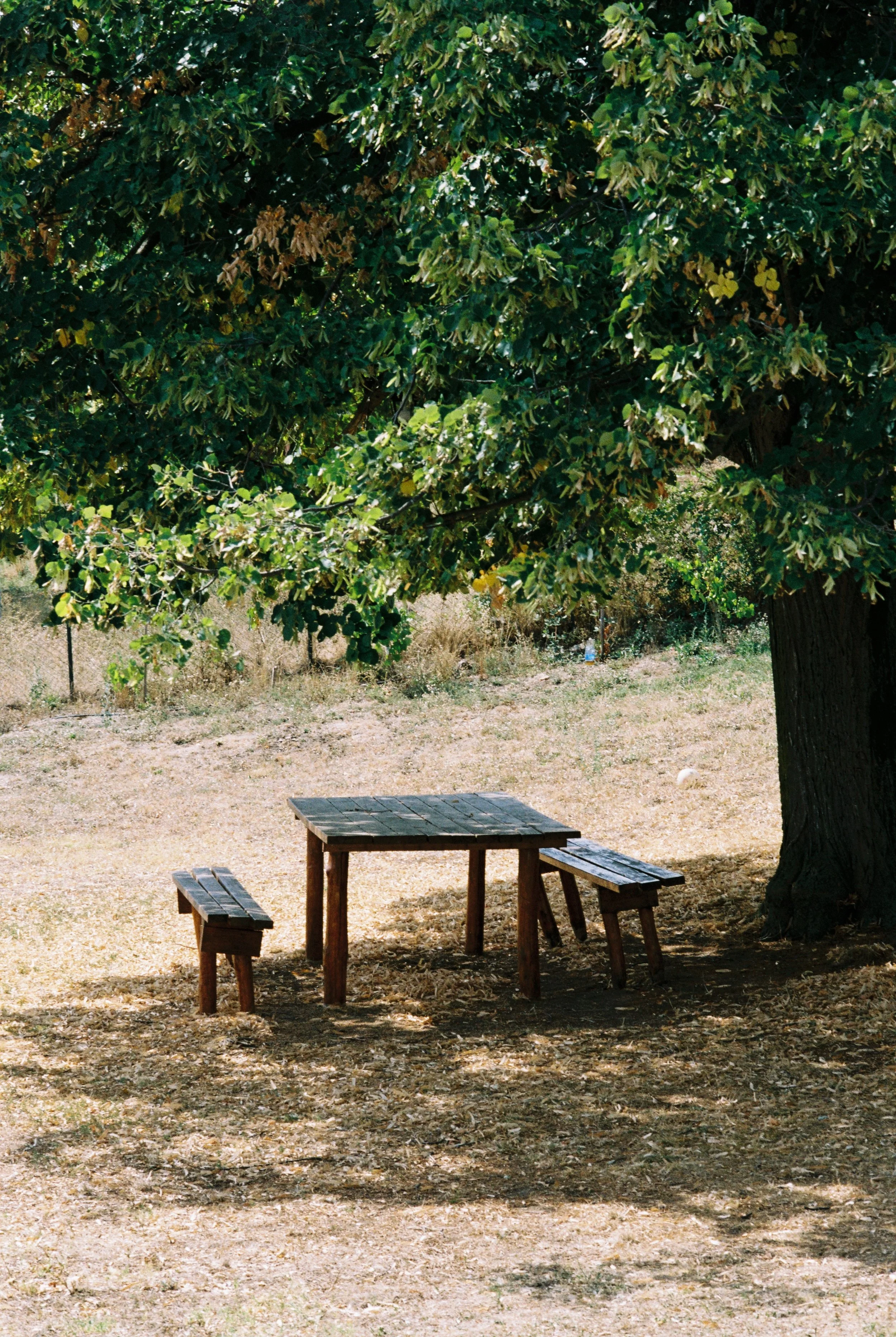
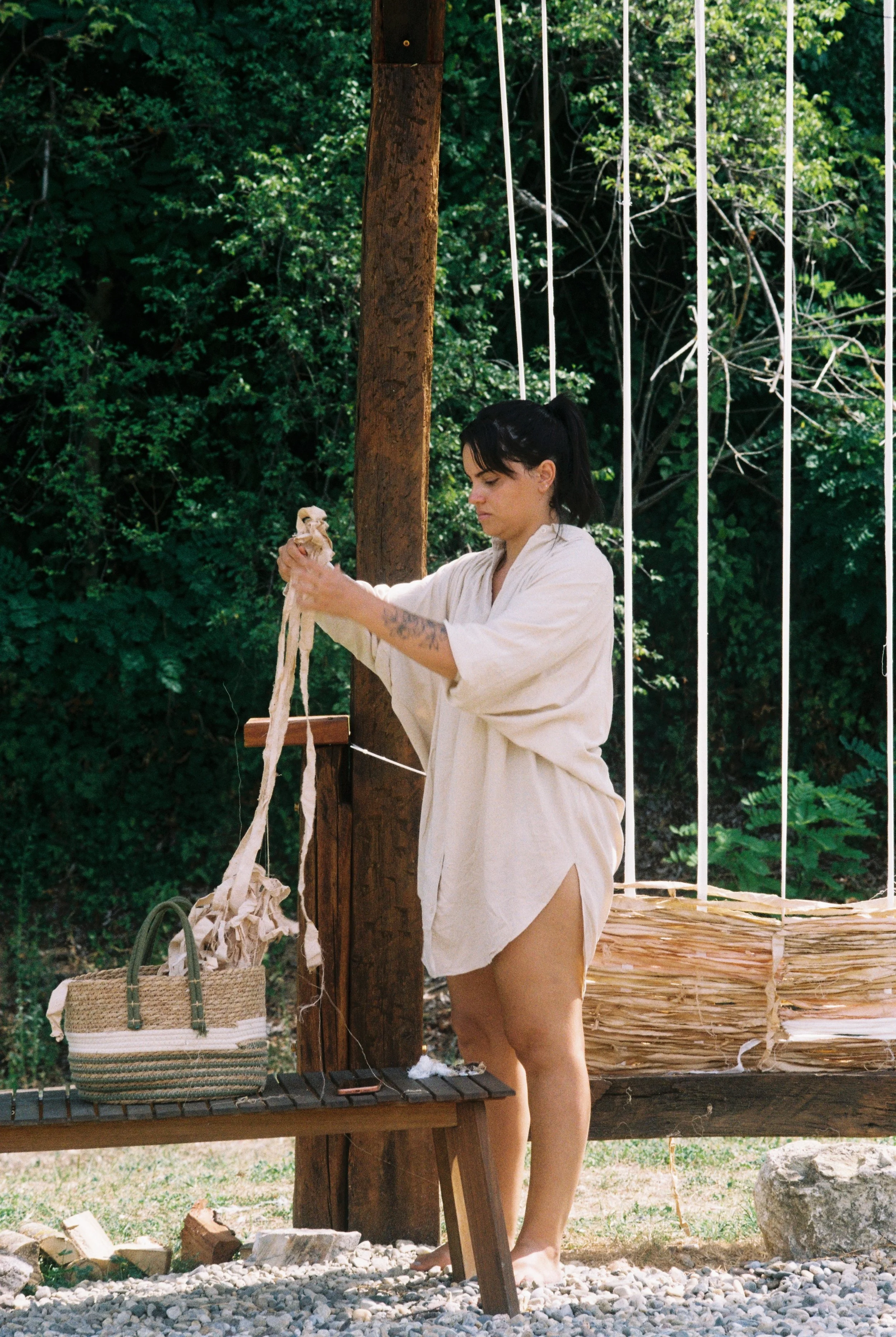
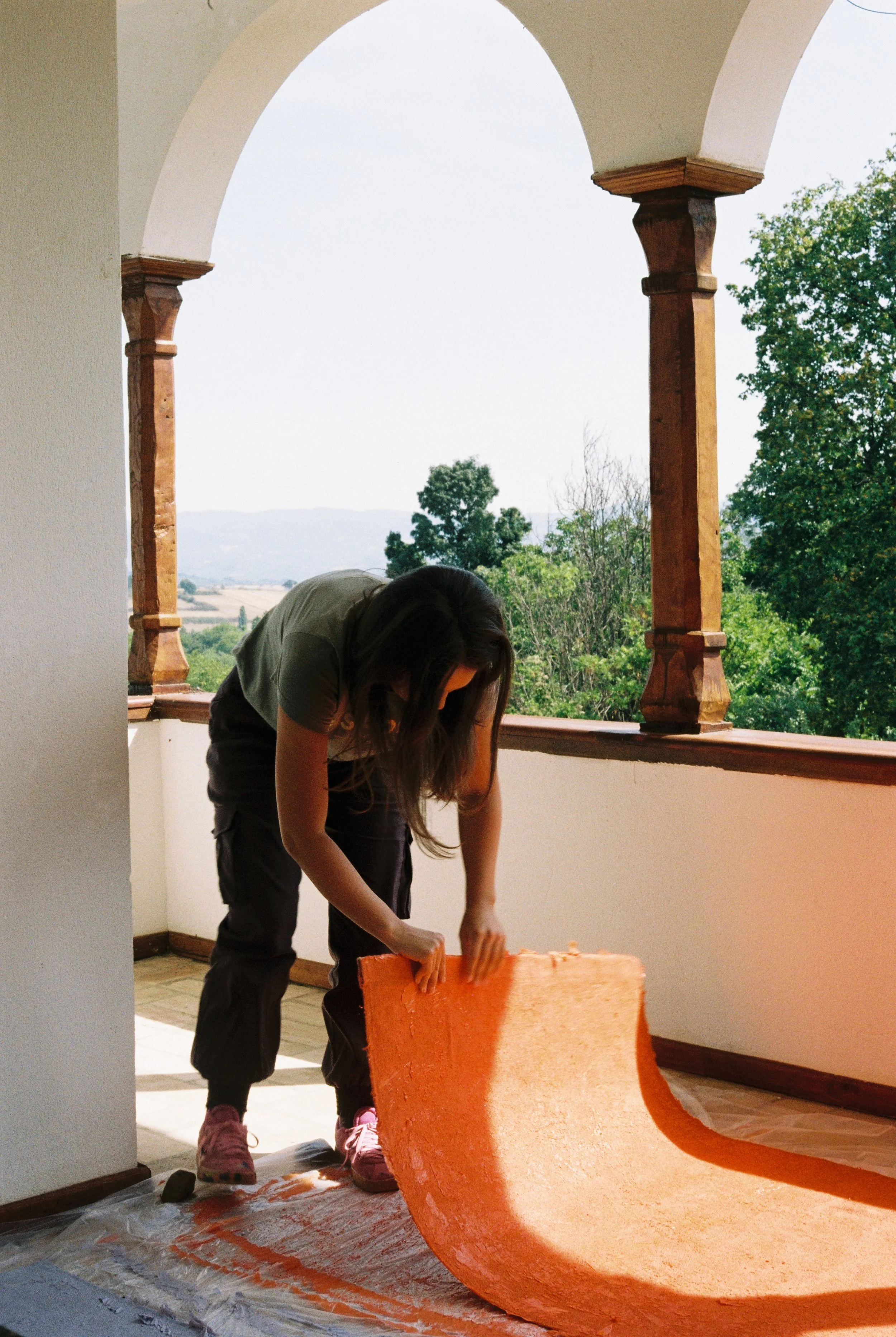
VOICES OF THE RESIDENCY
We spoke with this year's mentors and participants about why platforms like this matter, and what it actually feels like to be an artist inside the churn of AI.
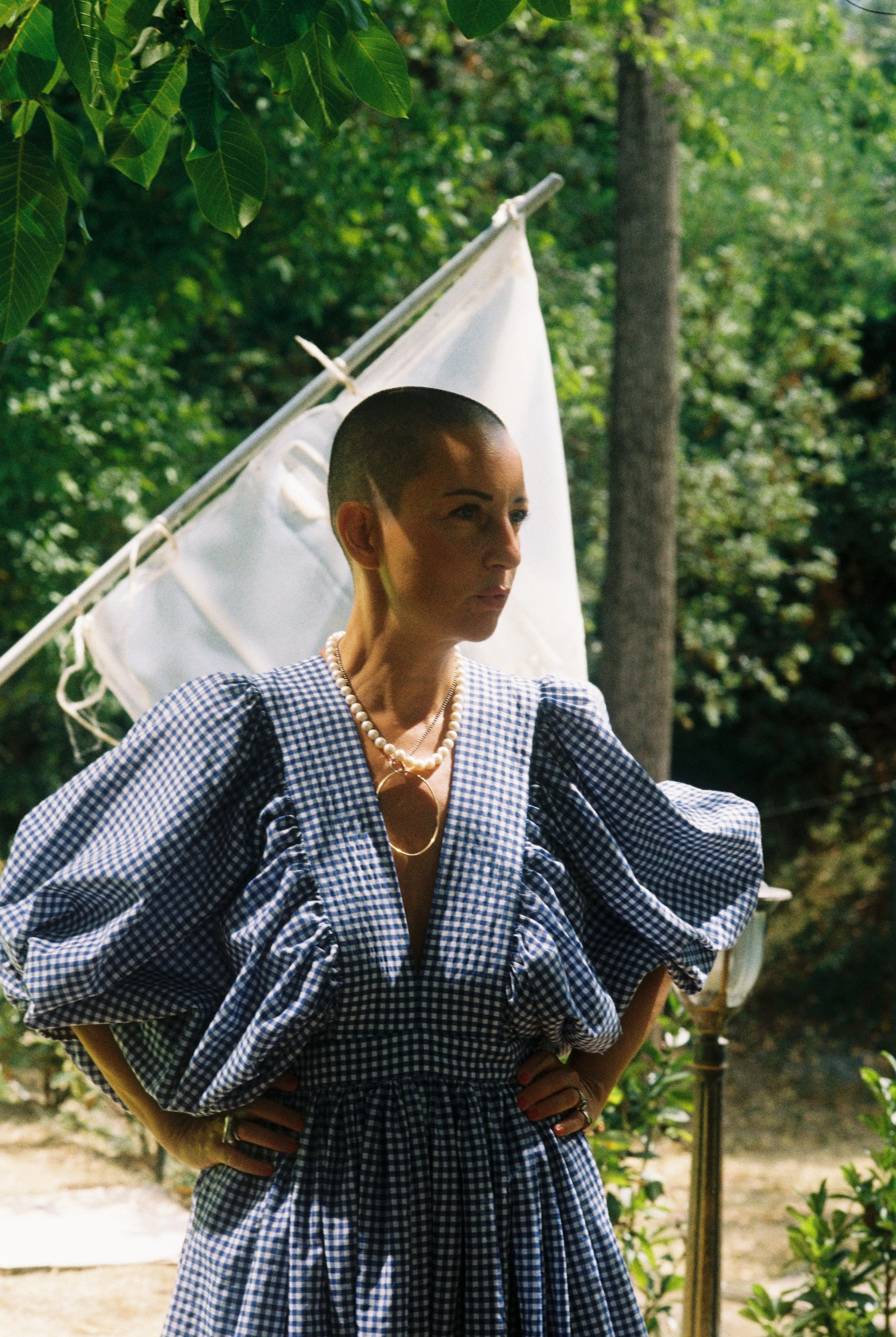
Marta Jovanović, now Chair of the Visual Arts Department at RUFA, describes her role simply: "For me, it is fundamentally a human relationship. It is also a responsibility toward the wider artistic ecosystem." Davide Dormino, who has taught at RUFA for two decades, sees the residency almost as resistance: "We live in a society that has replaced thought with communication, complexity with slogans, and research with consensus... IAR represents exactly this: a garden where young artists are the seeds of the present." Vladimir Miladinović pushes back on the whole framing of mentorship as knowledge transfer, measuring success instead by whether an artist leaves with sharper questions rather than a more finished project, mentorship that, ideally, makes itself unnecessary.
If there's one thing that belongs in every artist's survival kit, it's curiosity. This new generation doesn't seem unbothered by AI, they're overwhelmed, like anyone would be, but what's emerging looks less like surrender and more like an opinionated, critical curiosity toward it. And that, if nothing else, feels like a good sign, one that came through clearly when we asked the mentors and participants what they actually think about AI.
“Perhaps in today’s networked society, you can only be completely innocent if you are completely isolated.”
Jovanović brings that same instinct to AI, drawing a line between the imperfection of a machine and of a human: "Human failure can contain memory, desire, embarrassment, intuition, trauma, humour, sometimes an entire life." Dormino is warier, insisting artists guard the friction and failure technology keeps trying to erase: "We must not allow it to replace our brains, and above all, our hands." Miladinović sees more potential than threat, reframing AI as a possible lens for exposing how the creative industries themselves produce value and authorship.
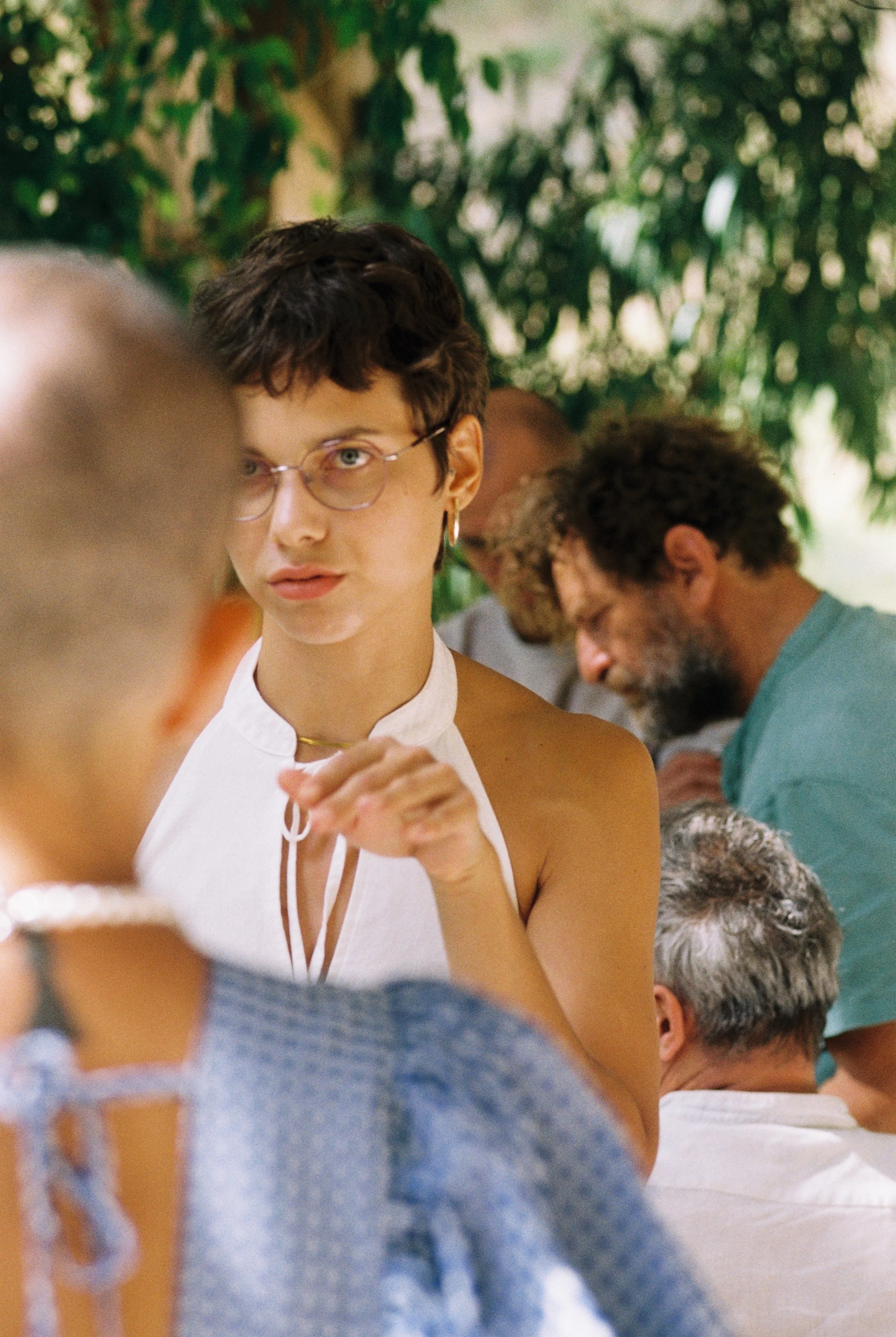
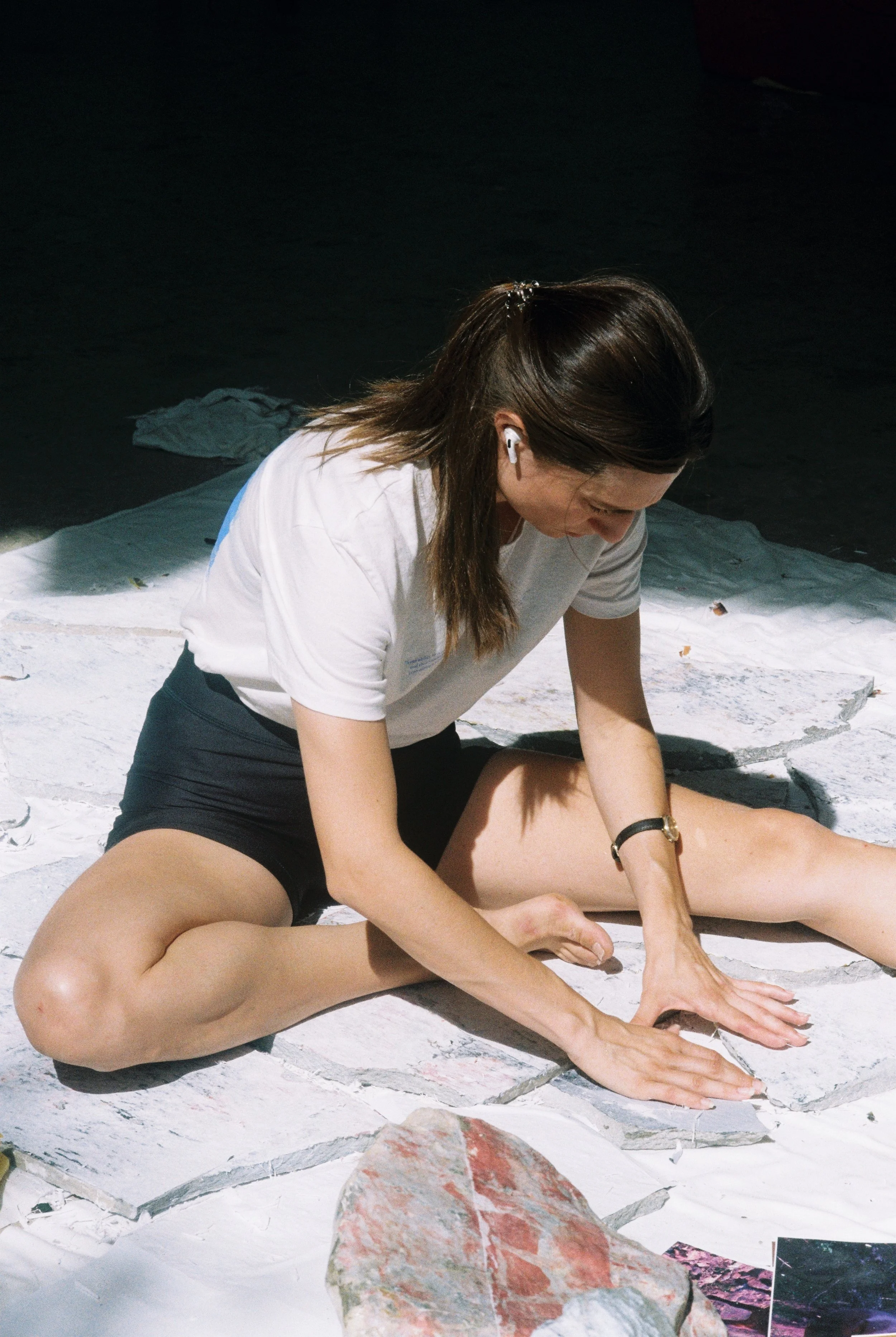
Among the participants, Julia Vasconcelos, whose work sits in the tension between absence and material trace, locates the real risk somewhere quieter than replacement: "It is that we might become less interested in the slow processes through which artists actually develop ideas. For me, that slowness matters." Anđela Kopanja goes furthest, building AI's own glitches directly into her installation Chameleons, a meditation on adaptation and camouflage, and turns the implication back on herself: "Perhaps in today's networked society, you can only be completely innocent if you are completely isolated." Sonja Lundin, a graphic designer and art director outside her studio practice, redirects the anxiety entirely: her worry sits less with the tool than with "how other humans will use this technology in the face of capitalism." And Heather Susannah Roach, casting silicone impressions of a Yugo car door, closes the question plainly: "What makes an artwork is always the human idea and creativity behind it that an AI model cannot recreate."
WHY SUPPORTING ARTISTS MATTERS
The rest of the group converges on the same handful of truths, instability, invisibility, and time, even as their practices pull in different directions. Angelina Krunić, whose textile and performance work confronts gender-based violence in Balkan society, puts it plainly: "Even the greatest artists of any generation were once clumsy 20-year-olds," and having someone believe in you early is what makes the hardship survivable. Tatjana Ružić, whose work spans engraving rooted in her Serbian and French identity and the preservation of threatened Belgrade landmarks like the Generalstab and Hotel Jugoslavija, agrees emerging artists are the future of the scene, adding that what they lack is rarely ideas: "Most of them have financial troubles and lack of opportunities but they do not lack ideas and creativity."
For Jelena Milatović, whose charcoal interiors explore space and belonging, the value is structural, residencies like IAR offer "space, time, support, and an opportunity to develop their work," a route out of isolation and into an actual community. Ayşe Elif Aydoğmuş, whose practice turns on memory and trace, makes a similar case for room to fail in public: "It is not enough simply to be talented; they also need spaces where they can produce, make mistakes, experiment, and encounter other people." Aleksandra Milutinović, drawing on scenes from her own village, frames support less as money and more as room to breathe, "the opportunity to develop as an artist without the pressure of having to have all the answers immediately." Kaja Đoković, working in fragmented, layered abstraction, names the same paradox at the start of any career: the most experimentation and the least stability, arriving together.
“It is not enough simply to be talented; they also need spaces where they can produce, make mistakes, experiment, and encounter other people”
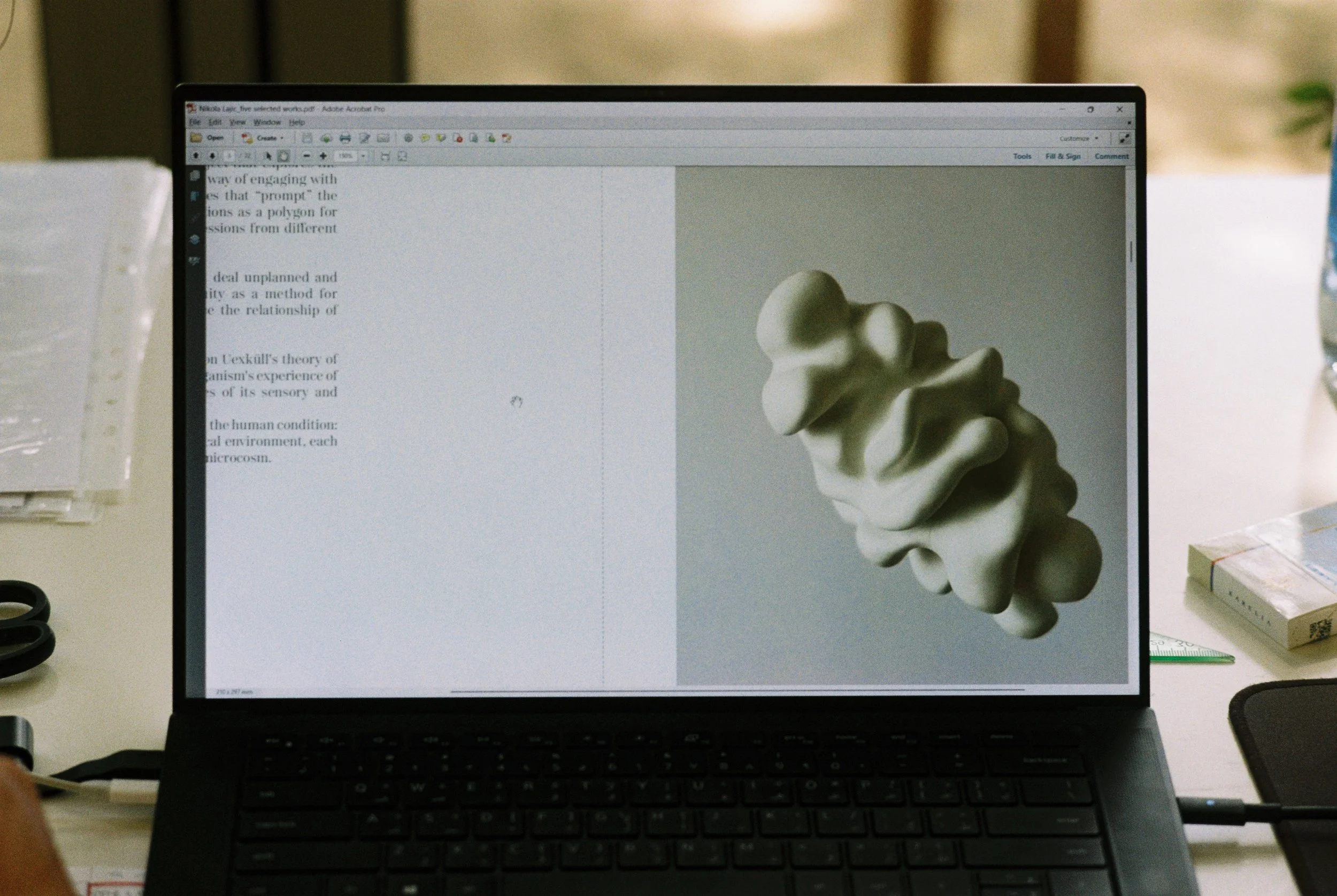
Nikola Lajić, a sculptor rooted in architecture and ecology, widens the lens past any one artist's needs, describing the artist's role as a kind of watchful eye over culture, connecting what a society would otherwise leave unexamined. Rishi Khurana, whose practice interrogates the ethics of representation itself, gets there from a stranger angle, tracing it back to a single conversation with a mentor that reframed what counts as performance at all, and naming that friction, watching an established practice bend under a fresh perspective, exactly why support matters.
Perhaps it’s simpler than we think: AI cannot translate our souls. AI cannot love this hard, feel pain, or bear the very complicated act of being human. There's always funding for a skyline. There should be the same for artists. And in platforms like the Independent Art Republic, we trust. They are needed now more than ever.