
SIX YEARS ON, YSL BEAUTY CONTINUES TO CHALLENGE WHAT WE MISTAKE FOR LOVE
words by BEX WHITLEY
YSL Beauty launched its latest iteration of Abuse Is Not Love. Building on the campaign’s longstanding aim to raise awareness of intimate partner violence - an issue one in three women will experience in their lifetime. Why, then, does an issue so prevalent remain so widely misunderstood, including by those experiencing it?
all images courtesy of YSL BEAUTY
In the years since its launch, YSL Beauty has explored the ways in which abuse can be concealed within behaviours mistaken for love. Films including Mistaken for Love and Don’t Call It Love have brought these often-overlooked warning signs to their audience’s attention, while the wider initiative has expanded to include thirty global markets, partnering with local non-profit organisations and academic research. The commitment from YSL Beauty also extends to providing internal training and public education, offering people the means to identify warning signs, prevent abuse and seek support when needed.
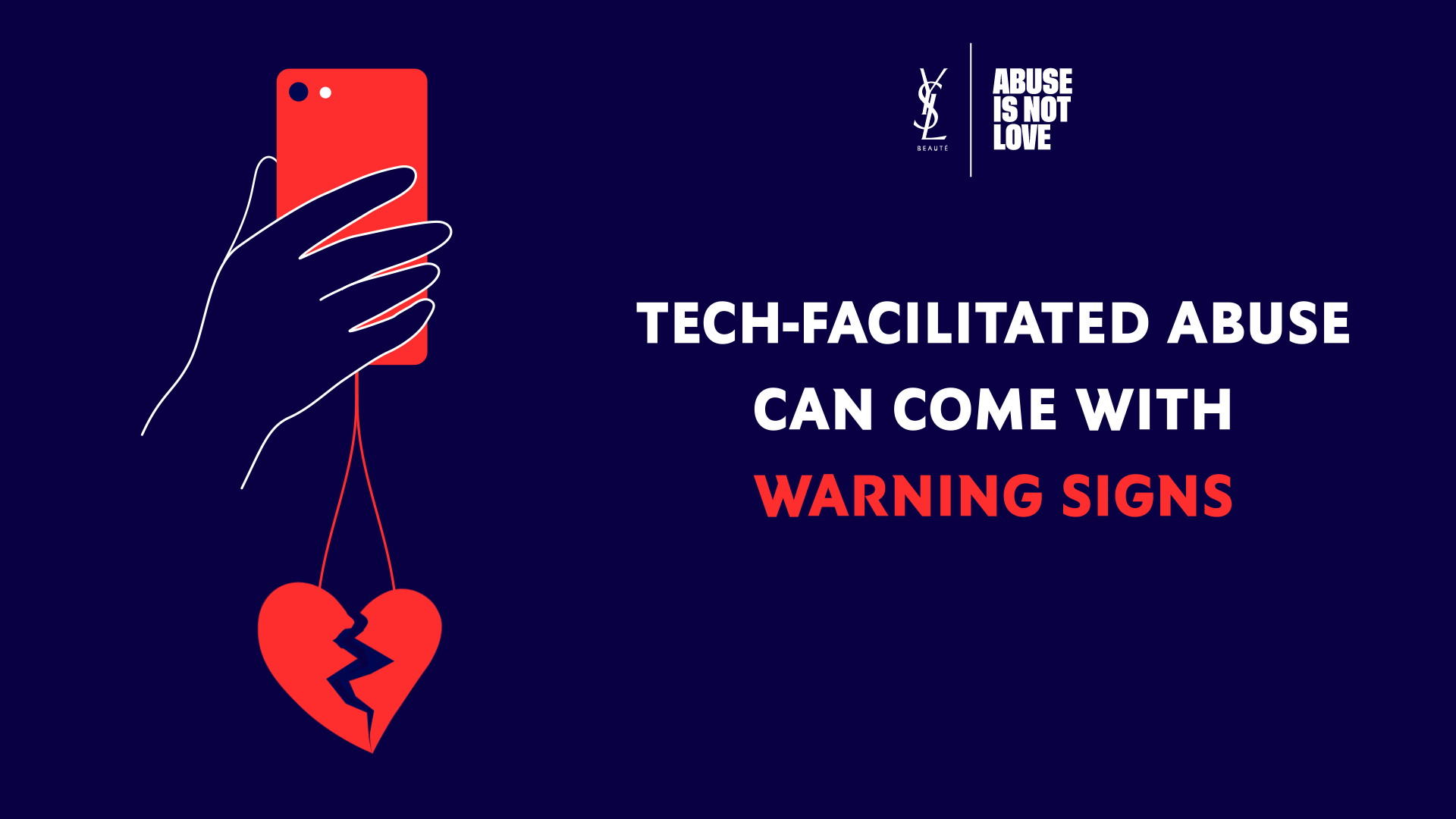
As the programme has evolved, so has the landscape in which abuse occurs. This year, its attention turns to technology-facilitated intimate partner violence (TFIPV), following a reported global increase of more than 62% in digital abuse referrals. Phone checking, password demands, location tracking and the monitoring of read receipts may appear innocuous, even caring, when viewed in isolation. Together, however, they can form a pattern of surveillance and coercive control that many young people struggle to recognise, let alone describe.
The latest chapter draws on the expertise of psychologist Dr Nina Jane Patel. Informed by qualitative analysis involving NGO experts across ten countries, her commentary identifies those aged 16 to 24 as among the most vulnerable to TFIPV, yet often the least equipped to recognise the behaviours involved.

Part of this vulnerability may stem from the growing normalisation of digital surveillance. We have become accustomed to constantly “check in”, while location sharing has gradually become embedded within everyday relationships. Where parents introduce these practices with positive intentions, they can unintentionally establish the idea that love requires unlimited access. Carried into romantic relationships, intrusion can be reframed as intimacy, control as protection and jealousy as affection.
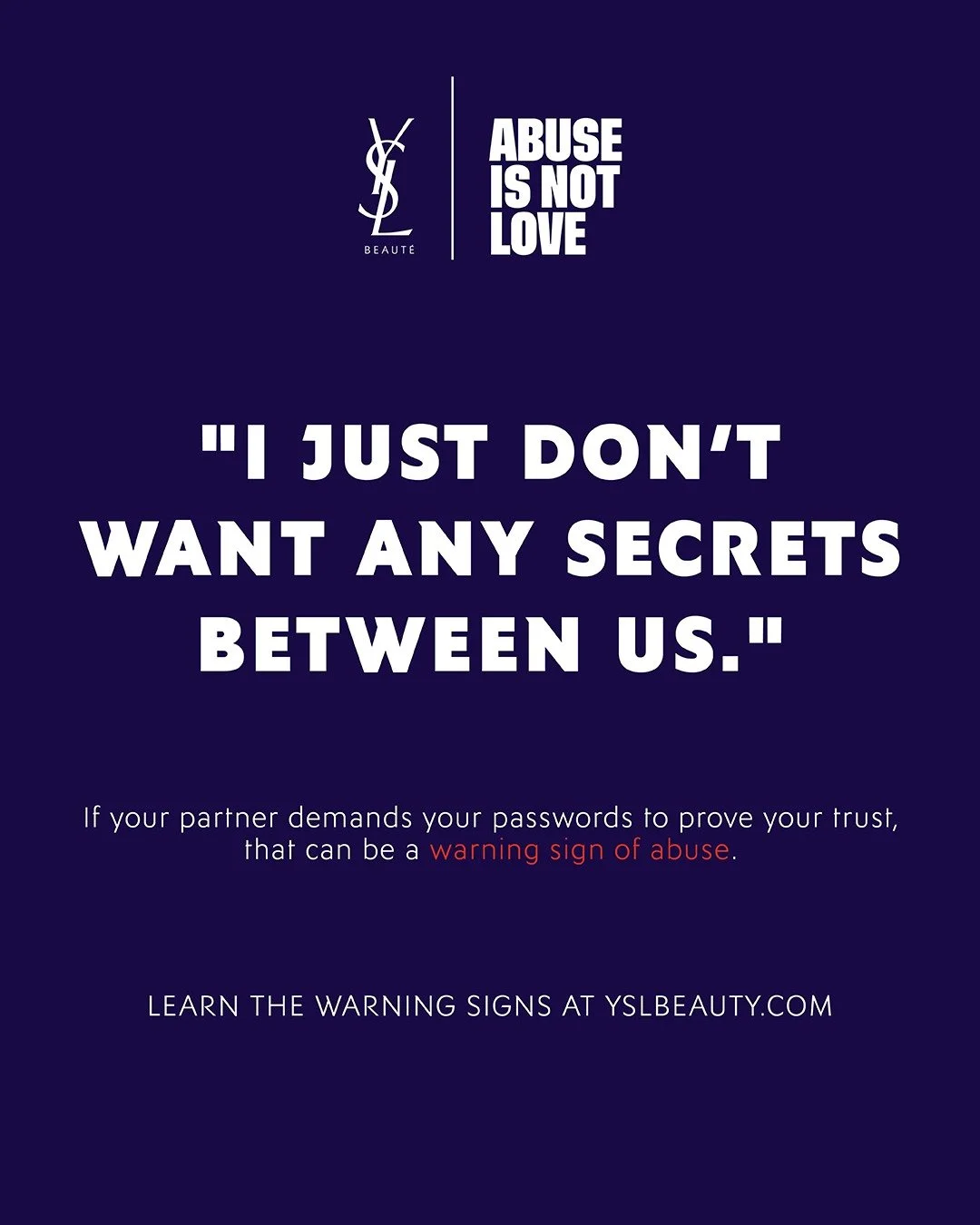
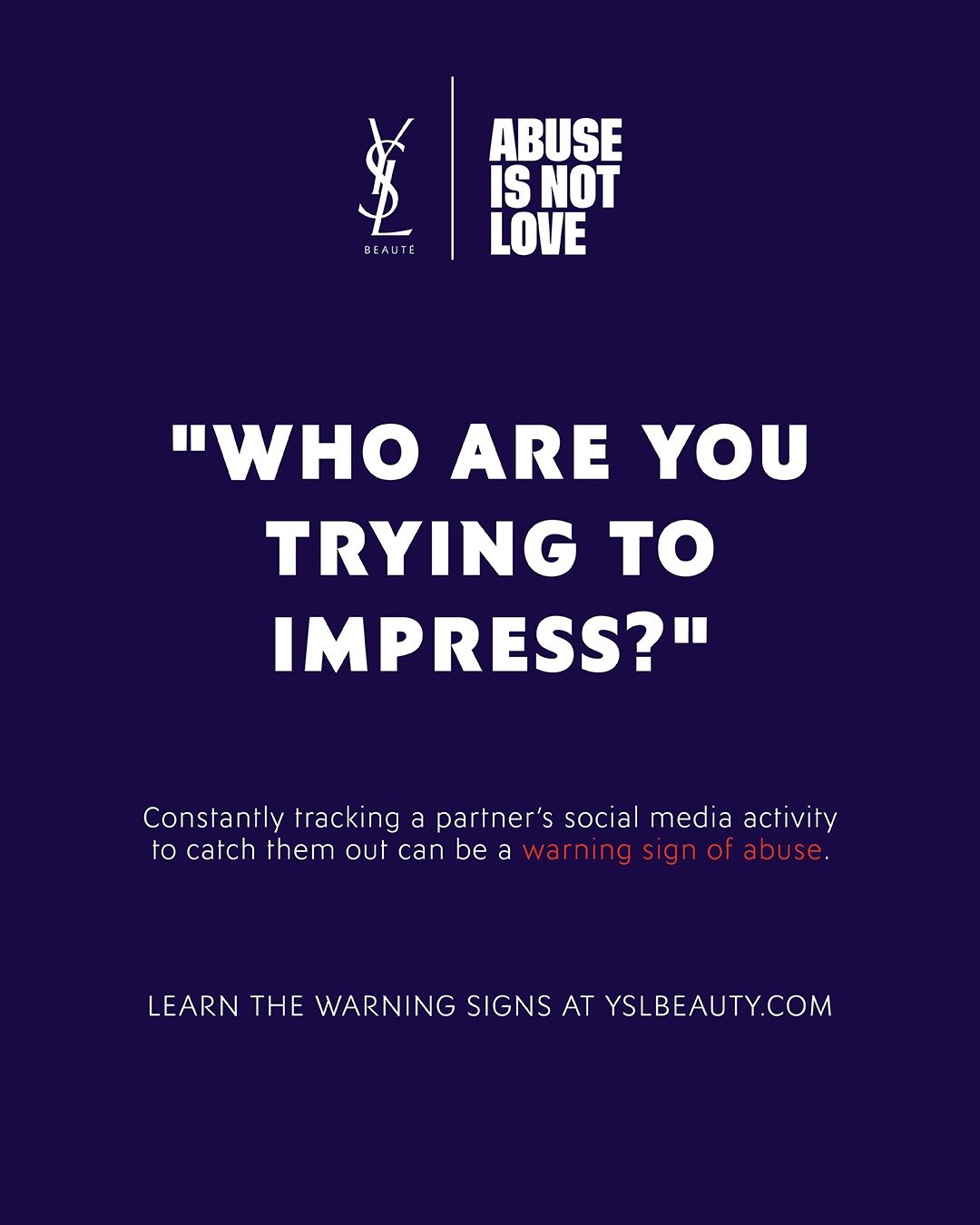
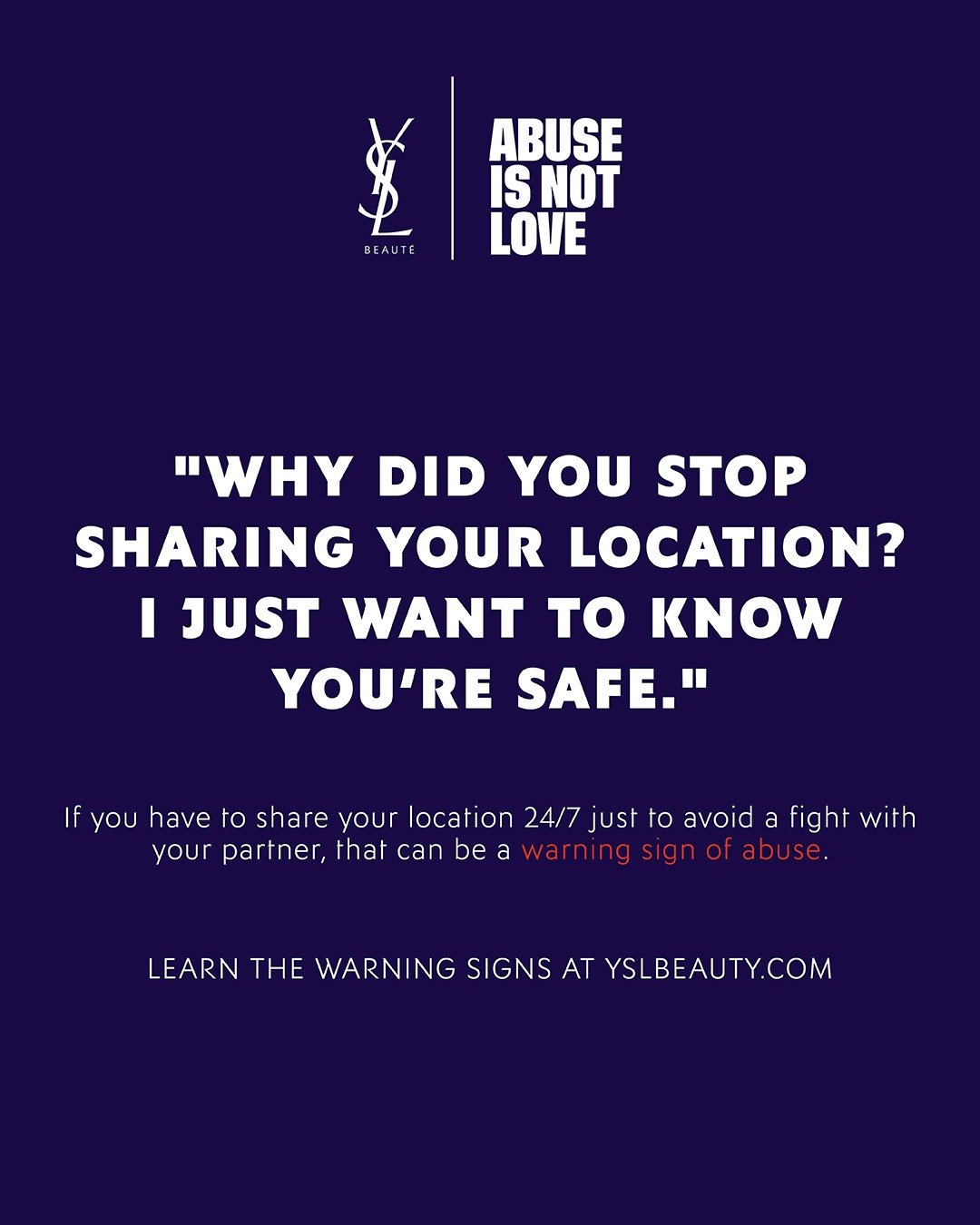
Dr Patel’s work also highlights the increasingly complicated role of artificial intelligence. Deepfake extortion, AI-generated deceptive messaging and chatbots that validate controlling behaviour are expanding the forms abuse can take, while making it easier to enact. As technology becomes further integrated into our relationships, it may also become more difficult for those affected to distinguish harmful behaviour from the digital habits they have come to consider normal. More recently, reports of Meta smart glasses being used to covertly film women have sparked public outrage. Examples such as this show how technology is giving already complex issues within relationships, consent among them, new forms and dimensions that require navigating. In response to the increase in digital dangers, YSL Beauty has adapted its established nine warning signs of abuse for the digital age, reframed through situations that people may now encounter through their phones and online platforms.
While abuse is far from an issue experienced by women alone, the level at which the issue affects women universally is one that cannot be ignored. Despite YSL Beauty’s admirable commitment to this advocacy, it also poses the question of other brands’ responsibility in the same space and for those possessing equally significant female customer and audience bases - what actions are they taking to demonstrate a level of investment in the group in question?
Abuse Is Not Love shows what brand support can look like when it moves beyond a single campaign and becomes a sustained commitment. That commitment should be reciprocal: if brands hope to build a devoted customer base, they should be equally invested in their customers’ well-being.