
THE MYTH OF ANTI-AGING AND WHAT SKINCARE CAN REALLY DO
editor MAREK BARTEK
In beauty, time has long been treated as something to defeat. Entire shelves are built around the promise that the right serum, applied with enough consistency and faith, might pause the clock or even turn it back. And while the idea is seductive, consumers are beginning to question how much of that promise is rooted in science and how much belongs to marketing fantasy. For Rita Silva, Science Communications & Brand Engagement Senior Manager at The Ordinary, the starting point of the conversation is disarmingly simple. Aging, she explains, is inevitable.
“There are many products that can effectively reduce the appearance of existing signs of skin aging, but assessing if a product is actually ‘slowing down’ the skin aging process is very difficult. It would require monitoring study participants over several years, possibly decades.”
This statement cuts through the mythology that has defined skincare advertising for decades. While certain ingredients can soften wrinkles, improve texture, or increase hydration, proving that a product genuinely slows biological aging is far more complicated than most marketing campaigns would suggest.
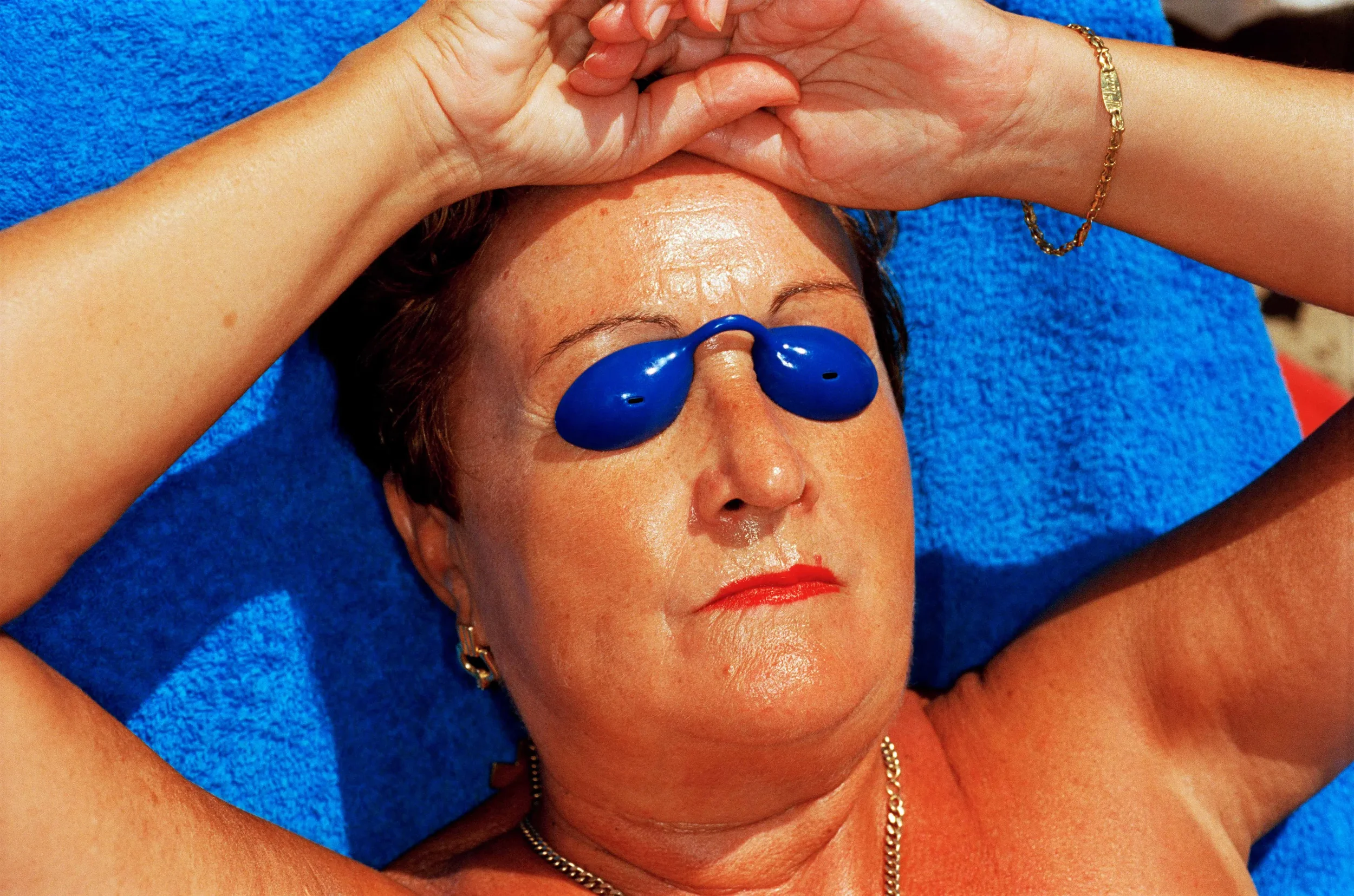
Martin Parr, Benidorm, Espagne, 1997 © Martin Parr / Magnum Photos
Yet science has been able to identify at least one very clear factor influencing how skin ages over time. “The one product category we know does slow down skin aging, as proven by observational studies on twins with different lifestyles, is sun protection. Sun exposure is without a doubt one of the most relevant causes of skin aging that we can actually control.” And though it might feel almost underwhelming in a world constantly searching for revolutionary ingredients, it also highlights a fundamental truth: the most effective skincare advice is often the least glamorous. “Without sun protection habits, a skincare routine targeting signs of aging is essentially useless.”
This pragmatic perspective and directness extend to the language surrounding aging itself. For years, the term “anti-aging” has dominated the skincare lexicon, framing wrinkles and texture changes as problems to be solved. Silva believes the phrasing itself carries unnecessary baggage.
“At The Ordinary we have always tried to stay away from the term ‘anti-aging,’ preferring to instead use ‘age support.’ This conscious choice was made not from a perspective of it being ‘false advertising,’ but from the unnecessarily negative perception of placing the word ‘anti’ before something as natural as aging.”
The distinction may seem subtle, but it reflects a broader shift within the beauty industry. Increasingly, brands are acknowledging that aging is not a flaw but a biological reality, one that can be approached with care and even celebration.
“Aging gracefully to me has very little connection to the speed at which our bodies’ many mechanisms slow down. Someone who has aged gracefully can have wrinkles, or age spots, or a body that doesn’t move as quickly, yet carry their age with elegance, kindness, and style. Investment in skincare, cosmetic procedures, or general wellness is something that anyone is free to do if they wish to but it is not an essential for graceful aging in my books.”
But while this is a view Silva would like for people to adopt, there are more key players in this game. The rise of cosmetic procedures has especially complicated the conversation further. Treatments that once felt inaccessible — injectables, lasers, resurfacing procedures — have become increasingly mainstream. In that context, skincare occupies a slightly different role than it did a decade ago.
“Skincare is accessible and low-commitment. It can lead to dramatic changes for some people, especially if they remain consistent, but it isn’t expensive or permanent, two things that can deter many people from seeking cosmetic surgery procedures. Still, our expectations when it comes to skincare should remain realistic. As great as it is, skincare is superficial.”
Recognising the gap between marketing promises and scientific reality has been an ongoing project for The Ordinary. One example was the brand’s campaign Periodic Fable, which sought to expose the vocabulary beauty companies often use to inflate expectations.
“We featured 49 ‘fable’ elements — marketing tropes and jargon — that are often used to overhype products because we wanted to highlight the need for transparency in the beauty industry, and separate fact from fiction.”
The need for that transparency has become even more urgent in the era of social media skincare advice. While the democratisation of skincare knowledge has empowered consumers, it has also created a landscape where misinformation can spread quickly across social media platforms. One example Silva frequently encounters involves the increasingly creative use of exfoliating acids. “A big one is using glycolic acid absolutely everywhere, including sensitive areas of the body such as underarms,” she says.
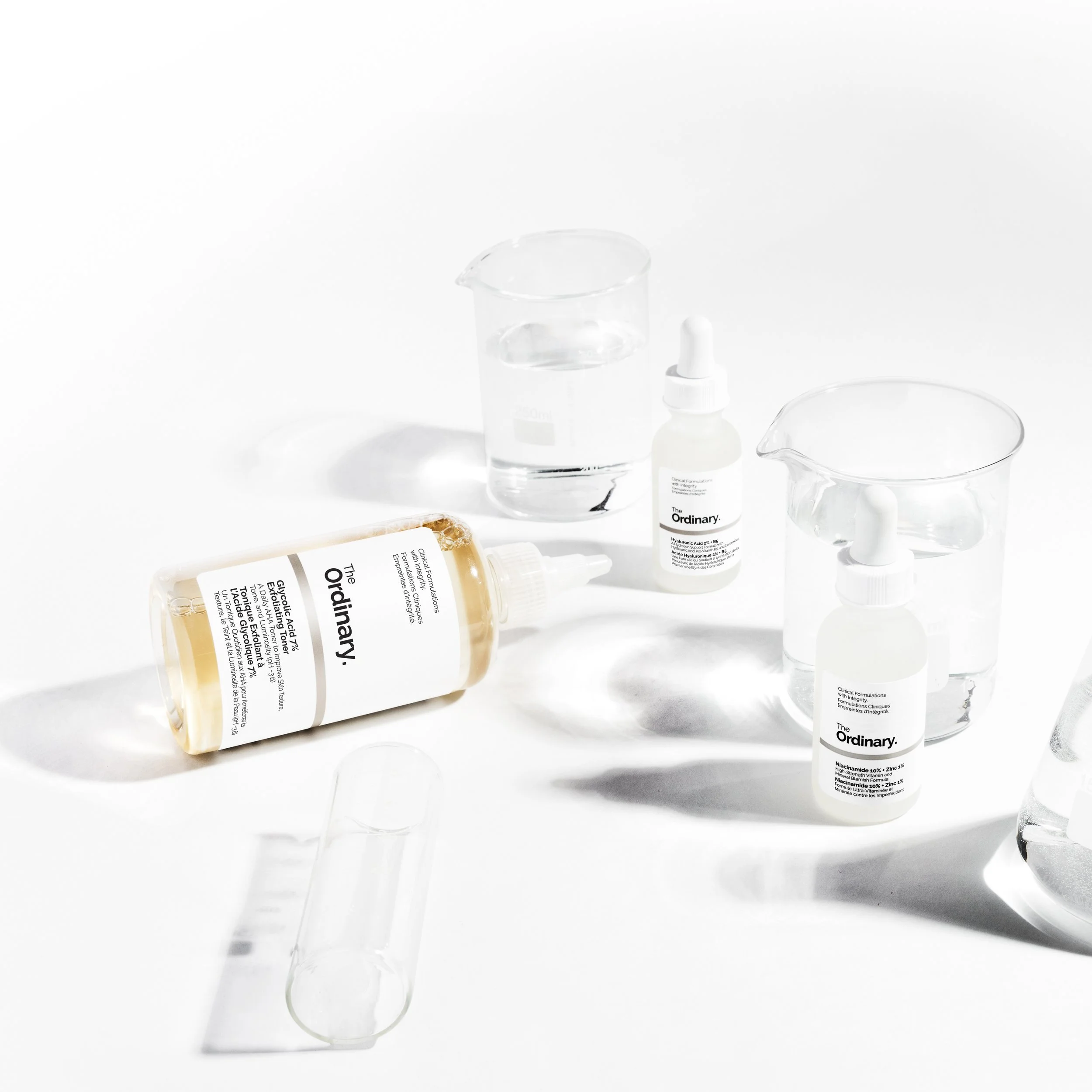
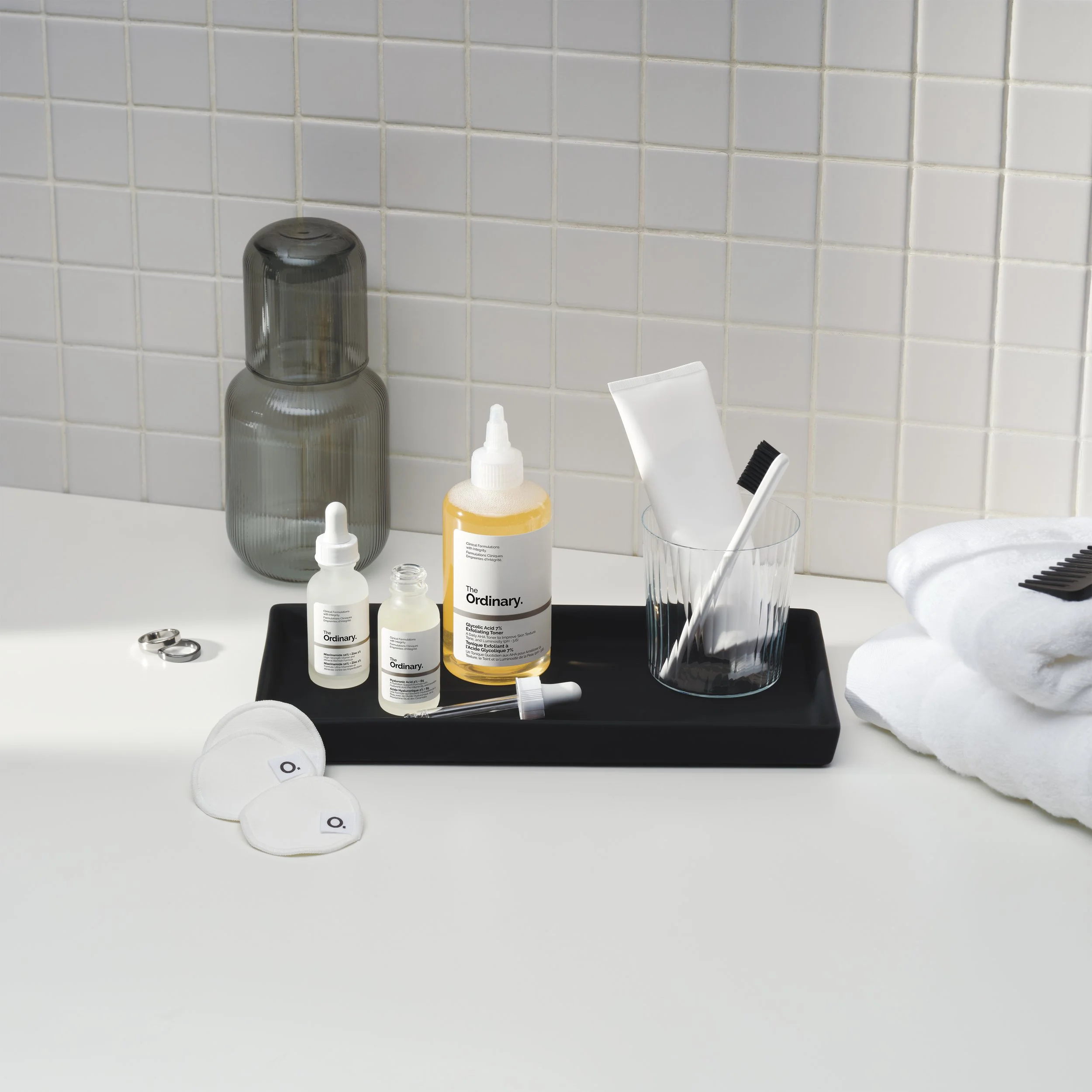
images courtesy of THE ORDINARY
The popularity of The Ordinary’s Glycolic Acid 7% Exfoliating Toner has led many users to experiment with unconventional applications, sometimes with mixed results. “It is exciting to see how well loved the product is,” Silva says, noting that some of those consumer experiments have even inspired further clinical research. However, she stresses that the toner was originally formulated for localised facial use and later tested for small exposed areas of the body and scalp.
“It was not formulated to be applied to the sensitive skin of the underarms,” she explains. “The skin-on-skin contact in that area creates an occlusive effect that could potentially increase the penetration of glycolic acid and lead to irritation.”
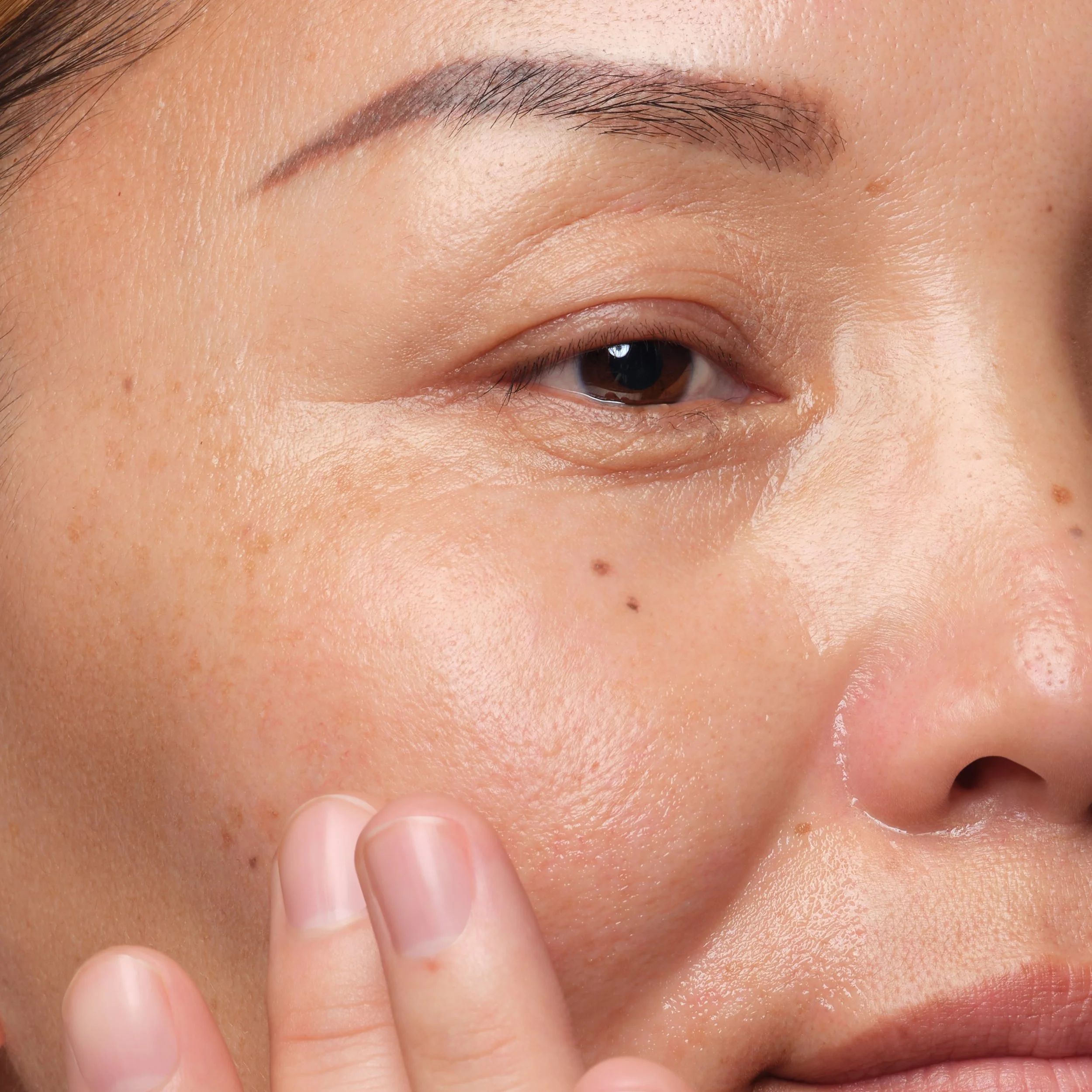
images courtesy of THE ORDINARY
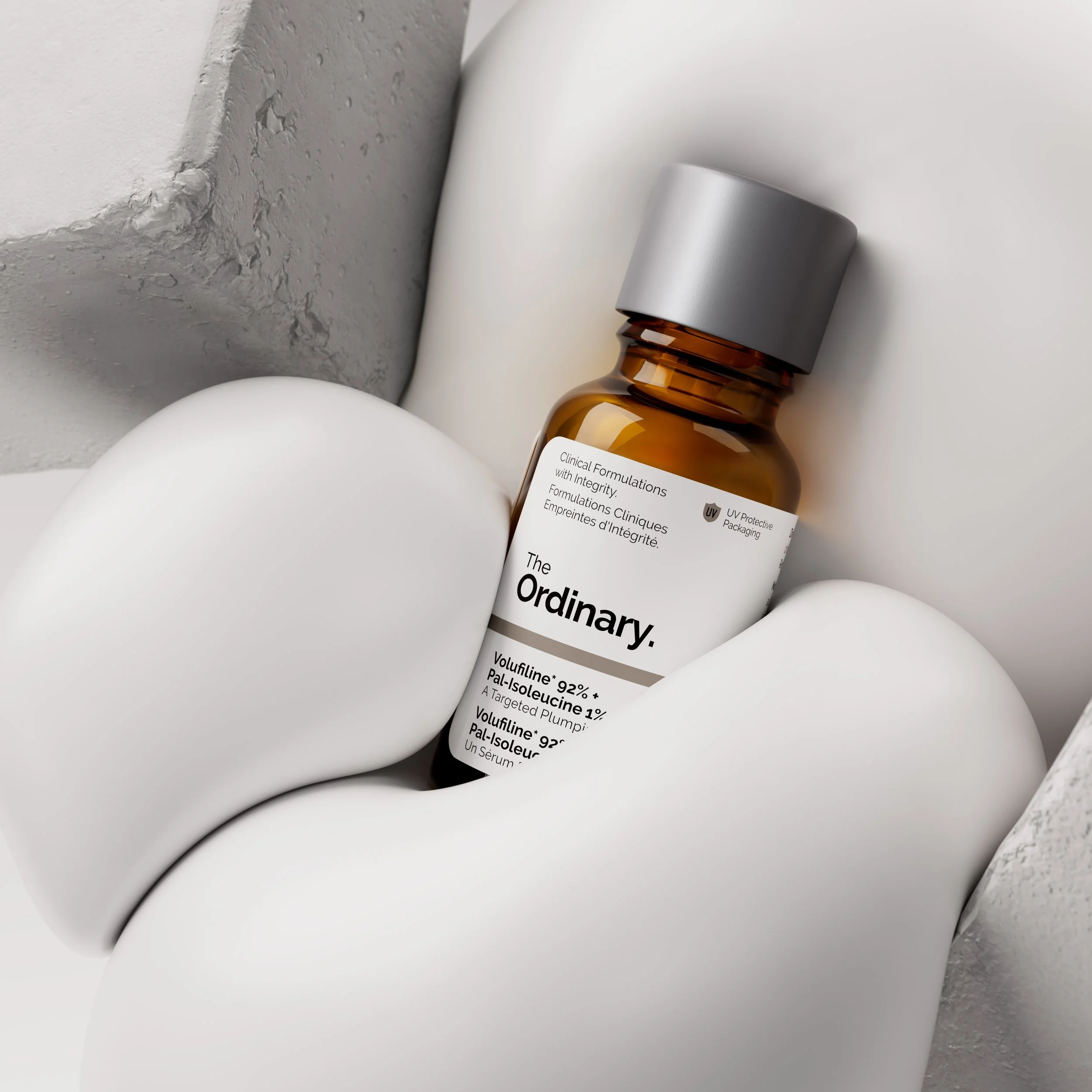
Another misconception she often encounters involves comparisons between topical skincare and injectable treatments. “We’ve seen our Volufiline 92% + Pal-Isoleucine 1% compared online to a certain injectable ‘in a bottle.’ This is not a claim that we have ever endorsed, as topical formulations cannot be compared to in-clinic treatments.”
In an industry where exaggeration has historically been rewarded, such moderation of various claims is unusual, yet it reflects a growing appetite among consumers for honesty. At the same time, the internet has also fuelled a new wave of ingredient literacy. Consumers today speak fluently about hyaluronic acid, peptides, retinoids, and niacinamide, often dissecting product labels with near-scientific curiosity. For The Ordinary, this shift has always been central to its mission.
“We named our products after the ingredients themselves and made sure to highlight the true heavy-lifters of skincare formulations and to explain why those ingredients were included.” Among the ingredients she continues to champion is niacinamide — a molecule that has become one of skincare’s most versatile workhorses.
“Many people have labelled niacinamide as outdated or overused, but we believe it is truly a marvel ingredient.”
The molecule’s appeal lies in its versatility. It helps regulate excess sebum production, supports skin renewal, improves texture, and contributes to strengthening the skin barrier. “Research has also shown that niacinamide supports essential skin lipids like ceramides, which act as a shield protecting skin from moisture loss and environmental stressors,” Silva adds.
But despite the explosion of products available today, Silva insists that a good skincare routine does not need to be overly complicated. “Cleansing, moisturising, and wearing sun protection every day are non-negotiables for me.” Beyond those essentials, routines should be adapted to individual concerns rather than built around trends. “We have a large selection because we want each individual to be able to find the best formulation for their own skin concerns, not because everyone should use everything.”
For those navigating the overwhelming landscape of skincare products, Silva recommends starting slowly and paying attention to how the skin responds. Patch testing, reading product descriptions carefully, and giving a formula time to work are all crucial steps. “Improved hydration and radiance can sometimes be noticeable overnight but some skin concerns, such as fine lines or dark spots, can take time to be visibly reduced.”
If the beauty industry has spent decades promising transformation, perhaps the most valuable shift now taking place is a return to realism. Skincare can help, but it cannot stop time. And maybe that realisation is not disappointing after all. For Silva, the people who age most beautifully are not necessarily those who resist time the most fiercely. Instead, they are the ones who embrace it.
“People who have aged gracefully are effortlessly cool and a pleasure to be around. They are individuals who took the privilege of aging and turned it into the confidence of someone who let the passage of time enrich their lives rather than weigh them down with insecurities pushed onto us by society.”
Time will pass regardless of how many serums we apply. The real question, perhaps, is not how to stop it, but how to move through it with curiosity, confidence, and love for oneself.