
A FEVER DREAM CALLED DEKMANTEL
words by ELIANA CASA
Dekmantel feels like a fever dream — one from which you don’t want to wake up long after you’ve left the grounds of Amsterdamse Bos. The energy of the crowd vibrating through the seven stages reminded us that music is the biggest connector after all. “We came all the way from France this year, and we’re camping here,” two strangers told me while Verraco and his Colombian tribal techno were shaking the entire Radar stage. “He dragged me here; he’s my music nerd friend.” “We all have one, and you just gotta love them,” I replied. Somehow, behind the trees of the forest, we all spoke the same language, united by one big love for sound.

all images courtesy of DEKMANTEL
To really understand how Dekmantel developed into one of the biggest festivals in the world, we had to go back to its roots. Back to a group of three friends from The Hague who started going to big raves and festivals at only 15 or 16 and fell in love with everything about it. “I loved the energy of bigger events, and I got really intrigued by all the people connected. That's your entry point into music,” Dekmantel co-founder Casper Tielrooij tells me backstage on day one, right after we kicked off the festival with the new At Dawn programme. For once, we enjoyed the perks of spending the mornings at the festival: fresh air coming through the trees, a slower rhythm, people arriving, and a stage that would gradually transform from a place of listening quietly into something bigger.
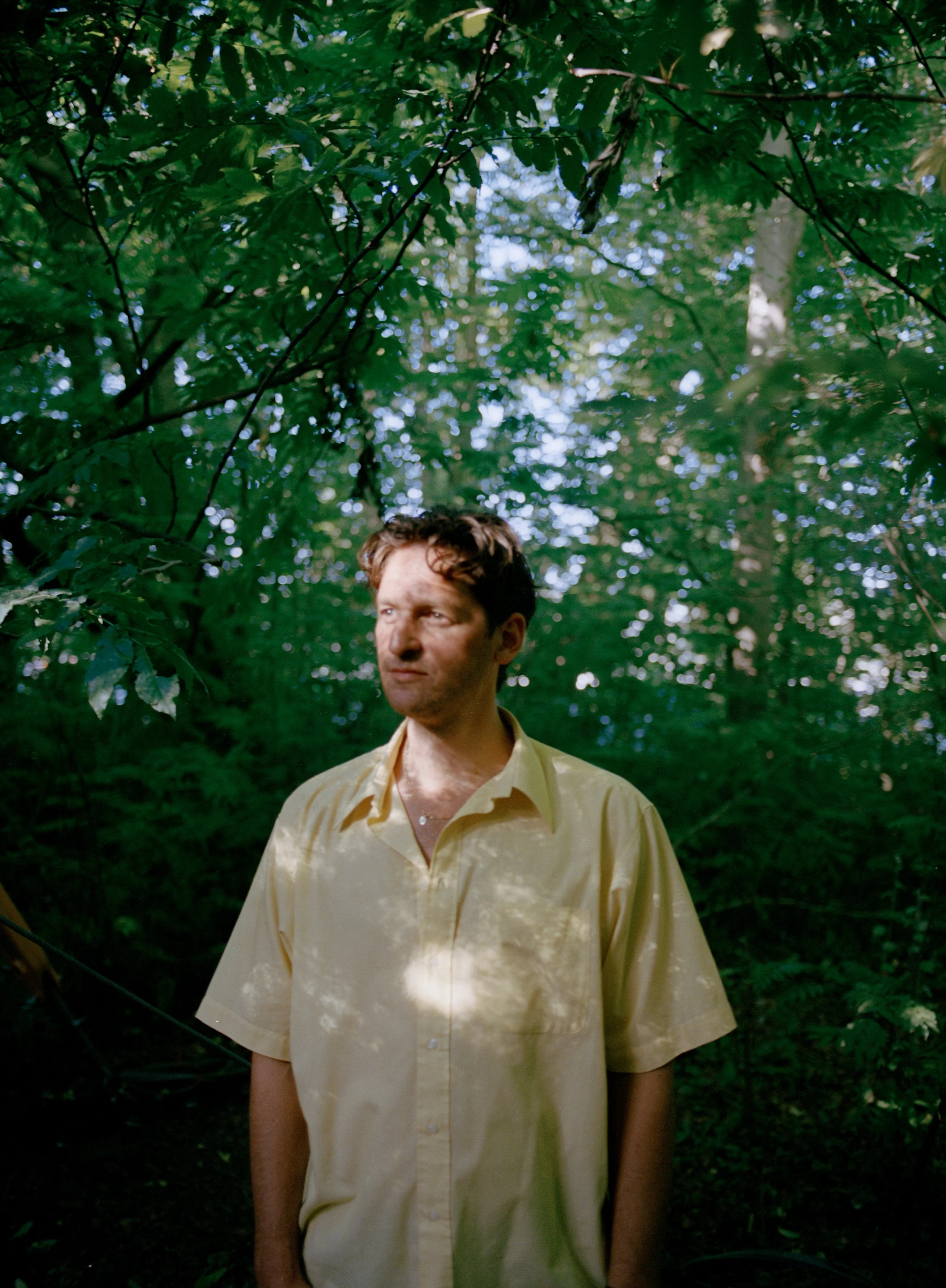
Back then, their afternoons were spent buying big turntables, digging into techno shops, going to illegal parties by Dimi Angélis (who also played at the UFO stage this year around), and starting the common be-loved practice of DJing between friends. Steve Rachmad was one of the regulars there. Casper explains to me — and at the very start of our talks, we’re already so deeply locked in music talks. “We would see him play and think: Whoa, what's going on? He was playing three decks, going from Aphex Twin to Jeff Mills, Robert Hood — mixing everything up. That was really mind-blowing for us.” Dekmantel started right in the heart of the city, at Dam Square, when it was still not recognized with such a name. Back then, it was known as Club NL. It was small, but it eventually grew into something bigger organically, like the festival did, years later. “Dekmantel had a strong vision of music, how we saw things, and how we wanted to do it from the start. We were also aware of what we were missing at the time, and we thought, Why don’t we just do it ourselves?” Casper continues, “Someone suggested the name Dekmantel, which literally means cover-up, and just like that the festival became the reality we know today.”
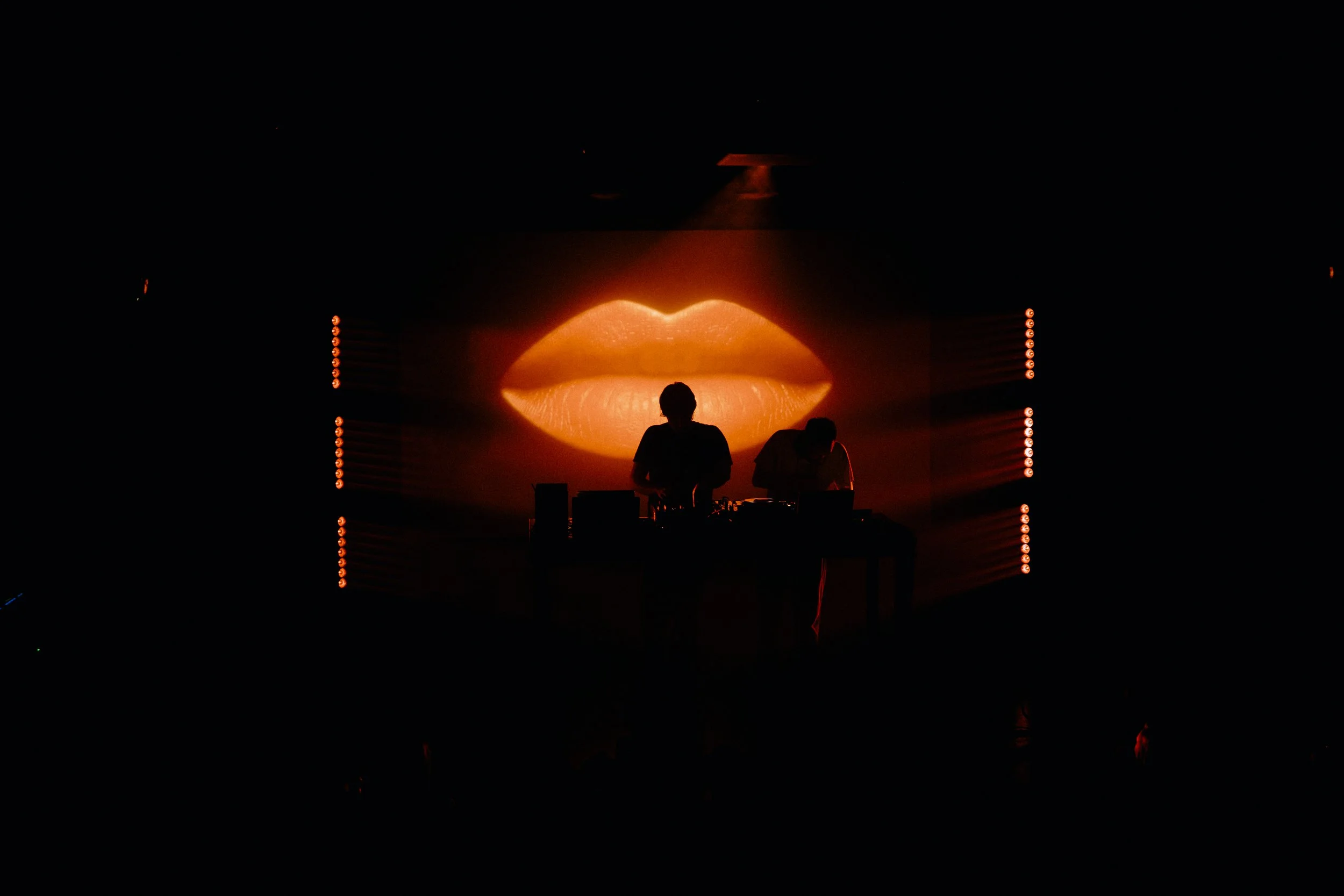
How was the music scene back then, though? I ask. House music was very much present, Casper explains: “Chicago house, Detroit house, New York house from the US. It was a more soulful, warmer kind of sound. In those years, it wasn't really there. It was the heyday of minimal.”
The young Dekmantel crew were fascinated by the possibilities beyond it, constantly looking towards the roots of electronic music while trying to understand where it could go next. That instinct remains central to the festival today, where the Detroit scene was back stronger than ever this year. For Casper, Dekmantel's musical evolution is a natural organism: an ecosystem that grows, mutates and responds to what is happening around it at the moment: “We don't want to do the same thing every year. The programming team is constantly asking what is new, what is happening, what innovation means to them and which artists they want to enter into dialogue with.”
This spirit is visible throughout this year's programme. Dekmantel increasingly uses the festival as a space where artists can step outside their usual environments and create something unexpected. Surgeon and James Holden, for instance, had never played together before. Other collaborations were built around giving artists enough room to experiment within or beyond their comfort zones. Just like the evolution of music, even the structure of the festival has been reconsidered, with the new At Dawn programme and opening ceremony, reversing the usual logic of festival access. Rather than treating early entry as a premium reserved for more expensive tickets, the festival wanted to give something back to the crowd by expanding the musical experience across the entire day.
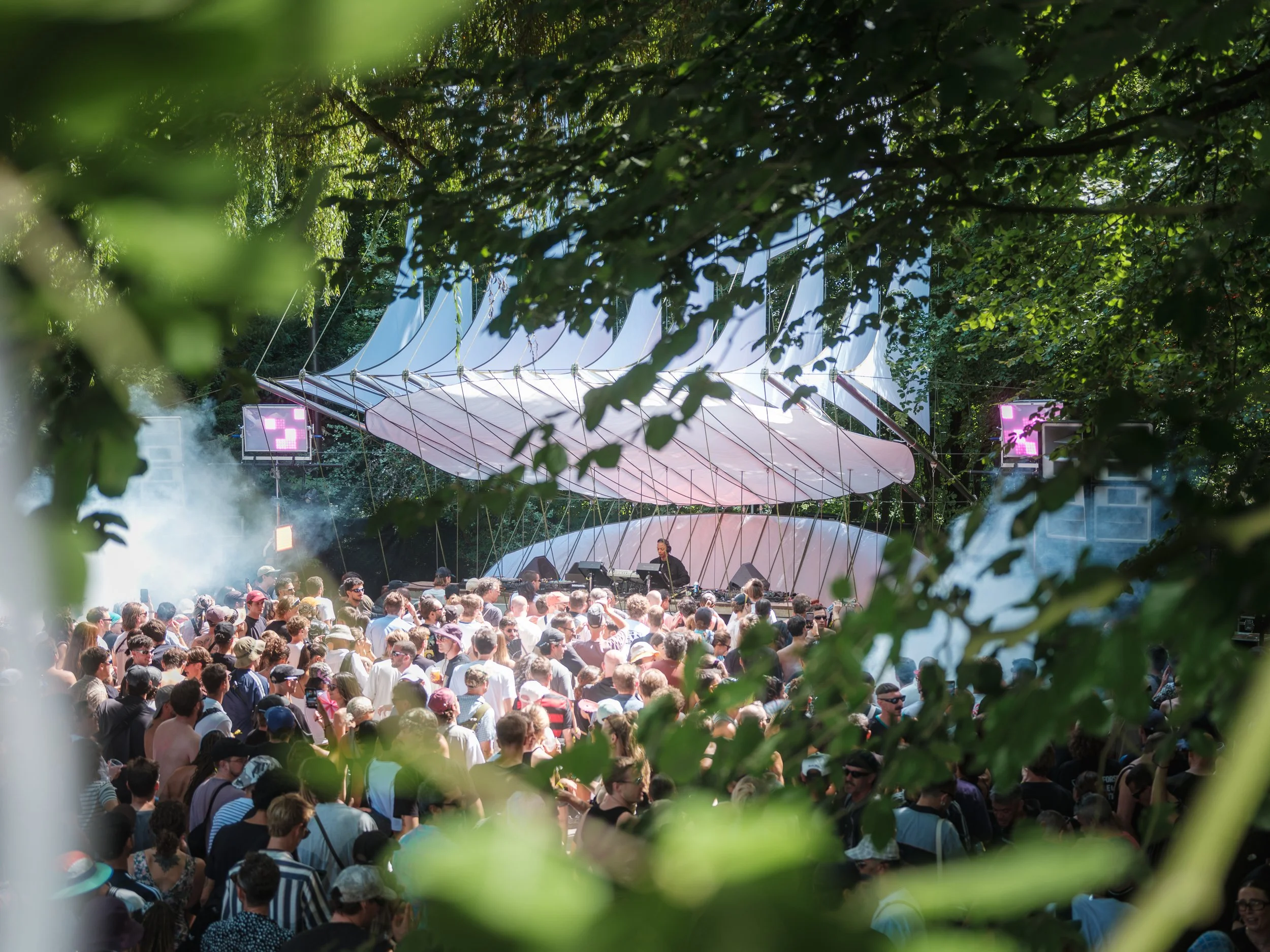
As our conversation continued, more people joined the stages around us; some sipped coffees kindly offered by Oatly, others already had their beers in hand - all mesmerised by the sound of nature and the first listening sessions of the day. The forest, as Casper says, has been the natural home of the festival for the past twelve editions, with every stage telling a different story and having a different feeling to it. “Now we’re sitting backstage at the GreenHouse, surrounded by yoga pillows and it feels very intimate.”
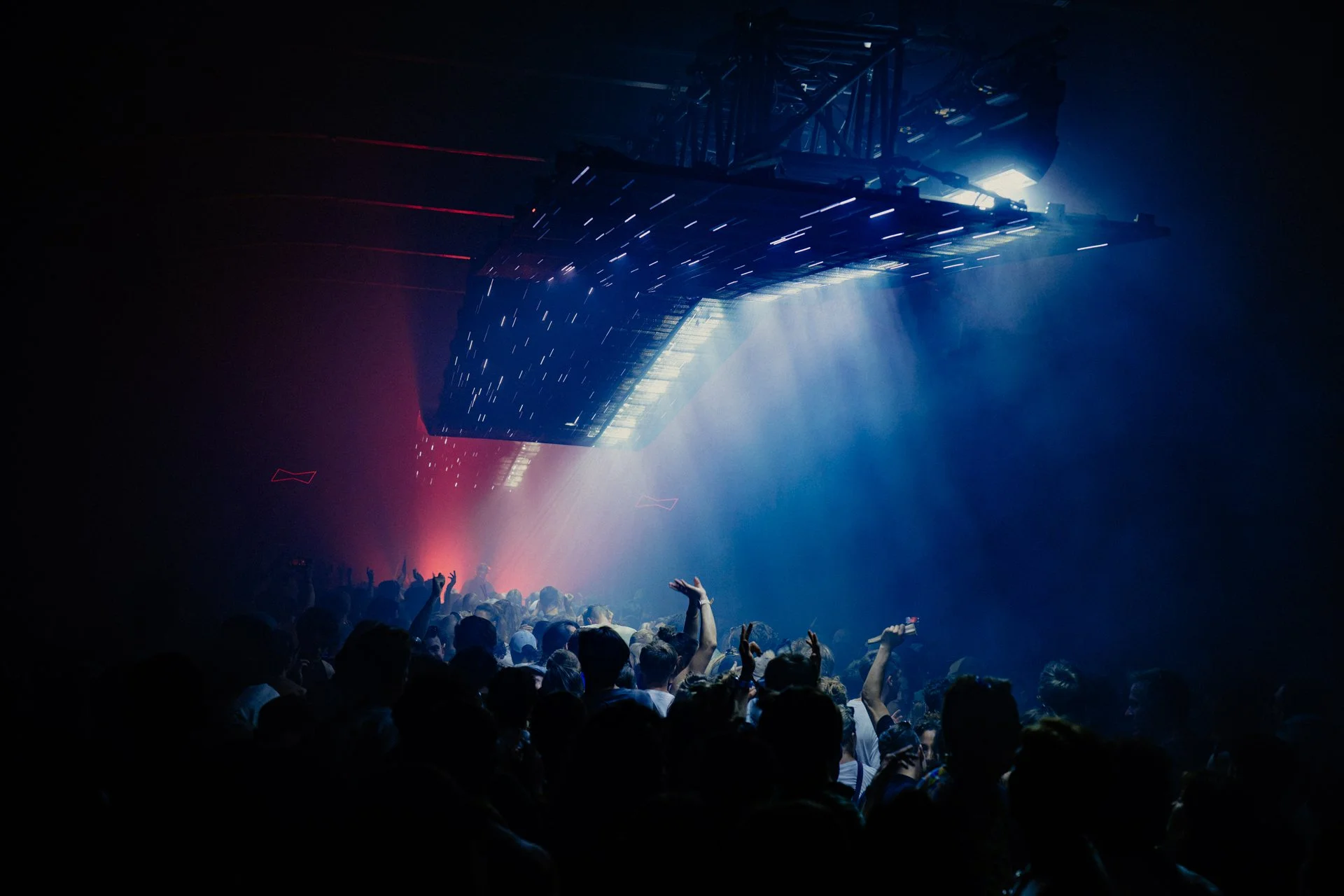
While at stages like UFO 1, Felix Ward (the co‐founder of Matière Noire, a Paris‐based spatial design and scenography studio founded in 2019) explains: “We explored the interplay between framing, cast shadows, and diffusion. By layering technologies and materials, elements dissolve and re-emerge, continuously shifting the perception of depth and space—creating an atmosphere that is both subtle and impactful.”
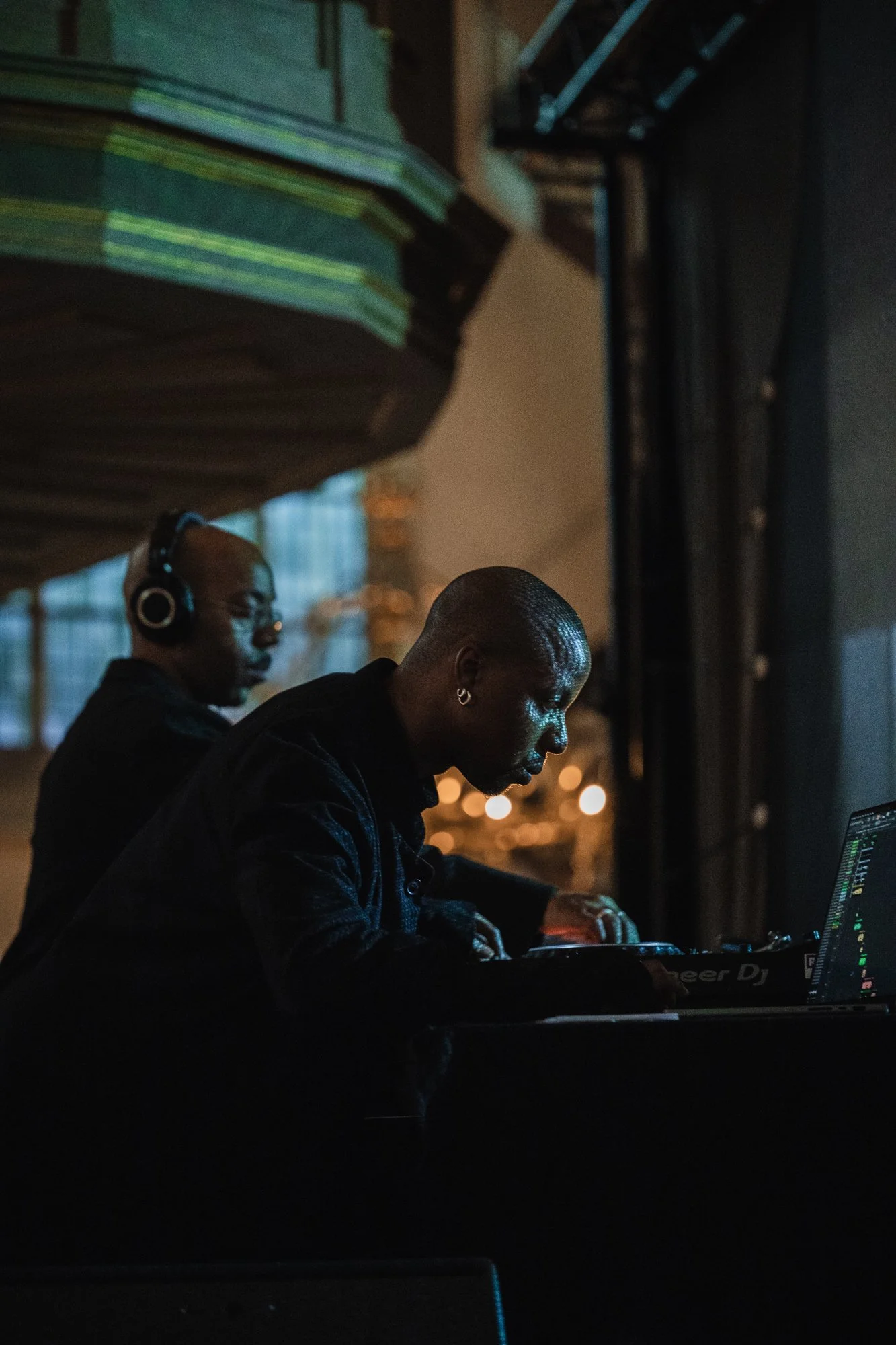
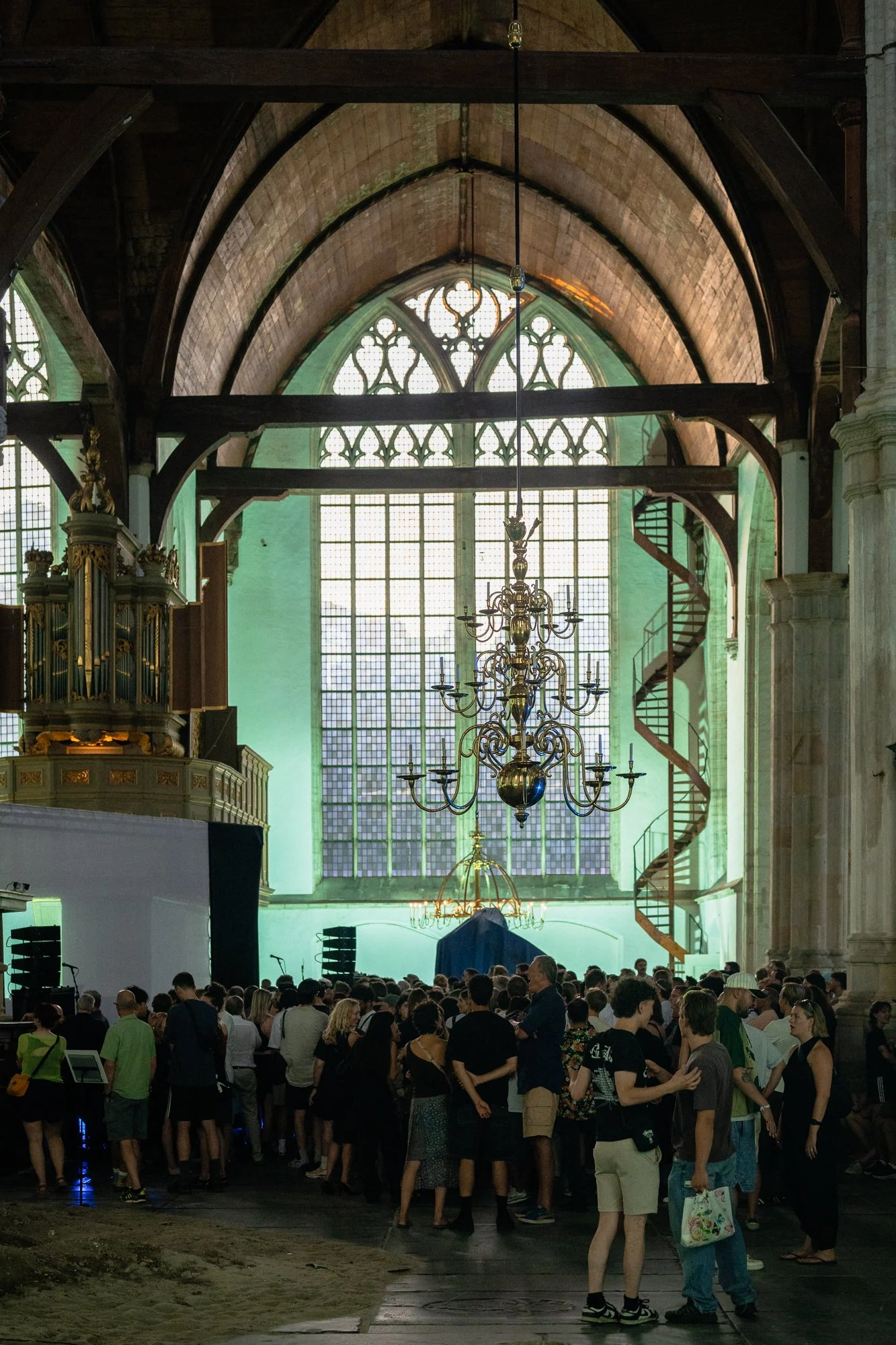
Festivals can somehow feel quite schematic, but not here. “It’s crazy to think that people will be dancing here in just a few hours, when only a few days ago we were vibing to Space Afrika’s immersive listening session at the Oude Kerk, where visuals, music, fashion, and sound came together,” I noted. Dekmantel goes far beyond the forest and has reached every corner of the city for a few years already now. This year, the programme expanded across venues including Melkweg, Paradiso and De Balie. There is a sense that Dekmantel increasingly wants to create a 360-degree experience around music. A performance by STOOR at Paradiso, for example, isn't simply a DJ set. The concept, created by Speedy J, is a live techno jam combining live sound and audiovisual elements.
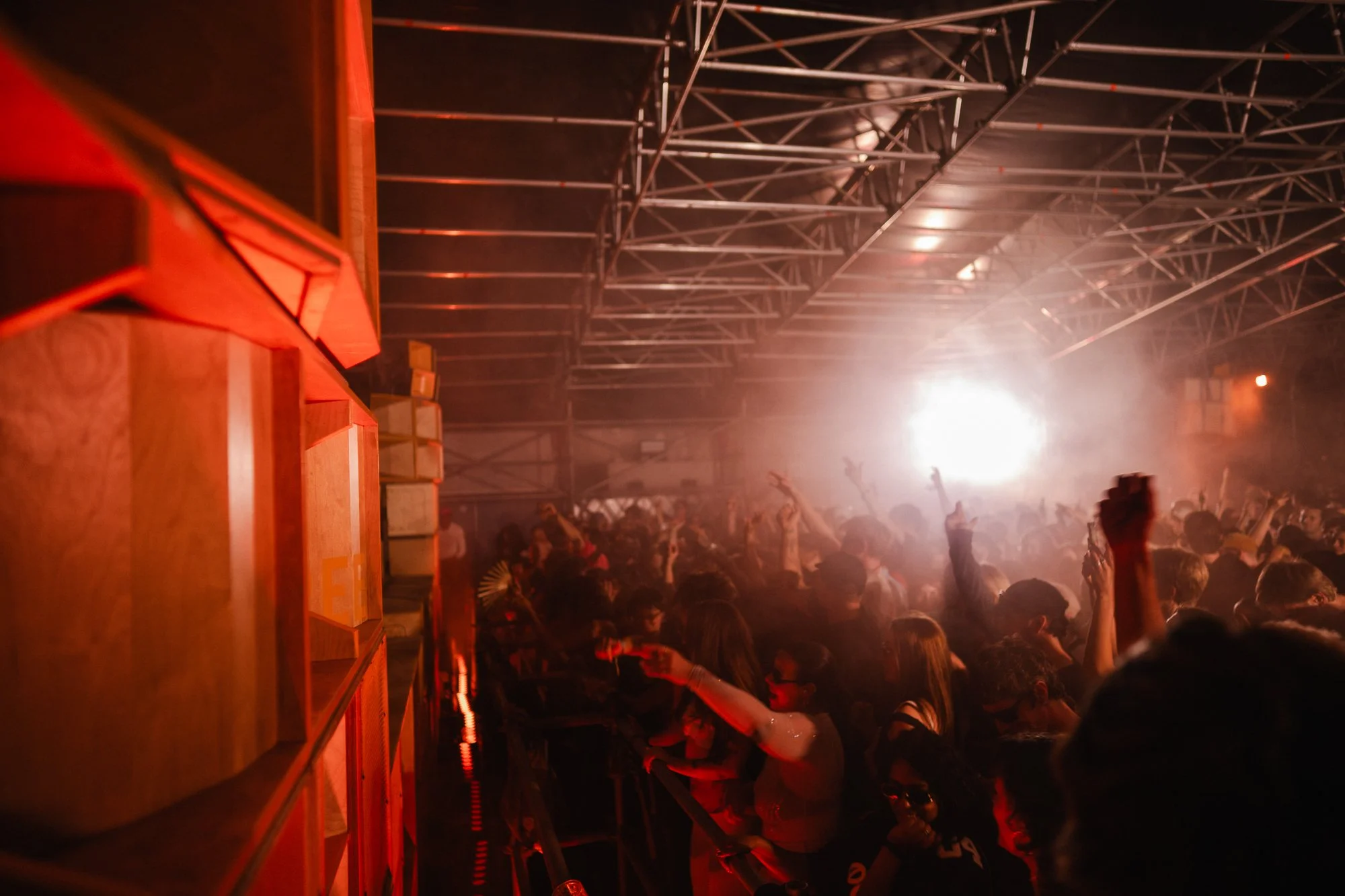
Even the sound systems become part of the story. This year, The Nest uses Krackfree, an Eindhoven-based sound system rooted in the traditions of old dub and reggae sound-system culture. It is entirely home-built, with speaker stacks that are as much a visual presence as they are an acoustic one. Behind every stage is an ecosystem of sound engineers, scenographers, staff members, and longtime friends, all contributing to an experience that feels carefully considered, without losing that spontaneity to it. That’s what ultimately sets Dekmantel apart, and that is why, while on the festival grounds, I stop Albert van Abbe, Dekmantel’s Lead Scenographer, to ask how much of that process begins with sound.
“On every stage, the lineup and sound system layout are usually the starting point of the design process,” he explains. “The scenography then grows from the music and the way the sound moves through the space, rather than being designed independently from it. Nothing exists in isolation. Sound informs space, space shapes movement, and light and architecture complete the experience. I think it’s the level of care and attention given to every part of the experience,” van Abbe adds.
And then there is the question that I long felt like asking during our chat… what the original group of friends from The Hague would think if they could see Dekmantel now? Casper laughs. He thinks they would be proud. Many of those friends still attend the festival, even as their lives have changed and children have entered the picture. Casper’s parents entered the conversation to quickly say hi, and suddenly it all made sense. That connection between generations is one of Dekmantel's most striking qualities. Legends such as Jeff Mills can appear alongside younger artists, creating a meeting point between people who grew up with techno and a new generation discovering it for the first time. “Seeing Kuniyuki and Satoshi Tomiee and watching a crowd completely absorbed in the moment gave me literal chills.” He continues. When the artist, the sound, and the crowd suddenly click into place, there is a physical reaction. “That's when you think, Okay, this is why I do it. That's what I do it for.”

Before I leave, Casper mentions that he’d also be playing with Dekmantel Soundsystem, a group of DJs he performs with alongside Olf Van Elde, another figure from the festival's early days, who is still part of the story.
“With Dekmantel, we try to create bigger stories than just releasing a record or booking an artist. We try to build projects and collaborations together with artists that can involve both the label and the festivals. This allows us to support not just the music and the art, but foremost the talent behind it. Having both the label and the festivals allows us to facilitate artists in different ways rather than simply releasing or booking them. Whether it’s an emerging artist or someone more established, for us it’s mostly about believing in what they do and finding ways to build something meaningful together.” Olf continues.
And perhaps that is the secret behind Dekmantel's realness. It has grown into a global festival without losing touch with its origins, and the feeling of still being part of that group of friends, still digging, still experimenting, still inviting new people into the conversation.
Behind the trees of Amsterdamse Bos, everyone spoke the same language, and we were part of that conversation. For a few days each summer, it is impossible to imagine wanting to wake up from it.