words by VERONICA TLAPANCO SZABÓ
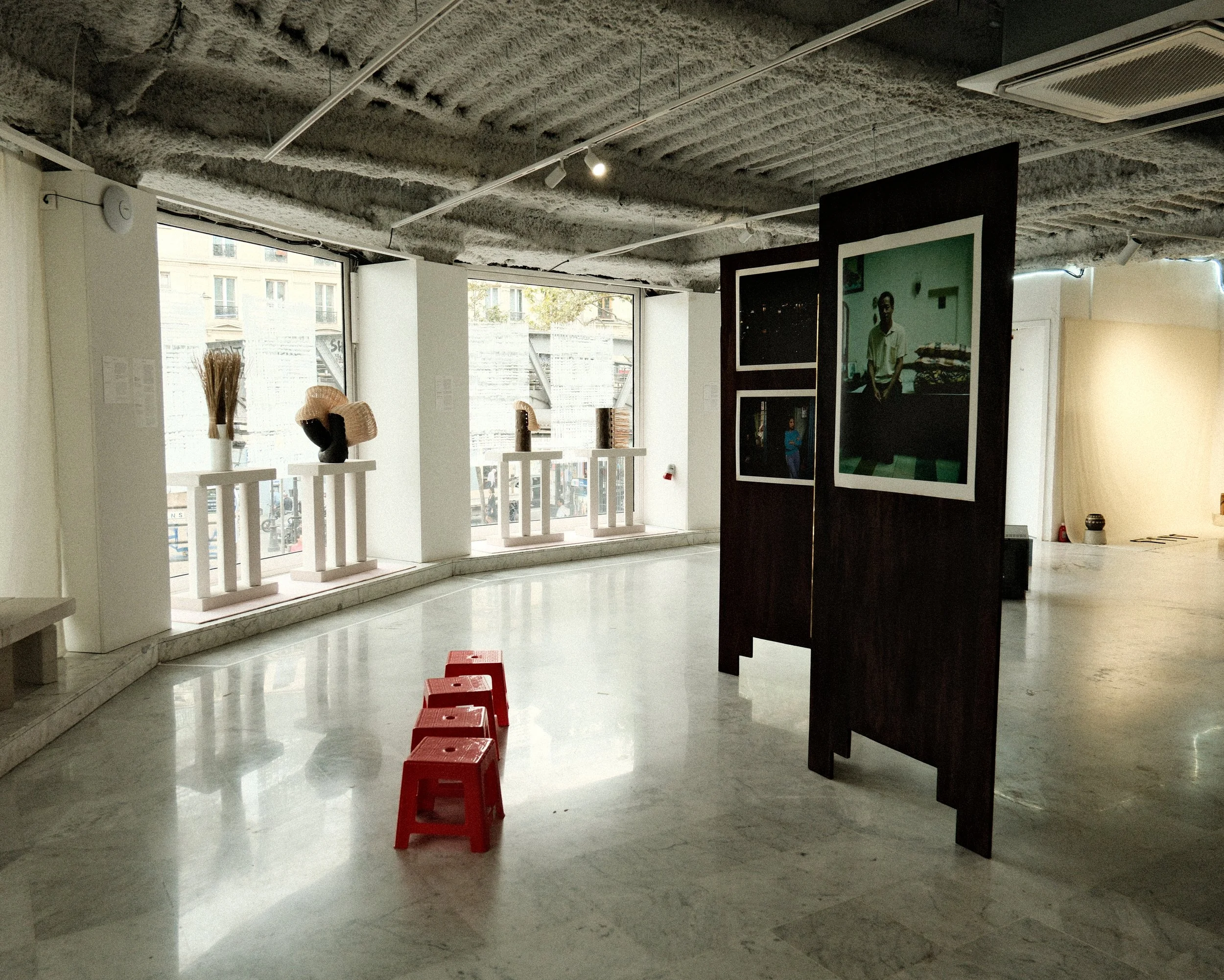
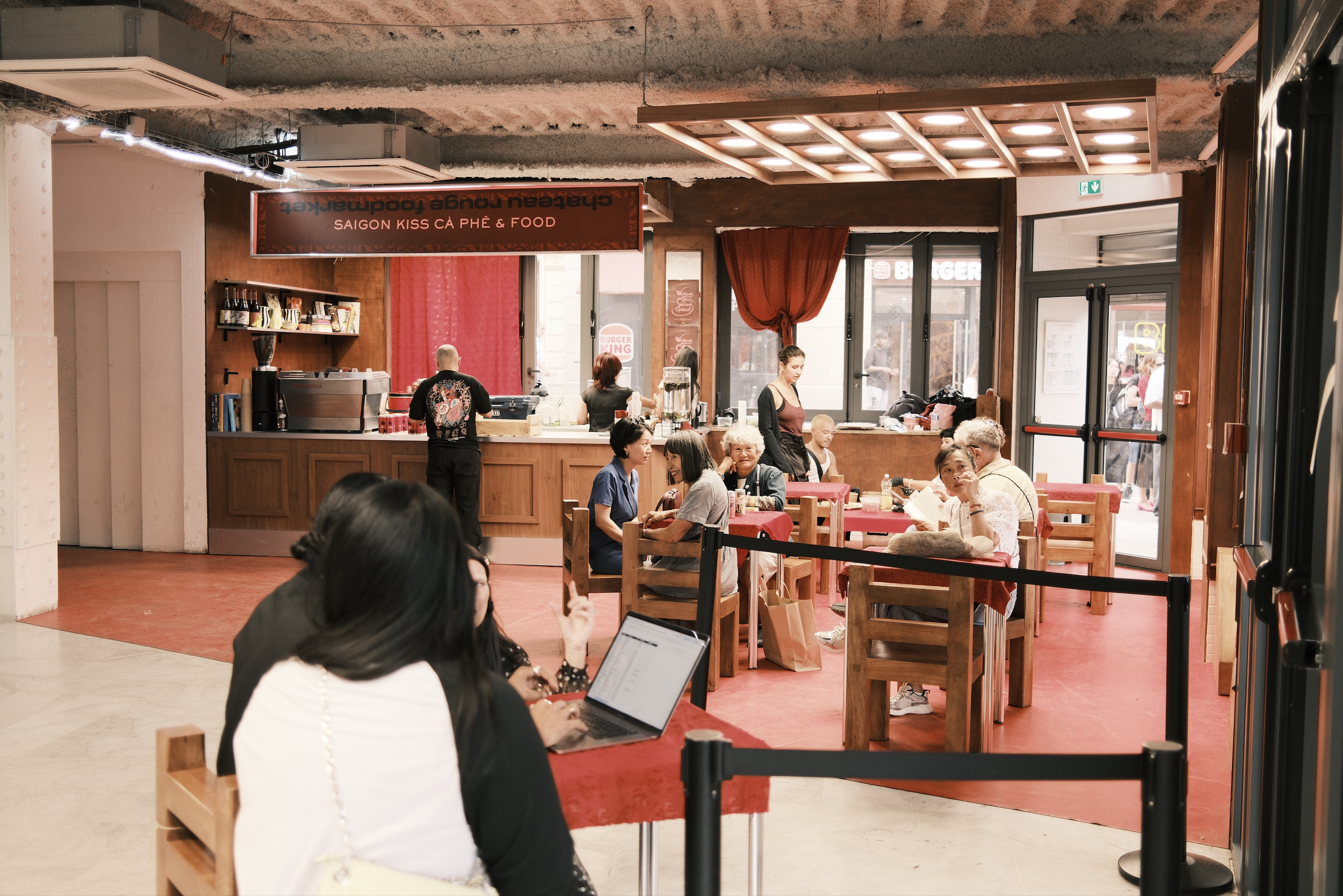
The cultural platform Saigon Kiss left its online dwelling yet again to magnify its glow in the city of lights. After two years of hosting multiple one-off events across Europe, which kept attendees yearning for more of the sincere sense of connection Saigon Kiss nurtures, they finally delivered a five-day cultural residency titled “Weaving Stones, Sewing Ground.” The programme unfolded in Paris from 2–6 September and was a tribute in the purest and most honest form to the resilience and memory of Vietnamese culture, brought forth so proudly and beautifully by each contributor. Amid the stellar lineup of Vietnamese artists, designers, makers and culinary voices, I sat down with the two founders, Yến-Nhi Lê and Tessa Yến Nguyễn. The pair at the helm originally bonded over their shared diasporic experiences as second-generation Vietnamese. The residency itself was hosted at the Union de la Jeunesse Internationale, which translates to “Union of International Youth”, making for such a cosmically aligned setting as the building’s very name anticipated the kind of cultural exchange Saigon Kiss set out to create.
all images courtesy of SAIGON KISS, photographed by YASSINE ABOUHAMID
The creativity that binds the collective is such a moving force that I experienced firsthand at their karaoke night on the eve of the residency’s final day, where the feeling was much like being at a friend’s birthday party. You know a few people, not quite everyone, but there is an immediate sense of celebration. As it happened, there was a birthday being celebrated that night too: that of co-founder Yen-Nhi, with a platter of roasted pork in lieu of a cake and a Hello Kitty piñata!
Yen-Nhi, you recently moved to Paris, congratulations! I find the city incredibly inspiring, and I know many others feel the same. I wonder if you’ve felt some of that since moving here?
Yen-Nhi: A hundred per cent. Paris has always been a city that challenged me a lot, especially with Saigon Kiss, because we had already done a few events here that turned out amazing. We did one at the restaurant Chop Chop Love, and we had such a wonderful turnout and community. People were saying, “We want more, we want more.” Since we only started Saigon Kiss two years ago, we needed to do smaller productions first, to see how they felt and to learn how to work together as a team. Now this is so much bigger, with many more people involved, and it’s really coming together.
Going back to the project itself, let’s begin with the surface: “Weaving Stones, Sewing Ground.” There’s something very tactile and grounded in the language of the title, but also something almost impossible in the gesture itself. Can you tell me more about it?
Yen-Nhi: “Weaving Stones and Sewing Ground” are obviously to do, but I think it really captures what this residency is saying. What happens when contemporary Vietnamese culture and the diaspora are understood as an ecosystem, rather than as separate disciplines? Someone who is a chef and creates food can also identify with someone working on a publication documenting contemporary Vietnamese culture. During our lunch breaks, the whole team exchanged so much about everyone’s backgrounds. I think that is essentially what “sewing ground” also refers to. One of the photographers, Maï Lucas, is an incredibly talented photographer who became known for documenting the emergence of hip-hop in Paris in the 1980s. She’s one of the oldest participants in this residency, and it’s so interesting hearing her speak about being Vietnamese in Paris at that time.
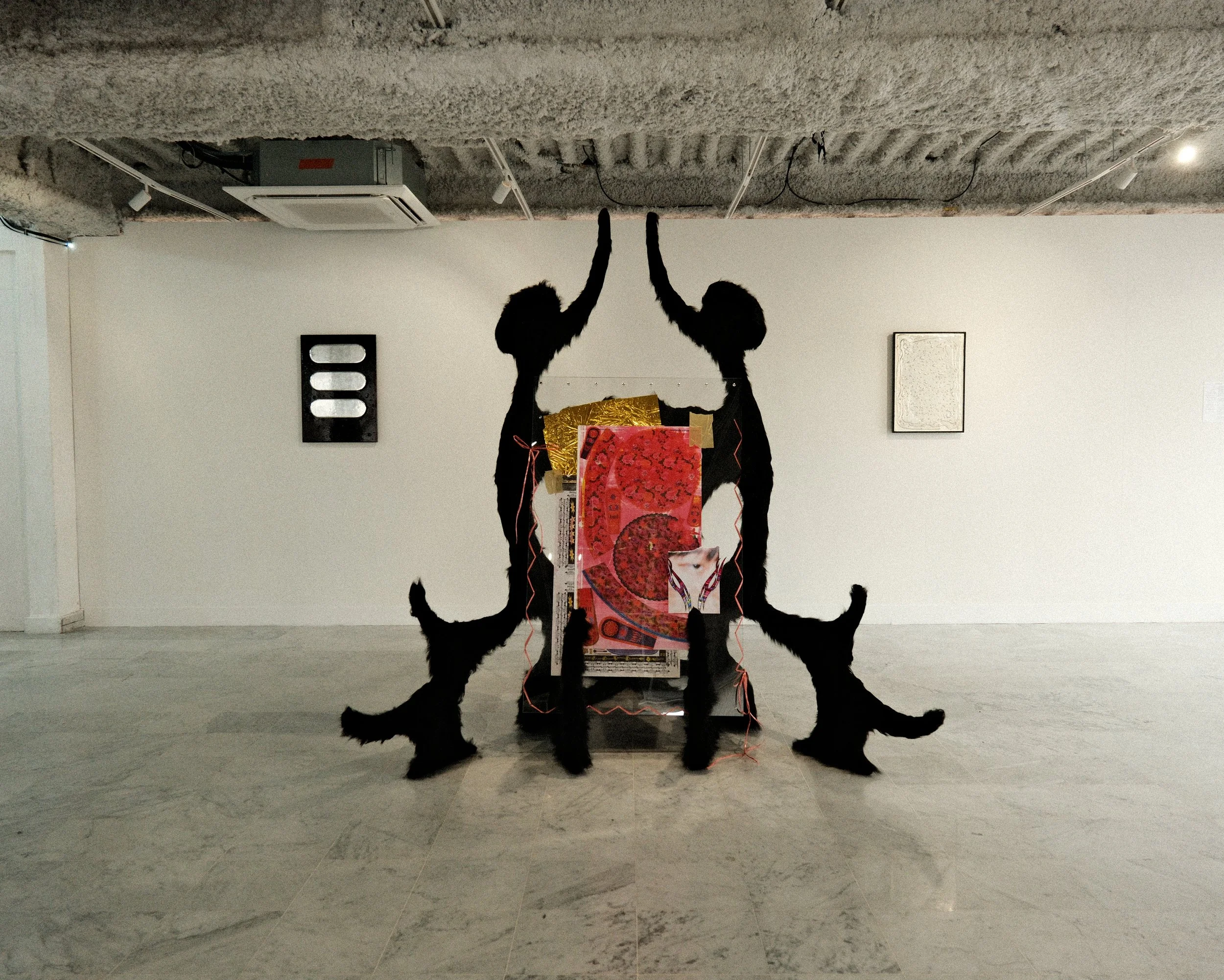
The diaspora element runs through everything you do, even the very foundation of the collective, with its roots spanning Saigon, Paris, Amsterdam and Berlin. What different paths, ways of life and turns of fate brought each of you to these cities?
Yen-Nhi: Honestly, it’s always curiosity. Even when it came to Vietnam itself, I started going back completely by myself when I was around 21, that’s where I met a lot of very talented and creative people. They showed me what being Vietnamese means these days, in a contemporary sense. At Saigon Kiss, some of us were born in Vietnam, but a lot of us weren’t. So the idea we have of Vietnam is transmitted by our parents, and our parents left over 35 years ago. That Vietnam still exists in some ways, but in a lot of ways, it doesn’t. Paris is also special because we have a huge Vietnamese community present. After all, Vietnam was under French colonial rule for around a hundred years. I also think people in Paris are overall super interested in and open to culture.
Naturally, food is also at the centre of connection and particularly a way of connecting to faraway places. Tessa, you’re a chef, correct? How did that begin for you, and how has that practice transformed into this more hybrid format with Saigon Kiss?
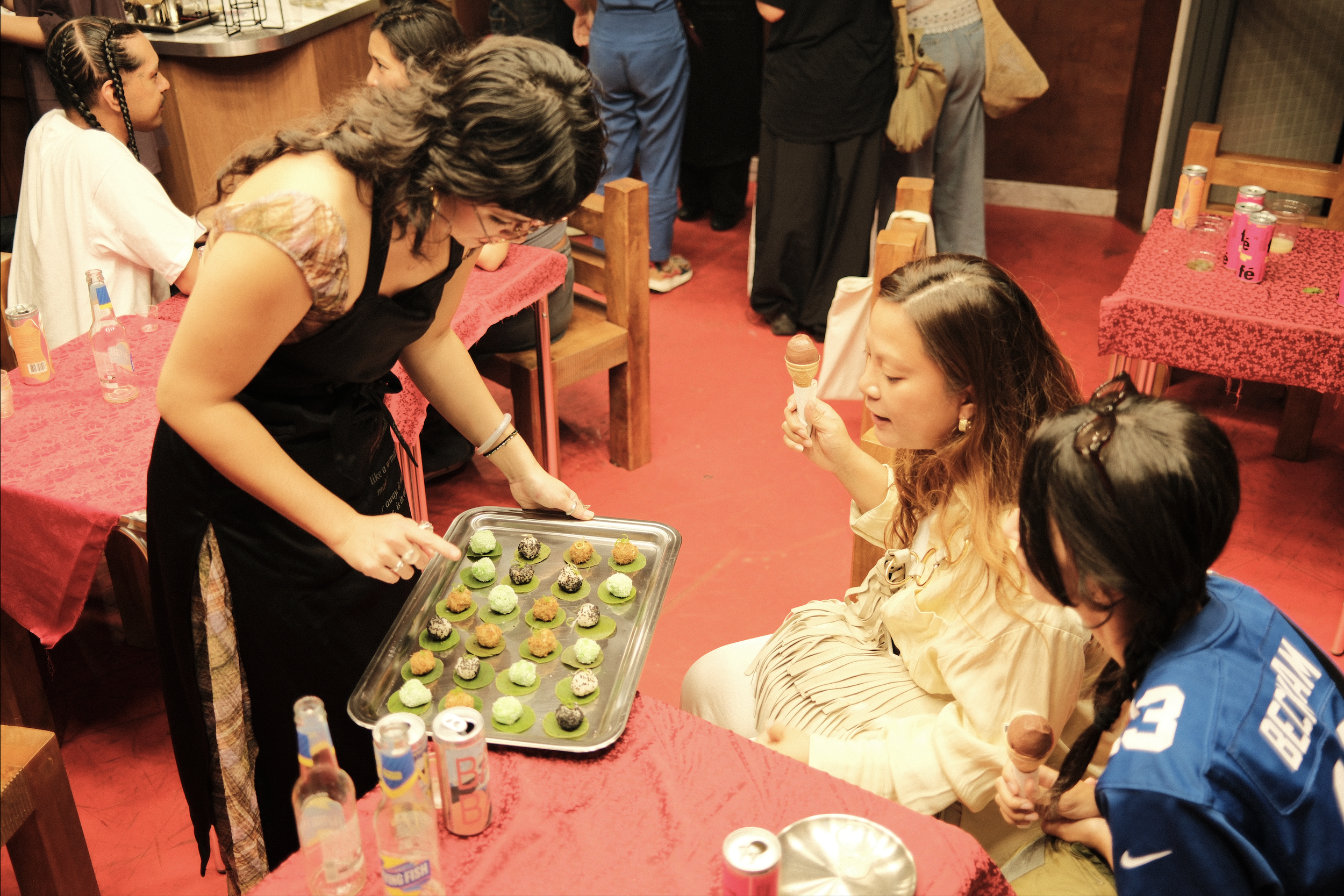
Tessa: Yes, I’m a chef. I actually didn’t grow up thinking I would become one. I started cooking professionally in a restaurant about three years ago, after being in the PR field. During this time, I realised that food was also a way for me to explore my own identity and my relationship to Vietnam. My parents are Vietnamese refugees, and I grew up in Rotterdam, so there has always been this feeling of moving between different worlds. With Saigon Kiss, food became a way to explore that space rather than trying to define it. It allowed me to work beyond the traditional boundaries of a restaurant. Bringing together food, music, art, fashion and community. Cooking is still at the heart of what I do, but now it can be part of a much bigger story.
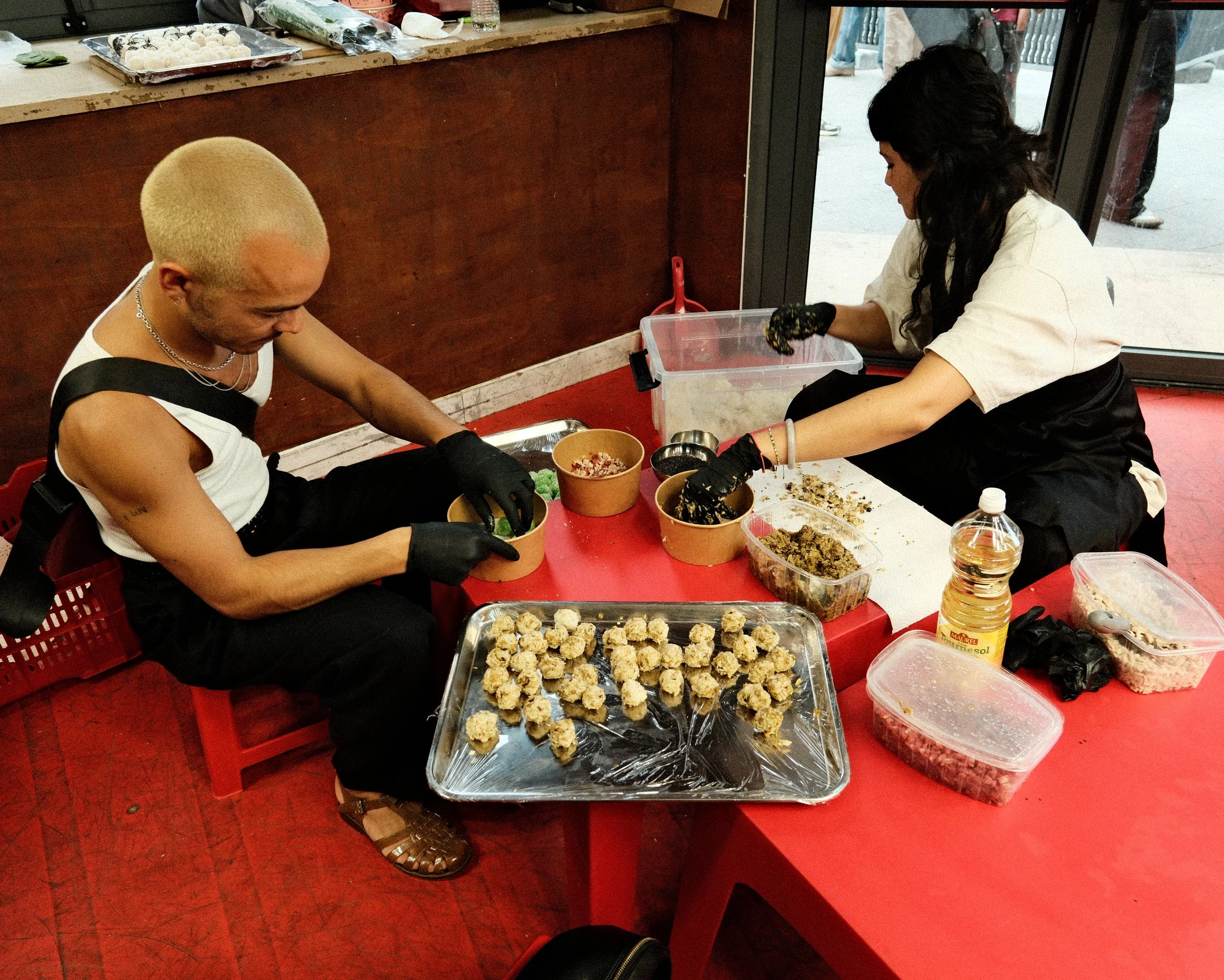
Some of my closest people are chefs, and I’m always fascinated by the instincts and motivations that sit behind someone’s cooking. What drives you in the kitchen? And, purely because I absolutely adore listening to people describe dishes, what is your favourite dish to cook, and why?
Tessa: For me, cooking is very instinctive. I’m driven by curiosity and by the feeling that food can communicate something that words sometimes can’t. I love taking something that feels familiar to me and finding a way to make people experience it from a different perspective.
One of my favourite things to cook are soups and broth, especially dishes like bún riêu or bún bò Huế. They take a lot of time and patience. You slowly build the broth, layer by layer, and every ingredient has a role in creating that final flavour. There’s something very satisfying about that process because you can taste how much time has gone into it. And then, after all those hours of cooking, you finally sit down with a bowl of it and everything comes together. That moment makes all the time and patience completely worth it.
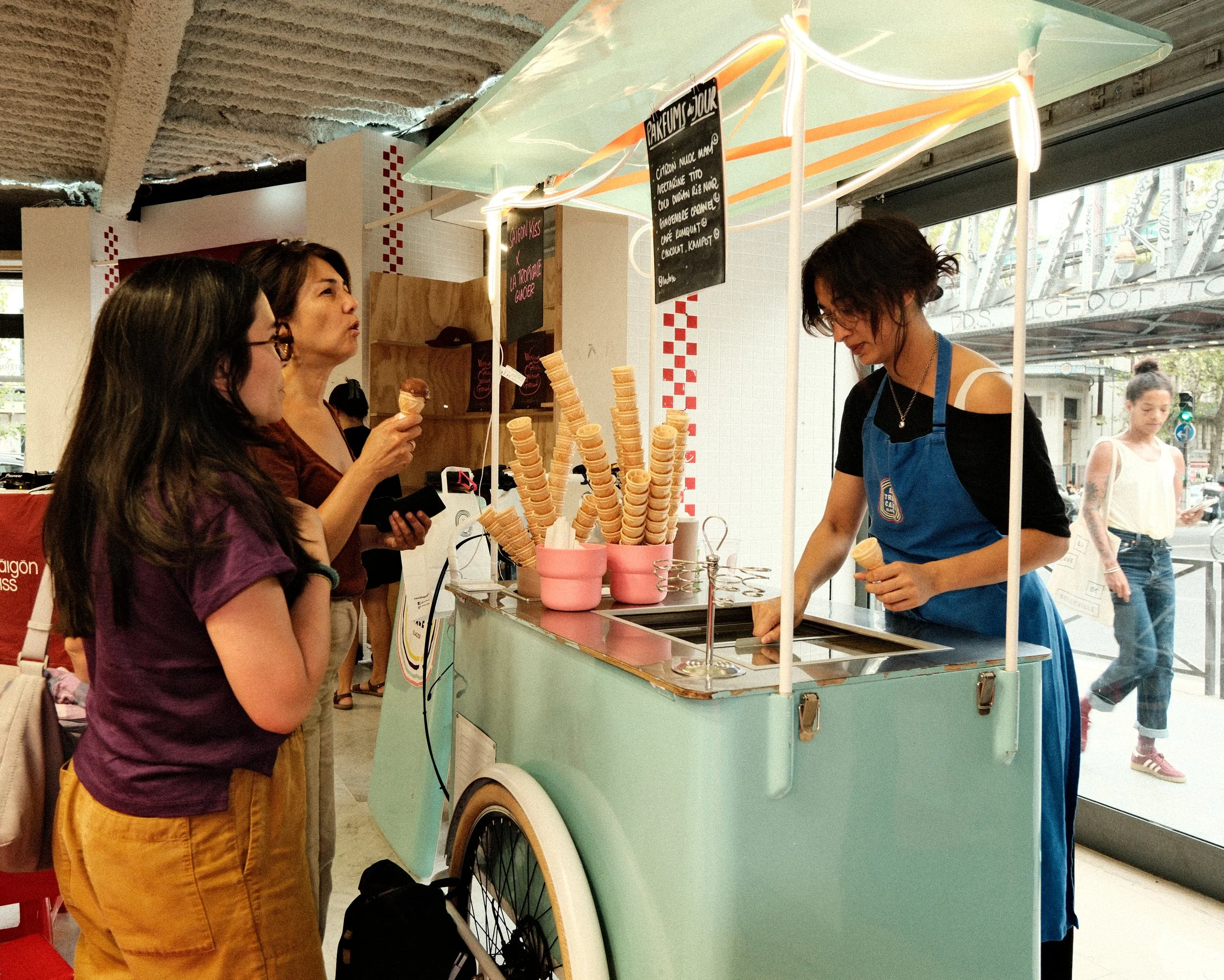
You know how they say that smell is one of the senses most closely tied to memory, I feel like that multisensory aspect is quite key to this particular residency. Could you say a little more about that, and about the curation?
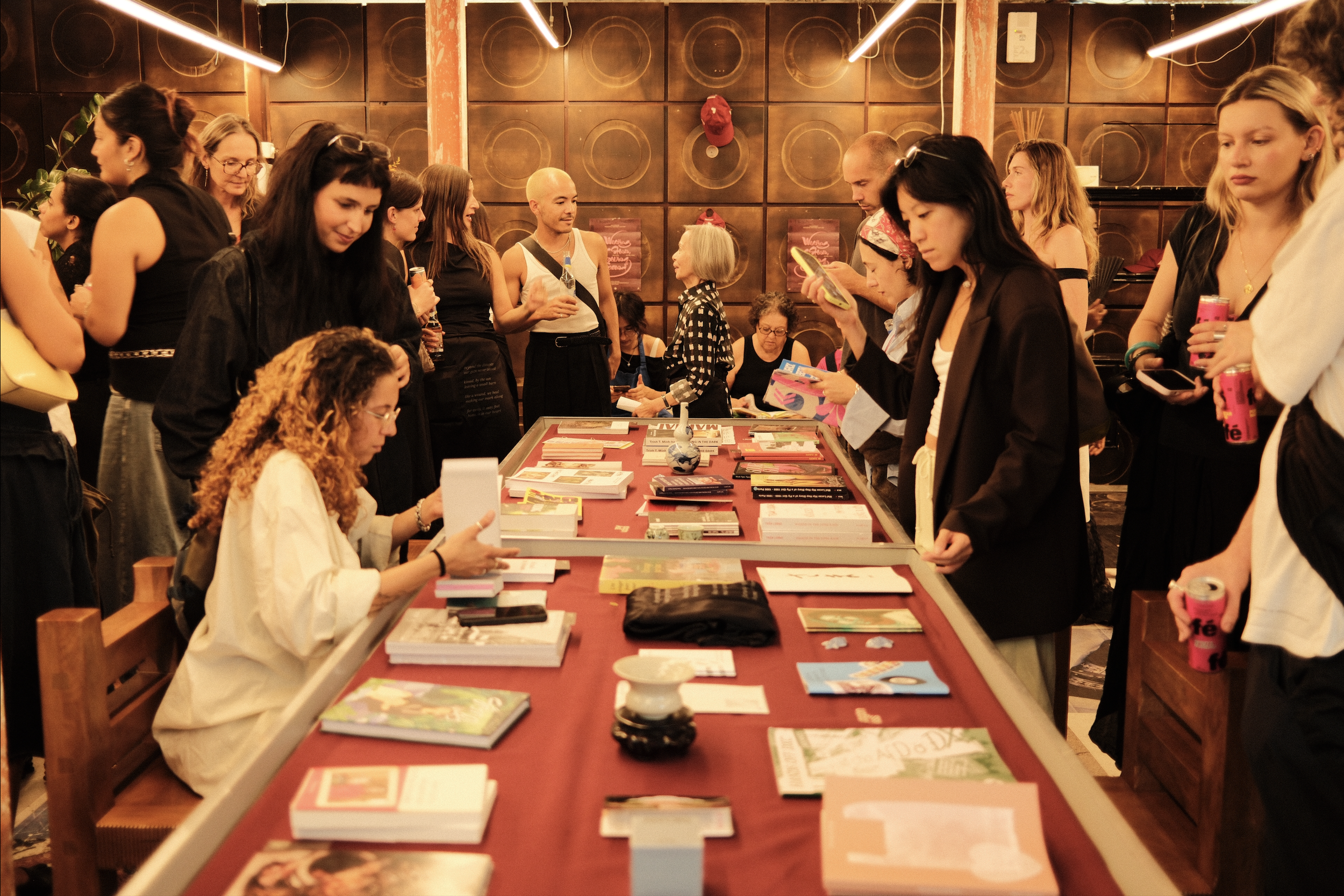
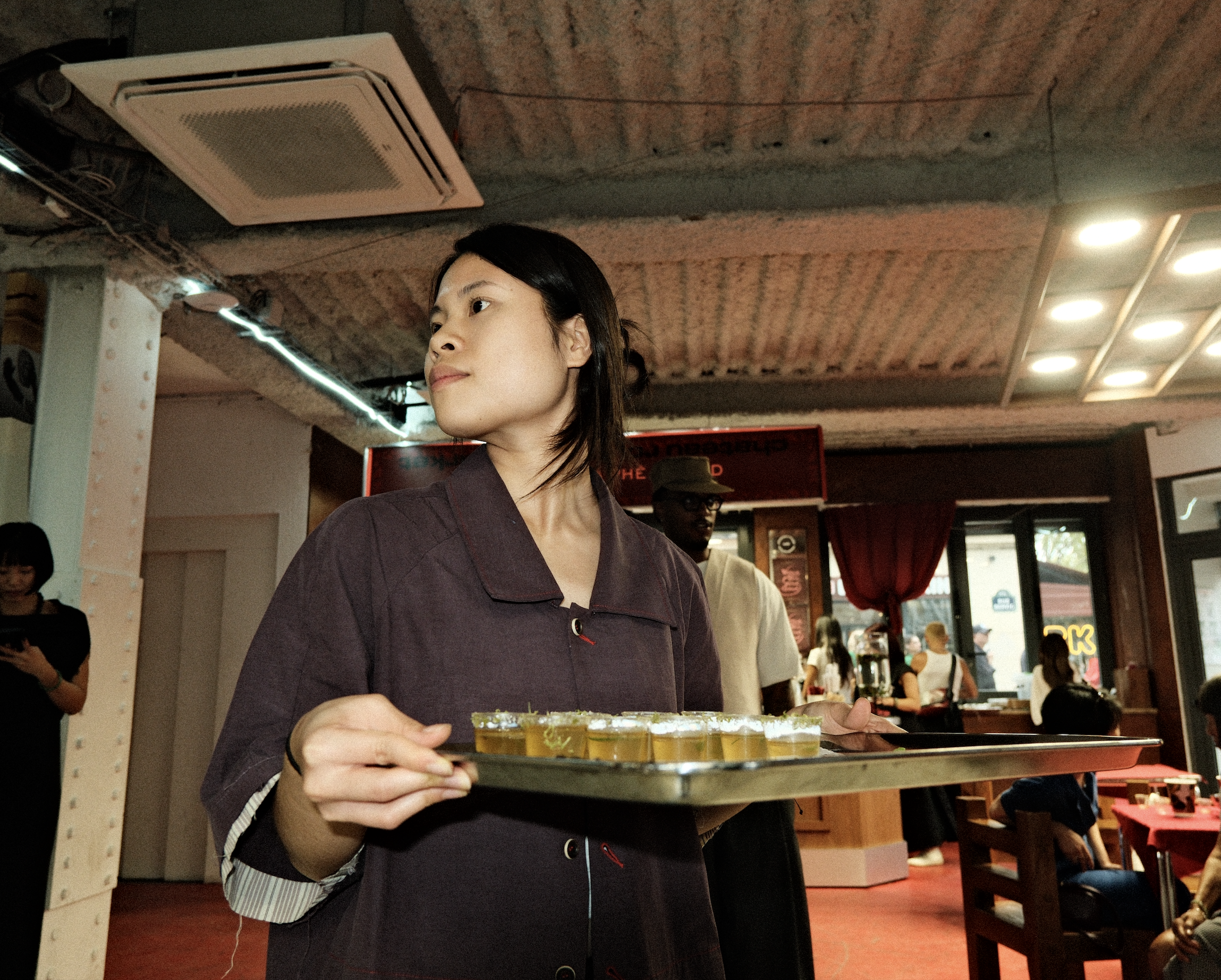
Yen-Nhi: Well, our collective consists of nine members at the moment, so we’re quite a big team, and everyone has their own distinctive skills and interests. From an overall perspective, we really wanted to show a landscape of what contemporary Vietnamese culture can be. The idea was also that we wanted people to come into the space and stay, because we see hospitality as a very big Vietnamese practice. On the ground floor, we’re also working with a partner, Viahe Ca Phe, a Vietnamese coffee spot in Bastille that we’ve been friends with for quite a while. Then, if you go to the library, there’s a curation of books by Vietnamese makers from all over the world. We also have a brand called An Ori. The founder is from Hanoi and now lives in New York, and she reinterpreted this herbal inhaler that we have throughout Southeast Asia. We thought it would be so nice to bring that kind of multisensory experience into the library.
It’s such a lovely touch to make space for literature, because I feel like that’s also a way of carrying culture forward, through stories and sharing them. Still on the library and the shop, if you could sneak one thing home, what would you take?
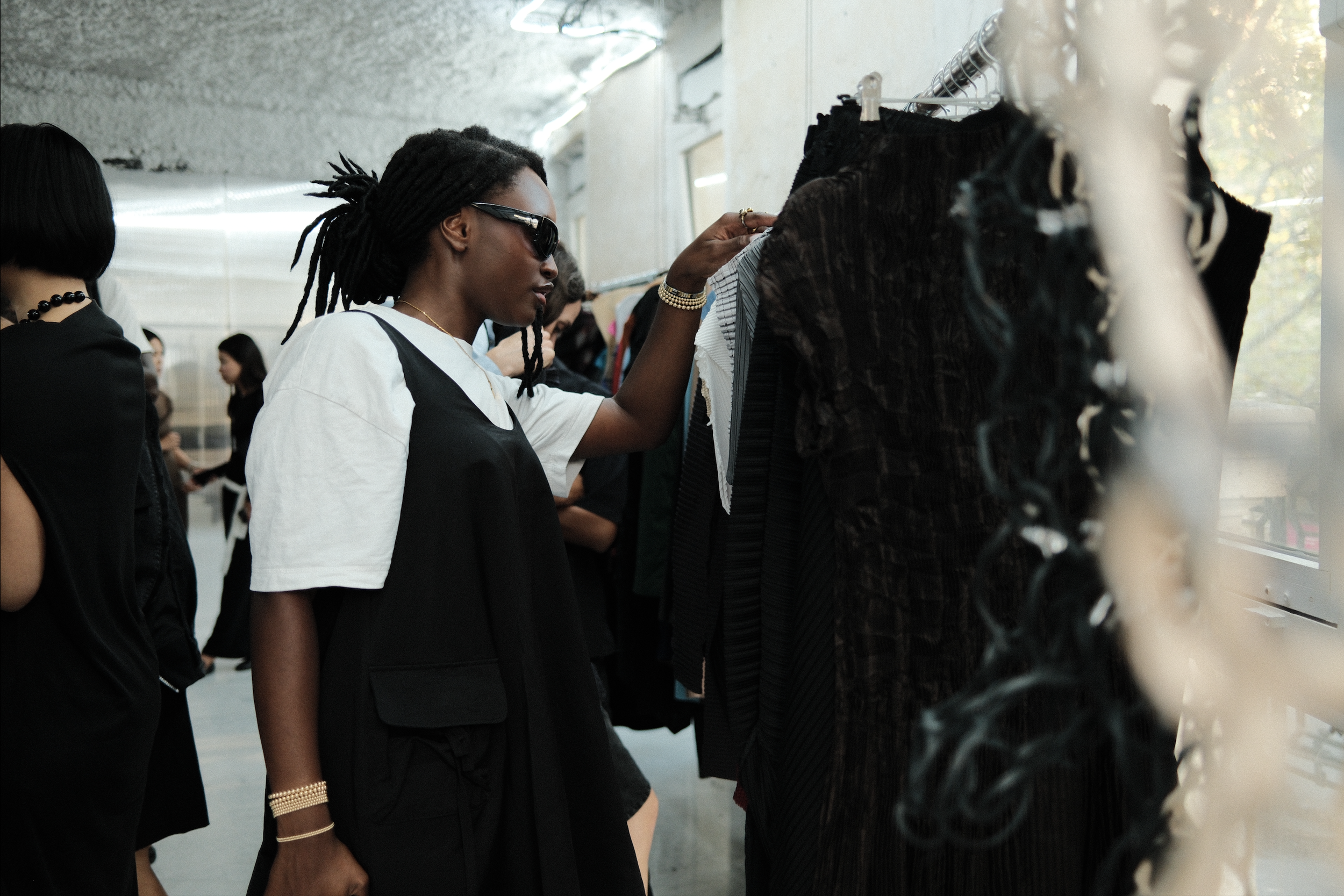
Yen-Nhi: Oh my God, that’s so hard. There are so many nice things! But personally, I want to highlight one brand. It’s called Demen, it’s a brand from Hanoi. The founders, Jang and Kei, have created very fluid pieces, with a lot of movement, using light, soft fabrics that are so beautiful to style because you can layer them on top of each other. They also have these necklaces that I totally adore, in this kind of jade colour, and you can layer them together too. All of it is just so timeless and beautiful.
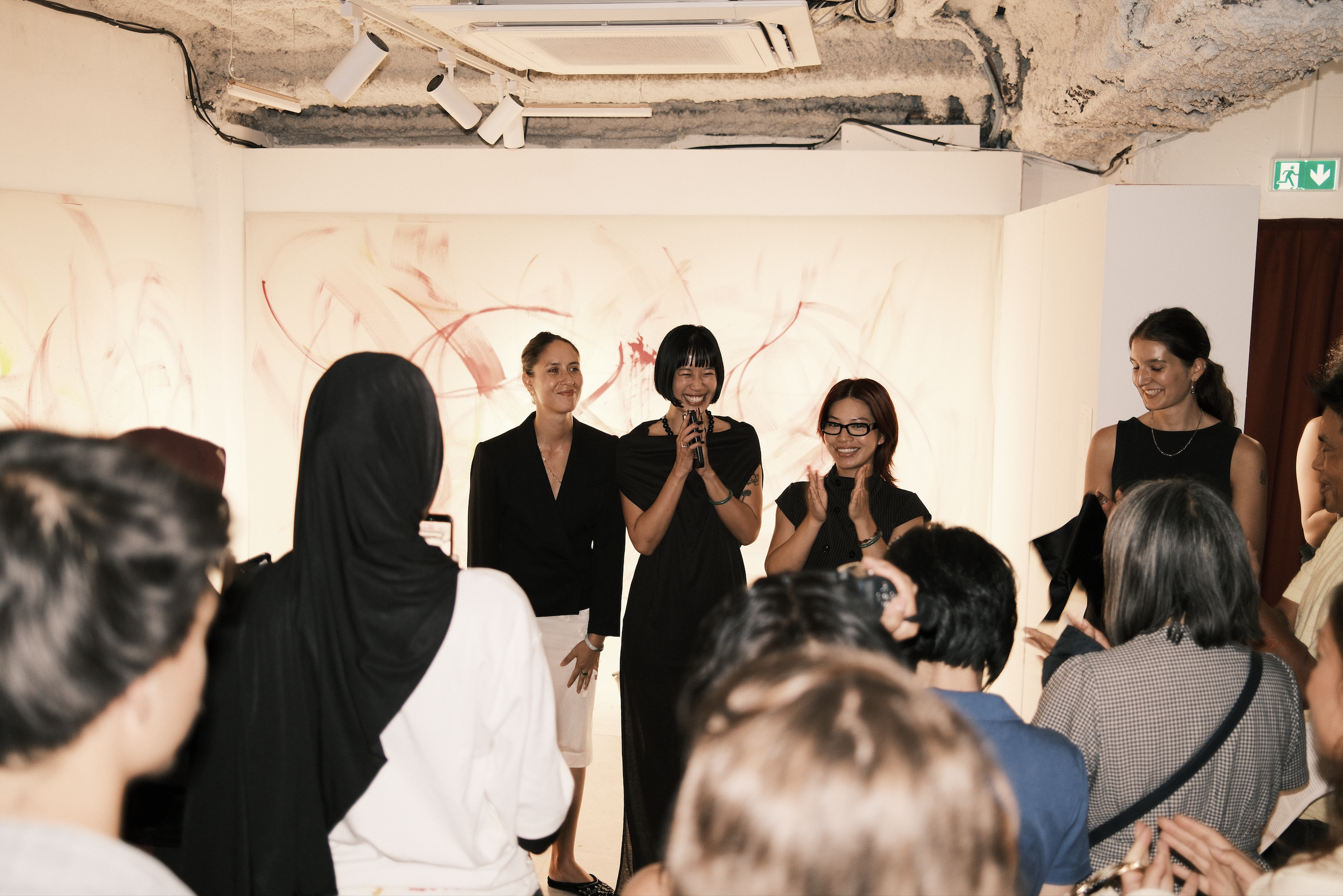
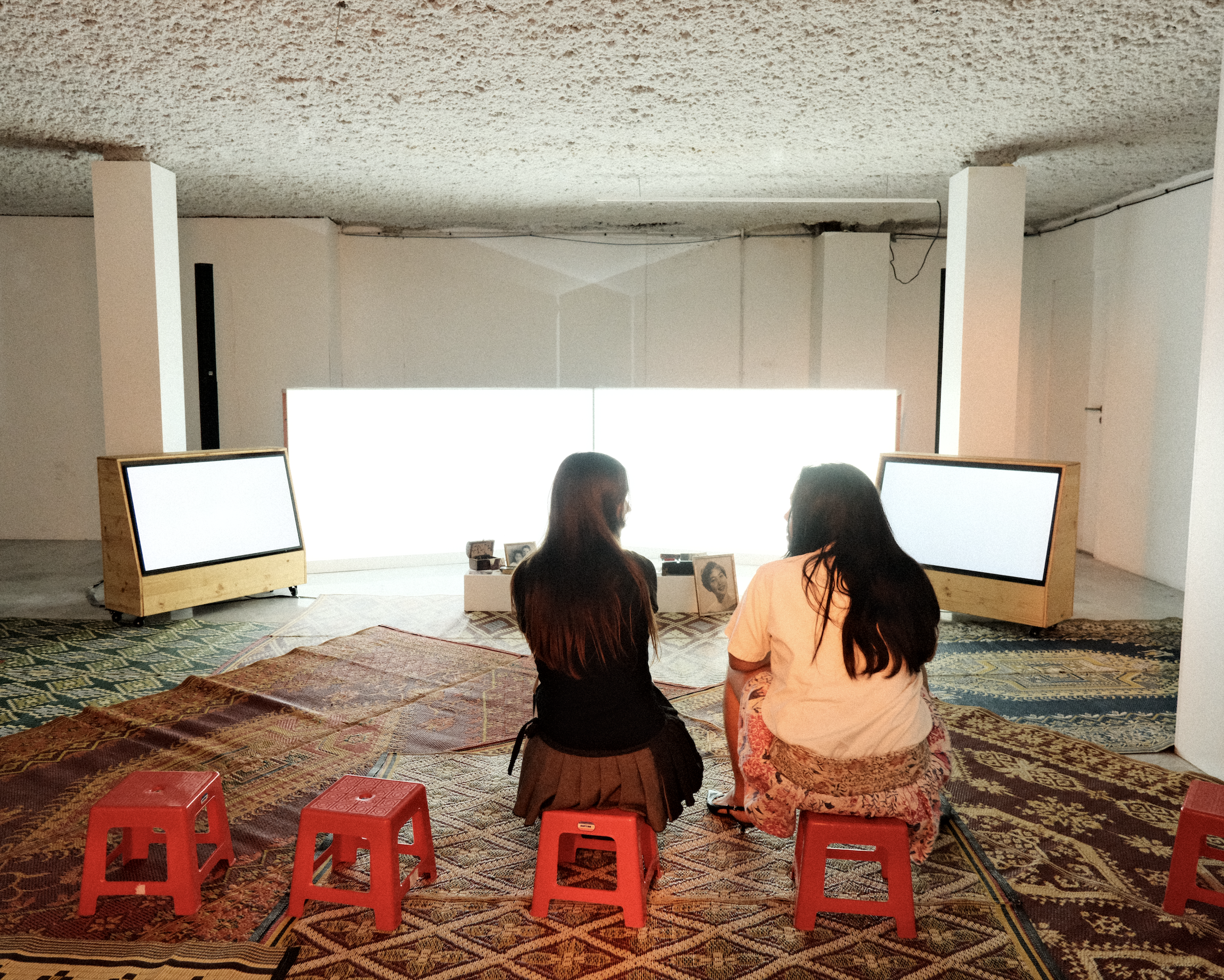
If there were to be a Saigon Kiss museum, what do you think would be in the gift shop? I just realised that’s almost the question I just asked you, since this space is essentially a Saigon Kiss museum already.
Yen-Nhi: We do have one thing that we produced that’s really our own, it’s an apron. The fabric is silky and flowy, with a very high slit inspired by the Vietnamese traditional dress, the áo dài, which is usually worn with white pants. It’s also a tribute to Vietnamese hospitality. Everyone who works for Saigon Kiss will be wearing this apron, so everyone can be recognised during the evening. It also has a poem on it that one of our members wrote for one of the first videos we ever produced. I really wanted to create something meaningful that felt true to us. One of our designers, Vinny, worked on it with me, and we produced it in Vietnam too. That was also such a nice process, working with Vietnamese people and understanding how the production works. It made the piece feel even more meaningful to us.
The journey since founding Saigon Kiss in 2024 must have been so transformative. Do you remember a particular moment when you realised that what you were creating was really resonating with the people attending?
Tessa: Very transformative. Saigon Kiss has had such a profound impact on my life and has really shown me the power of culture and community. I remember one particular moment during our first pop-up in Paris, which took place during Fashion Week. Two young Vietnamese girls came up to us and told us how proud they felt to see themselves and their culture represented in that space. They said it was the first time they had really felt represented as Vietnamese. That moment stayed with me, because it made me realise that what we were creating was bigger than just food or events. We were creating a space where people could recognise themselves, feel connected to their culture, and feel a sense of belonging. From that moment on, everything just made sense.
This sense of recognition has the power to unlock something in people, generating a sense of peace with oneself. Even when language falters, there is a particular comfort in the non-verbal: in simply noticing that you are in a room with people whose stories, in some way, intersect with and intertwine with your own. Through this karaoke evening, this act of sharing became more bonding than any conversation could be. I could go on at length about the many facets of the event and the unbridled joy it permitted, about how welcoming the space felt, but perhaps what stays with me most is the feeling of having witnessed something so sincere.