
As AI keeps moving through real and artificial, trust is becoming a brand's most valuable currency. At LIGANOVA's Memories of Truth event in Amsterdam, leading voices from Patta, Filling Pieces and TikTok explored why authentic connections, community and real-life experiences matter more than ever.

Memories of Truth is an international platform for business dialogue initiated by global brand experience agency LIGANOVA in collaboration with London-based trend forecasting and innovation consultancy The Future Laboratory. Bringing together leading voices from fashion, culture and technology, the series explores how brands can build genuine connections and lasting trust in an increasingly AI-driven world.
For its Amsterdam edition, hosted by LIGANOVA Netherlands under the leadership of Managing Director Meike Hartelust, Numéro Netherlands' editor-in-chief Timotej Letonja joined an influential line-up of industry leaders to explore the changing relationship between technology, culture and consumer trust.
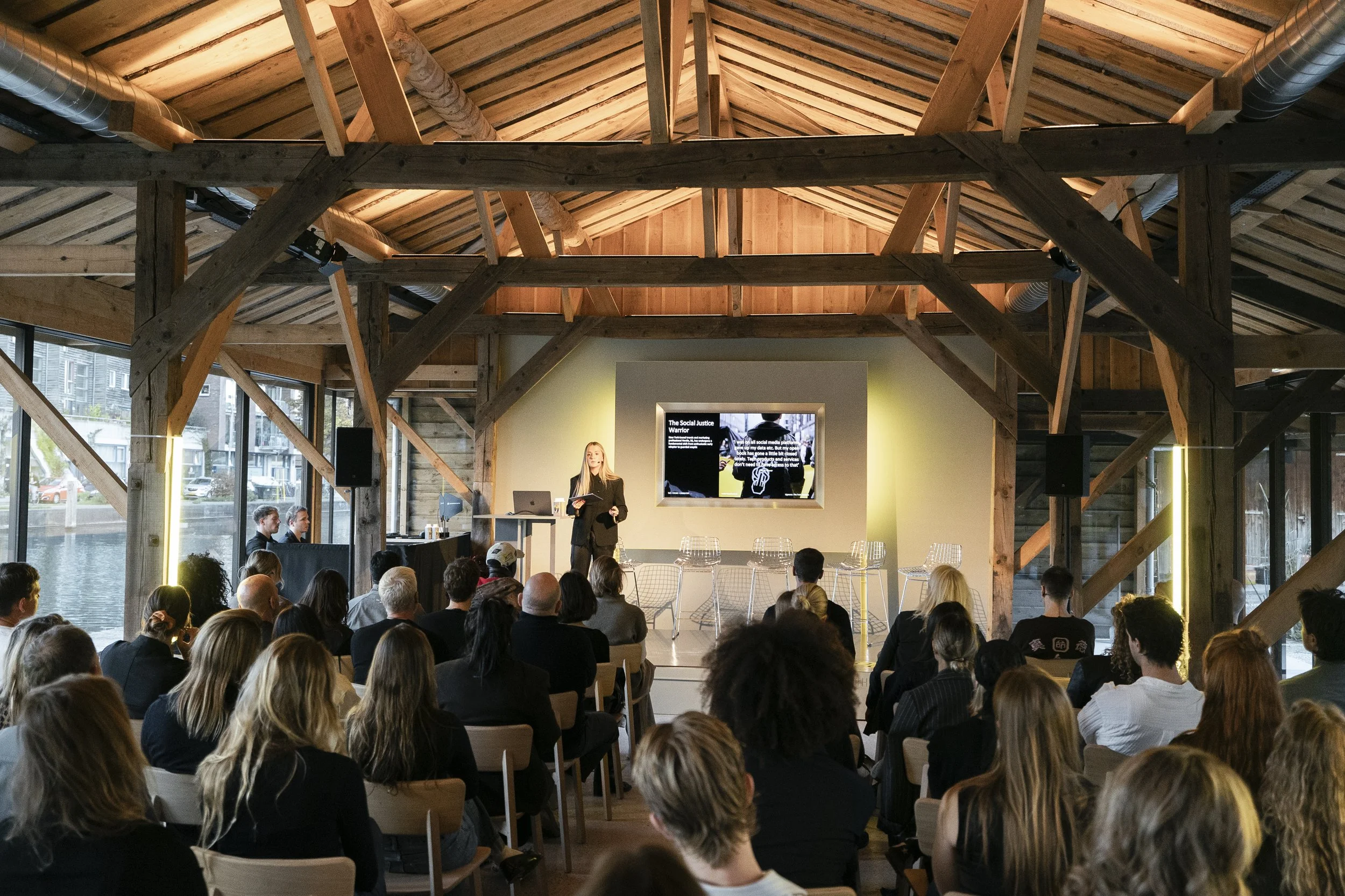
Through an evening of presentations and conversations, we looked at how AI is changing consumer behaviour, why audiences are becoming more sceptical, and why authentic human experiences are becoming increasingly rare and valuable.
We began with Alice Crossley, principal strategic foresight analyst at The Future Laboratory, who introduced us to the Tech-Resisters: consumers who are becoming more intentional about their relationship with technology and are seeking greater control over their time, attention and digital lives. Her presentation challenged us to consider how brands can respond to this desire for slower, more human experiences rather than simply adding more technology to consumers’ lives. It also raised an important question: how can brands create moments that encourage people to be present, connect with others and engage beyond the screen?

To understand how artificial intelligence is reshaping consumer behaviour and brand credibility, LIGANOVA developed the AI Trust Index in collaboration with market research partner Appinio. Conducted across Germany, the UK and the Netherlands, the study examines how growing exposure to AI-generated content is changing what consumers trust, and what they expect from brands.
Robert Andersen, chief creative officer at LIGANOVA, explored the LIGANOVA AI Trust Index 2026, highlighting the growing gap between the amount of content people encounter online and the trust they place in it. The research revealed that 77% of consumers are questioning social media content more critically, 87% look elsewhere when online information does not feel authentic, and 86% find a brand’s digital communication more credible after a positive real-life experience. He concluded that while AI can create attention, reality provides the proof that actually builds trust in consumers.
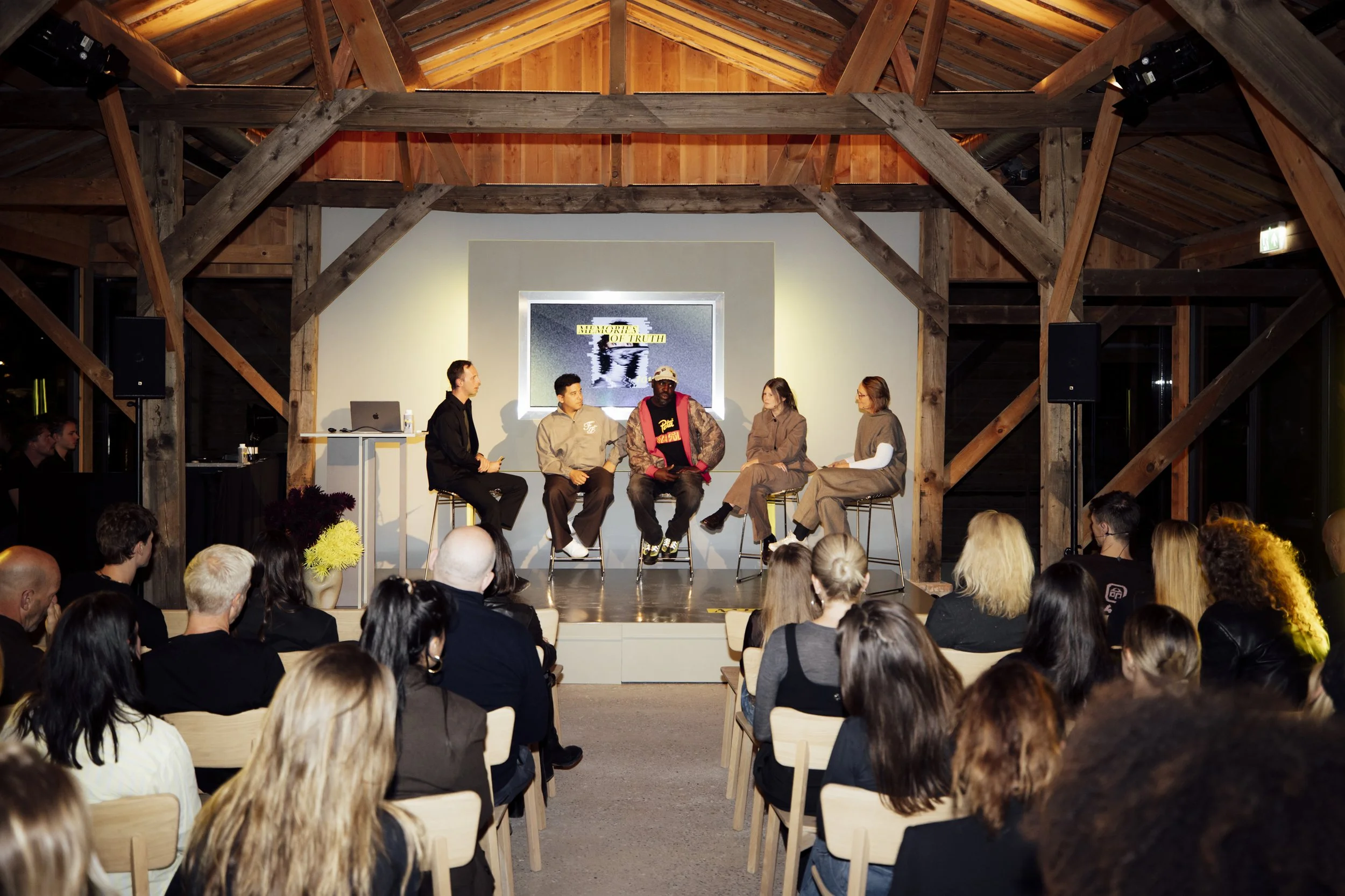
For LIGANOVA, the findings point to a fundamental change in the role of physical brand experiences. As digital content becomes increasingly easy to create, real-world encounters are gaining importance as places where brands can demonstrate authenticity, build credibility and turn promises into tangible experiences.
The evening continued with a panel discussion led by our editor-in-chief, Timotej Letonja, bringing together Guillaume Schmidt, co-founder of Patta; Else Luisman, head of consumer goods at TikTok; Guillaume Philibert, founder and creative director of Filling Pieces; and Meike Hartelust, Managing Director of LIGANOVA. Together, they explored how brands can connect with sceptical, and overly informed consumers, in an increasingly fragmented digital landscape.
Patta’s community-driven initiatives, including its Running Team and Academy, demonstrated the value of building culture and community beyond products and advertising. Filling Pieces offered another perspective through its United Through Diversity ethos and its Amsterdam flagship store, which brings people together through cultural events and creative experiences. Both examples showed us how it is indeed possible for people to actively participate in developing a brand’s identity. Whether through physical spaces, storytelling or collaborations, it is important for brands to create experiences people can actually participate in and remember.

Timotej, Meike, Gulliaume, Else, and Guillaume all reflected on questions such as How do brands integrate technology into their business while still earning and maintaining the long-term trust of their customers? What does “trust” mean within the brand’s community? And how do they make sure the experience people have with the brand in real life matches what they see and hear online? Hartelust joined the discussion on how brands can move beyond digital reach to create meaningful connections through culture, community and real-life experiences.
Their conclusion was that what is most important is for brands to build community instead of solely focusing on reach, create trust and real-life experiences, giving consumers a role in shaping the brand. And ultimately, to focus on long-term relationships, not letting technology replace human connection, instead, find ways to enhance it, and preserve it.
