
A LOOK BACK AT BERLIN FASHION WEEK FALL/WINTER 26
words by THORE DAMWERTH
Berlin Fashion Week AW26 cut deep. Across runways and after dark, designers confronted power, desire, memory, and resistance. Tailoring met tension, beauty met unease, and the city once again proved fashion here is never decoration, but declaration. These are our highlights.
GMBH


all images courtesy of GMBH
At Kraftwerk Berlin, GmbH’s AW26 Doppelgänger struck with clarity and rage. Anchored in the grotesque notion of Friedensangst—the fear of peace—the collection channeled political unrest in a precise, emotionally charged wardrobe. Huseby and Işık fused sharp tailoring with the fluidity of club culture: second-skin bodies, thigh-high boots, and coats flaring behind the silhouette. References to early-1980s German industrial and synth scenes echoed a Berlin once driven by counterculture and utopian resistance. A restrained palette of blacks, greys, and broken whites was softened by fragile florals, gestures of tenderness amid brutality. More than a show, Doppelgänger felt like a coded warning of fashion as memory, refusal, and belonging in a world engineered to keep burning.
SIA ARNIKA
all images courtesy of SIA ARNIKA
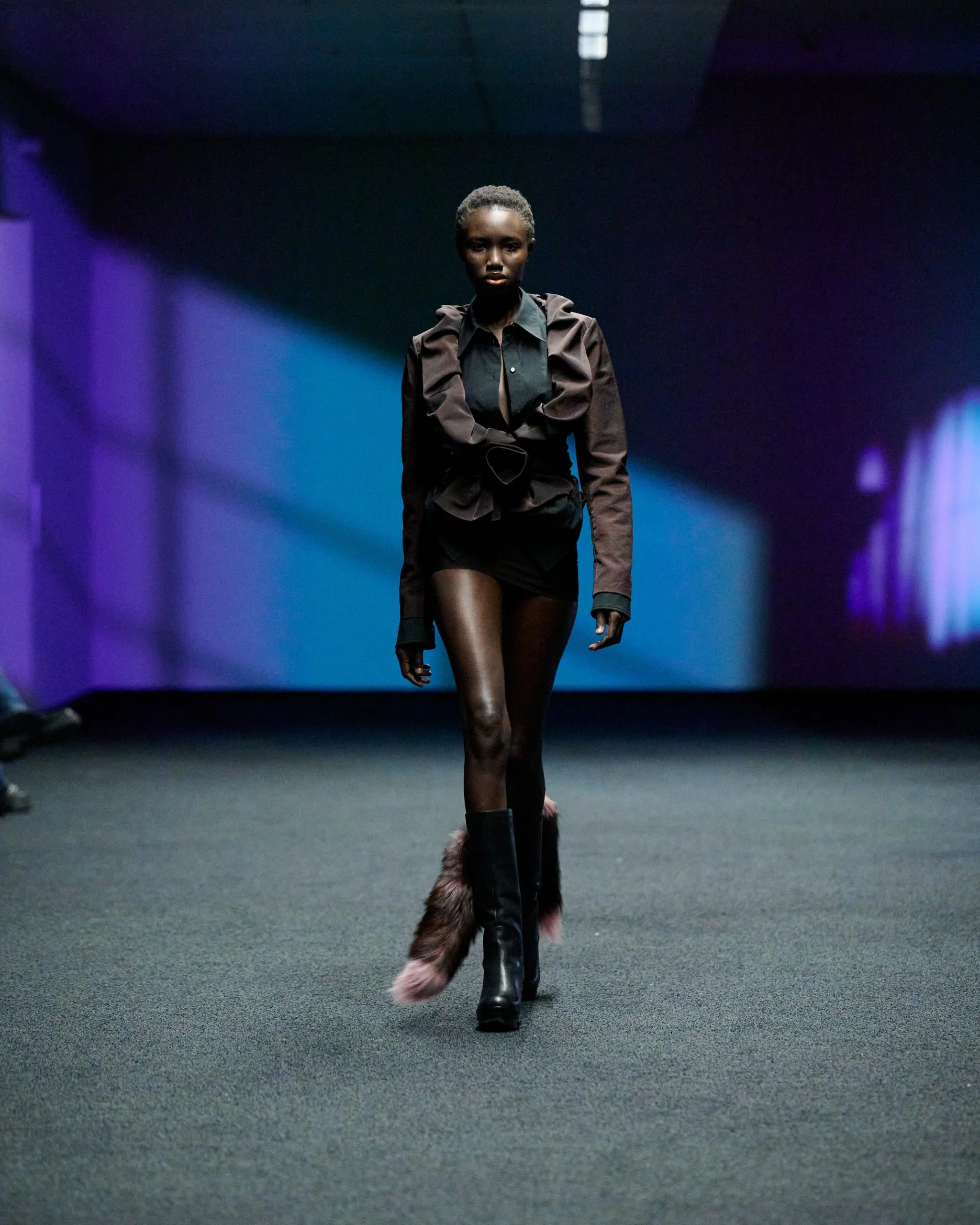
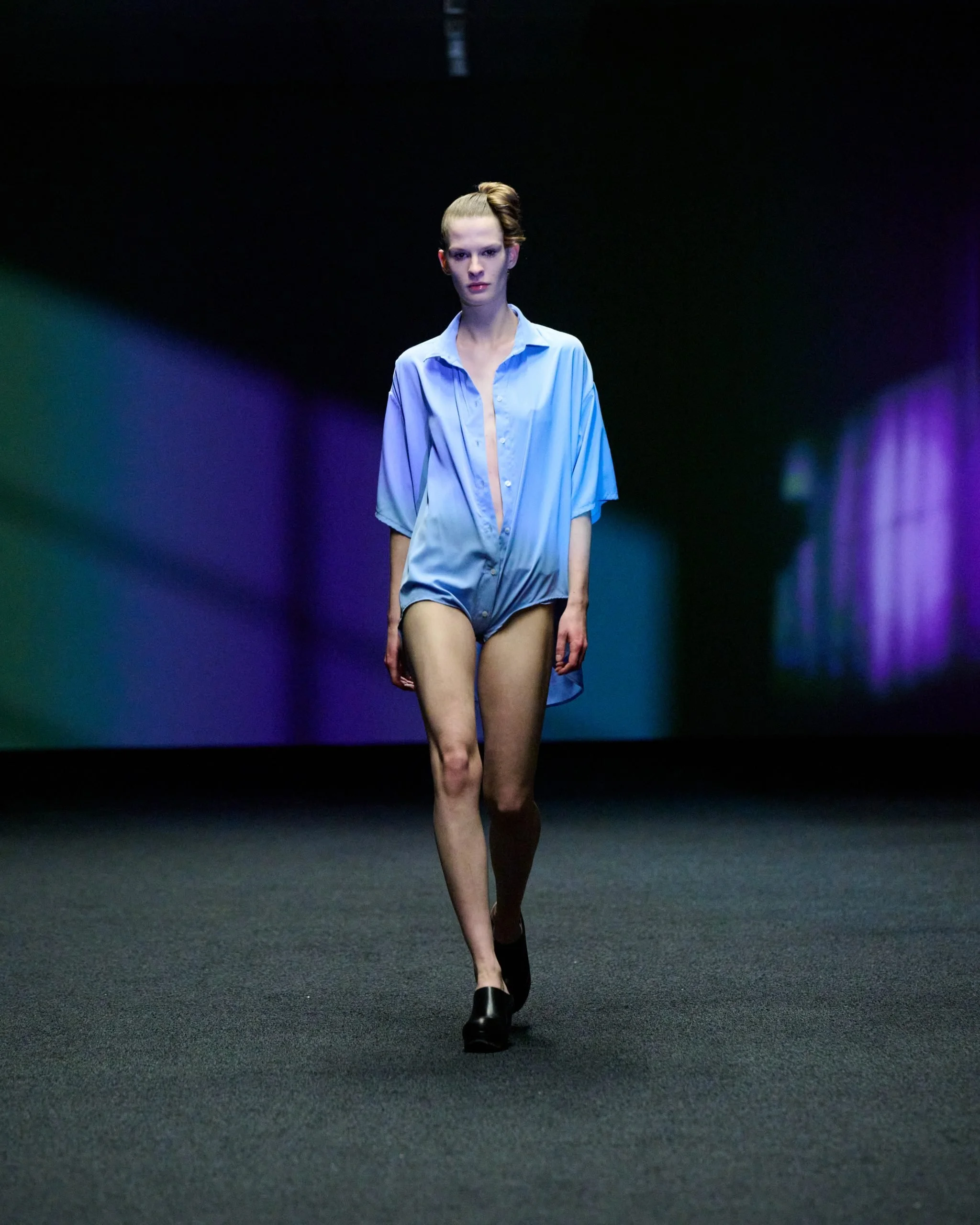
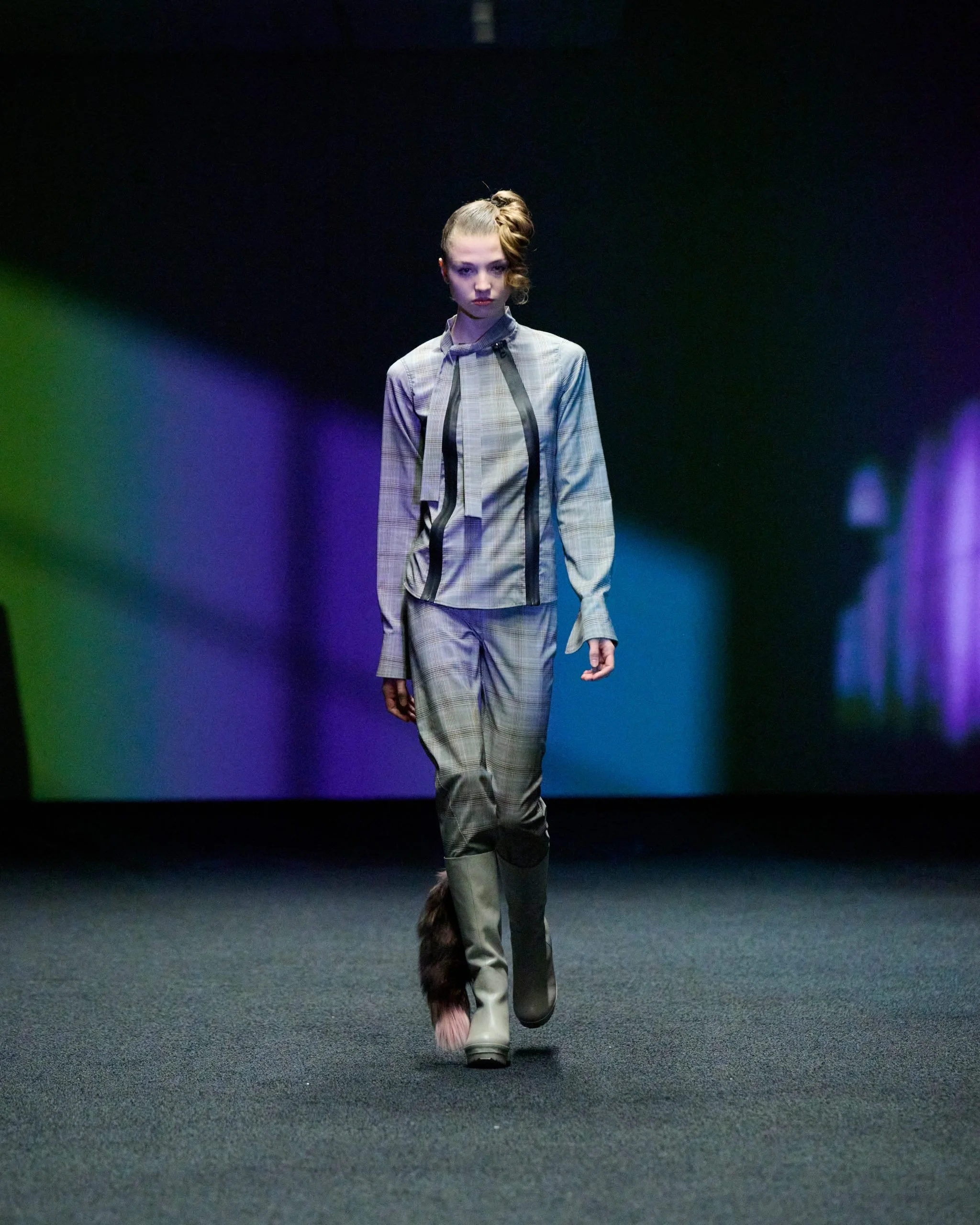
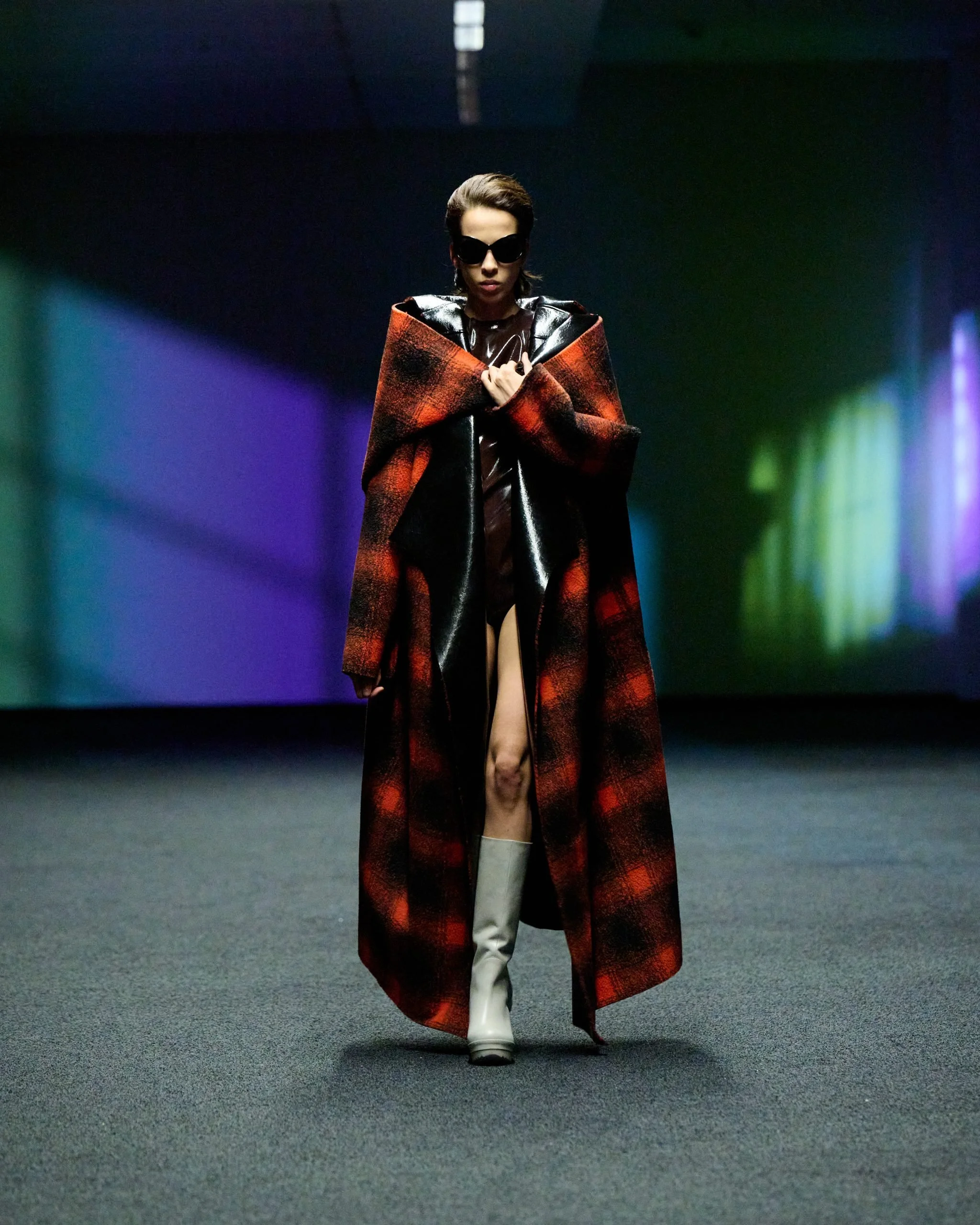
With Overtime, Sia Arnika captured the edge between obligation and escape. Set in an office left mid-function, AW26 unfolded like a slow exhale after fluorescent hours: uniforms loosened, silhouettes slipped, and workwear fractured into something nocturnal and intimate. Cropped jackets met micro-minis, shirts morphed into bodysuits, and utilitarian trousers traced the line between control and desire. Mesh, jersey, and tactile layers clung and interrupted the body, punctuated by flashes of Swarovski shine. EUROPA’s soundtrack amplified the sense of excitement, performance ending, night approaching. There was exhaustion here, but also sweetness: the high of release after routine. Overtime wasn’t about rebellion so much as permission, where function yields to fantasy and clothes become a language for feeling again.
JOHN LAWRENCE SULLIVAN


all images courtesy of JOHN LAWRENCE SULLIVAN
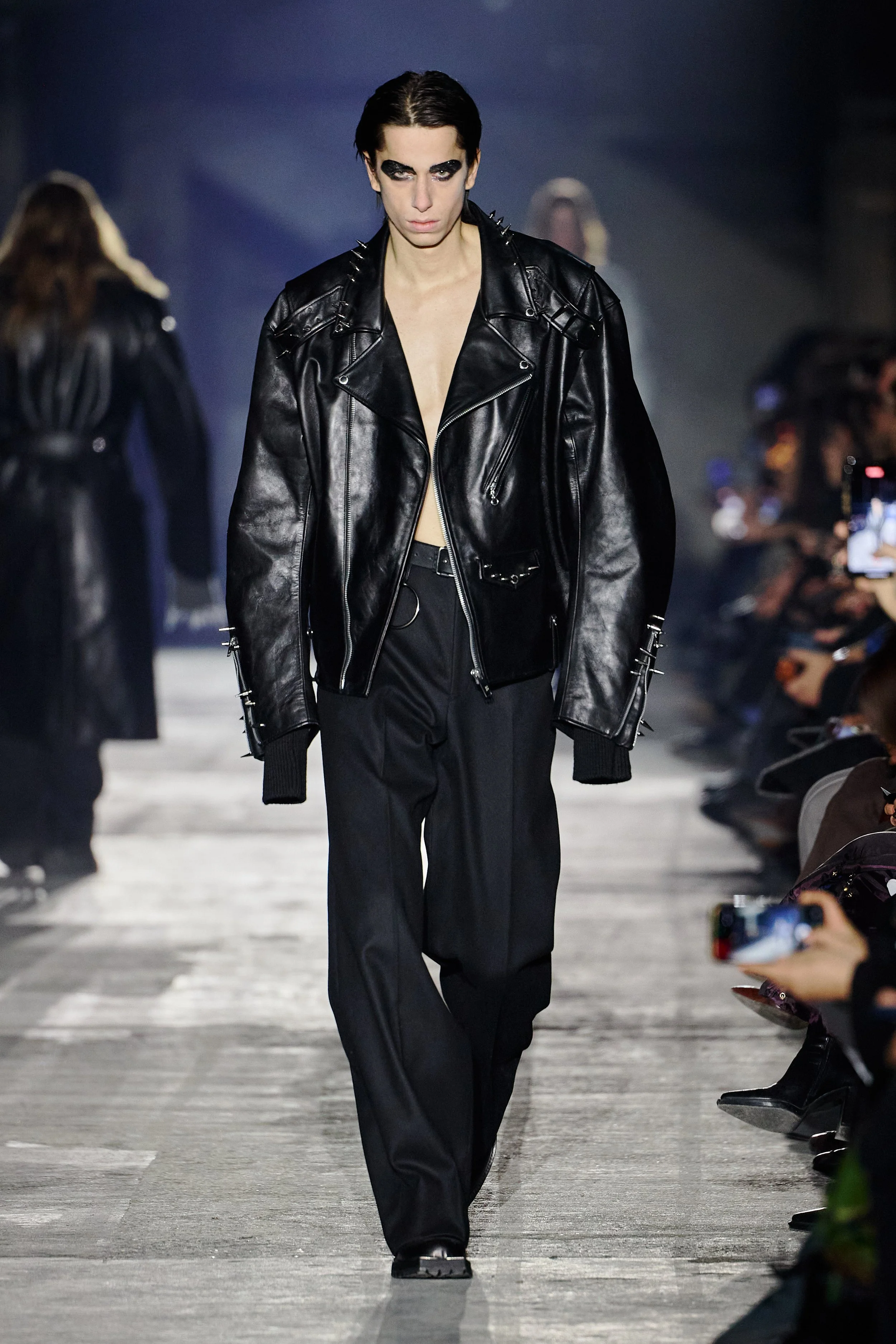
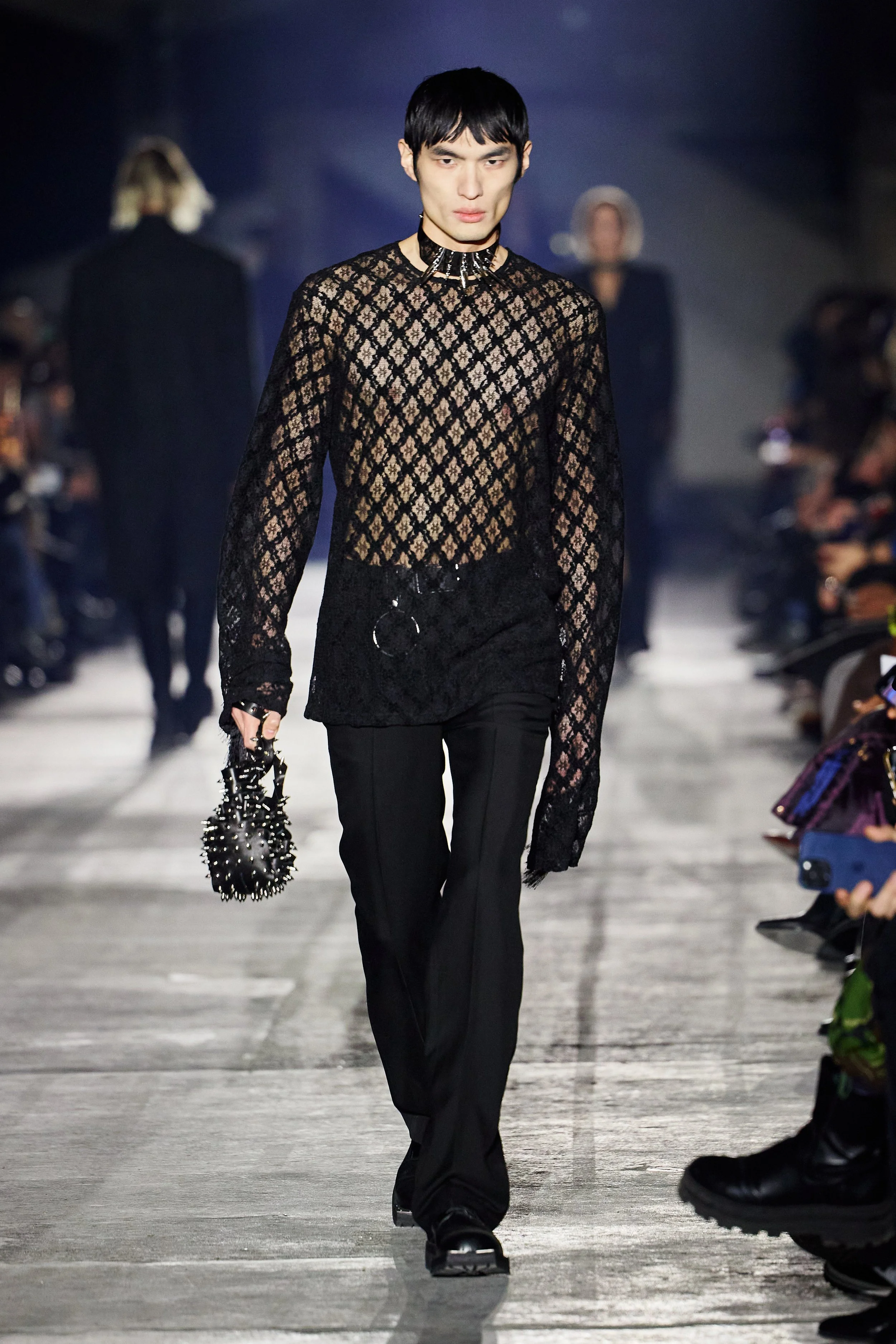
Arashi Yanagawa’s AW26 for John Lawrence Sullivan was fashion in a fighting stance. Drawing on his boxing past and the ascetic severity of Scandinavian black metal, the collection leaned forward—literally—through crouched silhouettes, shifted shoulders, and armored second-skin leather. Coats and jackets felt defensive yet controlled, evoking self-protection as posture. A stark palette of black, snow white, and icy silver mirrored Nordic nights, while circular sound by Jonas Karsten intensified the atmosphere. Womenswear echoed this rigor, translating masculine structures into charged, fetishized forms. Beyond the craft, the casting—striking, dynamic, unconventional—turned every silhouette into a strong, commanding presence.
IOANNES
all images courtesy of IOANNES
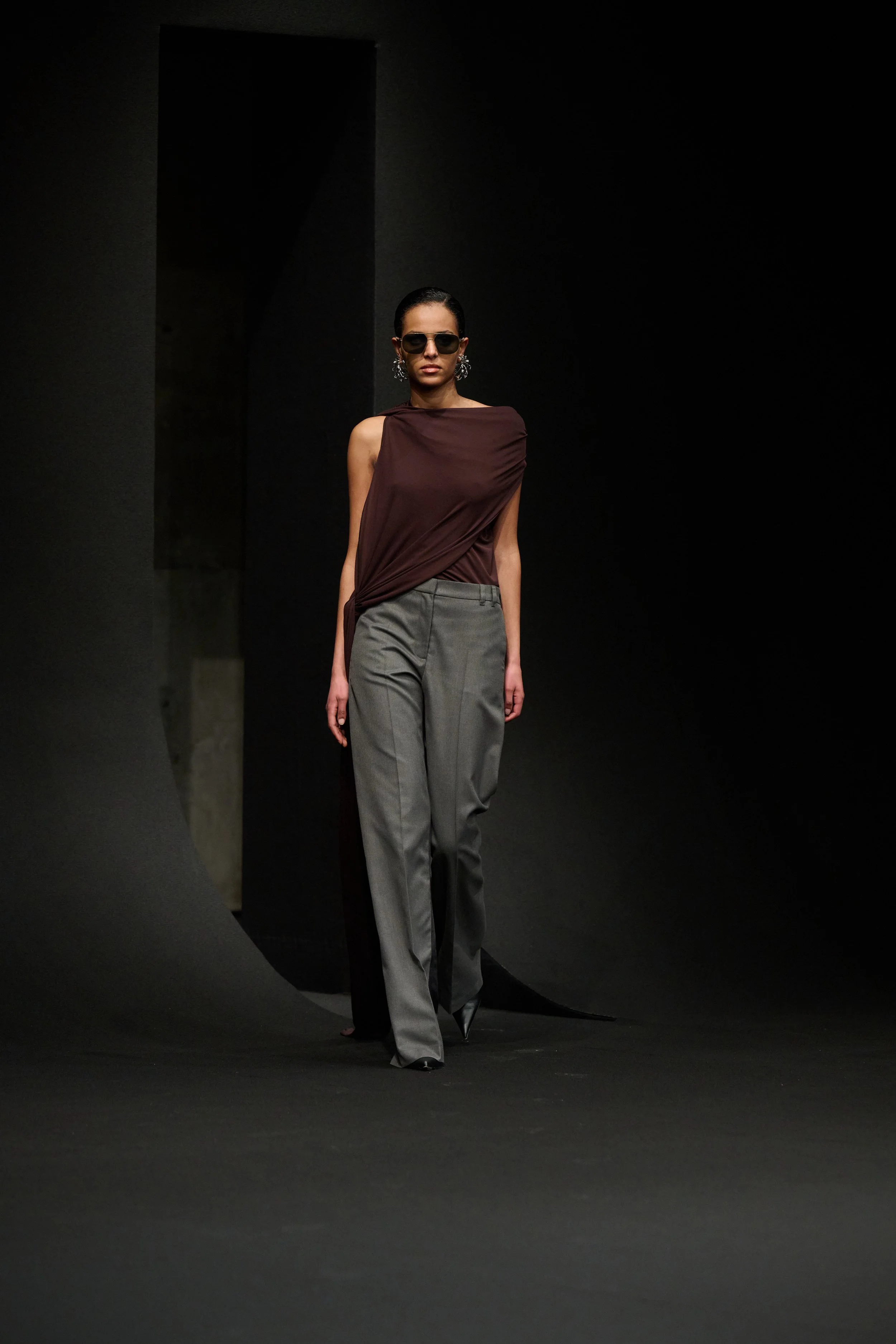
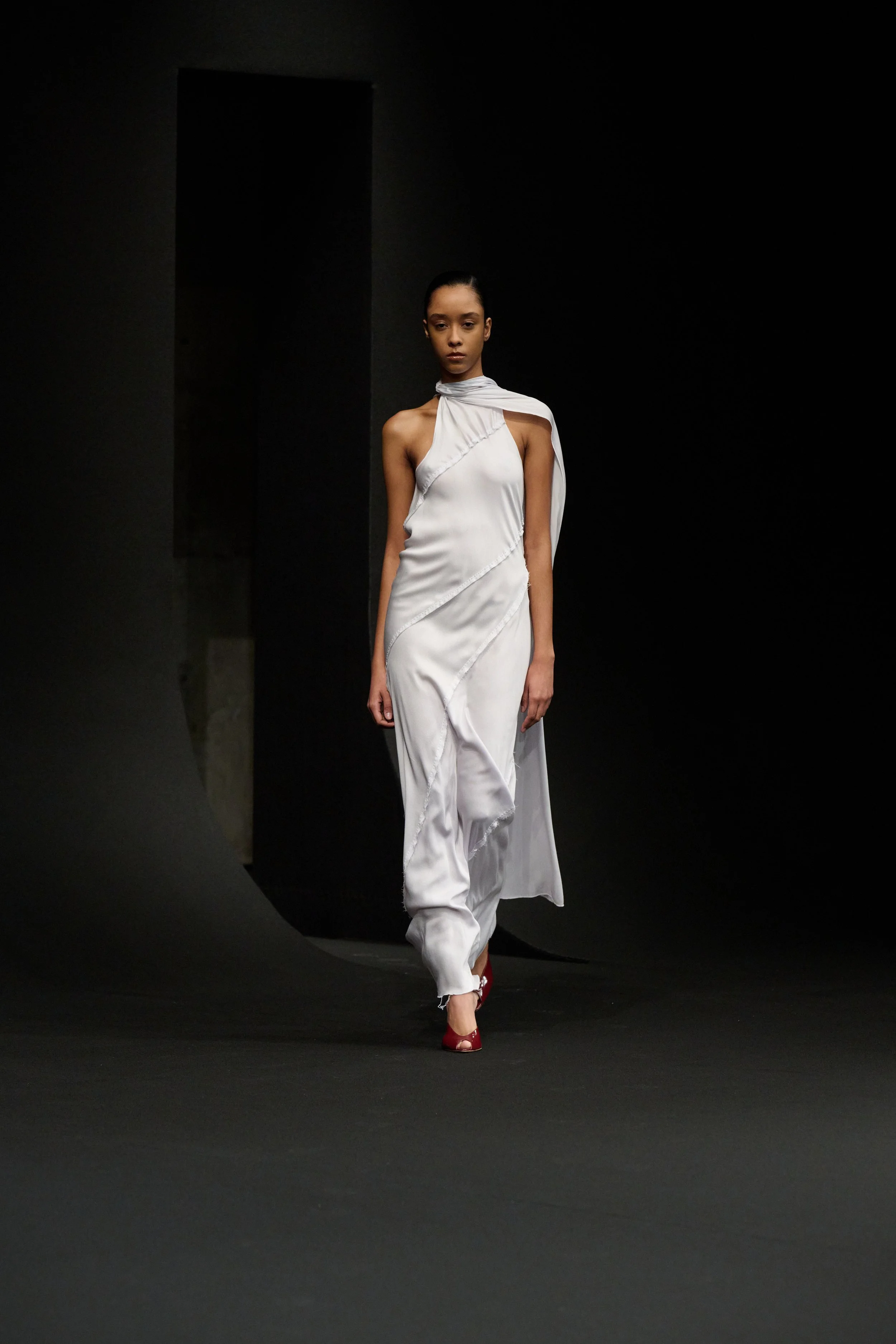
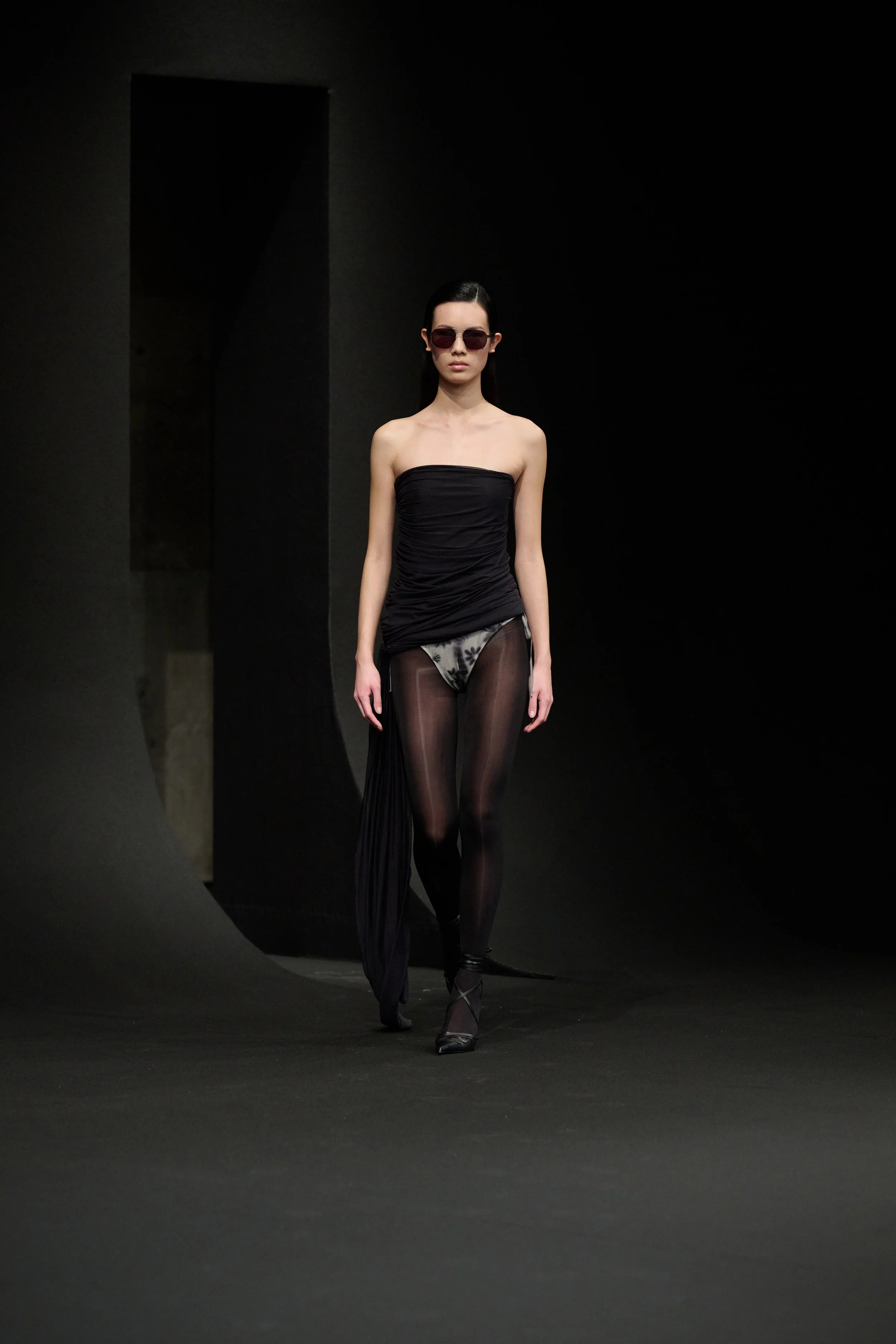
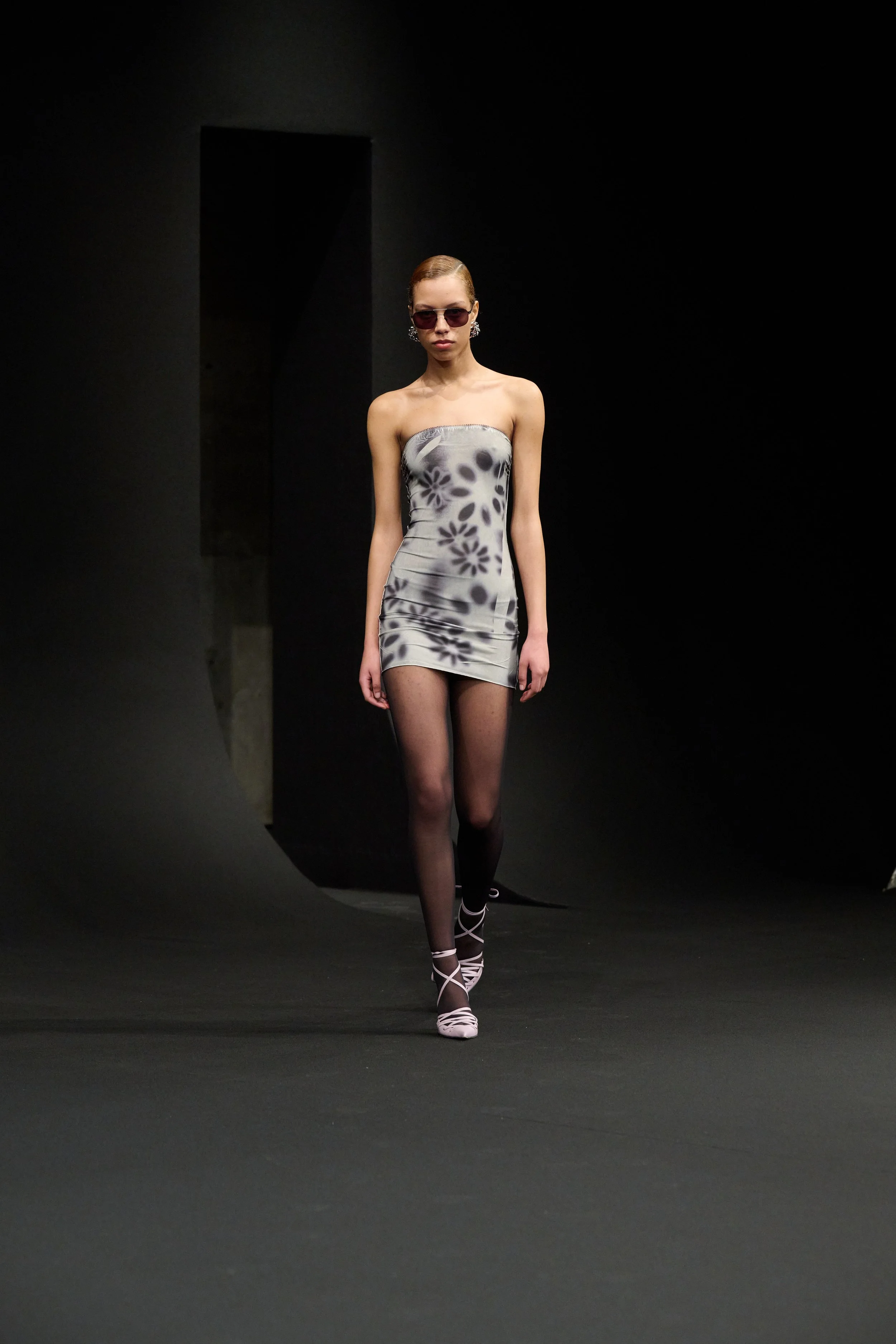
"If this is the last time I do this, is this seam, this piece, this music exactly what I want it to be?" With Apokalypsis, ioannes delivered an intimate unveiling. Designer Johannes Boehl Cronau distilled seven years of work into a sharply focused wardrobe built on tension: slinky silhouettes against precise tailoring, sensuality tempered by control. Archival 90s suiting, scorched floral motifs, and cinematic references moved between dress and undress, confidence as a quiet force. Harsh blacks clashed with soft pastels; playful accessories punctured the severity. Conceived as a ritual, the show felt deliberate, elegant, and deeply personal, less about spectacle than essence.
SF1OG
all images courtesy of SF10G
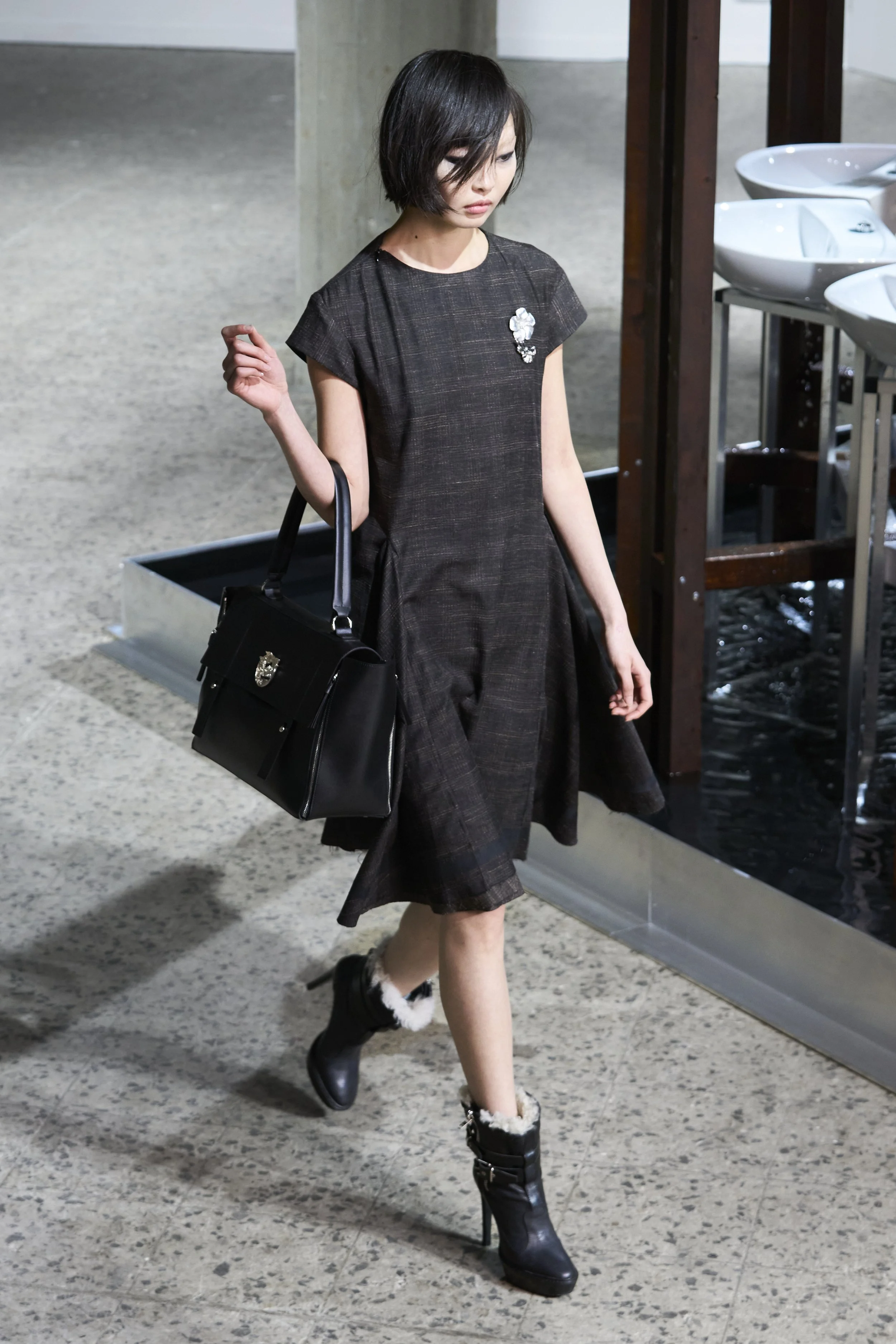
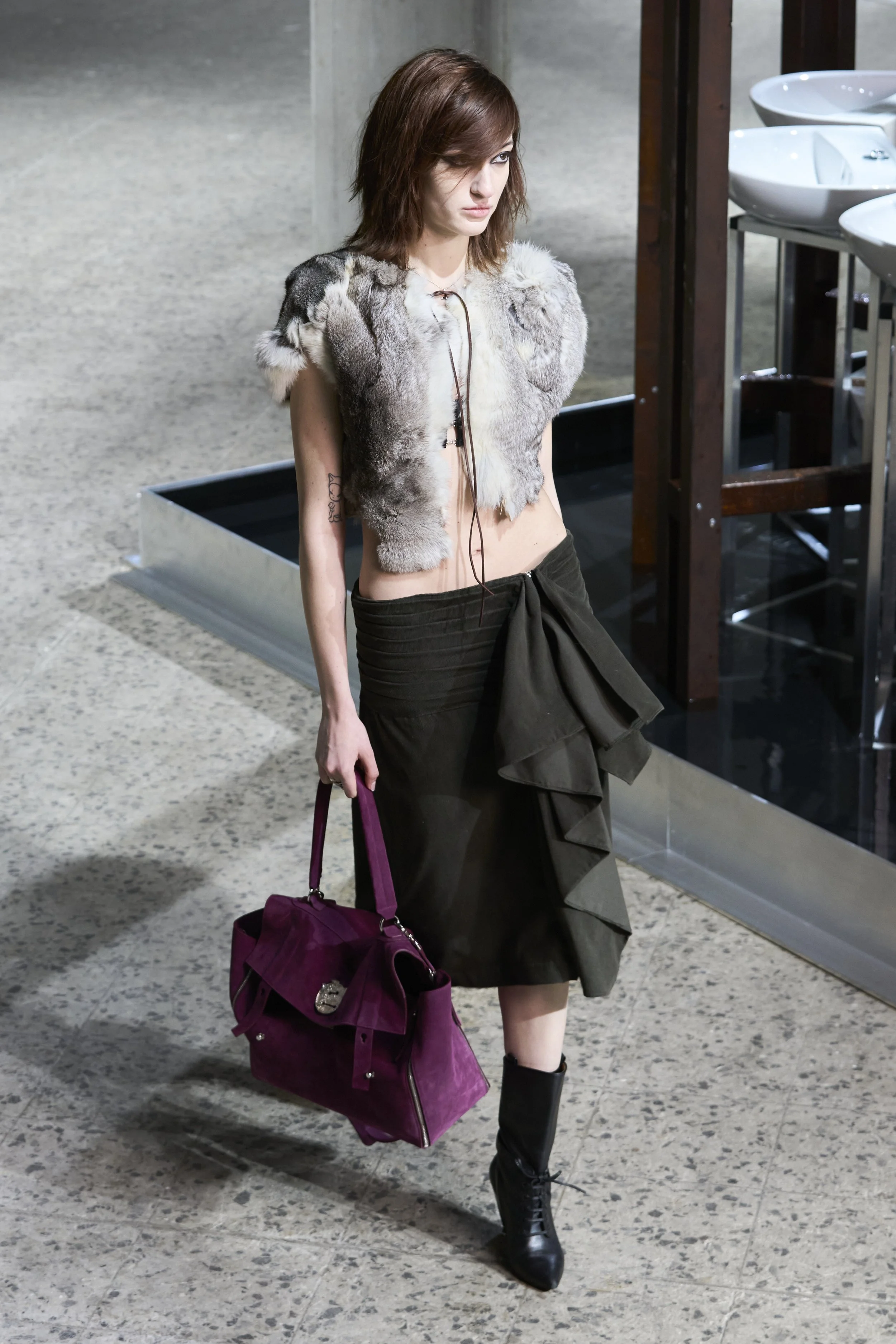
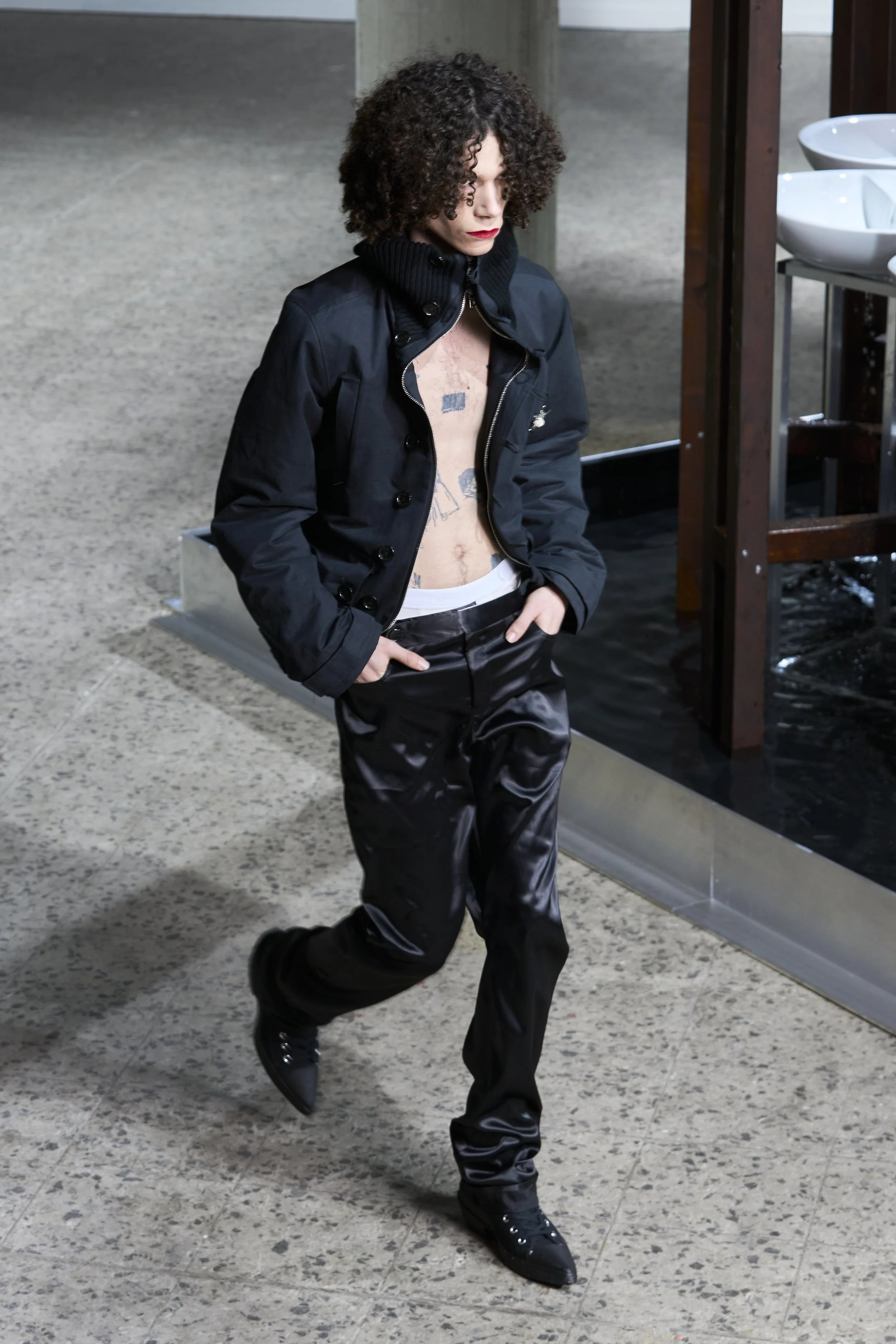
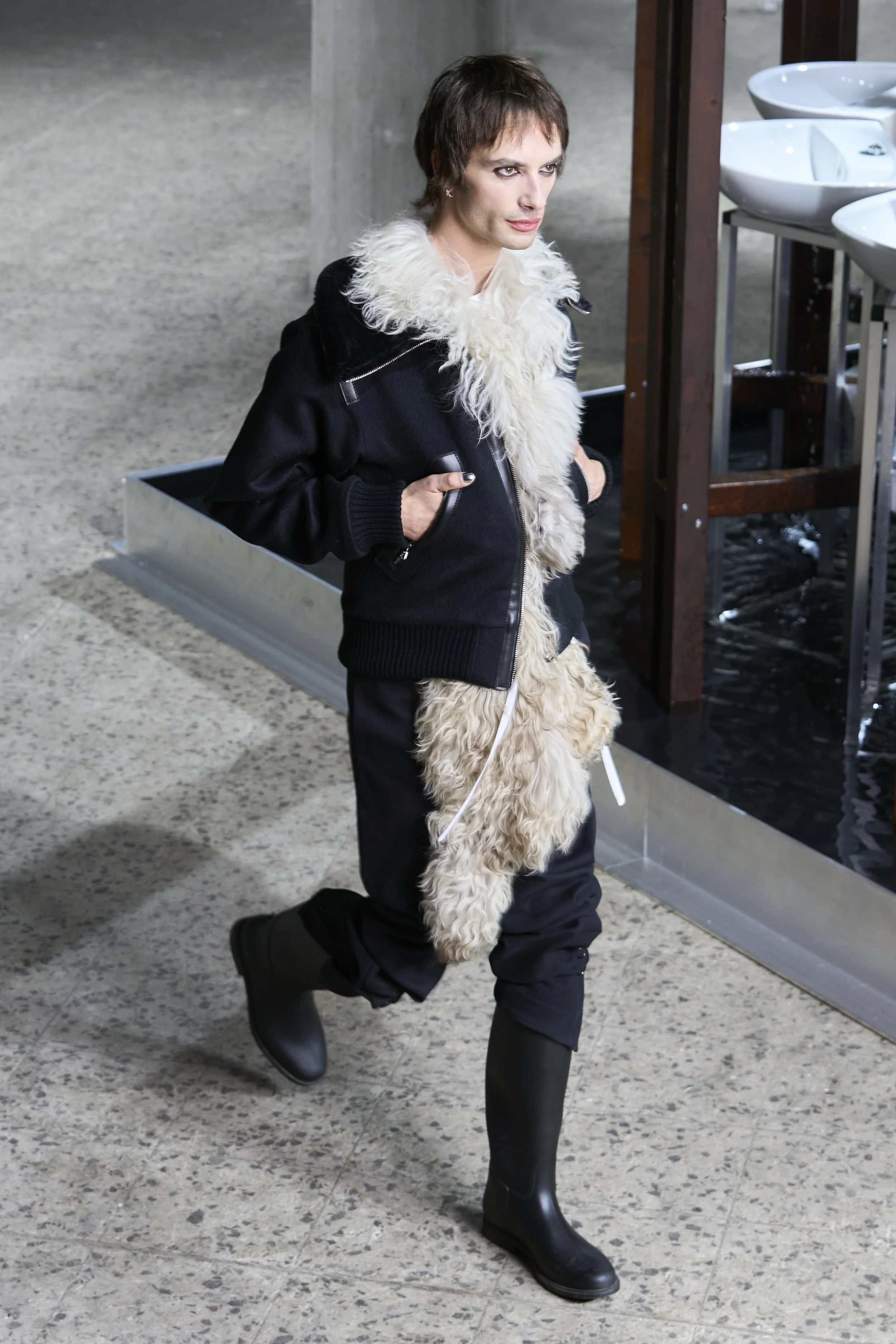
Concealment, fragility, and intimacy defined SF1OG’s AW26. At SAVVY Contemporary, models orbited a circular installation, embodying garments that shielded as much as they revealed. Victorian mourning jackets met late-2000s paparazzi fragility, translating grief, vulnerability, and fascination into layered silhouettes and lived-in textures. Repurposed linens, cashmere, sequins, and leather carried memory on their surfaces, while hidden artifacts and fleeting film projections suggested private worlds beneath the fabric. Hair and makeup nodded to undone rebellion, intimacy without comfort. A collection that whispered rather than shouted, where every detail invited closer attention.
HADERLUMP
all images courtesy of HADERLUMP
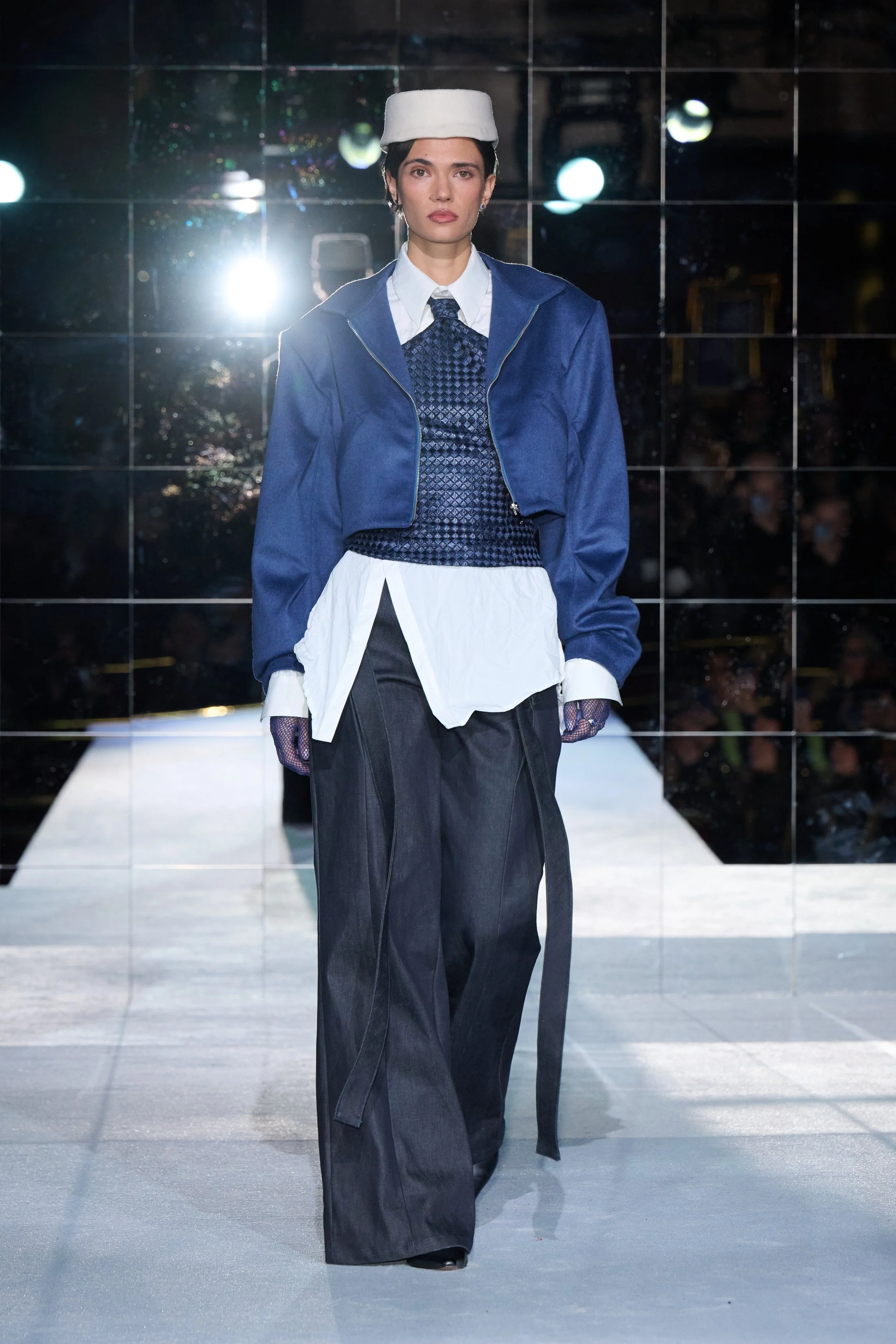
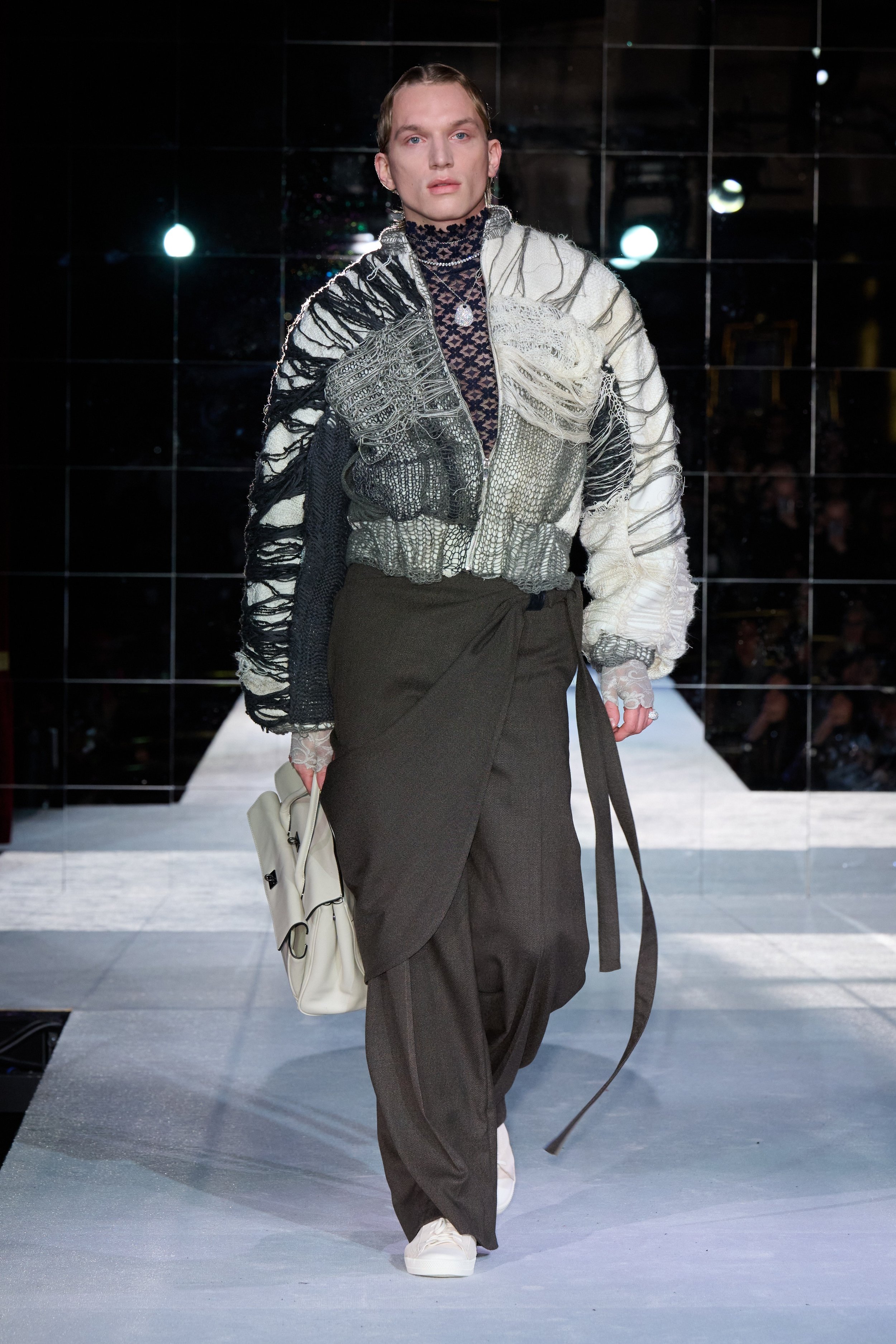
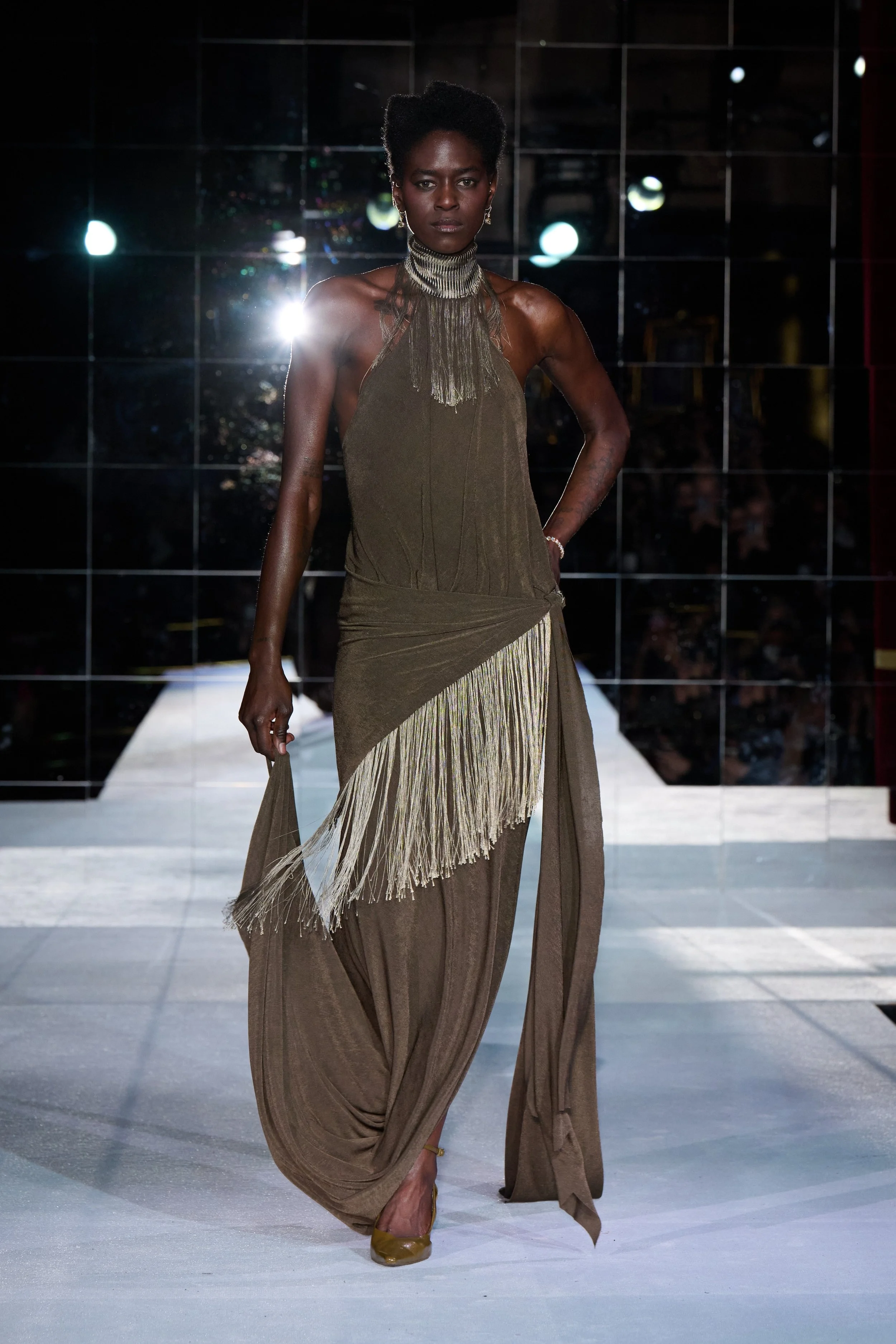
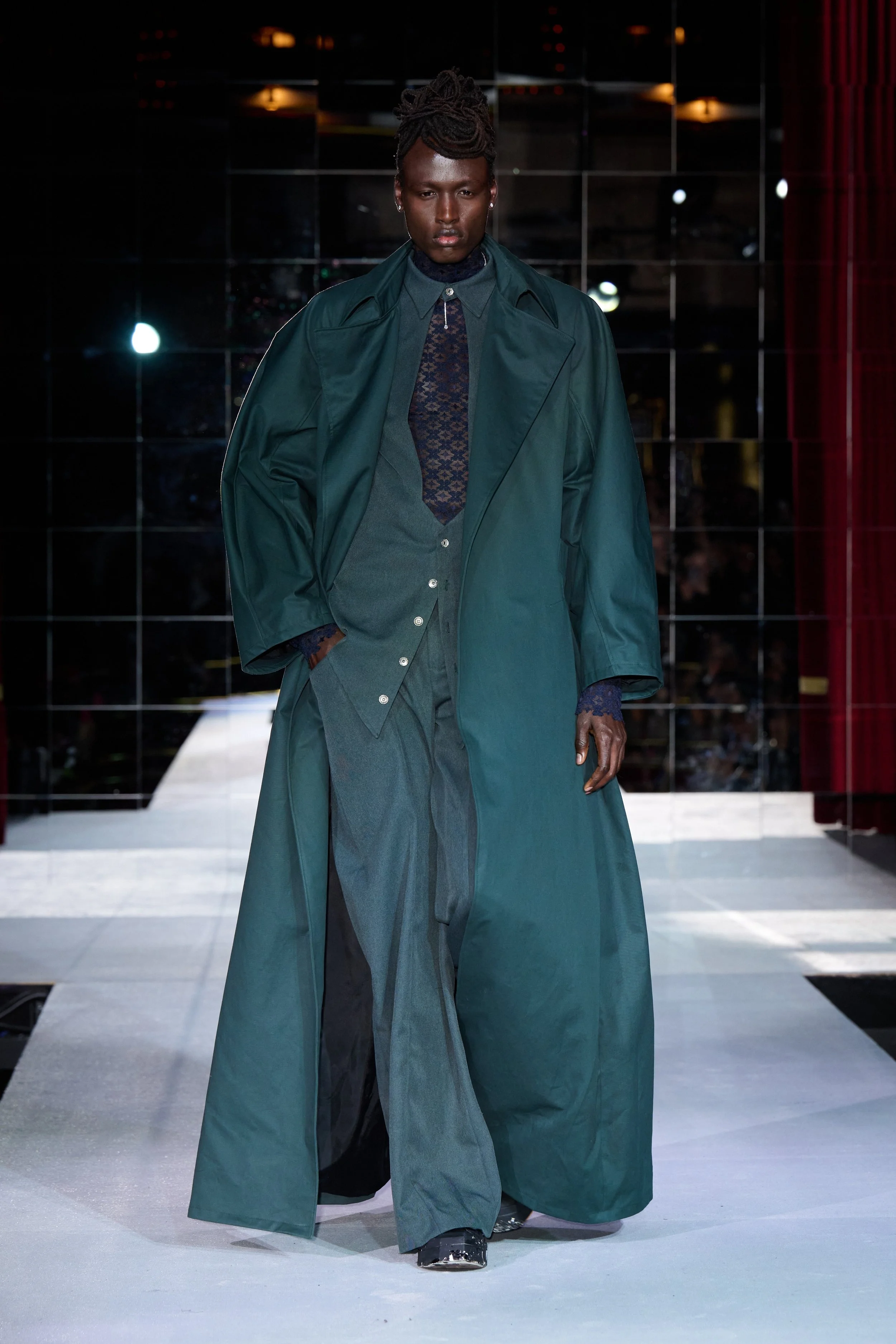
At the Wintergarten Varieté, Haderlump’s AW26 VARIUS unfolded as a poised tribute to Marlene Dietrich’s radical freedom. Velvet curtains, mirrored staging, and a deliberate cast framed a collection grounded in elegance and self-possession. Gowns, sharply cut blazers, and the iconic Marlene trousers traced a dialogue between femininity and authority, softness and control. Lace met leather and heavy wool, muted greys and creams pierced by red and blue. Less rustic, more refined, VARIUS marked a confident shift: fashion as autonomy, performed with strength and sovereignty.
LAURA GERTE
all images courtesy of LAURA GERTE
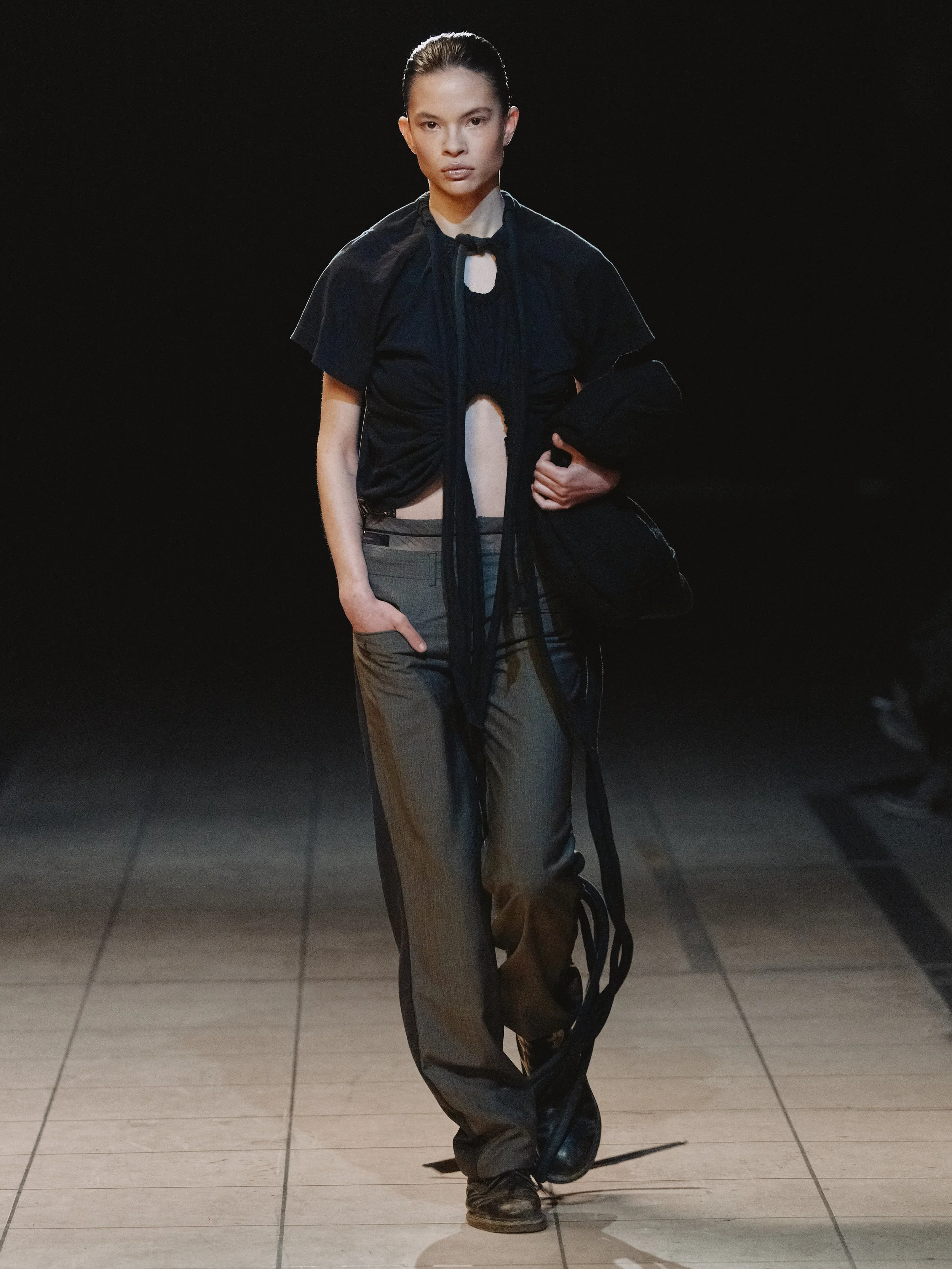
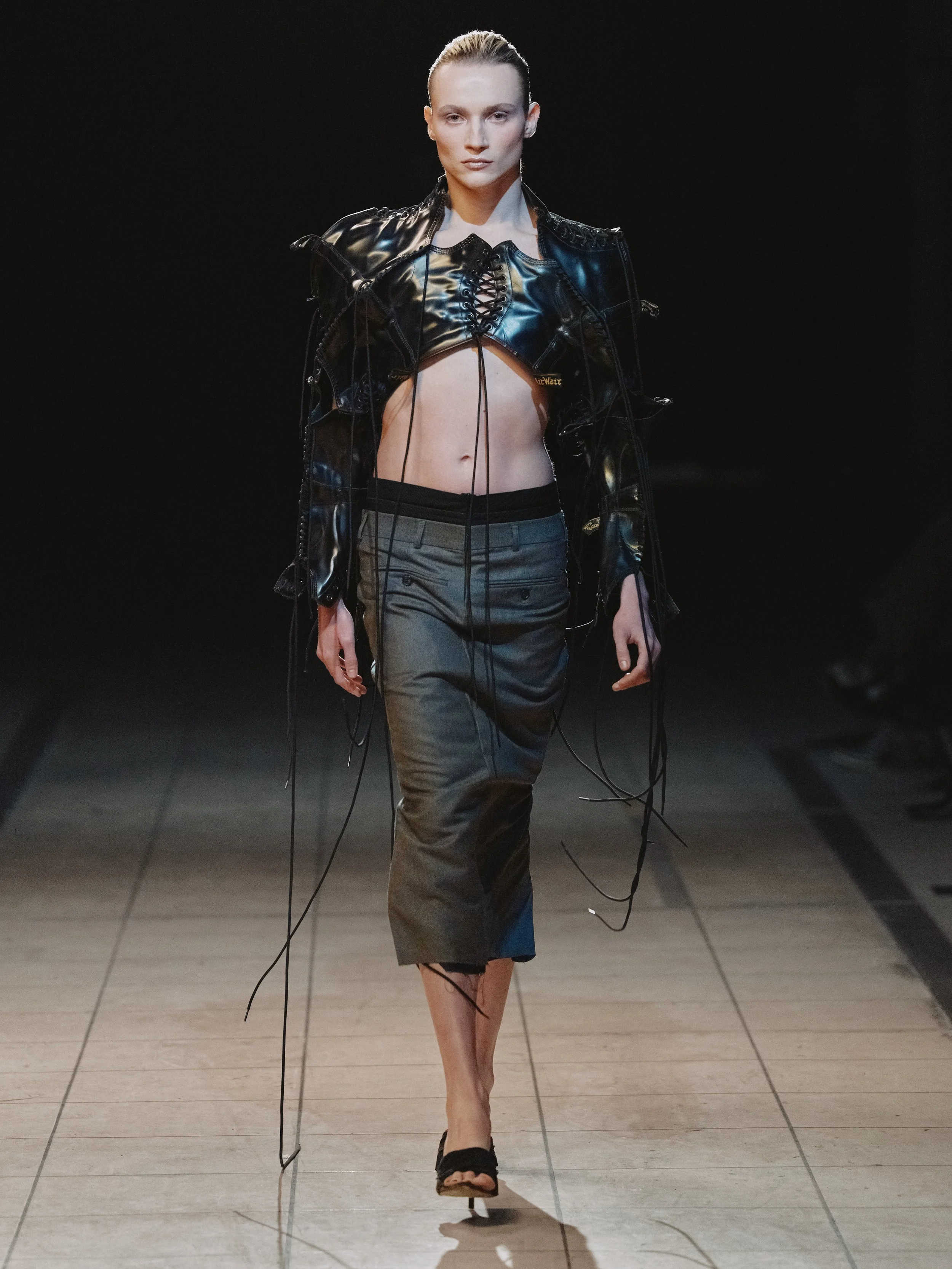
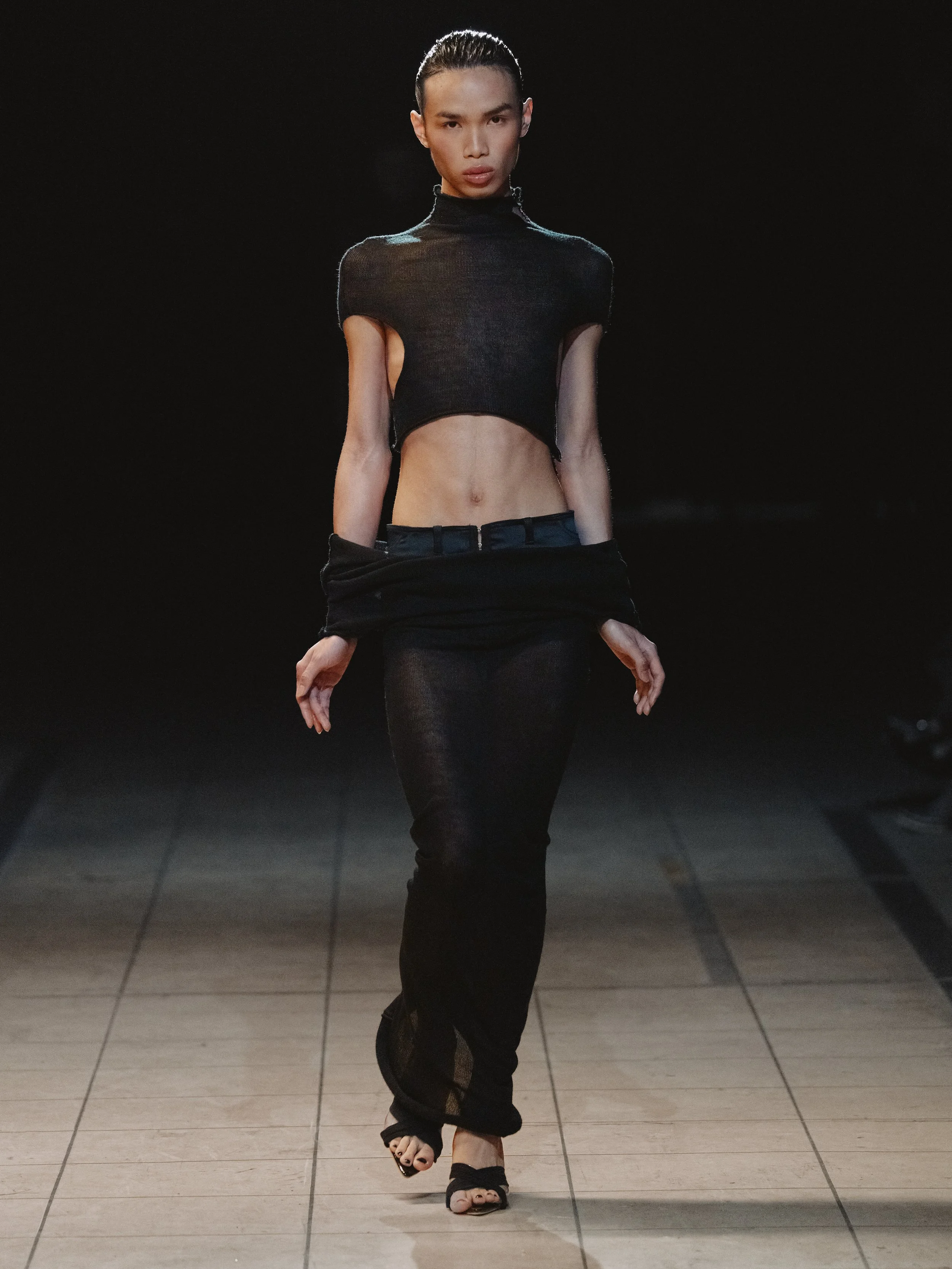
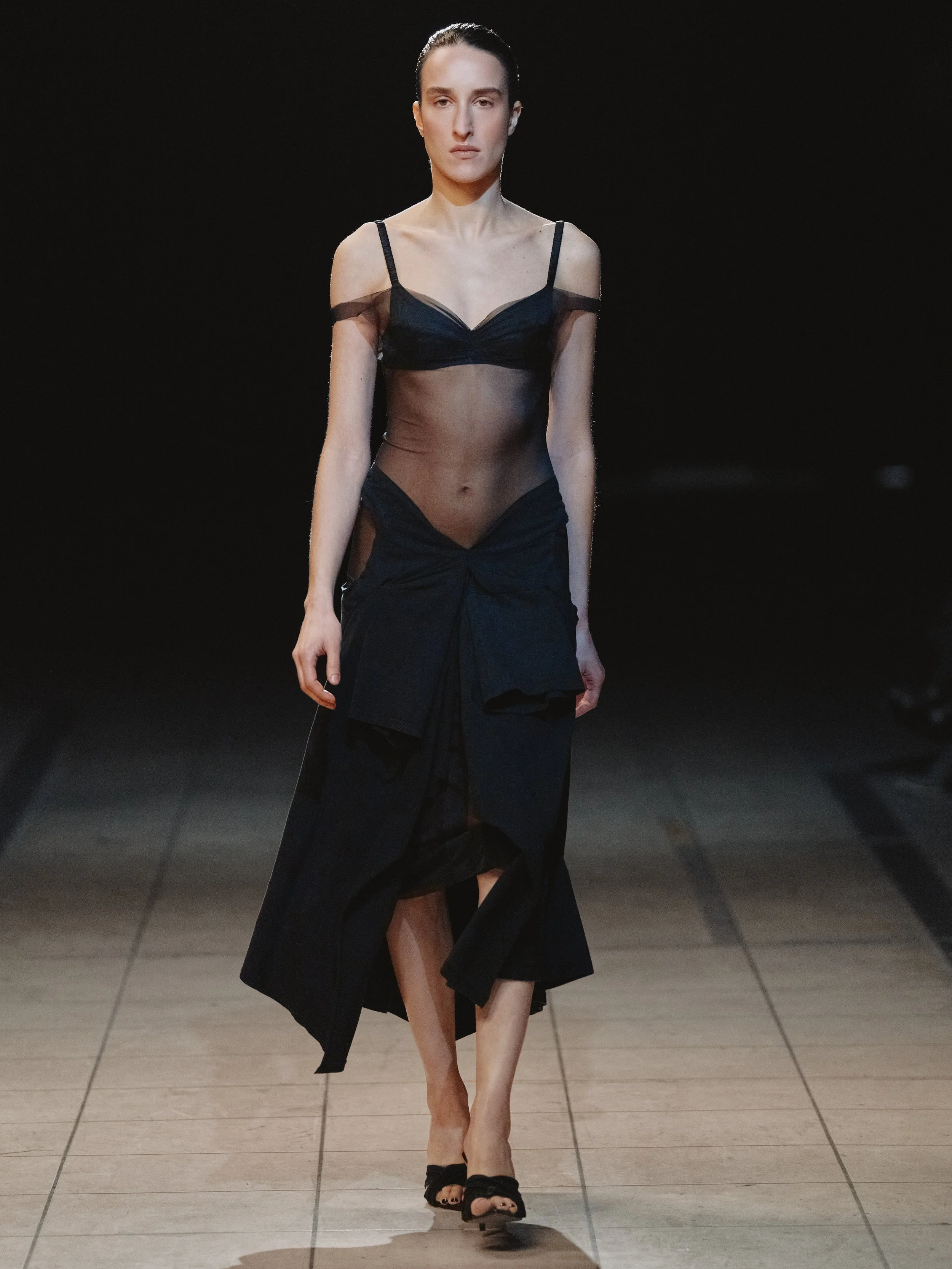
Darkness thrums with willfulness in Deviant Defiant, Laura Gerte’s AW26 interpretation of the female villain. Sculpted wool, fluid jersey, rigid leather, and mesh twist into elongated silhouettes disrupted by unexpected volumes, each garment a trace of past life reimagined. Dr. Martens’ iconic forms are transformed into tactile accessories, grounding the collection’s subversive energy. Luisa Probst’s refined styling heightened the tension between fragility and strength, crafting a visual narrative both serious and erotic. In a reclaimed department store, models embodied agency and defiance: the villainess redefined as a figure of power rather than caution.
RICHERT BEIL


all images courtesy of RICHERT BEIL
Closing our Berlin Fashion Week journey, Richert Beil’s LANDEI unfolded as a reflective pause, a deliberate refusal of fashion’s accelerated noise. Presented in the brand’s renovated former pharmacy, the collection favored precision over spectacle: exacting tailoring, tactile materials, and silhouettes shaped by patience and restraint. LANDEI reclaimed the outsider’s gaze, valuing distance, durability, and intention in an industry ruled by speed and visibility. The show unfolded like a quiet manifesto, further underscored by a ritualistic dinner performance. In its calm insistence on independence and focus, Richert Beil proved that fashion’s softest gestures can carry the strongest intent.
OTTOLINGER X CHÂTEAU ROYAL
Ottolinger turned Château Royal into a labyrinth of performance and play. What began as an intimate dinner flowed into multi-room mayhem: karaoke bedrooms, pole-dance cabarets, and an intimate photo set captured by Emilio Tamez. Pianist Precious Renee Tucker performed in the Kunsthalle Basel suite, followed by surprise DJ sets, while readings by Karl Holmkvist and layered performances by Anna von Raison filled the Royal Suite. Everyone moved at their own pace, encountering sound, movement, and conversation in each room. A living, anarchic installation where fashion, art, and nightlife collided in perfectly orchestrated chaos.
GIFT AT MARMOBAR
If a party captured nocturnal Berlin Fashion Week, it was the one hosted by Berlin underground collective GIFT at Marmorbar. Running all night across two sweaty floors, it drew industry and scene into sound and dance. Known for their sharp curatorial instinct, GIFT has previously featured artists such as Bill Kouligas and Mechatok. Last weekend, sets by guest DJs BEARCAT, LYZZA, ARSEN, LINNÉA, and the resident artists kept the energy high and raw until sunrise.
