
AND JUST LIKE THAT, MCM TURNS 50
editor MAREK BARTEK
It might not be from my own experience just yet, but turning 50 is a big deal. Half a century – that’s quite a long time for anyone to have achieved a lot, to have made mistakes and learnt from them. It is long enough to understand yourself well enough to know what you want out of this life, and also to be aware of what it takes if, by any chance, you’re not there just yet. It is an age when many reinvent themselves, when they realise that what was once considered “over the hill” is just a new beginning – and this freedom often catapults them right where they want to go.
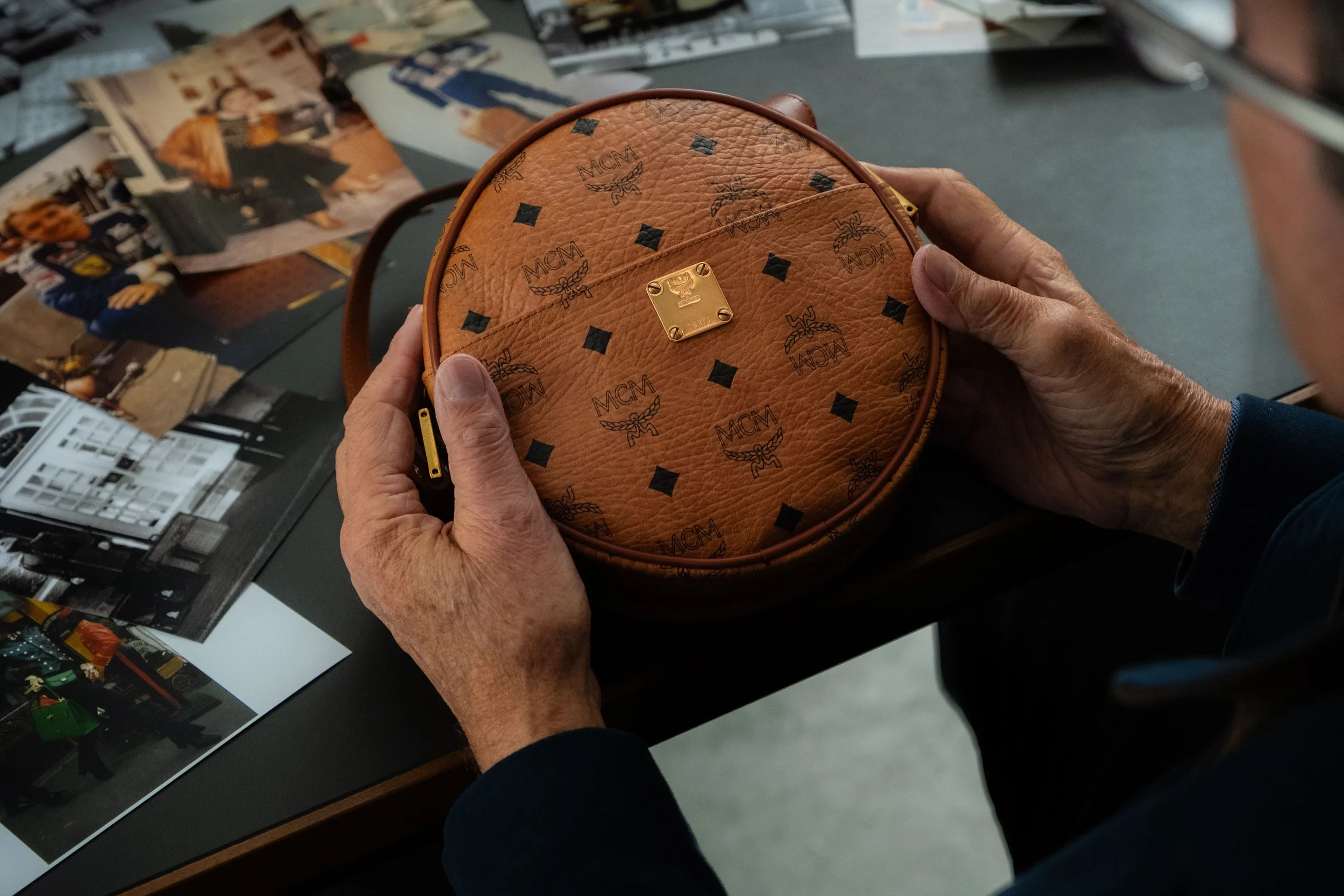
all images courtesy of MCM
For a brand, likewise, turning 50 is a crucial milestone. It’s long enough to have history, but also long enough to risk becoming defined by it. Luxury, perhaps more than any other industry, has a tendency to look backwards – to their archive, to their heritage, to the reassuring permanence of what has already been done. But as they say, it’s “the exception that proves the rule,” and as MCM marks its 50th anniversary, it seems far less interested in nostalgia than in momentum, propelling itself into a bright future.
Founded in Munich in 1976, the brand emerged at a time when the city stood at the centre of a cultural shift. A collision of nightlife, music, and a new kind of liberated self-expression – it was a moment defined by excess and experimentation, where identity itself became something to construct, perform, and project. For Dirk Schönberger, MCM’s Global Chief Brand Officer, that context is not just historical – it is foundational.
“MCM’s rebellious spirit has always been grounded in the idea of freedom. In 1970s Munich, that freedom expressed itself through nightlife, music, and a wave of cultural experimentation, but those were just the visible signs of a much deeper transformation.”
That transformation, he explains, was ultimately about individuality. “After years marked by conformity and constraint, the city opened up, embracing a new mindset rooted in self-expression. That moment is essential to understanding MCM today – it’s where the brand’s attitude of independence truly began.”
The 1970s might’ve defined the brand’s beginnings, but it’s the following decades that truly expanded its cultural reach. From Munich’s jet-set scene to New York’s hip-hop culture in the 1980s – where MCM found its place within emerging subcultures – and later the global rise of Asian pop culture, the brand has consistently moved alongside shifting cultural landscapes. But Schönberger resists the idea that MCM simply follows these movements.

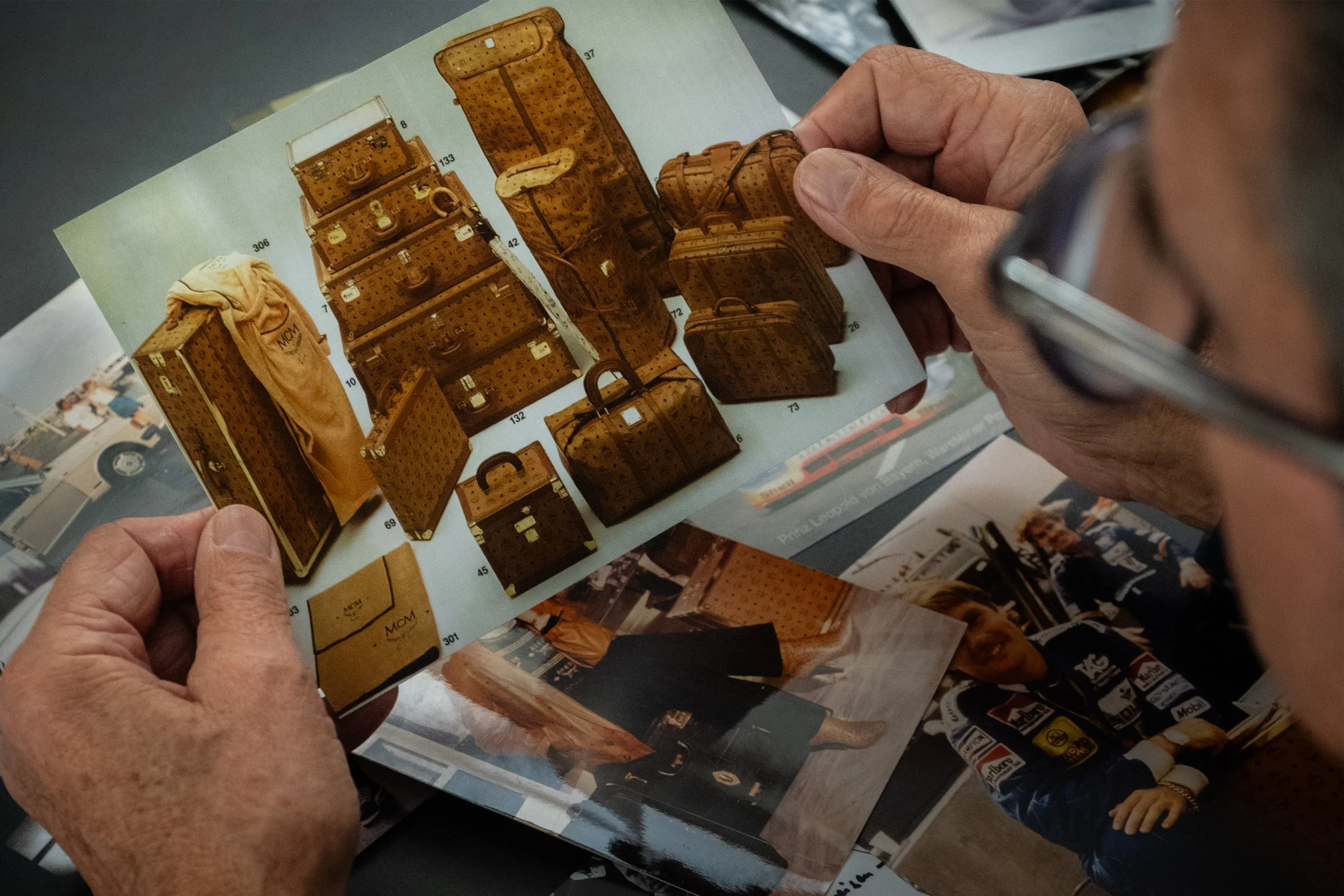
“To shape culture, you must be a part of it. We don’t merely follow culture, or exclusively shape it – it’s a more fluid, reciprocal relationship.”
That sense of movement – across cities and across communities – sits at the centre of the brand’s 50th anniversary campaign, Icons Reinvented. Rather than presenting its archive as something fixed, the campaign reworks some of MCM’s most recognisable pieces like the Stark Backpack or the Liz Shopper, and positions them not as relics, but as ever-evolving objects designed for contemporary life. “Reimagining these icons is, first and foremost, an exercise in respect,” Schönberger explains. “They are not just products, they are part of MCM’s cultural DNA.” But respect, in this context, does not mean preservation.
“You keep the essence — the silhouette, the craftsmanship, the attitude — but you refine them for today’s world. A new generation lives differently: more mobile, more digital, more conscious. That requires lighter constructions, smarter functionality, and a stronger focus on sustainability. ”
This shift is framed through the concept of what MCM calls “SMART Luxury,” a term that aims to redefine what luxury looks like in a contemporary context. It moves away from static ideas of status and towards something more responsive; something that adapts to how people actually live.
“For me, this new expression of luxury is about redefining what value means. It’s about intelligence in design, in function, and in responsibility. It’s not just something that looks good. It’s something that works for you.”
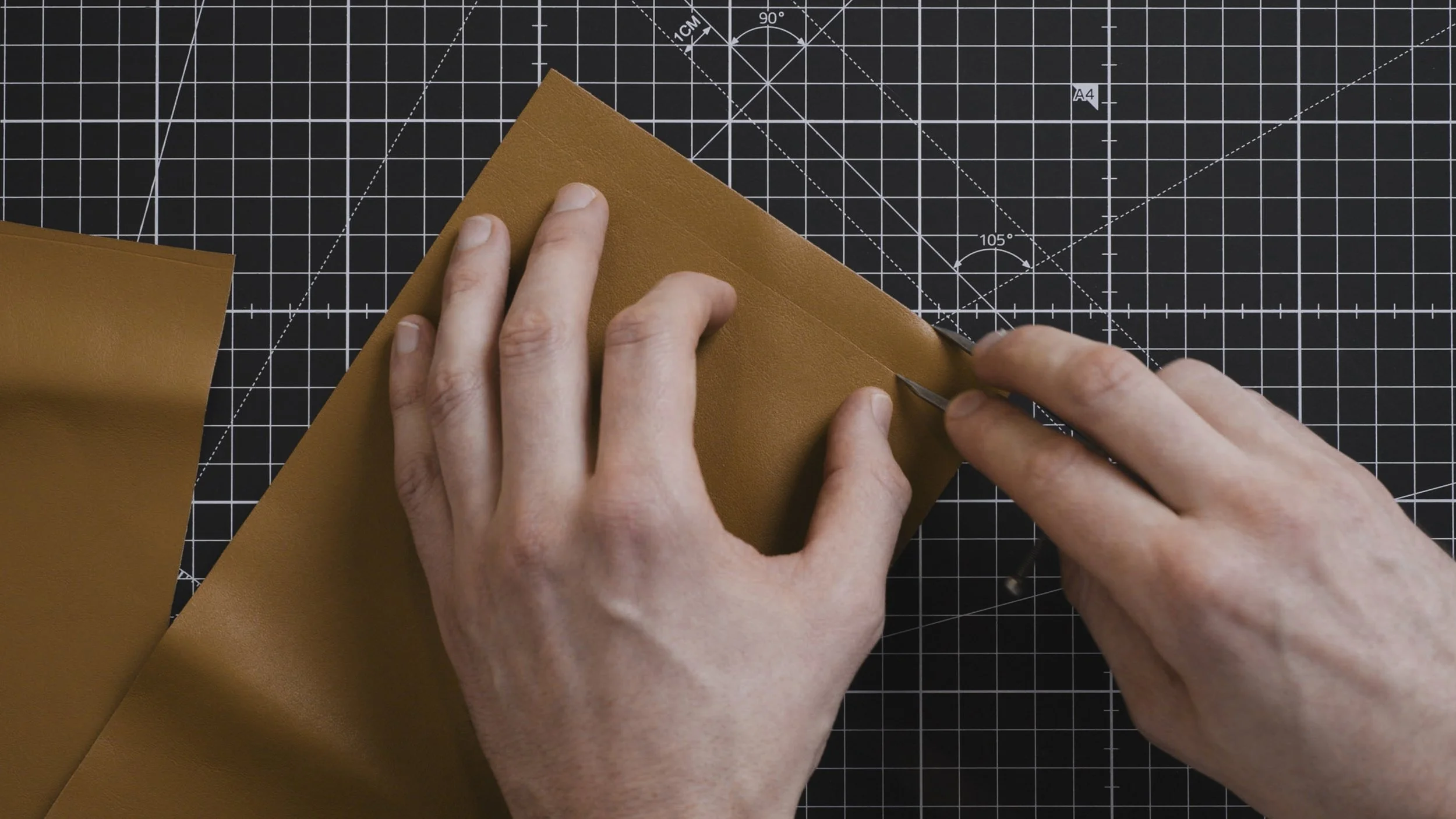
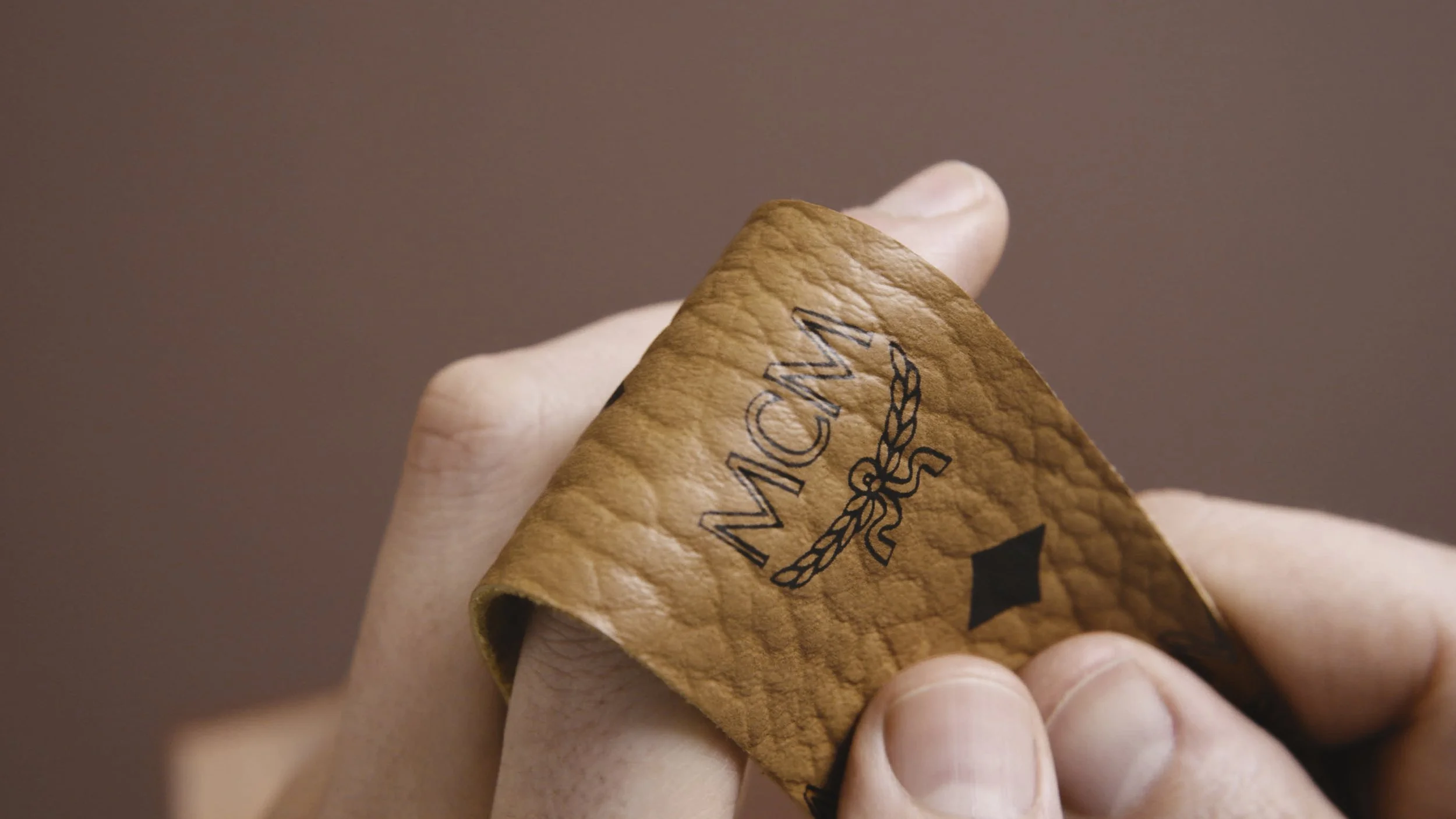
This emphasis on functionality reflects a broader shift within the industry. Luxury today is no longer defined purely by craftsmanship or exclusivity, but by how seamlessly a product integrates into a lifestyle that is increasingly fluid. We live across cities, time zones, and digital spaces. “The new generation of luxury consumers is highly informed,” Schönberger notes. “They expect transparency and responsibility.”
That expectation has forced brands to reconsider not only what they produce, but how and why they produce it. Materials, sustainability, and adaptability are no longer secondary concerns; they are central to how we perceive value. “The definition of luxury is evolving,” he says. “It’s not just about owning something beautiful. It’s about owning something personal, purposeful, and meaningful.”
Yet perhaps the most defining shift is not material, but cultural. For Schönberger, the MCM customer is not defined by demographics or geography, but by mindset. “It’s someone who follows their own path with confidence,” he explains. “Someone driven by curiosity and a strong sense of individuality.”
In that sense, MCM’s audience mirrors the conditions of contemporary life itself – less fixed, more mobile, and increasingly shaped by cross-cultural exchange. This idea of movement extends beyond fashion into a broader creative ecosystem. Throughout its history, MCM has collaborated across disciplines from art and music to design and sport, embedding itself within multiple cultural conversations at once.
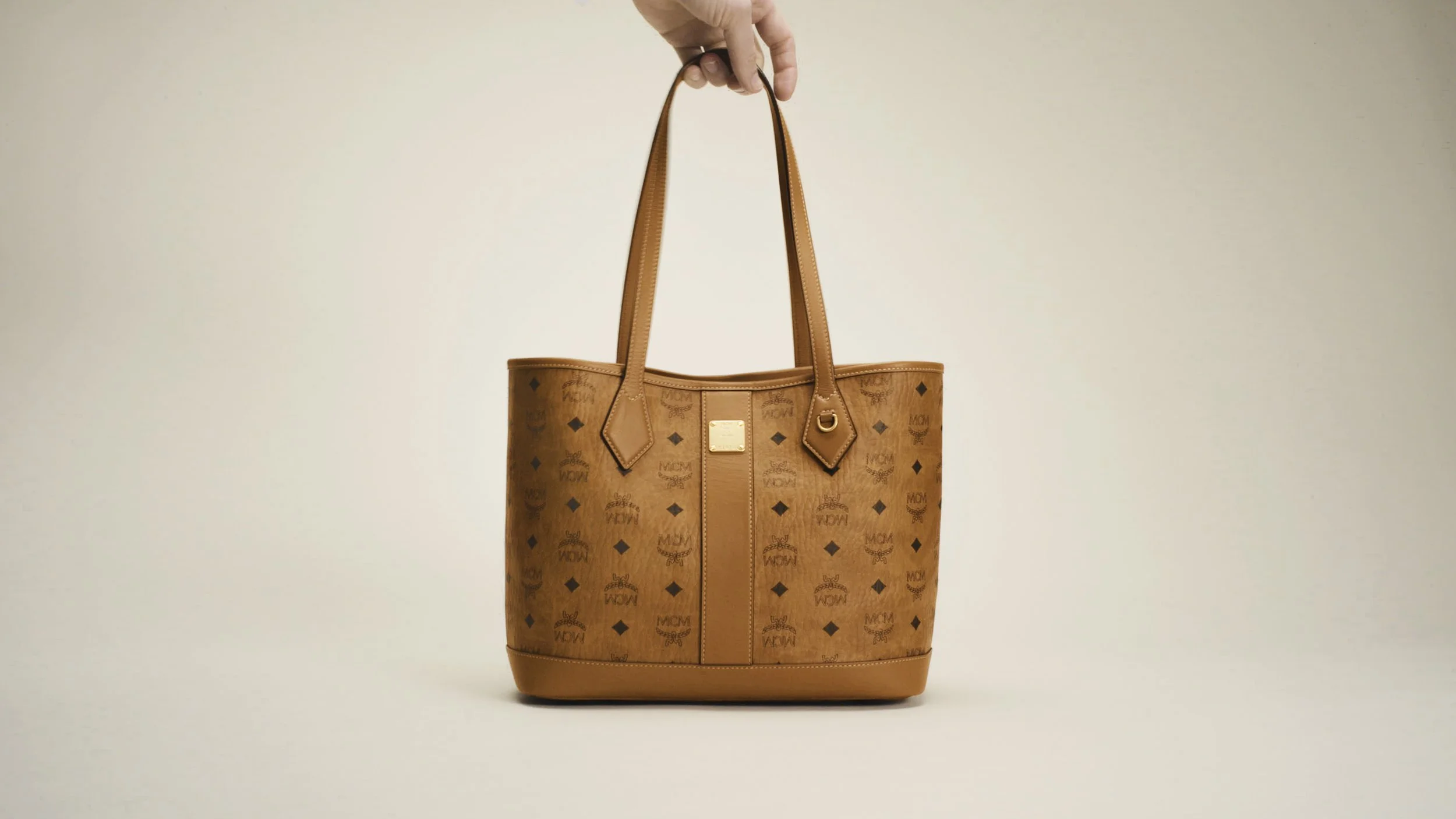
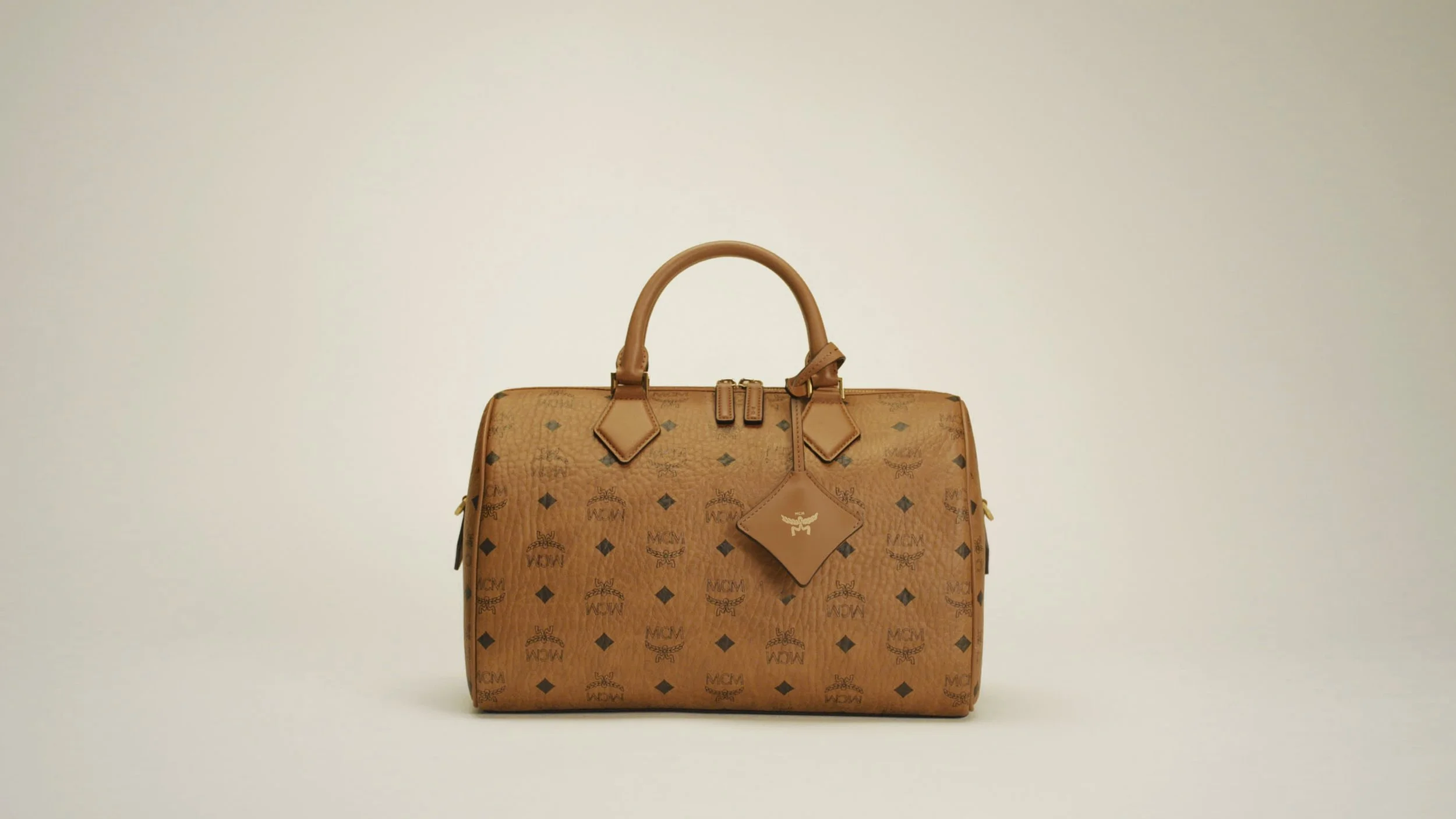
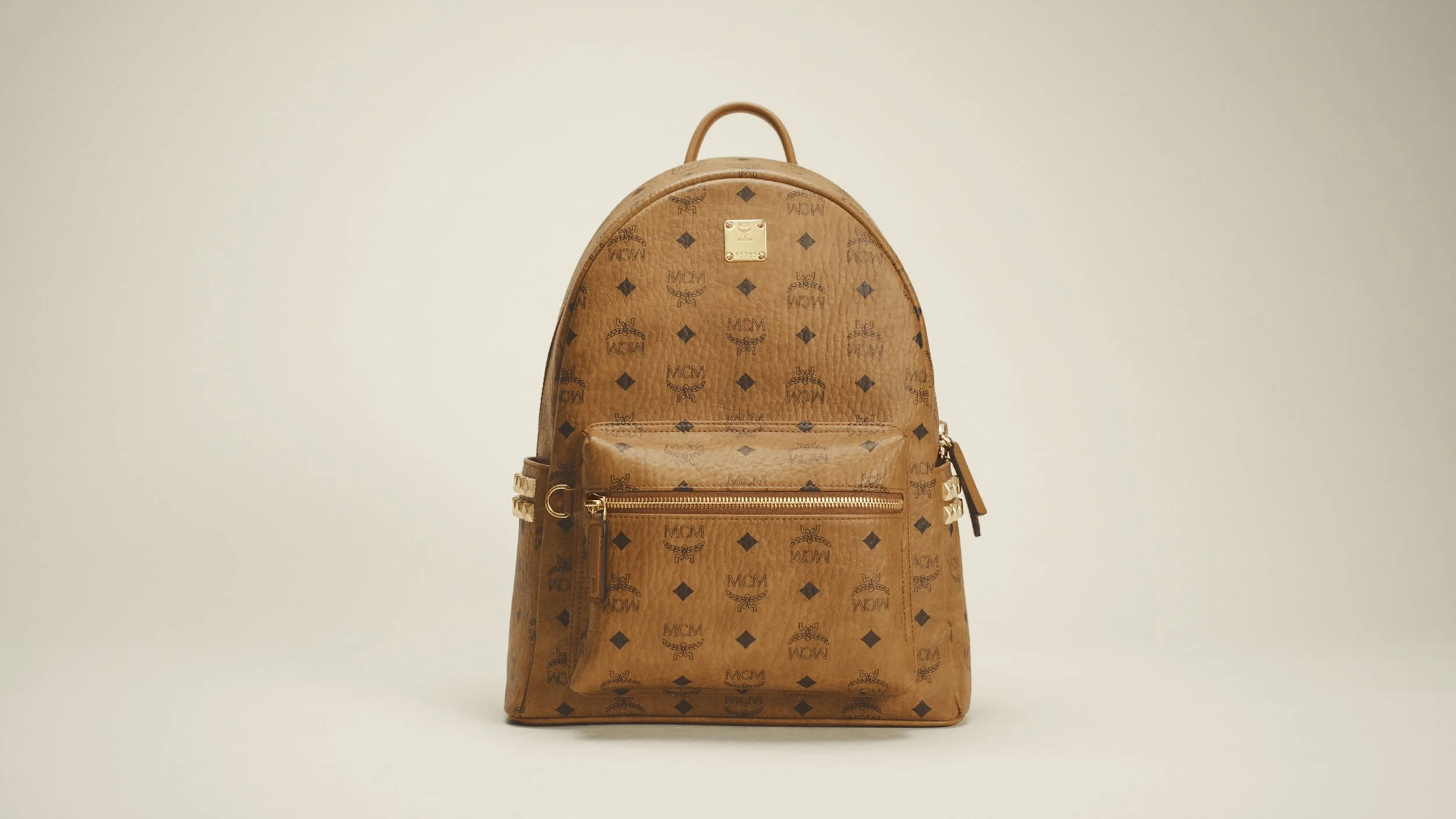
“MCM has never been confined to a single creative space. It has always lived at the intersection of art, design, music, and street culture. It’s about staying engaged in these spaces – supporting emerging voices, fostering unexpected collaborations, and remaining open to new forms of expression.”
Anniversaries are the perfect moments for not just reflection but projection, too. For MCM, the past is not treated as something to be preserved, but as a framework for what comes next. “For me, heritage is a foundation, not a constraint,” Schönberger says. “You must respect the brand’s origins without becoming bound by them.” That balance is perhaps the most delicate task any brand faces at this stage. Lean too heavily on history, and relevance begins to fade. Abandon it entirely, and identity risks dissolving.
“The next chapter is an opportunity to continue evolving while staying true to the spirit that has always defined the brand.” Fifty years in, MCM seems to understand exactly where it stands — and, more importantly, where it wants to go.