
ASSEMBLE TO DISMANTLE: COULD MODULAR FASHION SLOW DOWN CONSUMERISM?
words by TIANA DE HASETH
As we start to navigate the era of slow fashion and mindful consumption, we can’t help but notice our wardrobes getting inevitably smaller, our purchases less frequent and the range of our go-to styling options limited. Sure, rocking one and the same look might’ve worked for Steve Jobs, but most of us love to indulge in some good old fashion spending and experimentation — even if only time to time. So what if one single garment could be interchangeable, detachable or reconfigurable? Consider the convenience of traveling with just a carry on.
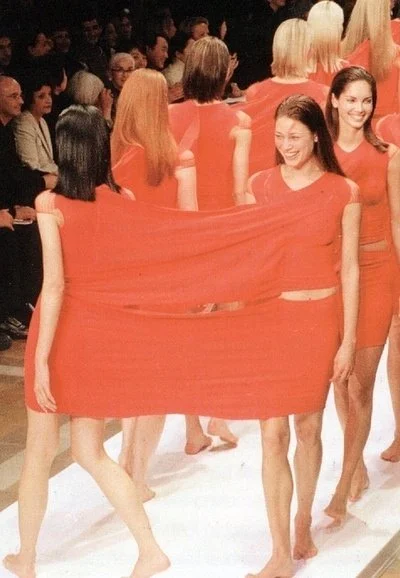
image via pinterest.com
After the 2020 COVID lockdown, fashion shifted into a fast-paced, trend driven world, where consumption felt unstoppable. Personal style would quickly change through micro-tends and curated aestetics. From “office siren” and “coquette” to “blokecore", and the Carolyn Basette minimalism. As fast fashion items are cheap and difficult to resell, they rarely end up in thrift stores. Instead, an excessive amount of clothing has ended up in landfills, shipped and imported to Asian and African countries. Unwanted garments overflow local landfills, wash up on beaches, and clog watercourse. Air pollution has worsened as burning textiles release toxic chemicals into the air and local communities.
To every action there’s a reaction. Countering fashion, driven by anger and concern about environmental changes, the climate-change activism is rising upon Gen-Z, leaving it up to them to take action. Environmental consciousness is expanding globally, and more people have been choosing quality and slow fashion over trendiness of disposability, aiming to prove that mass consumption can be dismantled.

image courtesy of CHANEL
Though often understated, modular dressing has been sitting at the core of slow consumerism. Turning a simple scarf into a skirt or to a headband, shows the multi-purpose of garments. Through construction such as, magnet closures, adjustable buttons and loop systems that you can detach or assemble, it encourages creativity and personal styling without having to buy a completely new look. People have always craved newness, and suddenly, that instant gratification doesn’t come from big shopping sprees anymore, but simply out of the daily looks you create from the same item time and time again.
A pioneer of modular dressing, Issey Miyake’s philosophy of designing was to create and not destroy. It was in 1997 when he first introduced A-POC (A Piece of Cloth) — a concept of two-dimensional clothing that can be turned into three-dimensional to reduce waste. This concept has continued through his legacy, with the Pleats Please Capes that can be worn as scarves, ponchos, dresses, tops.
Even house’s like Chanel have experimented with modular clothing in the past for their ready-to-wear collections, such as transformable zip-off puffers, or Hussein Chalayan, who became known for this transformable fashion and two-in-one garments.
All it takes is the right fashion engineering and a little bit of creativity to help us buy less, dress better and slow down our ever-so-insatiable hunger for the latest in retail.
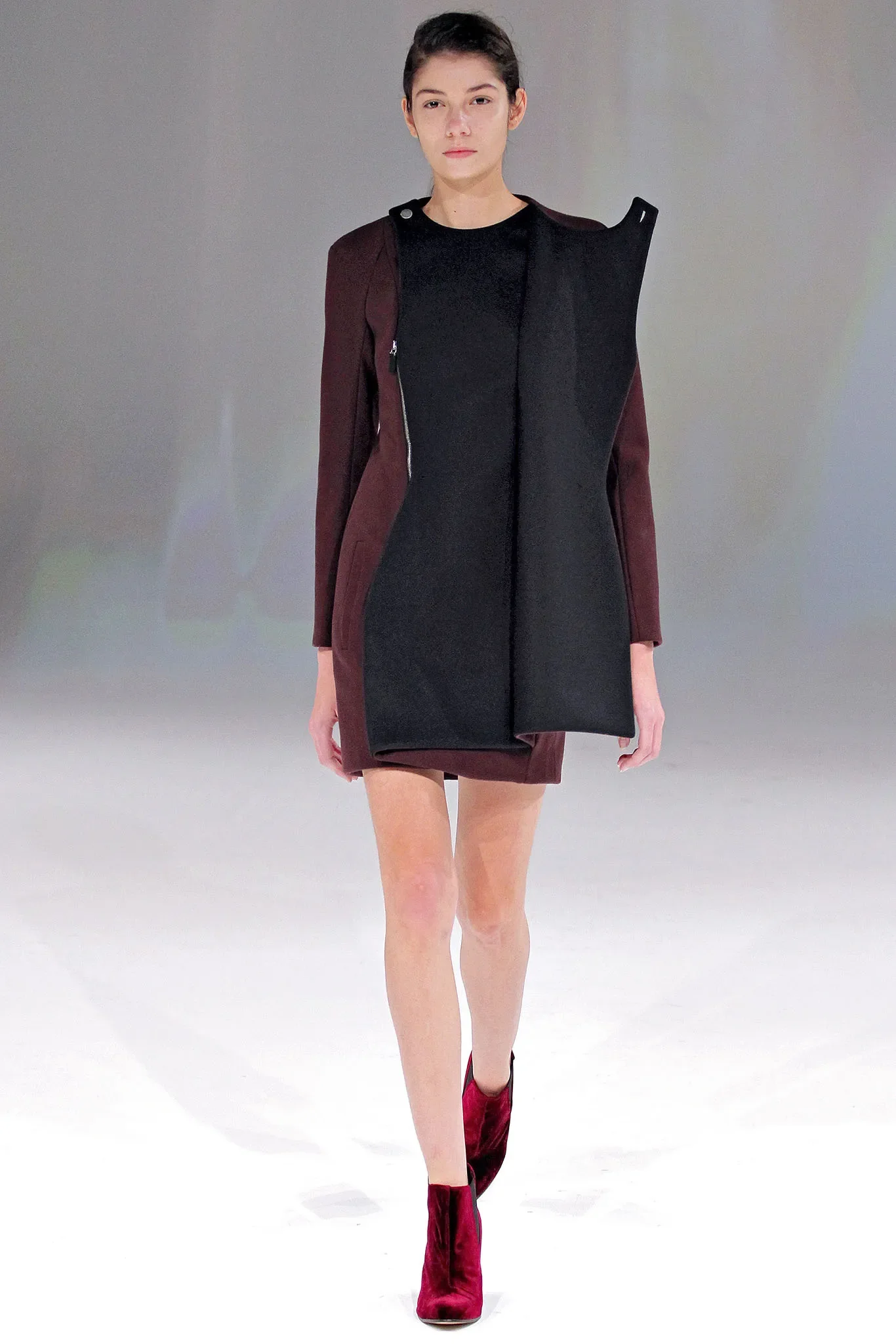
image courtesy of CHALAYAN
