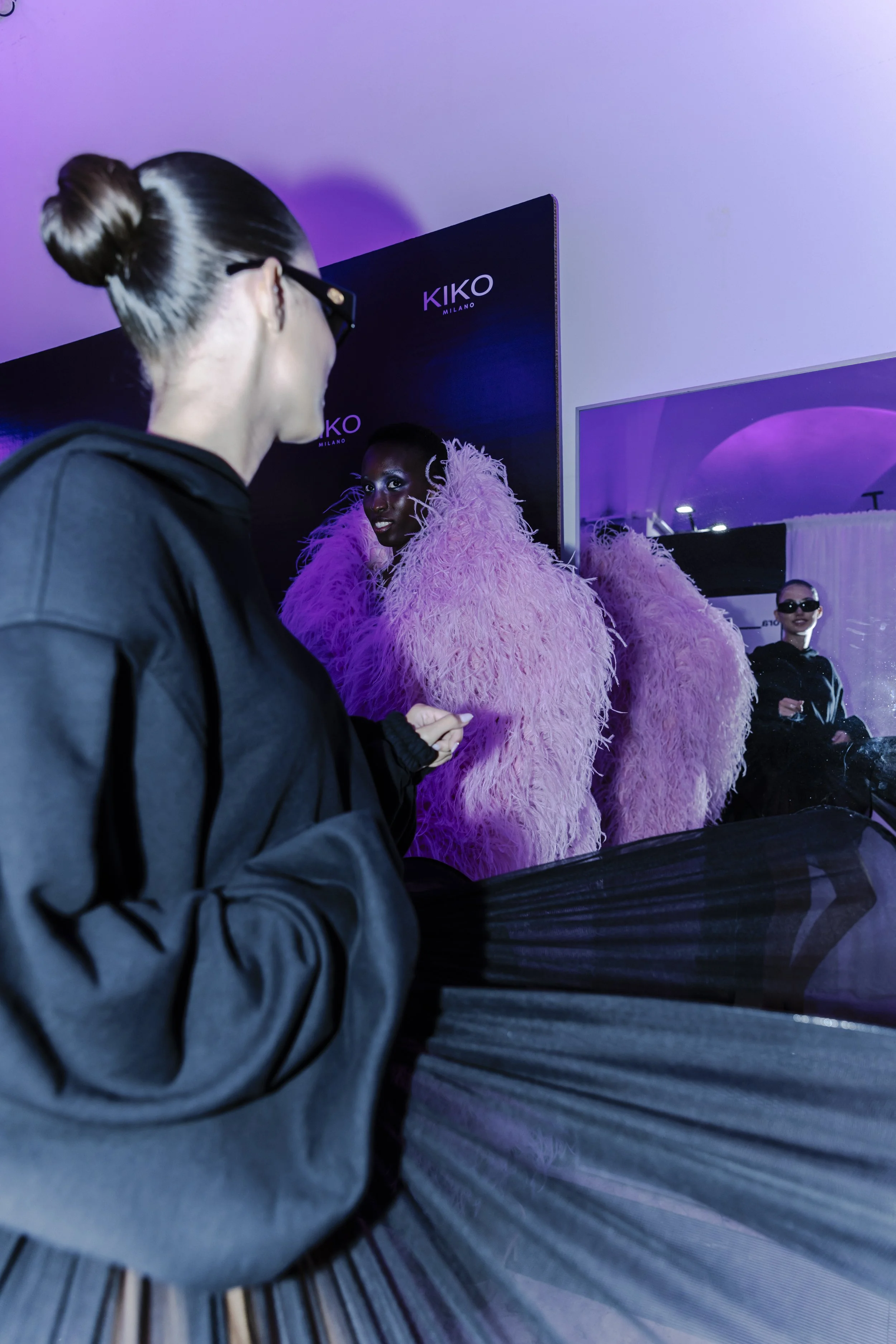
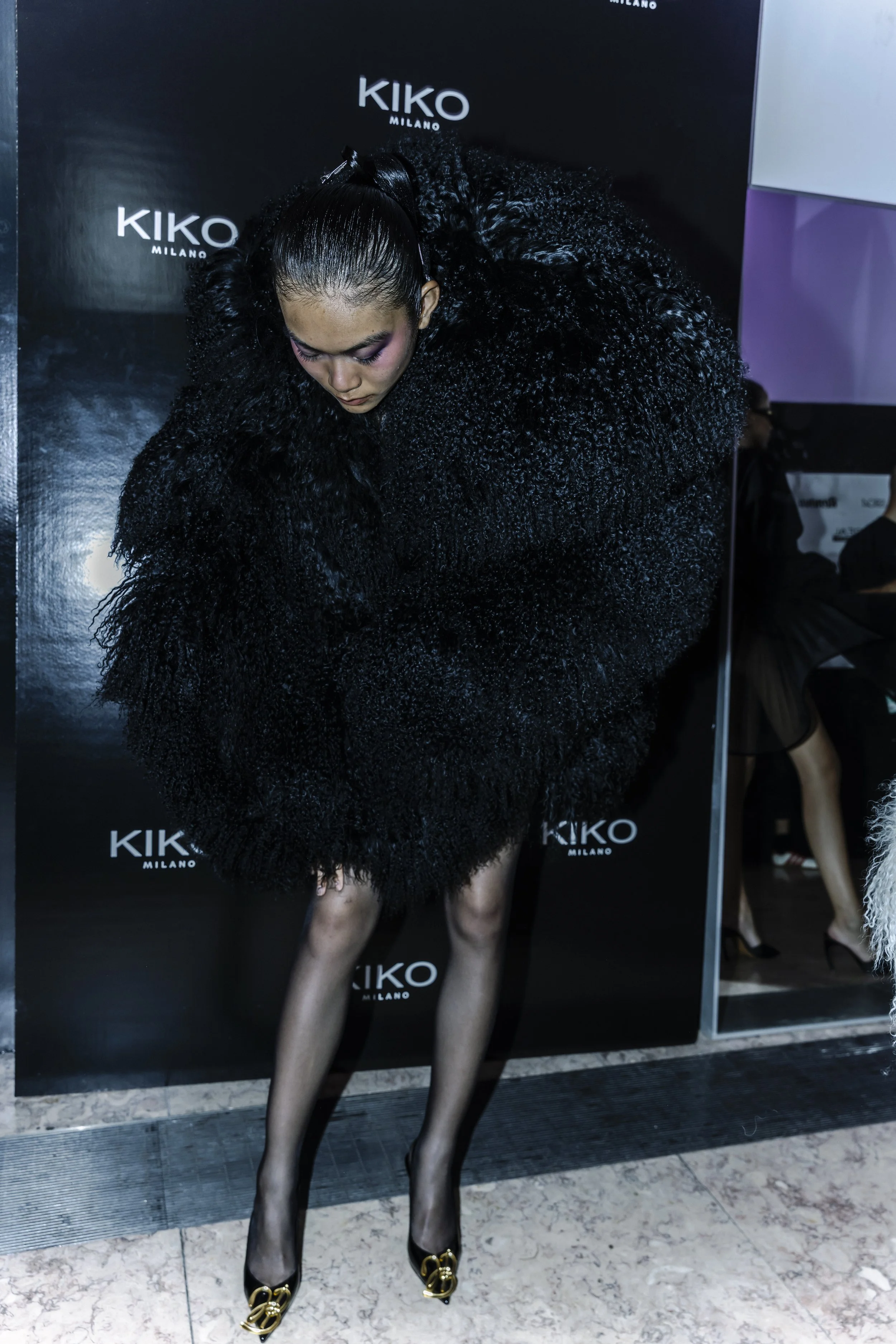
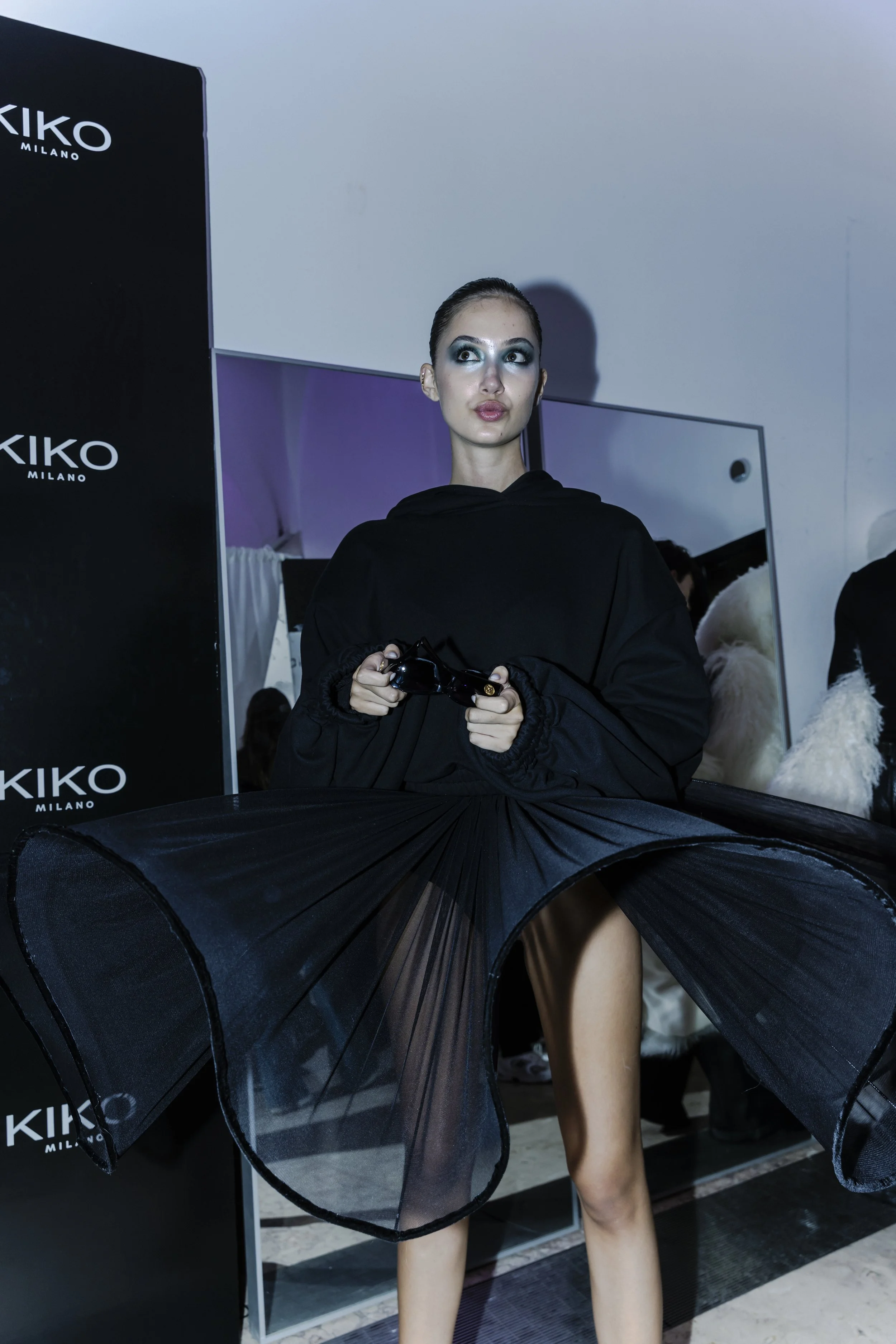
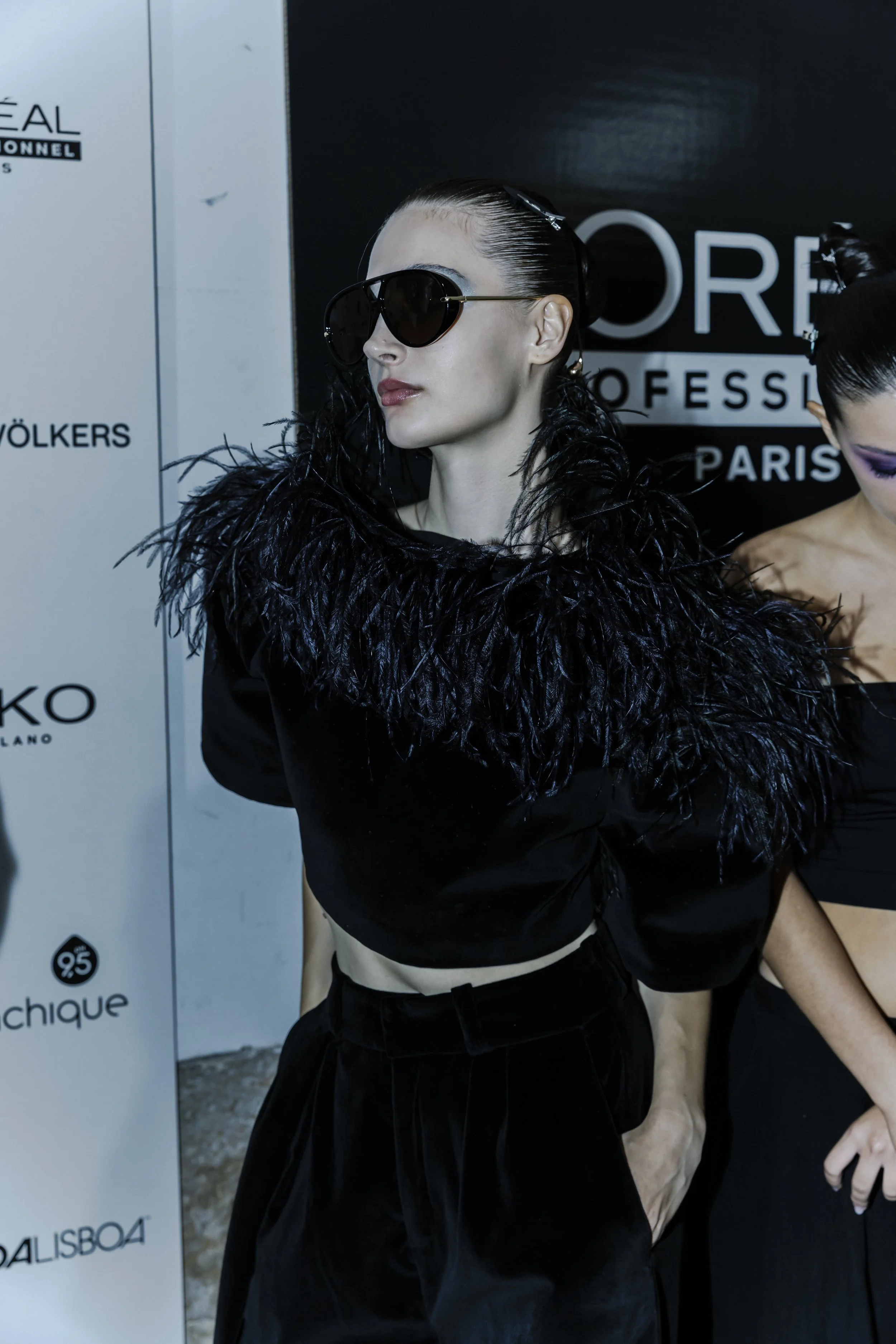
BACKSTAGE AT LISBON FASHION WEEK WITH EMIL HUSEYNZADE
words by DEBORAH DRENOFCI
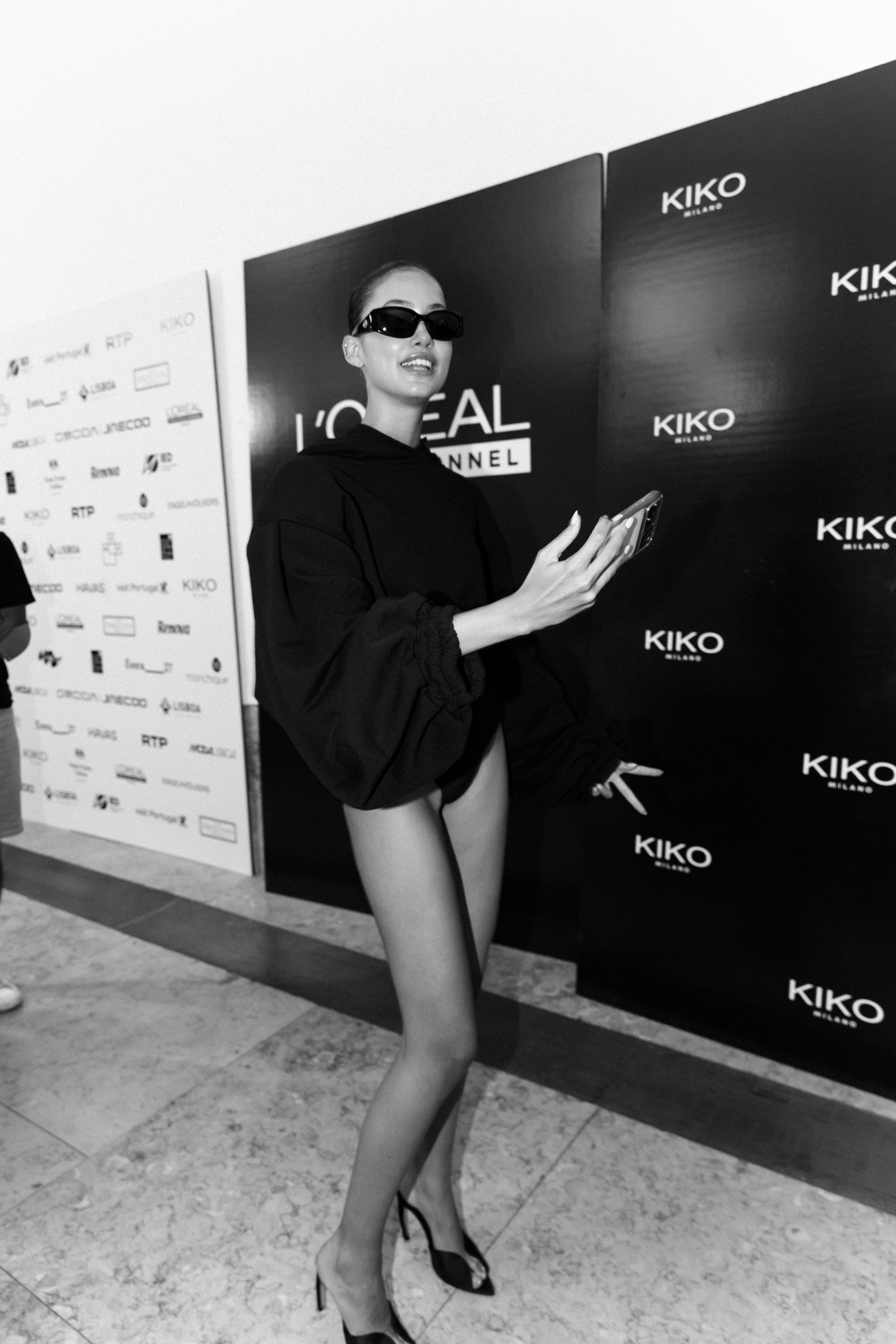
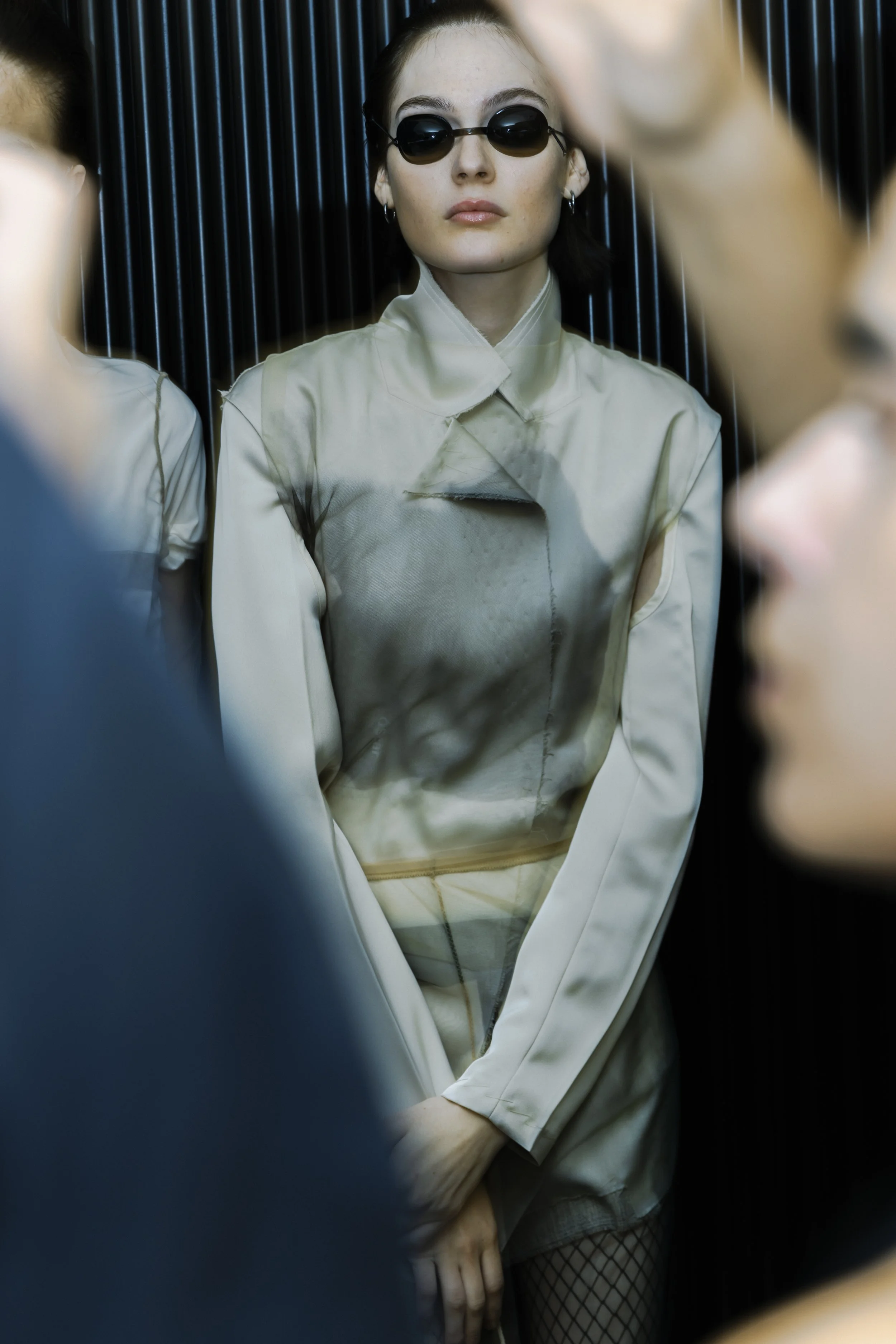
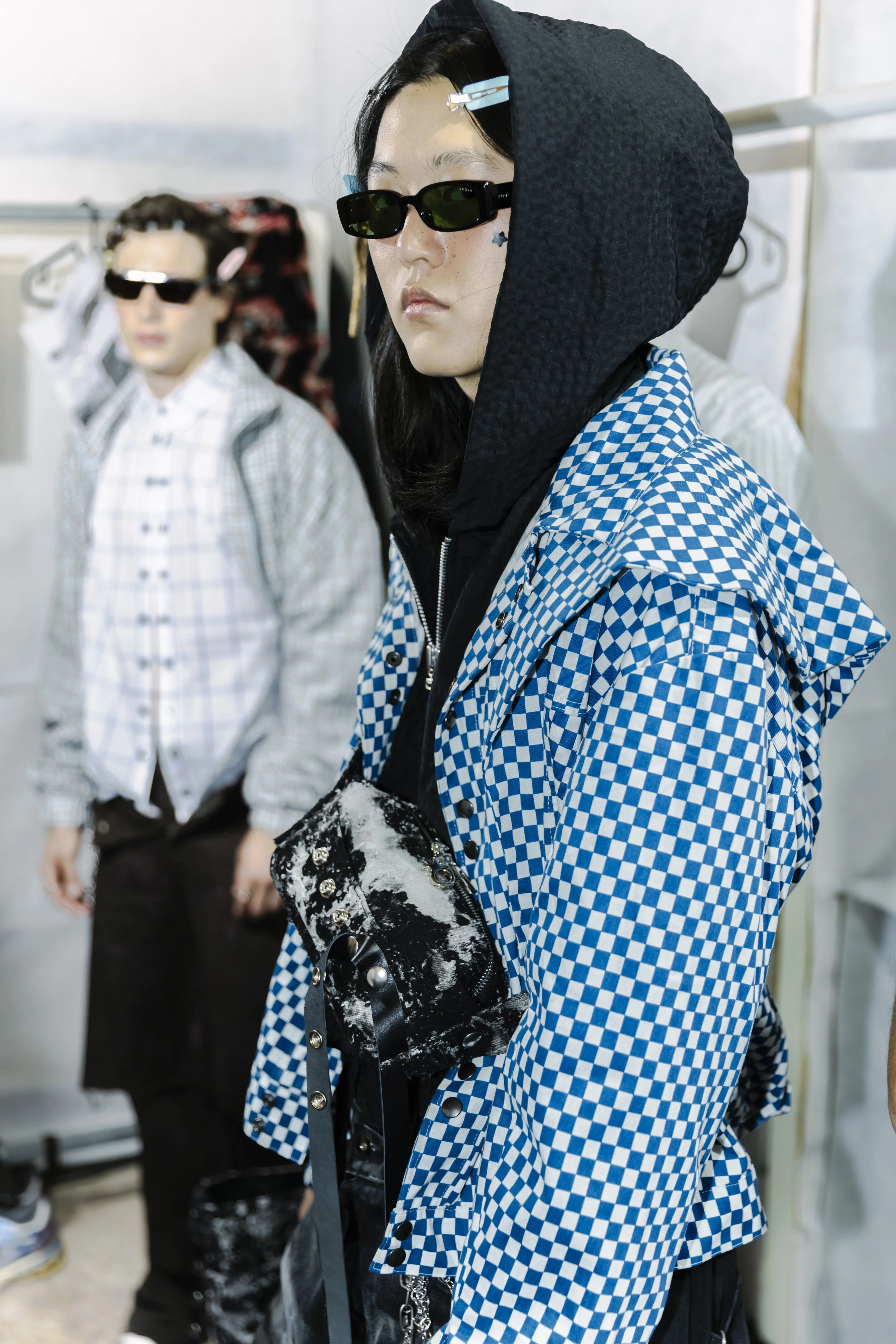
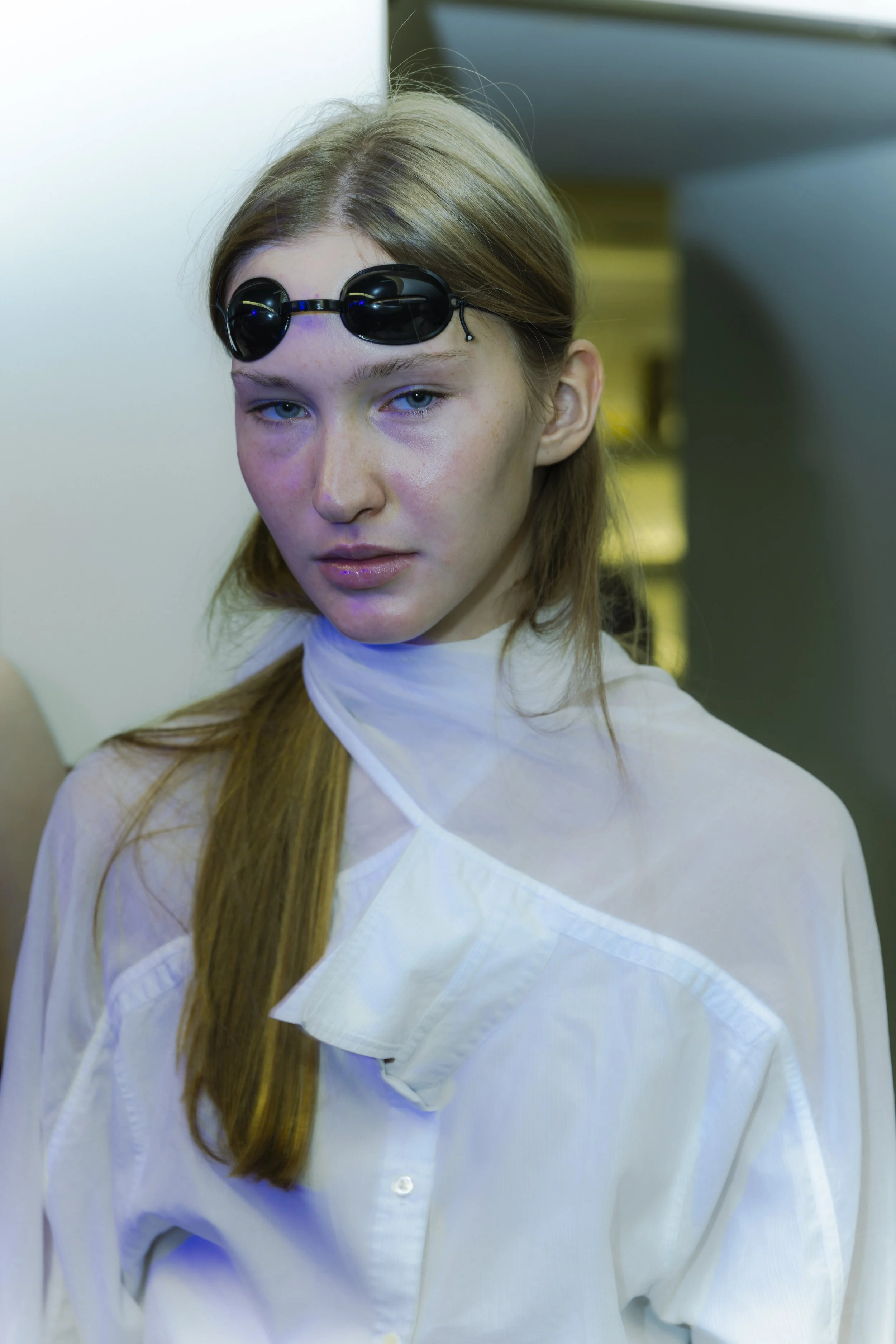
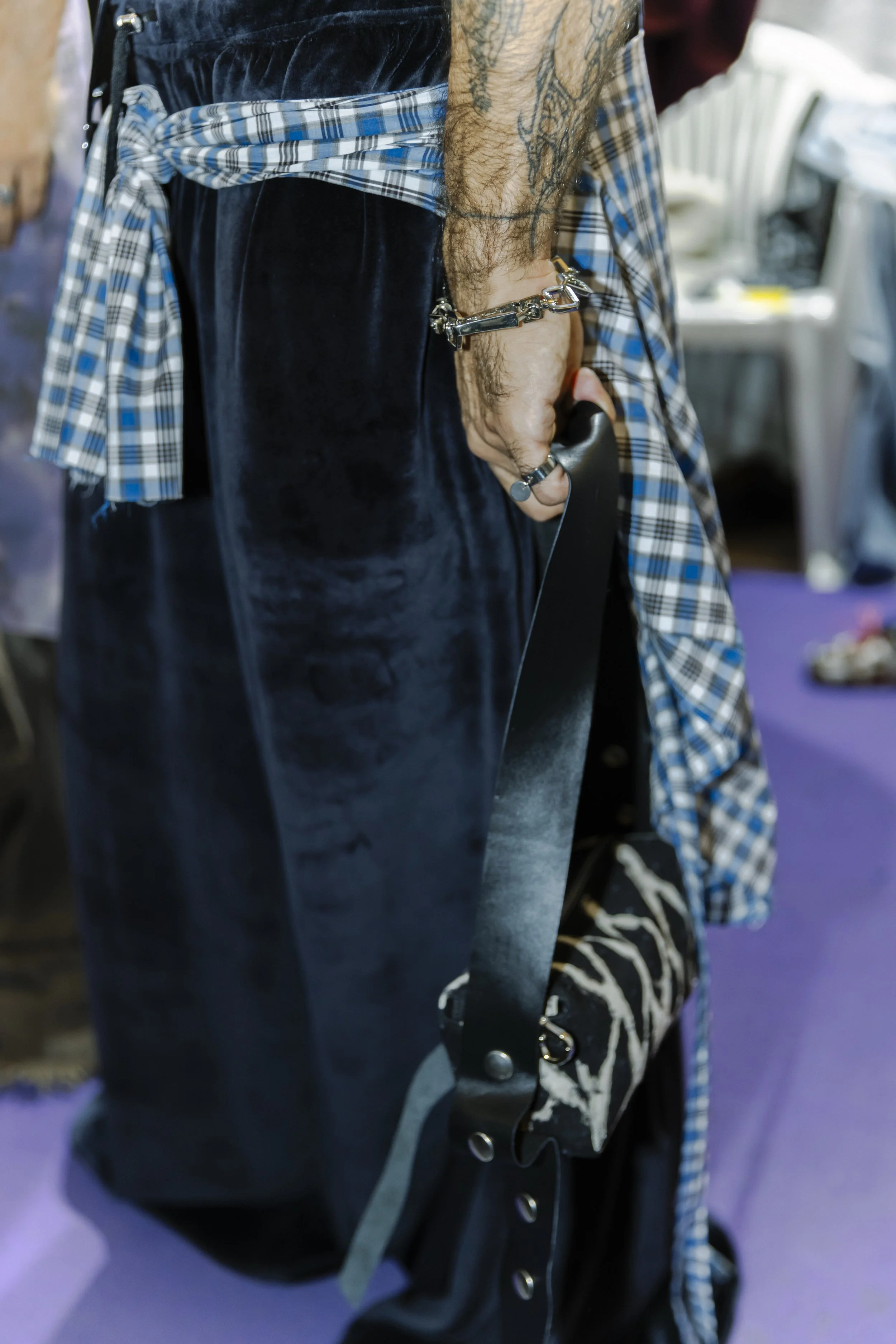
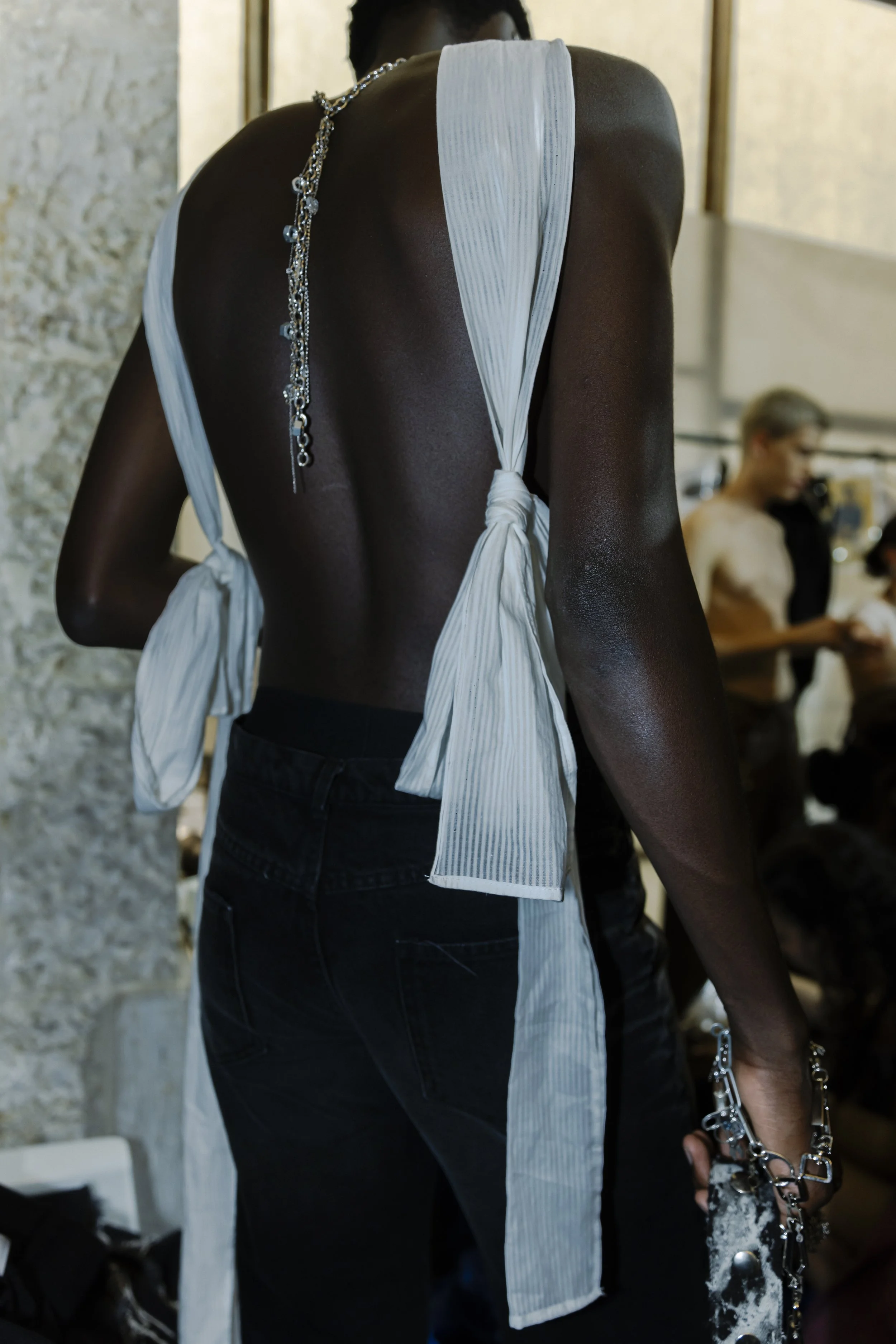
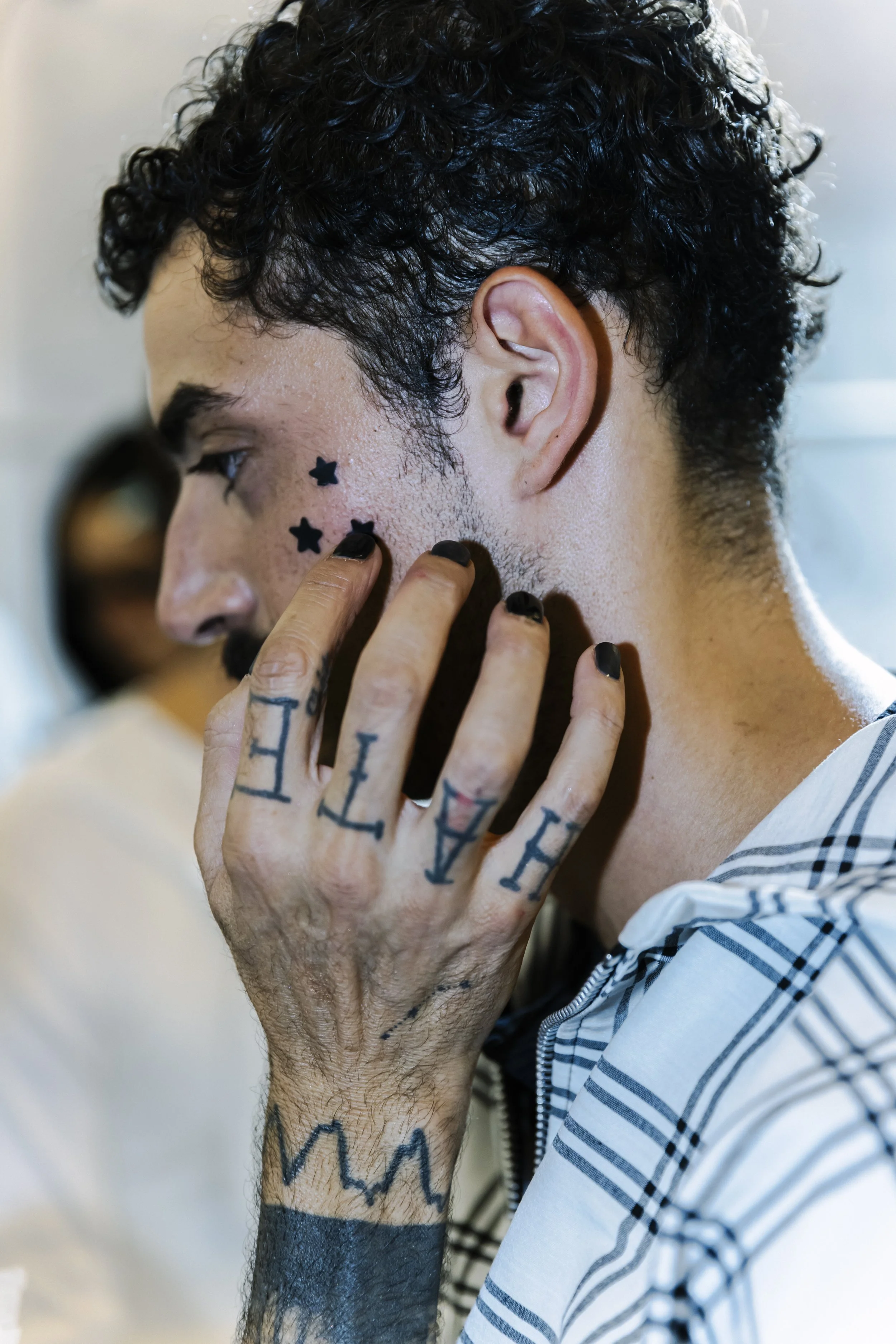
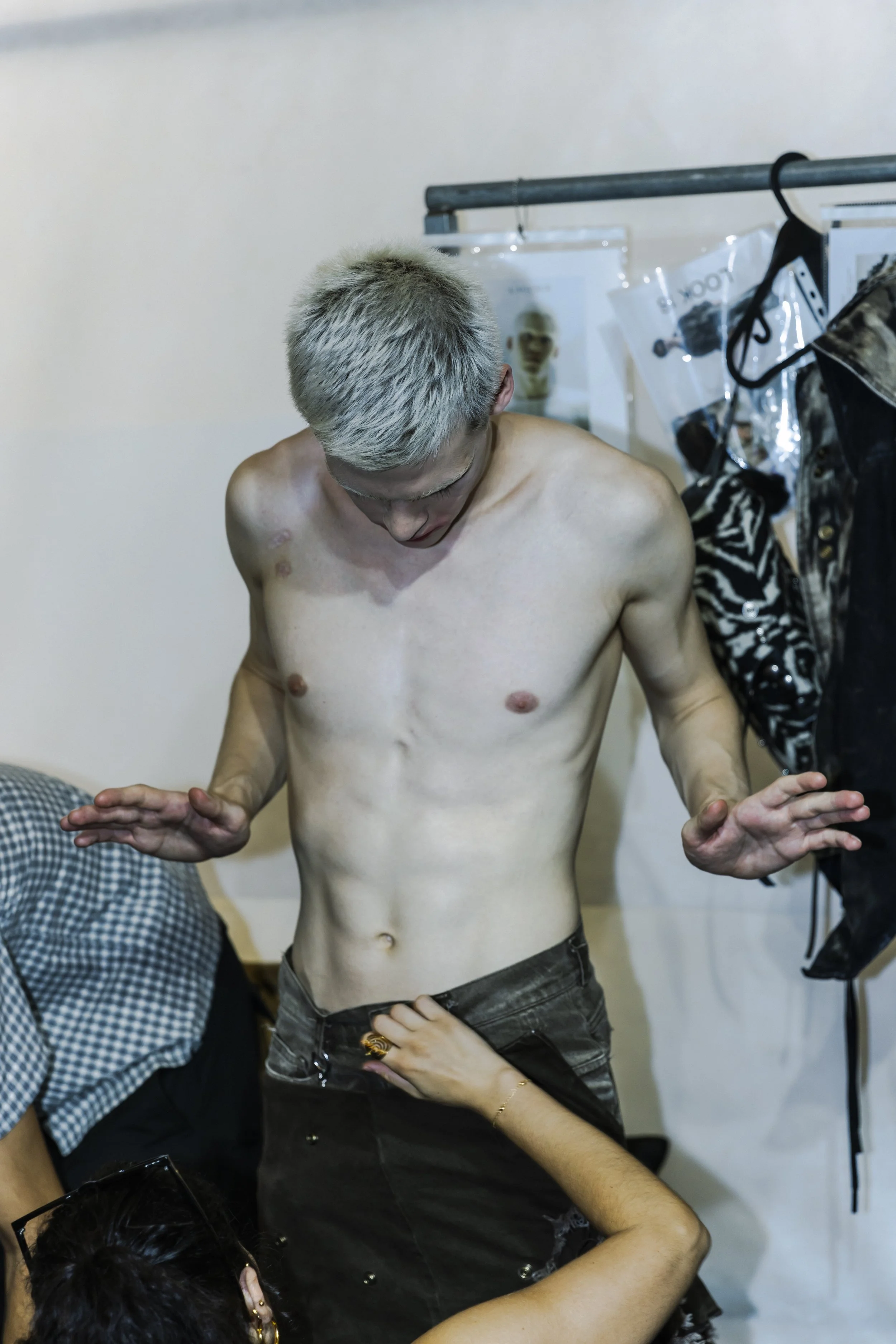
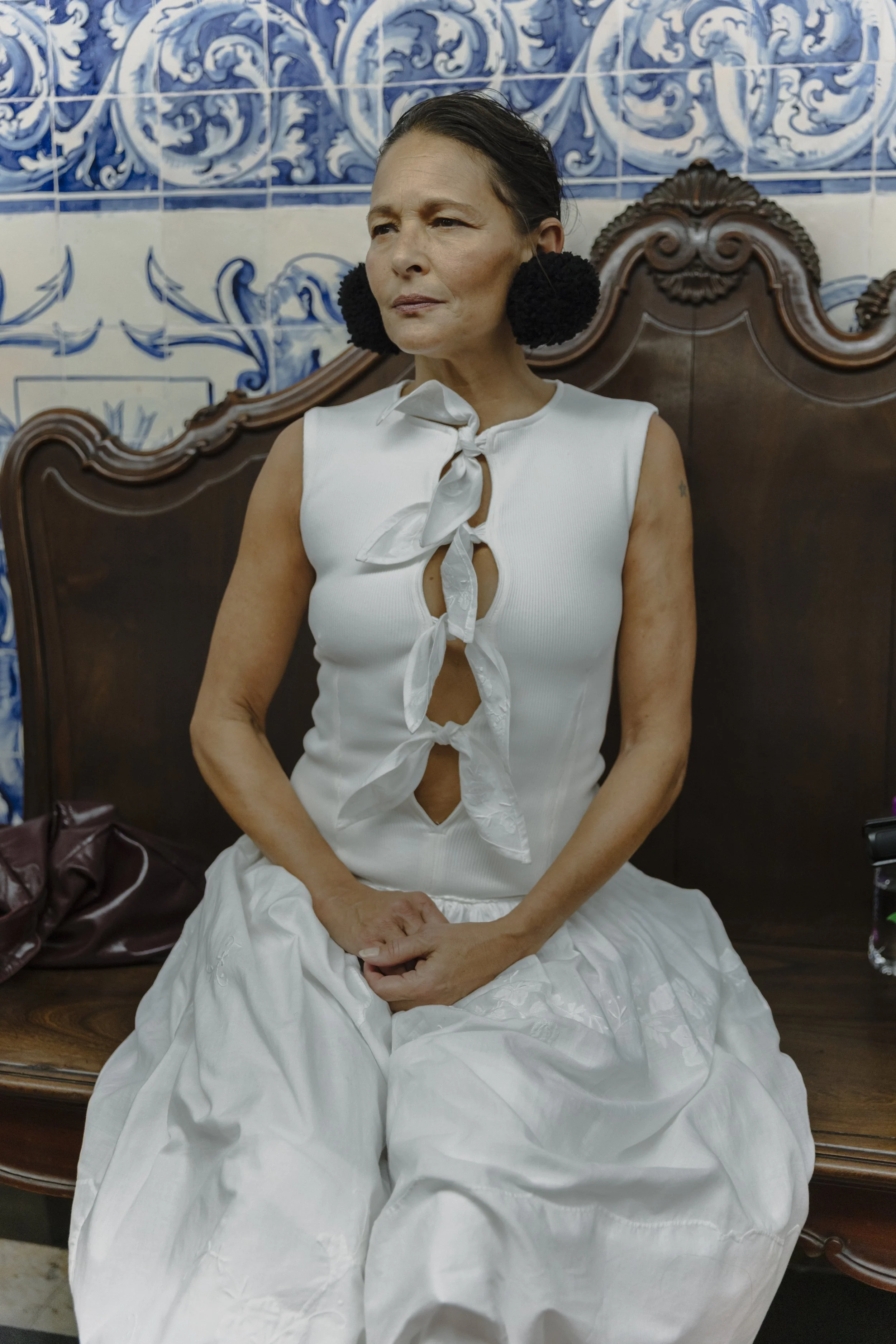
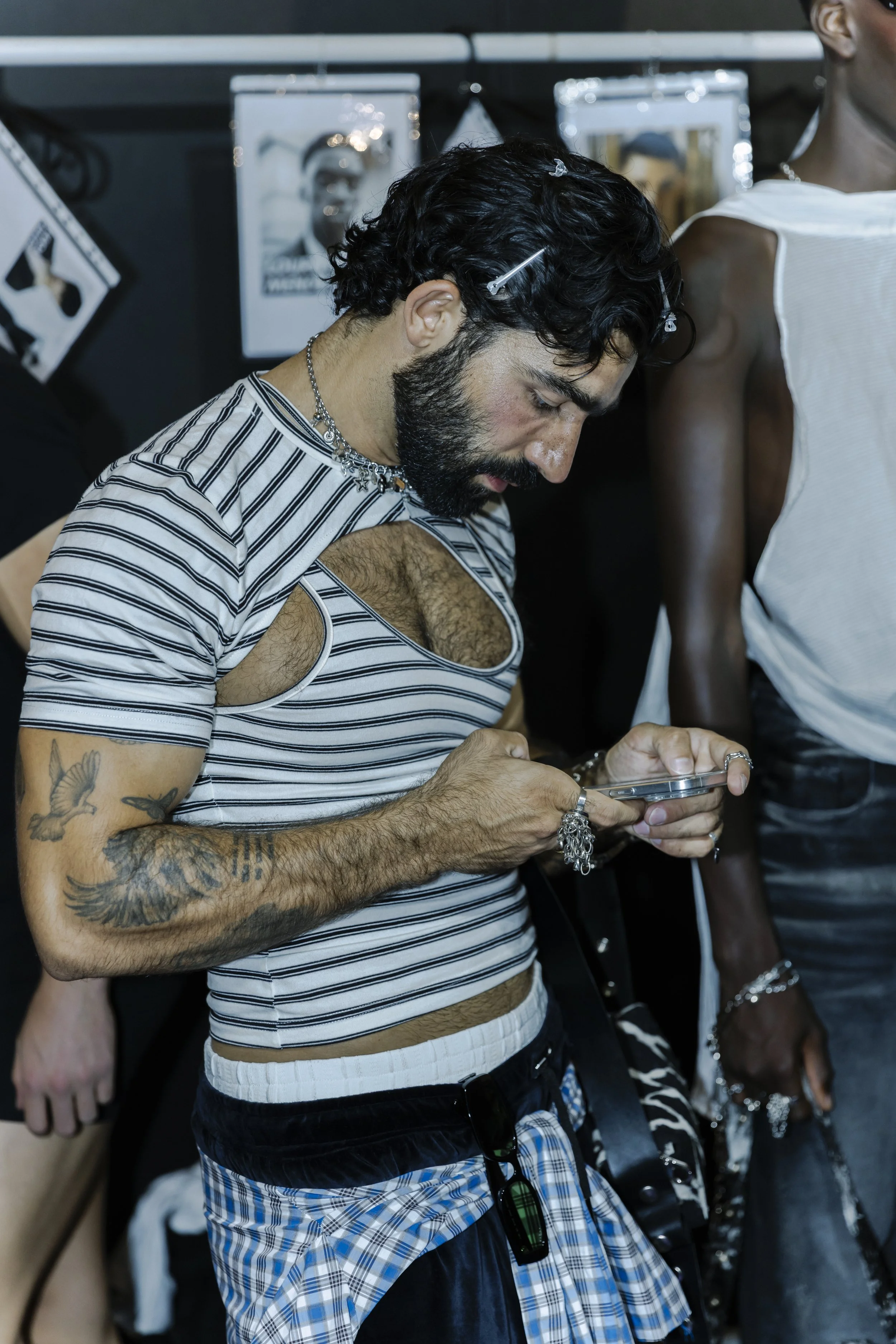
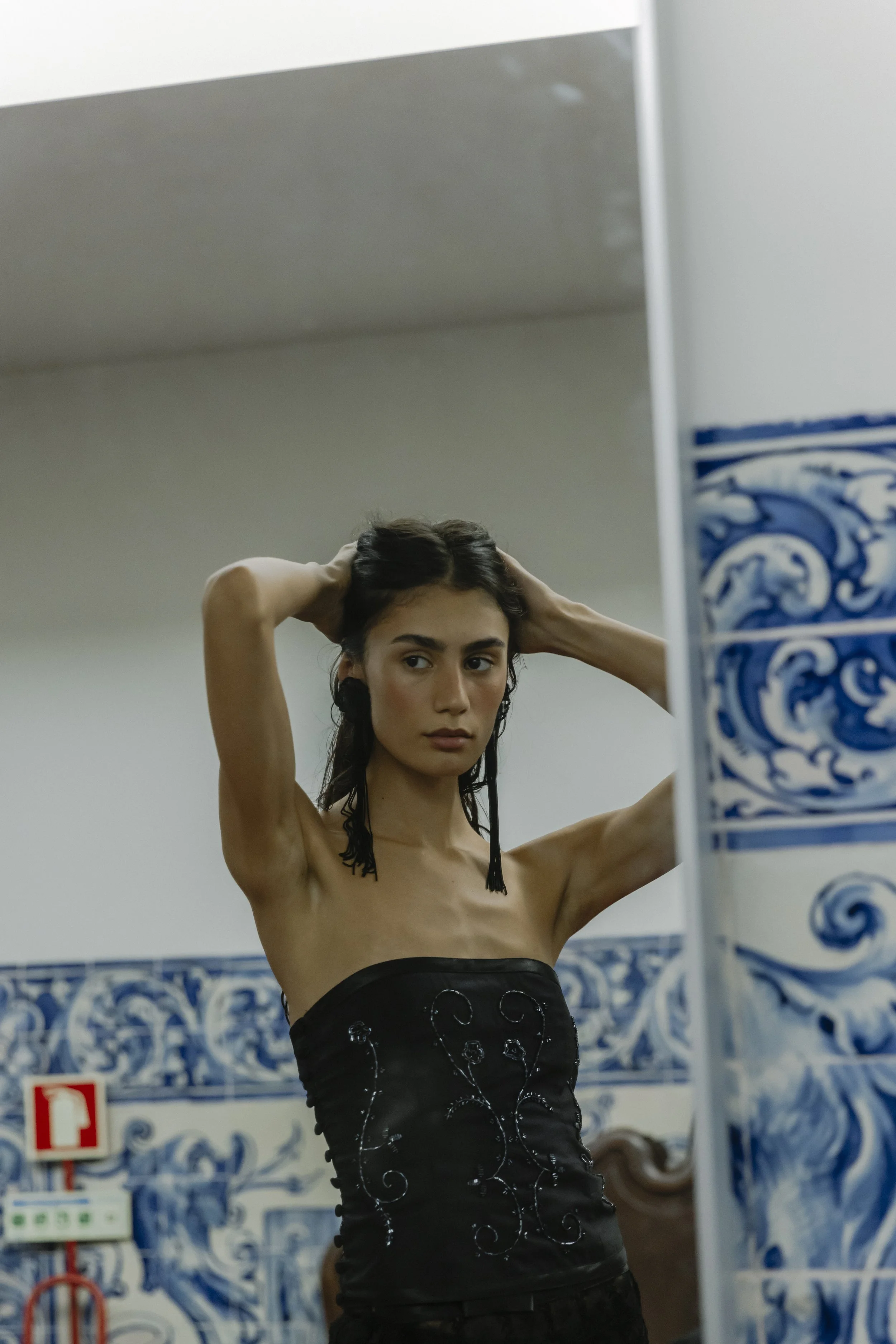
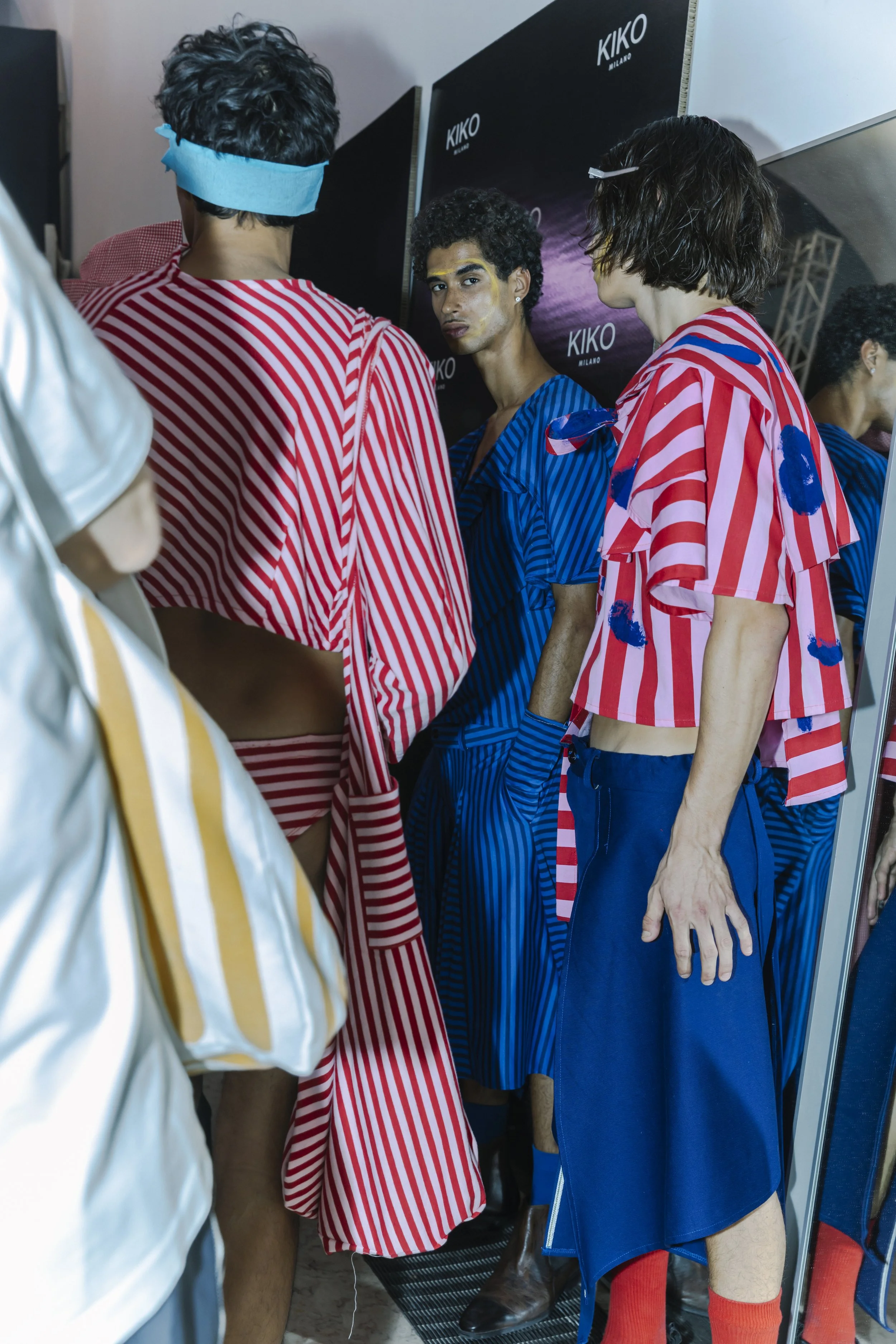
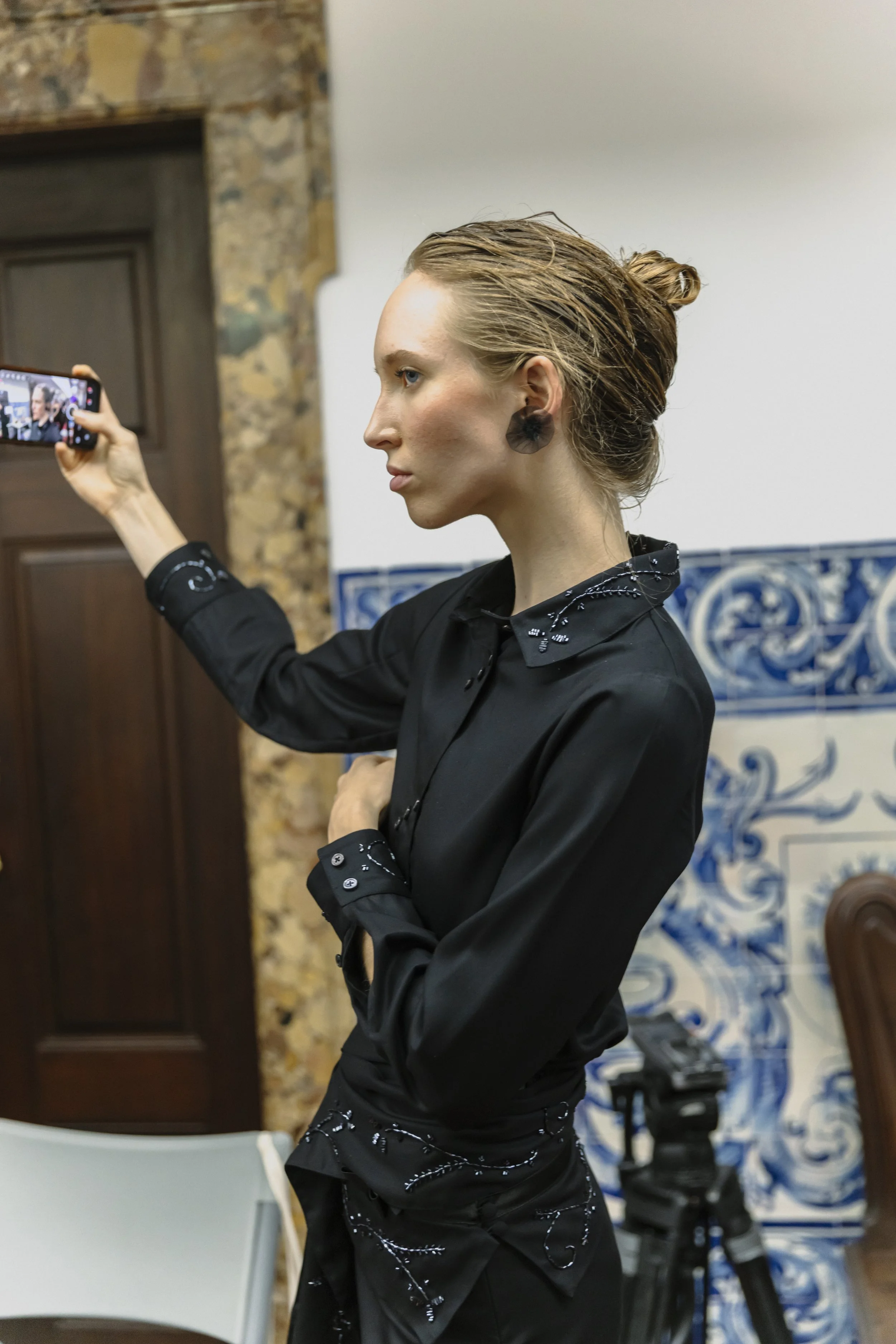
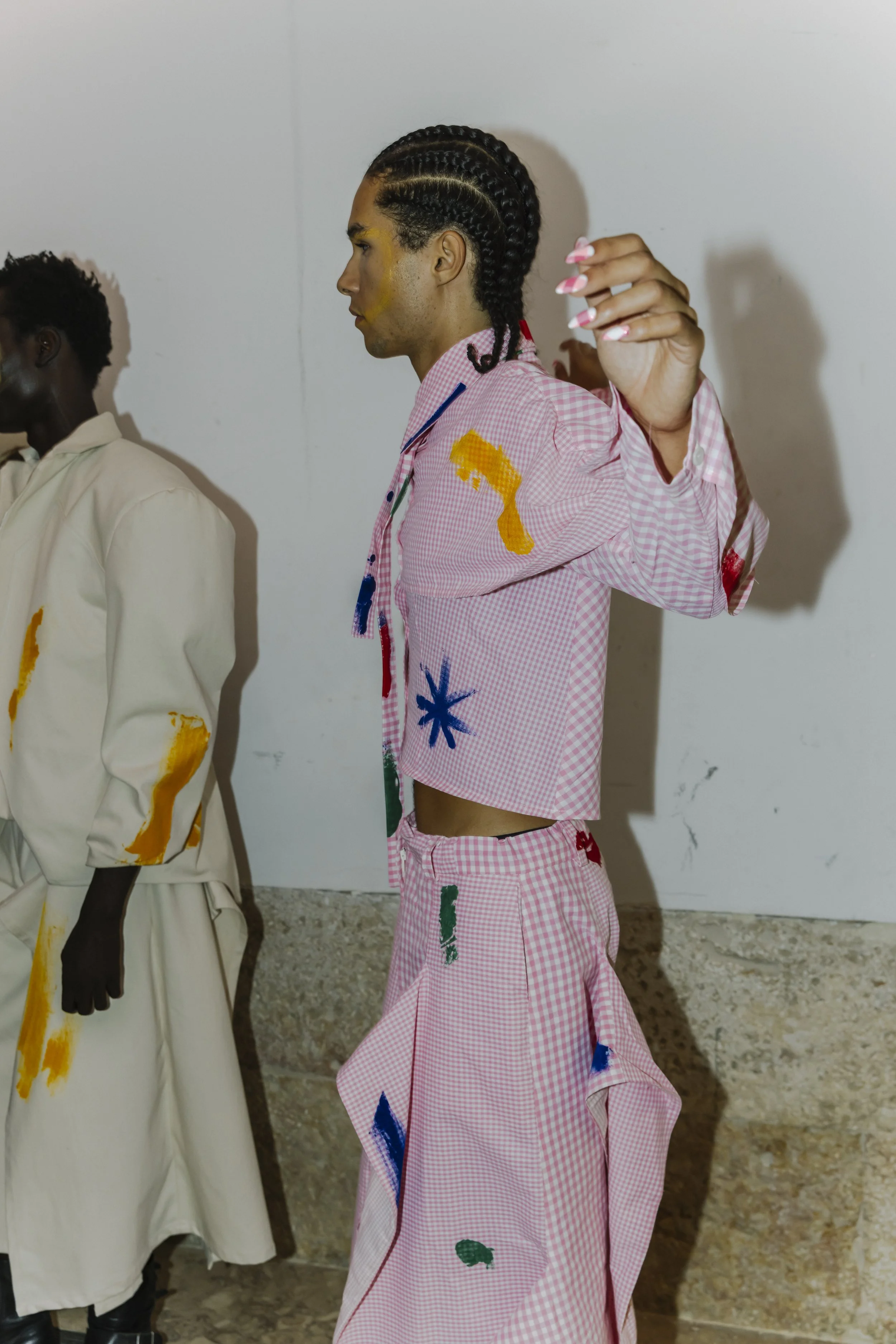
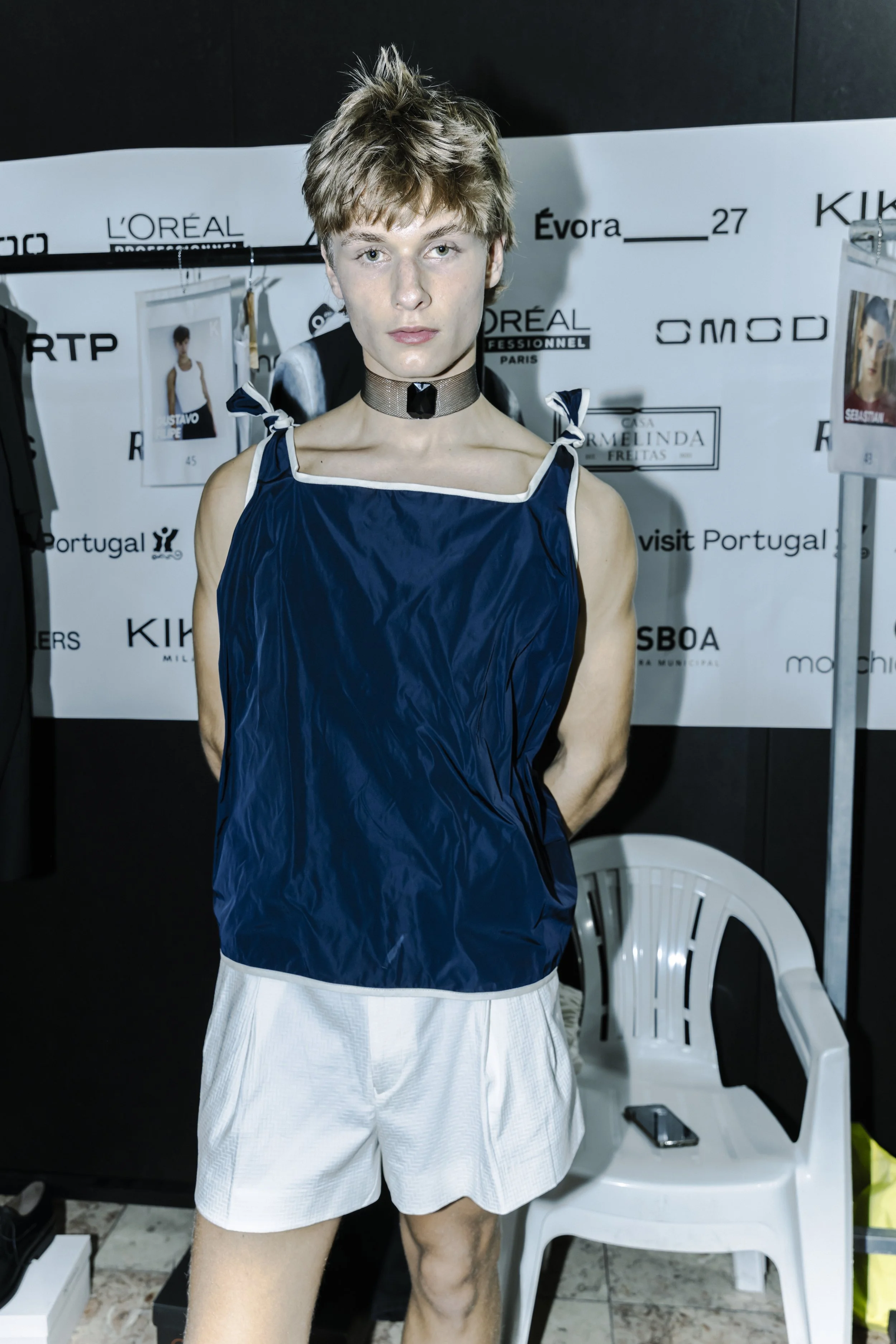
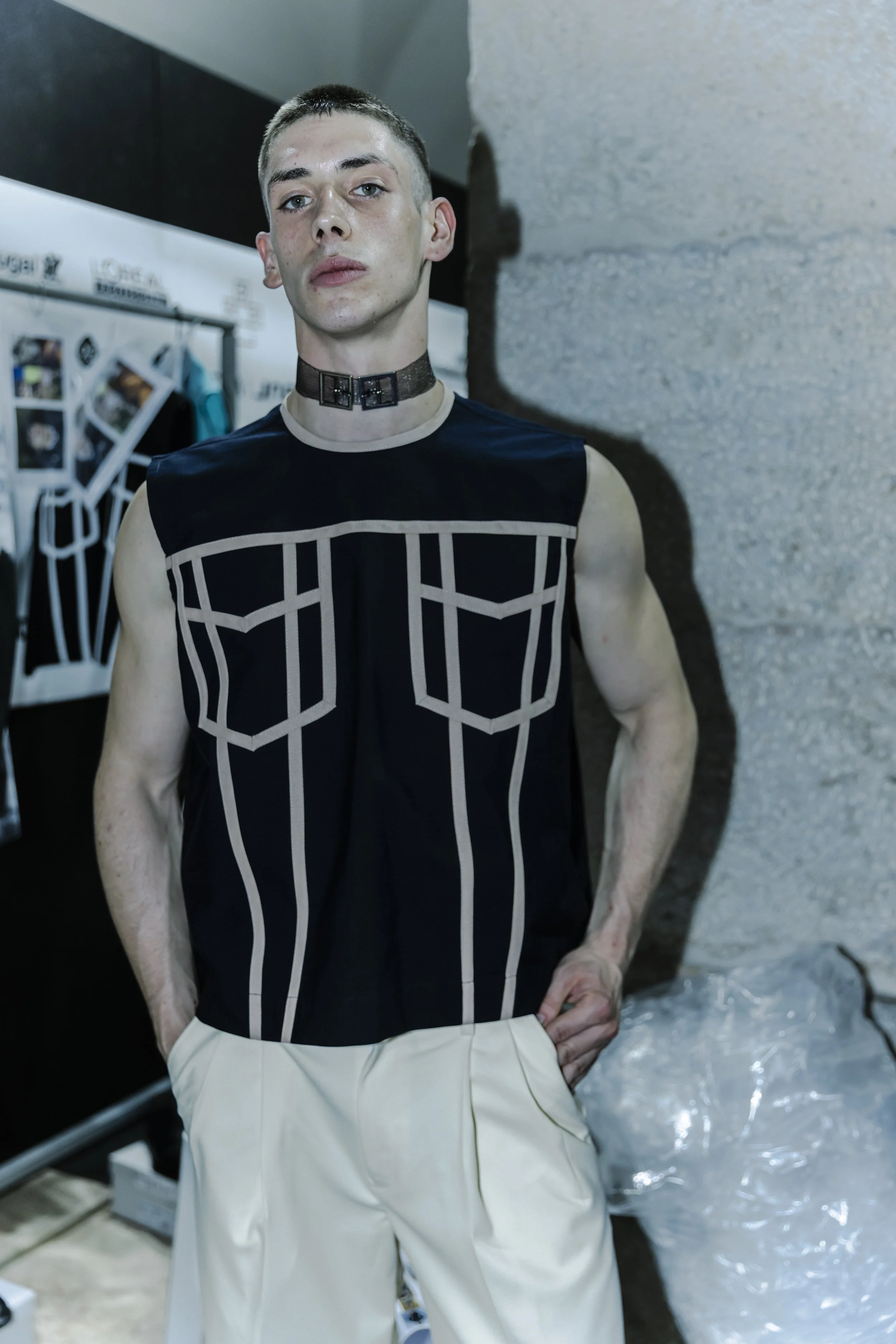
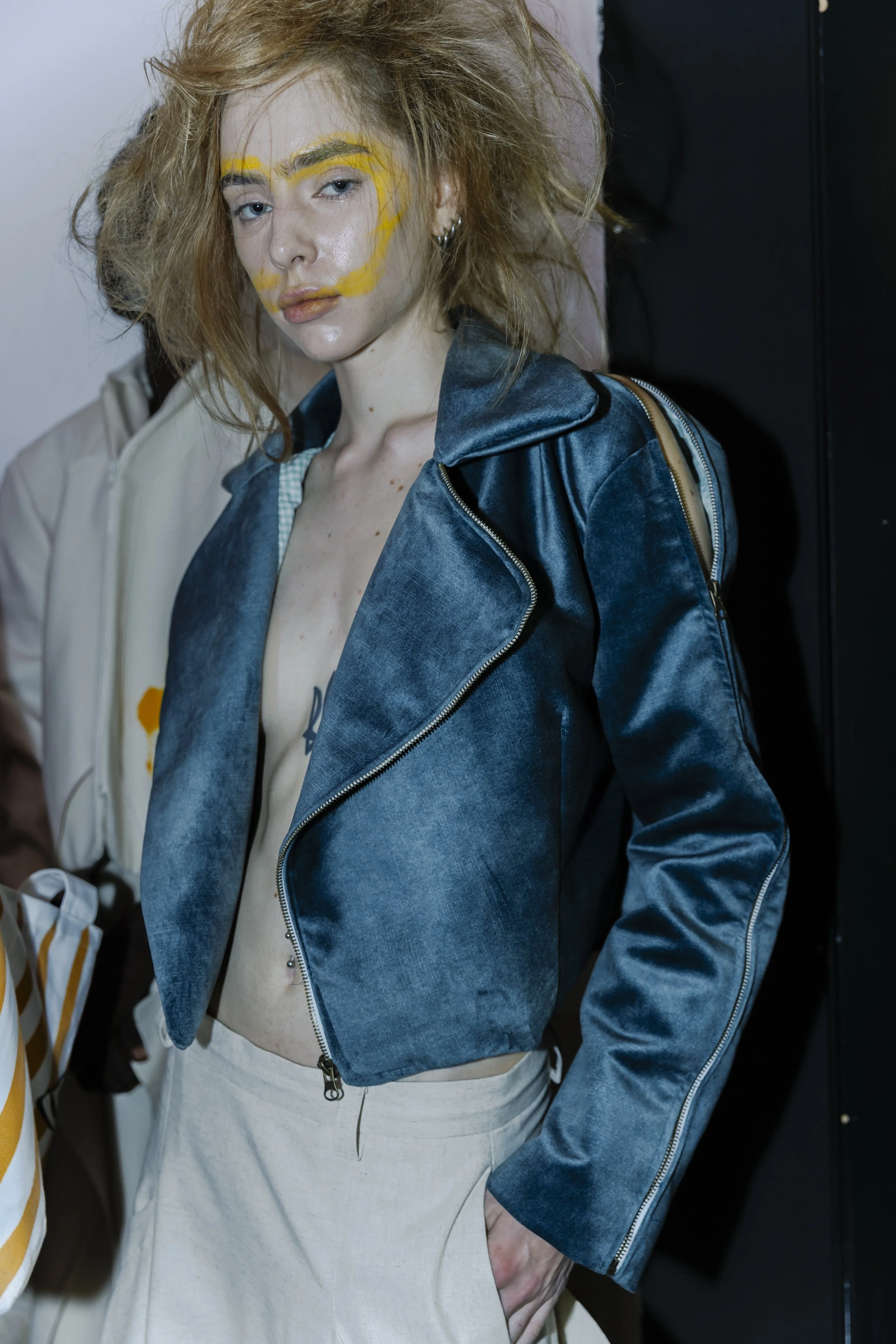
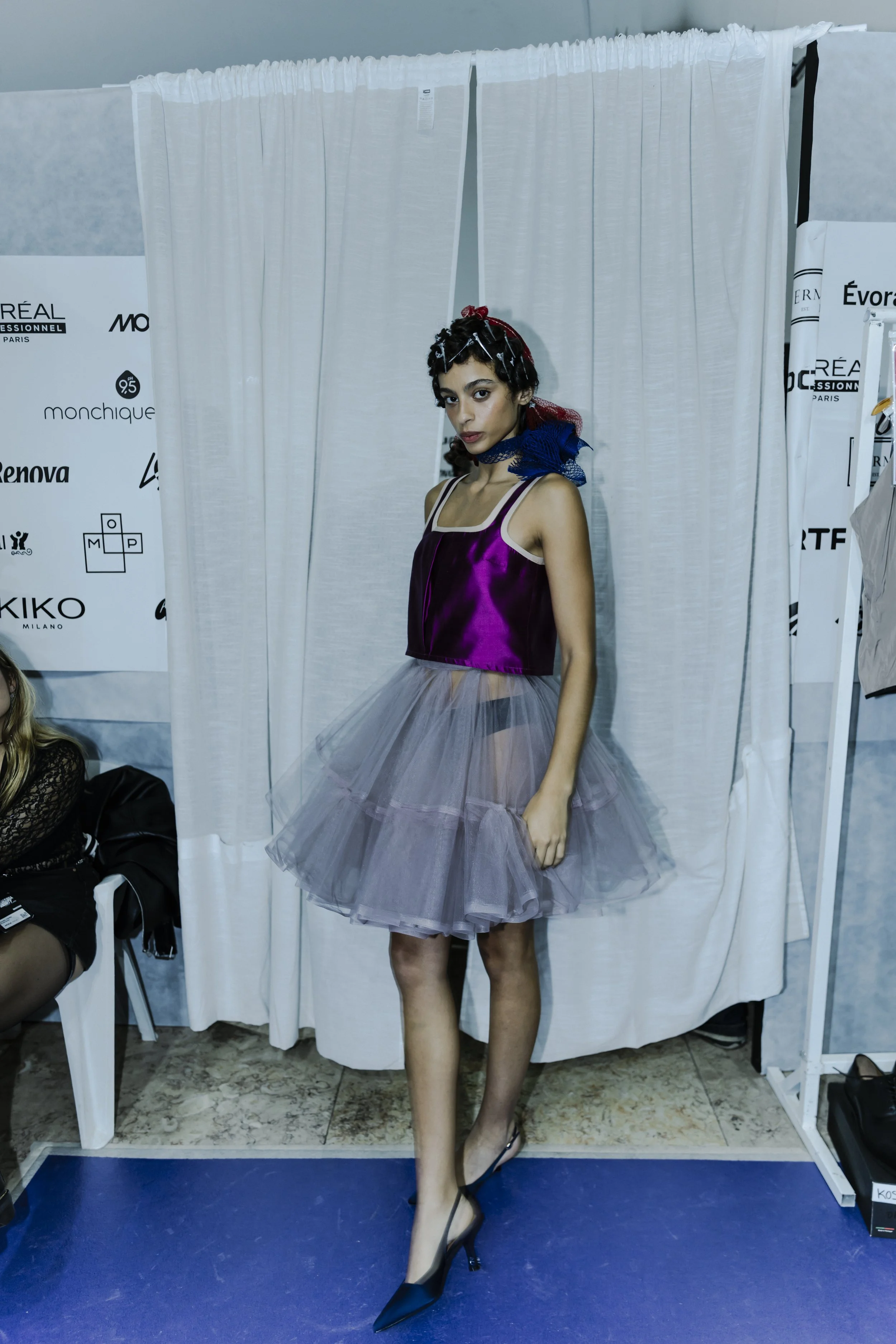
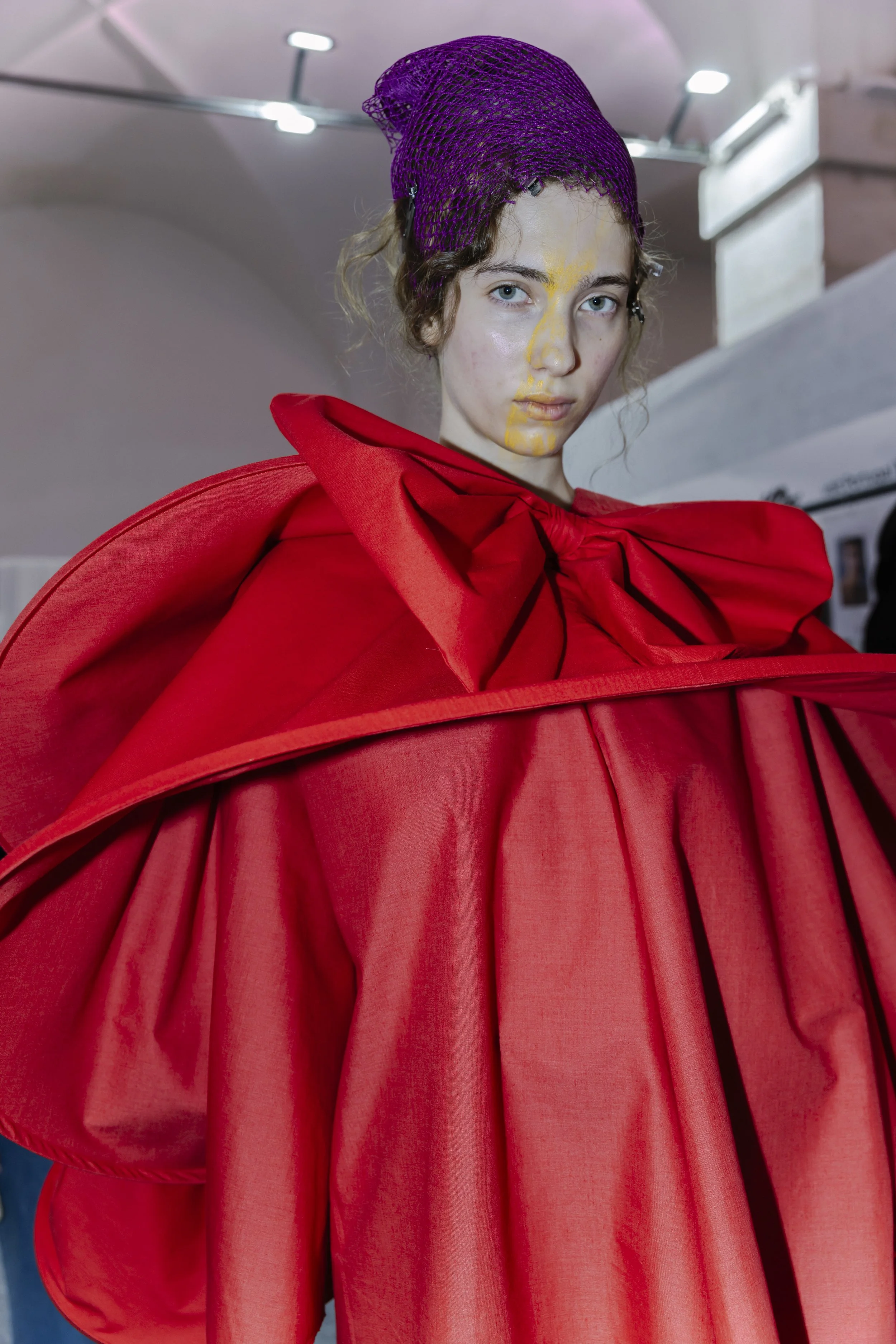
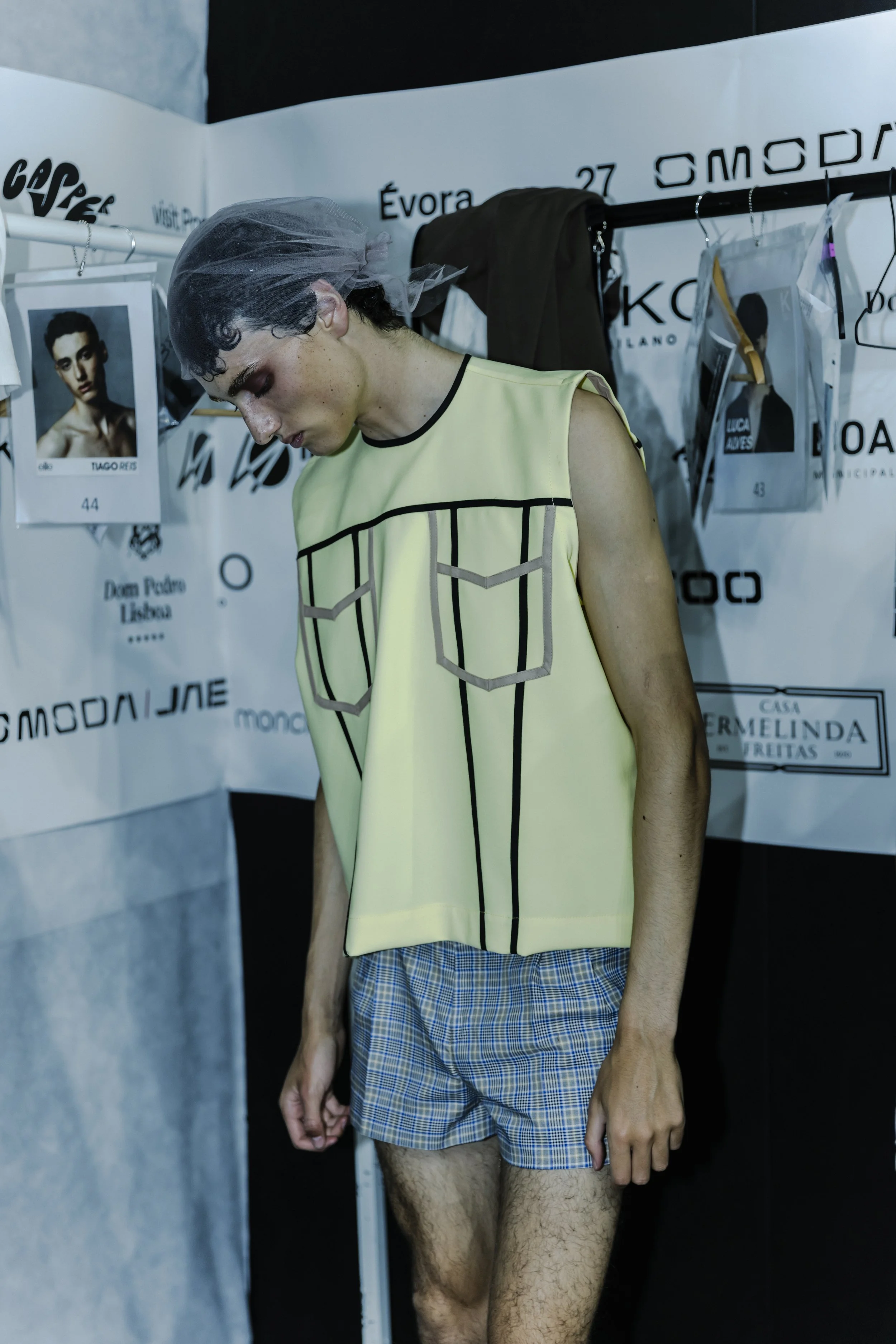
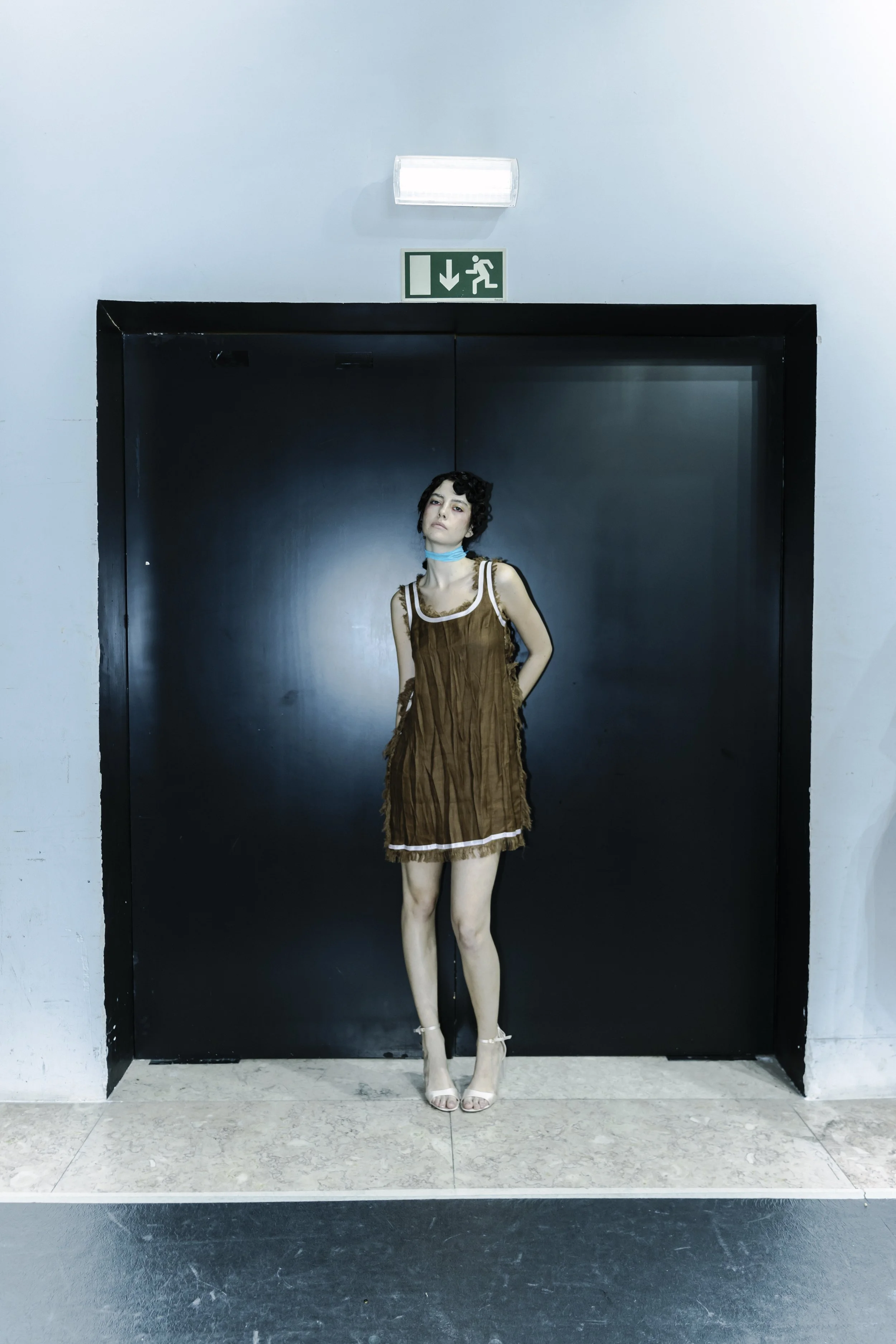
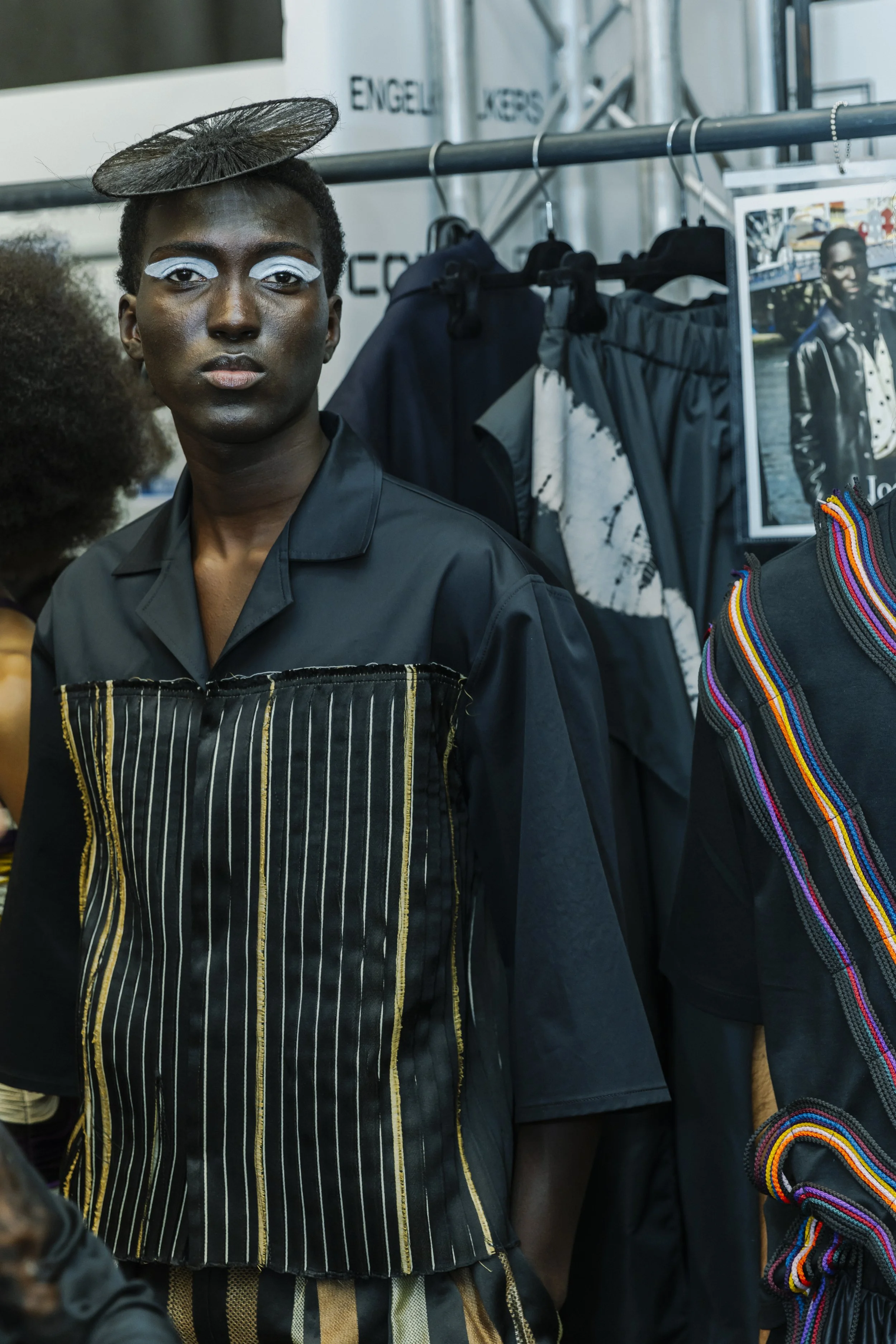
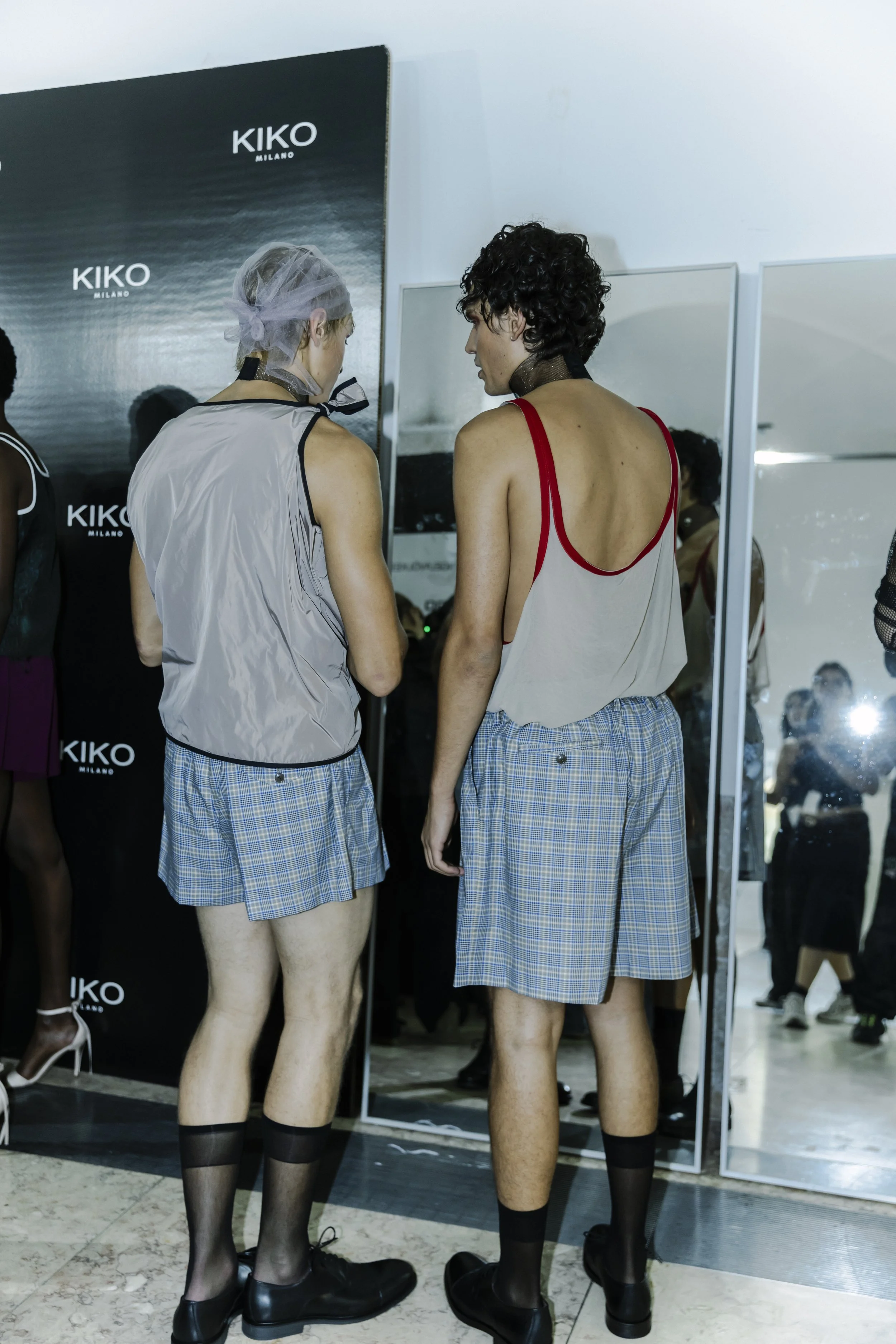
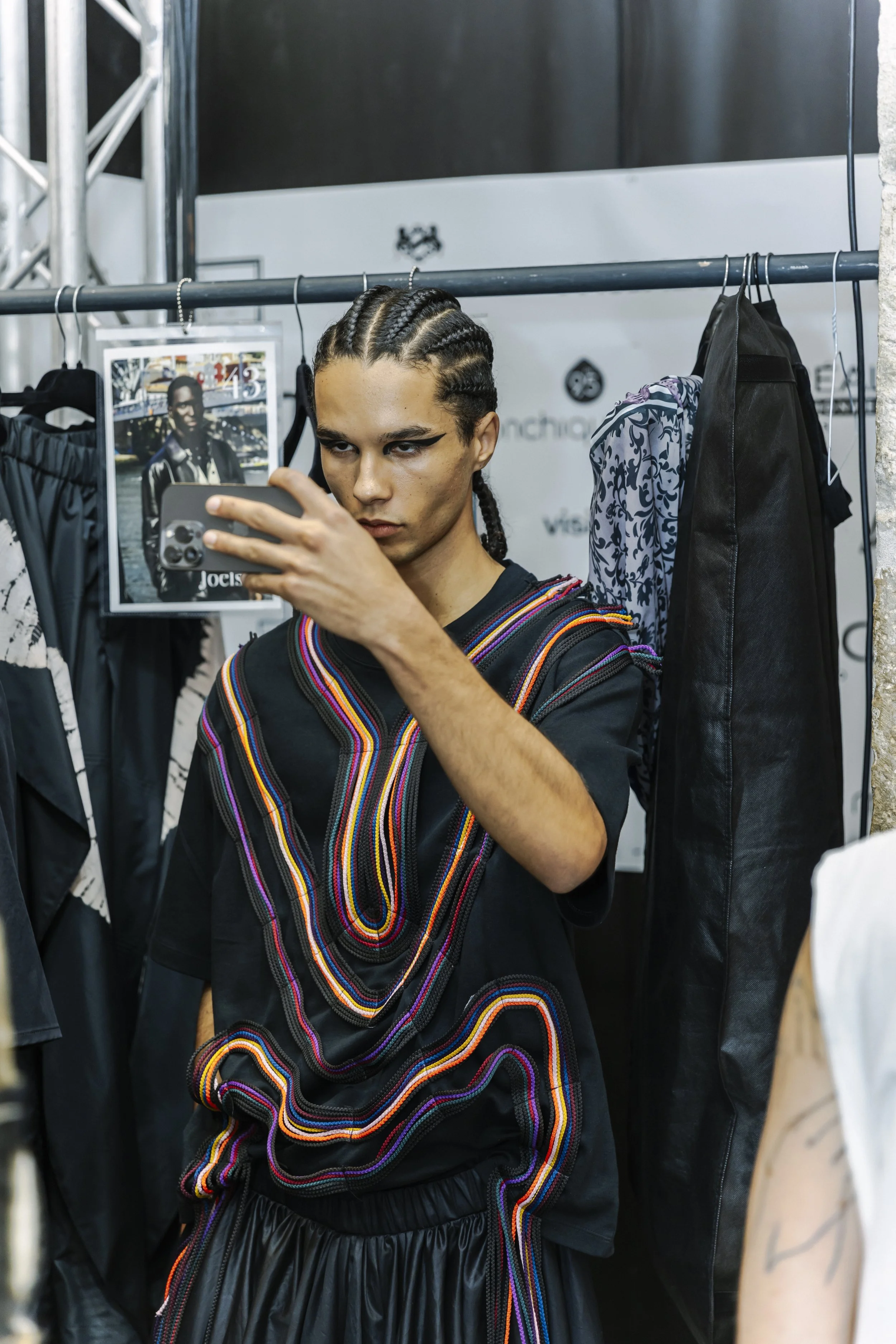
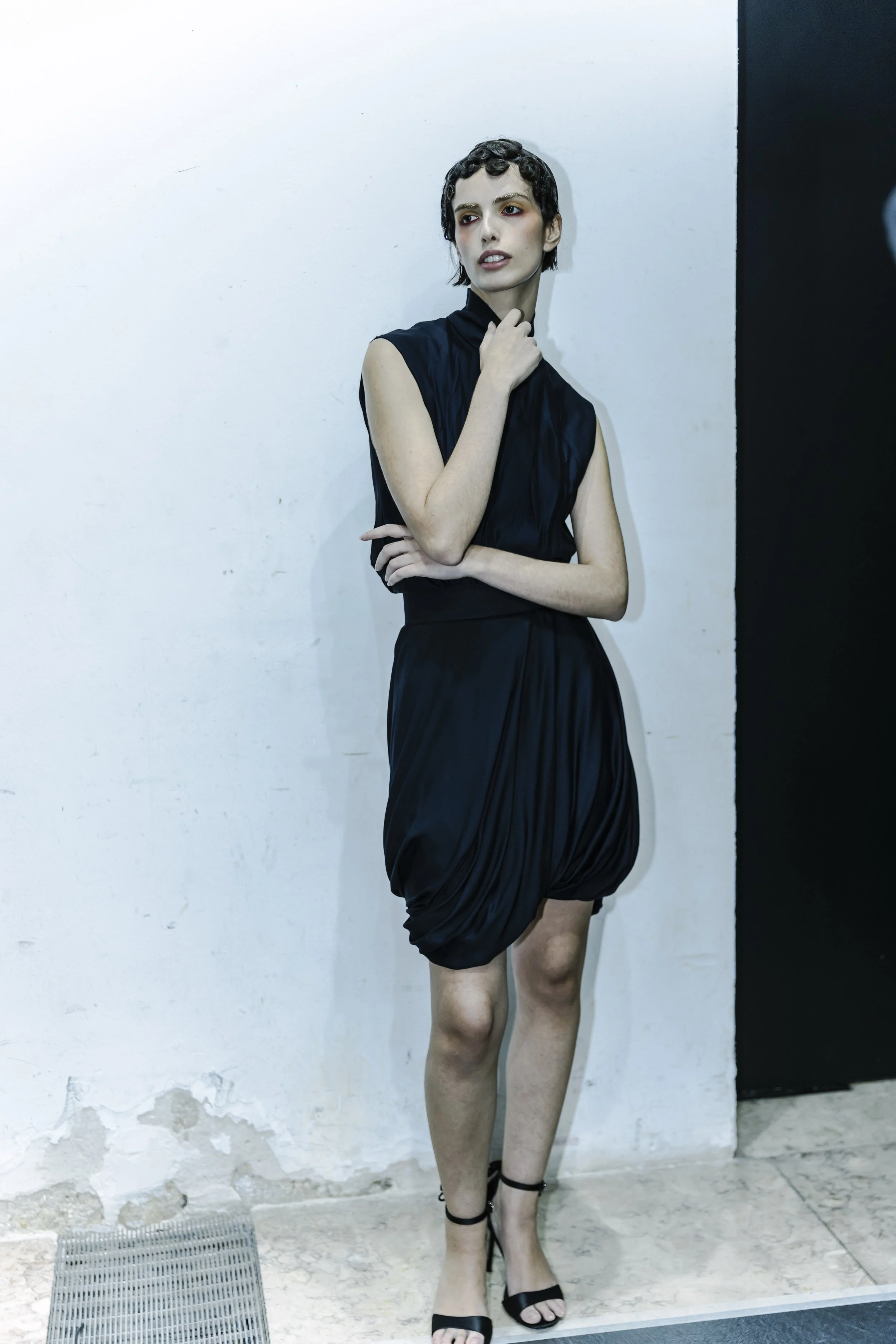
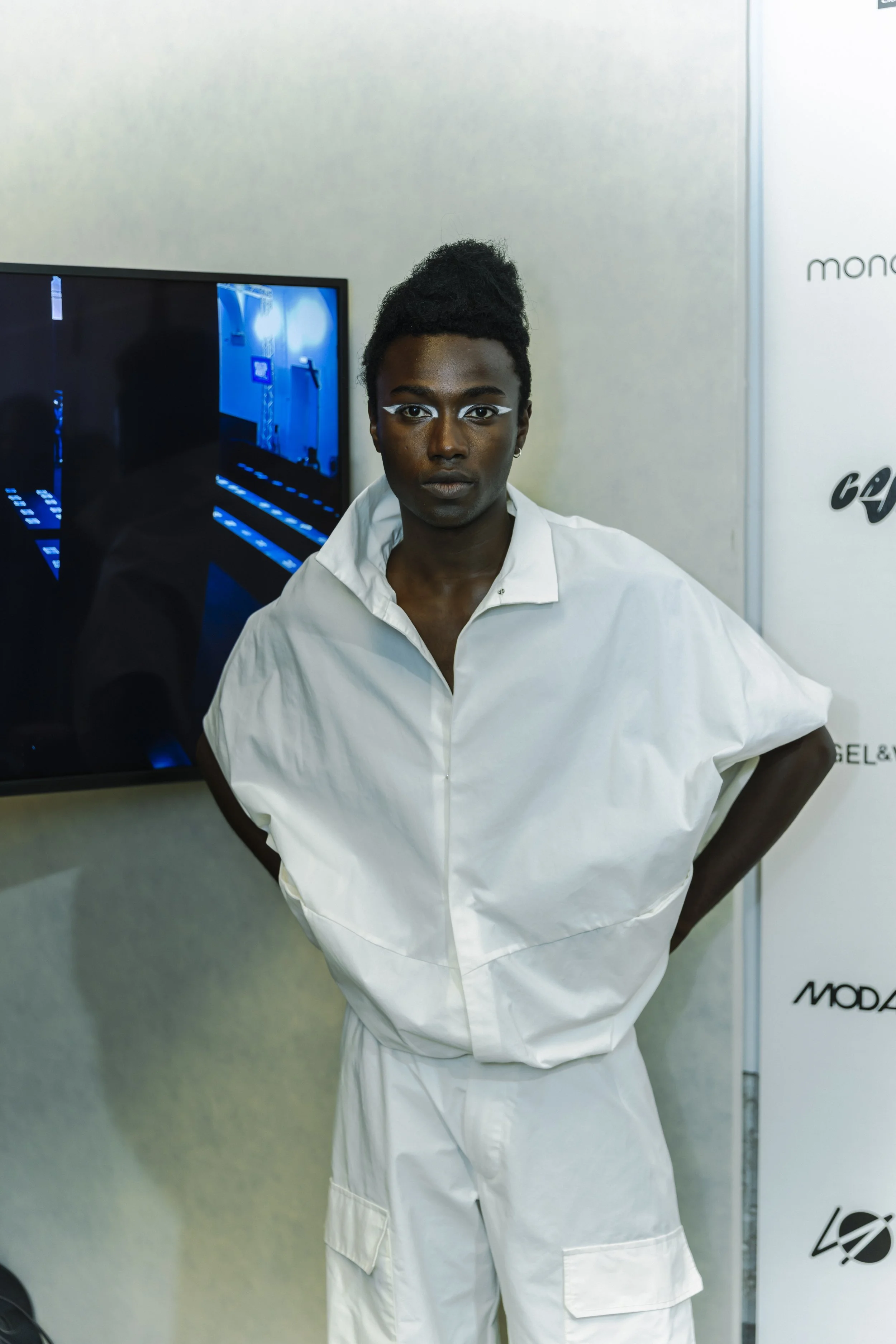
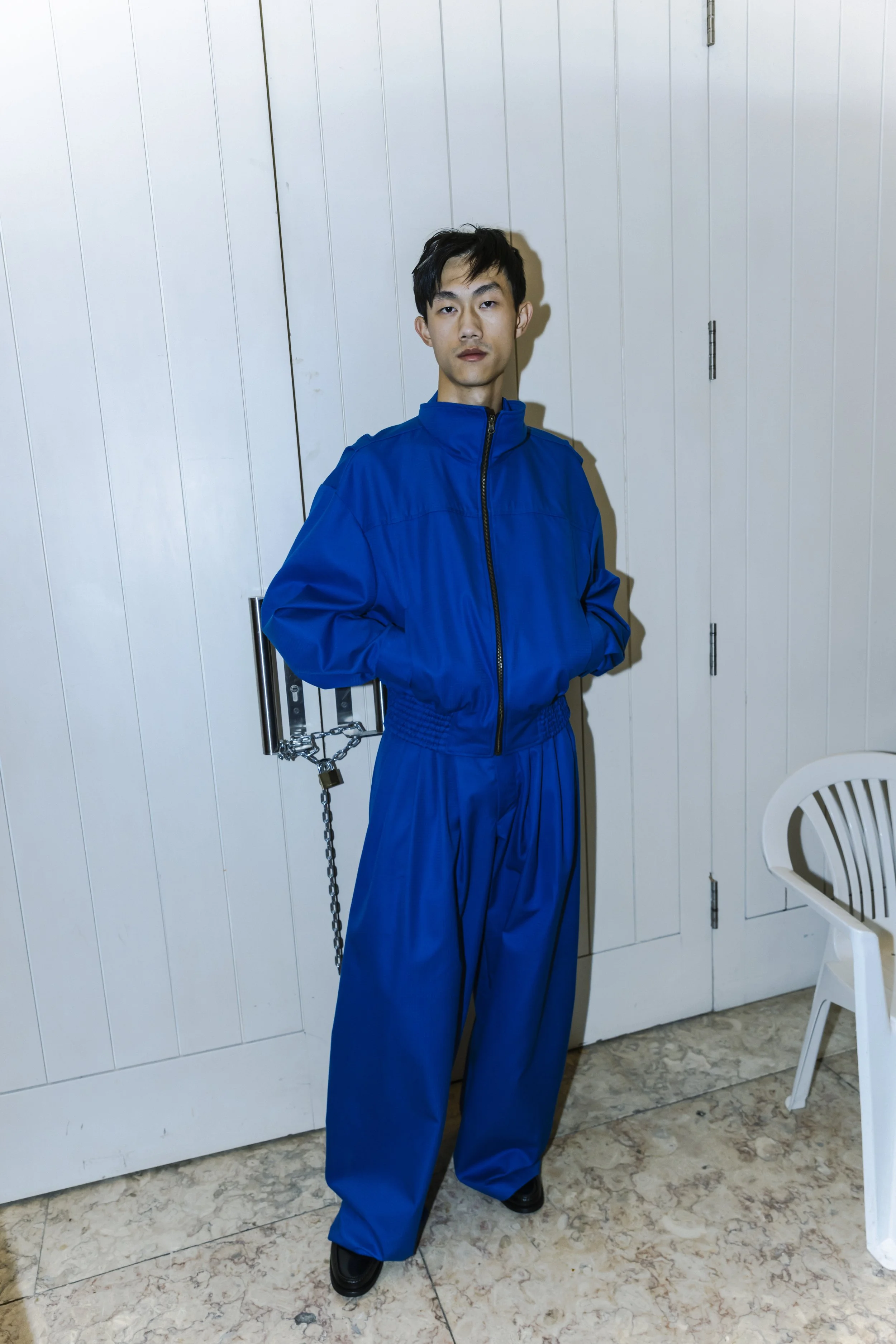
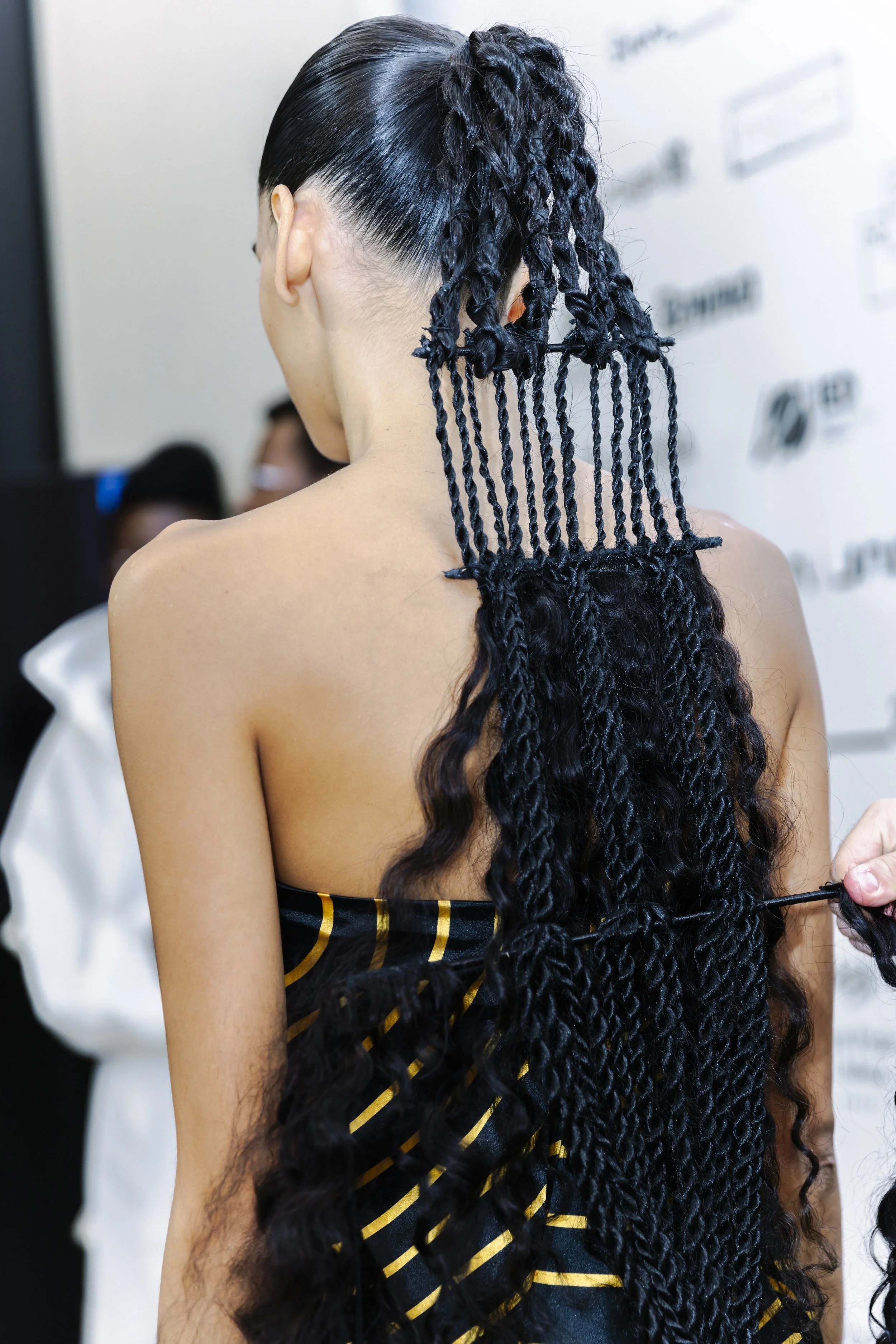
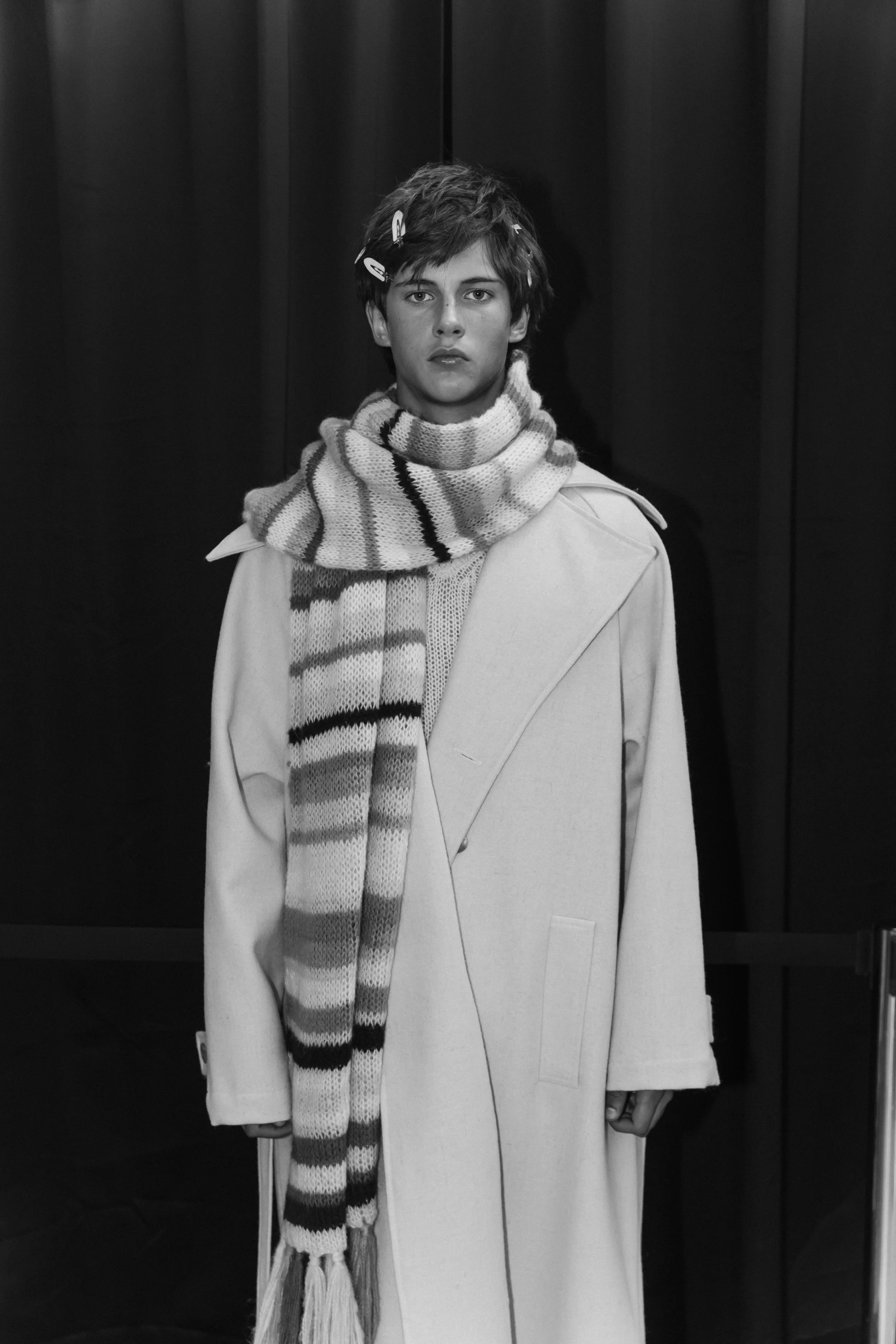
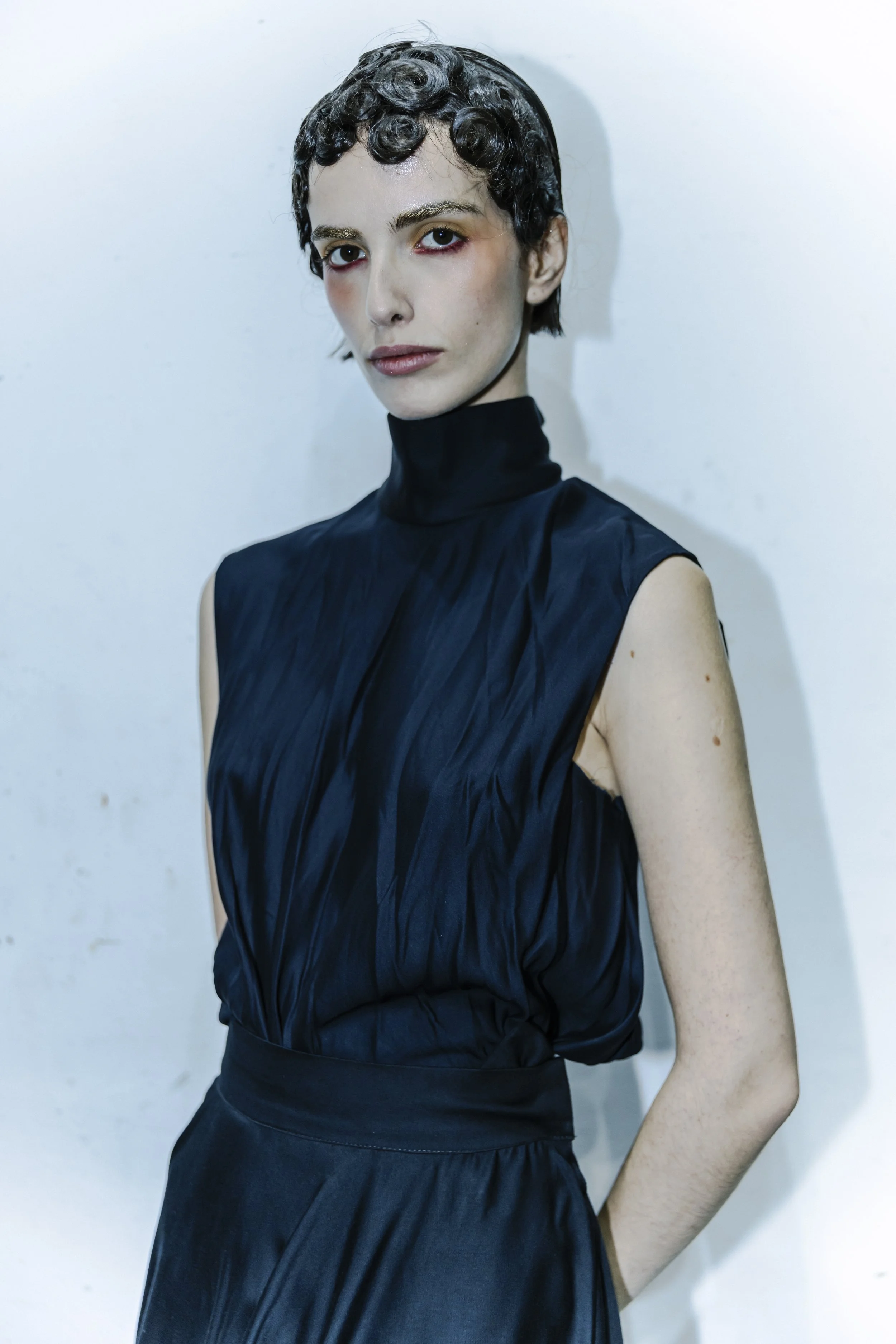
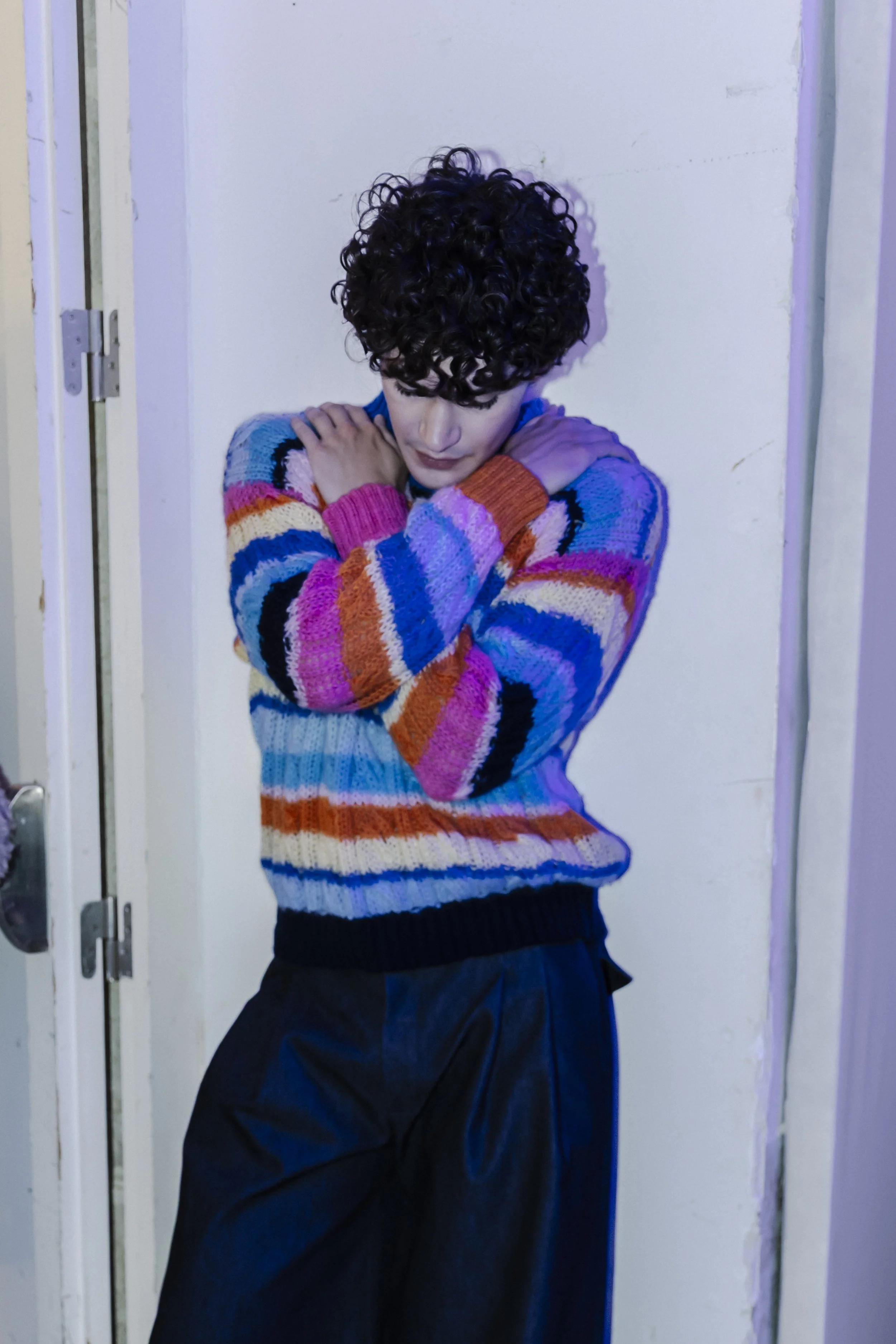
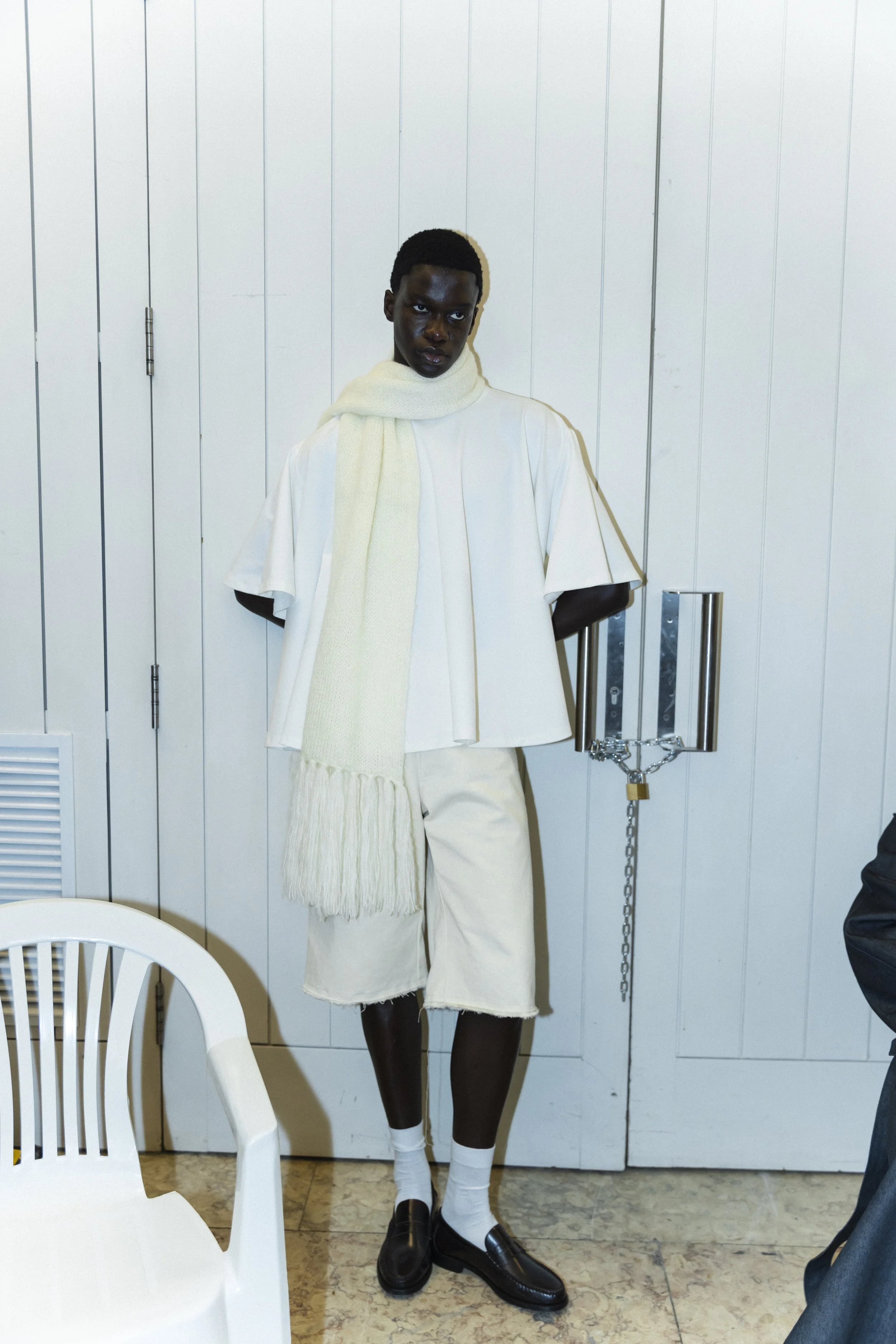
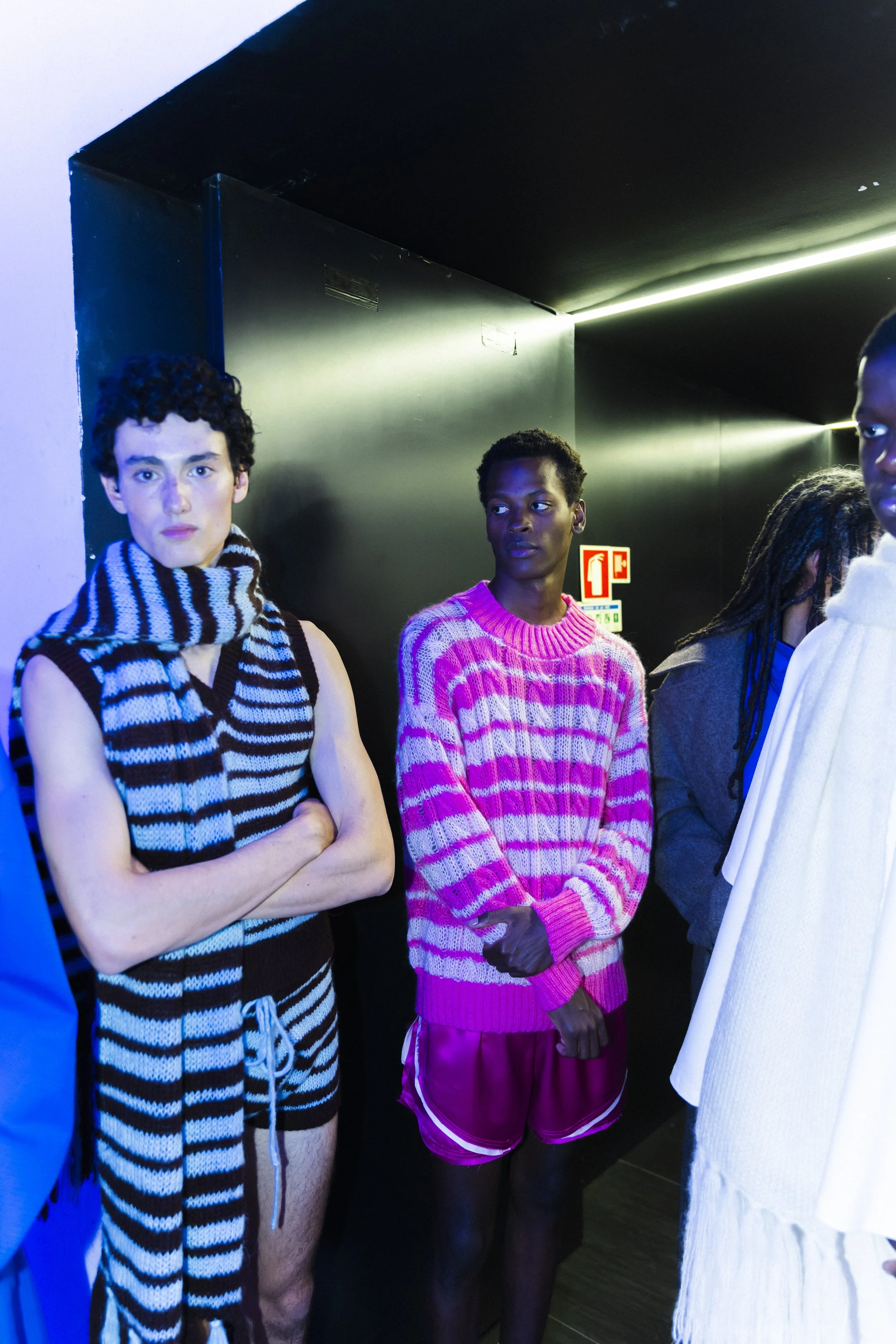
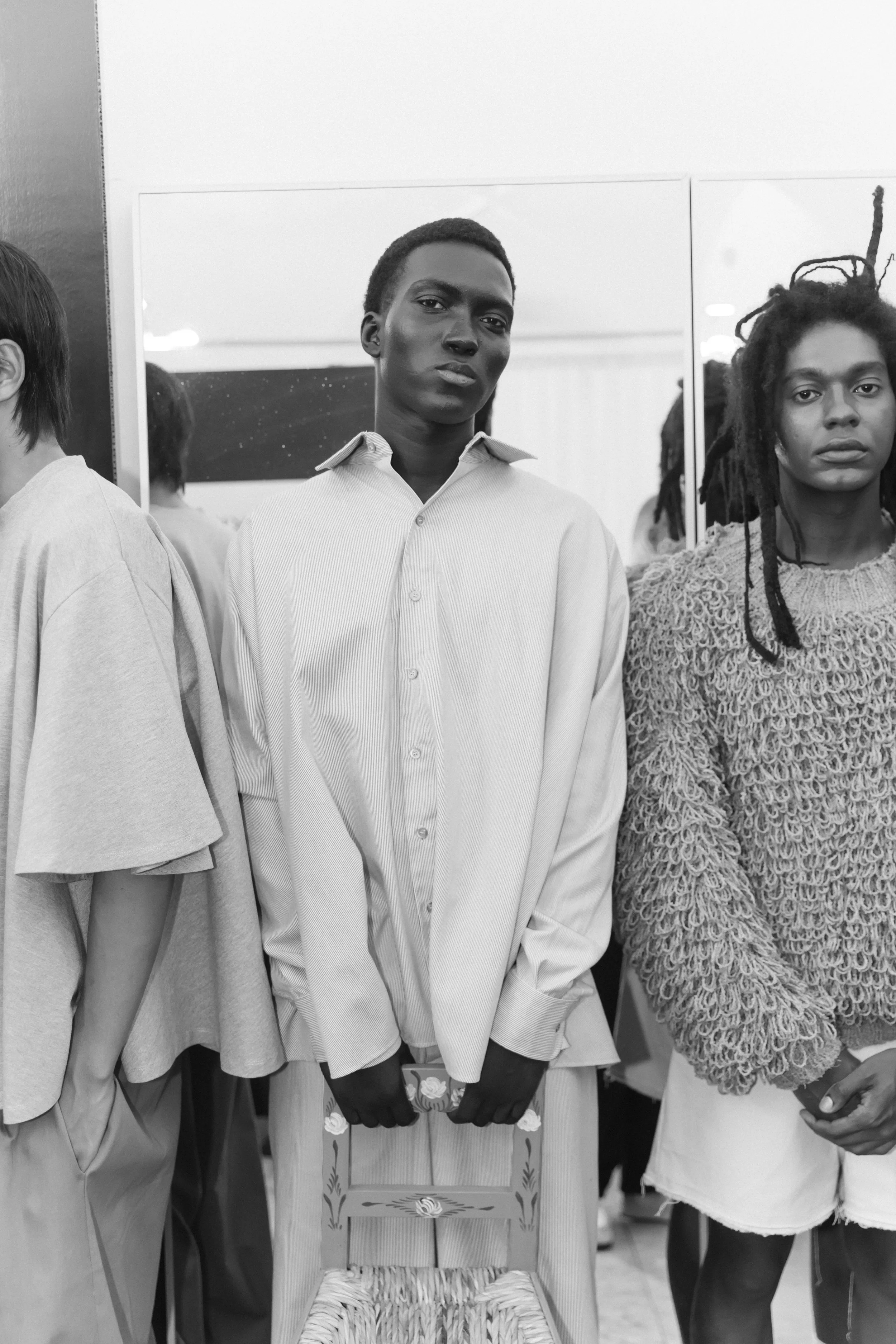
From October 7 to 11, Lisbon Fashion Week welcomed local designers to present their SS27 collections. The week felt youthful. It held a lightness that was refreshing, a refusal to take itself too seriously. Craft met street culture halfway, and colour led every conversation. Even in the more muted or darker palettes, colour found its way through.
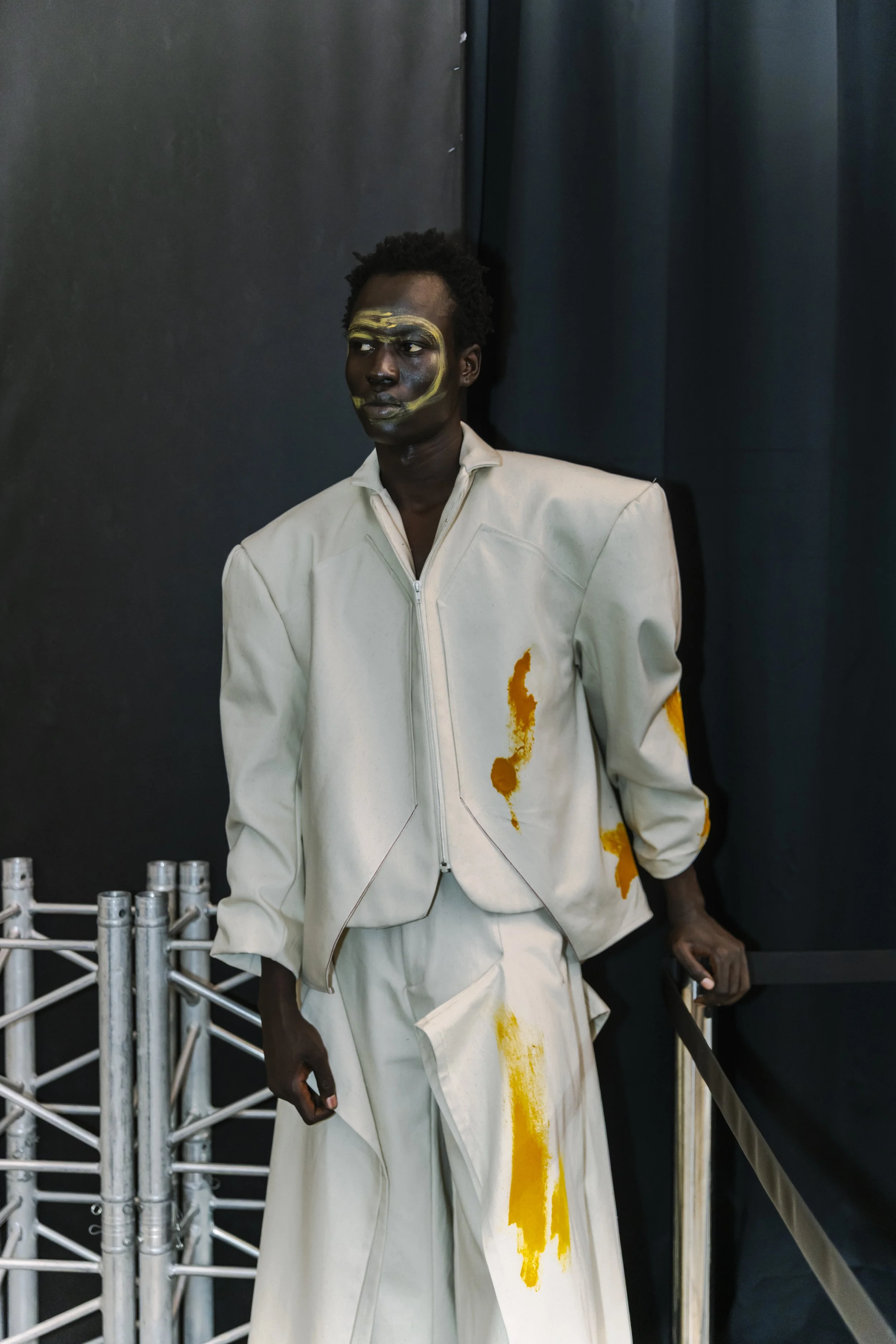
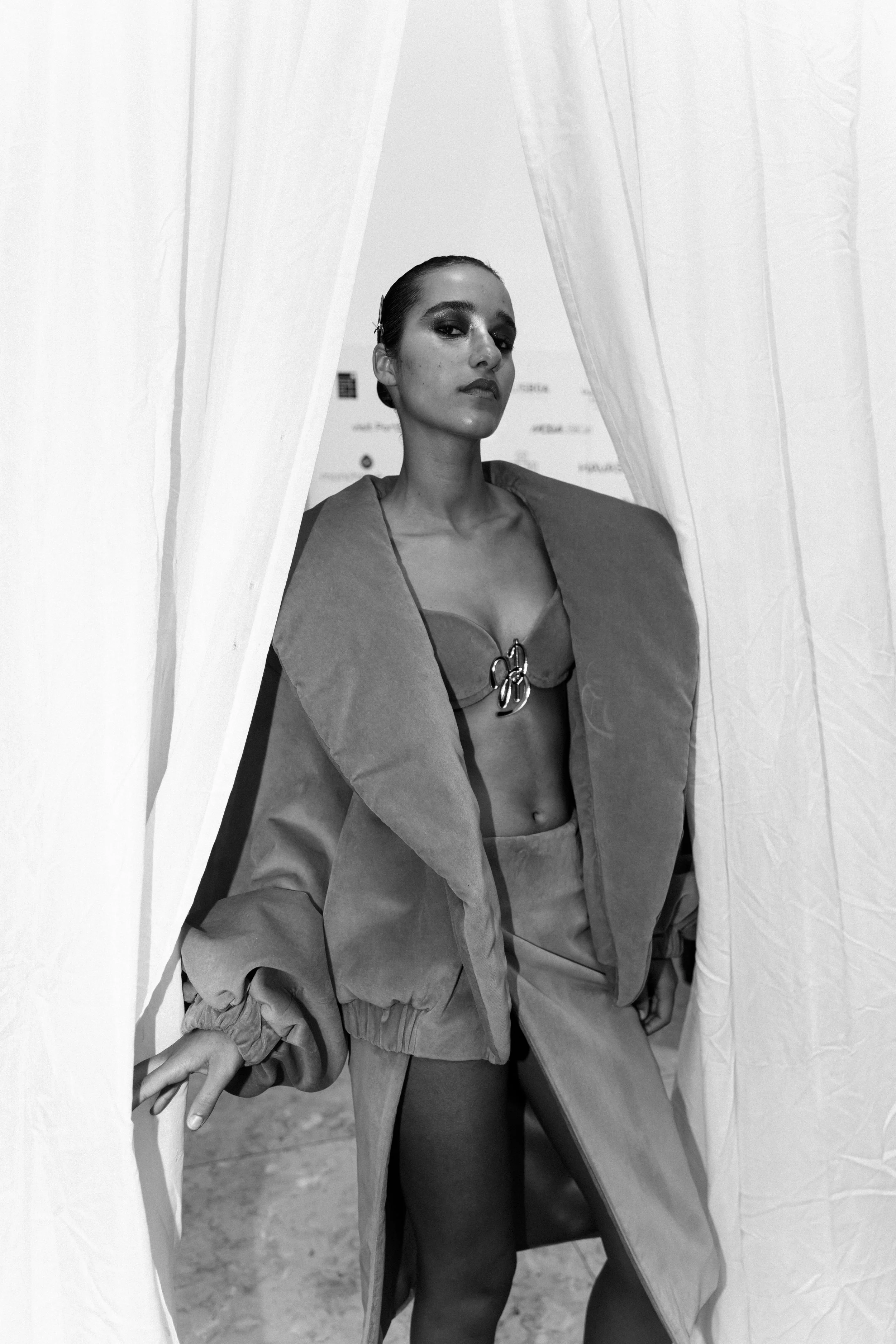
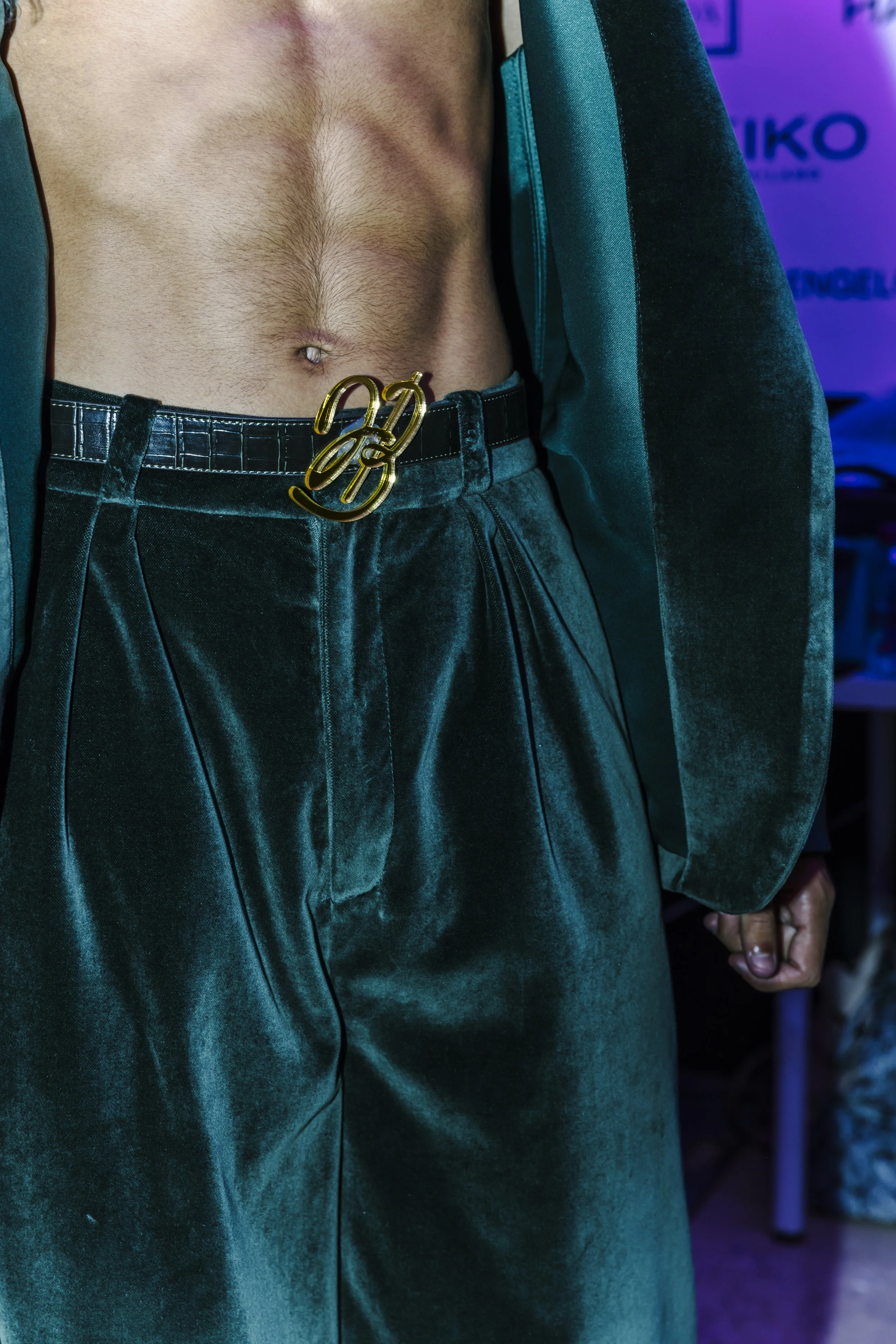
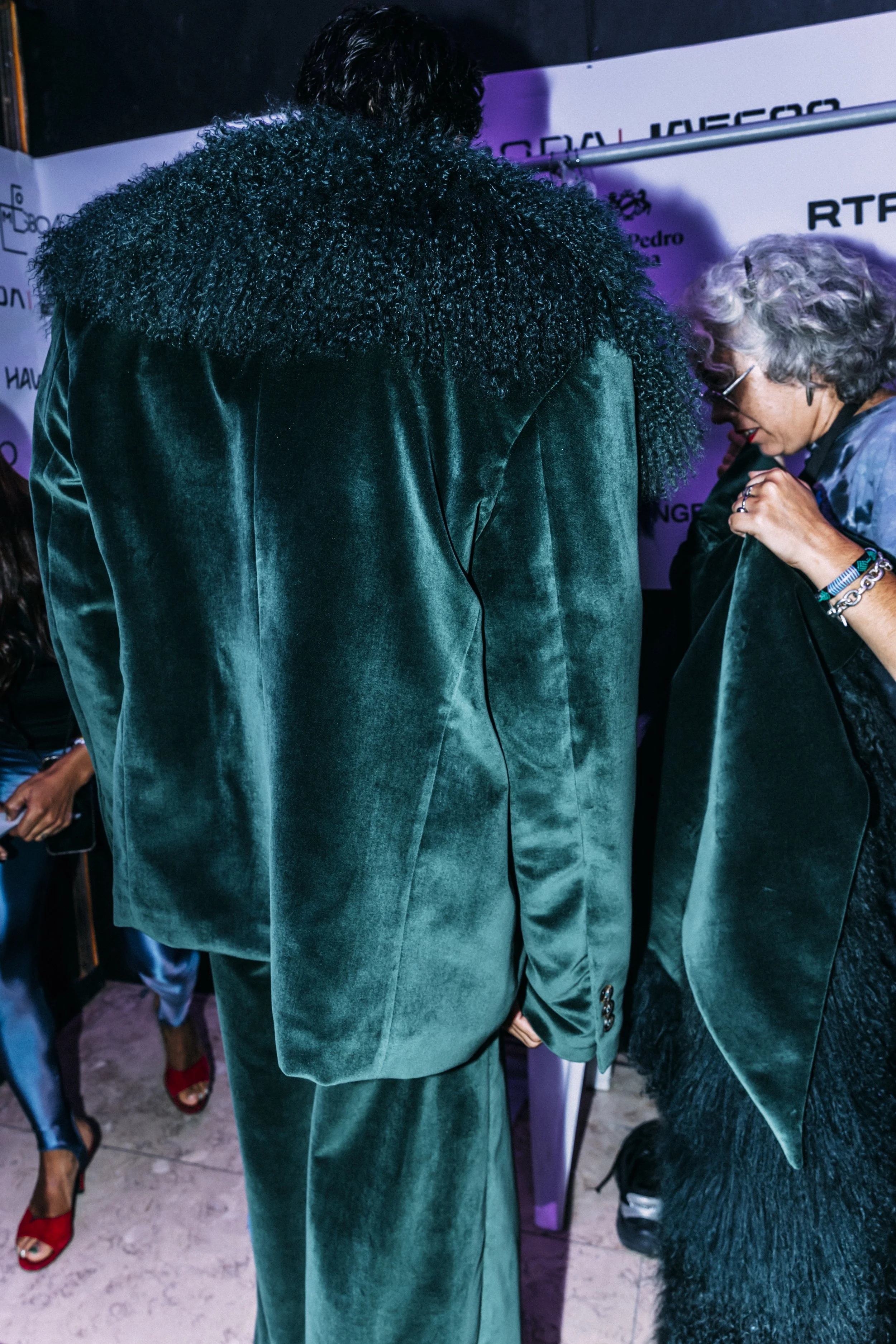
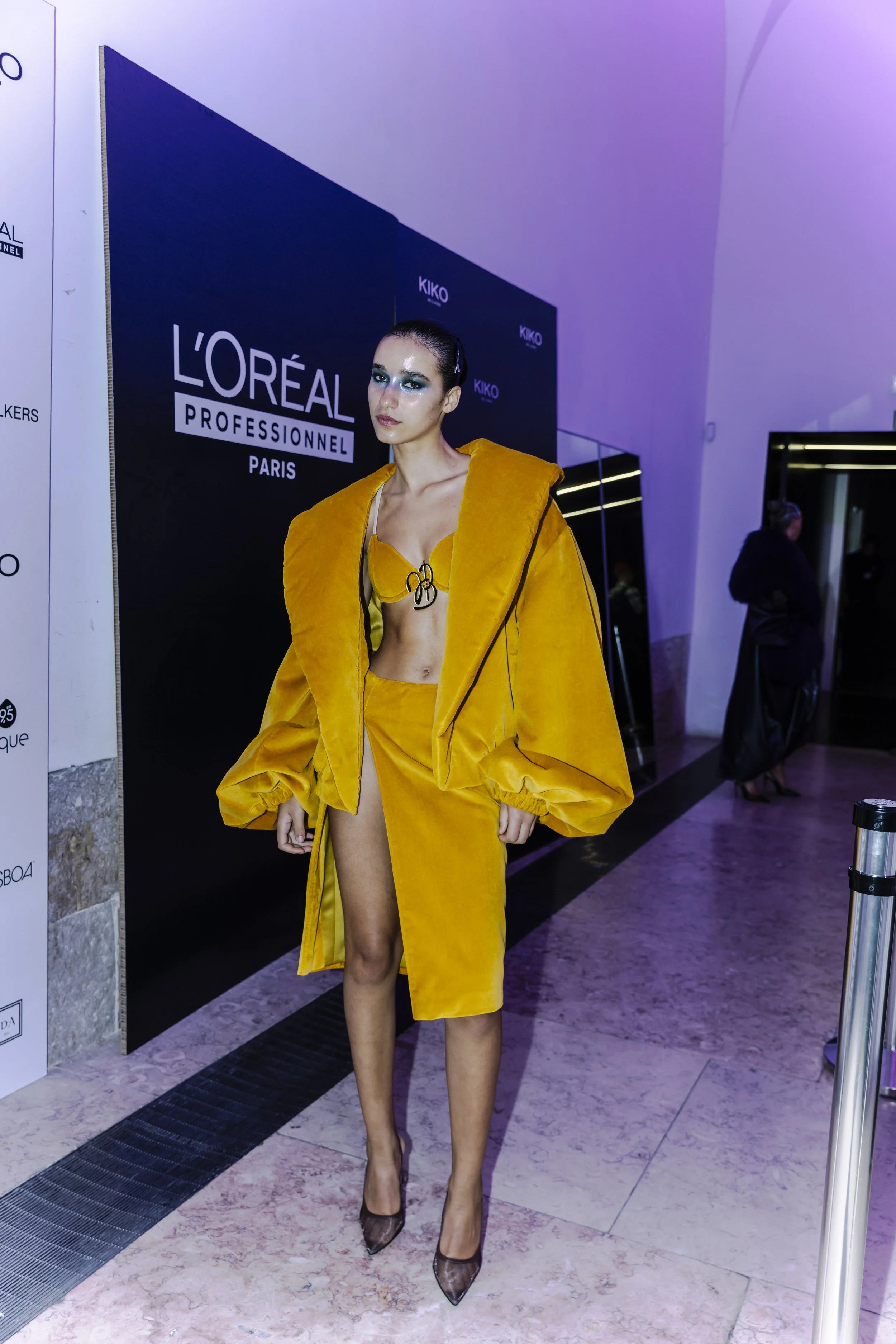
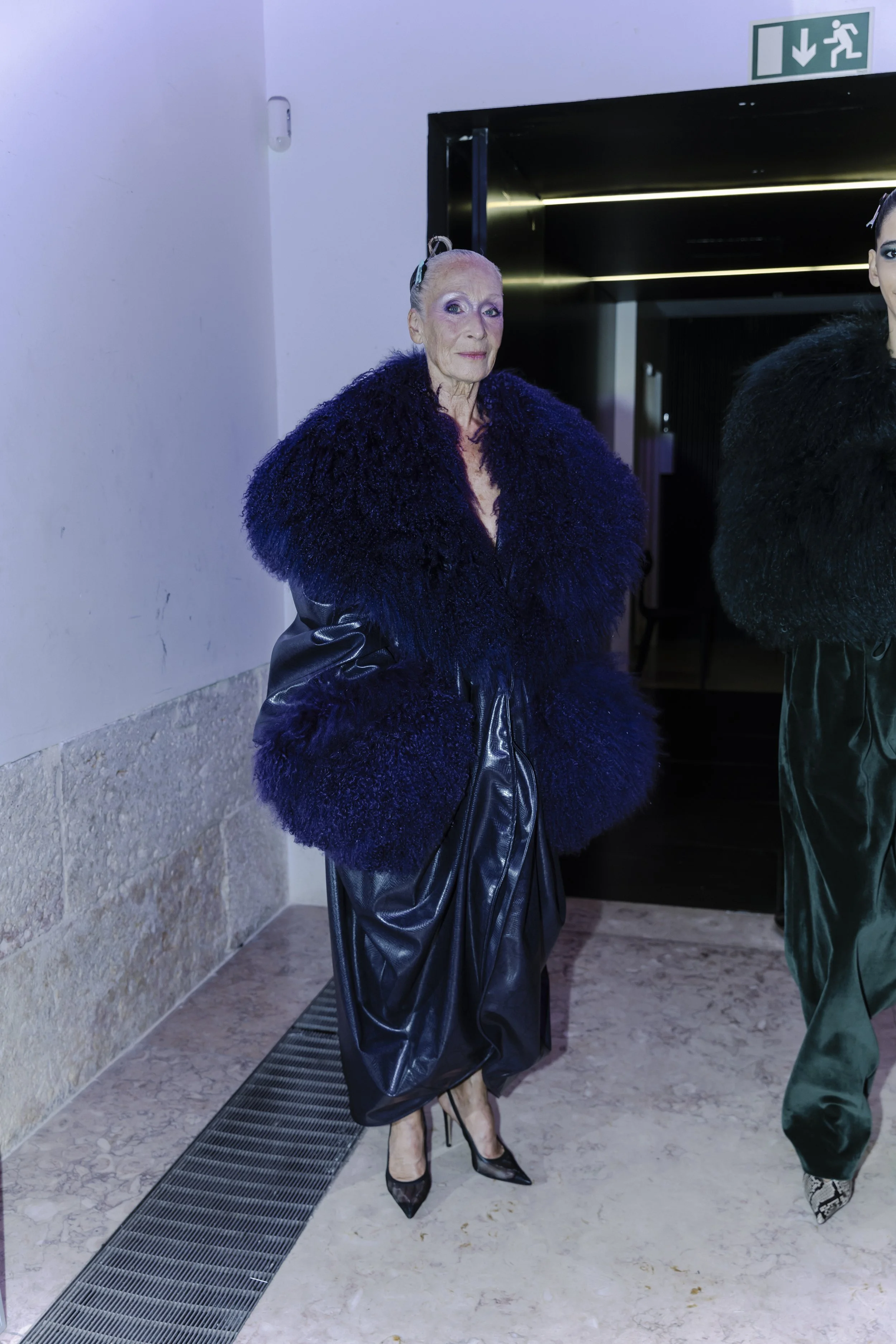
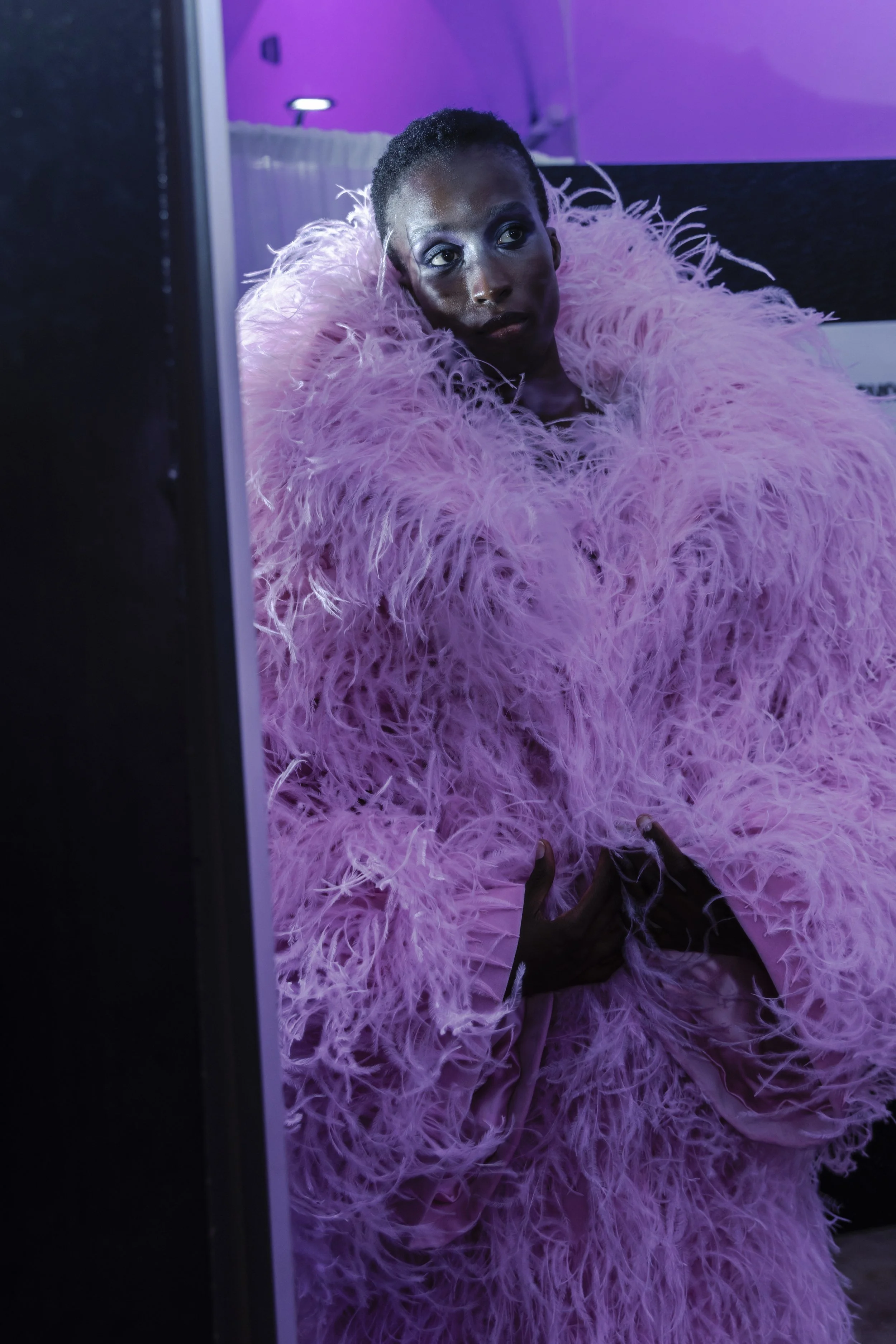
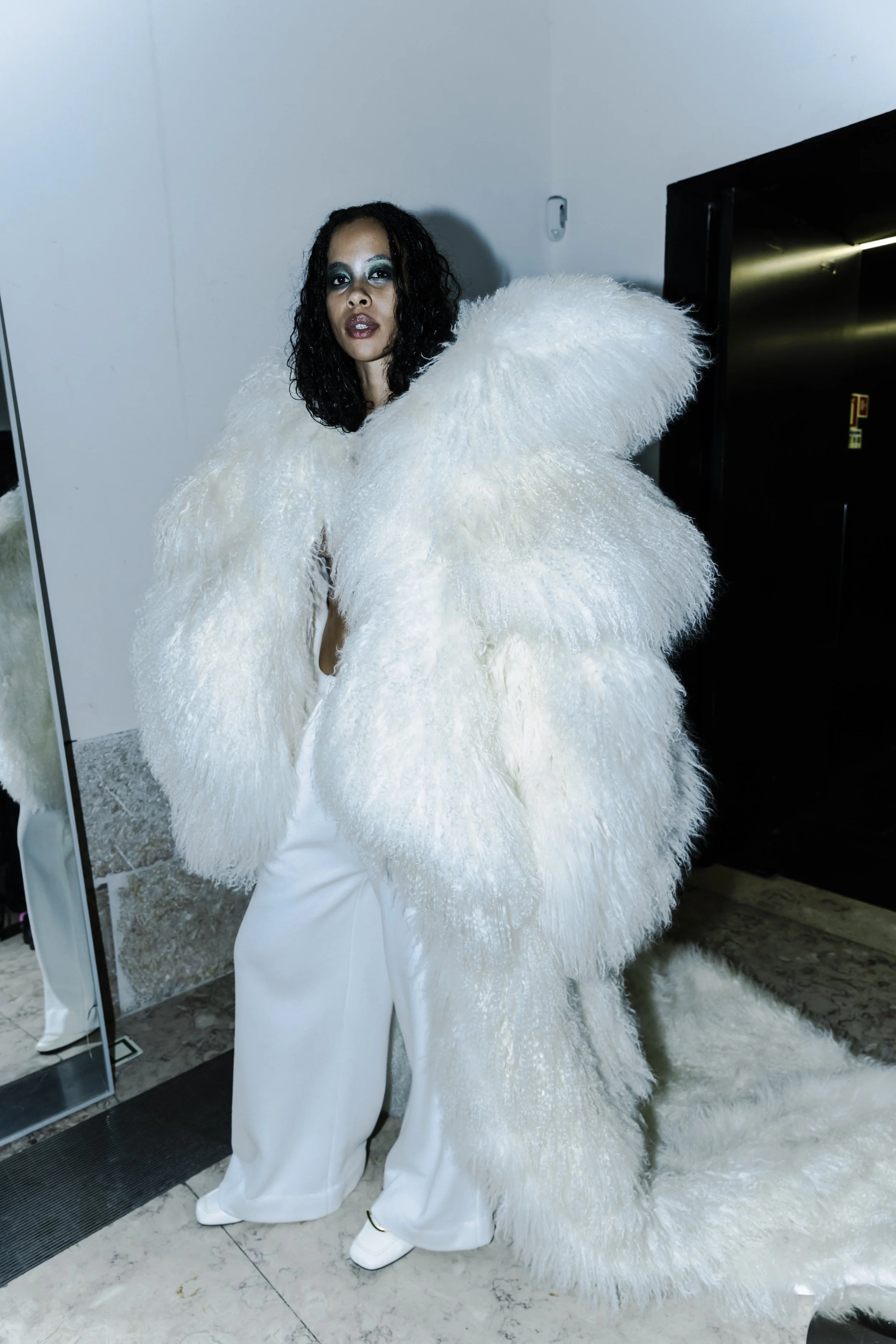
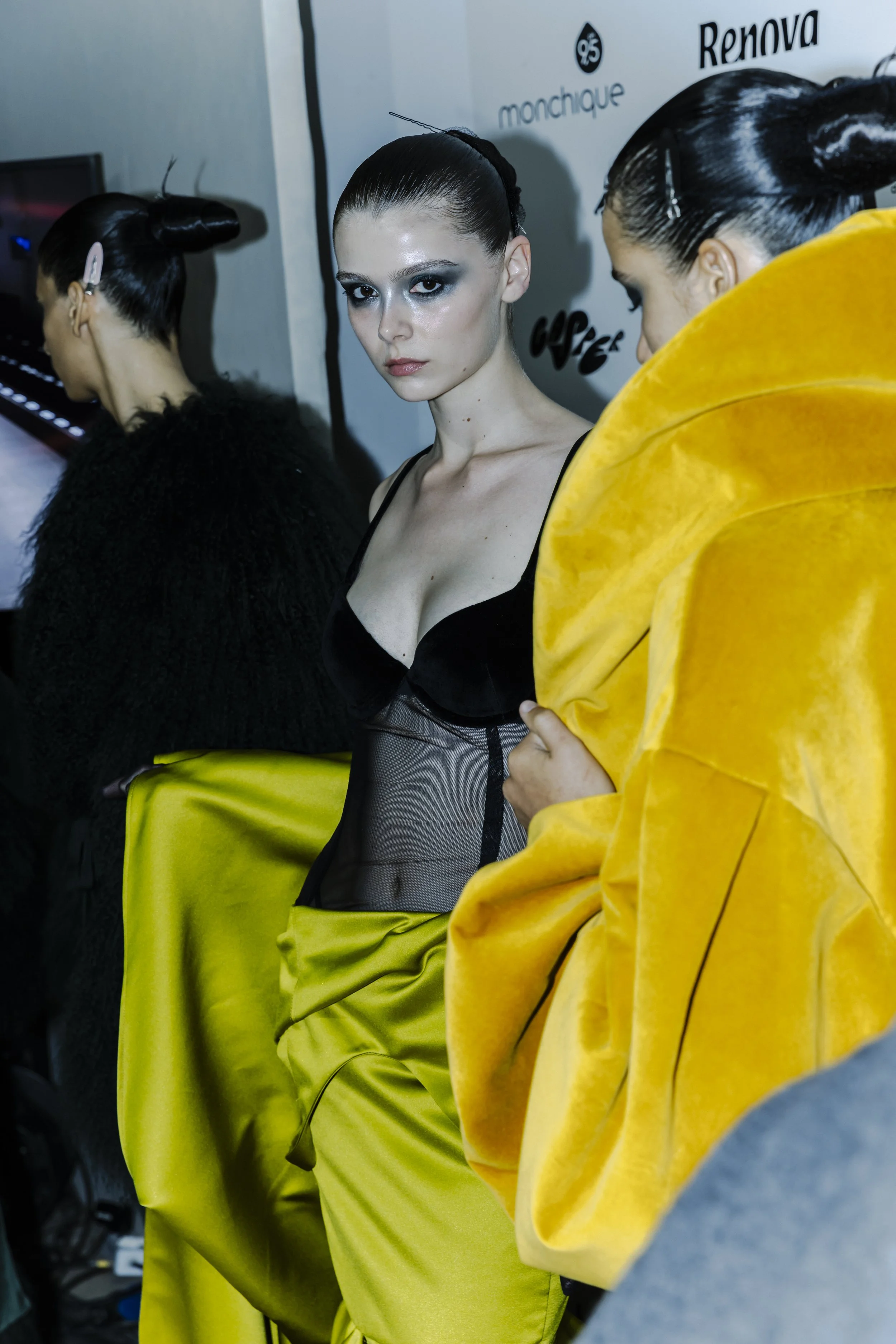
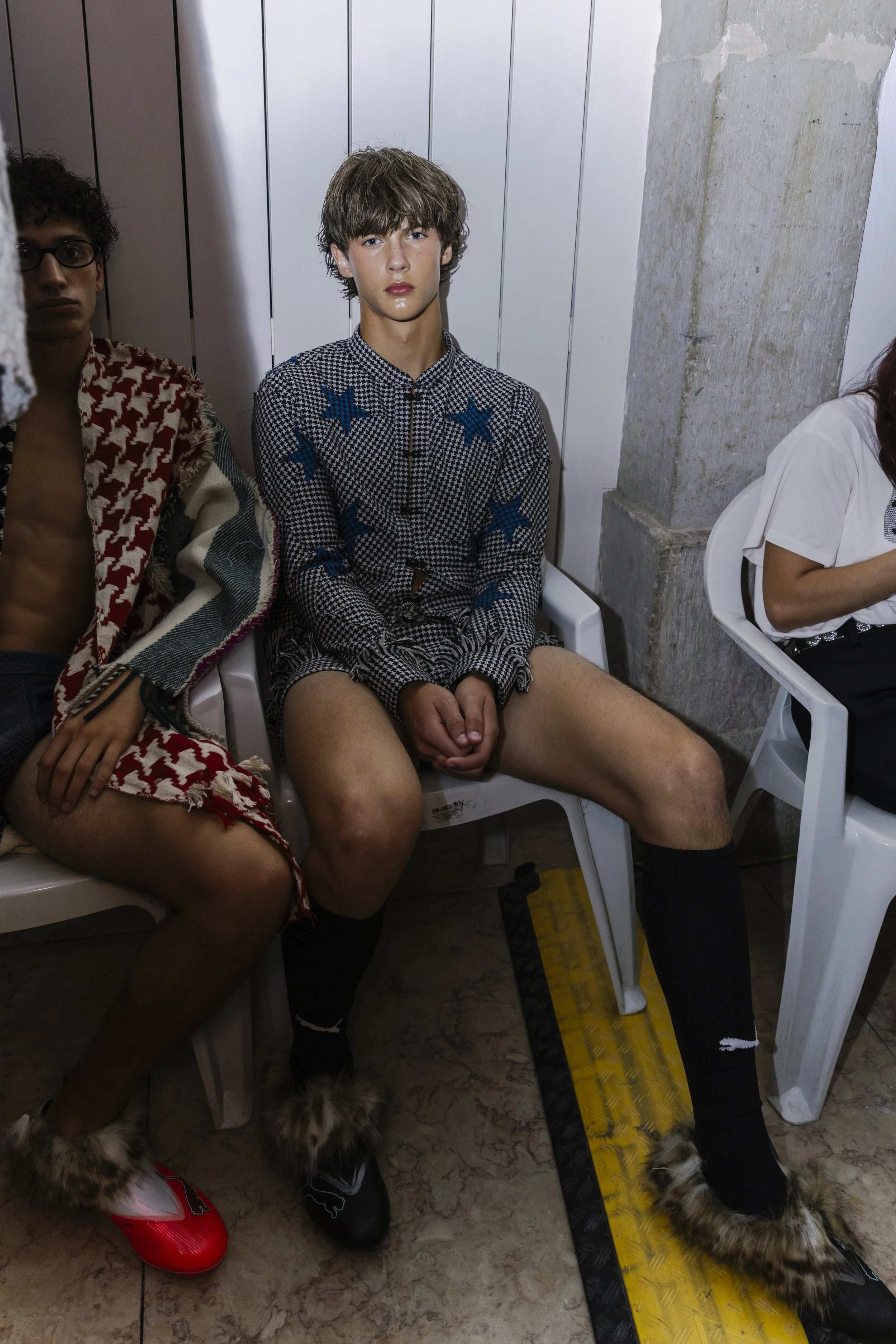
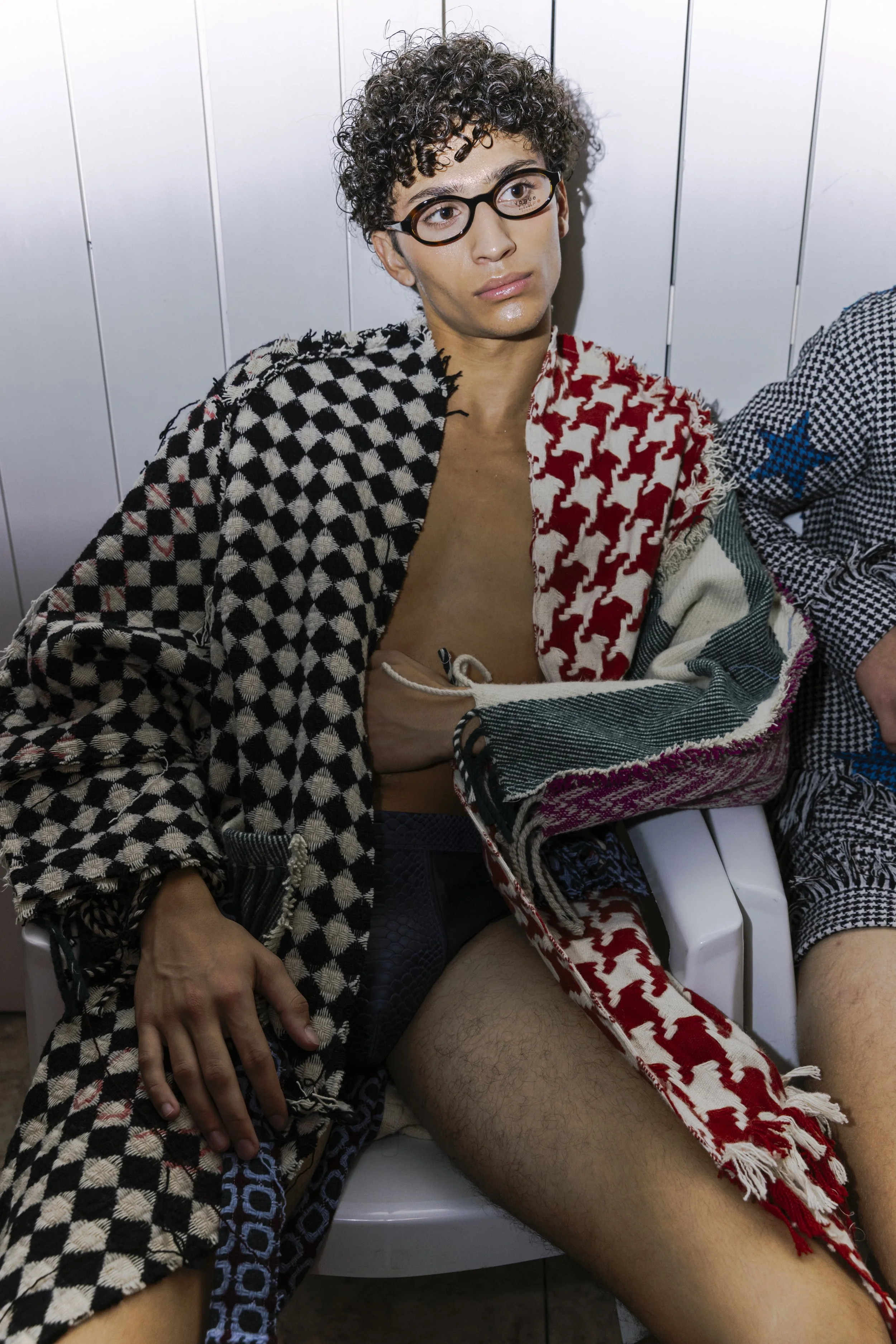
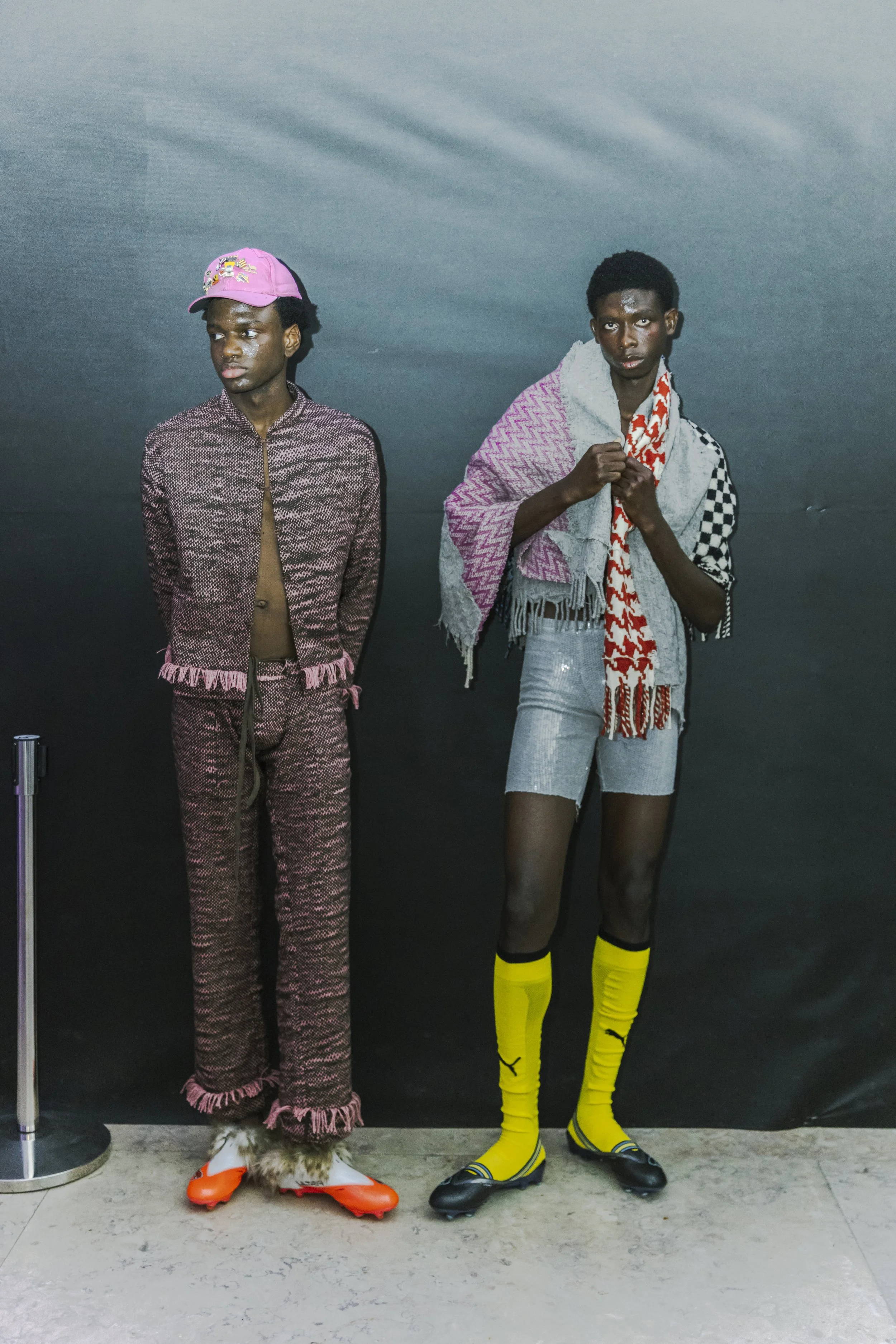
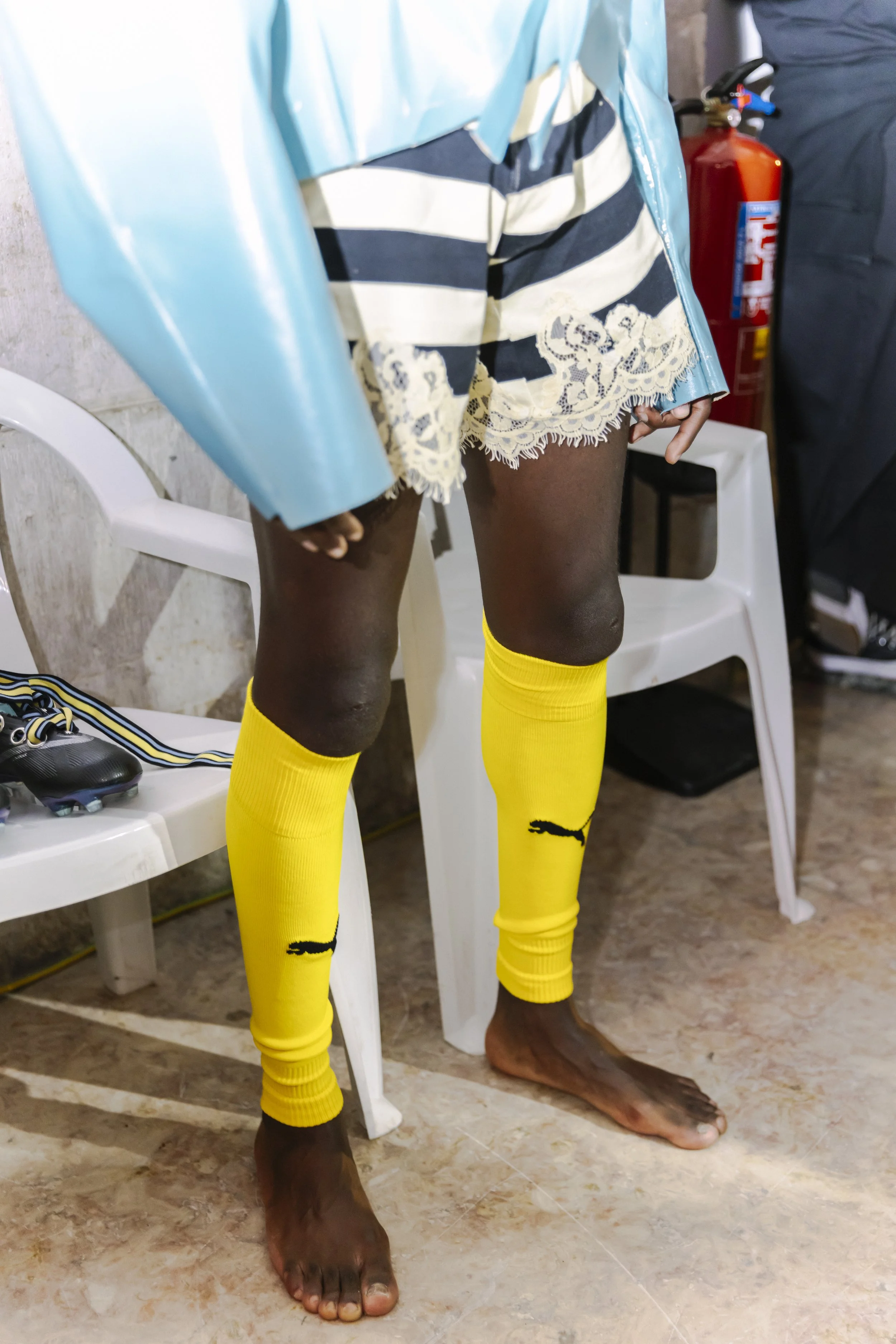
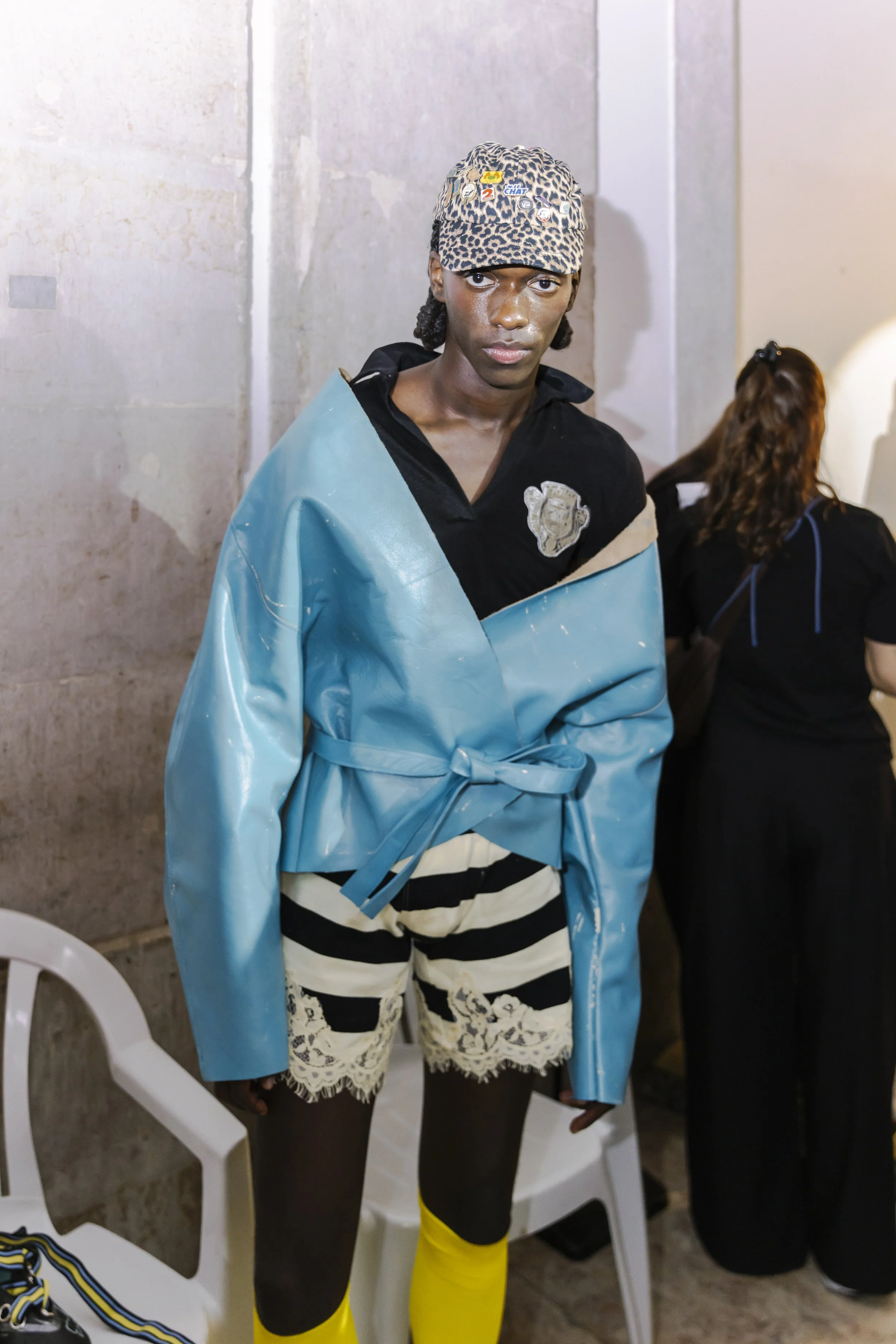
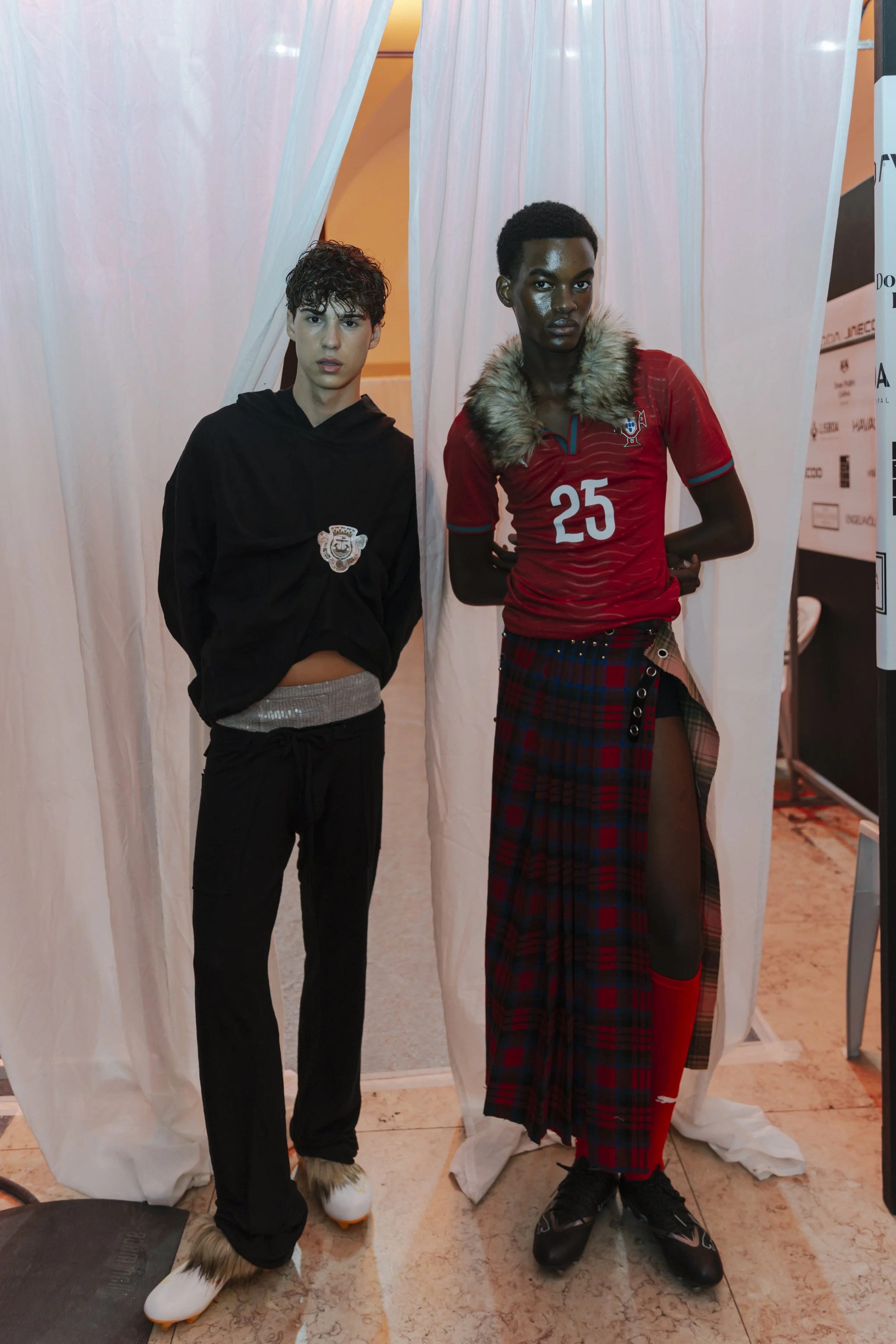
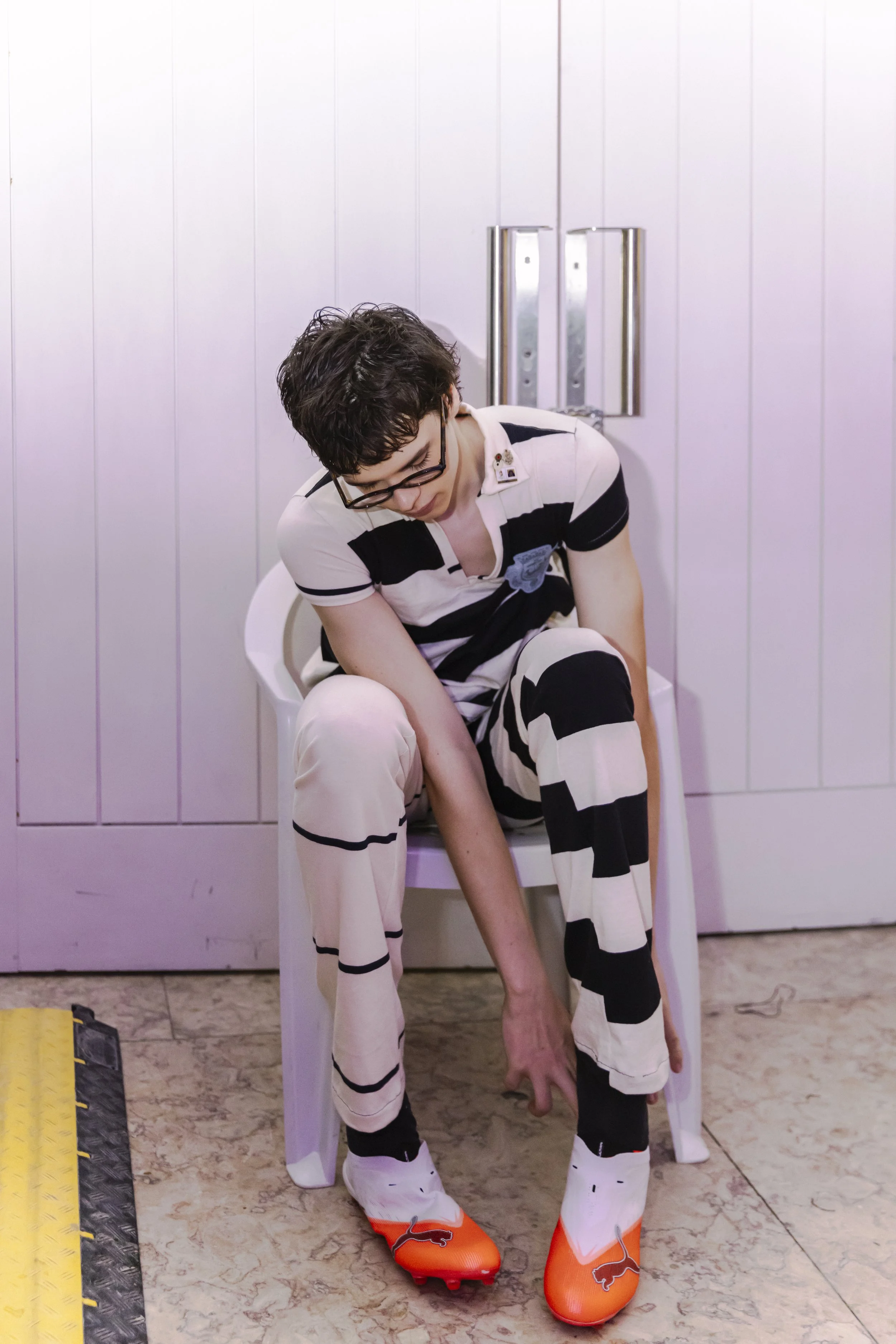
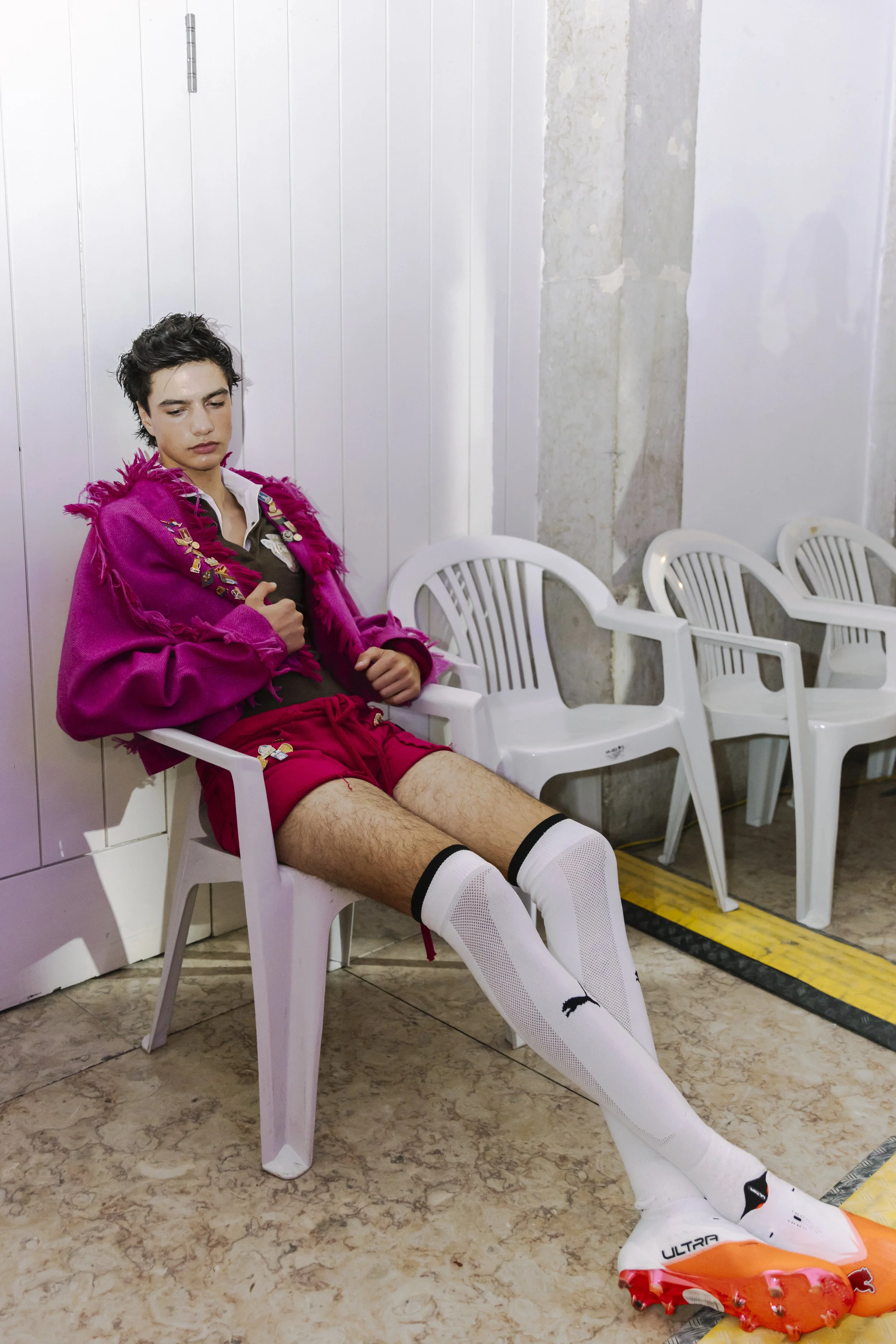
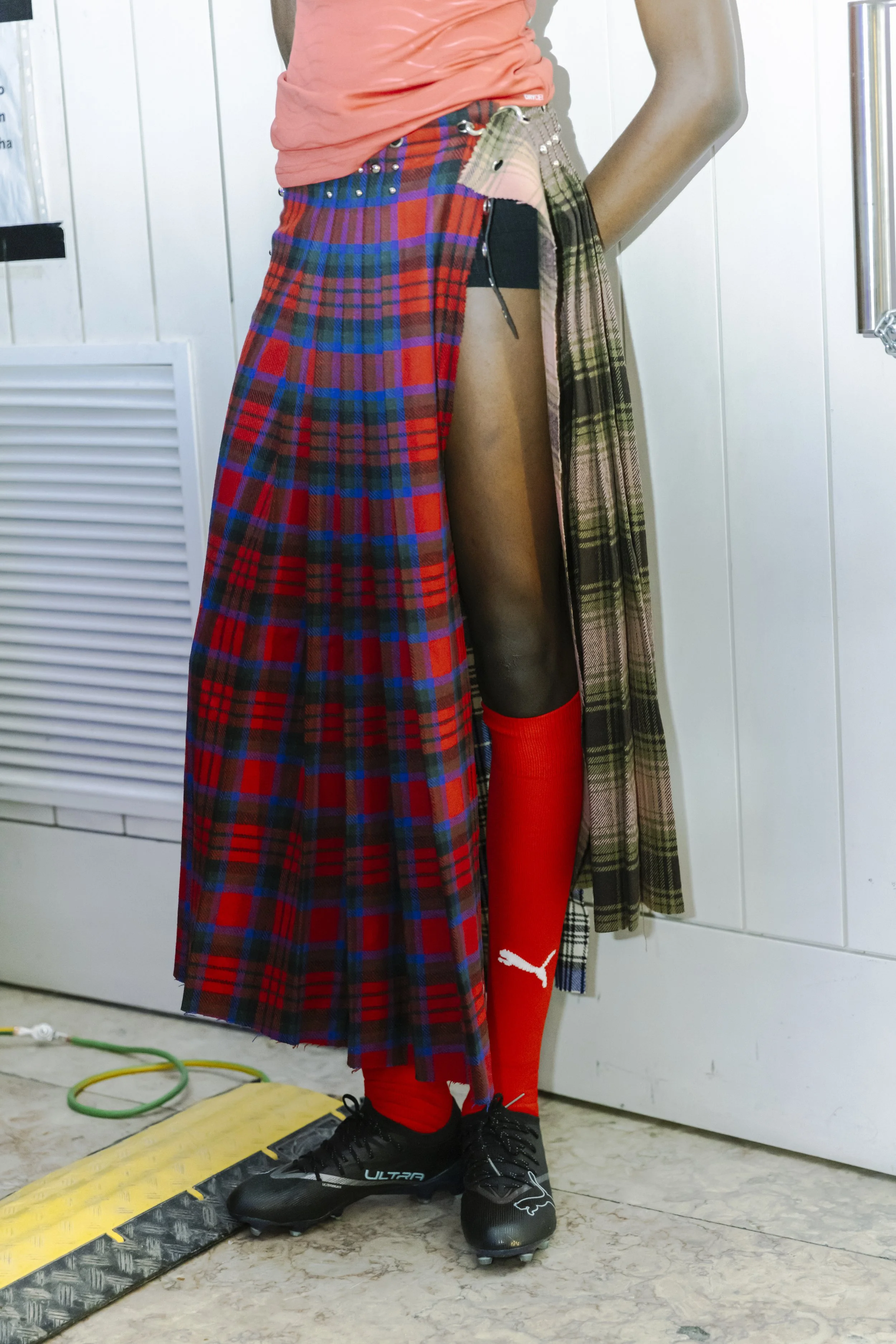
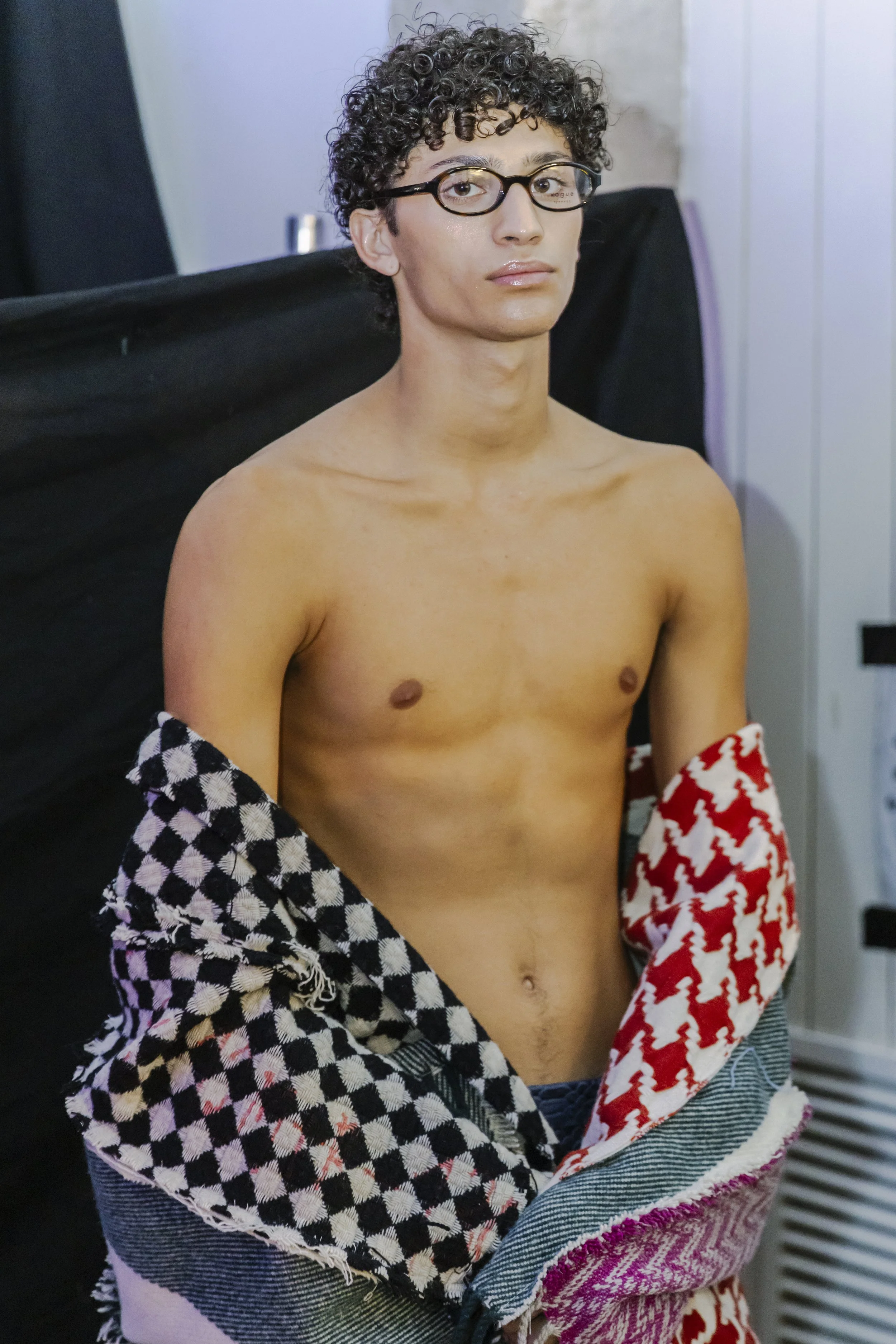
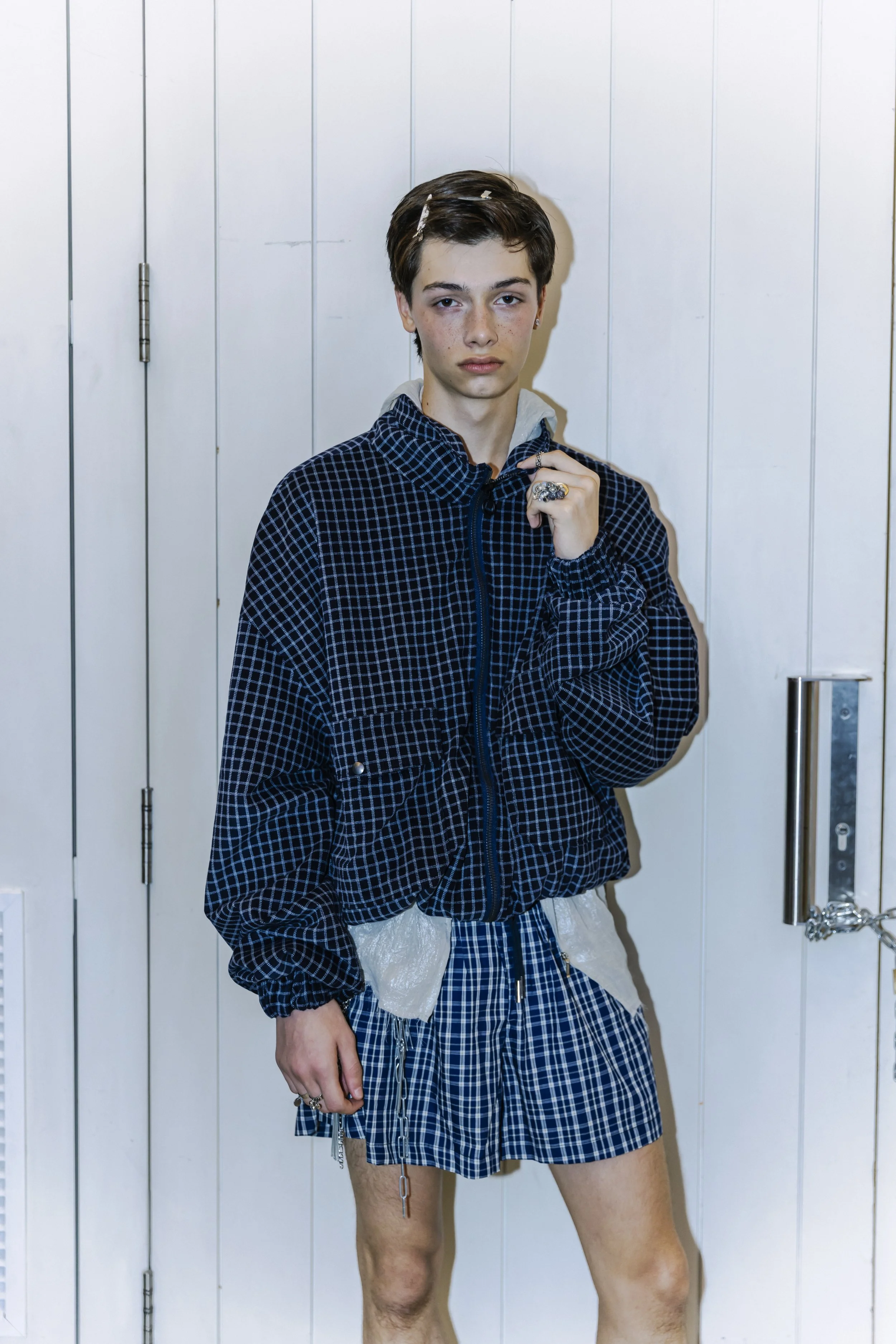
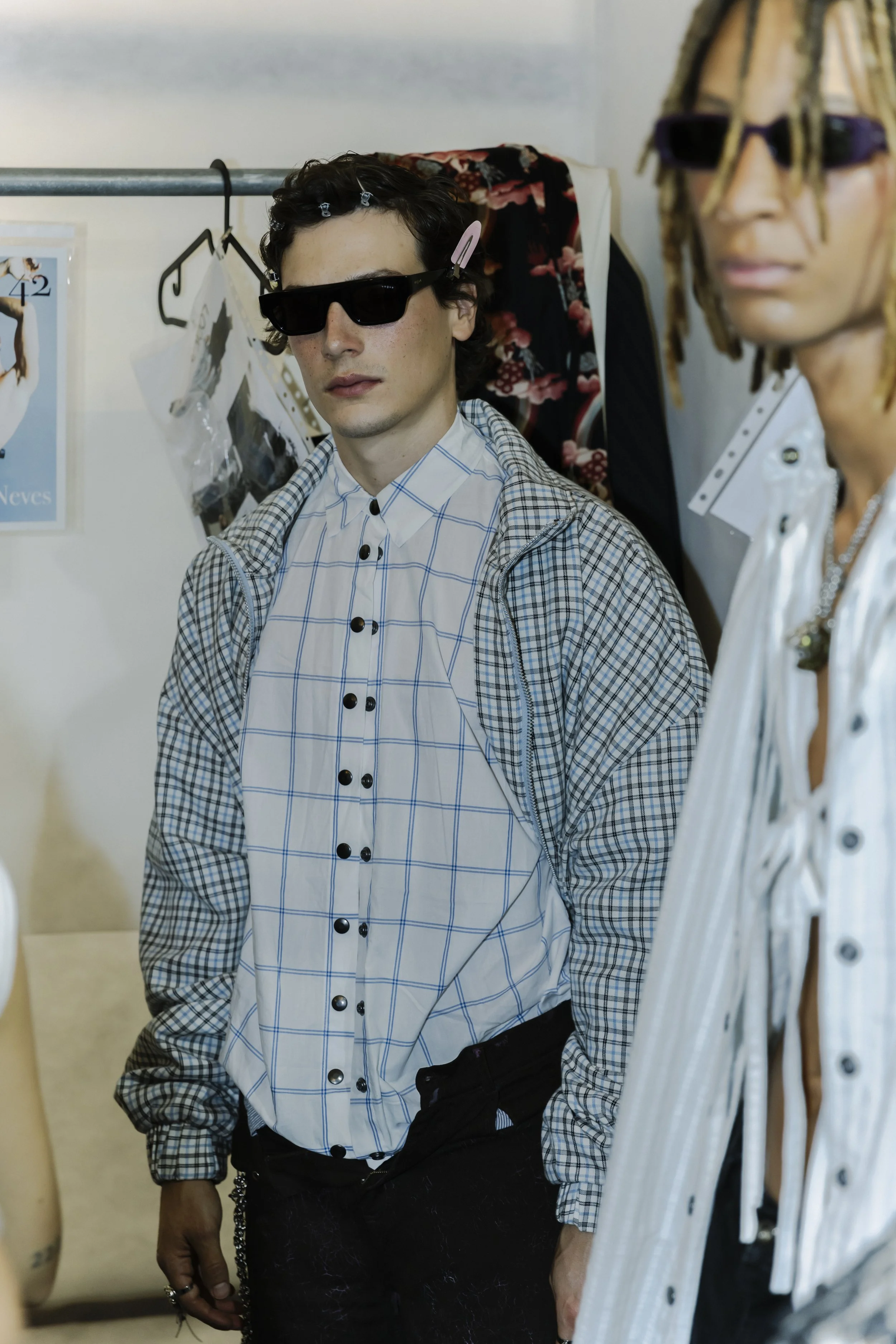
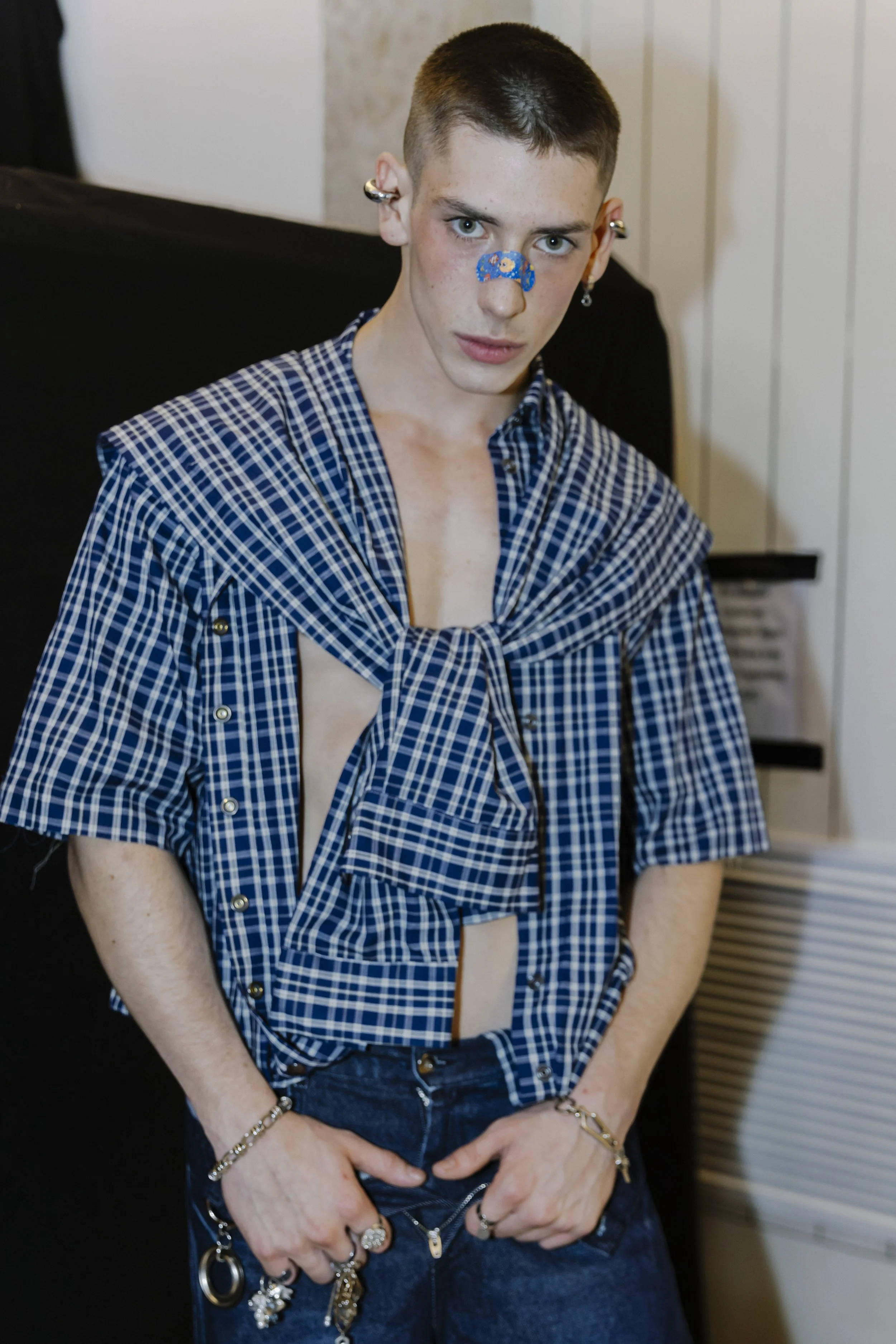
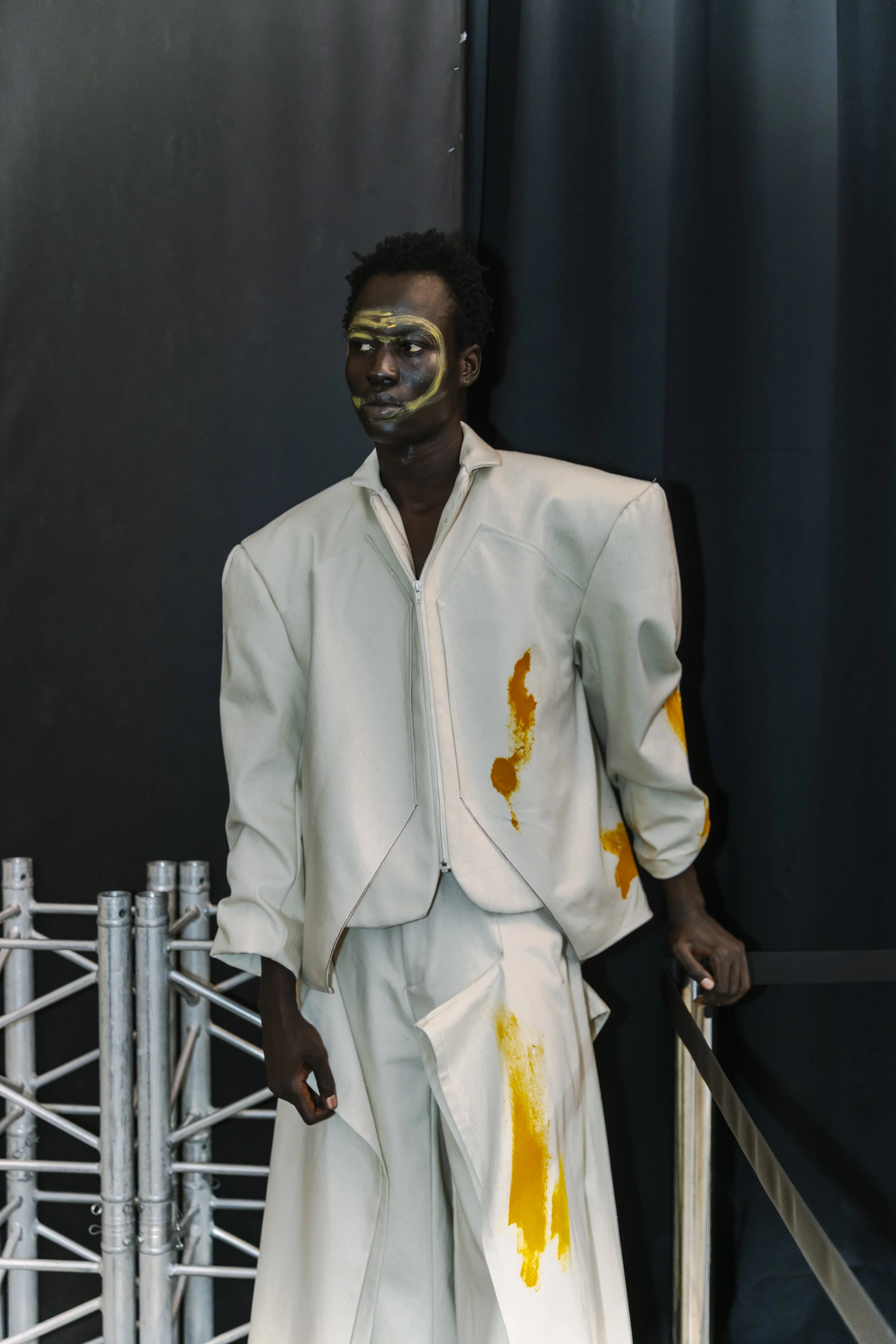
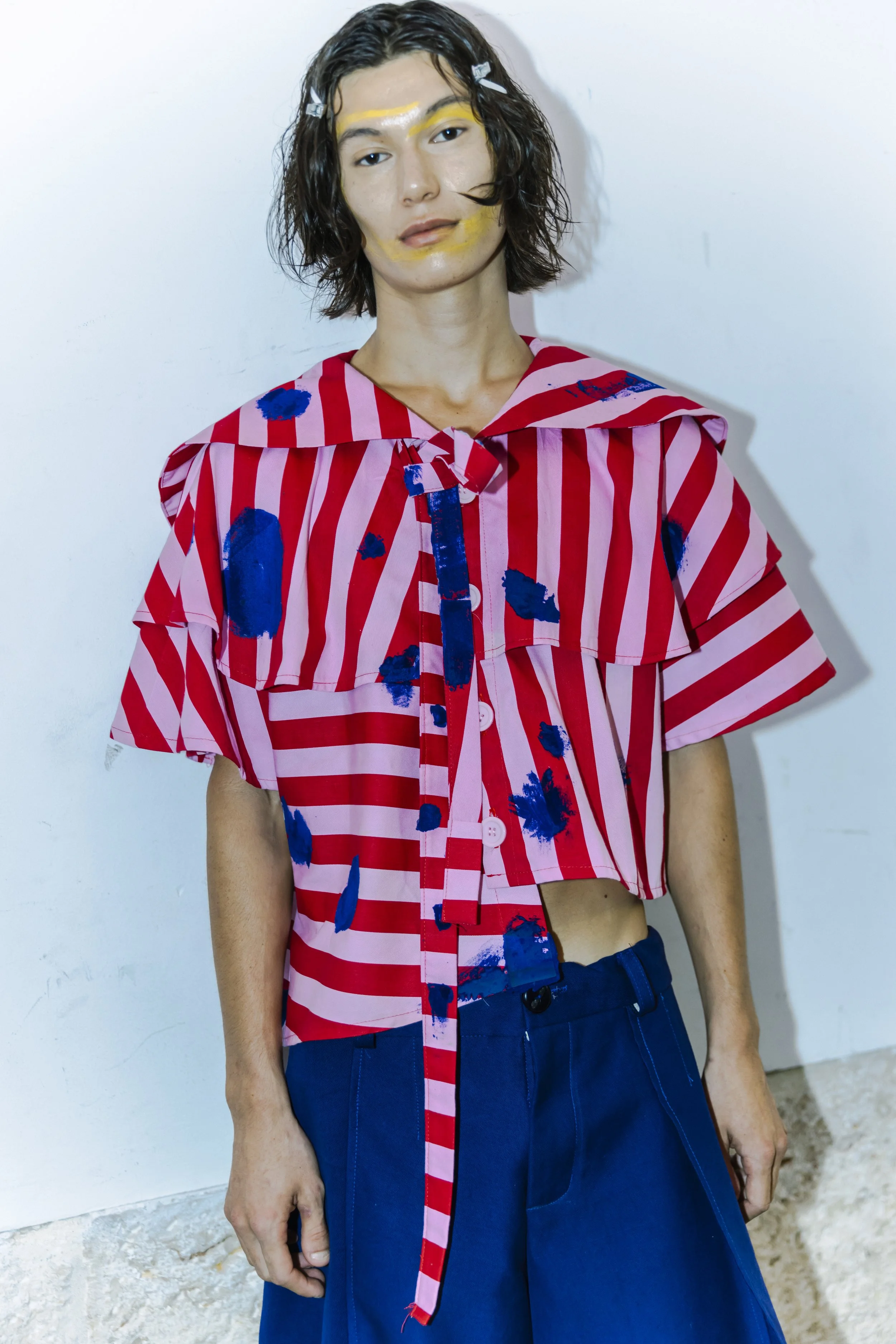
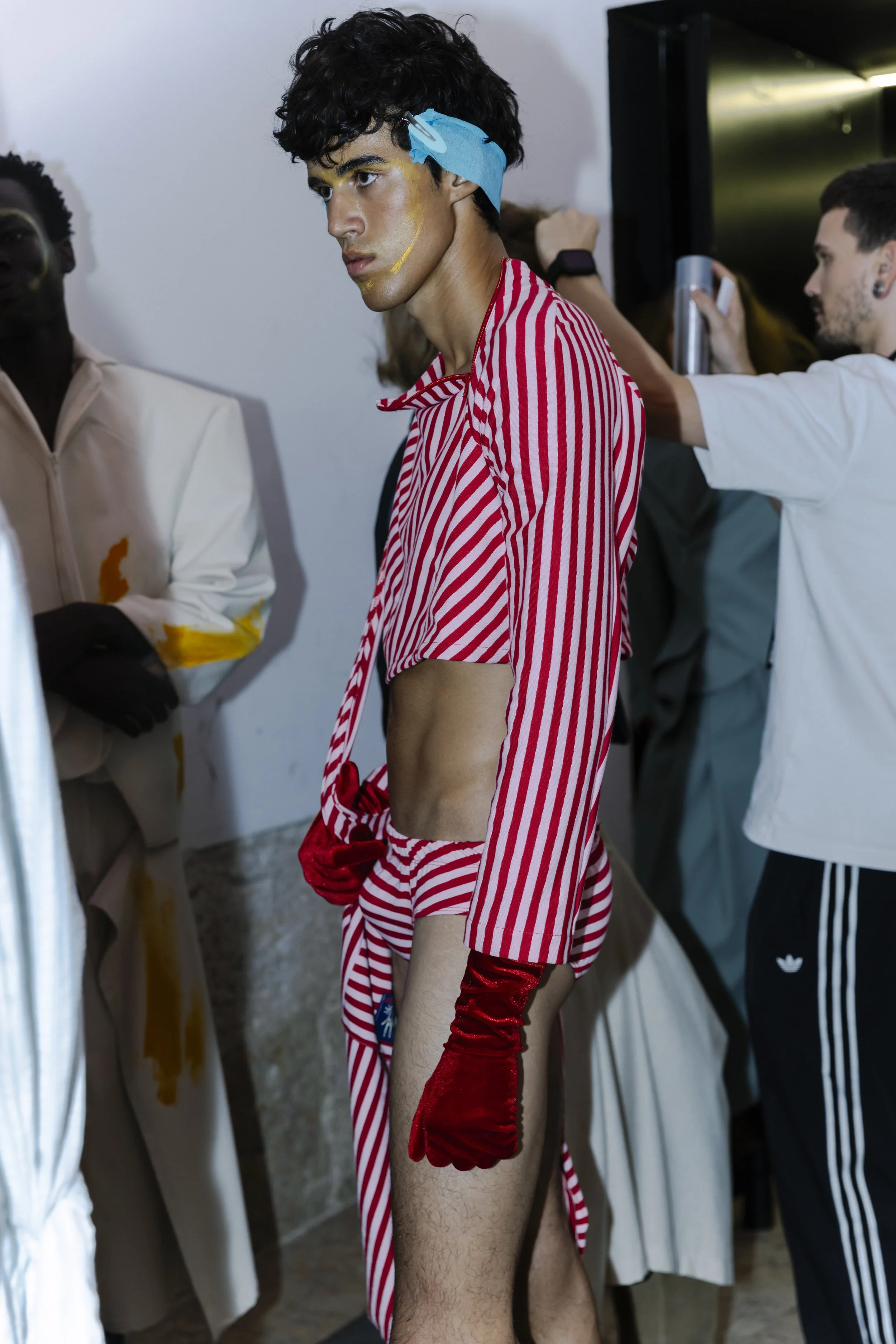
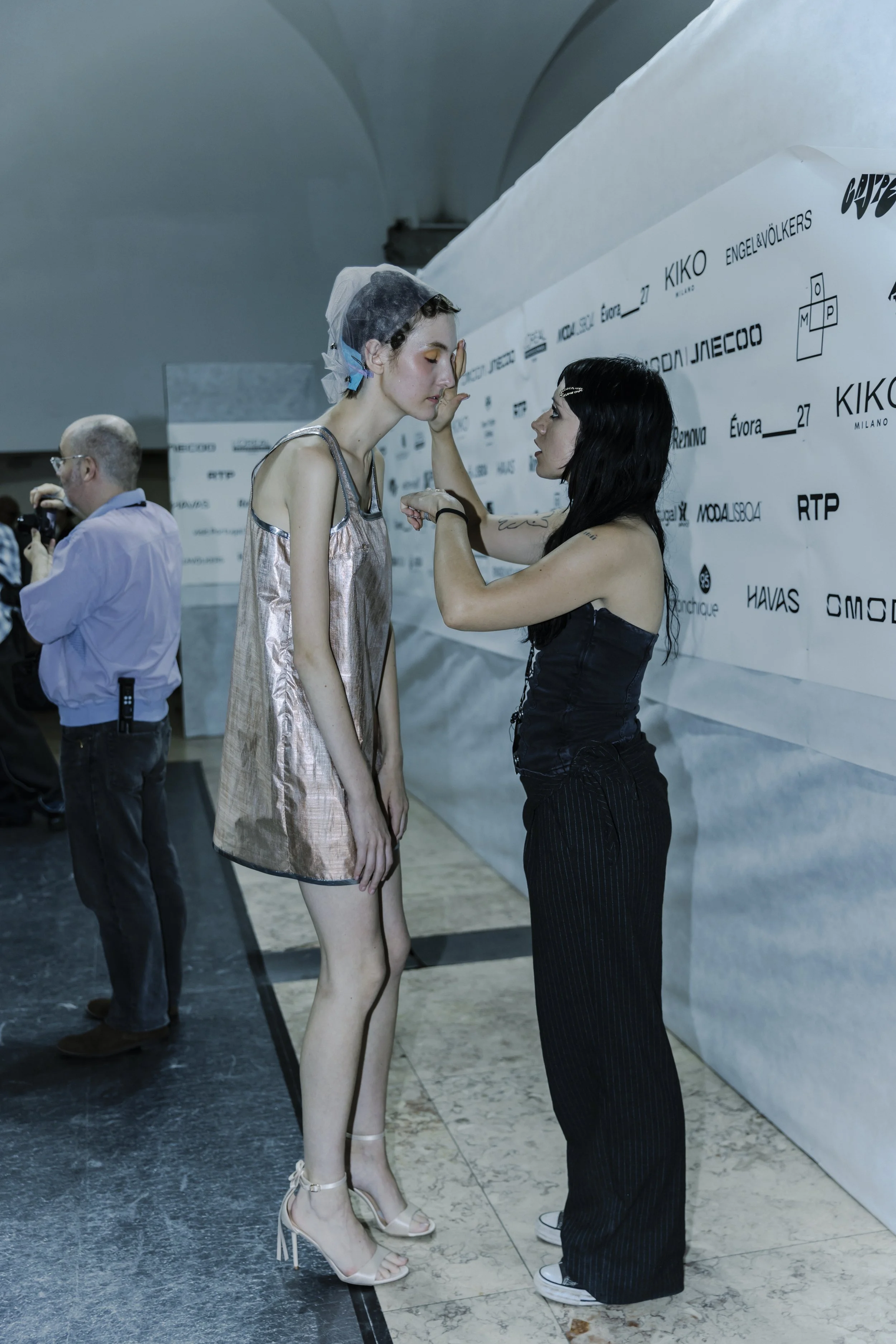
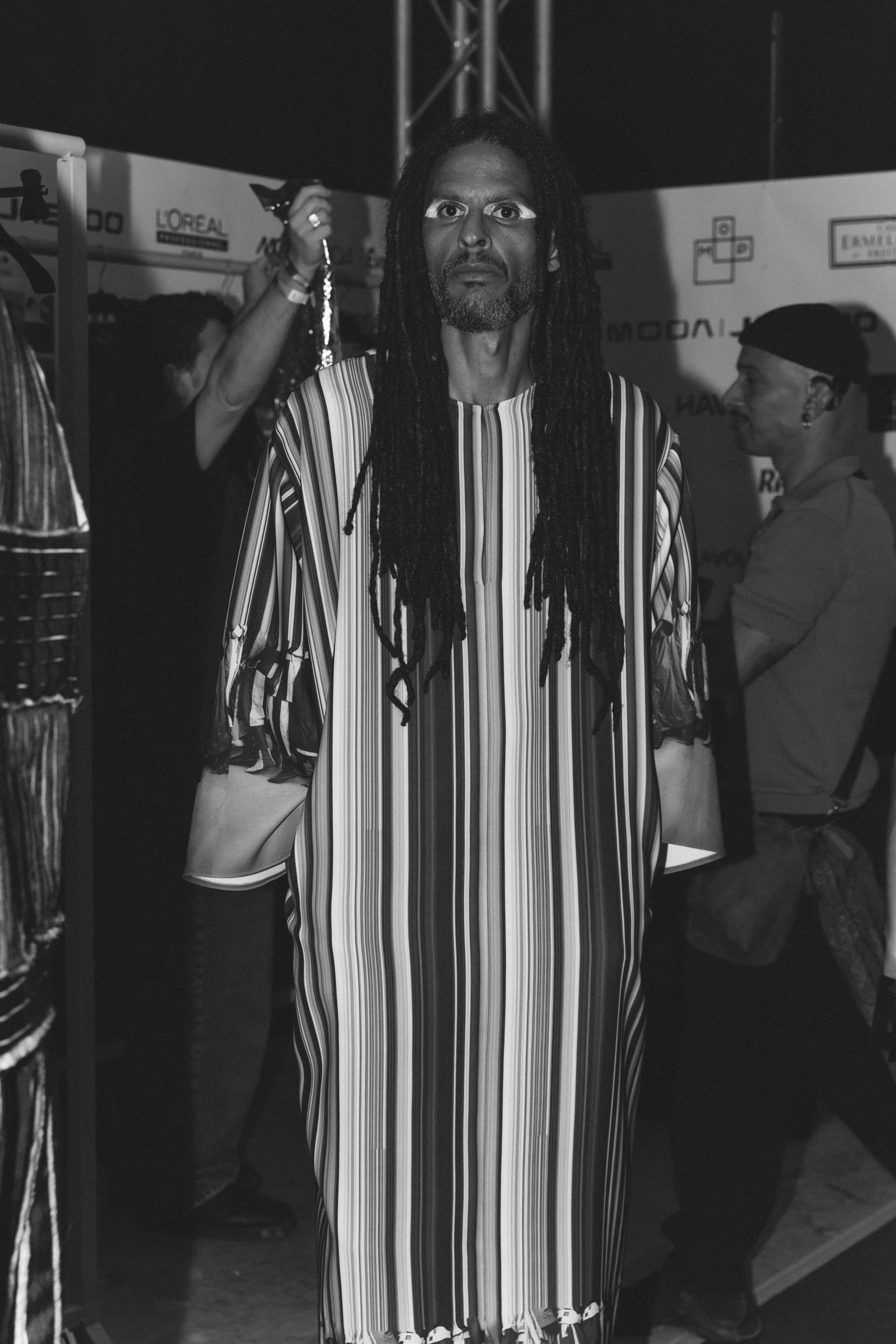
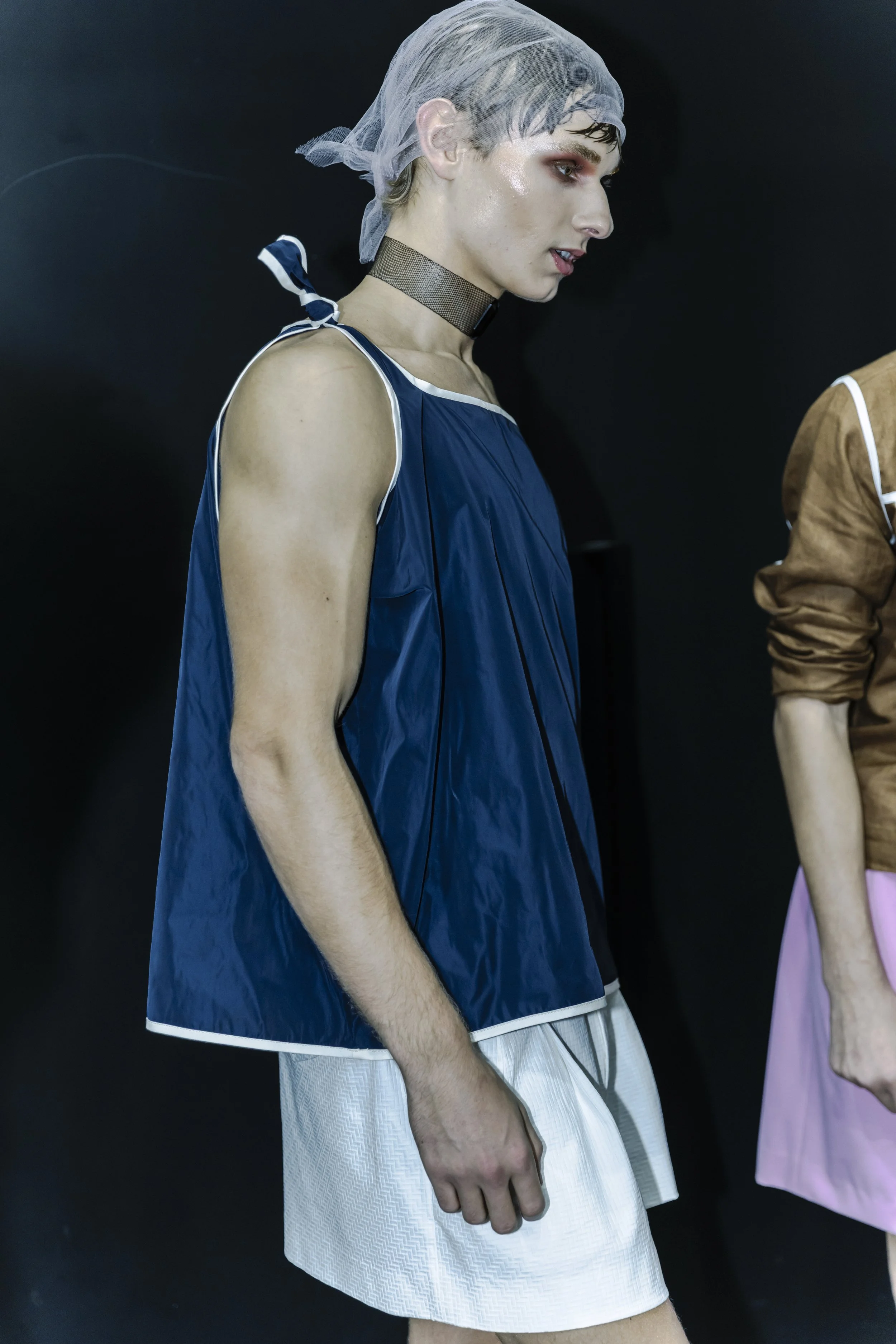
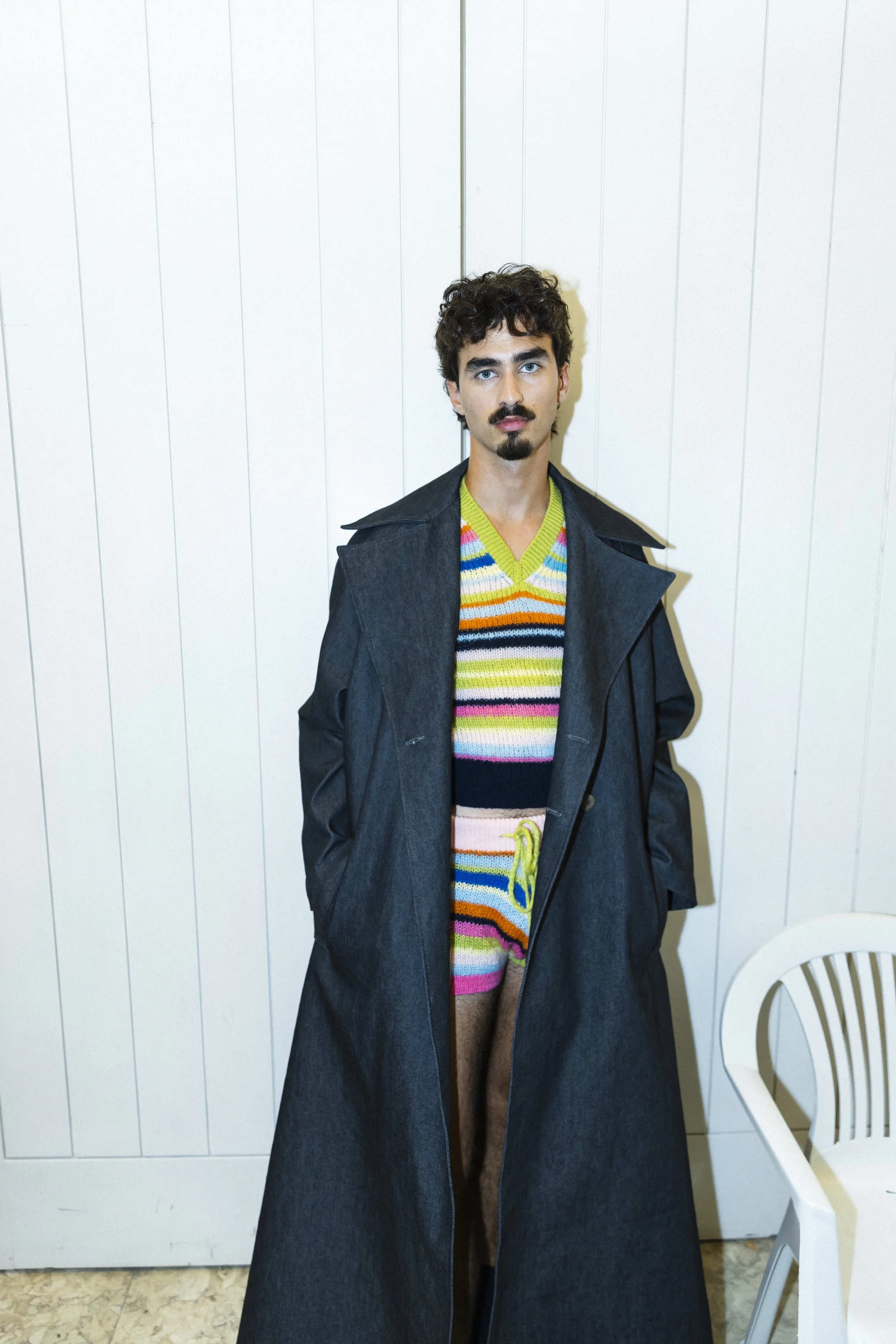
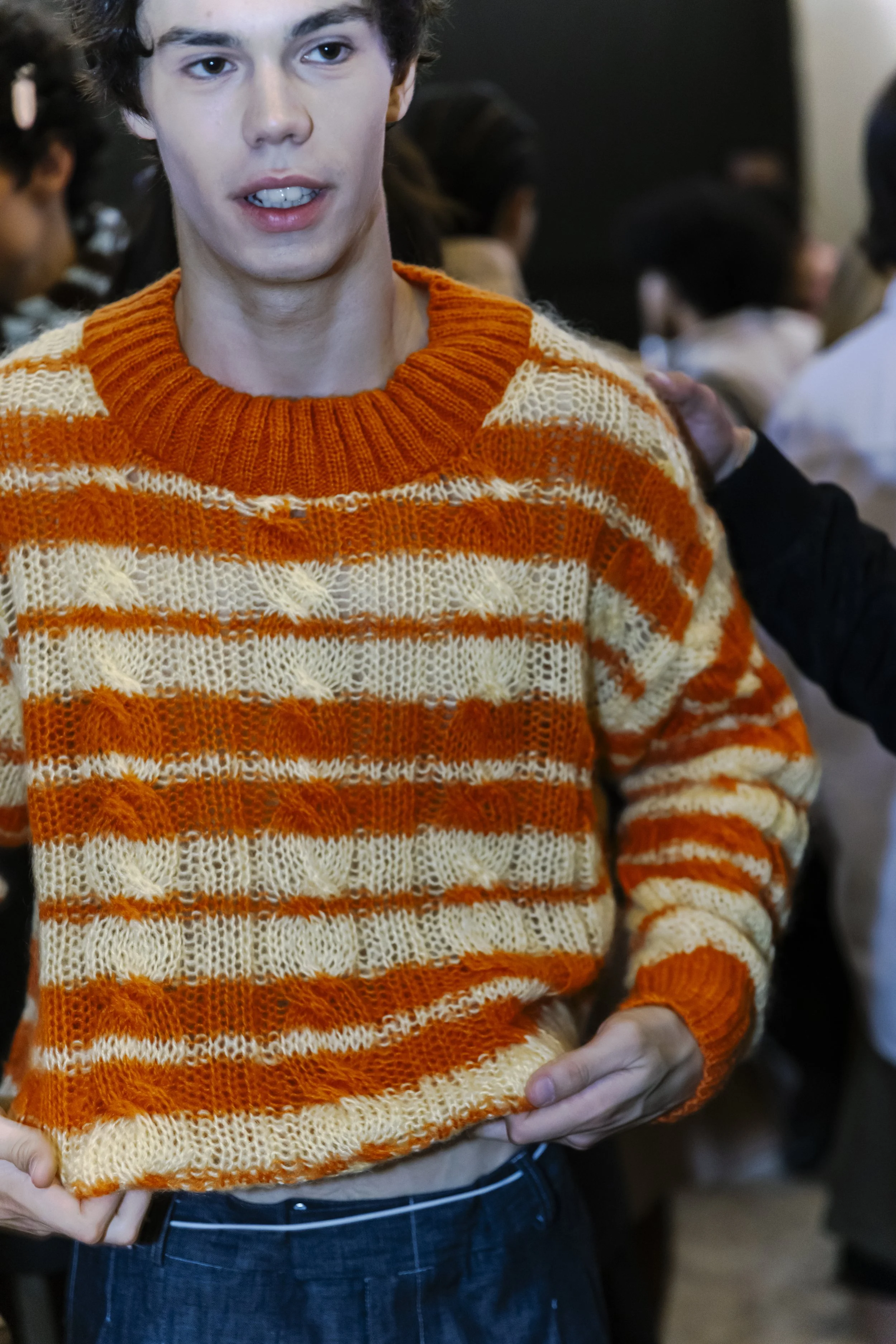
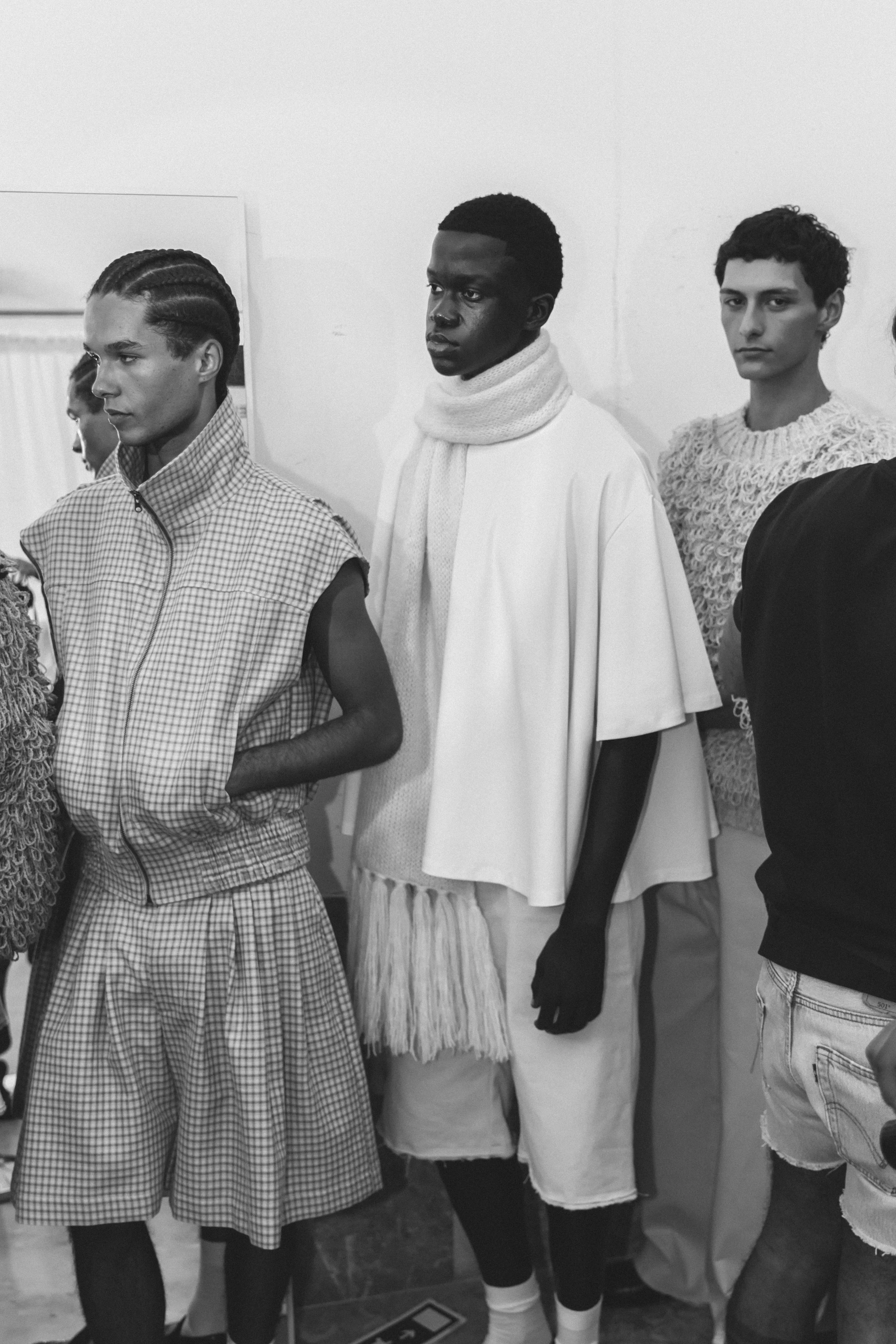
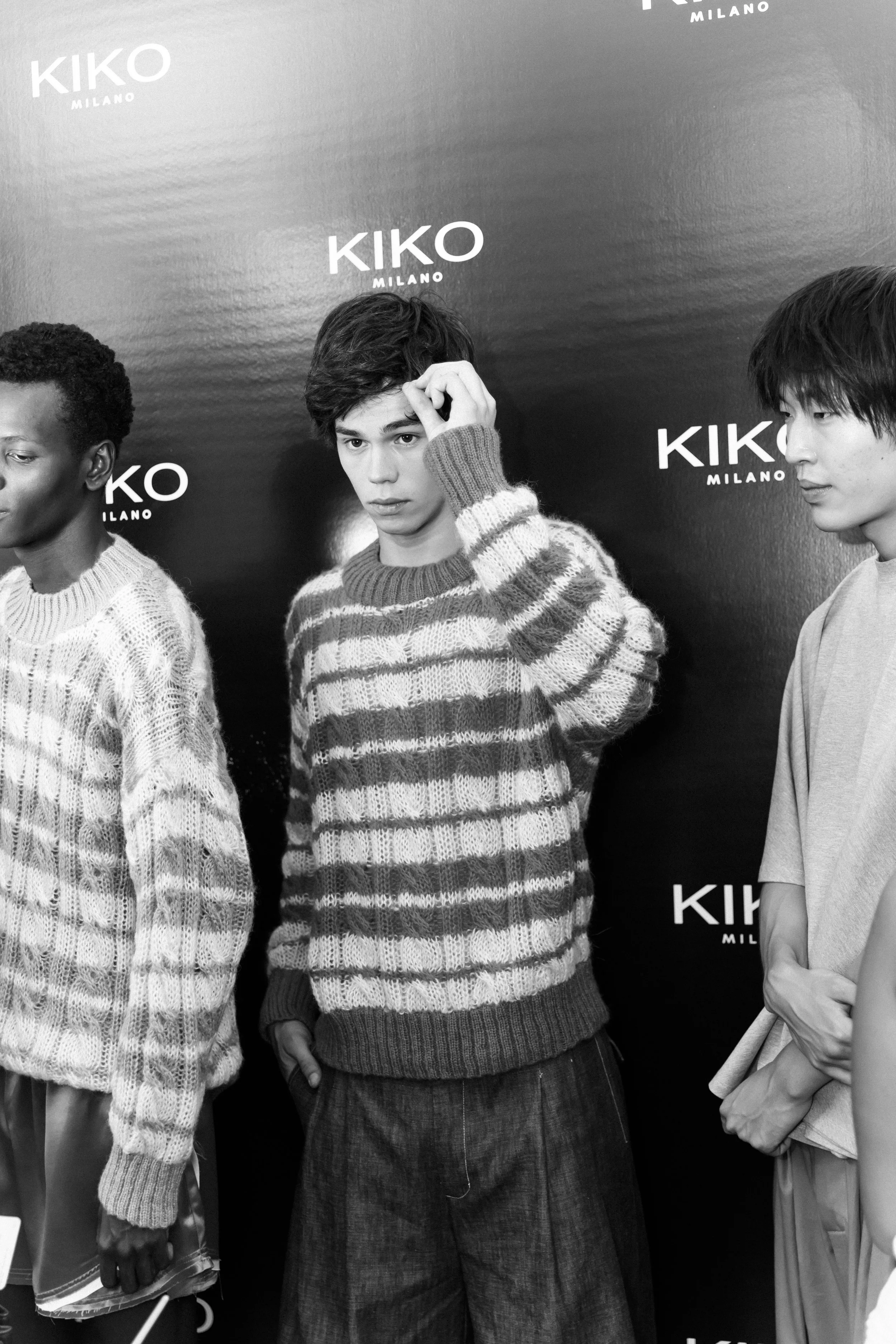
2B brought forward colourful velvet suits, alongside ostrich feather and faux fur outerwear. Çal Pfungst’s looks read like paintings, while Mestre Studio brought back childlike patterns that felt vibrant and warm. Prints followed the same playful logic. Checks appeared everywhere, from tartan to gingham, with interesting scale plays between the two, and stripes were never far behind. Ariana Orrico handled both with an unapologetic, youthful attitude, styling her garments with football boots and socks.
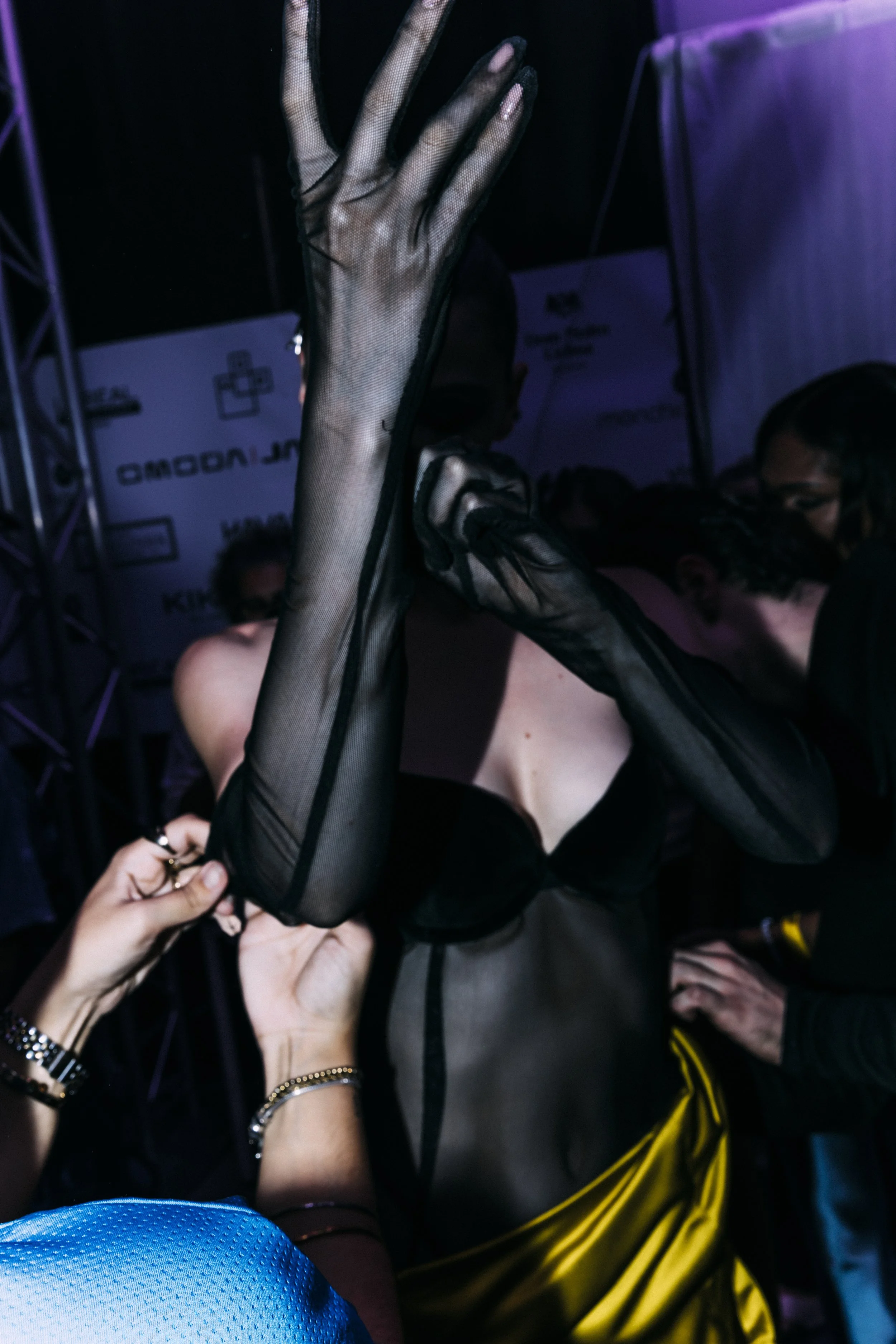
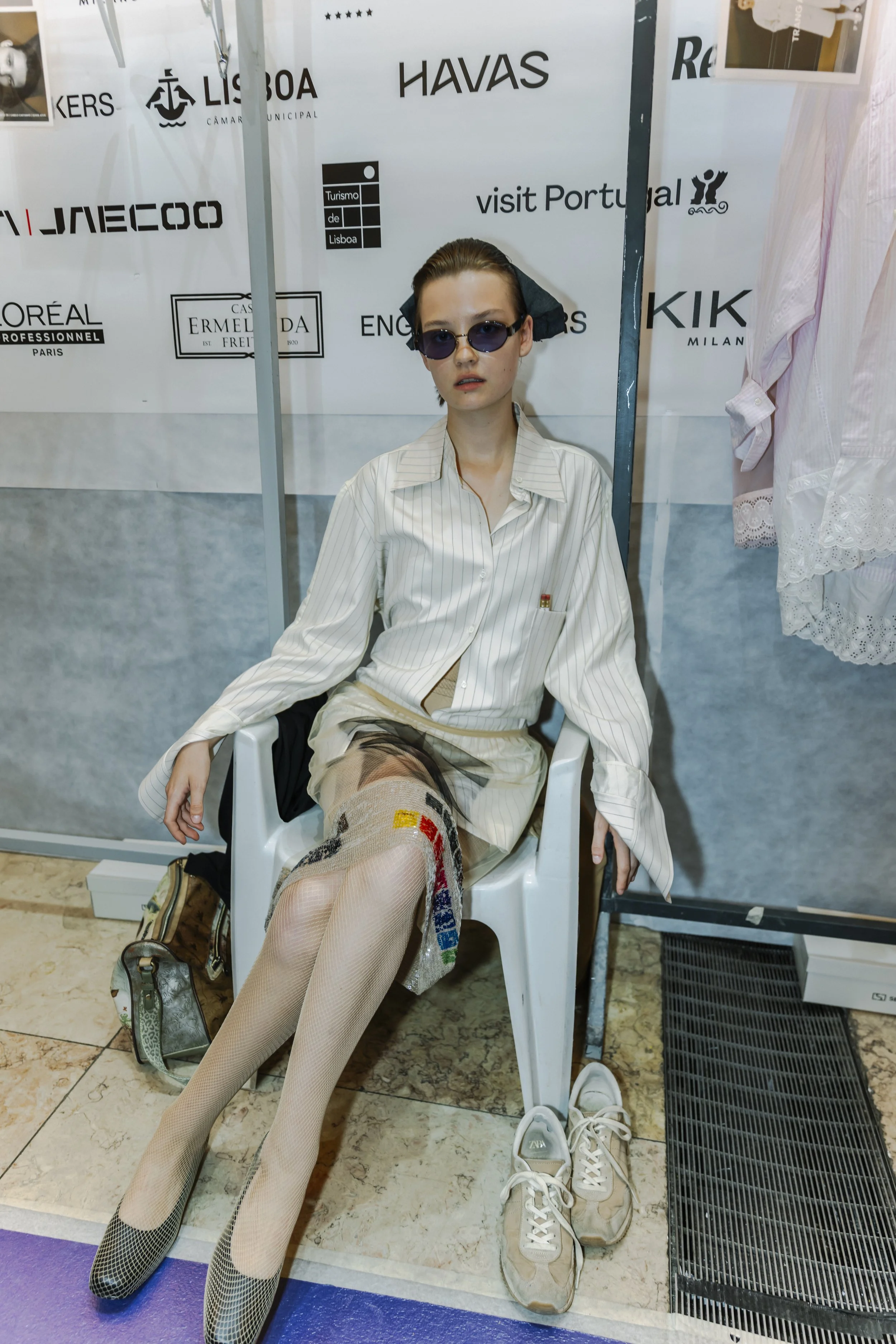
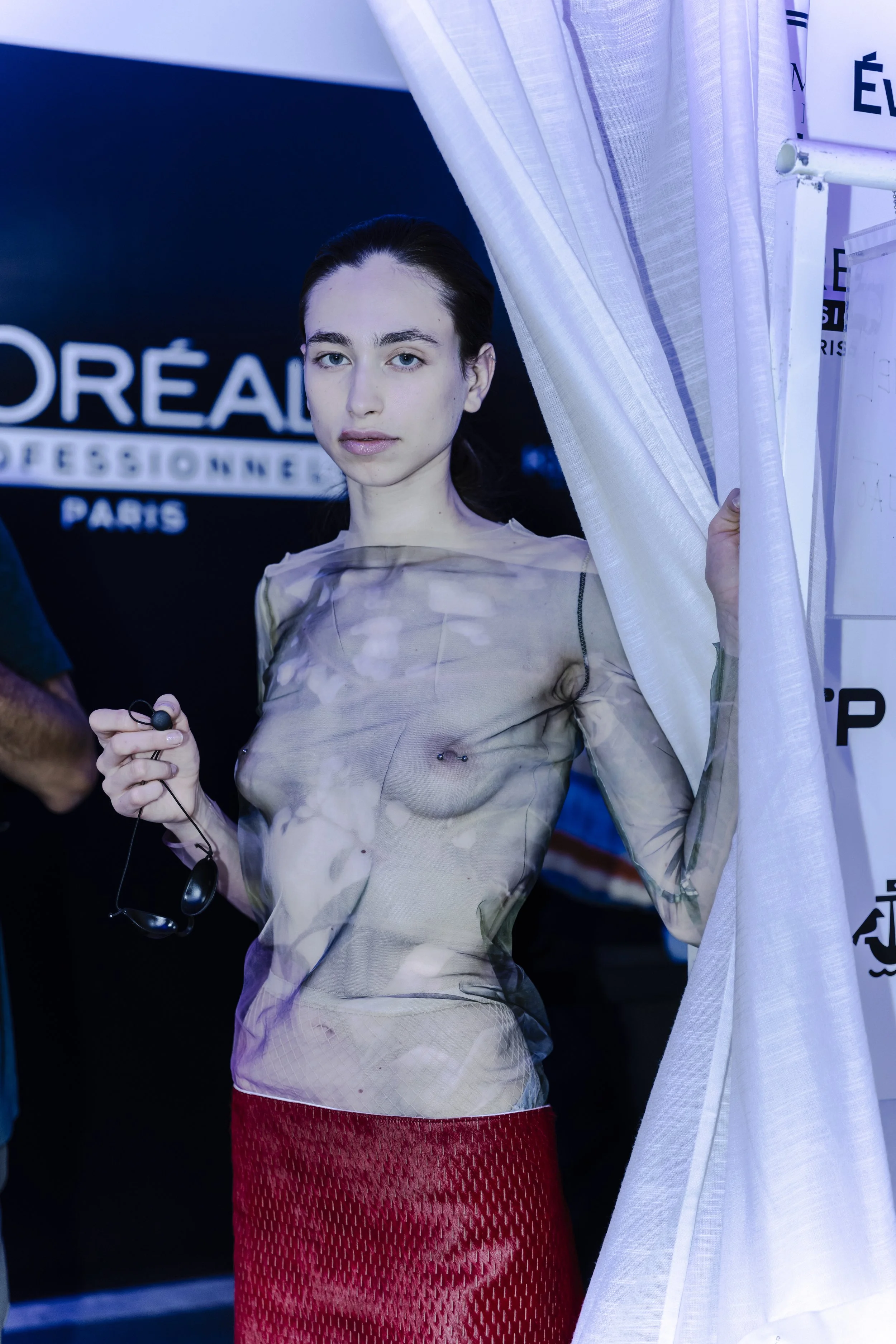
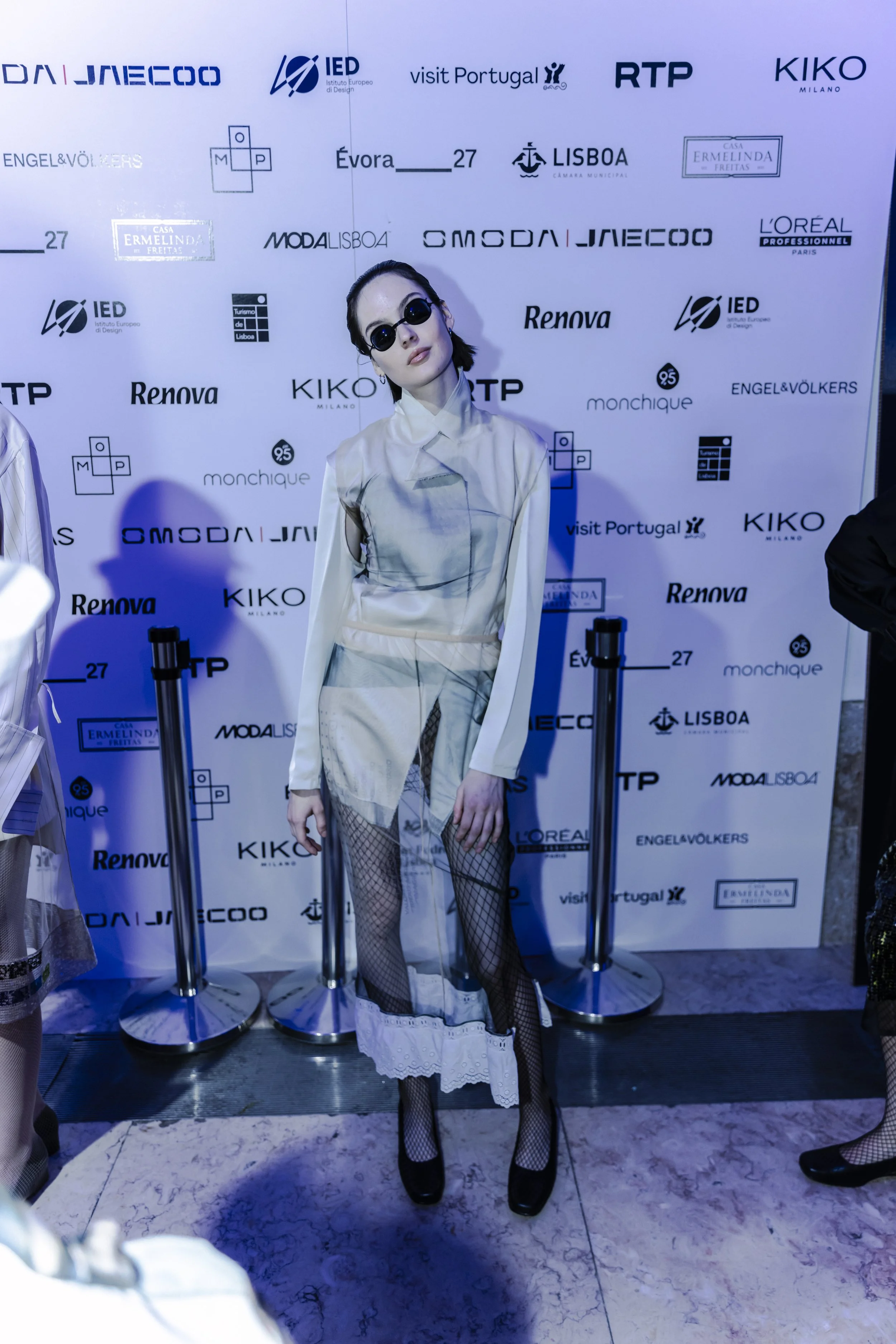
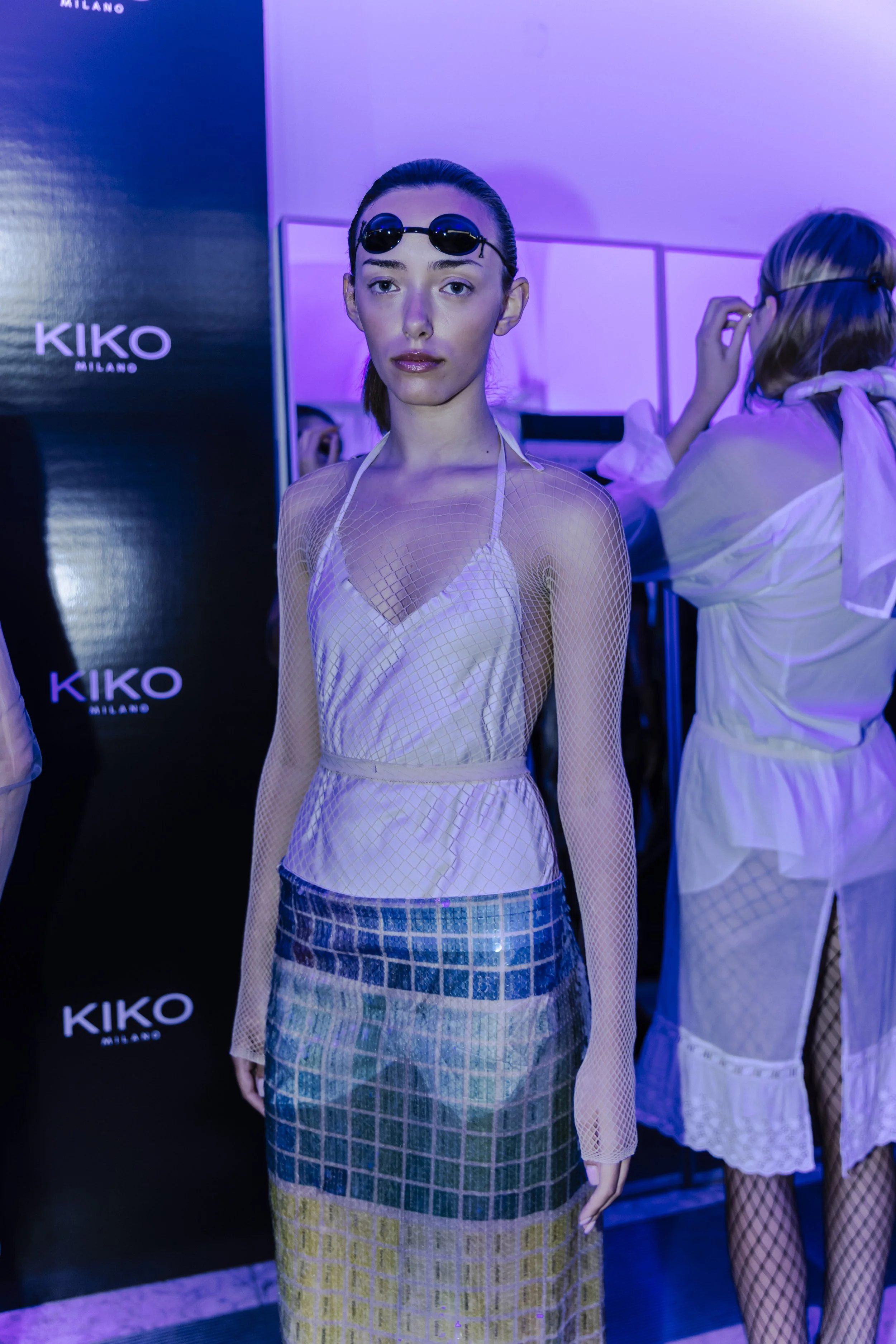
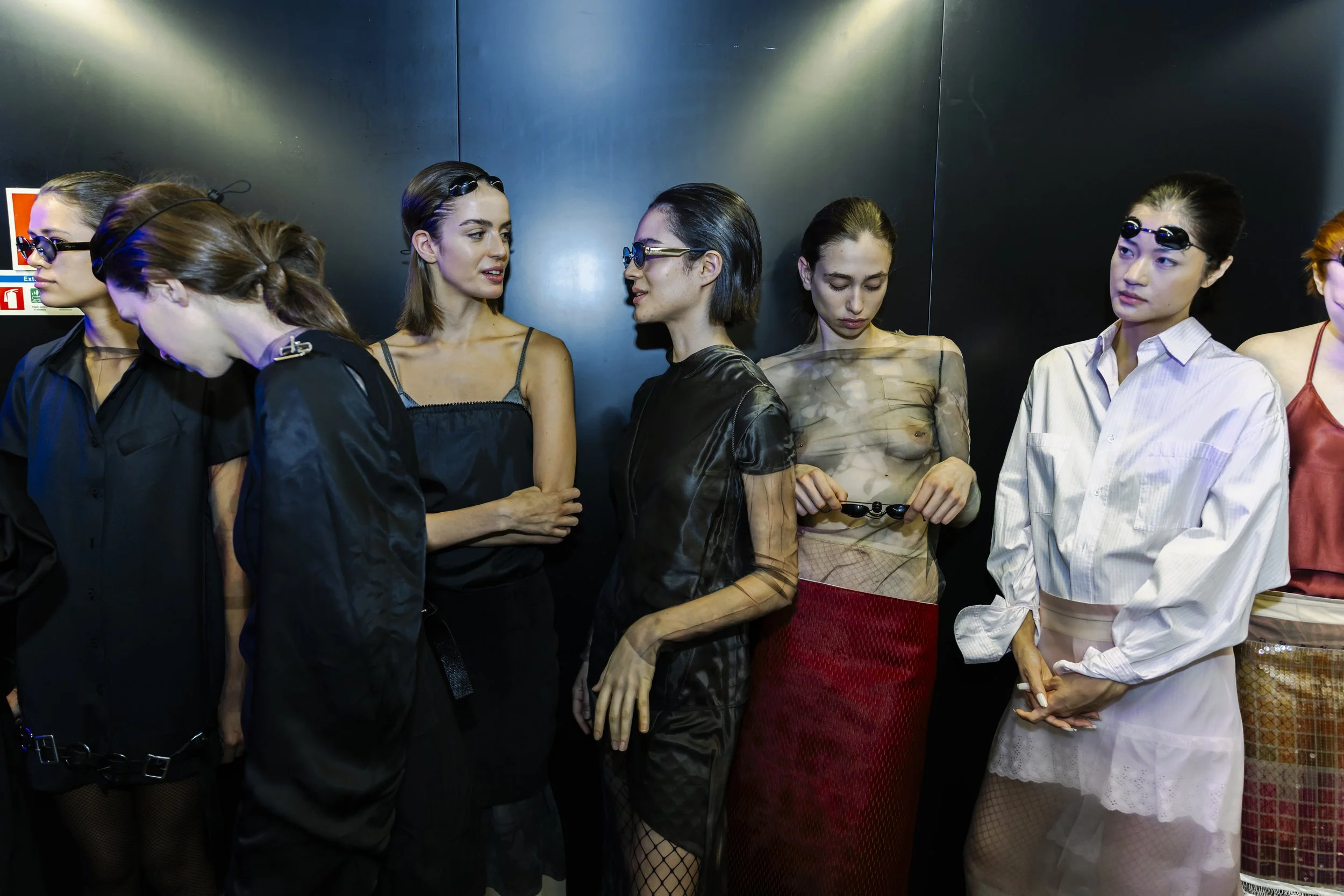
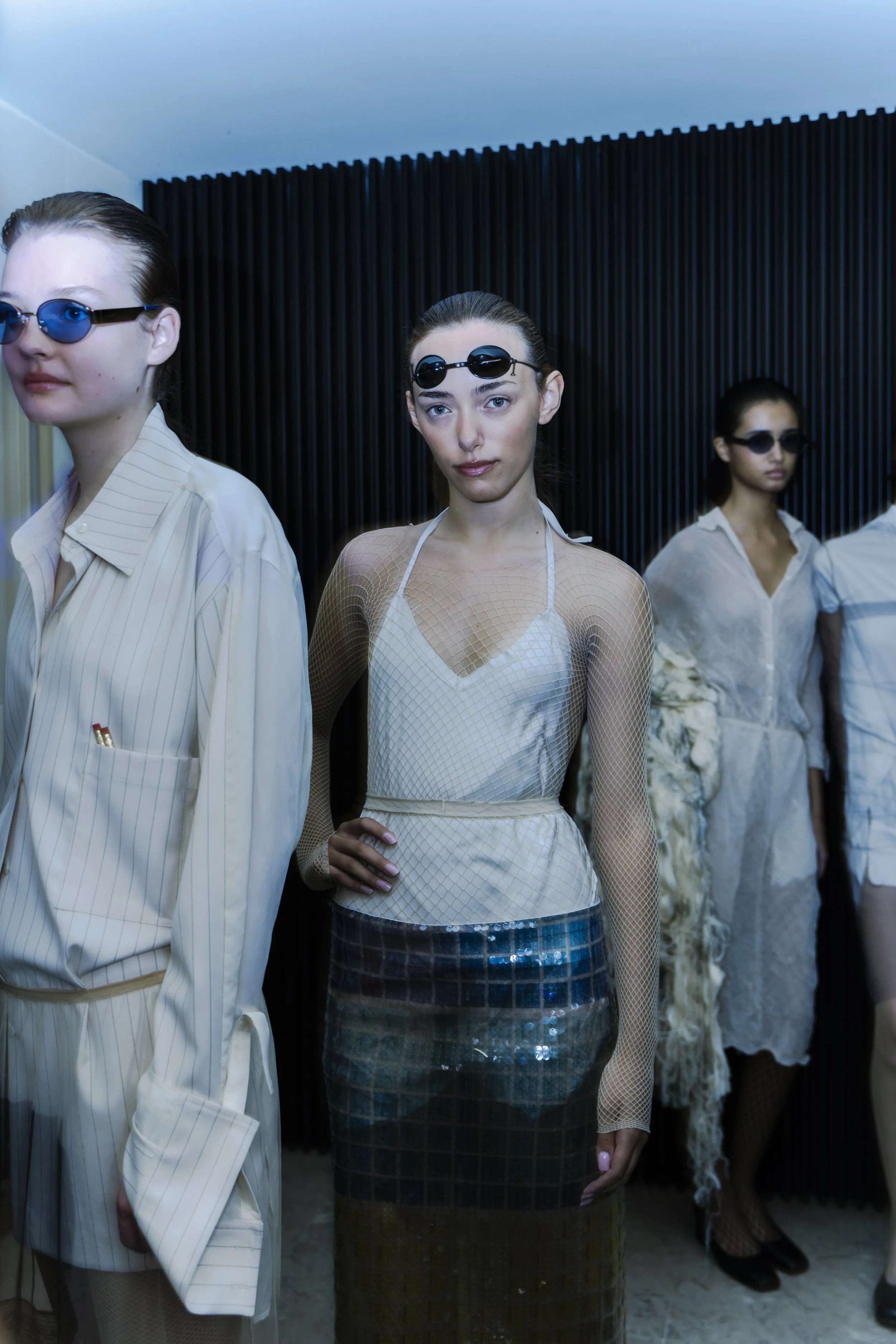
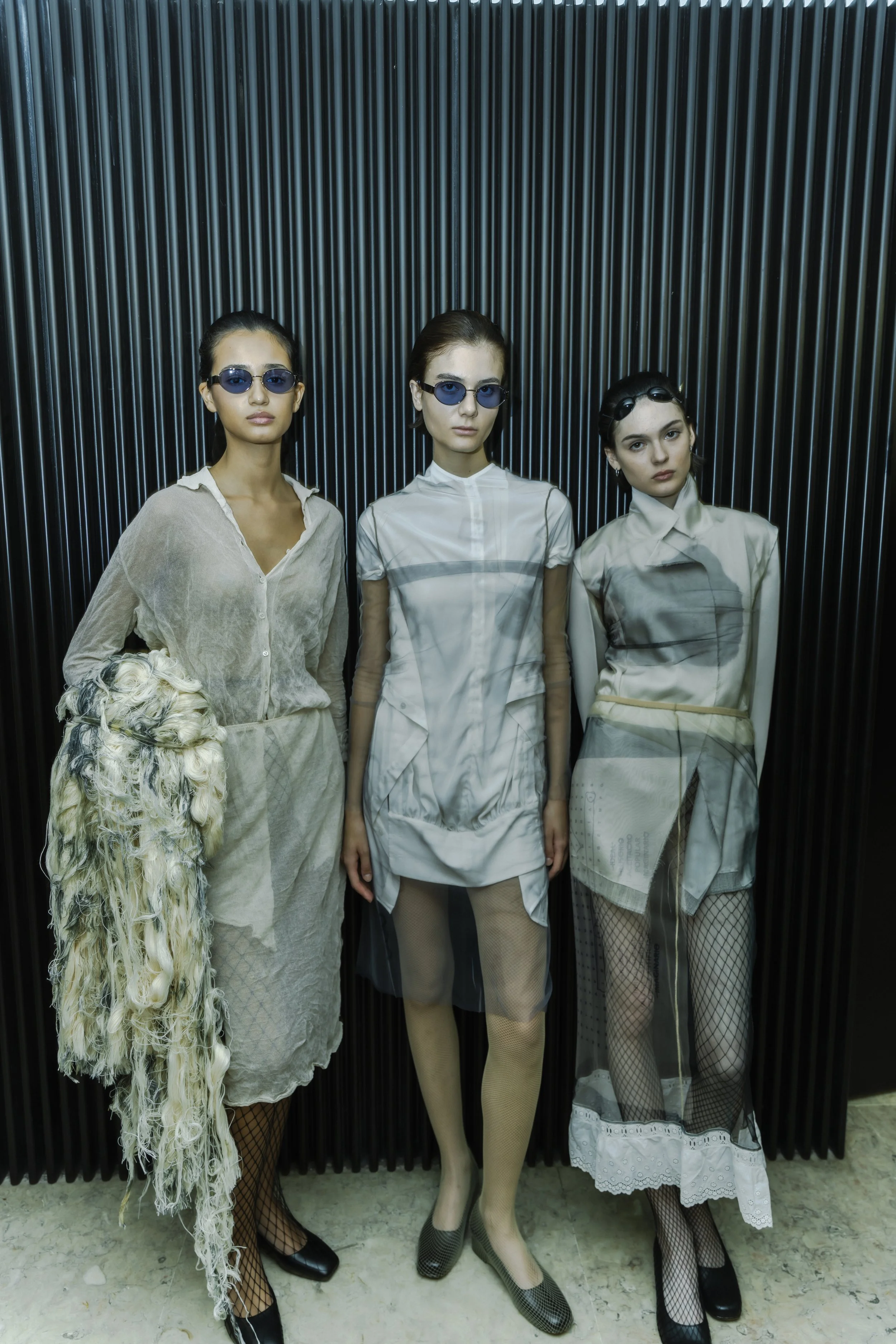
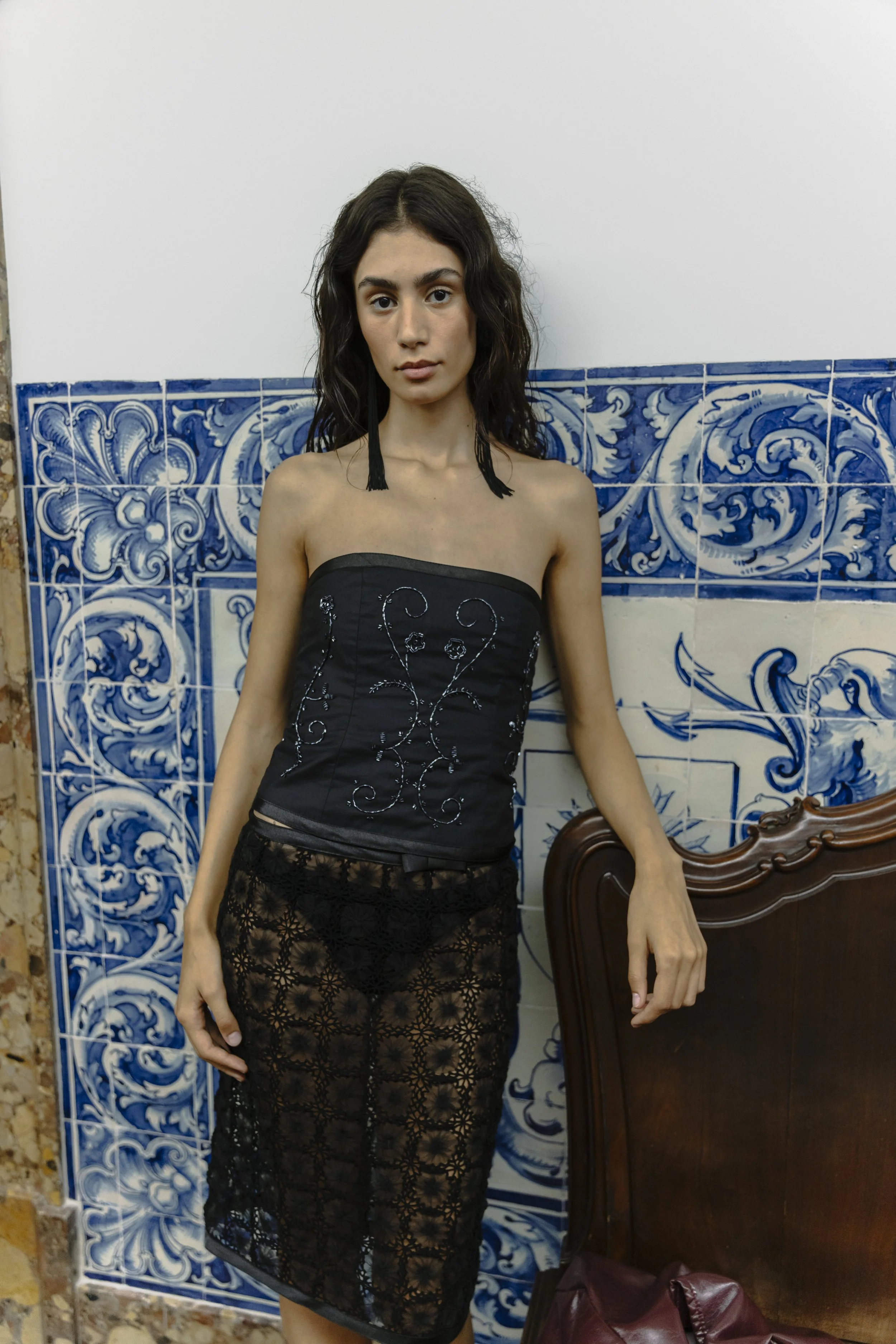
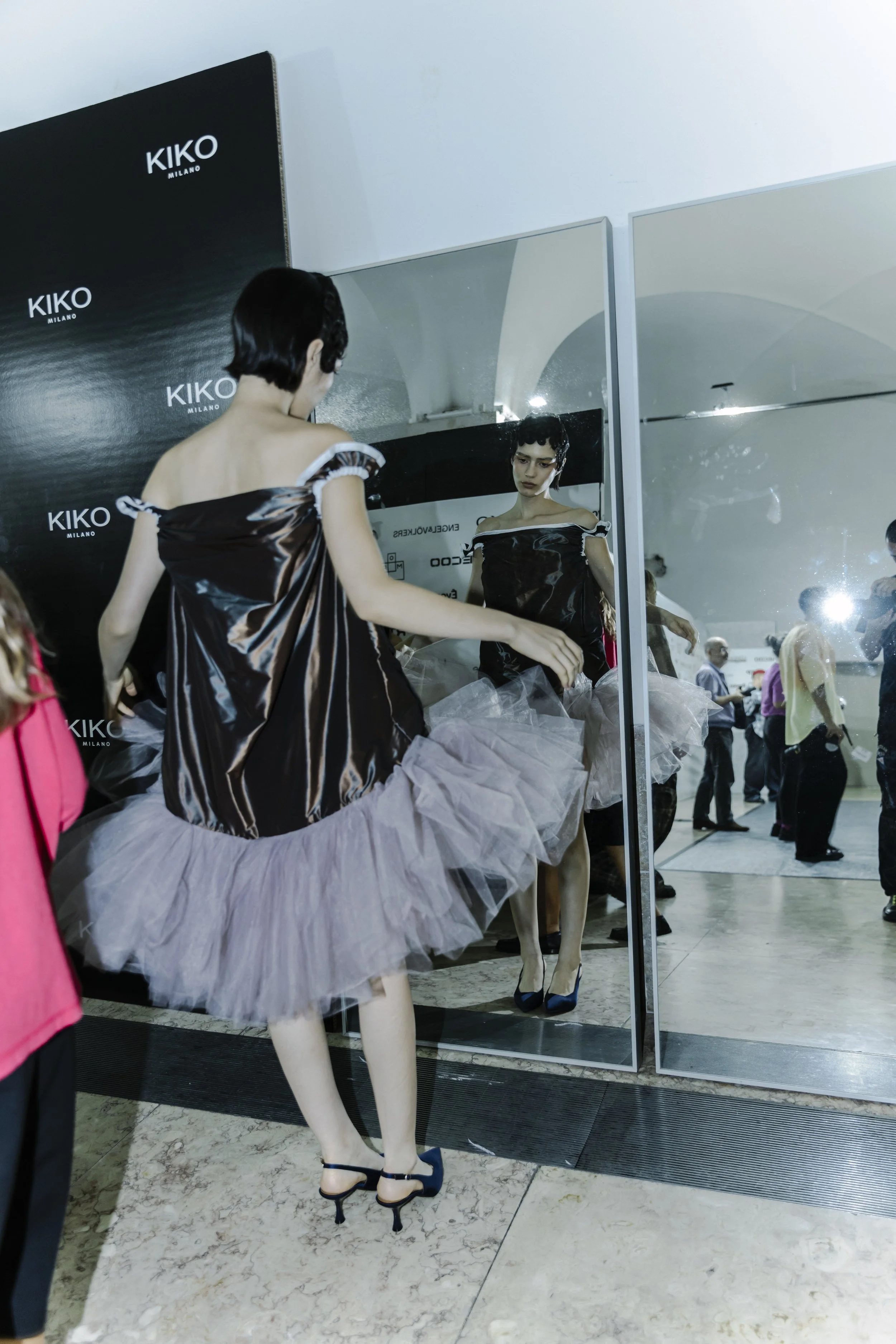
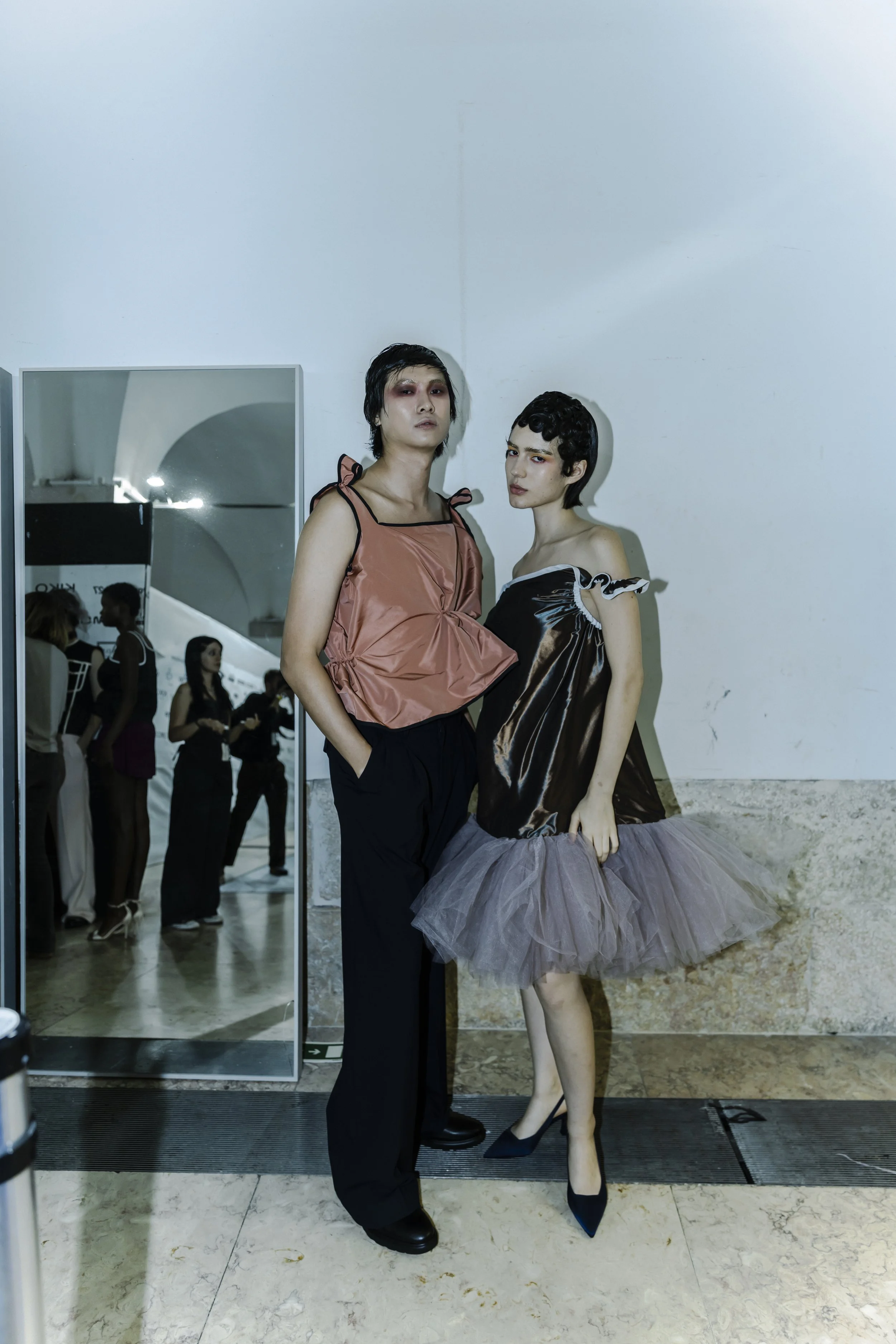
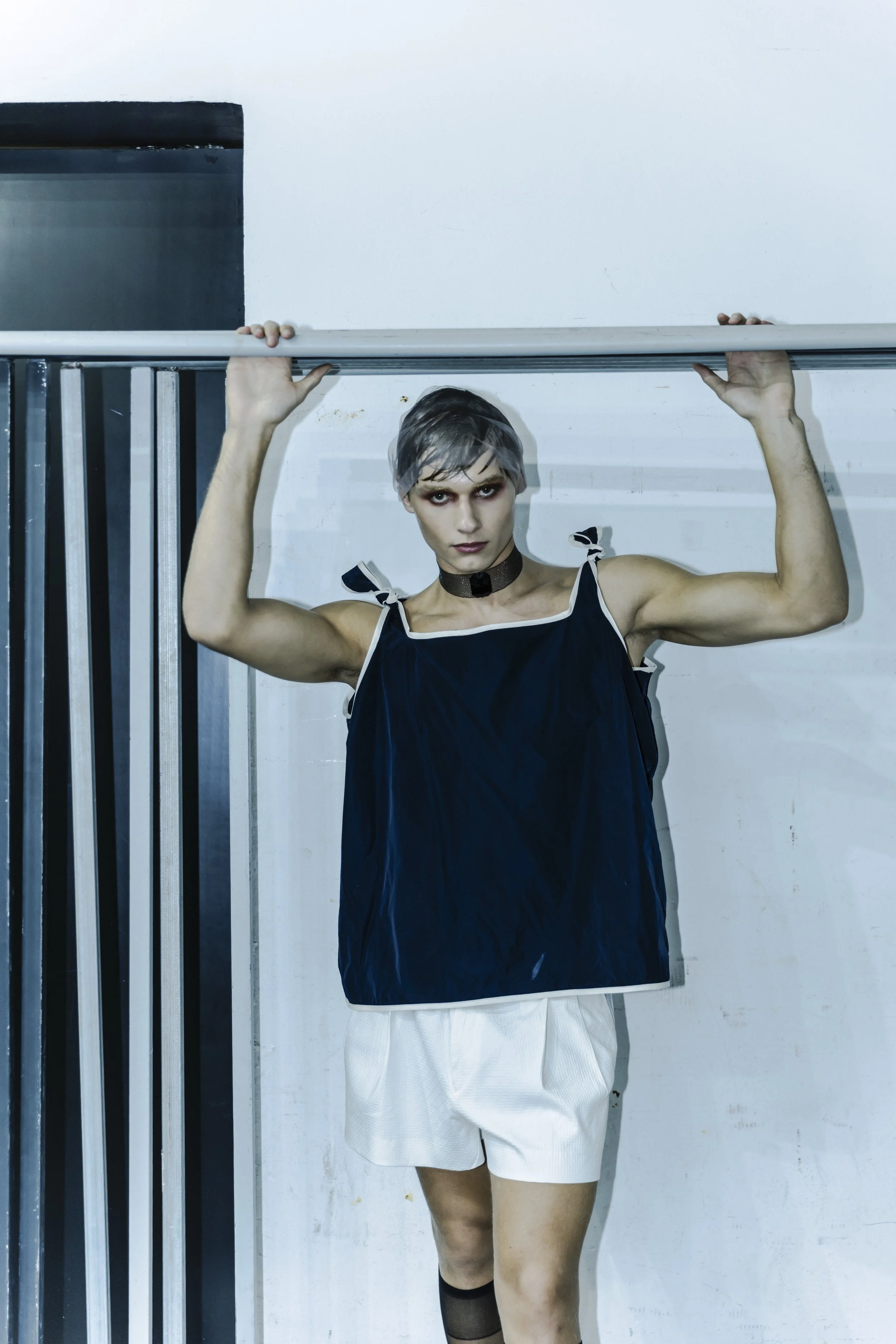
The recurring energy was playful and contemporary, yet never careless. Elegance was stitched into streetwear: sporty silhouettes, asymmetry and stripes, all delivered with polish. KOLOVRAT mixed urban culture with traditional craftsmanship, while Dino Alves played with tulle, ruffles and shine. Several designers also played with perception. Trompe-l’œil surfaced across the collections, most memorably at ARNDES, where lattice sleeves looked like a glitch in the air and a pencil skirt mimicked Portugal’s famous azulejo tiles. Identity was just as fluid as the illusions. Gender fluidity ran through many of the most exciting brands, a beautiful mash of masculinity and femininity, with Bárbara Atanásio doing it best.
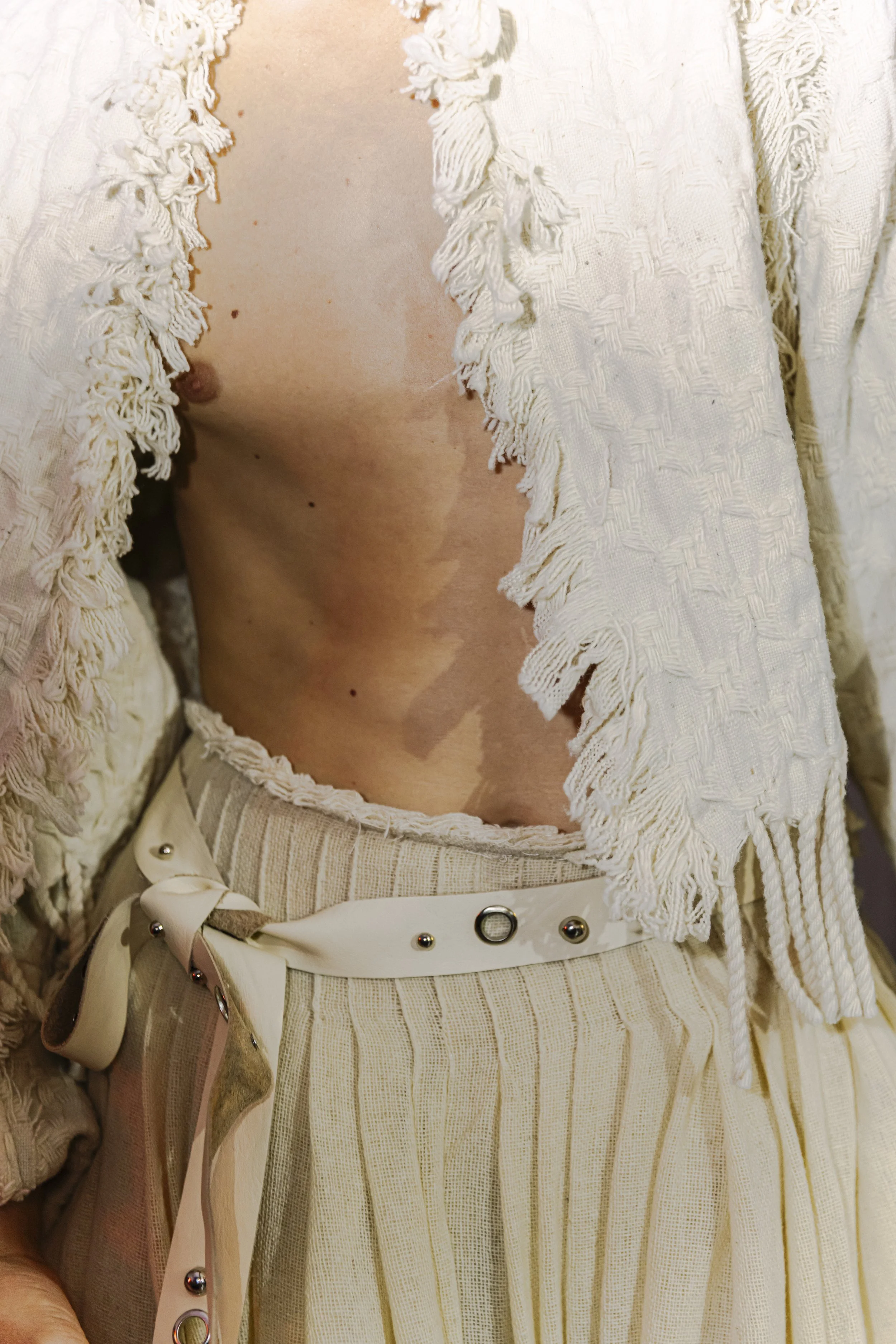
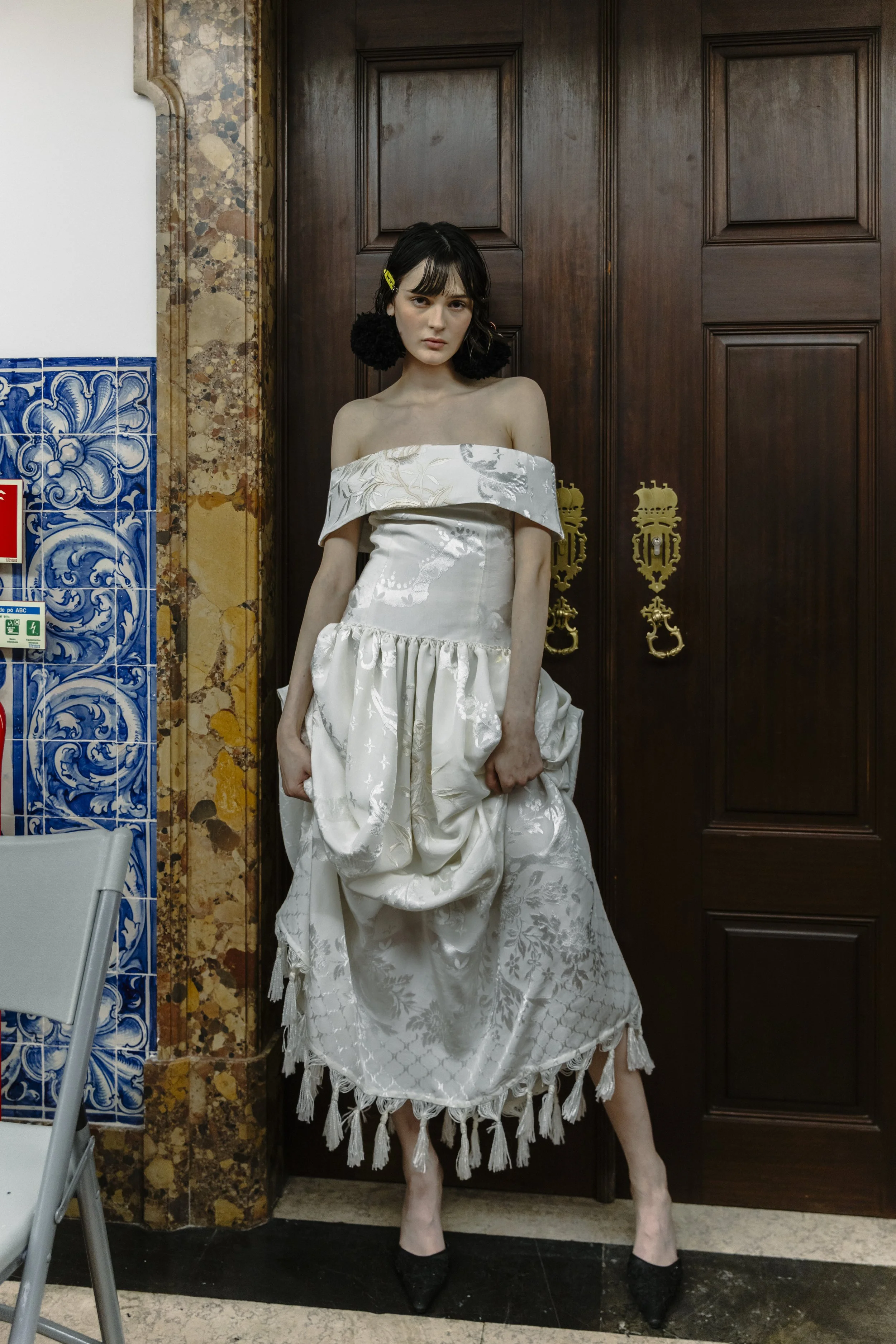
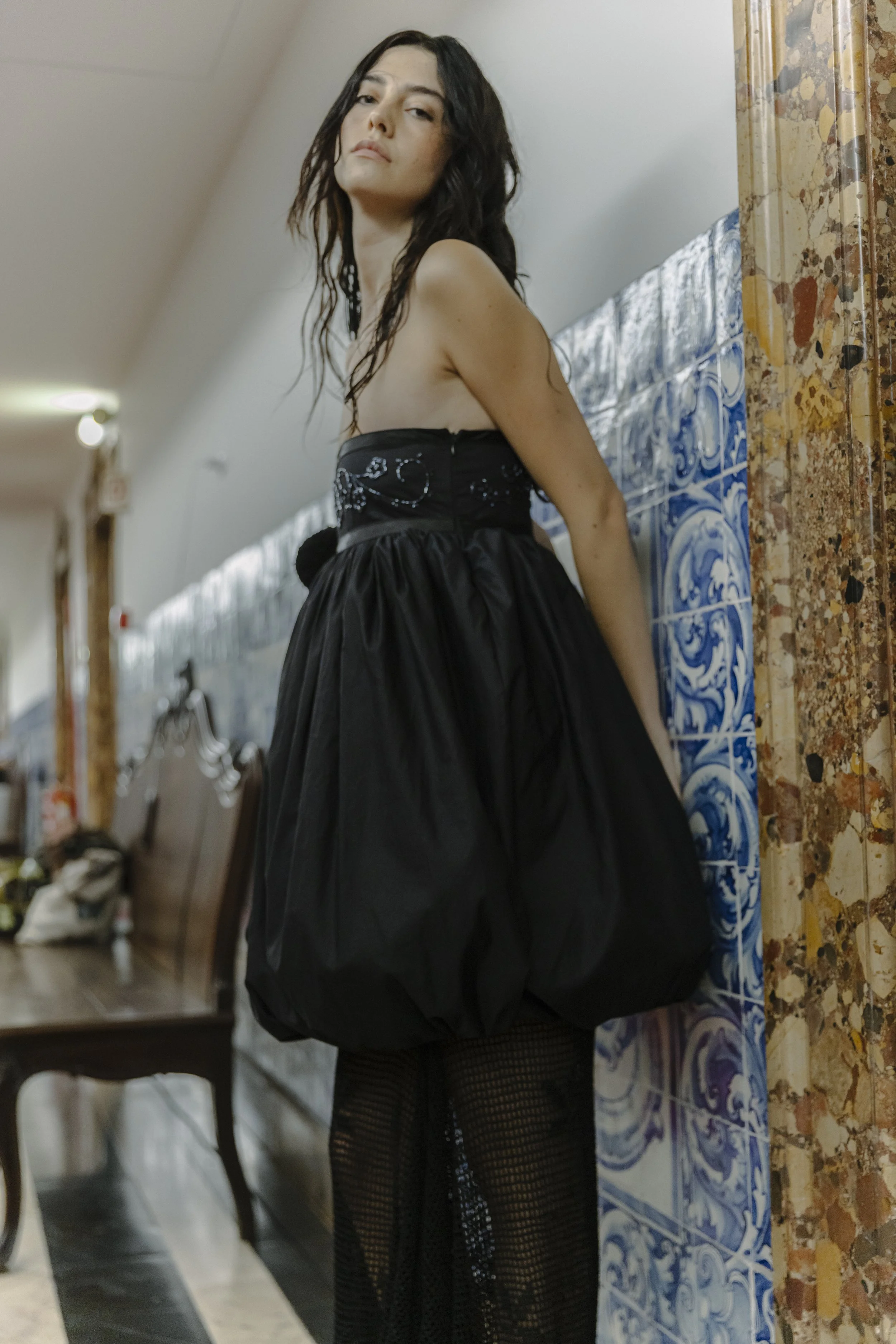
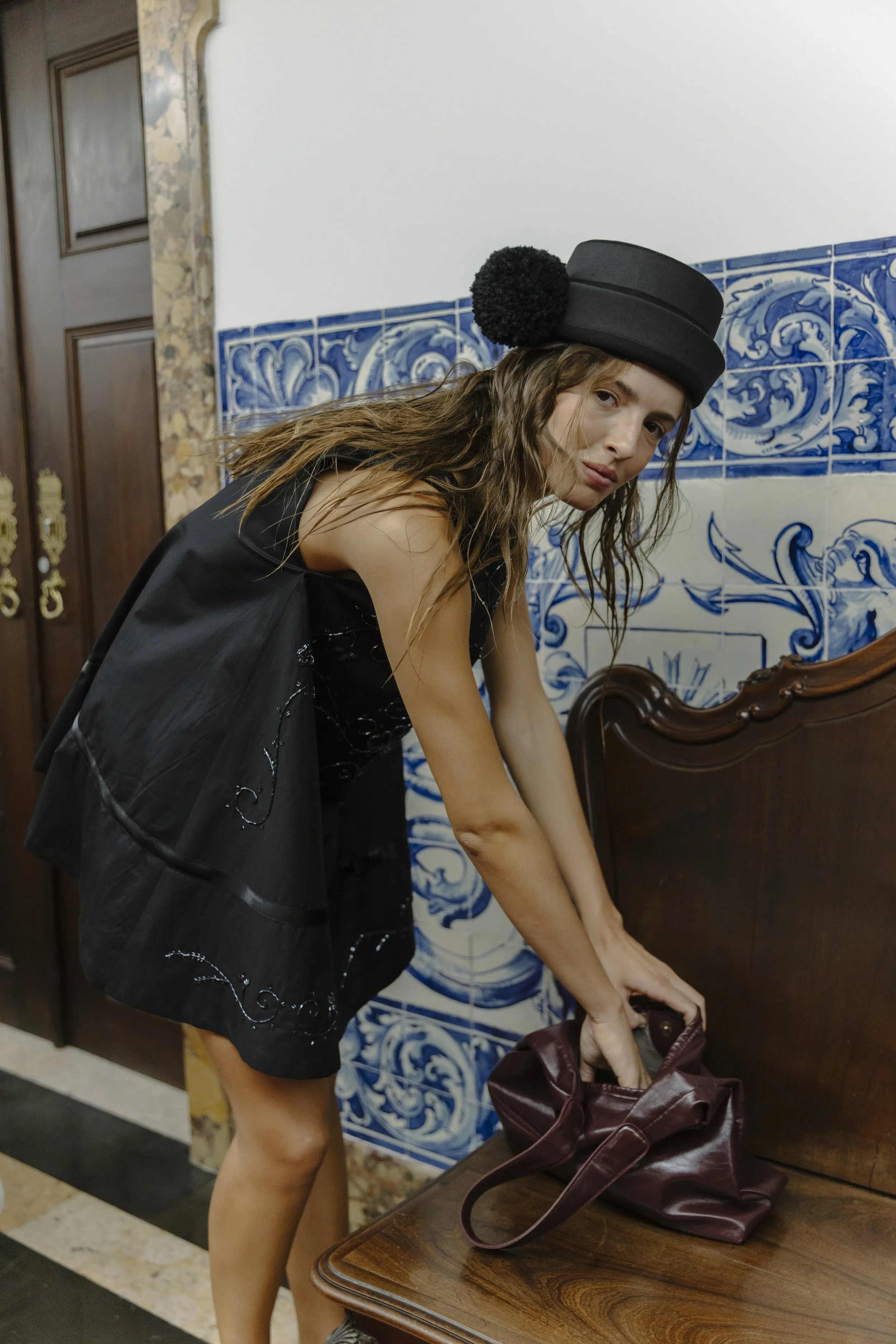
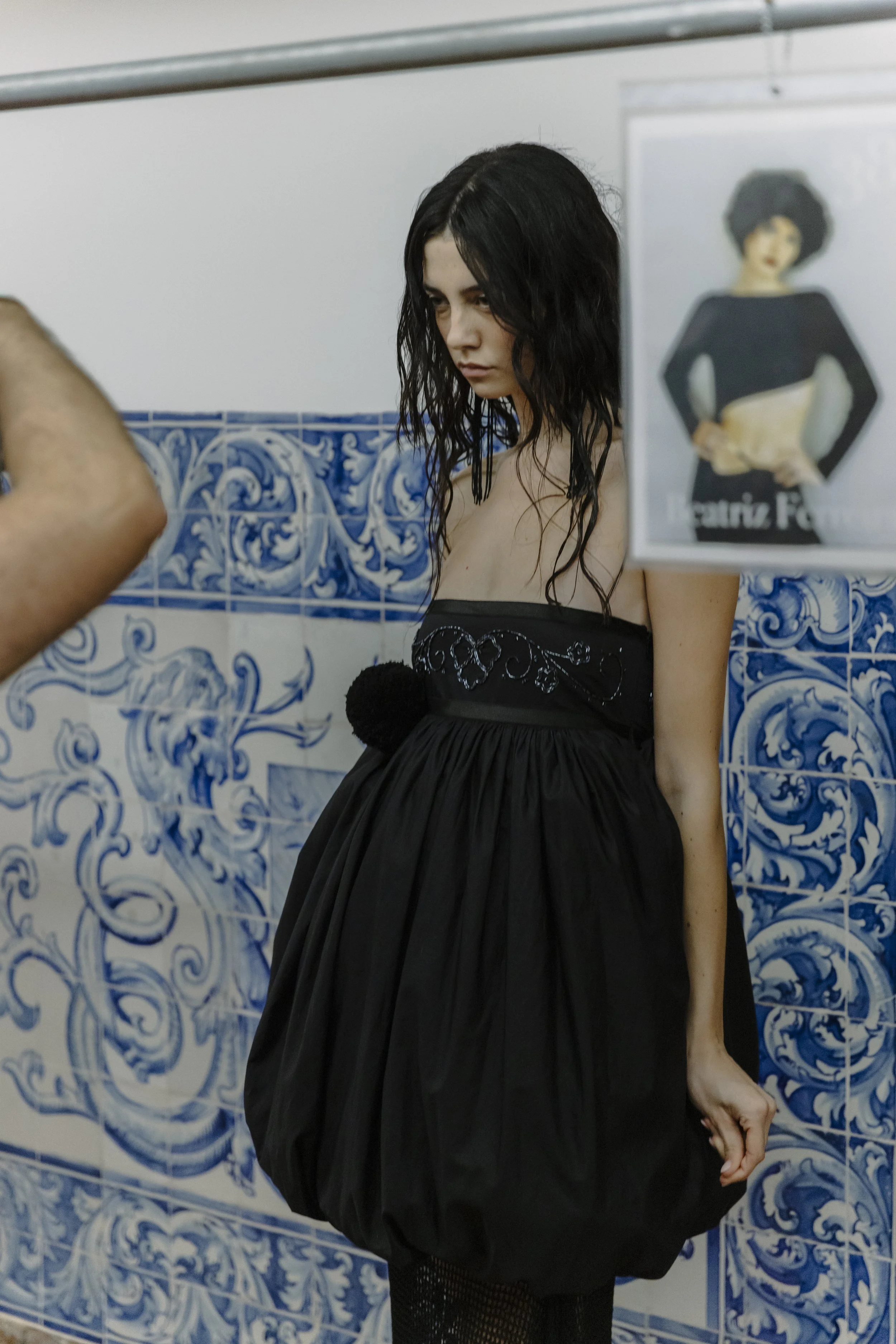
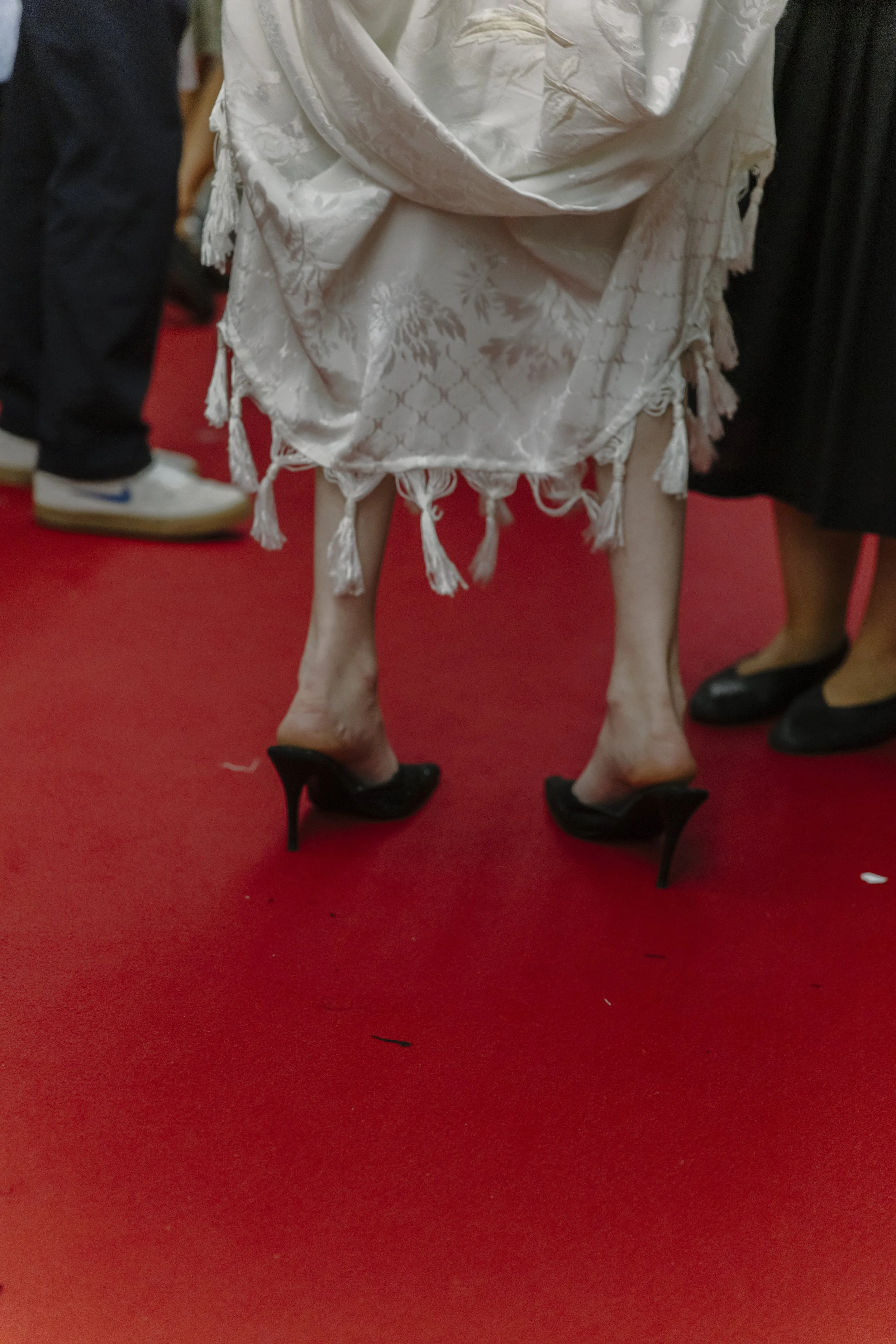
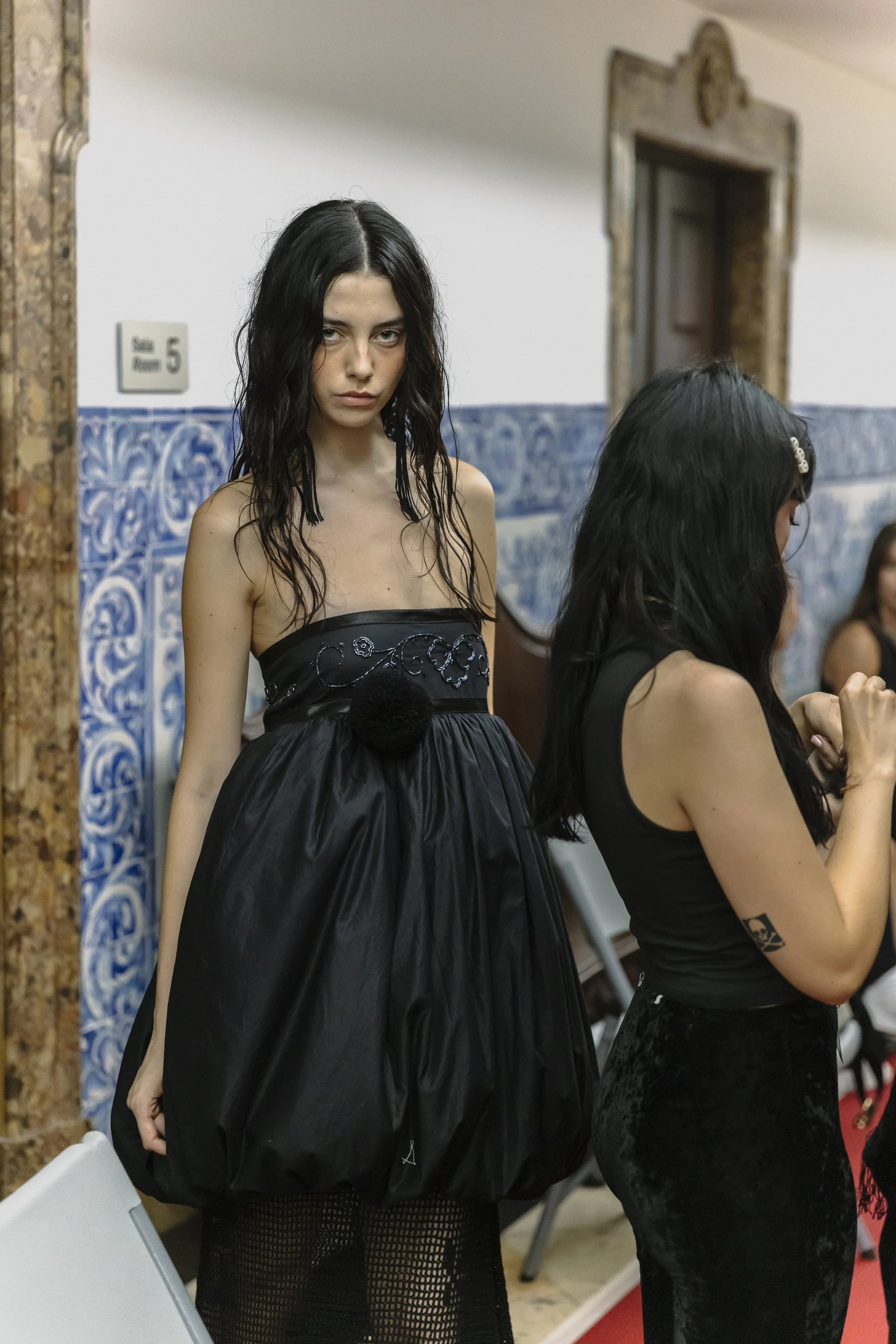
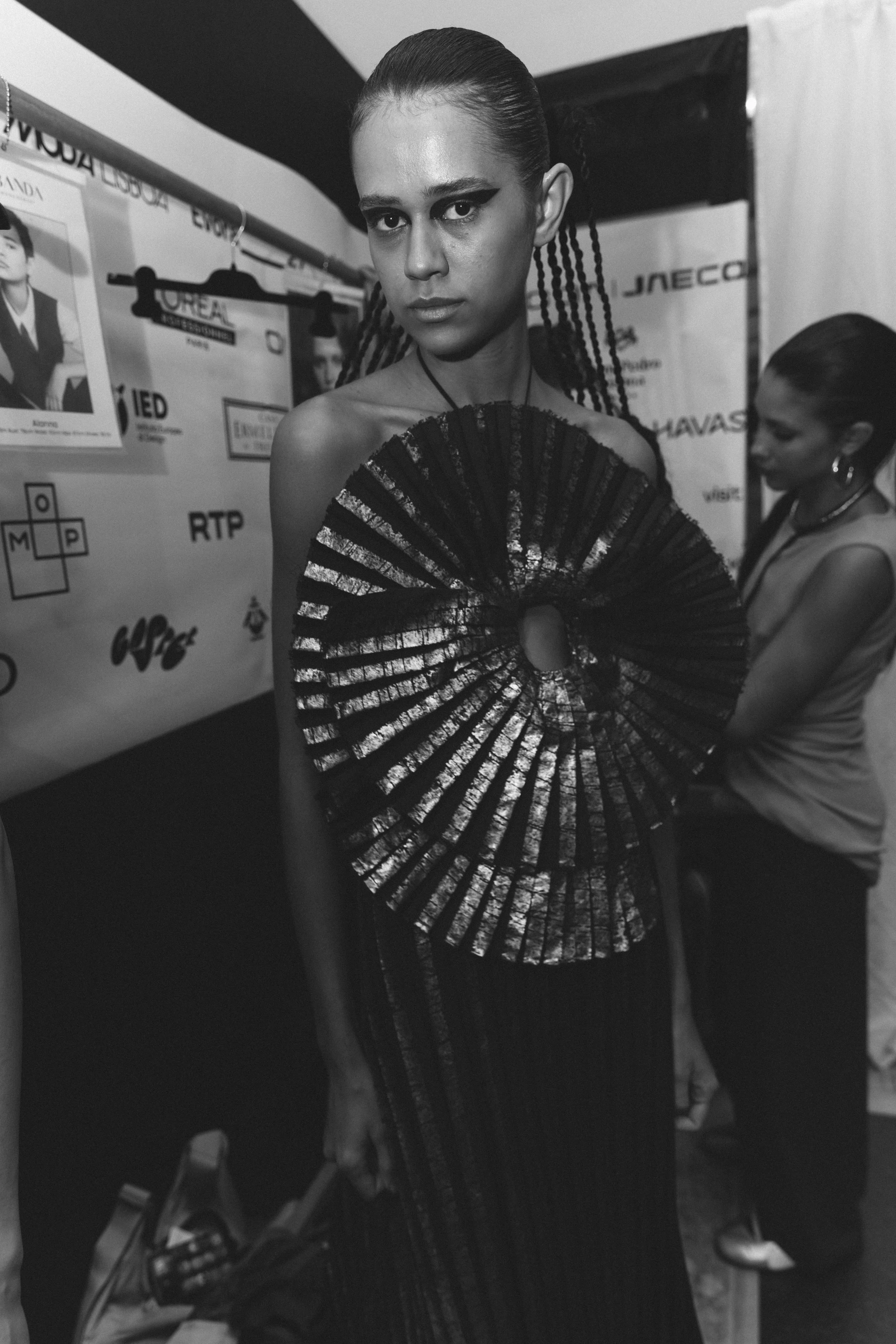
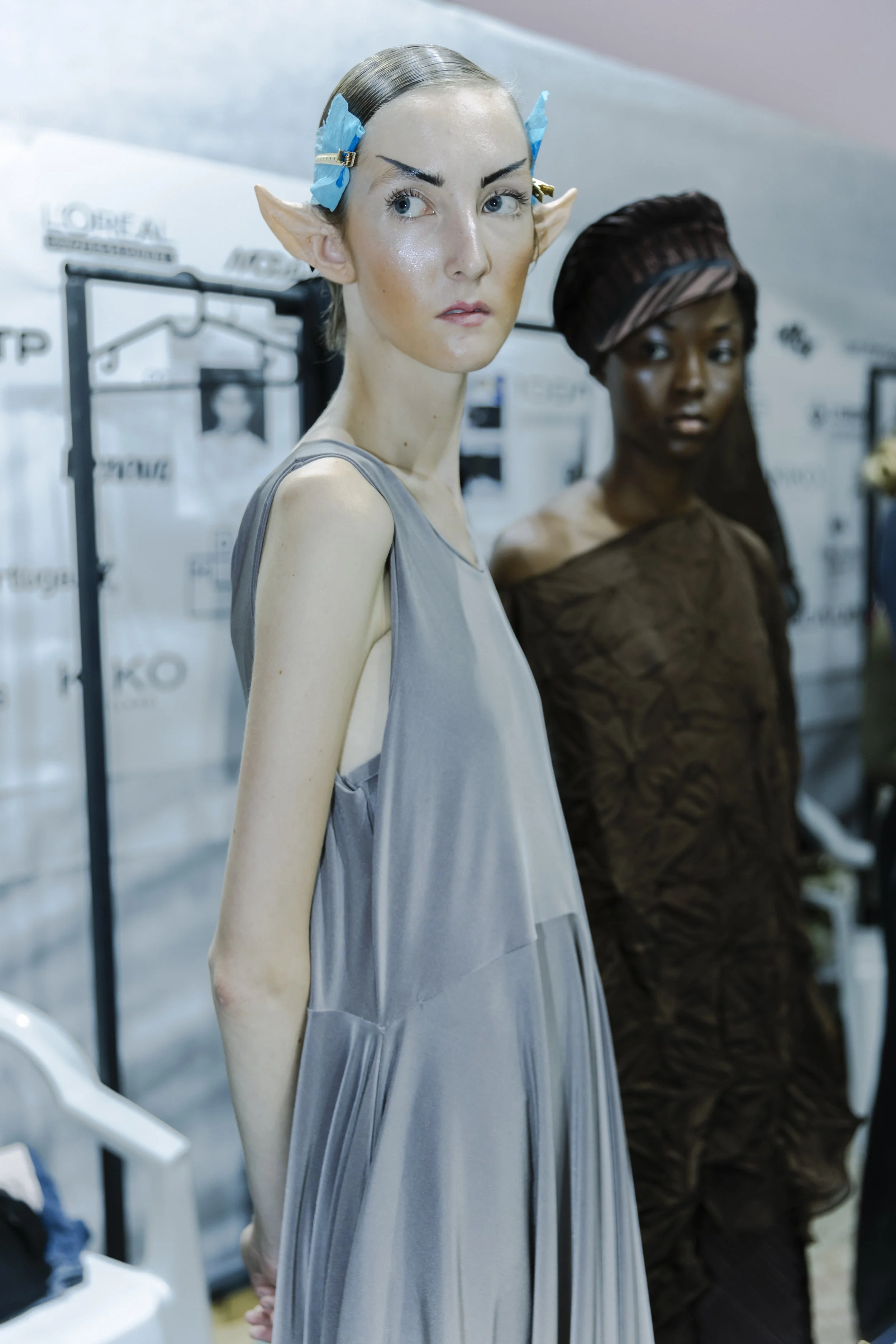
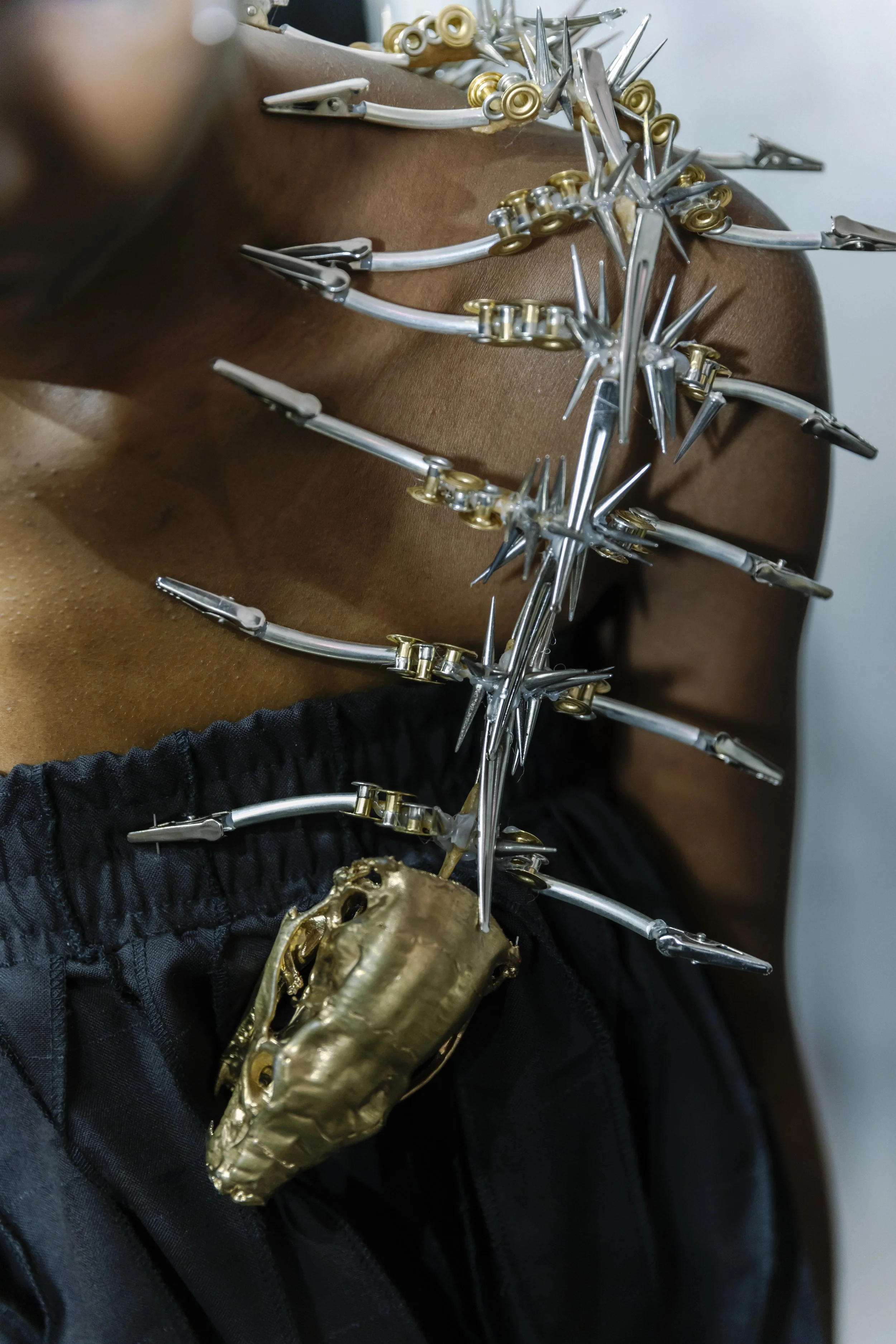
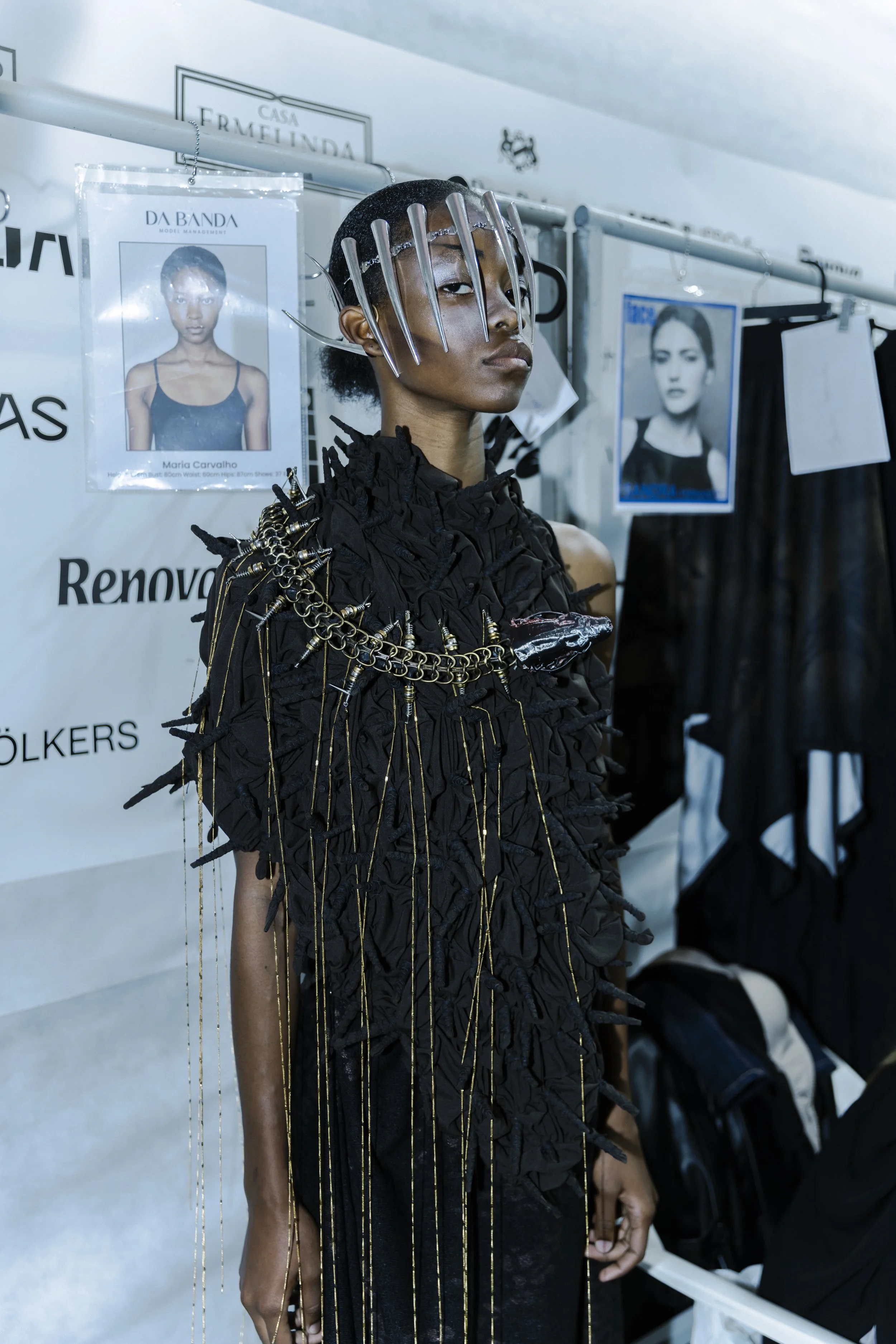
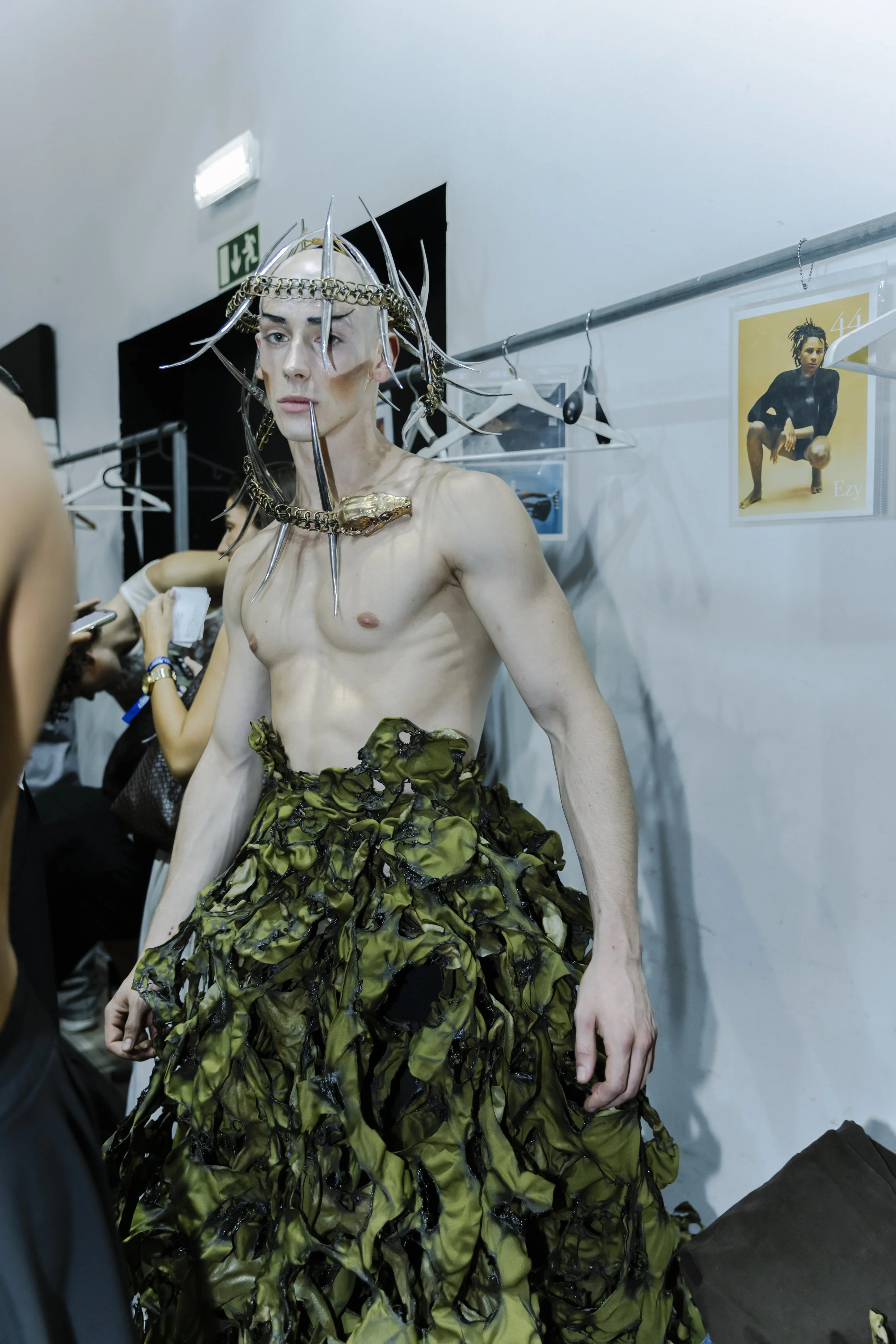
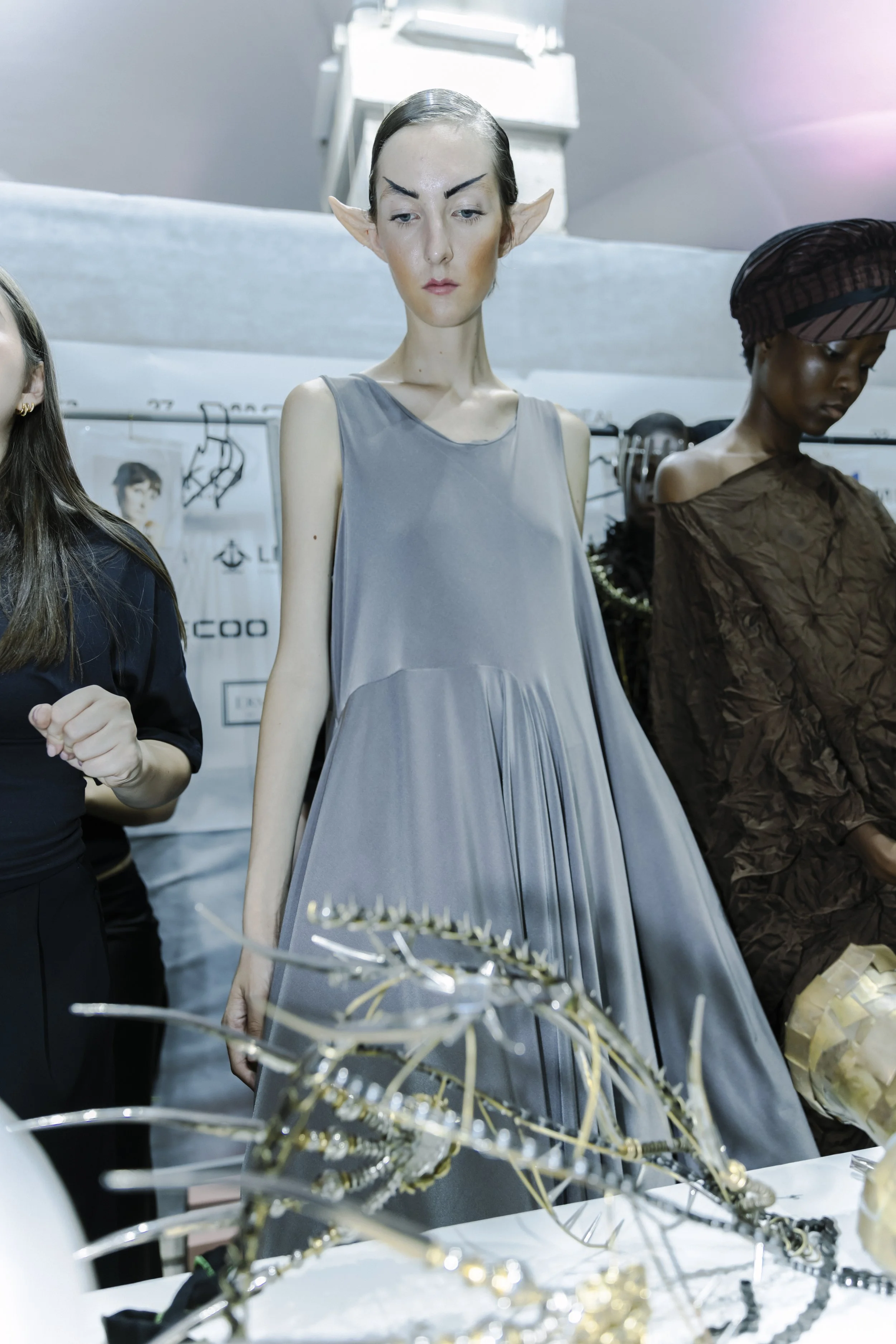
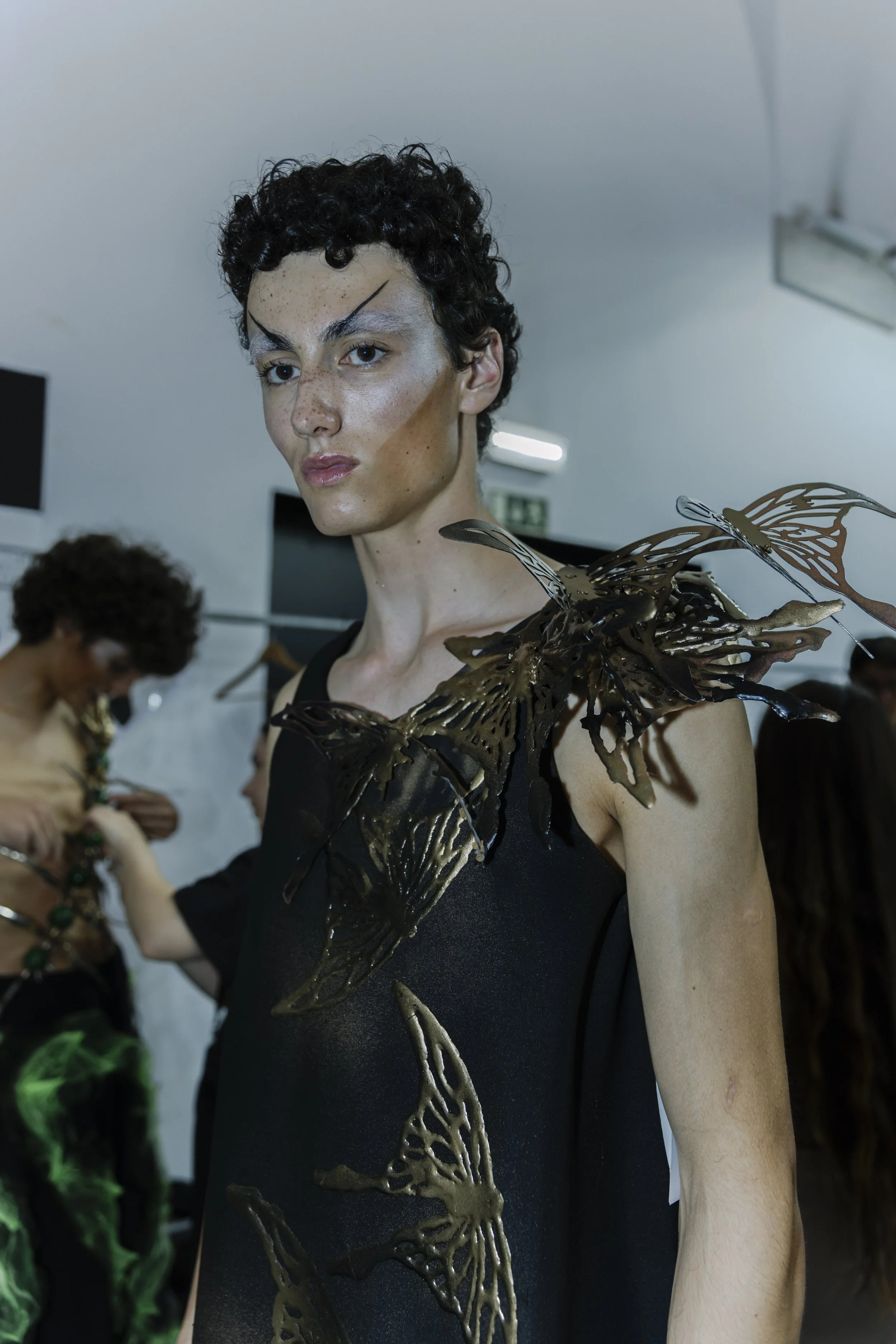
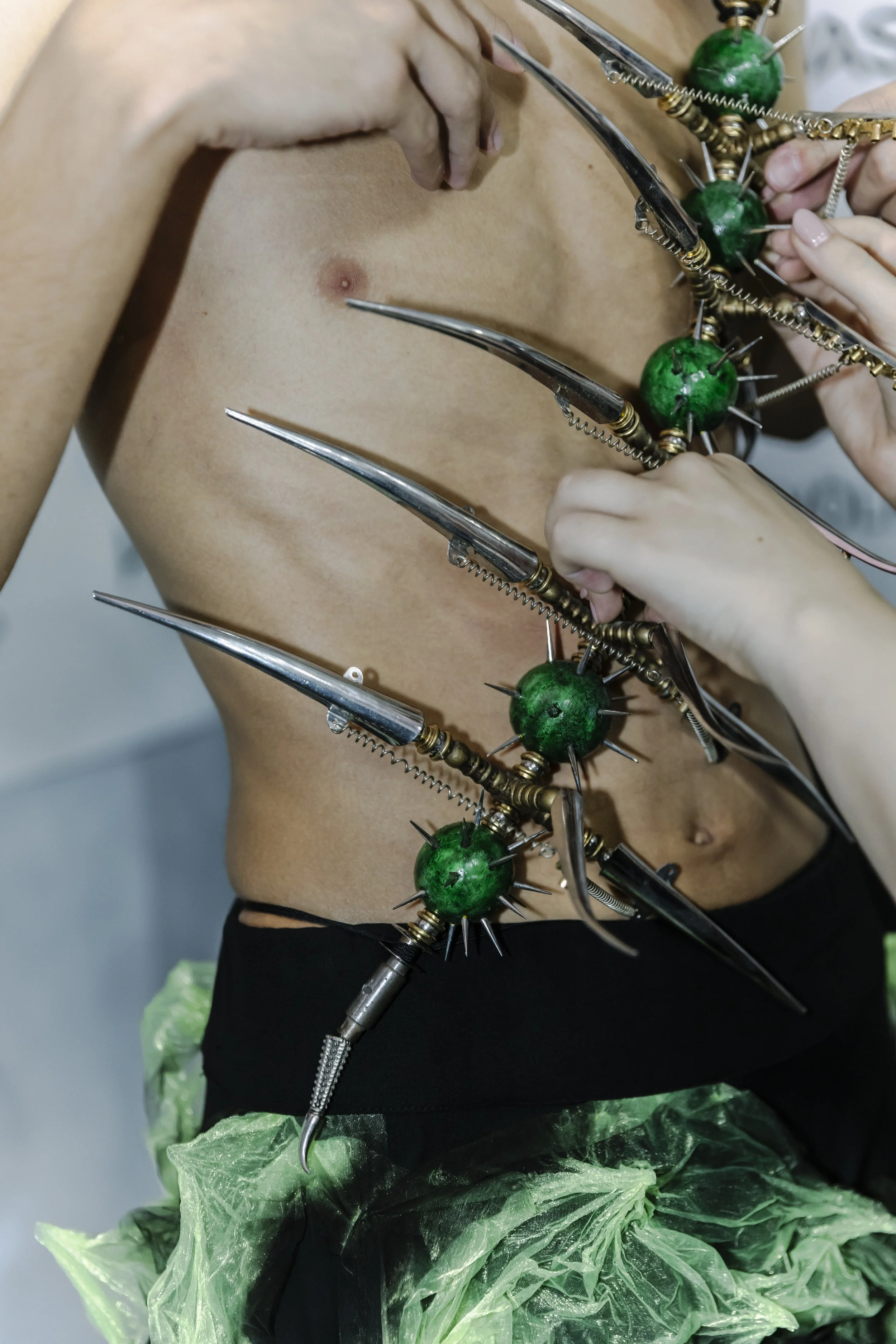
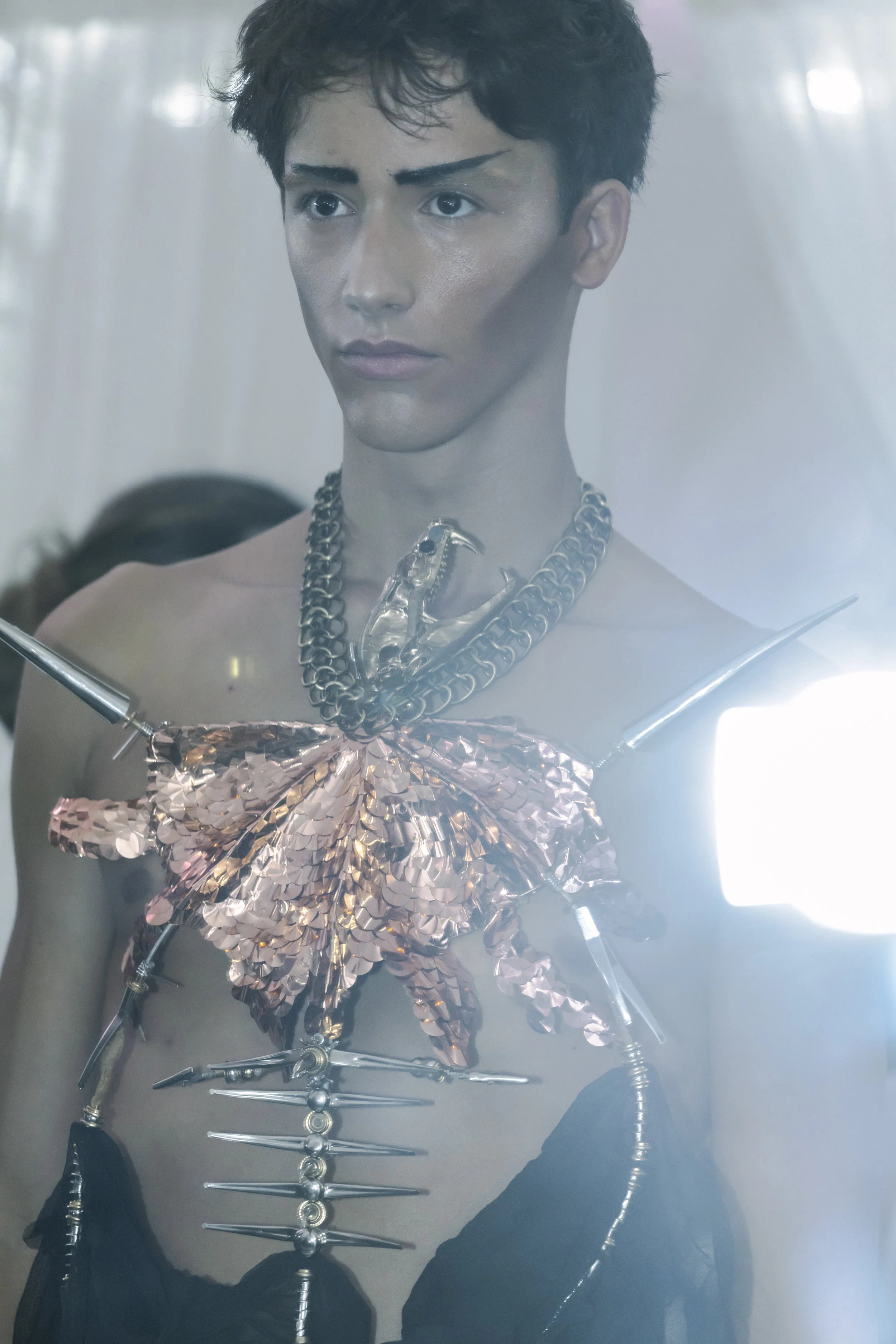
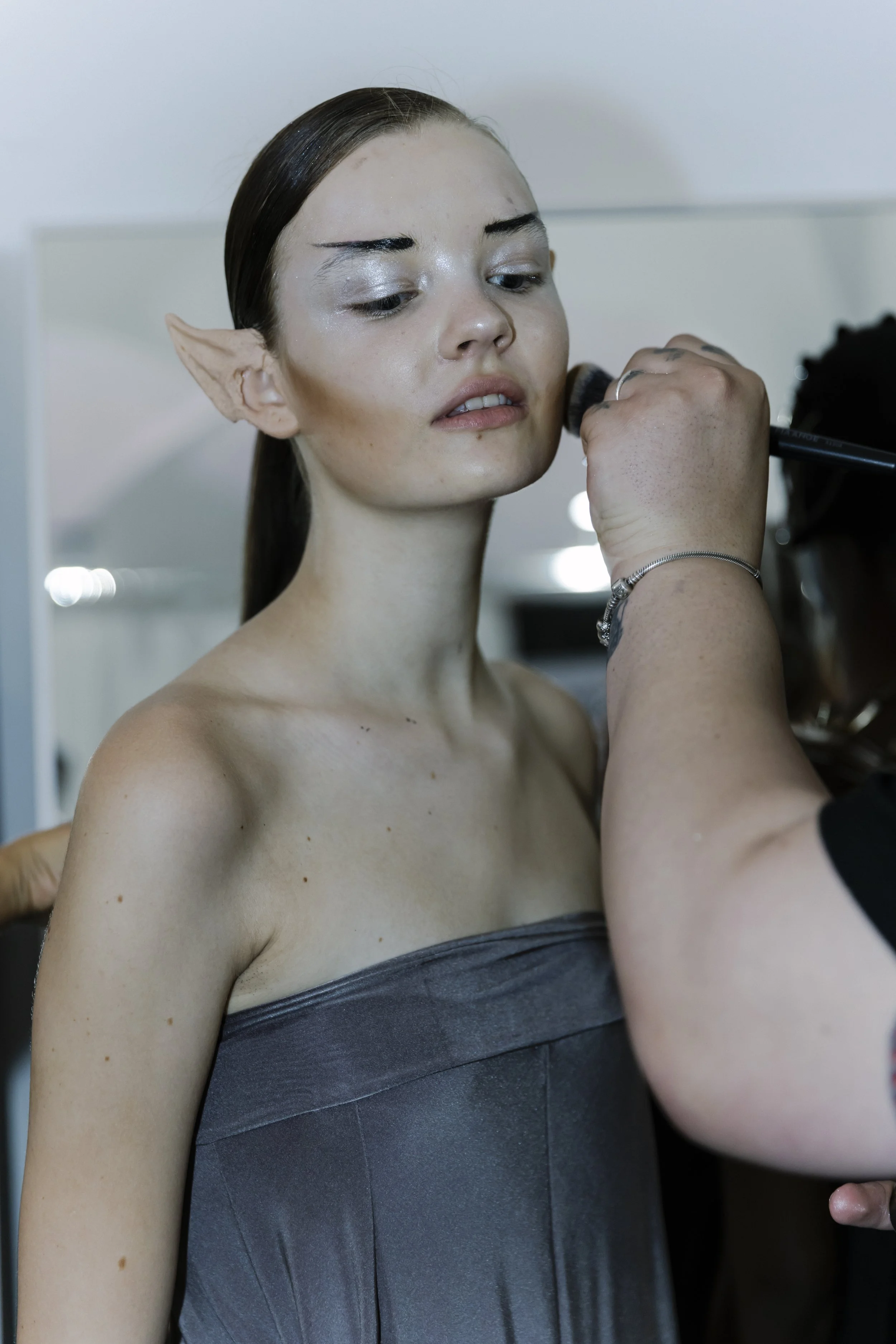
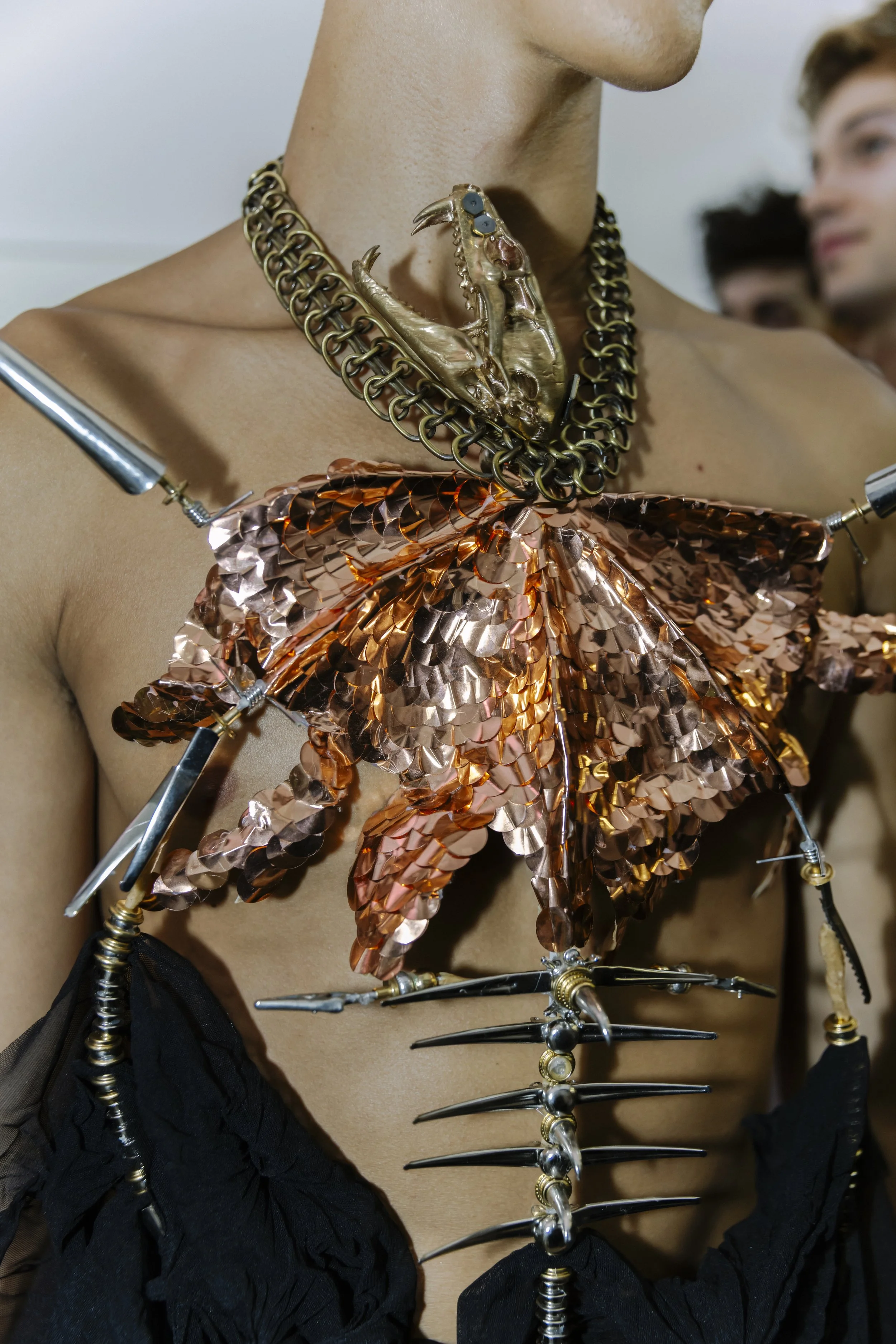
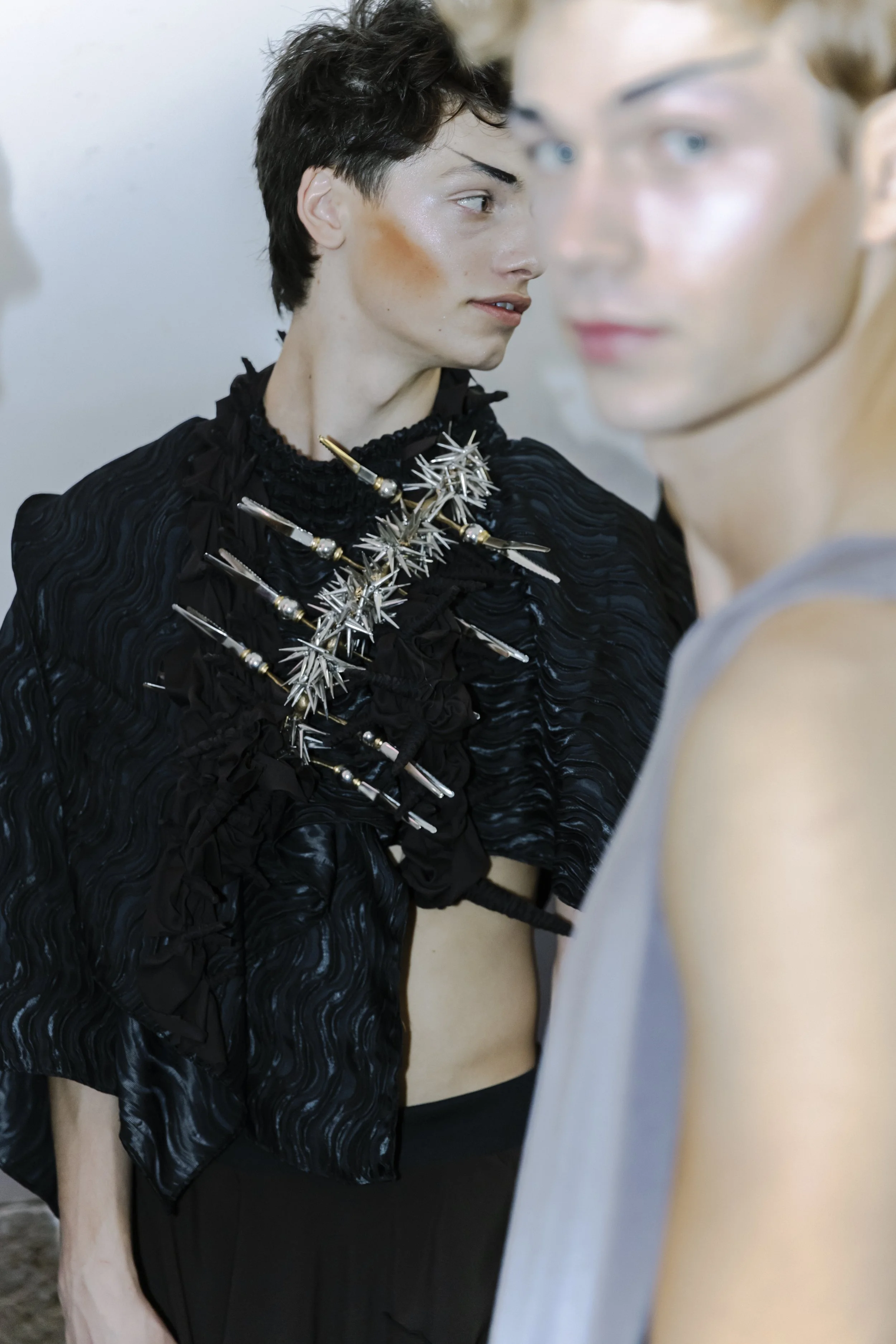
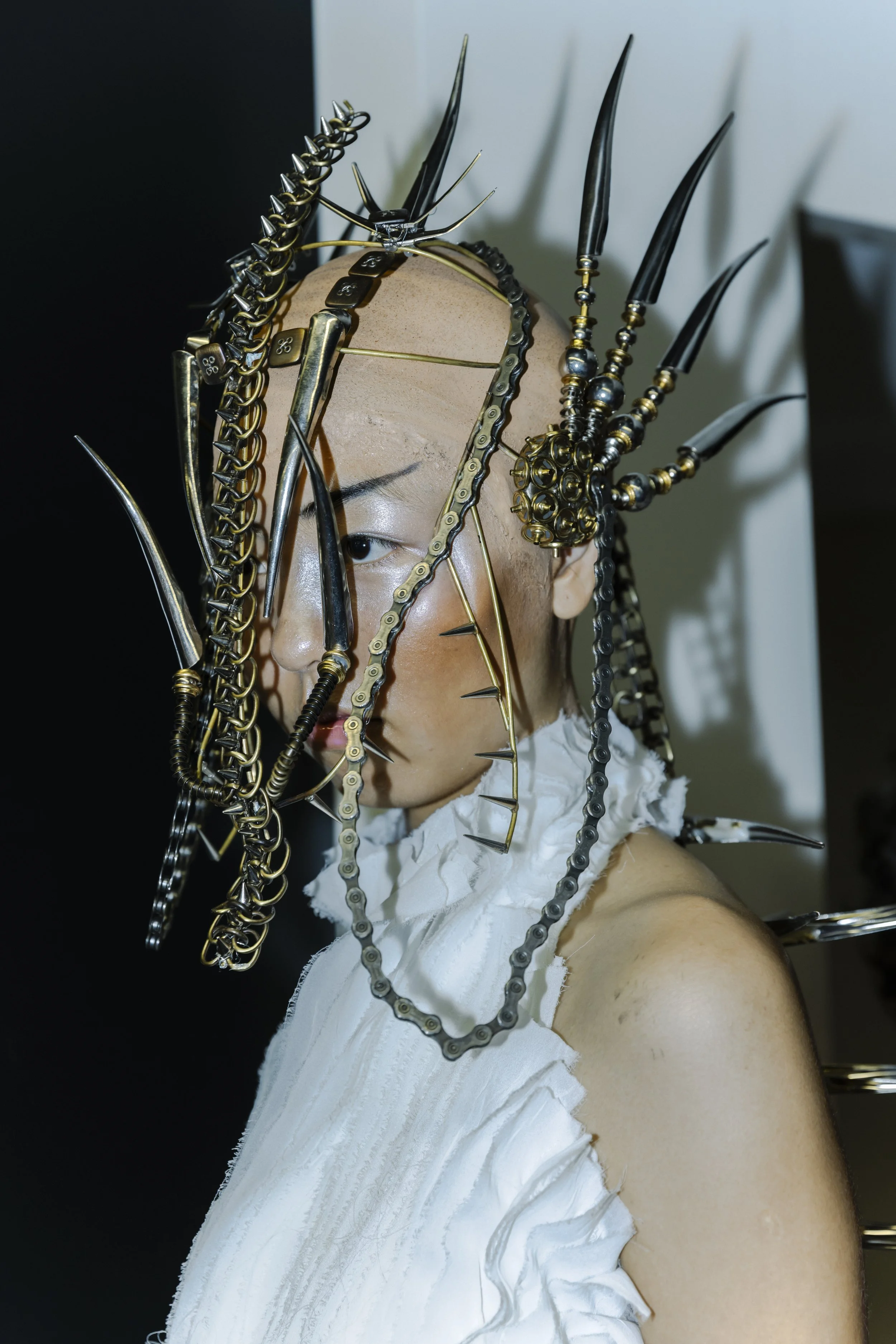
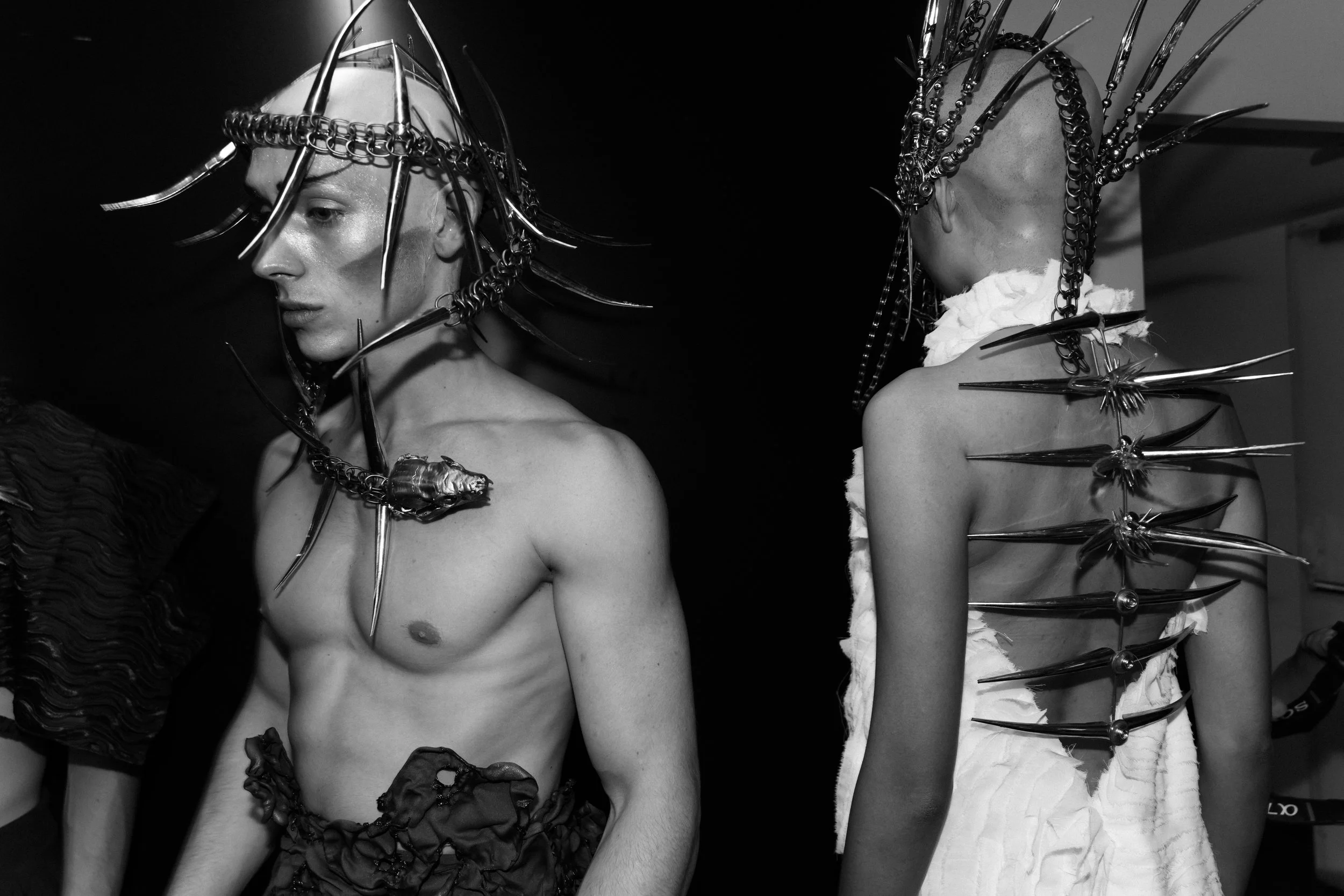
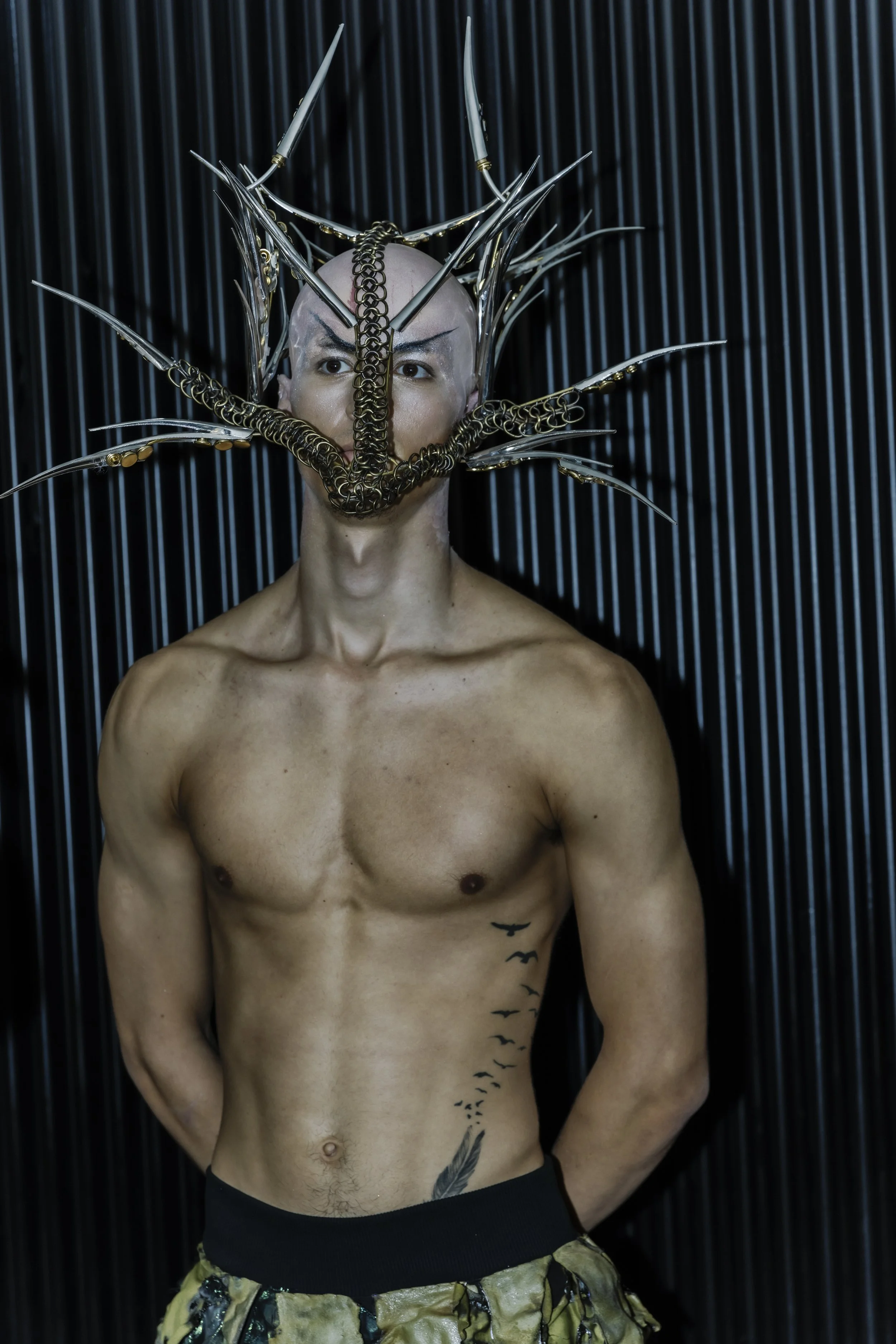
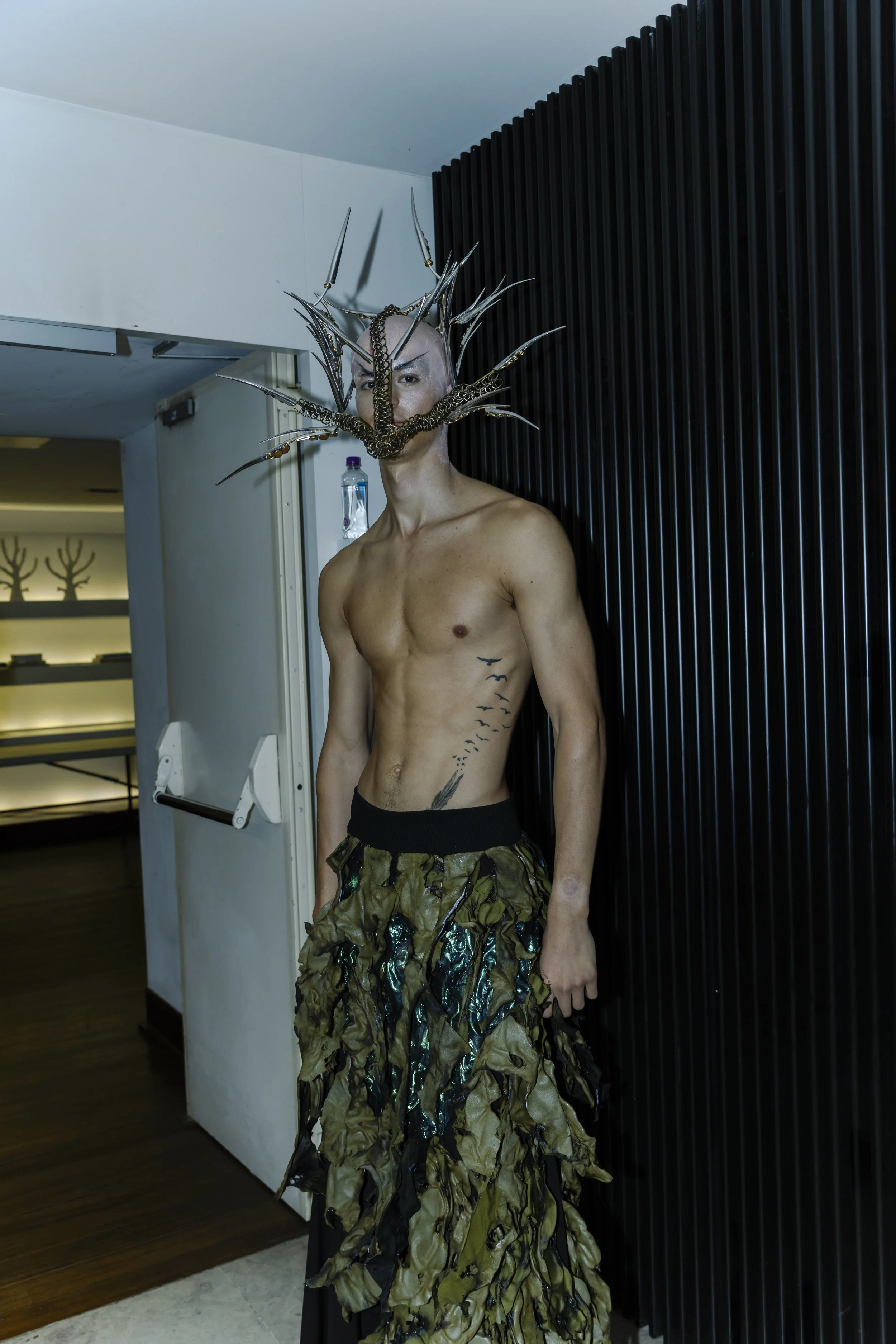
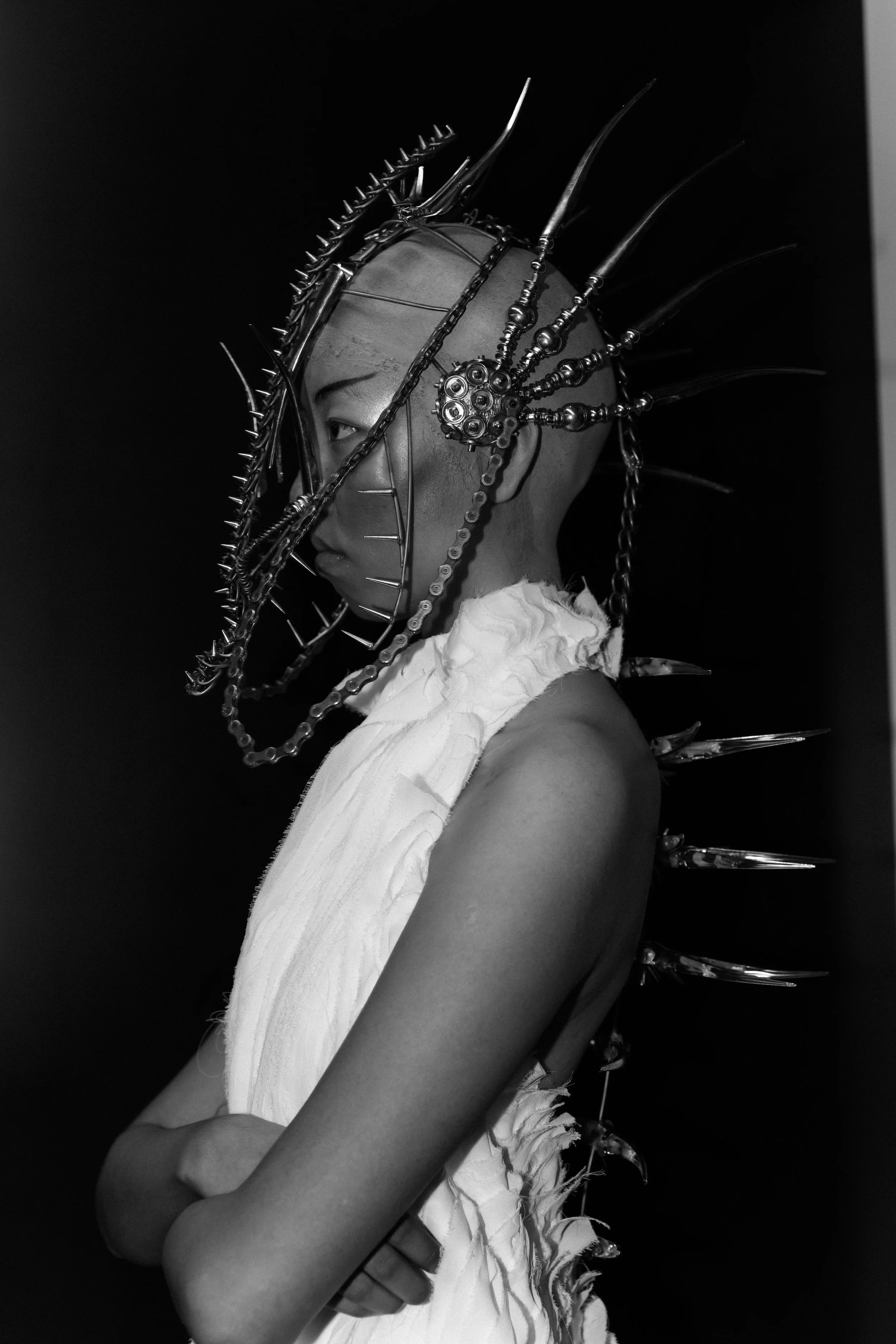
Not everyone chased the contemporary. Behen kept a classical touch with empire waists, cocoon shapes, short taffeta dresses and a drop-waisted ivory silk damask dress, proof that softness and tradition still have a place on a runway this restless. At the opposite end, Valentim Quaresma pushed furthest, bringing the futuristic into the present with elf ears and bold copper chest pieces that held real power. Between heritage and the future, Lisbon found its own rhythm. It dressed for tomorrow without forgetting where it comes from.