
CAMP, COOL, CHAOTIC, BUT CONSISTENTLY RELEVANT: REVISITING SOME OF MARC JACOBS’ LEGENDARY MOMENTS
words by FRANCESCO PIZZUTI
There is something so recognizable about Marc Jacobs; while the 10-centimeter bedazzled nails or that bob tucked behind his ears may help, it runs a lot deeper than that. His image has changed a lot over the four decades of his fashion career, but he consistently and unapologetically presented himself and his work the way he wanted, never quietly, never afraid to try or to change; and that is precisely why he remains so relevant to this day.
Jacobs is definitely a camp icon — and camp never goes out of fashion — yet there’s a groundedness in all his choices, one that only comes from an inner drive, from doing things out of love — as he has said before — with a sense of autonomy from the outside world. To celebrate the birthday of this visionary fashion legend, we revisited the moments through which Marc Jacobs constructed his image, placing himself at the center of his own mythology with wit, excess, and theatricality. The way he has consistently narrated and performed himself, ironically and deeply sincerely, both personally and through his work, reveals how this mastery of personal iconography, self-fashioning, alongside his bold creative decisions, has made him the cultural icon he is.
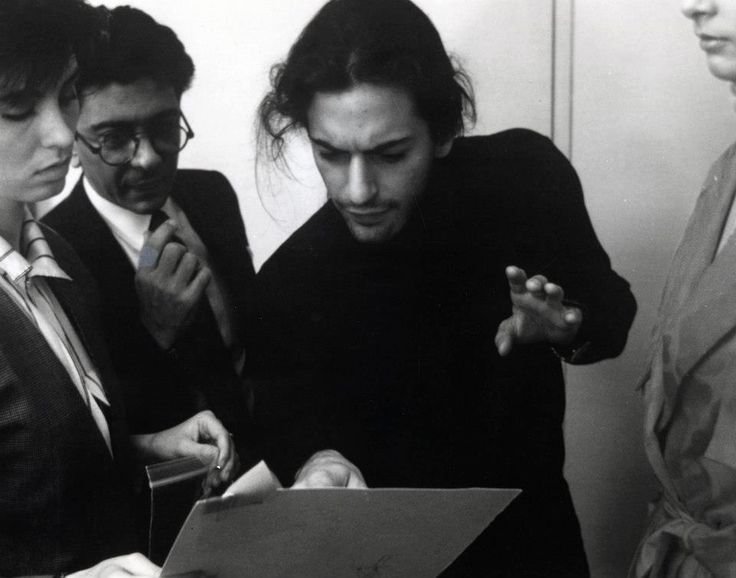
THE PERRY ELLIS’ CONTROVERSIAL GRUNGE COLLECTION THAT GOT HIM FIRED
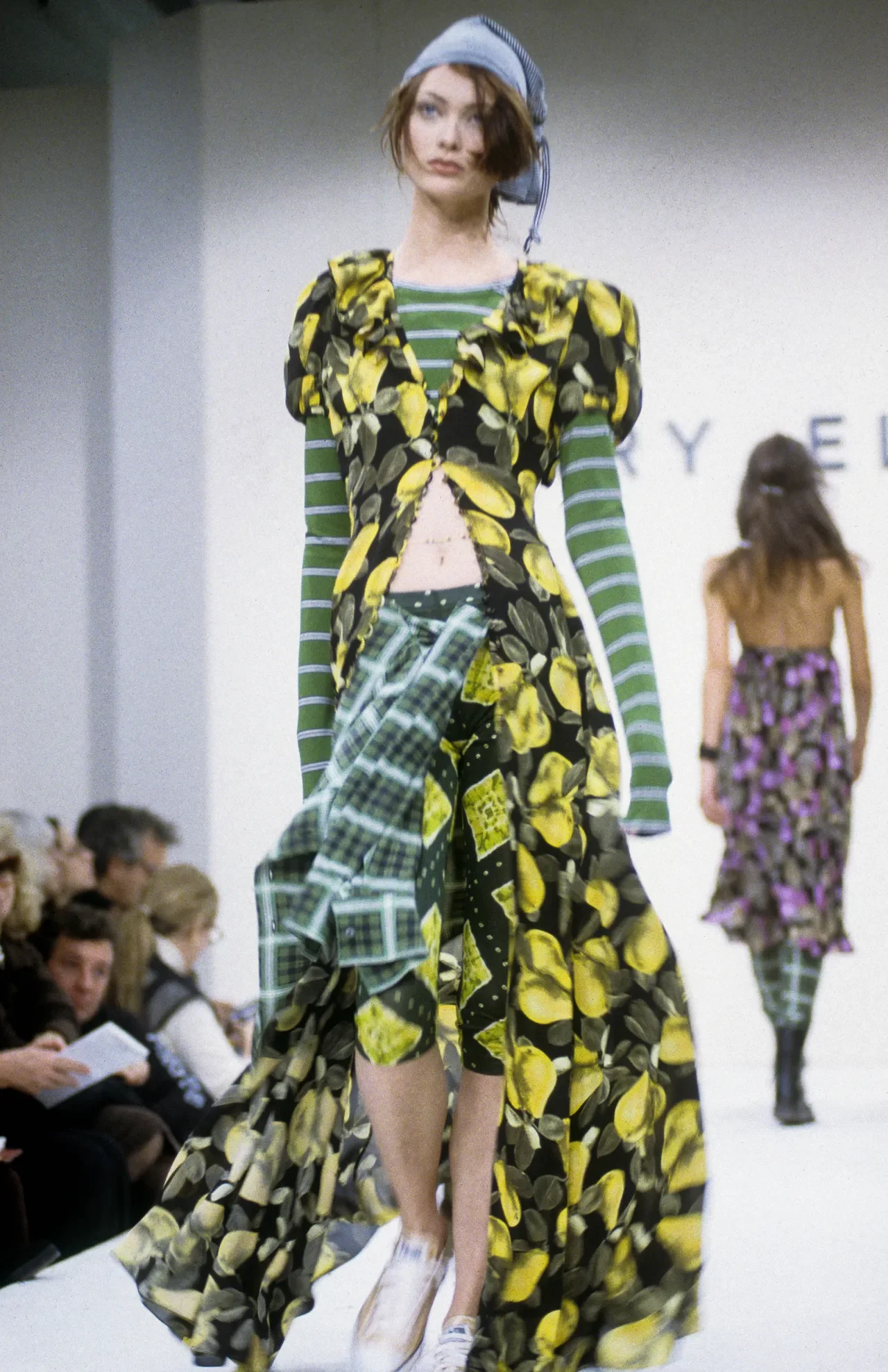
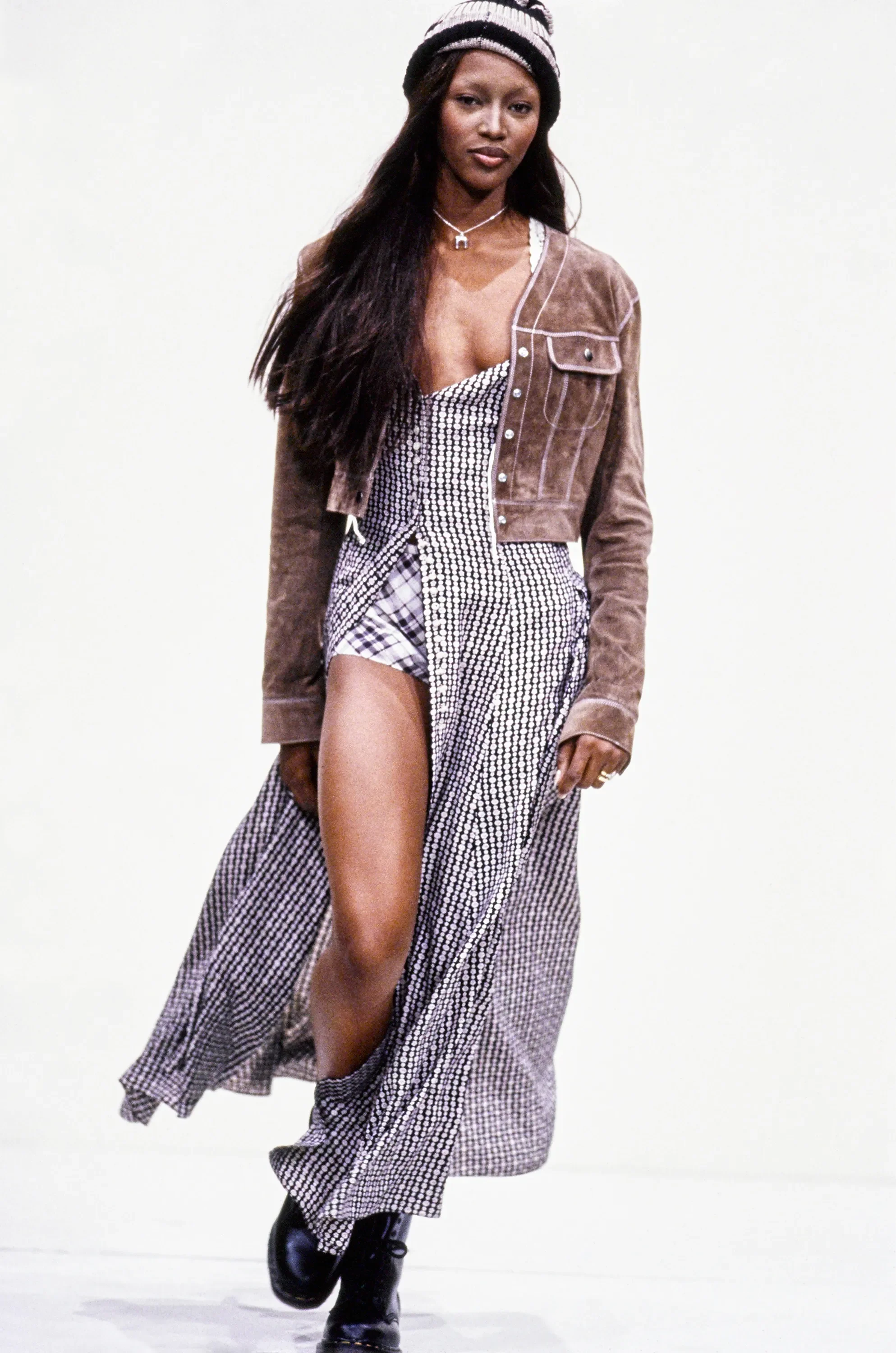
images via VOGUE RUNWAY
Before Marc Jacobs became synonymous with camp sensibility, he was already boldly rewriting taste. His Spring/Summer 1993 collection for Perry Ellis sent grunge — flannel, chokers, beanies, Dr. Martens — down a luxury runway that historically leaned a lot more conservative. Yet he made history.
That “failure” is exactly the point. Jacobs elevated what was considered unfashionable, aligning with youth culture before the industry caught up. As Kate Moss later said, it felt real. It’s an early blueprint for his relevance, his innate capacity to be ahead of the curve, almost making what looks wrong feel inevitable.
THE NECK BRACE “INCIDENT”
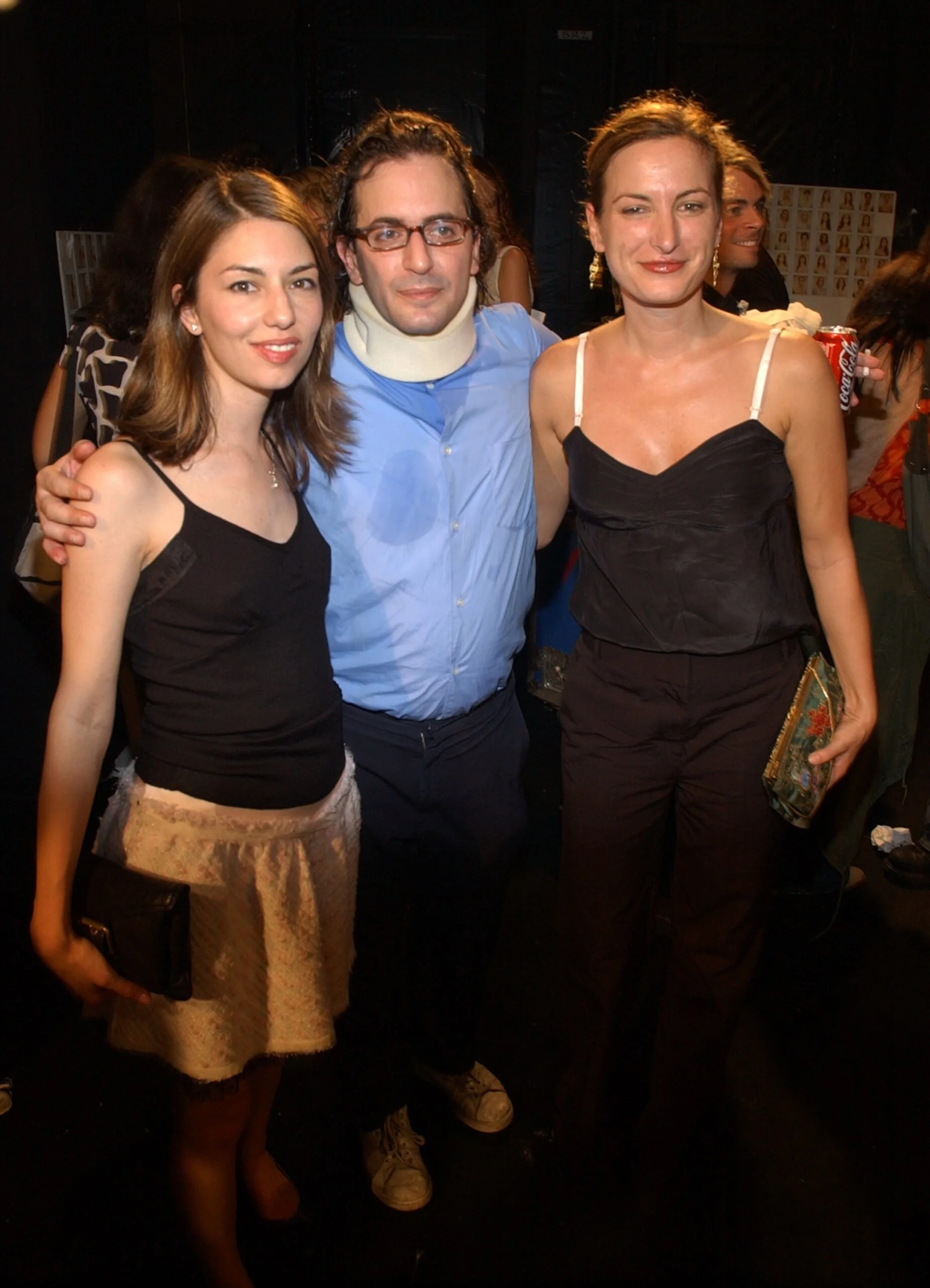
images via @clarereagan on pinterest
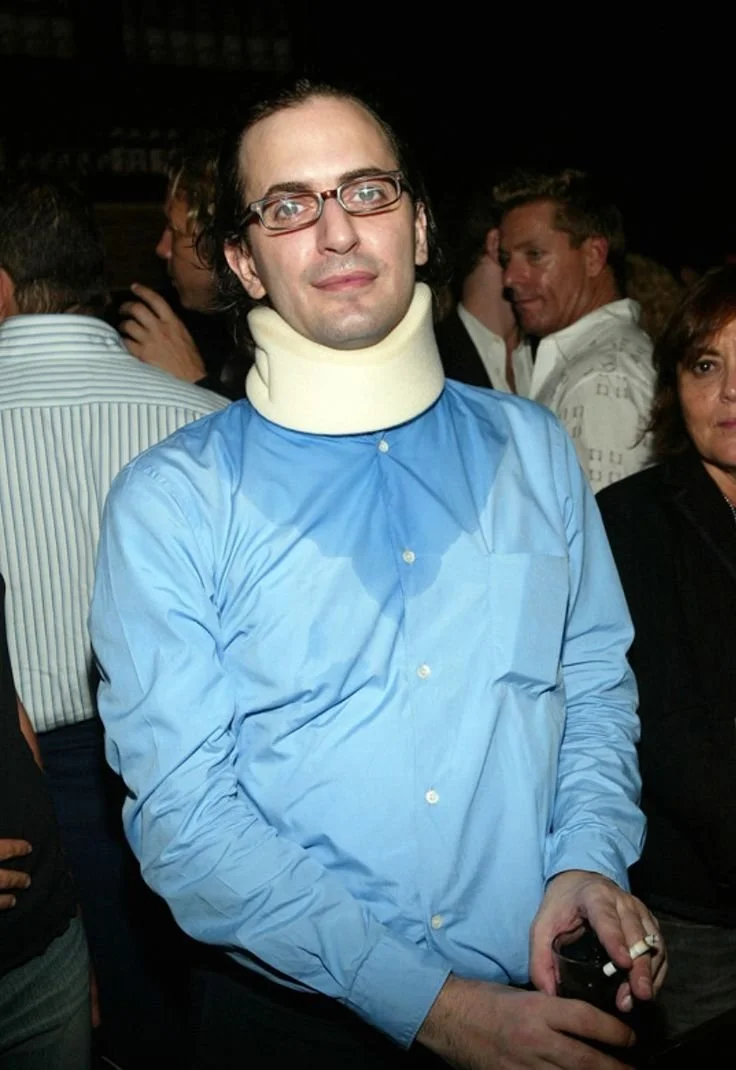
On September 15, 2003, at the after-party for his Spring/Summer 2004 show, Marc Jacobs arrived disheveled, with long hair, glasses, a sweat-soaked shirt, and a neck brace. The look felt almost costumey, prompting speculation ranging from S&M escapades to bar fights. The reality? A pinched nerve. Even at his most undone, its most real, Marc Jacobs simply didn’t care — and thank god he didn’t — giving us one of his most iconic moments. With him, even an accident didn’t feel incidental, but more like authenticity collapsed into performance: aestheticized, exaggerated, and unapologetically put on display
THE YOUNGEST CREATIVE DIRECTOR AT LOUIS VUITTON
images via Indigitalimages.com
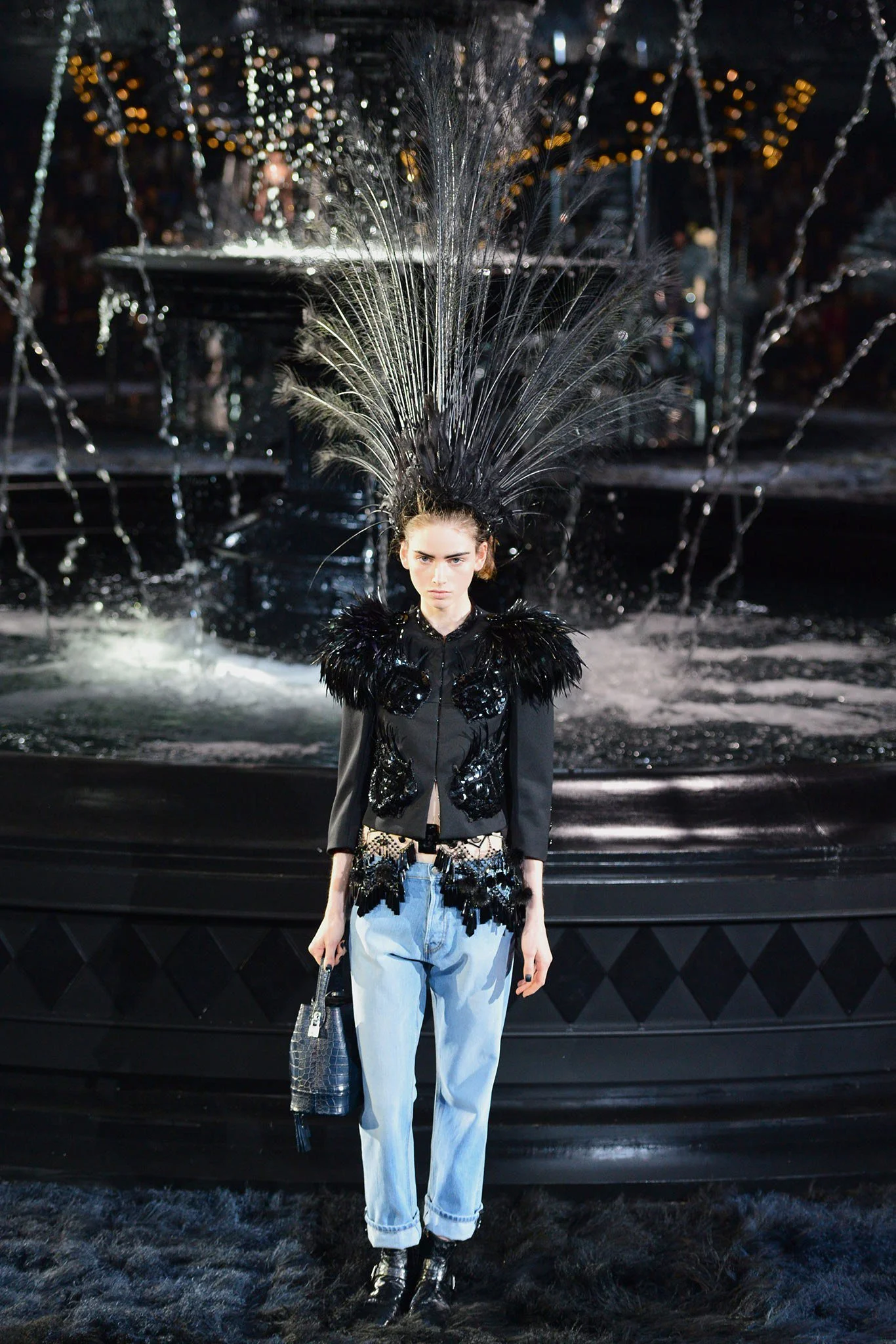
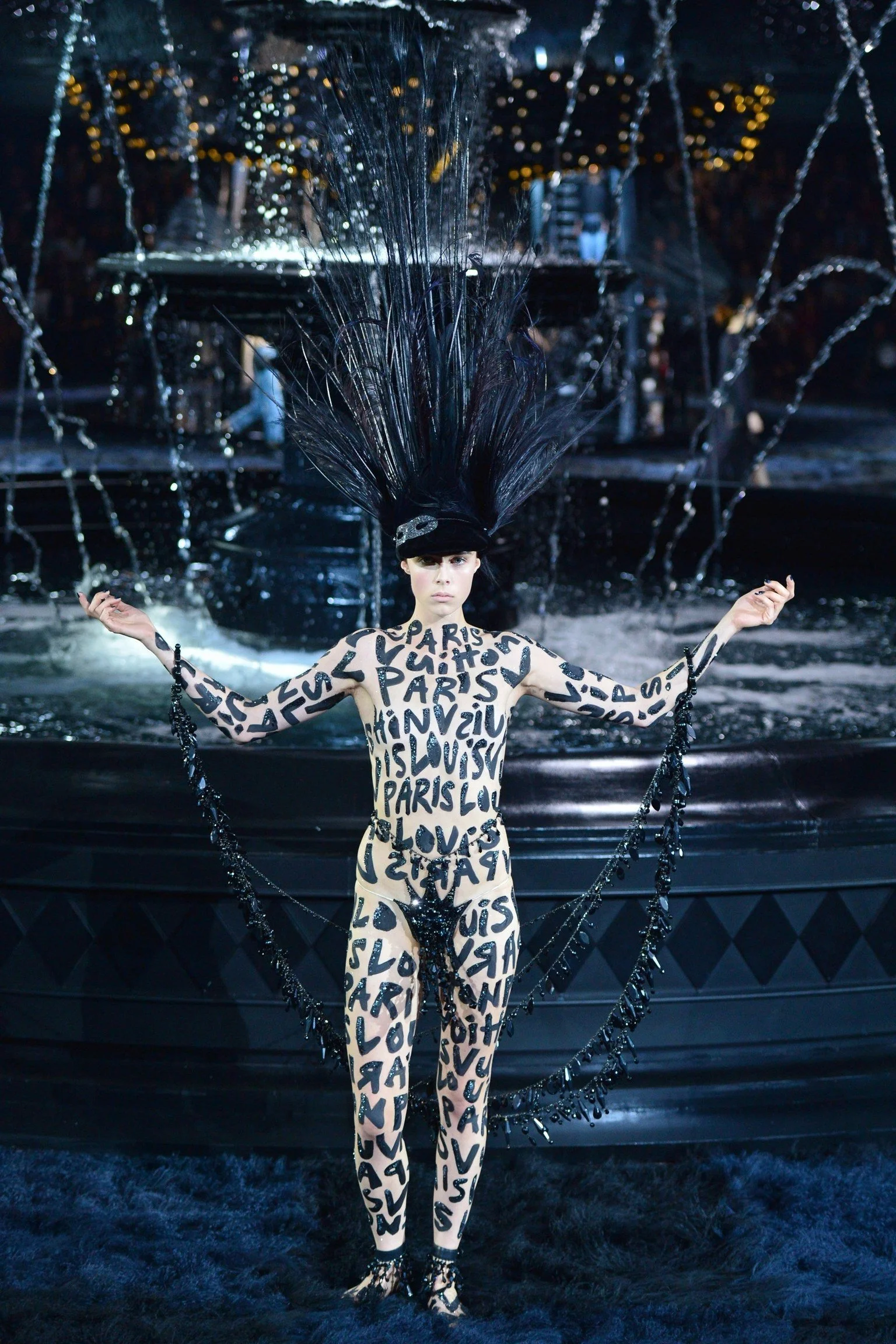
When Marc Jacobs left Louis Vuitton in 2013, he closed a chapter that redefined luxury. Jacobs was originally appointed creative director in 1997, making him the youngest creative director of the house and over those 16 years, he transformed the house from a heritage luggage brand into a cultural icon, pioneering artist collaborations and theatrical runway shows. His final collection was dark and retrospective, feeling like both a farewell and a self-mythologizing gesture. It cemented his legacy and presence, a presence that is still felt in the house today.
THE PIGEON COSTUME
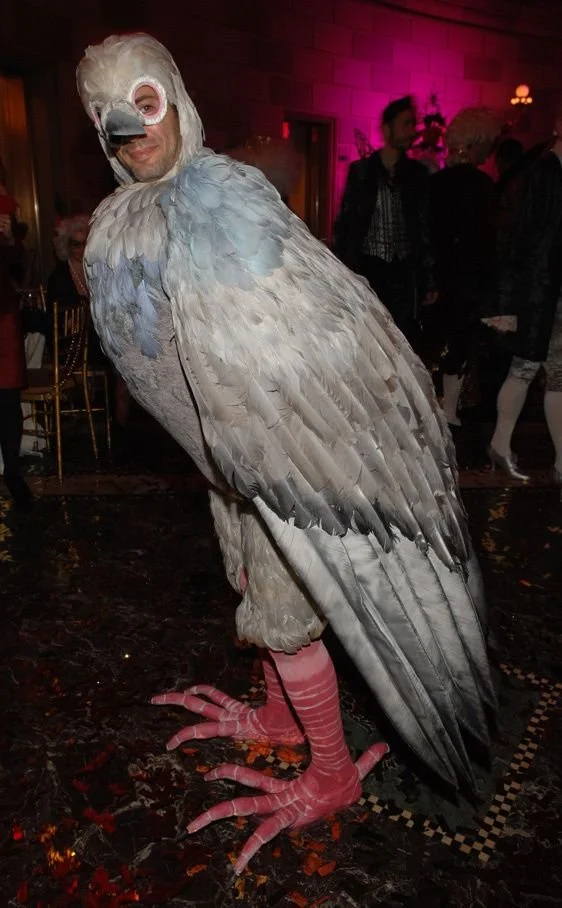
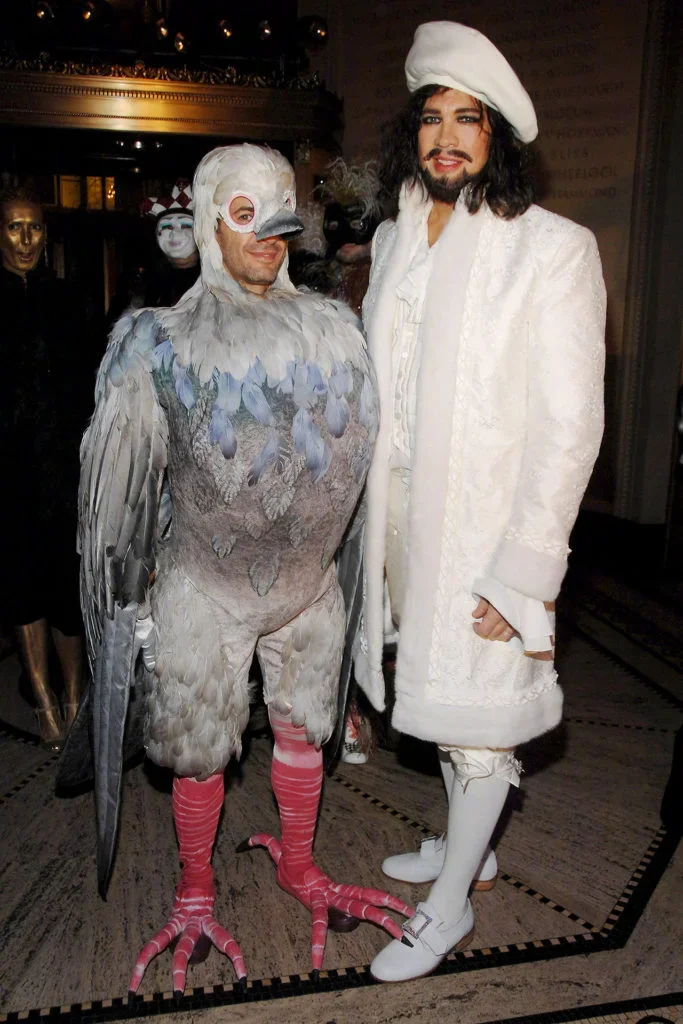
image via traum.com.br and blogspot.com
Nothing screams camp more than Marc Jacobs’ pigeon costume. During one of his own Venice Carnival–themed parties in the mid-2000s, Marc Jacobs embodied absurdism, showing up dressed as a full pigeon; beak, feathers, total commitment. The look was so elaborate that he reportedly had to be transported to the venue by flatbed truck. It was camp at its purest form, total sincerity in something completely ridiculous.
INSTAGRAM FACELIFT REVEAL
images via @themarcjacobs on instagram
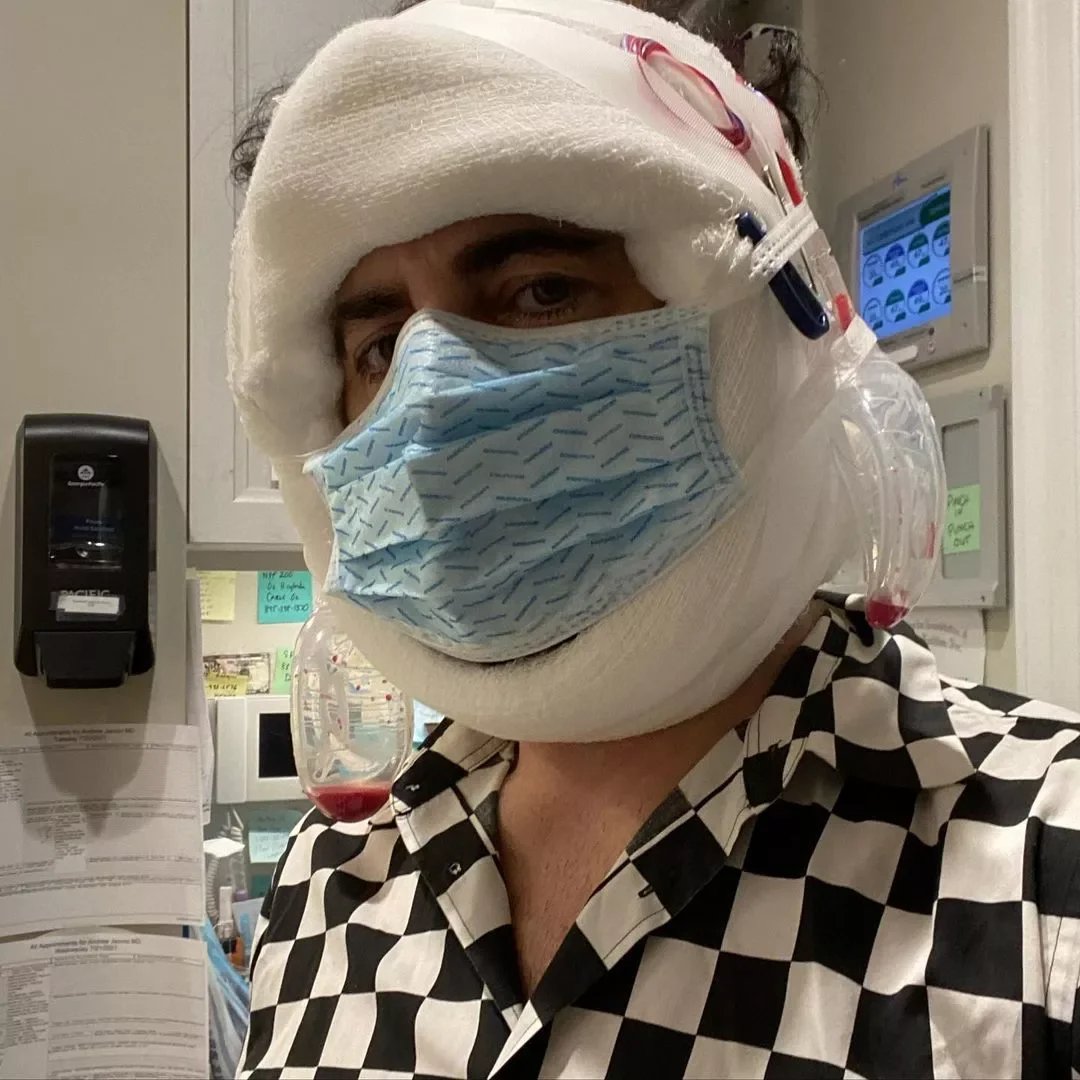
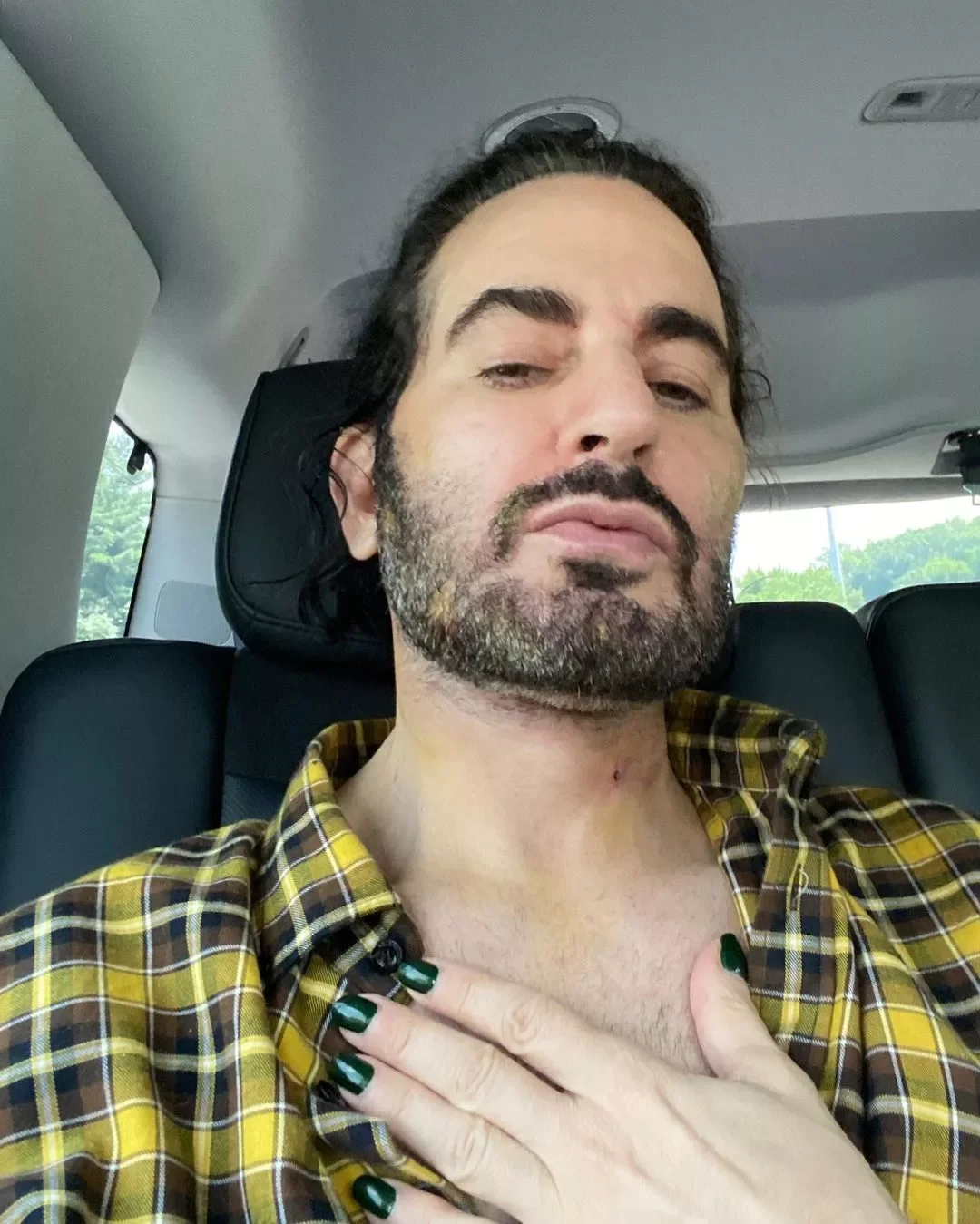
Posting himself on Instagram mid-recovery, face bandaged, Jacobs exposed the mechanics behind beauty while still participating in it. It's grotesque and glamorous at once. Camp often hinges on this tension: revealing the artifice without abandoning it. Instead of hiding transformation, he stages it, turning vulnerability into spectacle. In this way, he also exposes the inner workings of social media politics, where everything is perfectly curated and filtered. But the designer once again takes a different approach; he uses his platform as a form of almost controlled exposure, making his body, his habits — notably his incredibly frequent manicure updates — and transformations part of the spectacle. Nothing is polished or sterile.
CRINGE, COOL, NICHE, HEAVEN: JACOBS’ SPOT ON TAKE ON GEN Z
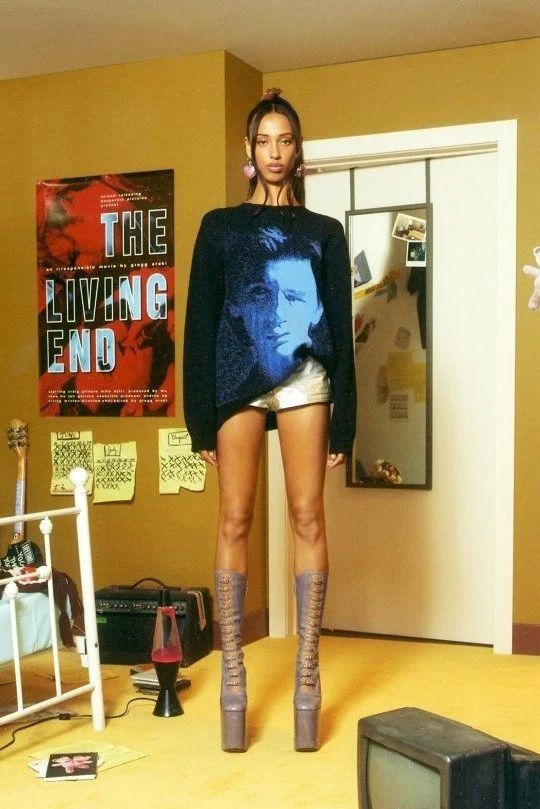
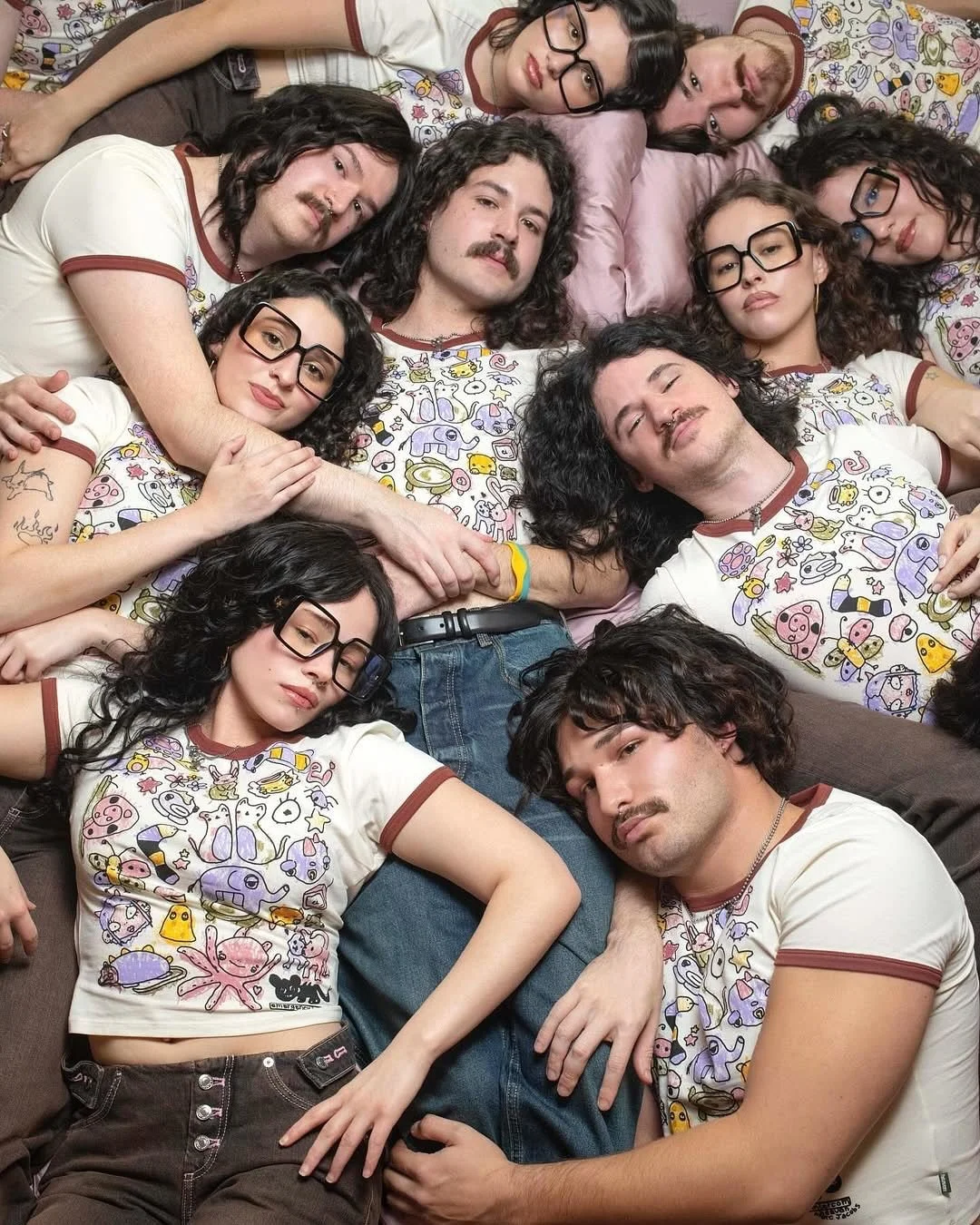
Marc really hit the mark with Heaven, operating as his most explicit dialogue with youth culture. His collaboration with Gregg Araki tapped into a cult cinematic language of queer angst and teenage alienation before Araki’s broader cultural resurgence, positioning Marc once again ahead of the curve rather than reactive to it. At the same time, collaborations with Enya Umanzor and Drew Phillips — Gen Z icons known for their chaotic, ironic humor — anchor the brand in a distinctly niche online sensibility. The result is fashion that feels referential and self-aware, just like an elevated inside joke.
NUANCE AND SELF-NARRATION THROUGH MARC BY SOFIA
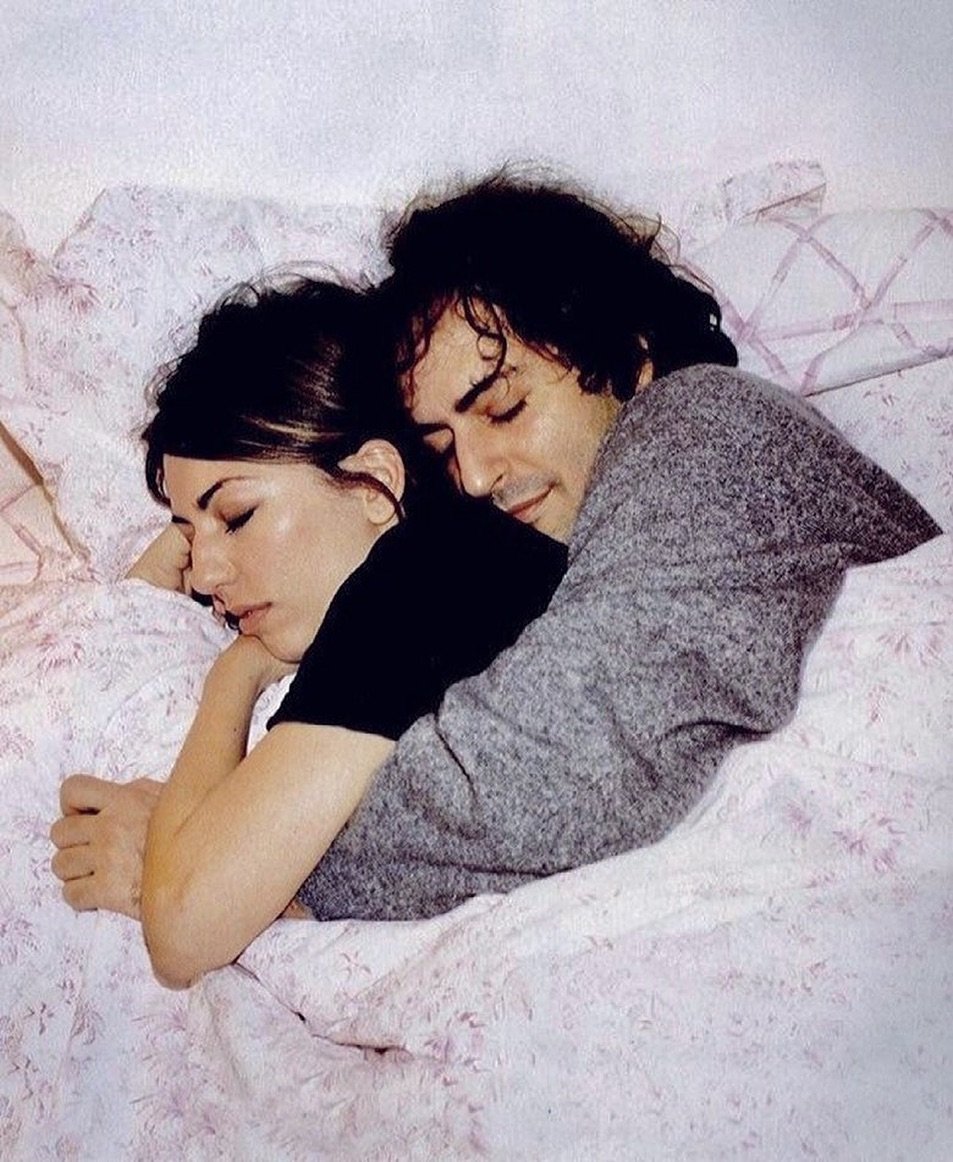
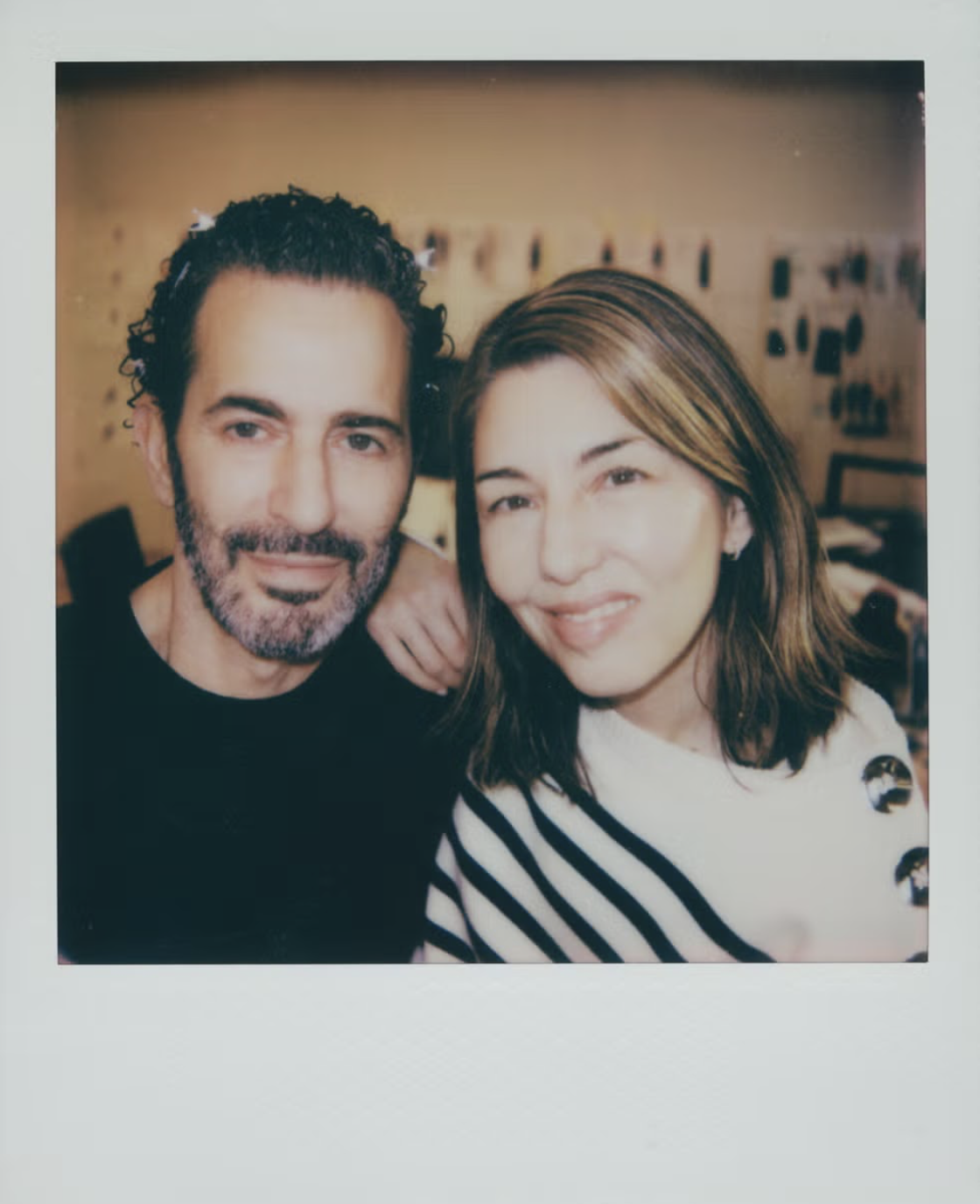
images via @sofiacoppola on instagram
The documentary Marc by Sofia isn’t just documentation; it’s a form of self-curation, self-narration, and Jacobs does it just right. By allowing Coppola’s soft, intimate, distinctly feminine gaze to frame him, Jacobs reframes his own image into something emotionally felt and culturally elevated. He situates himself within Coppola’s cinematic world of taste and restraint, allowing for the contrast of her subtlety and his theatricality to keep him nuanced. Jacobs understands that relevance isn’t just about visibility, but about who gets to define how you’re seen, and his close relationship with Sofia makes the whole thing feel tender and heartfelt rather than merely strategic.
