
CELEBRATING 130 YEARS OF THE LOUIS VUITTON MONOGRAM
editor MAREK BARTEK
The year 2026 is a celebratory one for the House of Louis Vuitton. It was in 1896 when Georges Vuitton — the son of Louis — designed the iconic LV monogram as a tribute to his father’s legacy. Now, 130 years later, the monogram has become one of the most recognisable patterns in fashion and has been used across the collections of all the Maison’s creative directors, including Marc Jacobs, Virgil Abloh, Nicolas Ghesquière and Pharrell Williams.
The monogram is composed of interlaced LV initials and floral motifs, inspired by Neo-Gothic ornamentation and the influence of Japonism. It is a defining signature and enduring hallmark of Louis Vuitton’s spirit, embodying the brand’s philosophy of excellence, modernity, and heritage transmission.
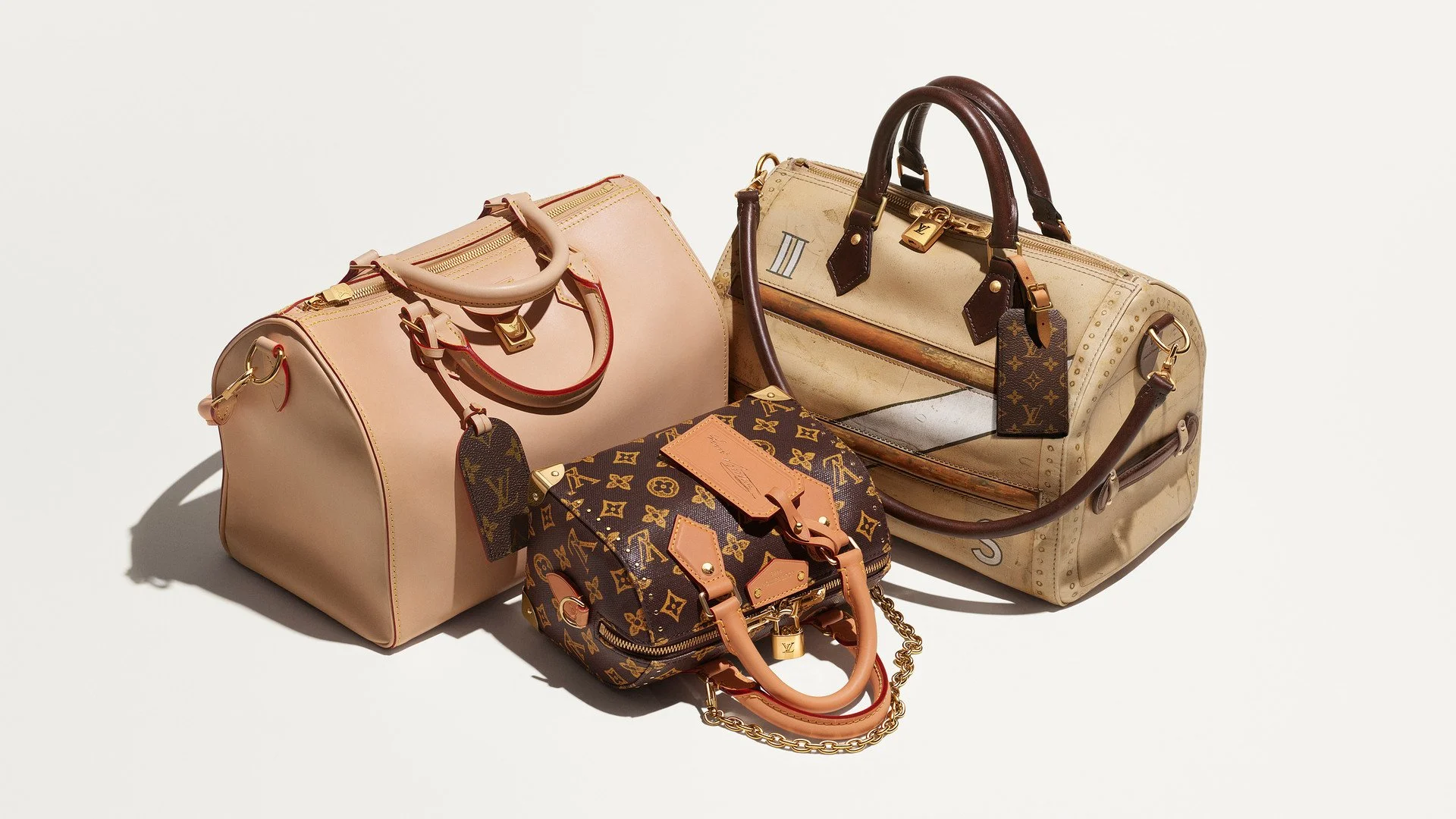
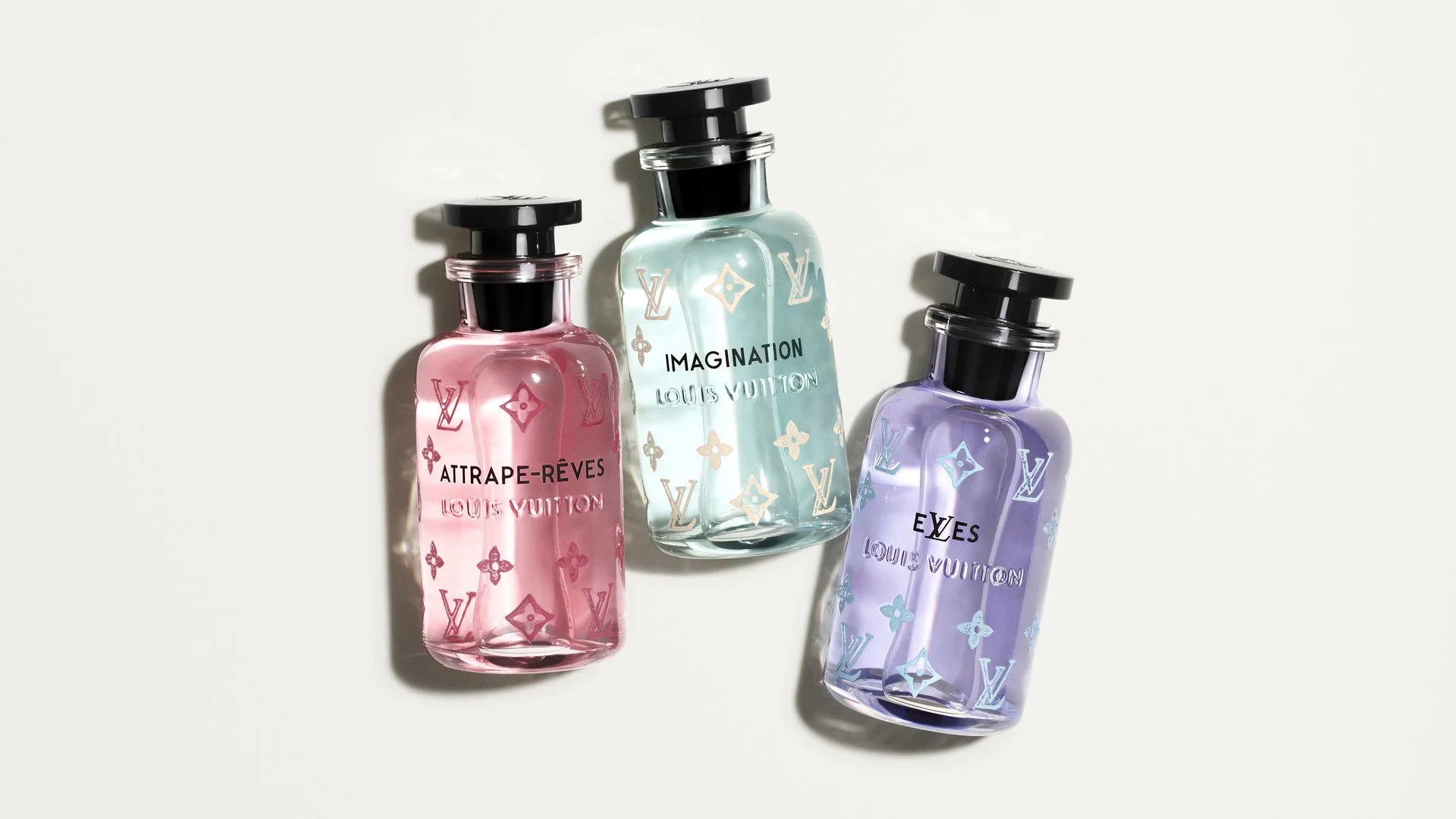
images courtesy of LOUIS VUITTON
Louis Vuitton kicks off 2026 with highlighting most legendary monogram bags; among them the Speedy (1930), the Keepall (1930), the Noé ,a.k.a. the bag designed to carry five bottles of champagne (1932), the Alma (1992), and the Neverfull (2007). Moreover, Louis Vuitton unveils its Monogram Anniversary Collection, drawing inspiration from the codes of truck savoir-faire, reinterpreting the monogram through modern design, new materials and combinations of cutting-edge and traditional craftsmanship.
Over more than a century, we have seen an abundance of iterations and various approaches to the LV monogram, including many artistic collaborations such as those with Richard Prince, Yayoi Kusama, or Takashi Murakami. Beyond these, each of the creative directors brought their unique vision to incorporate the LV monogram into their collections — from hats and accessories to ready-to-wear and exploring new materials and coloursways.
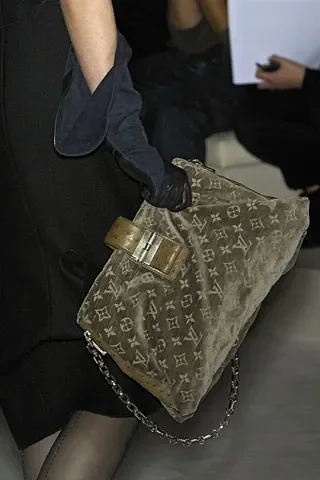
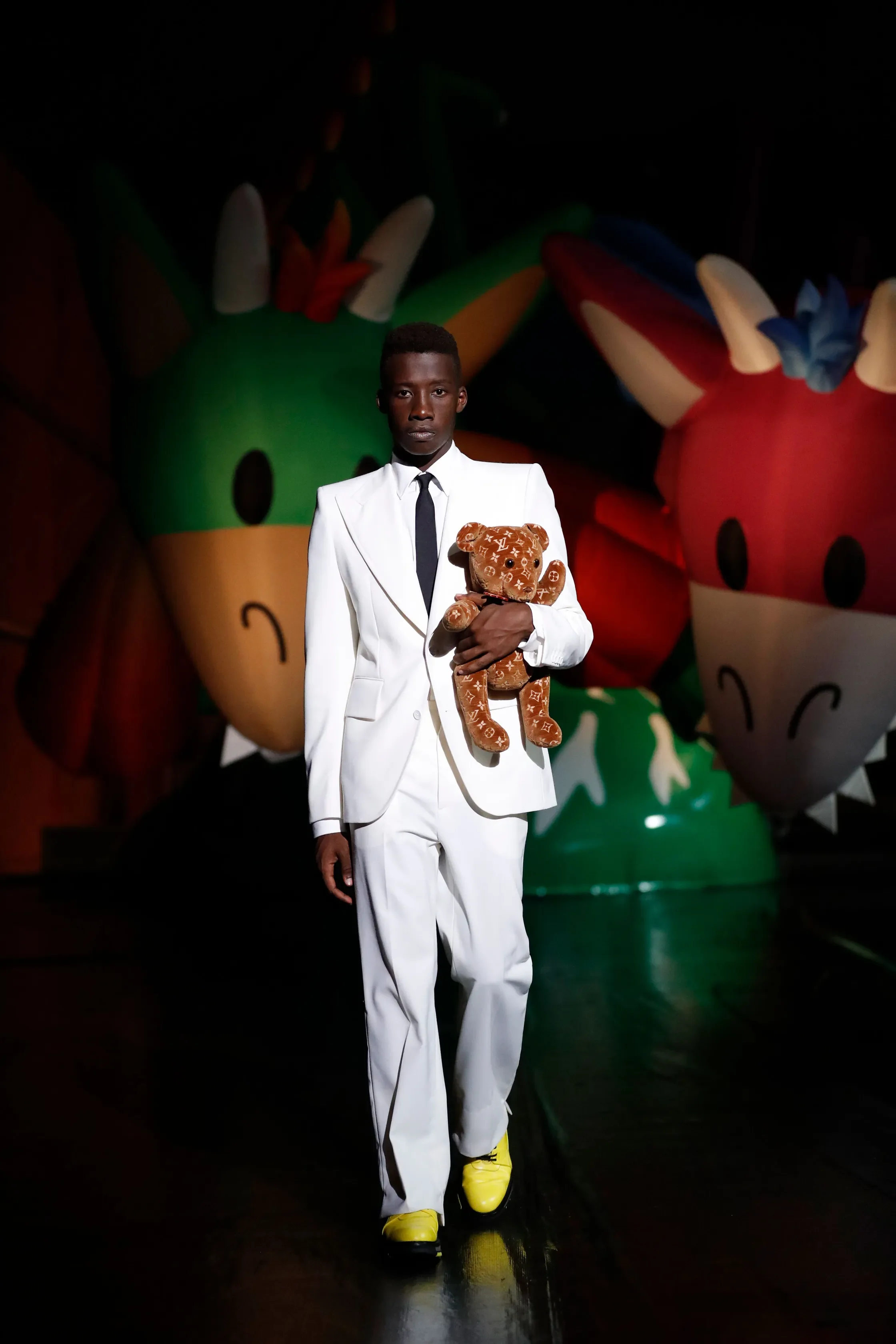
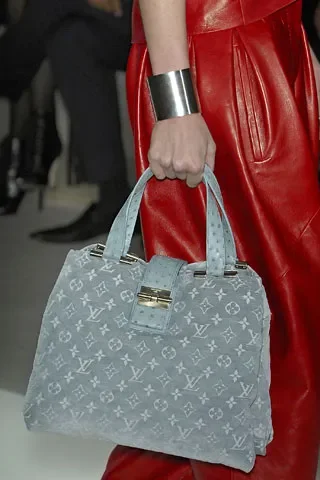
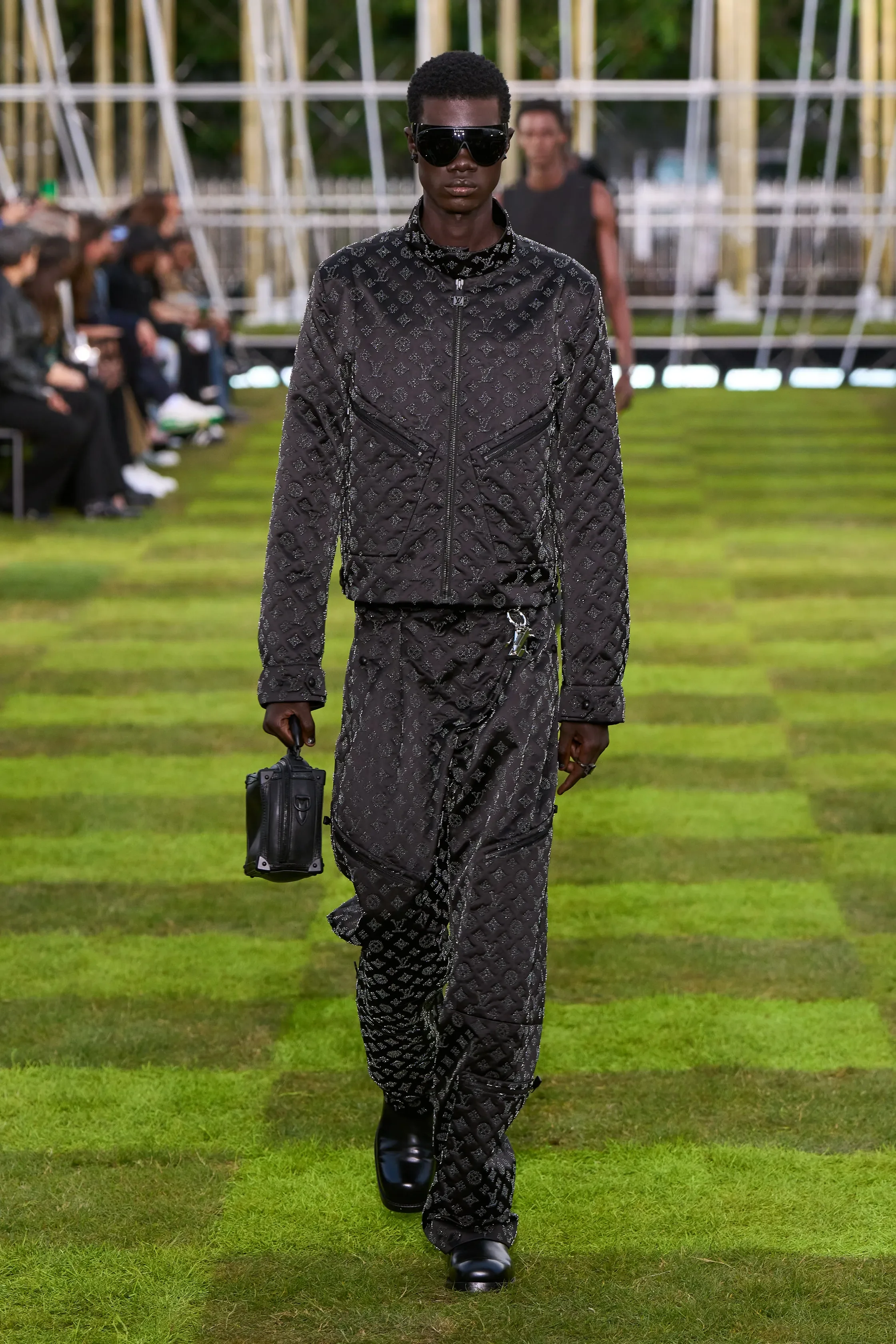
Below are some of our favourite ways the LV monogram was used over the years.
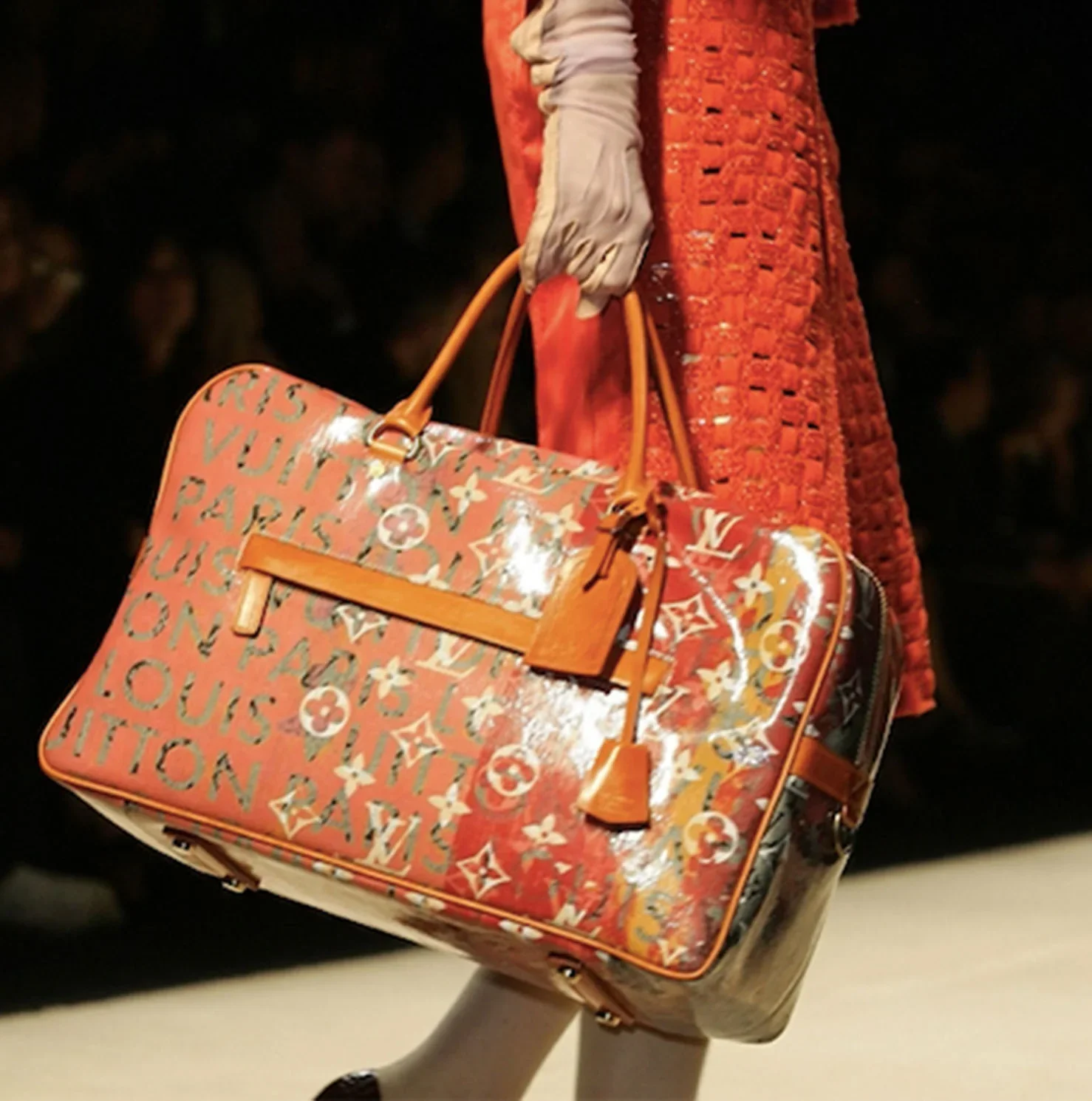
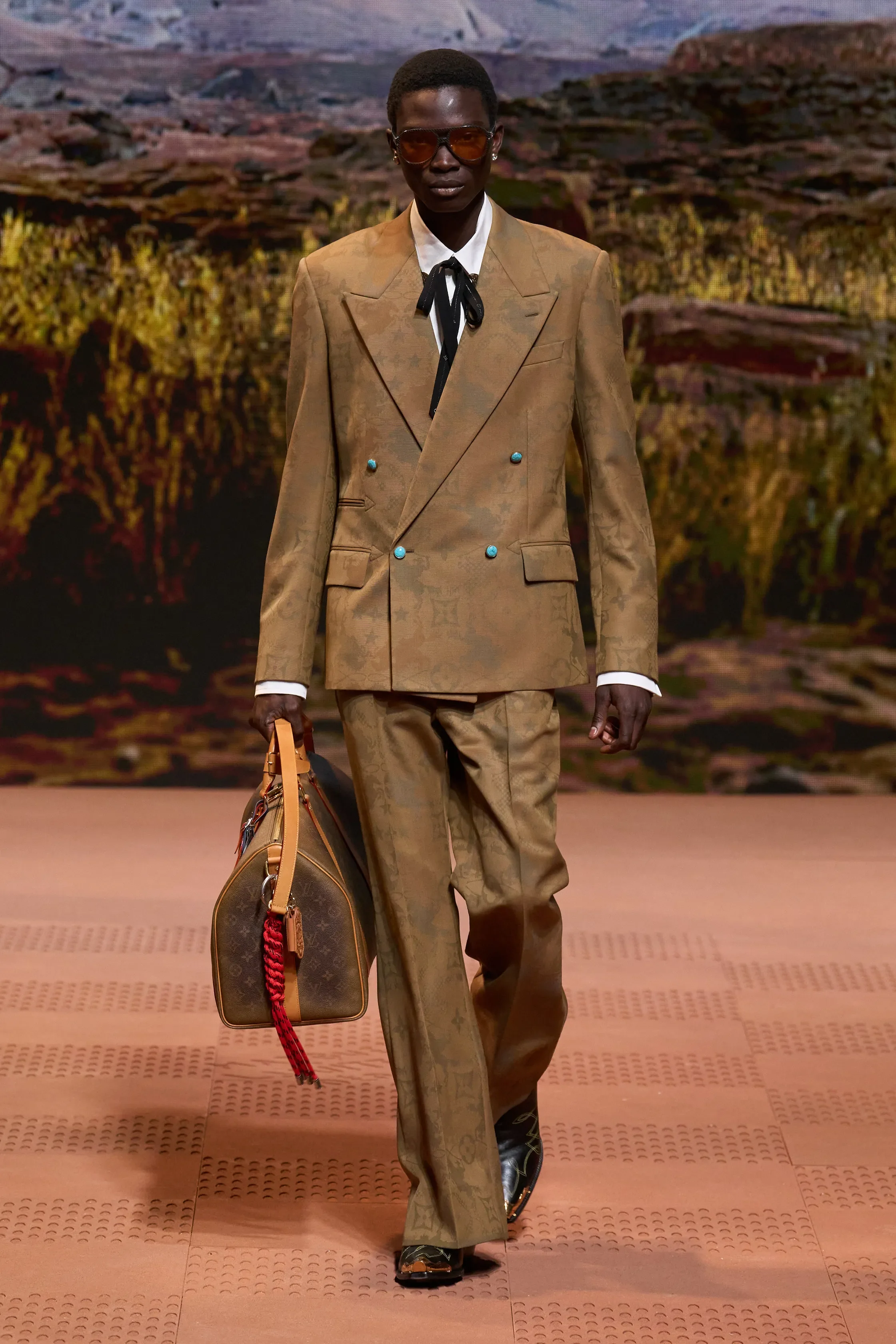

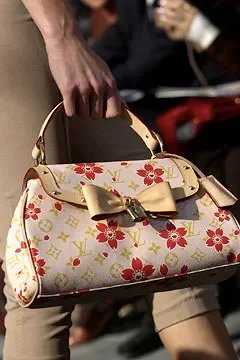
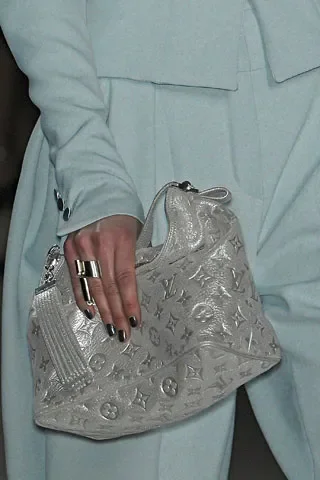
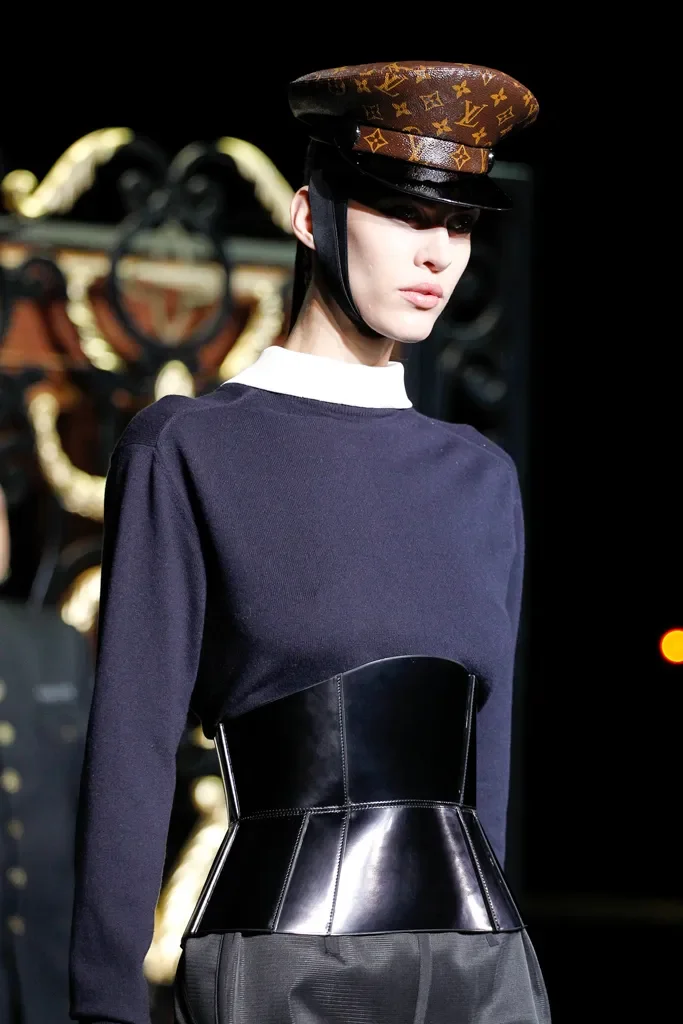
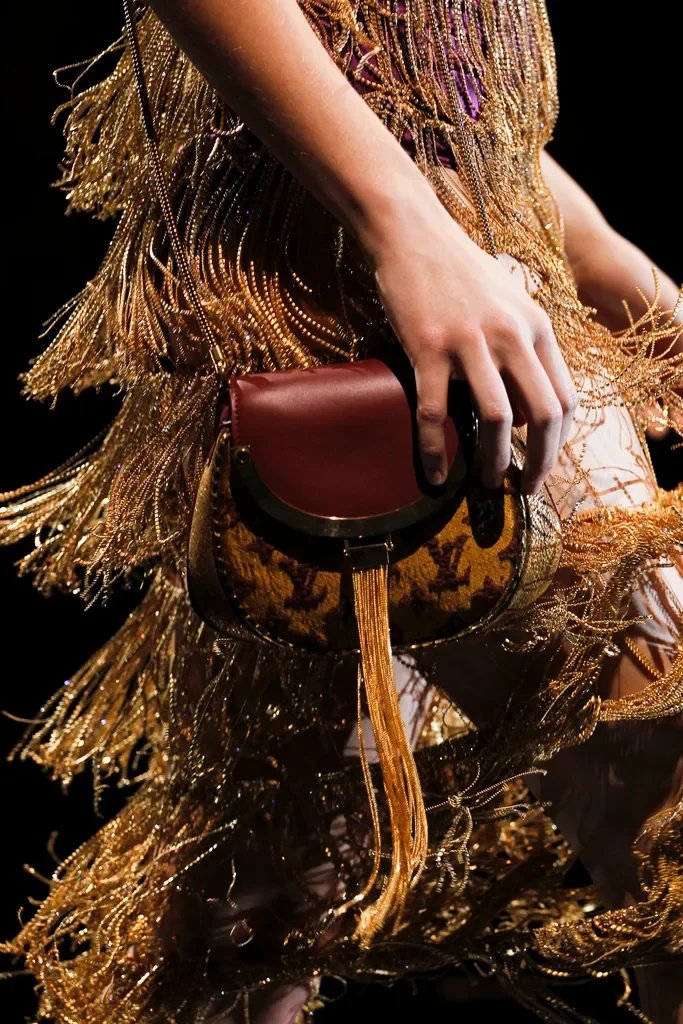
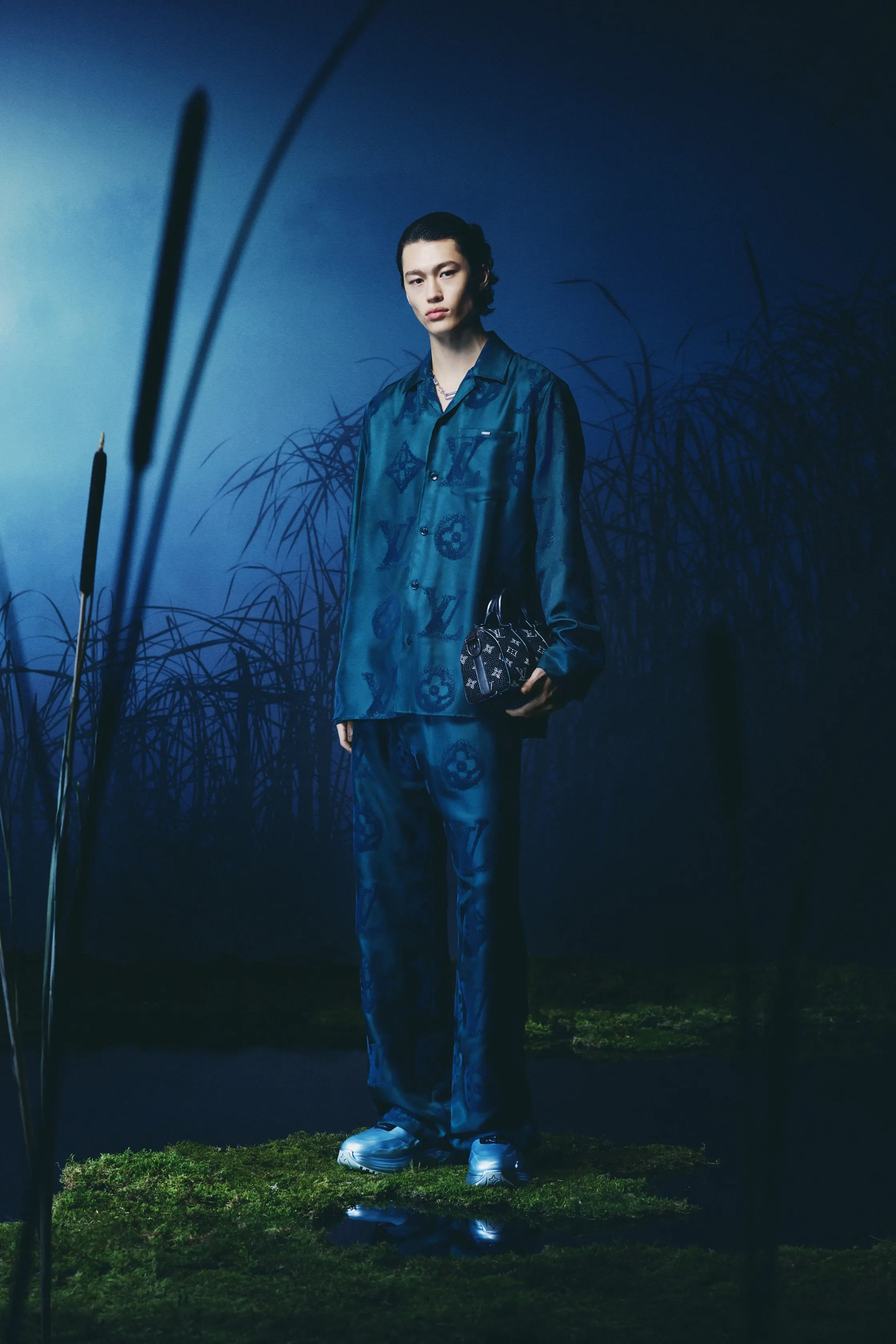
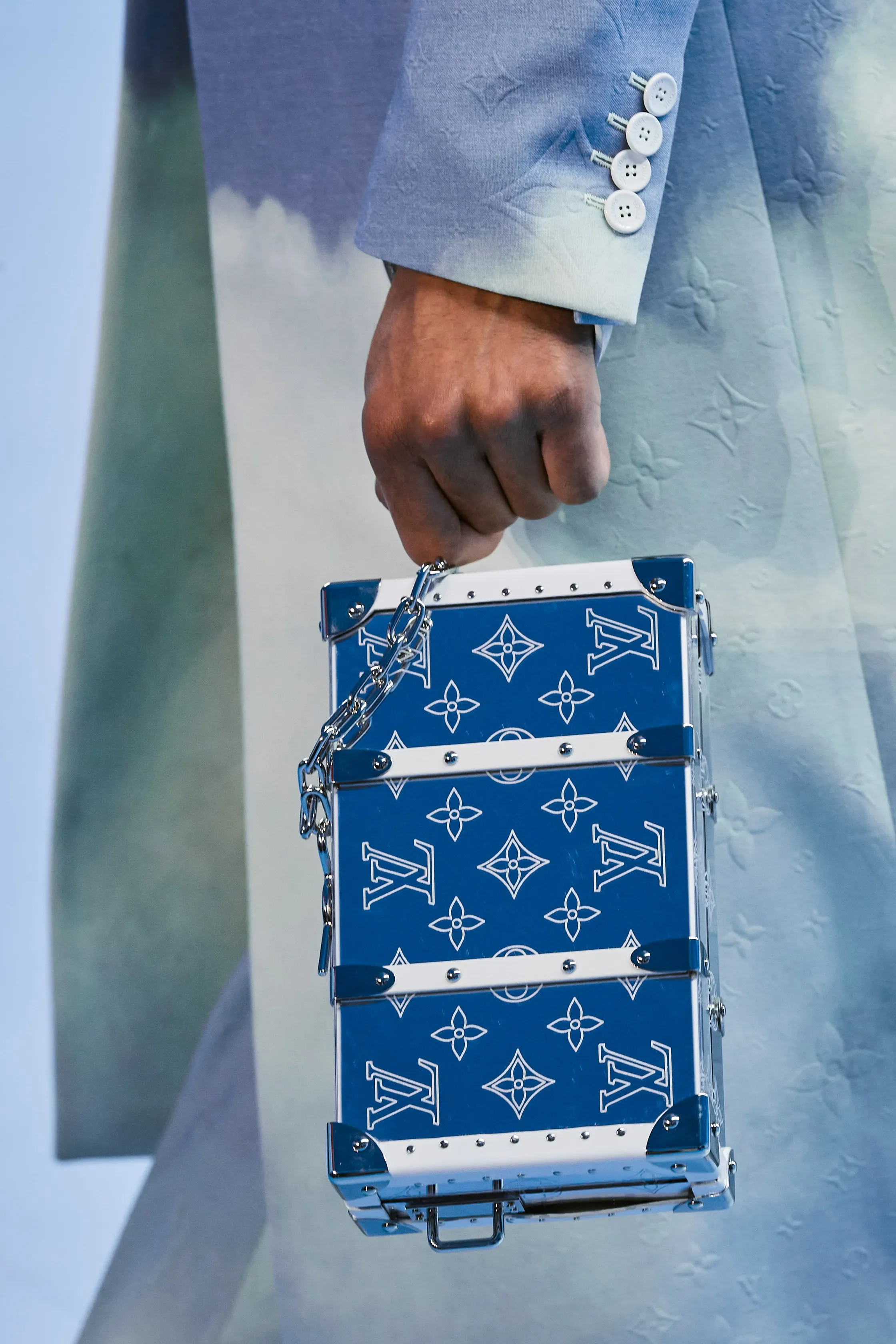
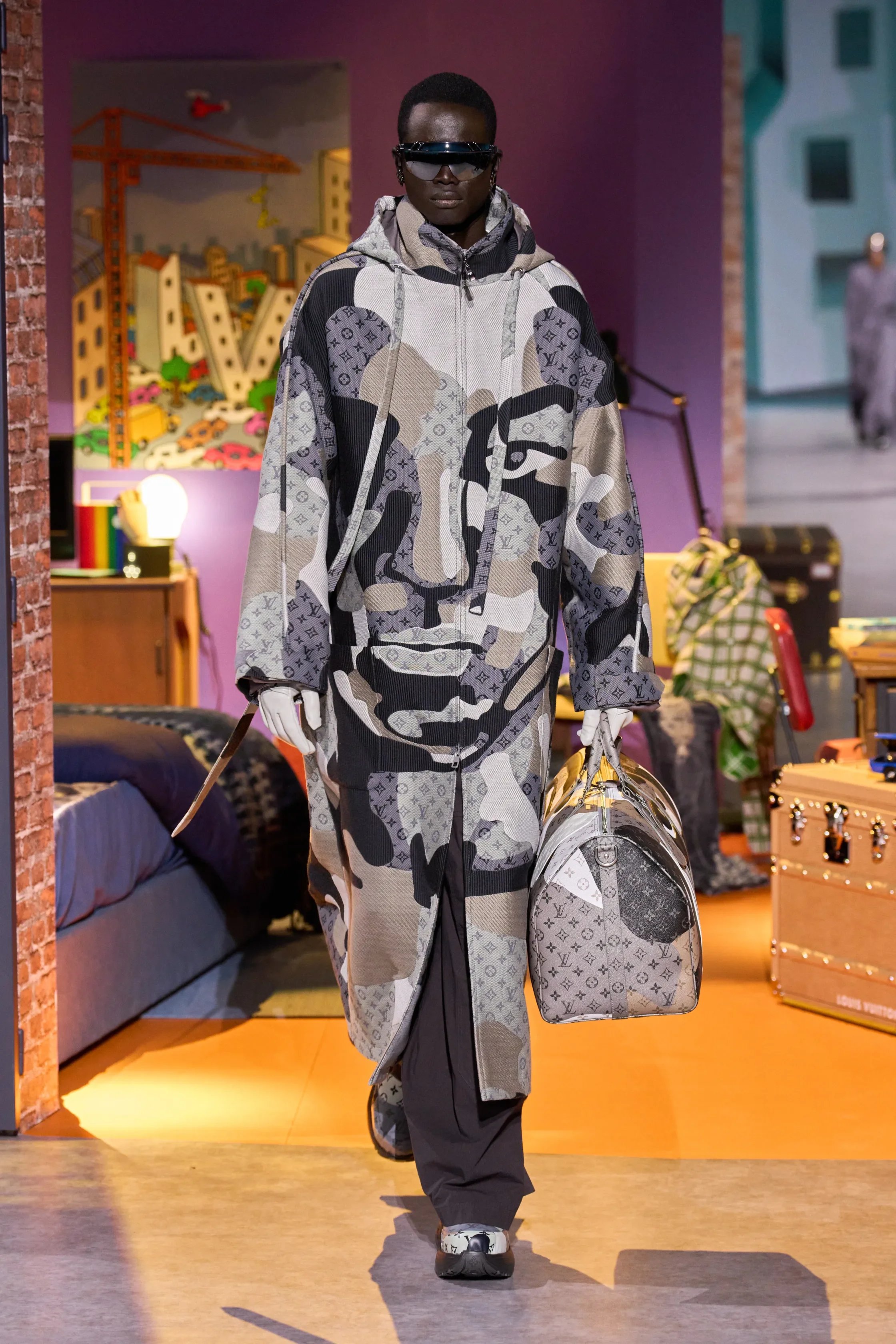
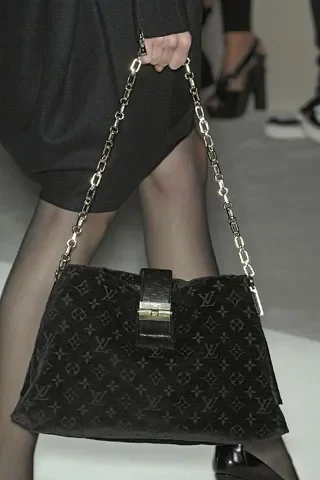
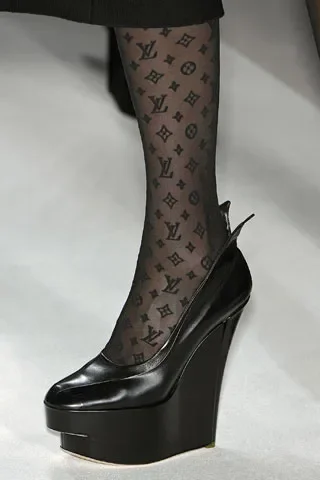
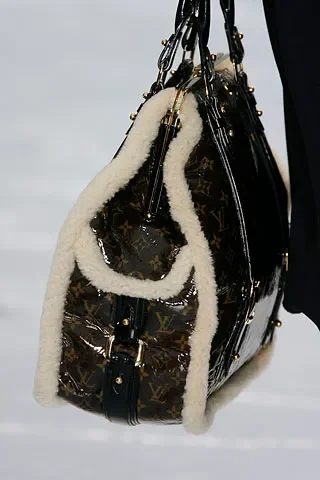
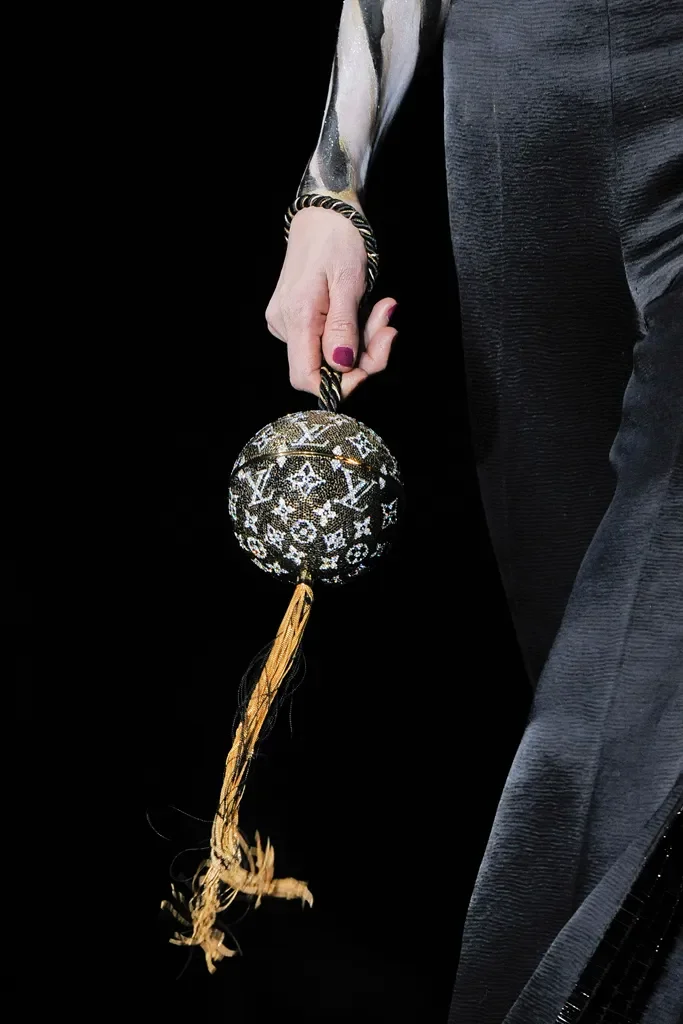
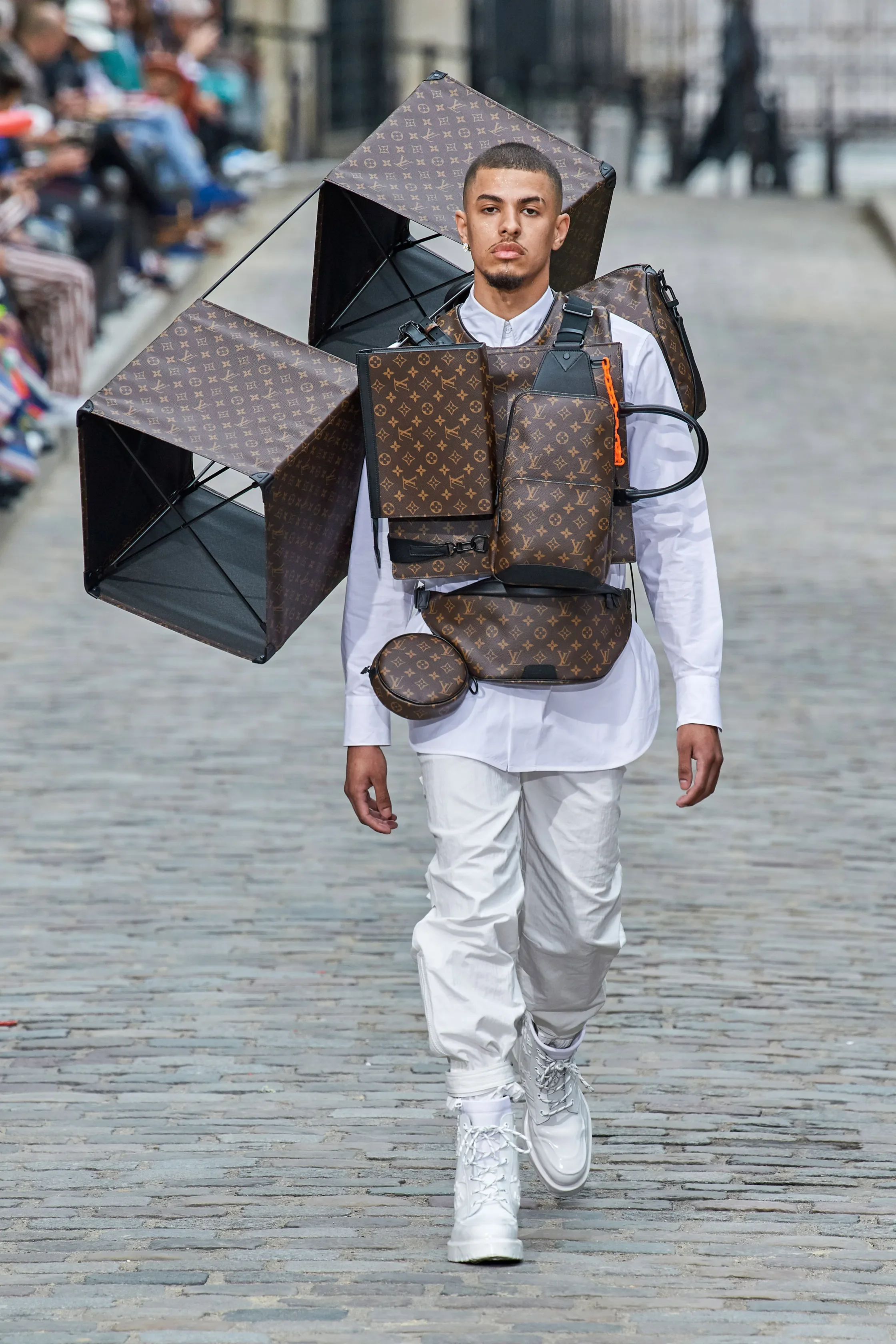
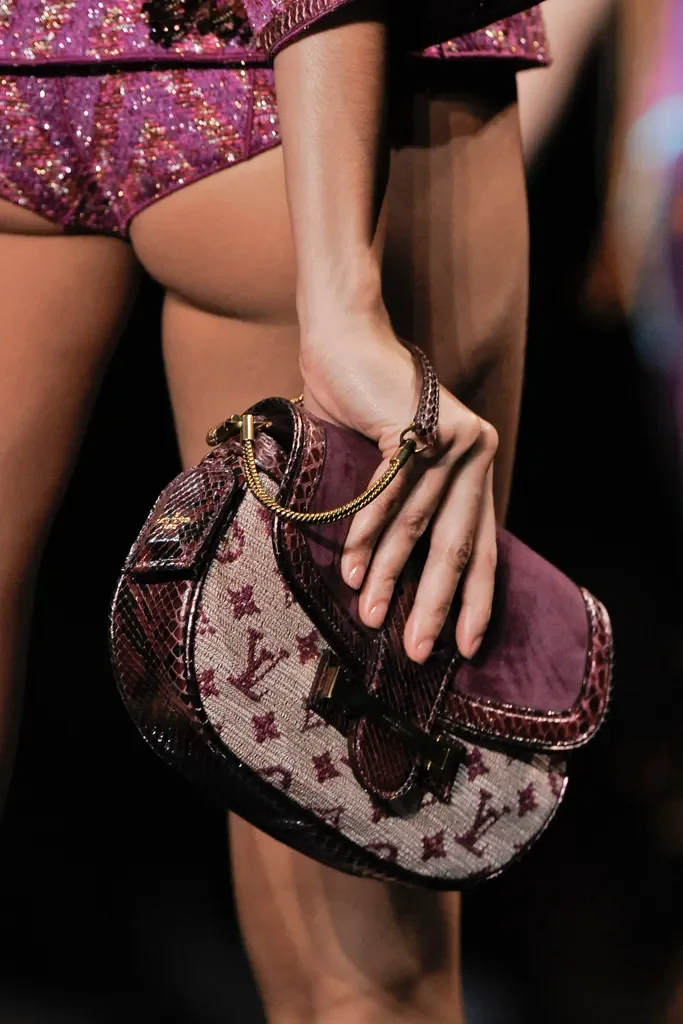
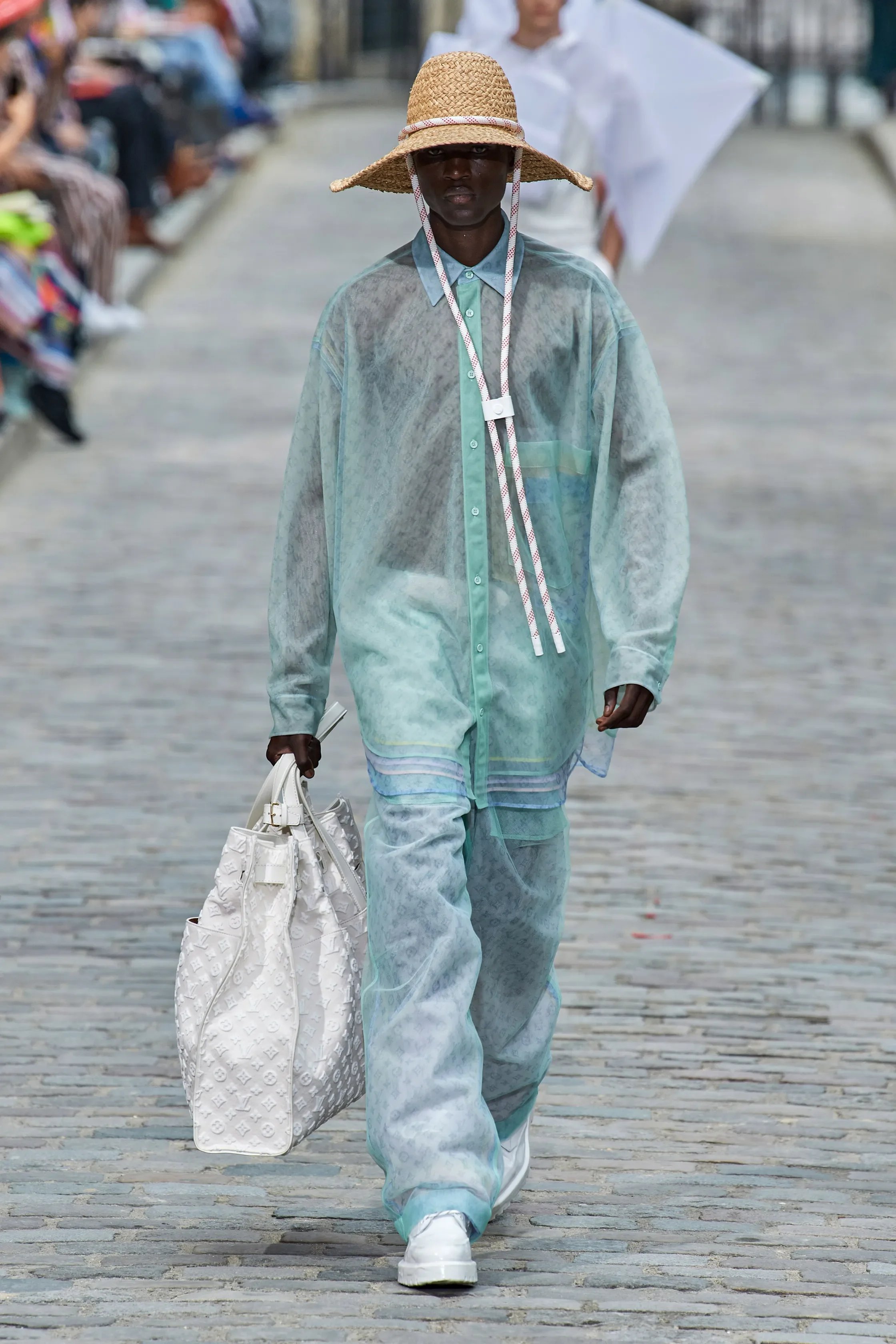
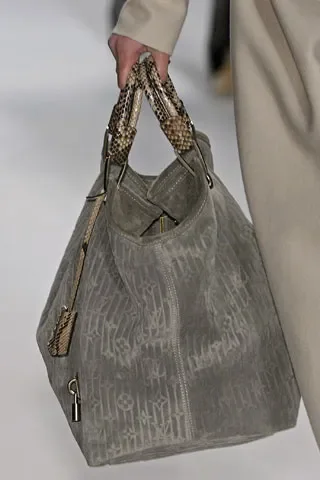
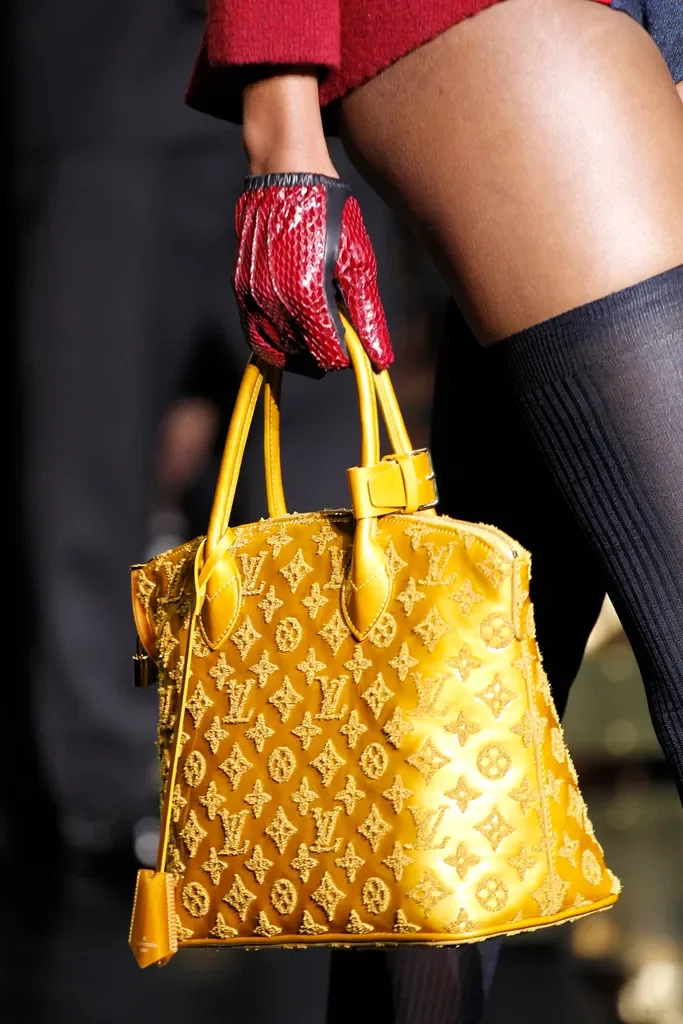
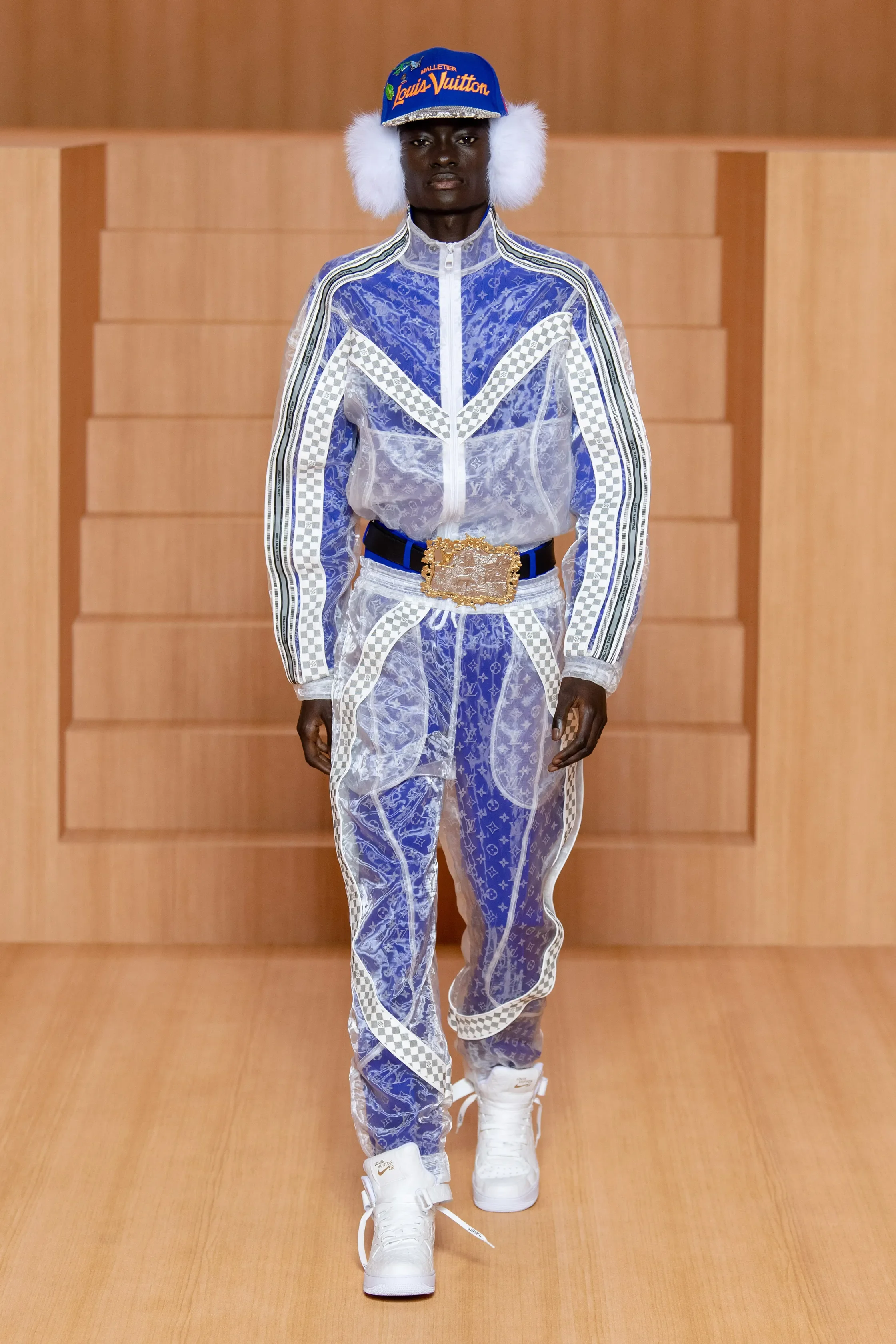
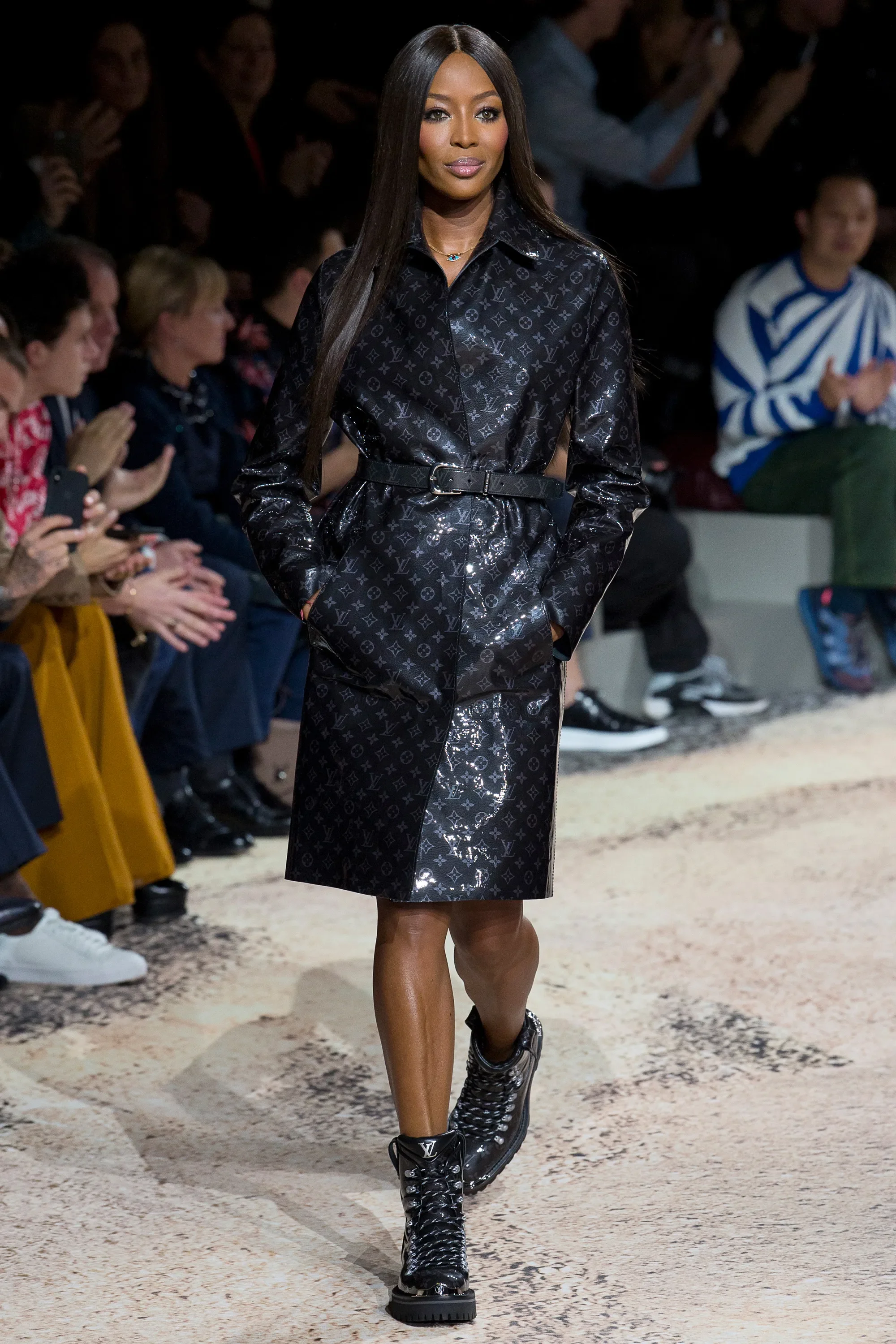
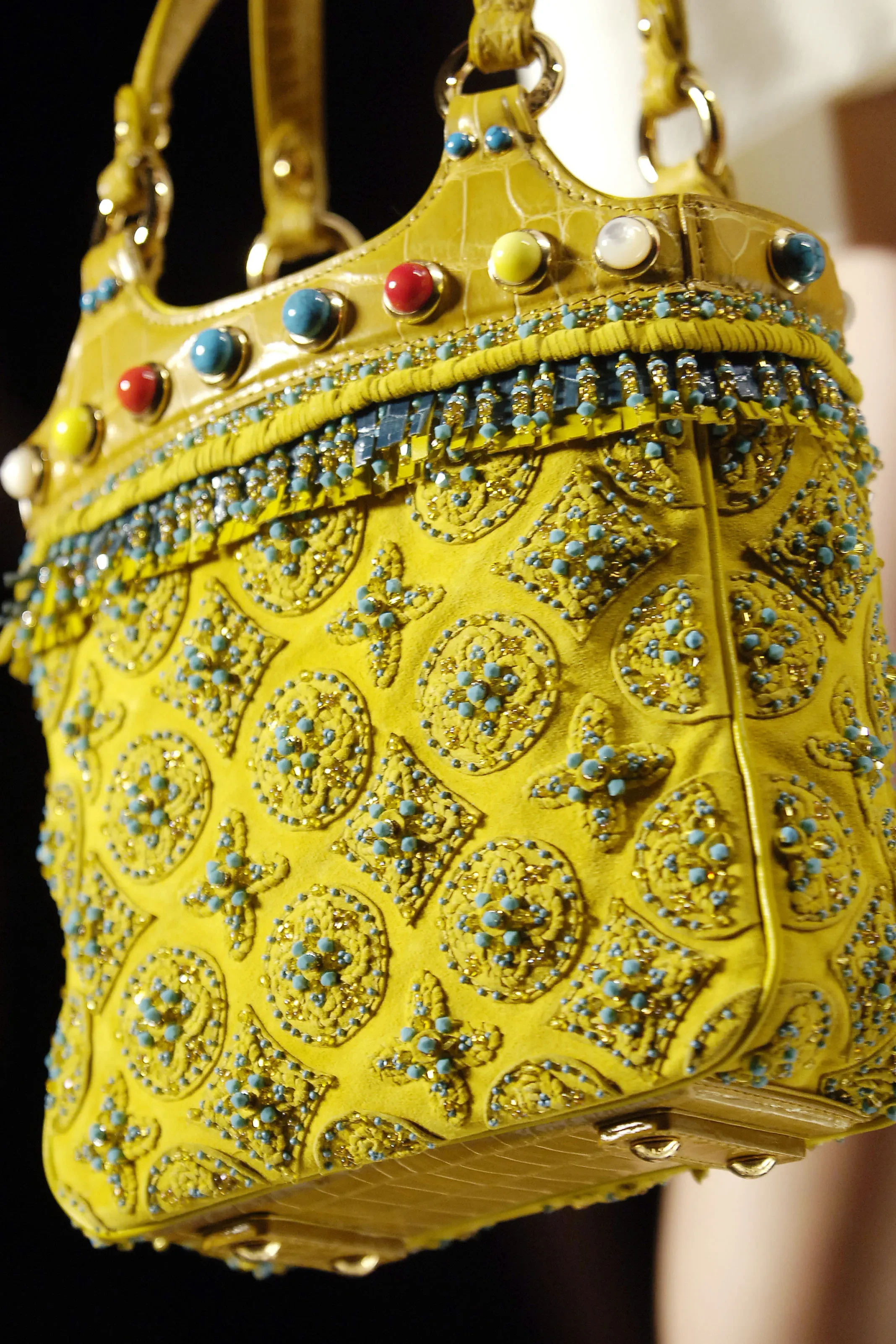
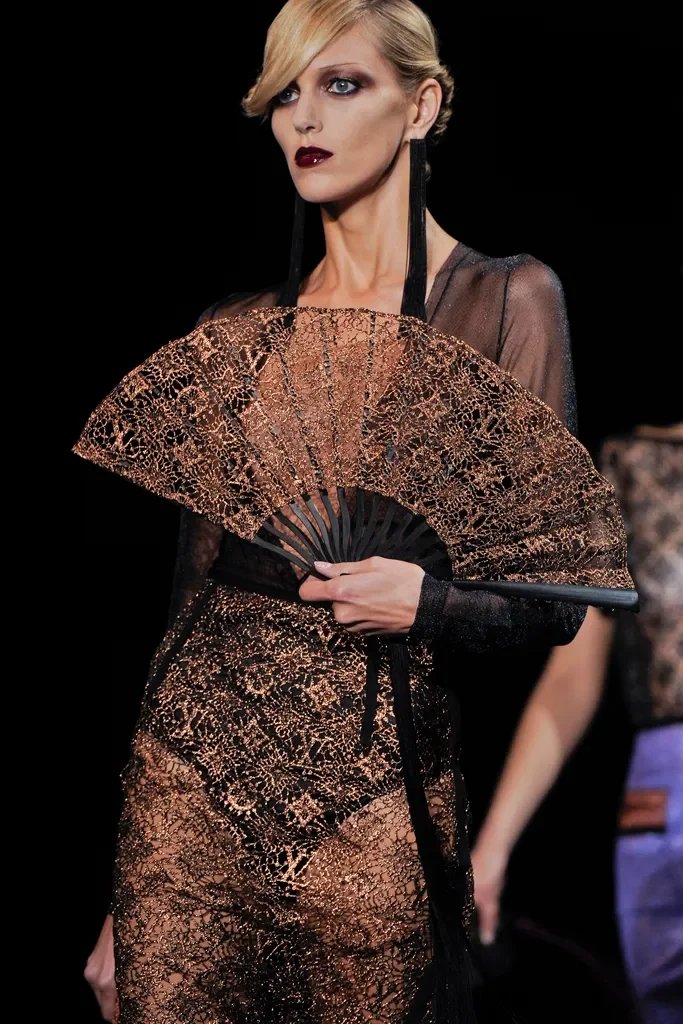
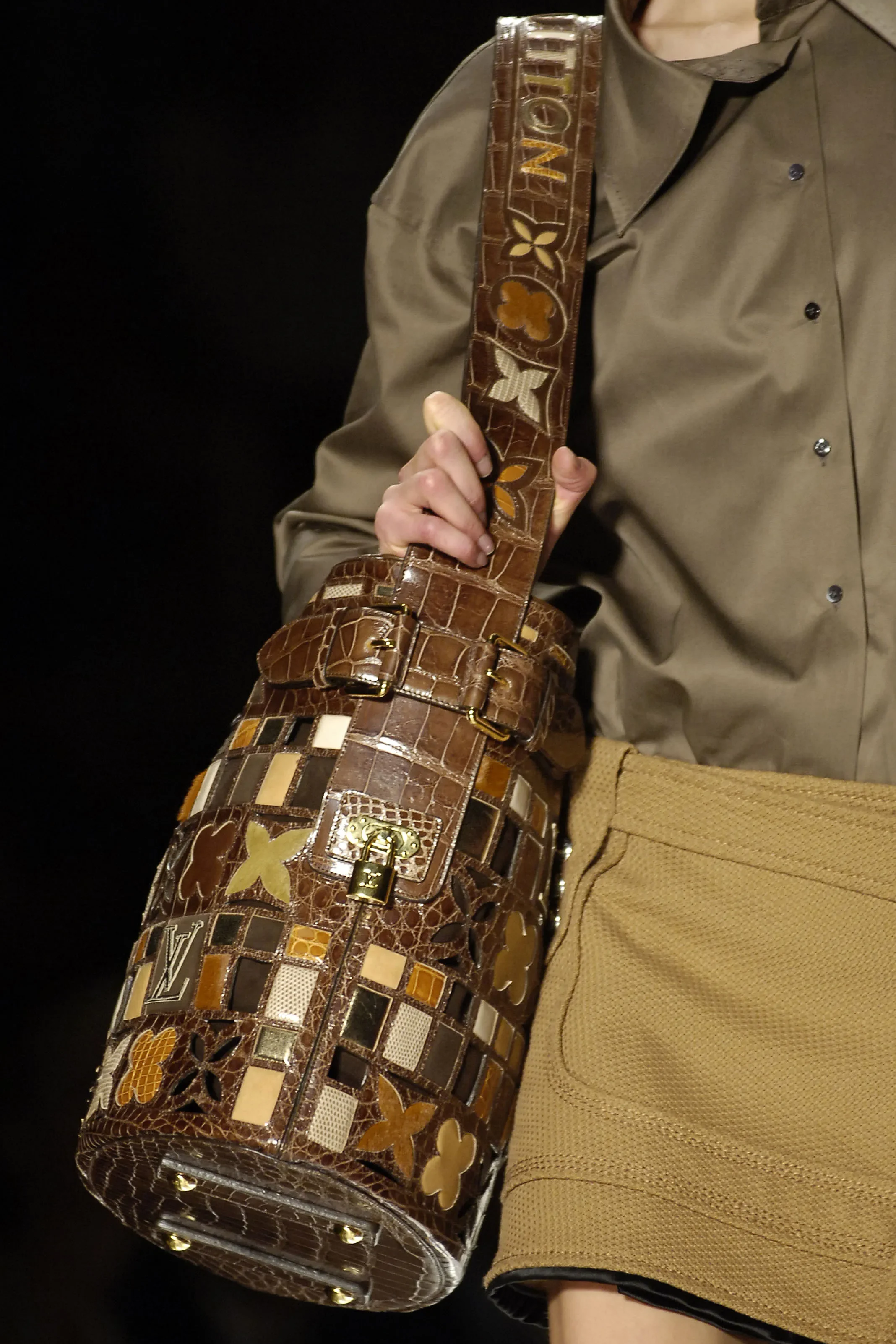
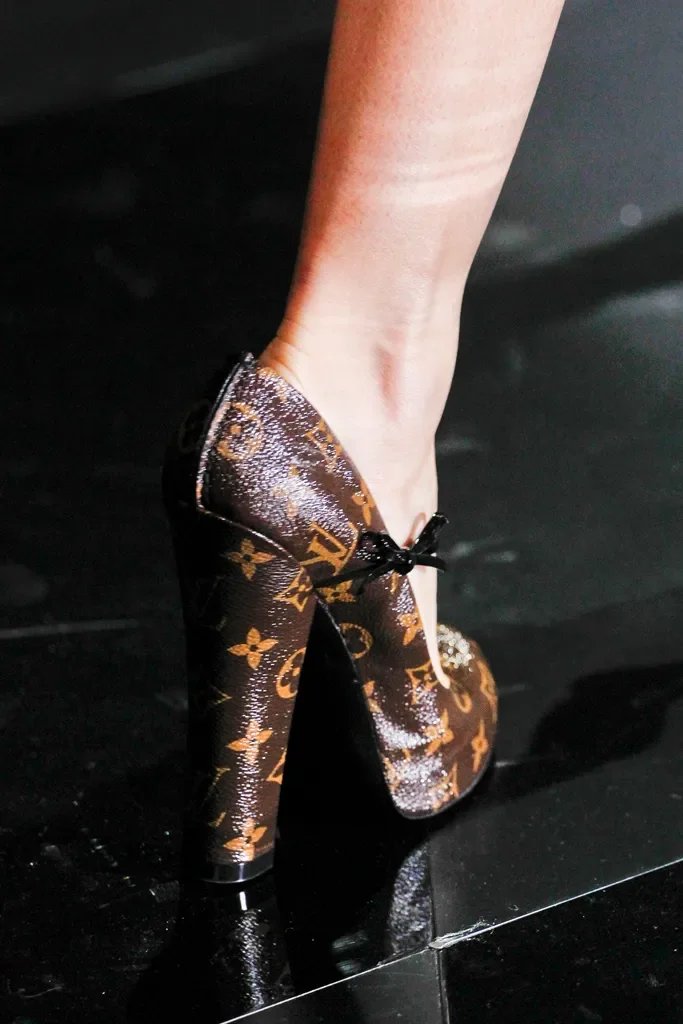
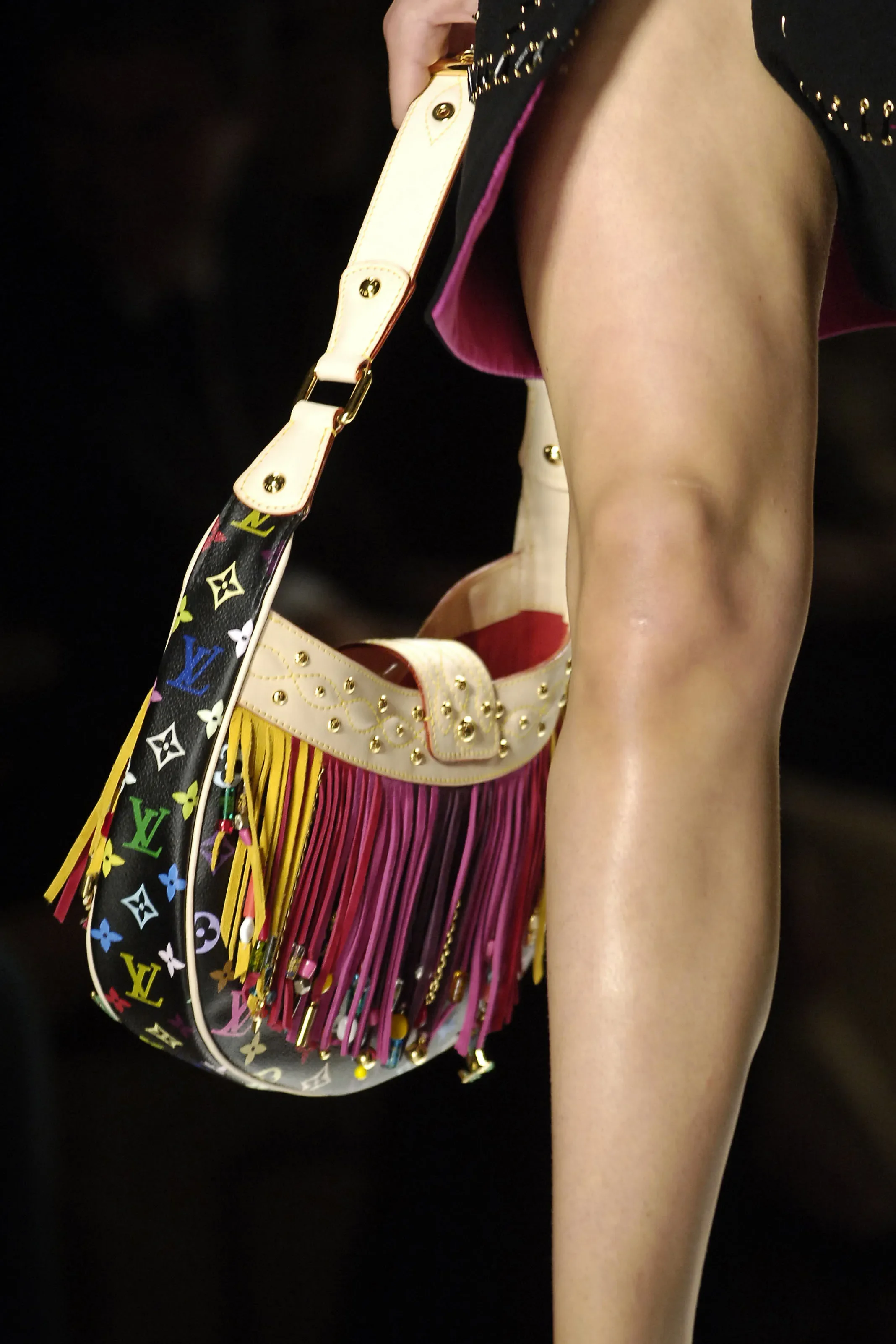
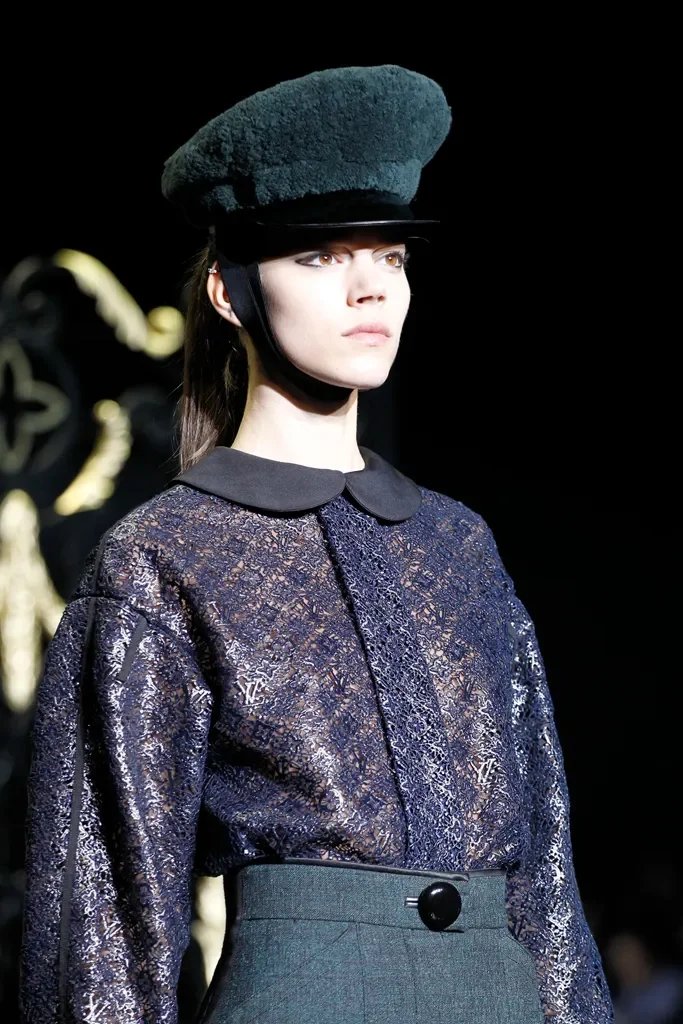
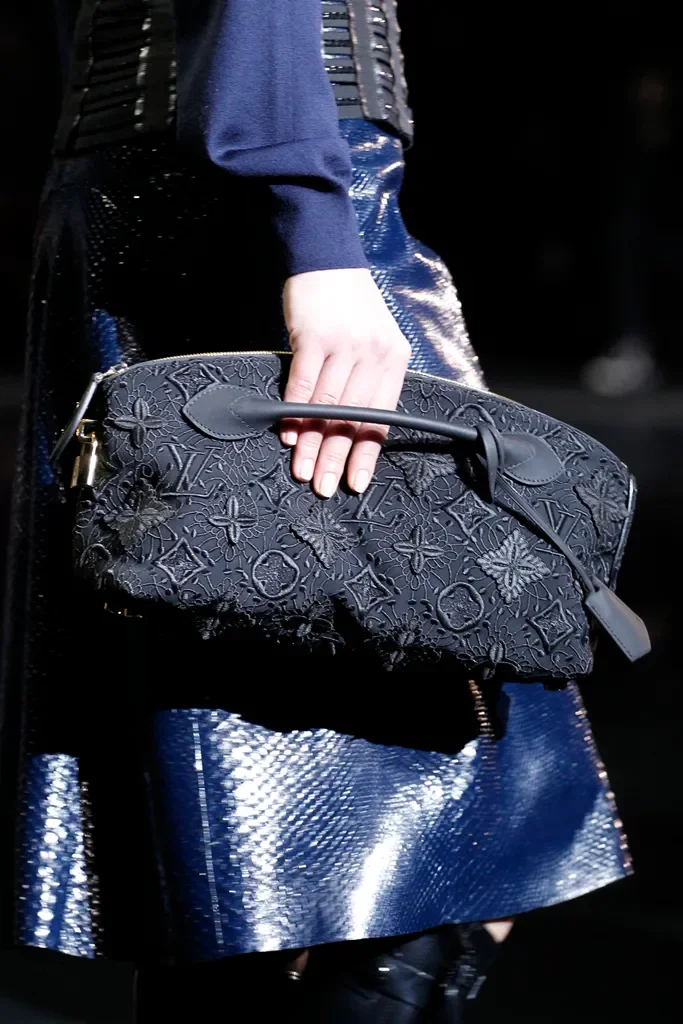
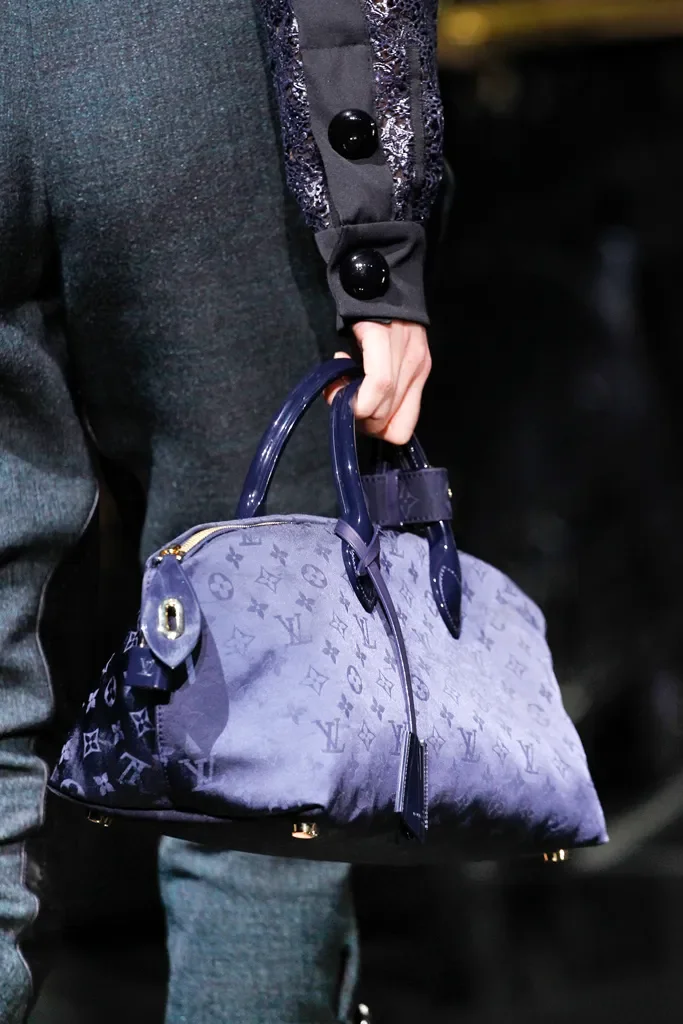
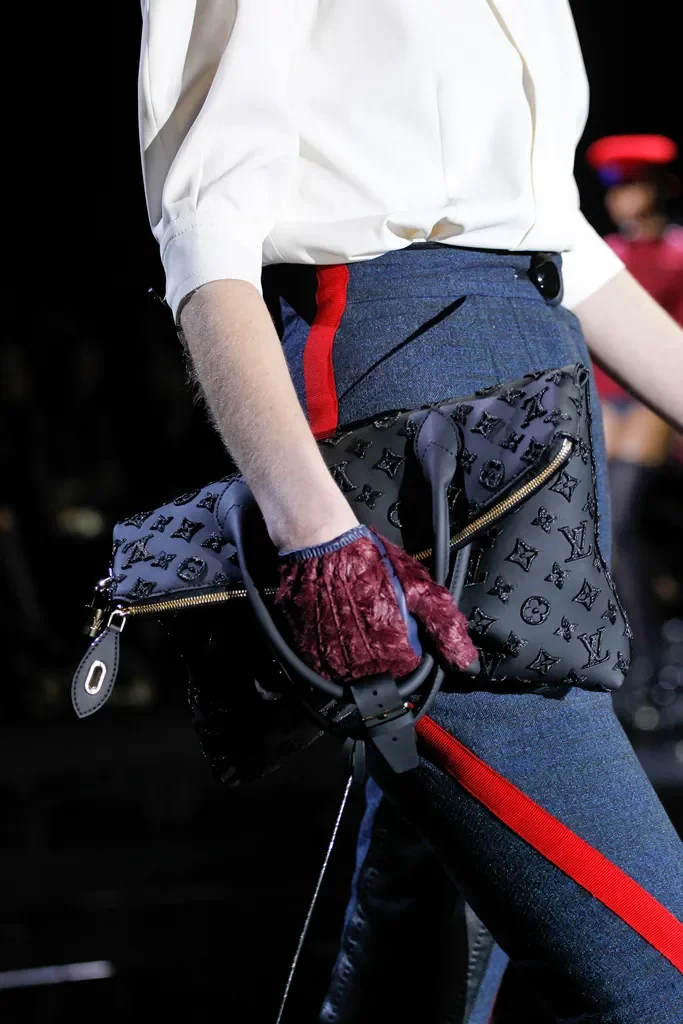
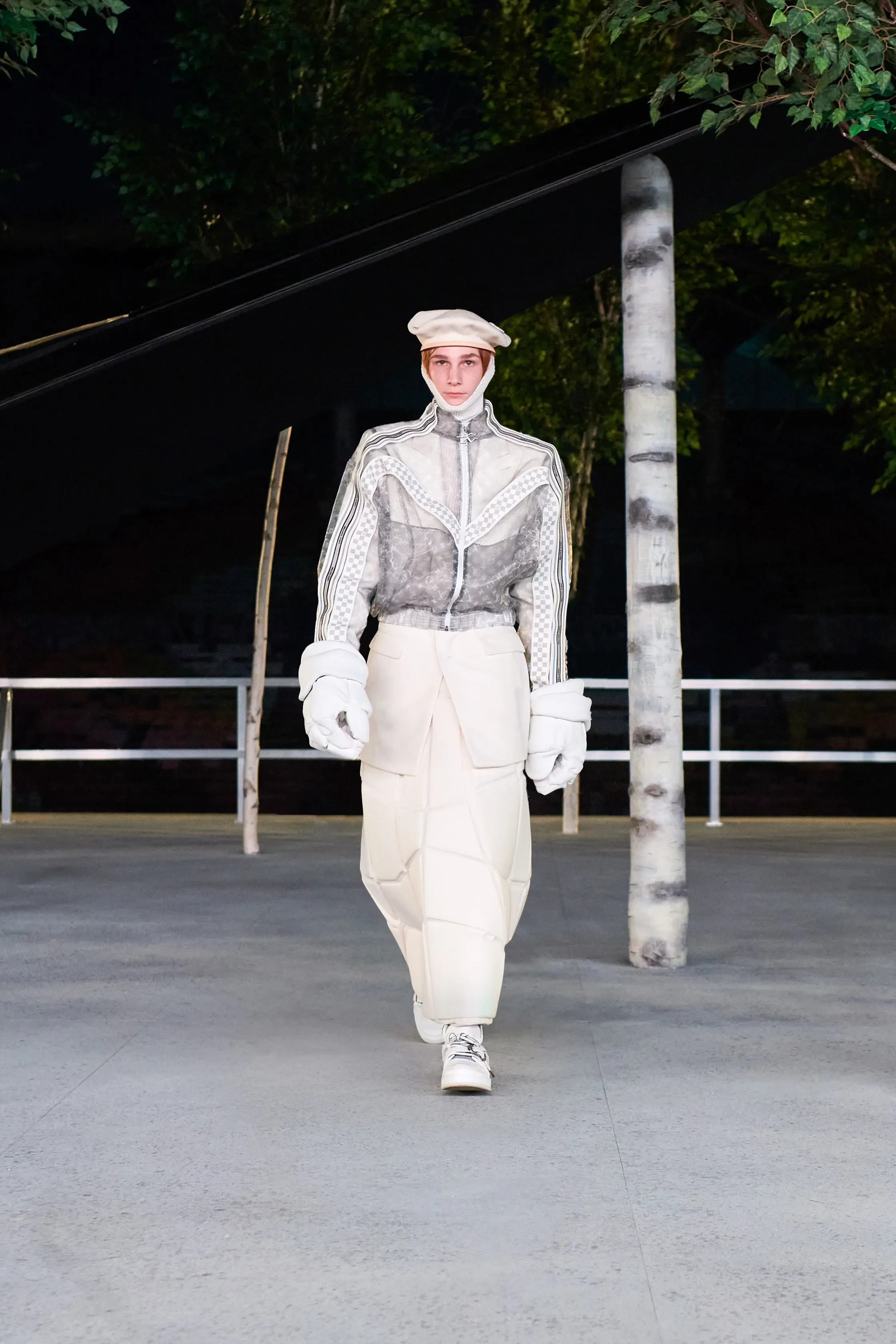
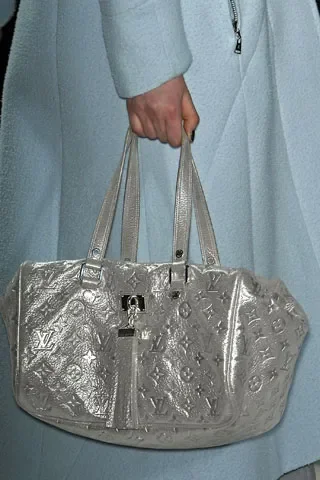
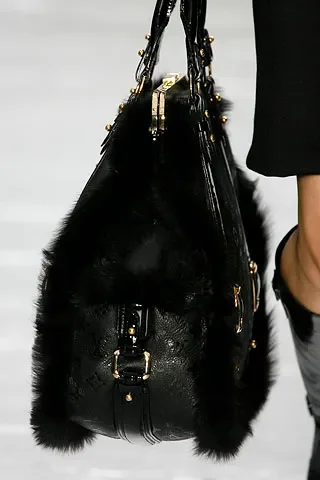
images courtesy of LOUIS VUITTON, vogue.com and rue-des-boulets.com