
FAUX AS THE NEW FAUX PAS: HAS FASHION GIVEN UP ON VEGANISM?
words by ANOUK WOUDT
Following years of a push towards vegan materials in fashion — symbolically figureheaded by sustainable mother Stella McCartney — somehow, along the way, it lost its high-fashion appeal. After an unsaid ceremonial shunning, leathers and furs have returned to the runway, and not subtly at that, but more prominently than perhaps ever. Adhering to the swinging pendulum of fashion ins and outs, this resurgence doesn’t feel entirely surprising. Yet considering the supposed “woke” march forward and the rise of vegan fashion vigilantes, this influx seems counterintuitive, perhaps signalling a deeper shift in our cultural norms.
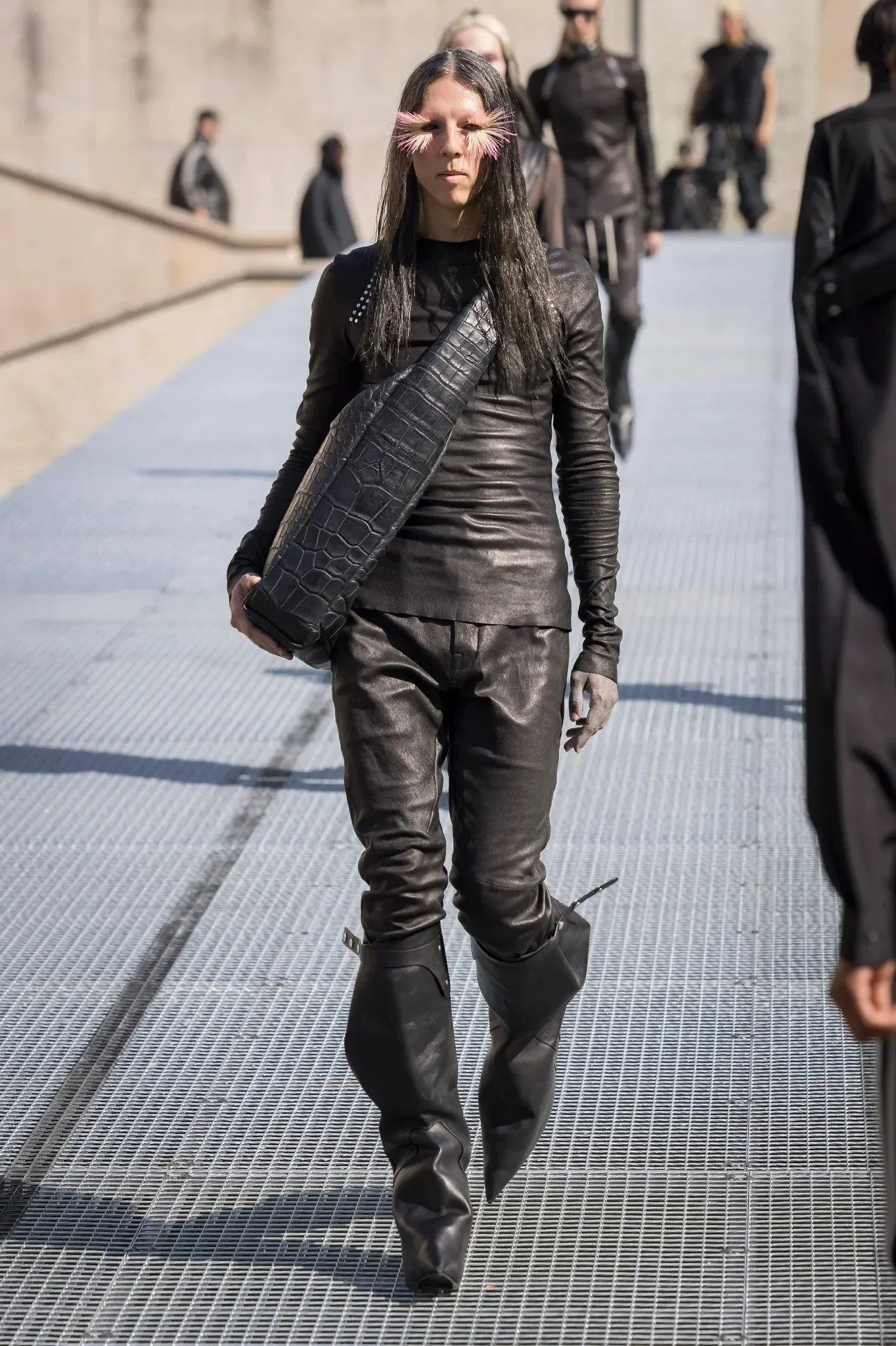
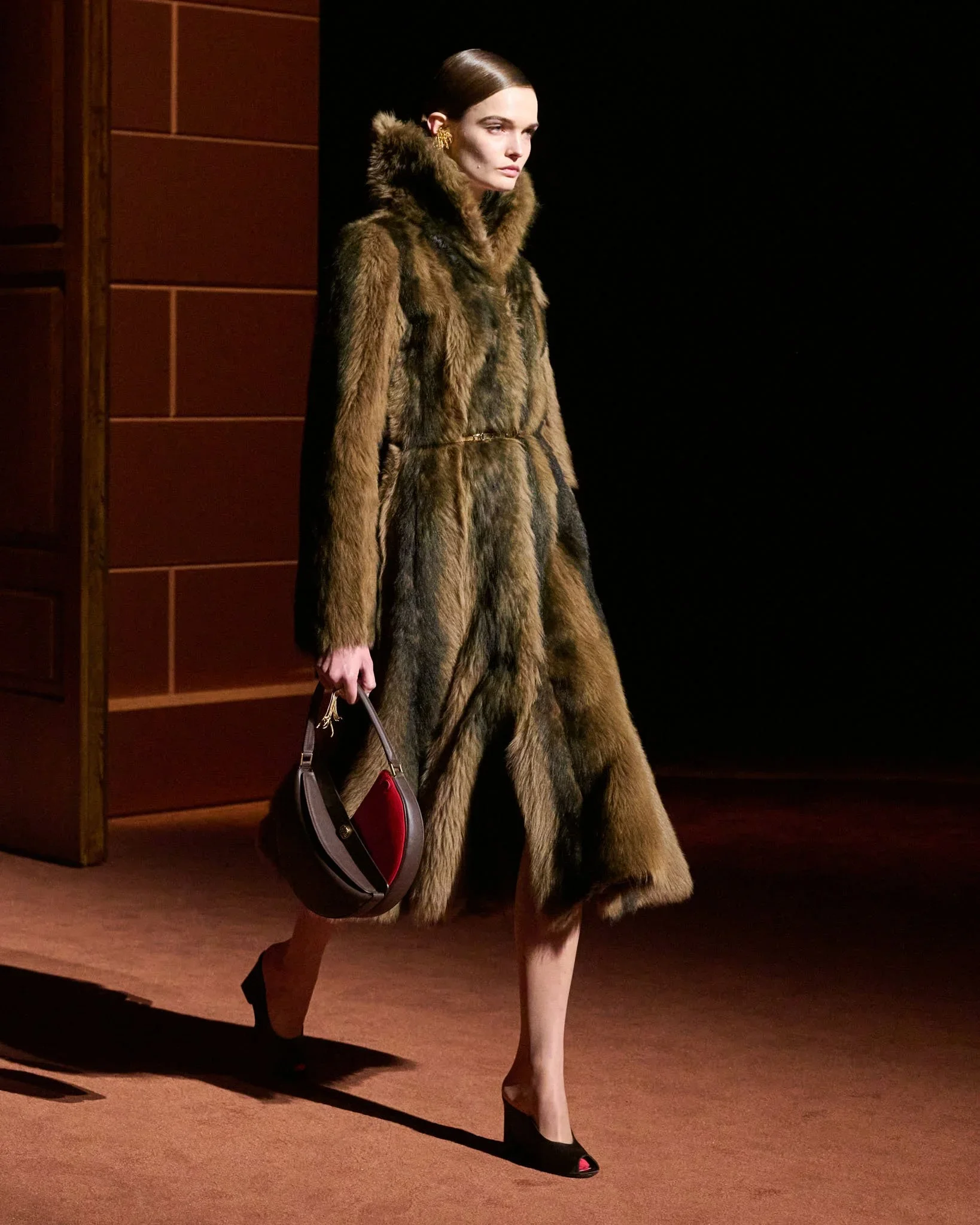
images courtesy of RICK OWENS and FENDI
Spotted across multiple runways throughout recent womenswear and menswear collections, the return to animal-derived materials has made itself shamelessly clear. Though many brands have adopted an fur ban — Gucci, Prada, Chanel, Versace — there are still several major houses that still rock fur proudly including Hermès, Dior, Louis Vuitton, Fendi, and Dolce & Gabbana. Outside of the fur debacle, leather is absolutely still heralded as the luxury standard across the fashion industry. From Fendi lining nearly every piece with fur in their FW26 collection to Miu Miu’s leather trench coats, and an unending leather obsession at Rick Owens, these materials are not only used as accents, but as entirely defining features of each respective house. At this point, resisting the resurgence appears even more rebellious than embracing it.
Igniting protests from vegan associations such as PETA, this revival has not slipped by quietly, leading many activists to crash runways fully decorated in signs and slogans. Though PETA and the fashion industry have had a documented rivalry since phones could record — see Dior FW 2003 – their reservations were at bay following the introduction of plant-based leather alternatives during the so-called woke era peak that was 2016.
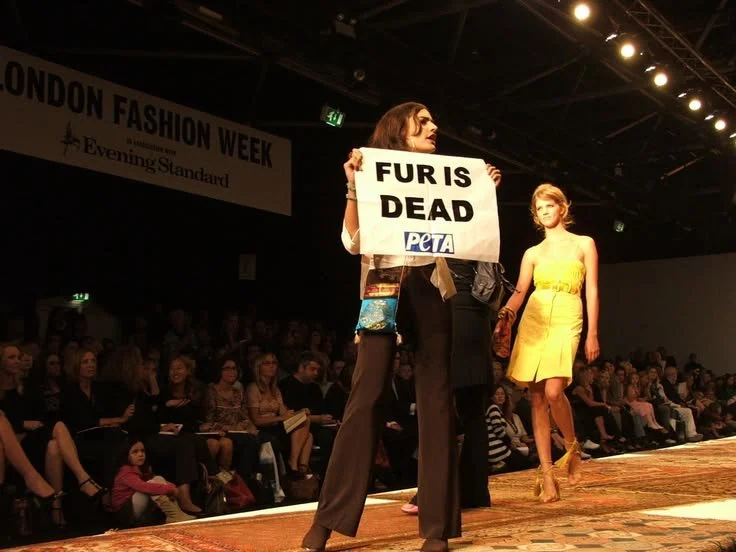
image via PINTEREST
With Stella McCartney at the helm of the vegan fashion ship, her incorporation of fungi- or grape-based leather acted as a gateway for leather alternatives in luxury fashion, inspiring other brands to follow her lead. Veja has since dominated the vegan sneaker industry, while brands such as Themoire have adopted plant leather into accessories. Championing sustainability while balancing animal welfare was a huge milestone for vegans, who had long struggled with the ethics of pleather due to its plastic-based – and thus, waste-forward – nature.
But if a sustainable alternative has already been manufactured, why do most fashion houses still reject its usage? Unfortunately, the bio-based leather industry does not exist without flaws. Due to its common reliance on small amounts of synthetic binders, its full biodegradability is compromised, taking a hit to a huge part of its appeal. Sustainability qualms aside, its longevity also poses its own issues, still paling in comparison to leather’s durability.
Luxury has always prioritised and promised quality, making these matters all the more dissuading. Besides, leather and fur have always historically acted as symbols of opulence, making it an easy sell to an industry built on status. Although repositioning these products as cornerstones of luxury only strengthens their demand, fueling the continued exploitation of animals.The point is these pieces aren’t created with the vegan perspective – or any respect for the animal, at that – in mind, and vegans can see this plainly. Protesting leather-flaunting brands like Coach and Victoria Beckham, PETA has made it clear that this normalisation will never dim their fight against animal exploitation.
“PETA is shaking up Coach’s catwalk to drive home the message that leather belongs in the annals of history, not in designers’ current collections,” said PETA Executive Vice President Tracy Reiman in the press statement.
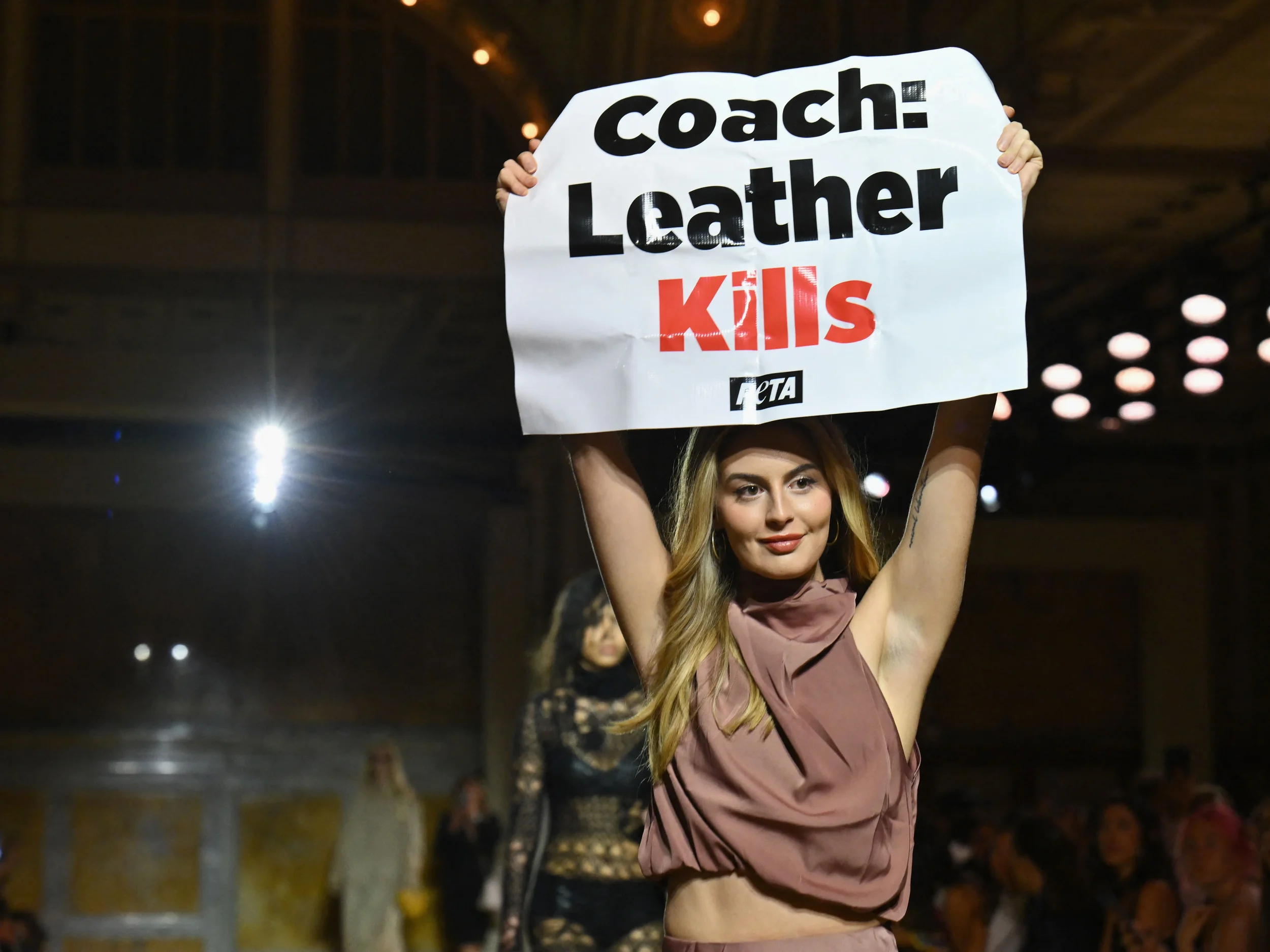
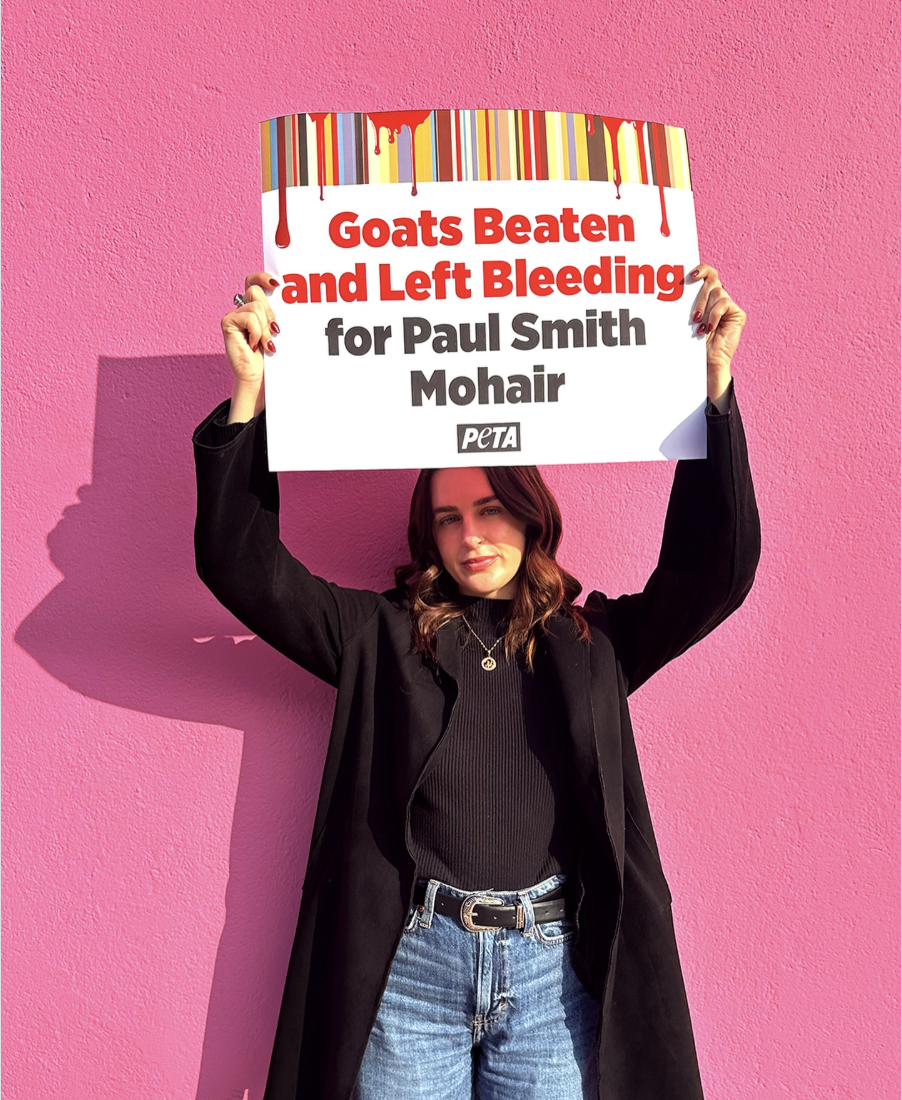
images courtesy of PETA
This plight continues into this season, where protests continued to ramp up tensions, particularly exploding in and outside of Paul Smith’s SS27 show last month at Milan Fashion Week. Protesters appeared once more on the runway, urging Mohair to be de-instated from the Paul Smith lineage. Beyond the catwalk, activists also confronted President of the National Chamber of Italian Fashion, Carlo Capasa, urging him to implement a fur-free policy during fashion weeks. When this request was met to no avail, protests continued at the LMVD Capital (a conglomerate closely tied to Milan Fashion Week), proving the sentiment is in no way slowing down.
As we enter an age of modernity rejection – sparked by AI’s speedy cultural takeover – this resurgence also seems closely tied to the phenomenon. People are increasingly more attracted to symbols of the way the world used to be, resulting in an anti-synthetic movement that’s been rapidly gaining traction in fashion. Apply this ideal to the re-rise of animal-based luxury apparel, and its resurgence feels more aptly contextualised. Replacing synthetic, lab-engineered alternatives with materials perceived as more closely tied to human history reflects a desire to reconnect with something beyond technology’s cold, mechanical grasp.
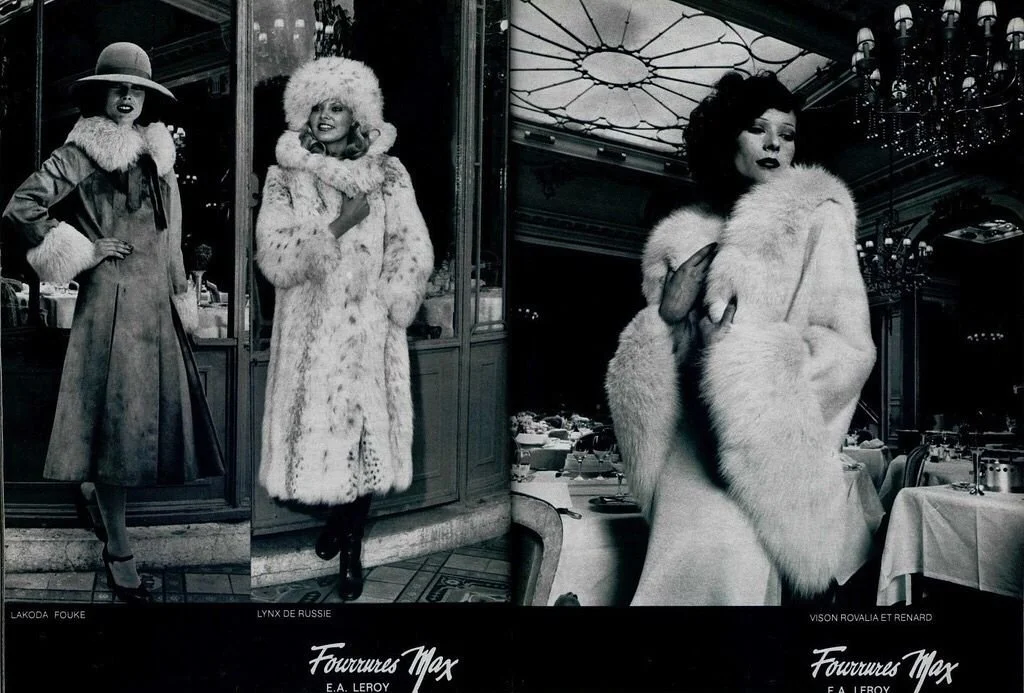
image via PINTEREST
Though working with these materials inherently supports factory-based animal farming, they are also arguably the most natural a material can get. Dating back to the ages of cavemen, sourcing materials from animals is naturally grounded to Earth and the craftsmanship that is intrinsically tied to humanity’s most archaic forms. Although it's natural, it is still important to acknowledge that this does not necessarily equate to “better.” The unjust killing of animals, especially in its industrial setting, can never be ethically justifiable when considering that its usage in today’s luxury fashion exists for abundance rather than survival.
Through all the many intricacies and contradictions of this resurgence, a proper solution is still yet to be found. As fashion continues to negotiate the competing demands of sustainability, craftsmanship, heritage, and animal welfare, no option appears entirely unscathed. For now, we can only hope that plant-based alternatives find their stride in luxury, though it's an investment that feels increasingly further away as priorities shift back towards more earth-focused materials. Ending on a similar note as we began, this resurgence remains an inconvenient reminder that even progress can go out of fashion — whether the movement was ahead of its time or simply a manifestation of a brief cultural blip.
