
INSIDE ANTWERP’S FIRST FASHION FESTIVAL
editor AÏCHA PILMEYER
London, Milan, Paris, New York. The fashion week cycle spins season after season, and the content hits you in a continuous blur of front rows and curated chaos. Unless you hold an industry badge, count yourself among a brand's VIC inner circle, or have the kind of connections that open backstage doors, fashion weeks remain a pretty exclusive affair. Antwerp Fashion Festival wants to change that.
From 4 to 7 June, Antwerp turned itself into a four-day fashion festival, built on a simple idea: fashion should be experienced, not just observed from a distance. Shows, installations, talks and parties take place across shops, galleries, museums and unexpected corners of the city, with access for everyone. Think design week, but for fashion.
The timing feels right. Since March, MoMu has been hosting the long-awaited retrospective on The Antwerp Six, the legendary group of Royal Academy graduates who stormed Paris in 1986 and permanently rewrote what European fashion could be. They didn't just put Antwerp on the map. They redrew it entirely. Now, four decades on, the city turns its gaze forward.
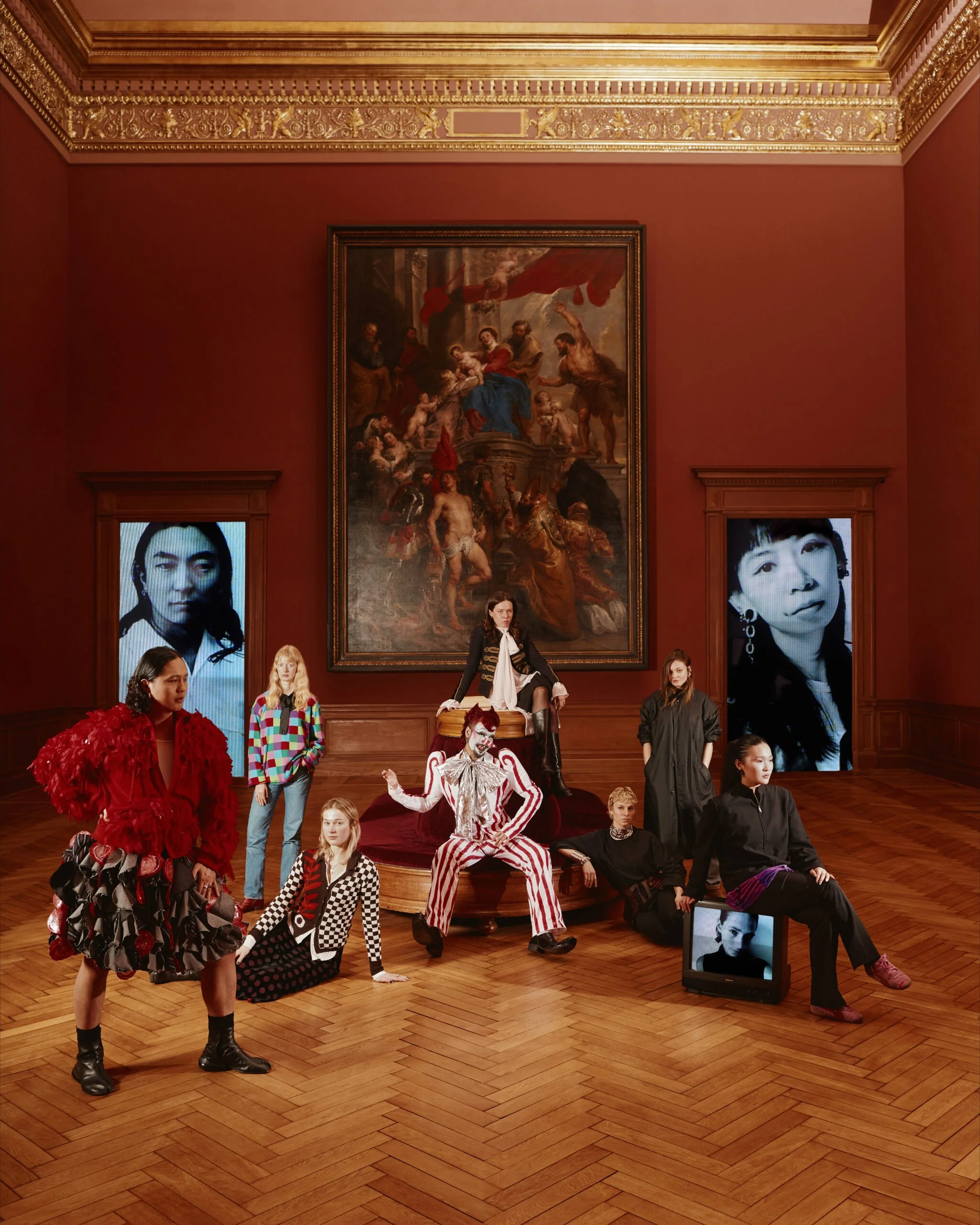
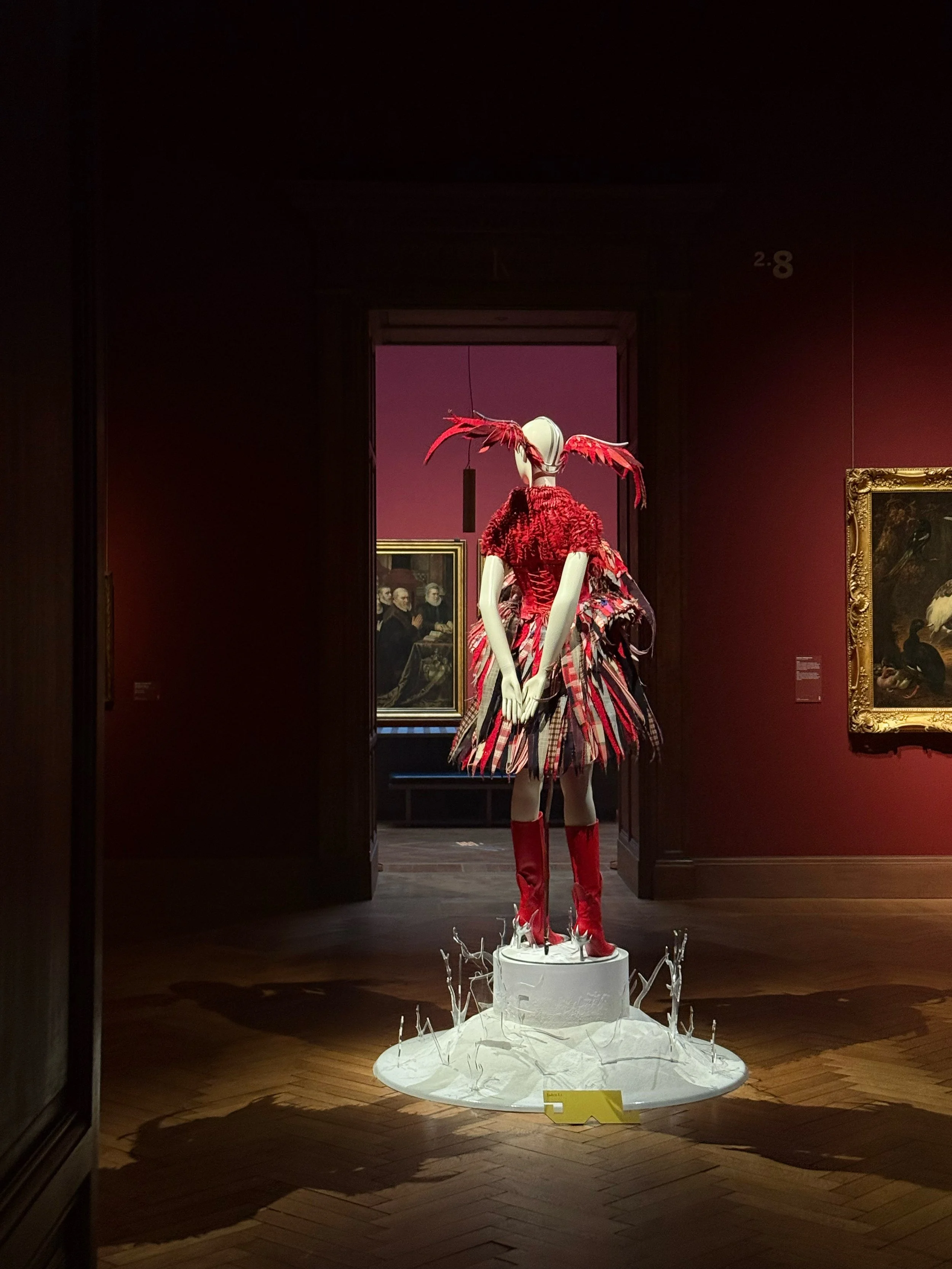
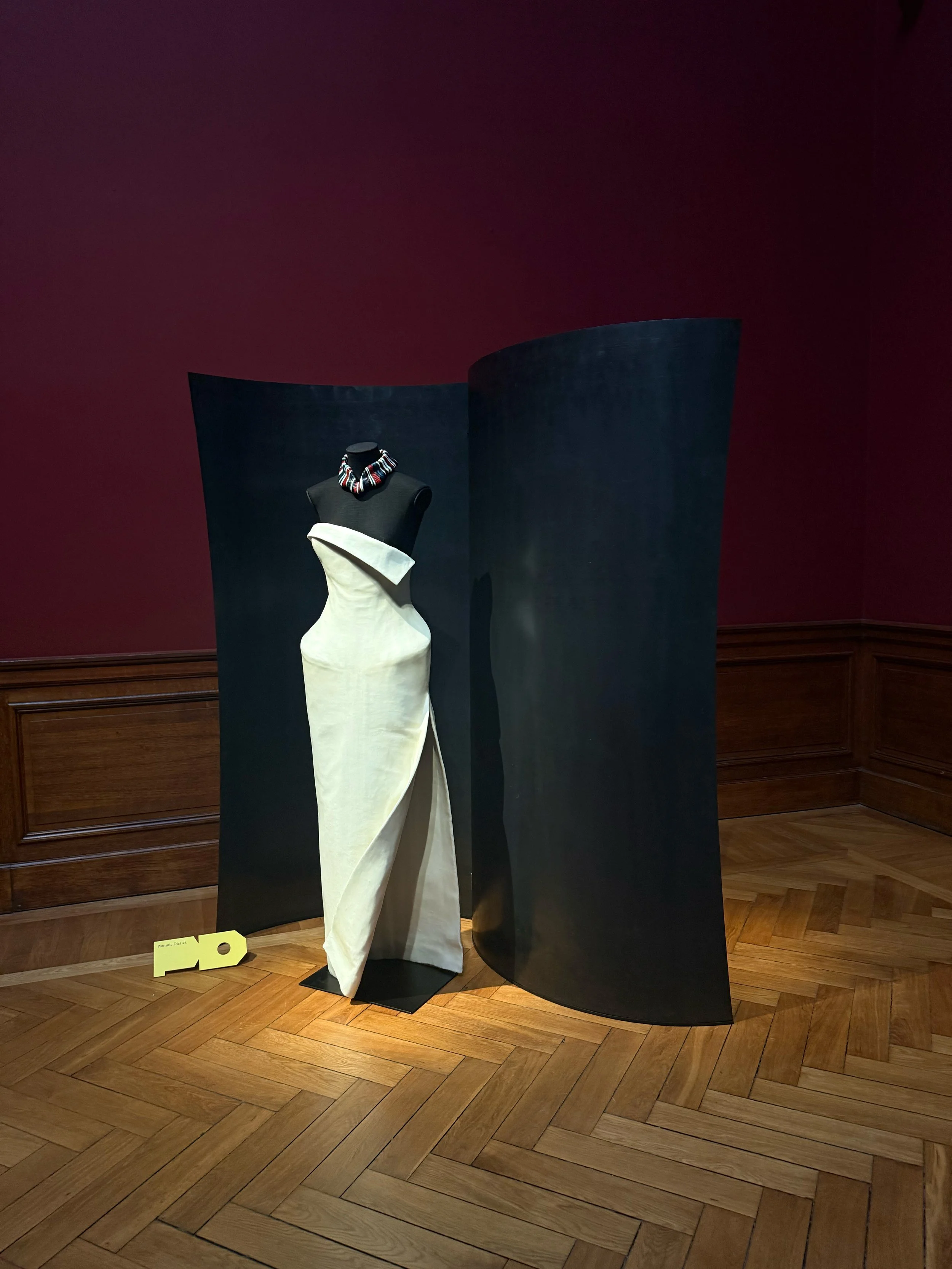
images courtesy of KMSKA - Jaden Li, Fauna - Pommie Dierick, Madonna
Young talent is very much in the spotlight. Like at the KMSKA x Young Fashion Designers exhibition. Ten young designers entered into dialogue with the museum collection and presented their creations within the museum's galleries. Each design stems from a personal interpretation of an artwork, motif, technique or emotion from the collection.
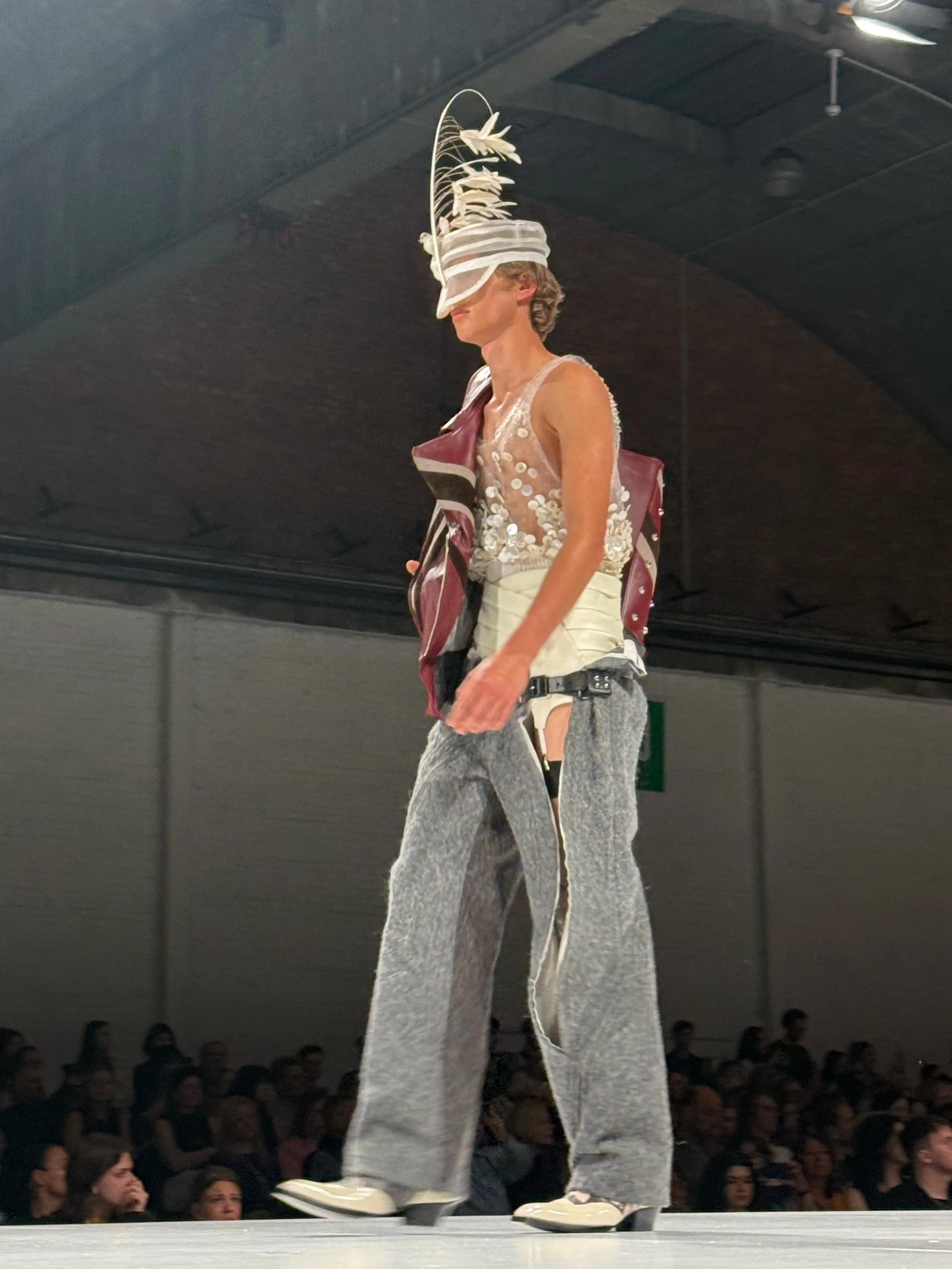
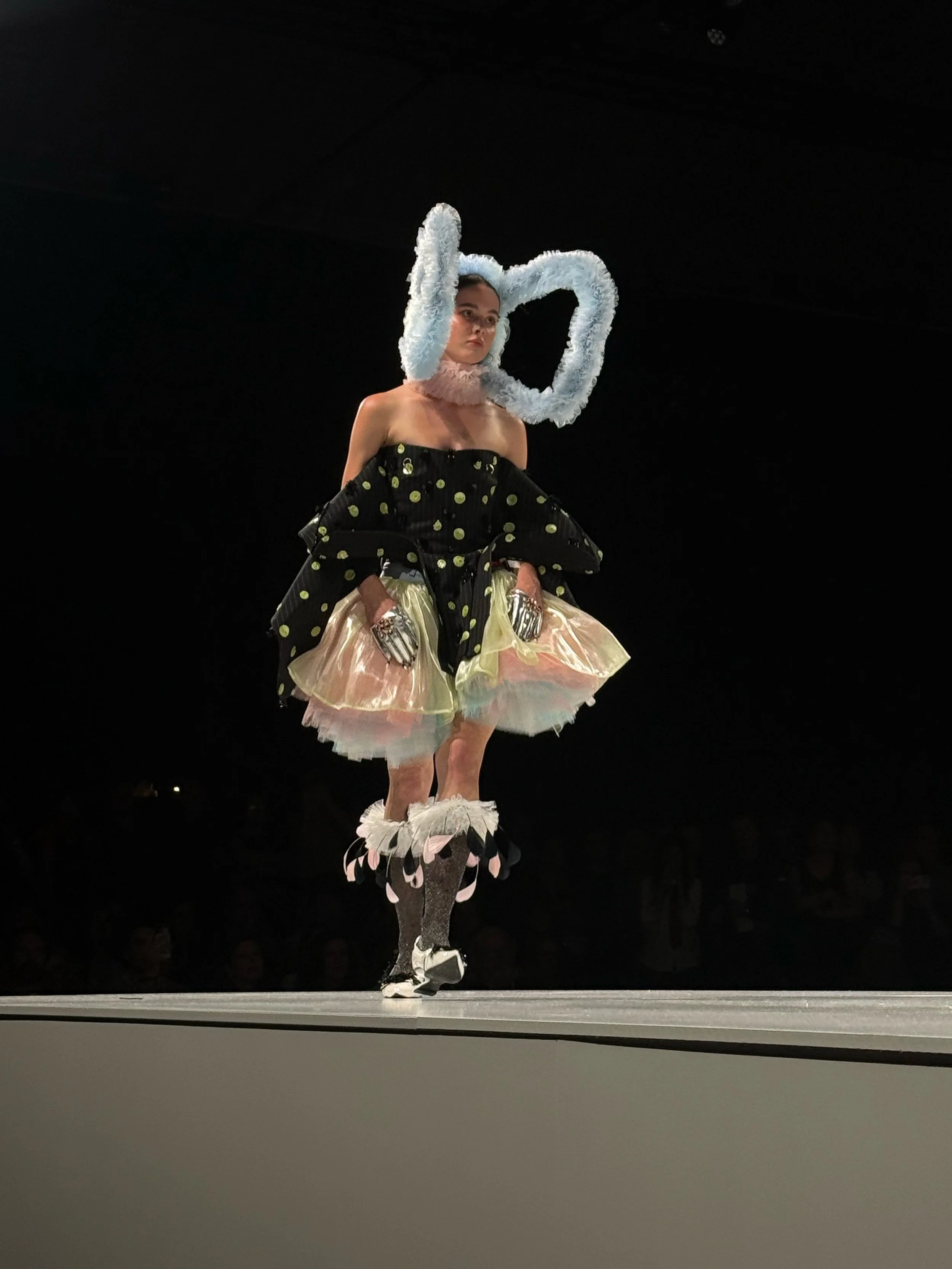
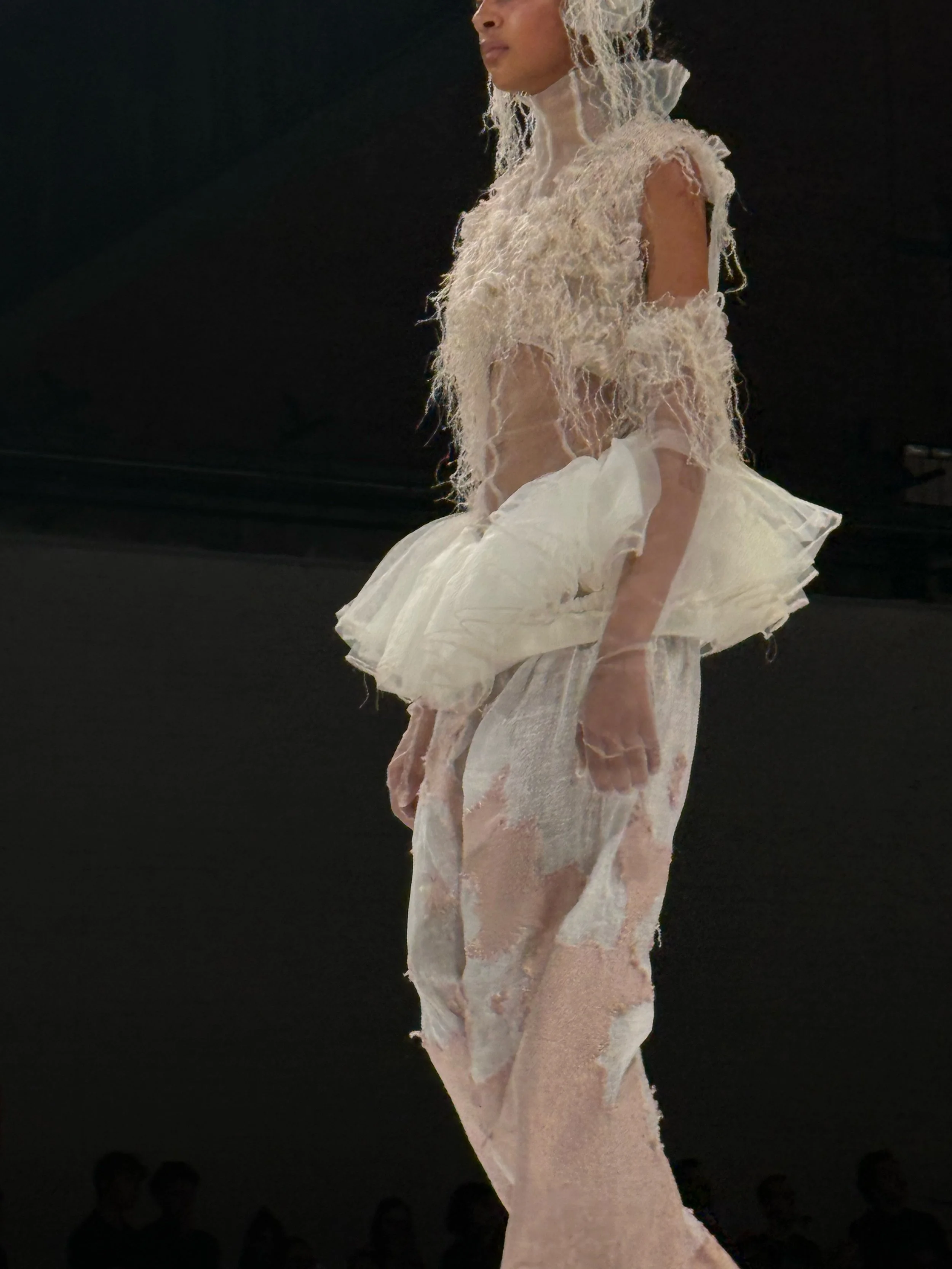
images credits: Show 2026 Royal Academy of Antwerp
Another highlight was the annual Royal Academy Fashion Show, preceded by an exhibition where visitors could view the garments up close. The show brimmed with emerging talent and felt like a refreshing take on fashion: designers who were guided entirely by their own fascinations and inspirations, free from constraints. Even Julian Klausner, creative director at Dries Van Noten, seated in the front row, was — literally — taking notes.
What set the festival apart was also the depth of its conversations. Fashion Talks, with Zalando as its main partner, brought together the right voices in the room. One highlight was a panel on AI and what it can do for customer loyalty, with Laura Toledano, General Manager Western Europe at Zalando, representing a platform that connects brands to millions of consumers; Elza Wandler, founder of the brand Wandler with a devoted following; and Ashley Krupnik, Senior Consulting Director at WGSN, an authority on consumer trends.
The panel explored how e-commerce has evolved from a purely transactional space into one of inspiration. On Zalando's platform, that shift is already visible through inspiration feeds and personalised shopping experiences powered by AI, including a trend-spotting tool that tracks real-time style signals. But inspiration alone is not enough. Attention has become a luxury. WGSN sees the world rewiring, shifting from consumption to meaning, and finds that brands can no longer take their audience's focus for granted and have to actively curate and keep it.
From the brand perspective, Wandler uses AI to streamline internal processes and backend operations, but firmly believes that human creativity becomes more valuable, not less, in an AI-driven world. Consumers are craving relevant, real communication and authentic experiences, and that's something no algorithm can fully replicate. The need for offline experiences is rising, and that's where Wandler puts their creativity and time. It was a conversation about balance: AI can personalise experiences and reduce costs, but human creativity and touch remain essential to building genuine connections.
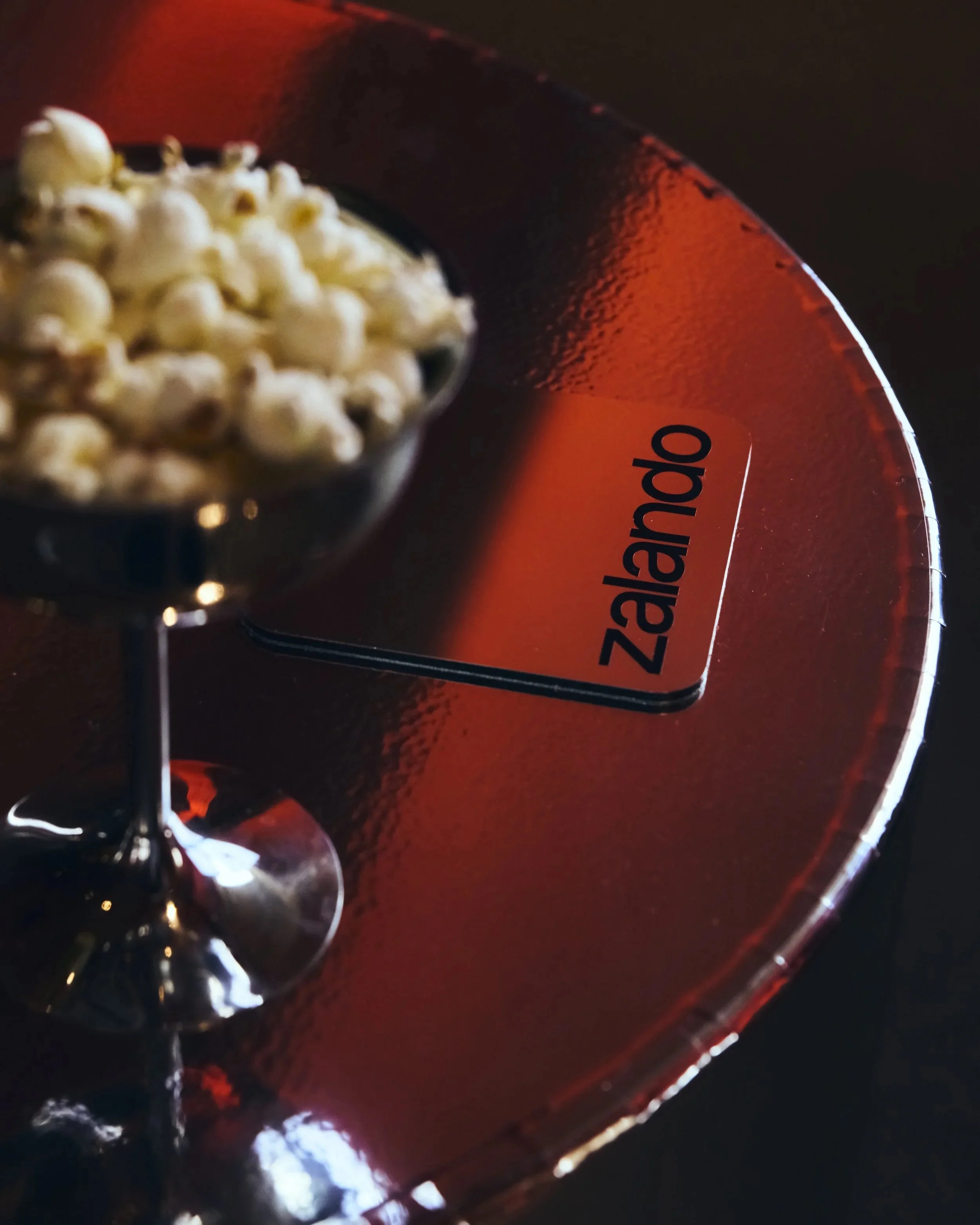
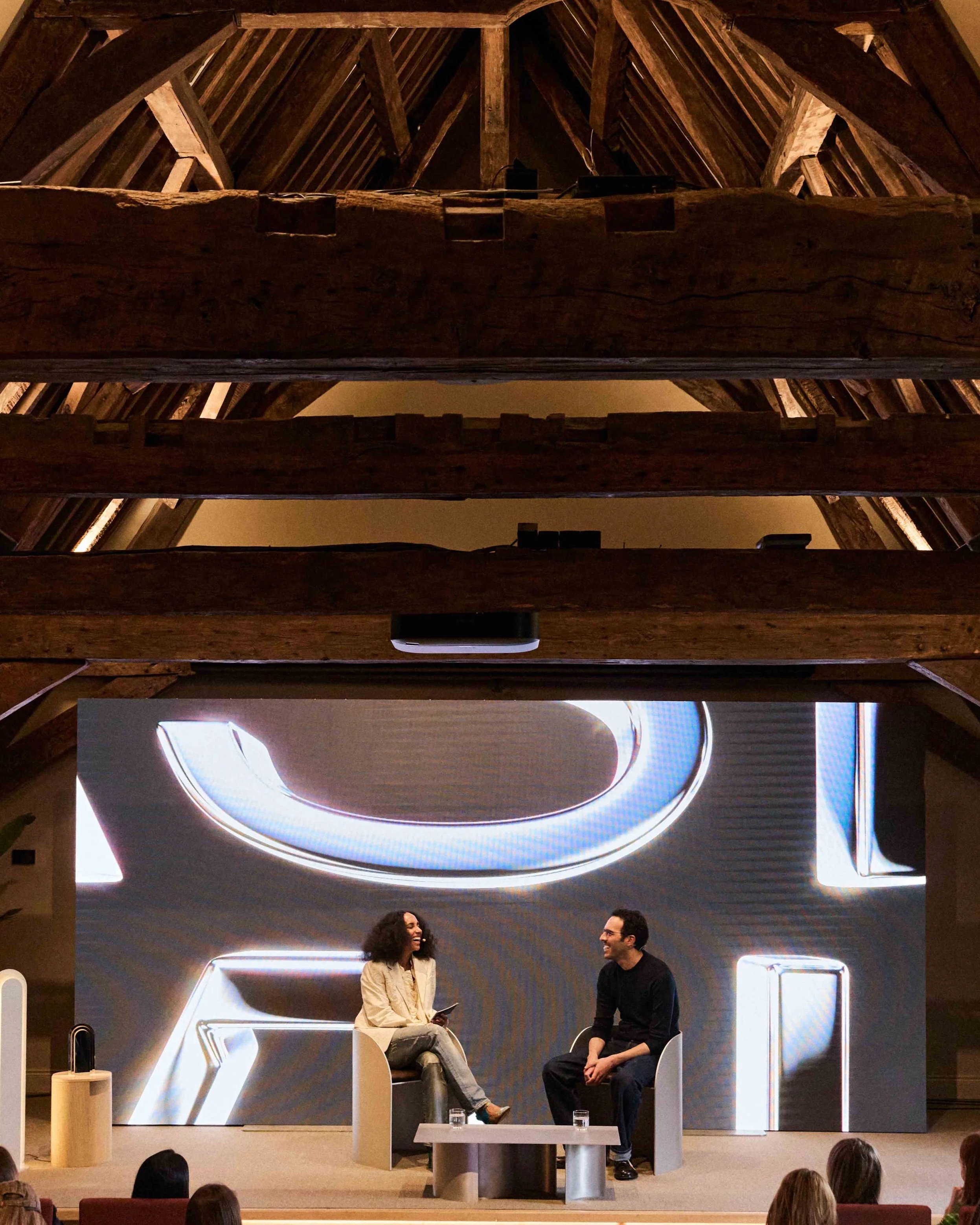
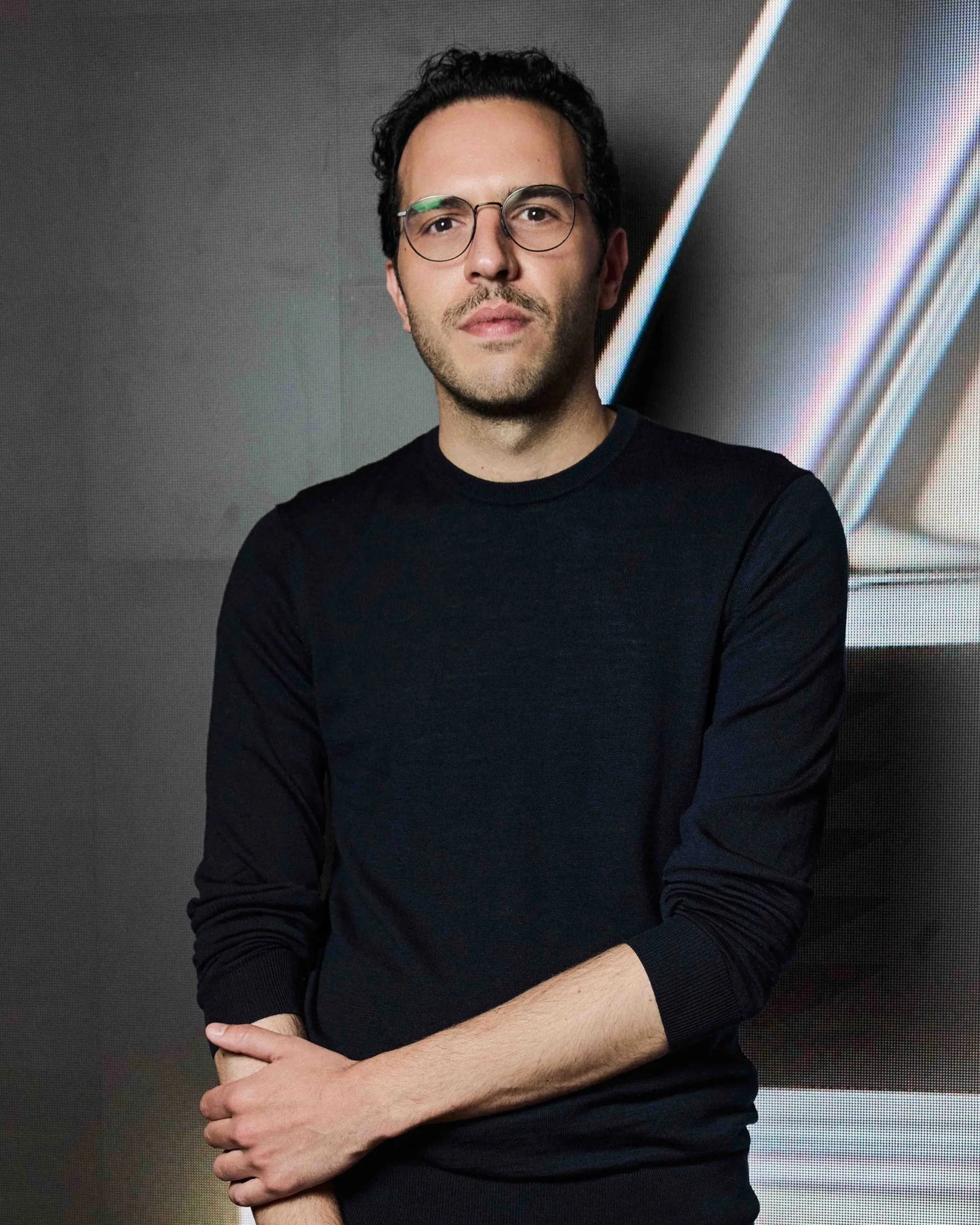
image credits: Valerie de Backer, Robin Joris Dullers
The closing talk was a personal conversation with Julian Klausner. When asked how Antwerp, a relatively small city, managed to become such an undeniable fashion destination, his answer was telling: "We owe a lot of Belgian fashion to the schools. Antwerp is a fertile place: there is the time, space, and the rhythm to be creative." As a Belgian designer, he added, you don't take yourself too seriously from the start. There was no long fashion history to live up to, no weight of heritage, nothing to be compared to. The Antwerp Six were the first wave, and back then, there was everything to be done. That clean slate, Klausner believes, is what gave Belgian fashion its particular creative freedom.
That creative freedom is what makes Antwerp itself so special. Young designer Julie Kegels, speaking about her exhibition After Work in collaboration with COUR, put it well: the city is raw, grey, unpolished and ordinary in the most honest sense of the word, and it is precisely that greyness that creates space to dream.
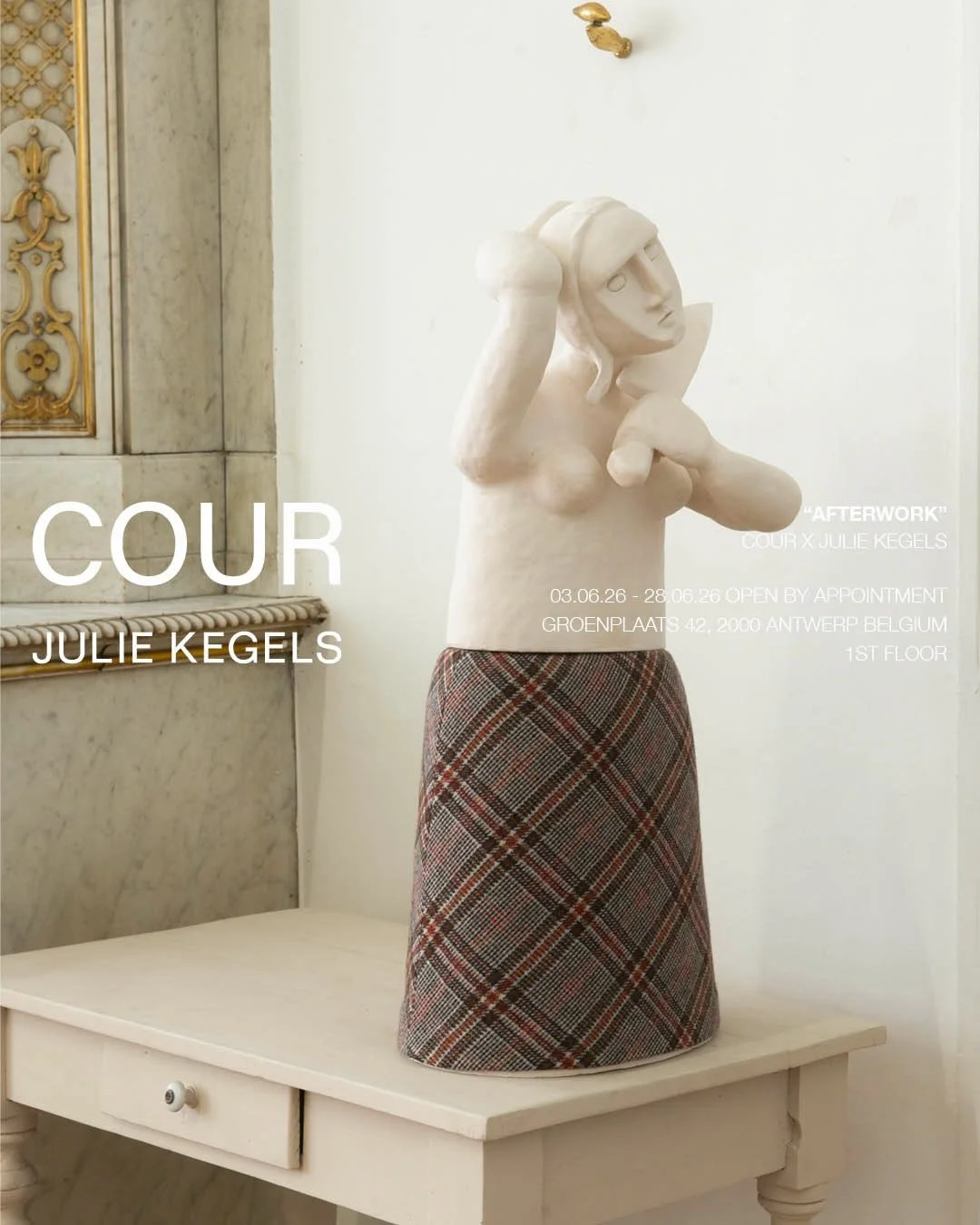
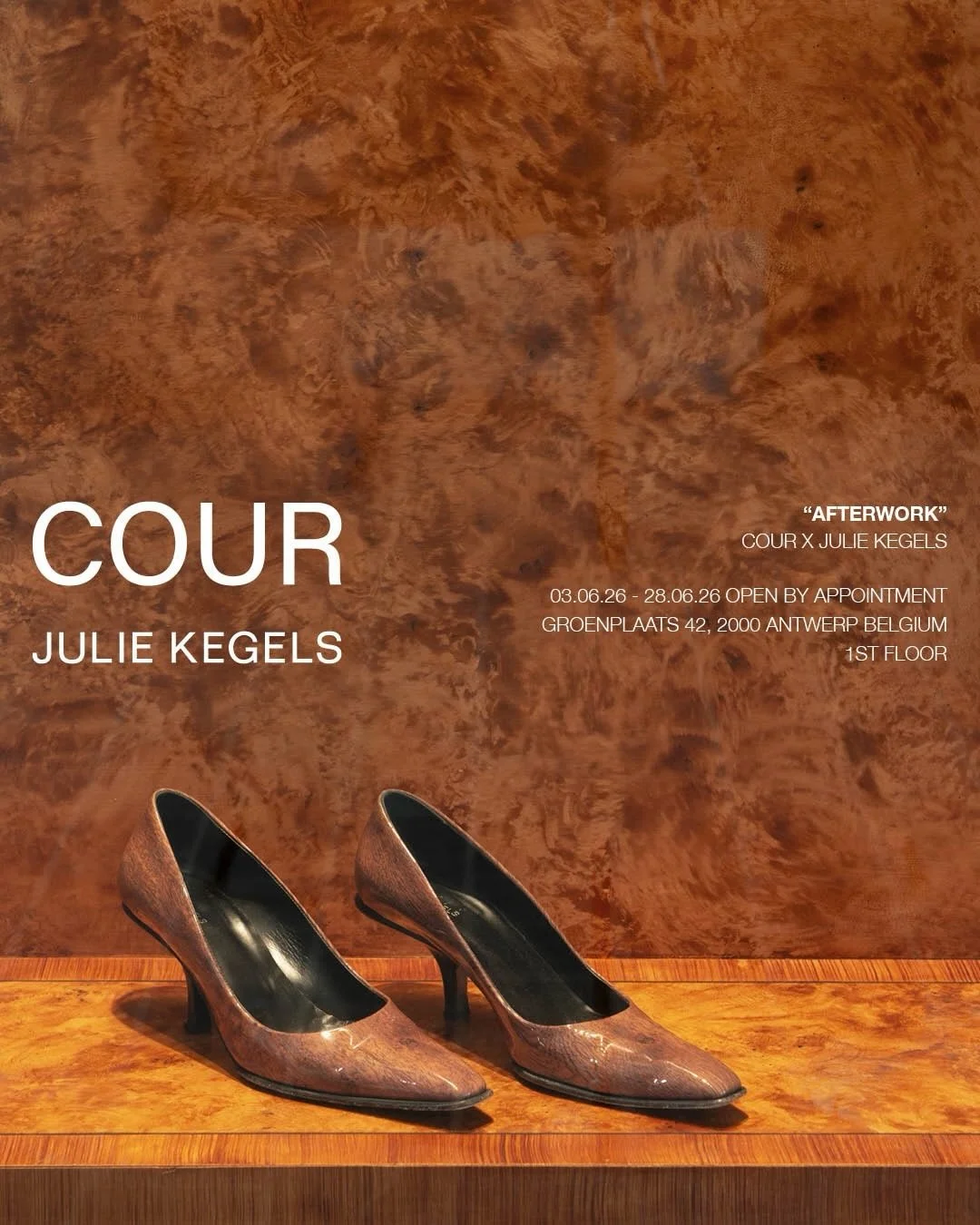
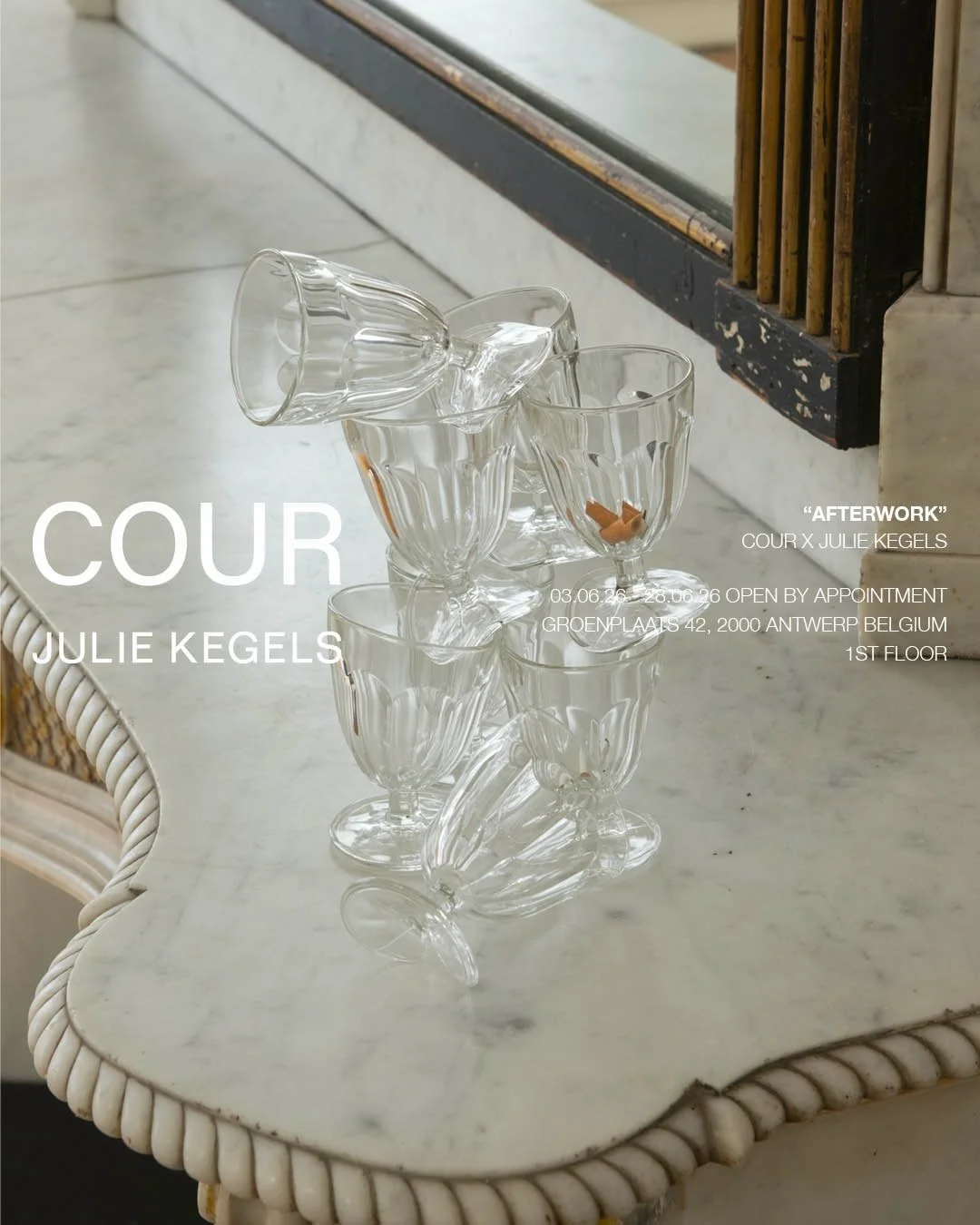
images courtesy of Julie Kegels
There is something about Antwerp’s understated quality that strips away pretension and leaves room for genuine creativity, an energy that is no accident but nurtured above all by its schools. The Royal Academy of Fine Arts has long been the engine behind the city’s fashion identity, attracting students from across the world who come here precisely because of that fertile, unhurried creative environment Klausner described. That pipeline of international talent is what keeps the scene genuinely diverse and forward-looking.
Recent discussions around funding for non-European students have raised concerns within the industry, particularly as tuition fees are expected to rise and may make it harder for international talent to study in Antwerp. It is a reminder of how fragile the ecosystem behind the city’s creative reputation can be. For now, though, the festival itself stands as proof of what Antwerp can be when it opens itself up. It is inspiring, accessible and genuinely exciting. A week that reminds you why fashion matters beyond the front rows and the seasonal cycles. If you are a student, a young creative, or simply someone who loves fashion and wants to feel closer to it, the Antwerp Fashion Festival is one to put on your calendar for next year.