
IS FASHION ONLY ART IF IT REFERENCES ANOTHER MEDIUM?
words by ANOUK WOUDT
Settling the ongoing debate, the Met Gala decidedly put its foot down with its 2026 theme, confirming to the world that fashion is, in fact, art — despite distinctions famously set by designers Karl Lagerfeld and Marc Jacobs. But as the stars made their way down this year’s mossy green carpet, the theme’s innate message seemed overwhelmingly lost. Among those who followed this year’s theme, the dominating interpretation was to reference an existing painting, turning the steps into a living, breathing gallery. While this initially feels like an obvious direction to take, it inherently contradicts the theme’s claim, representing fashion as just a canvas for other mediums, rather than its own creative expression. What could have been a surrealist display of boundary-breaking costume art became muddled by statuesque dresses and painted prints that ultimately disregard the art of clothing design itself. If fashion is truly art, why can we only picture it as such when it references other art forms?
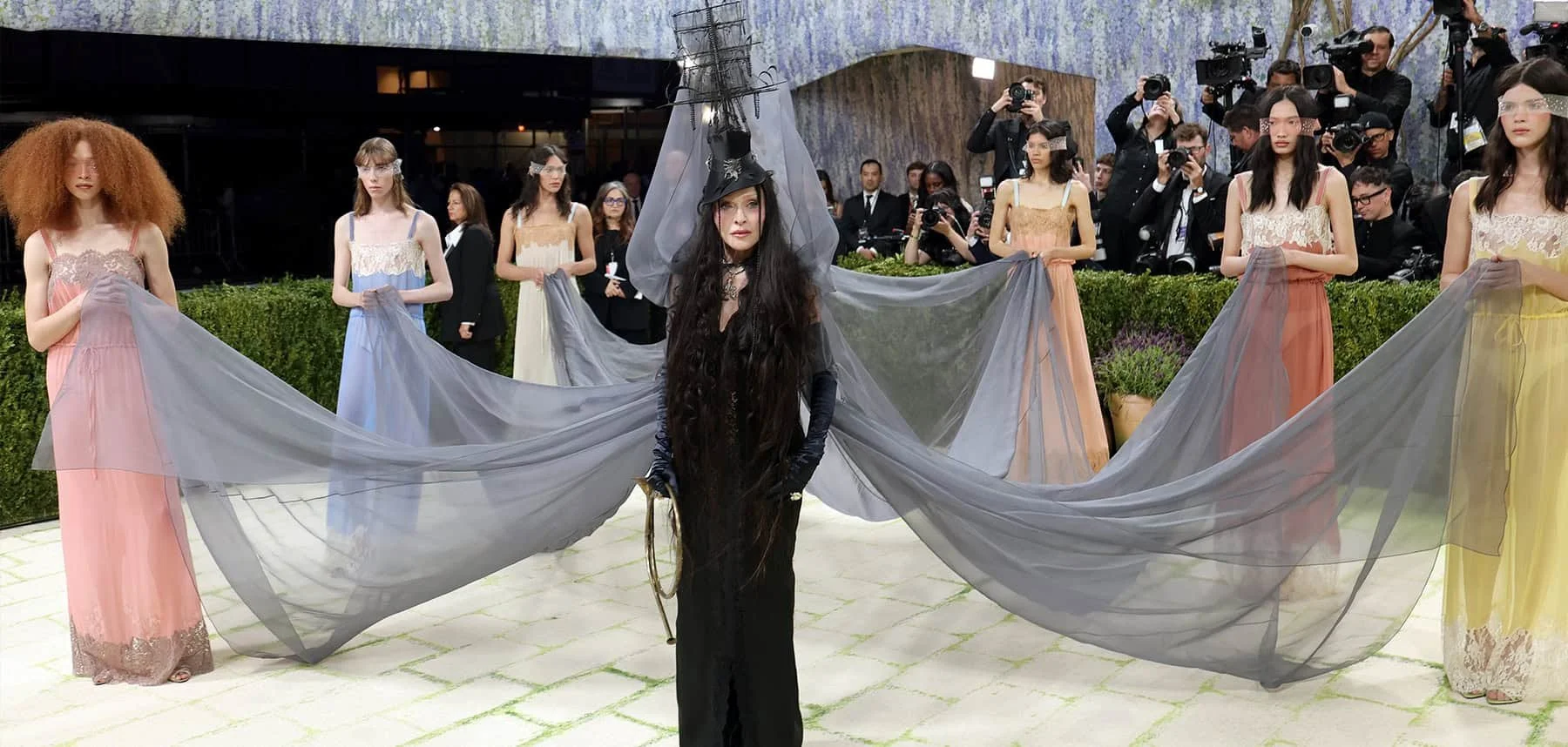
all images via @themetgalaofficial
Embodying all types of artwork, we saw Hunter Schafer dressed in a Prada interpretation of Mäda Primavesi by Gustav Klimt and Kylie Jenner giving her version of Venus de Milo, structured in a statuesque bustier and an unravelling draped skirt by Schiaparelli, with her sister, Kendall Jenner, also taking a marbled path with a GAPStudio version of Winged Victory of Samothrace. Madonna’s Saint Laurent look also stood out, representing the witchy figure pictured in The Temptation of St. Anthony by Leonora Carrington, an artist whom the pop diva also credits as an inspiration for her Bedtime Story music video.
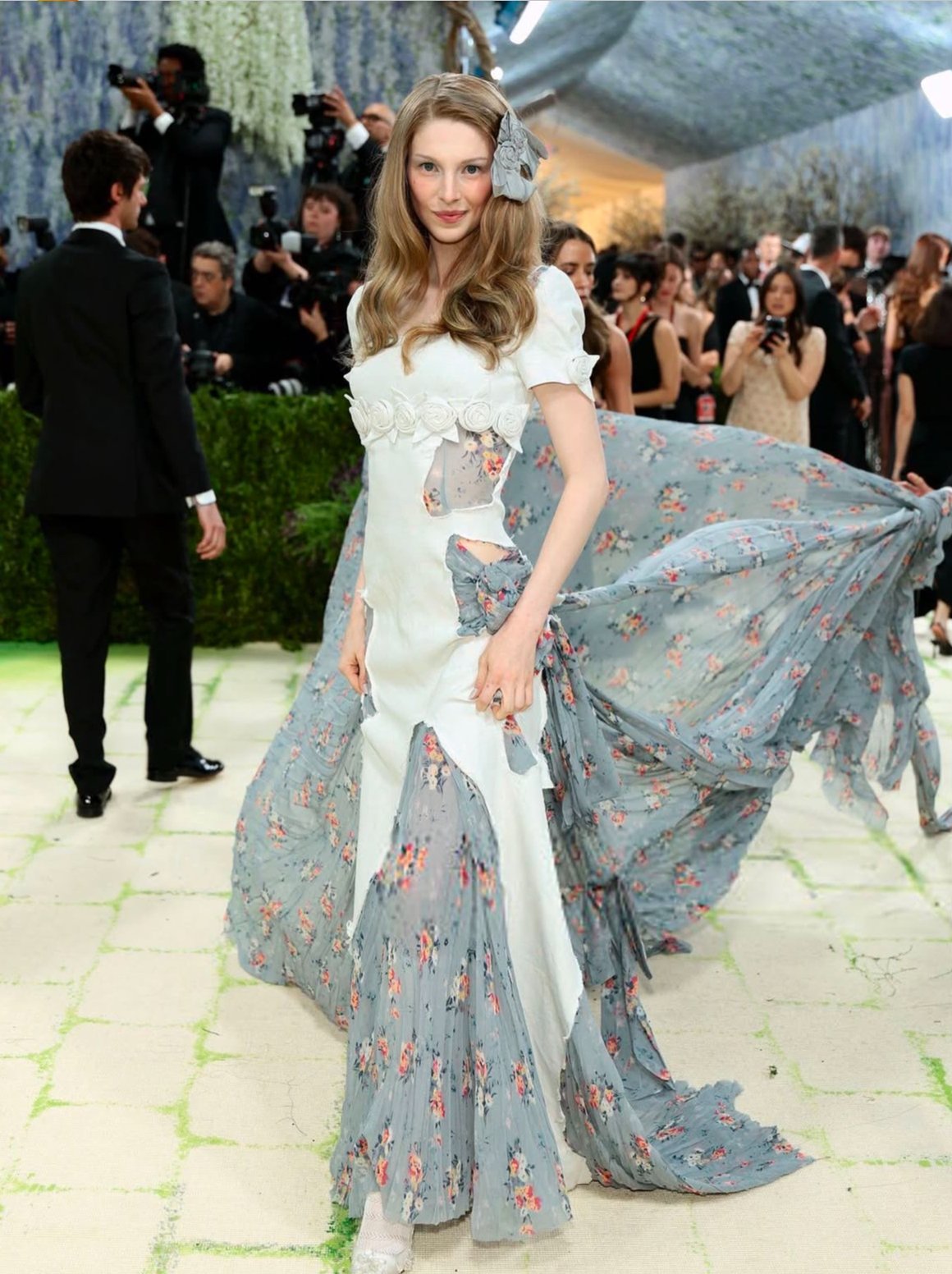
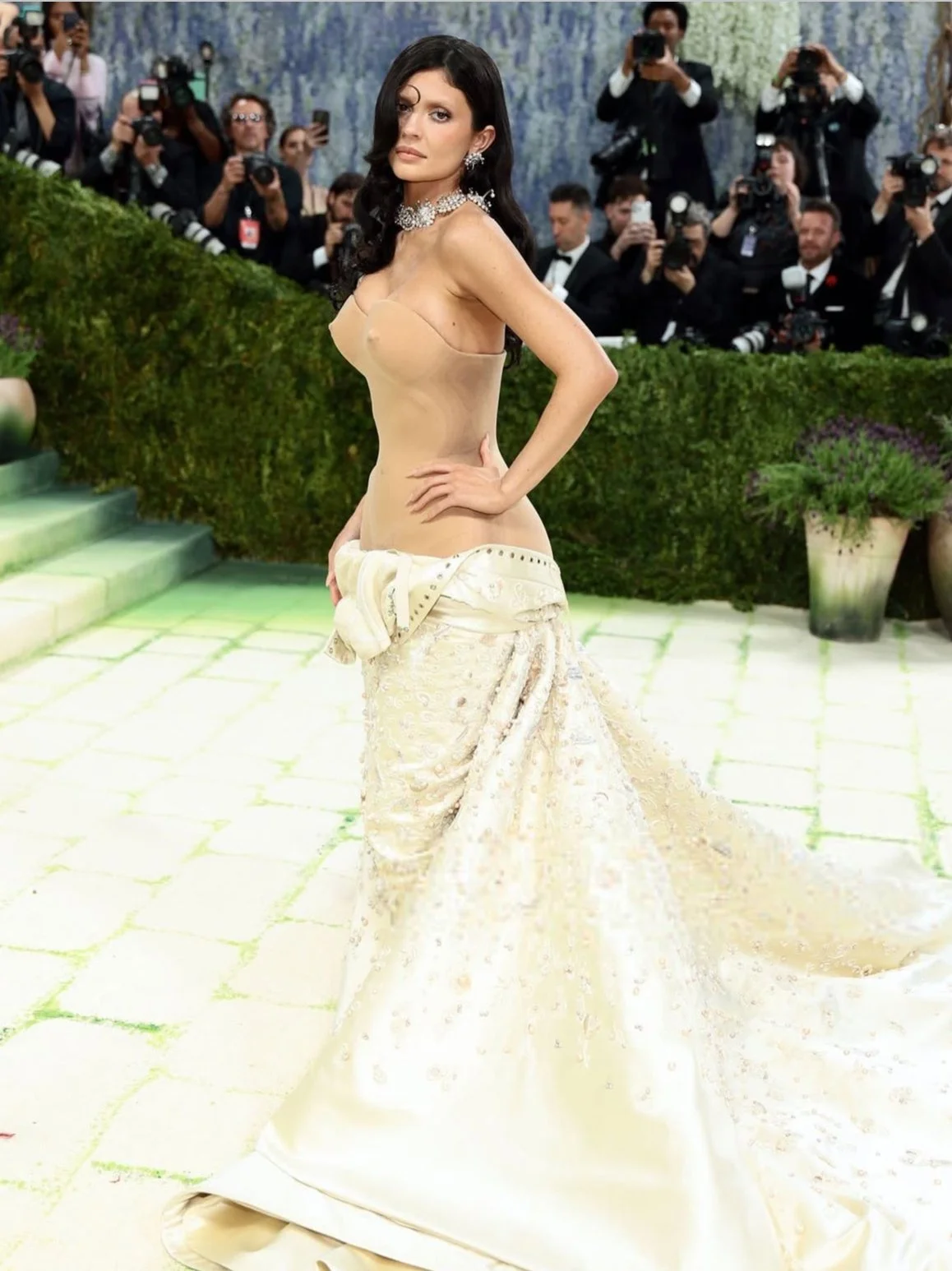
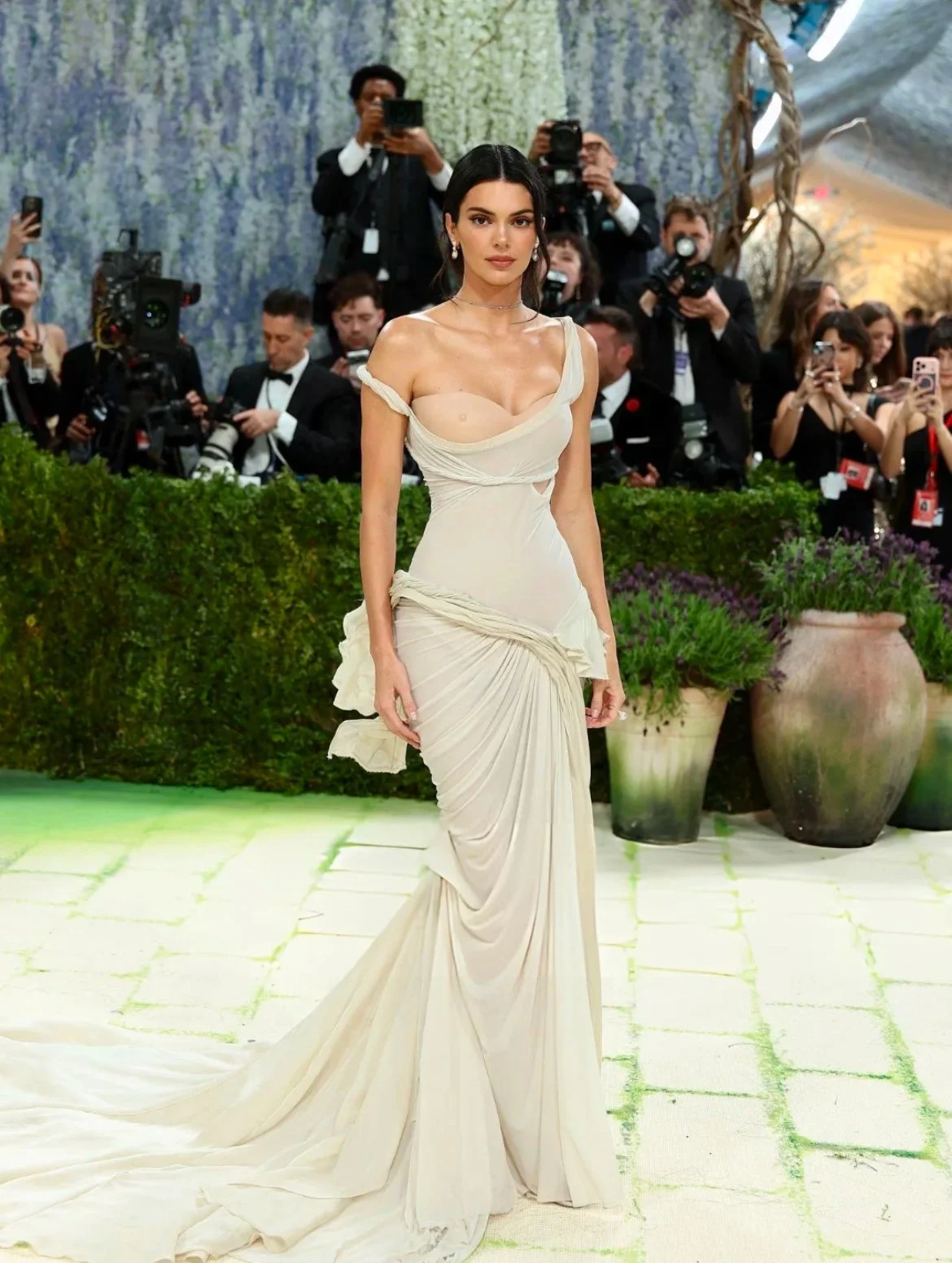
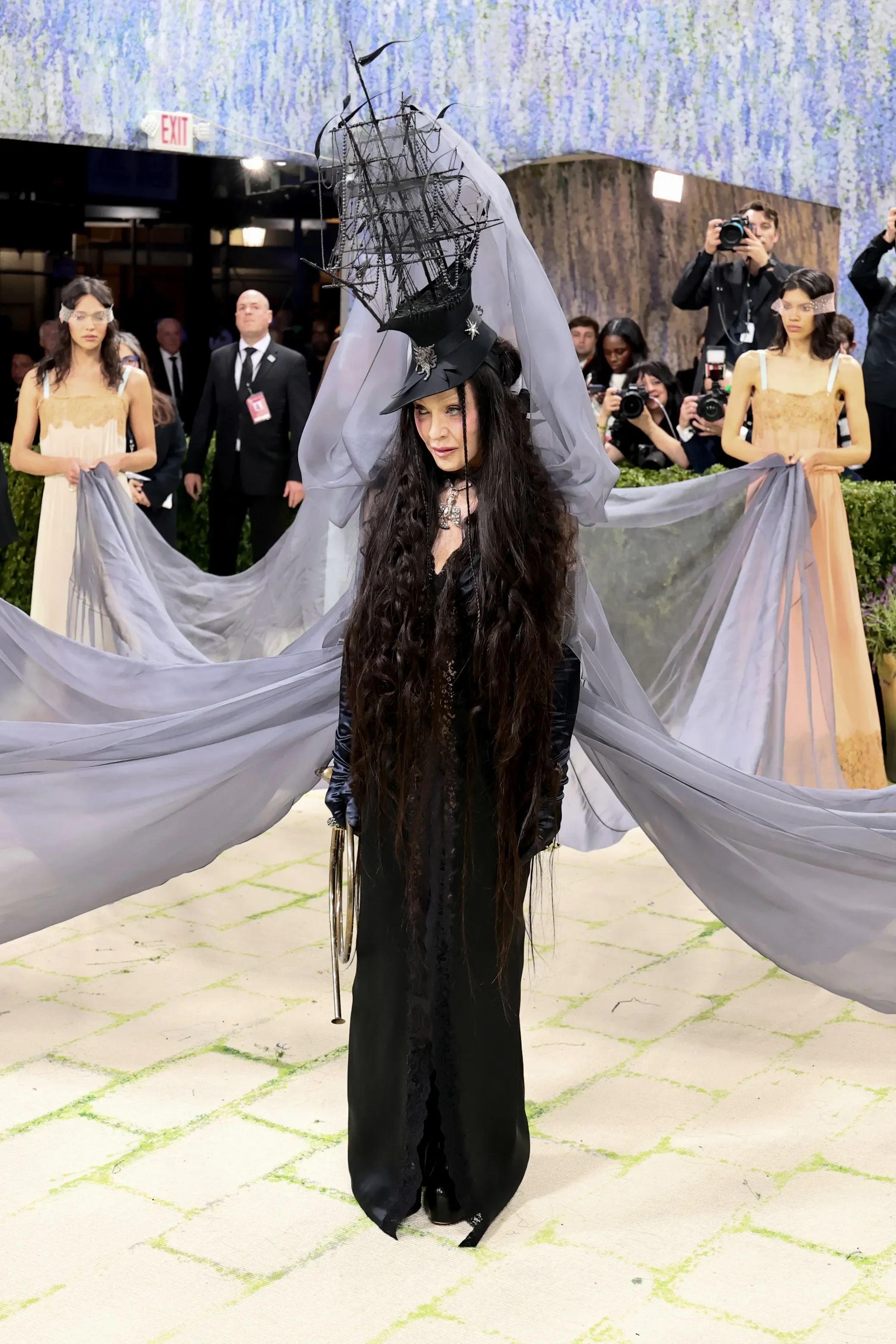
While these looks visually represented bodies of art, they were paying homage to artists who exist completely outside of the realm of fashion. To plaster their work into a wearable display feels a bit too oversimplified, disregarding the actual artistry that goes into fashion design. Haute couture’s very existence is proof of fashion’s expression as a creative outlet, disregarding practicality for the sake of aesthetics and innovation. Meant as a tribute to fashion designers who specialise in this form of wearable art, we instead were subjected to a highlight reel of art history.
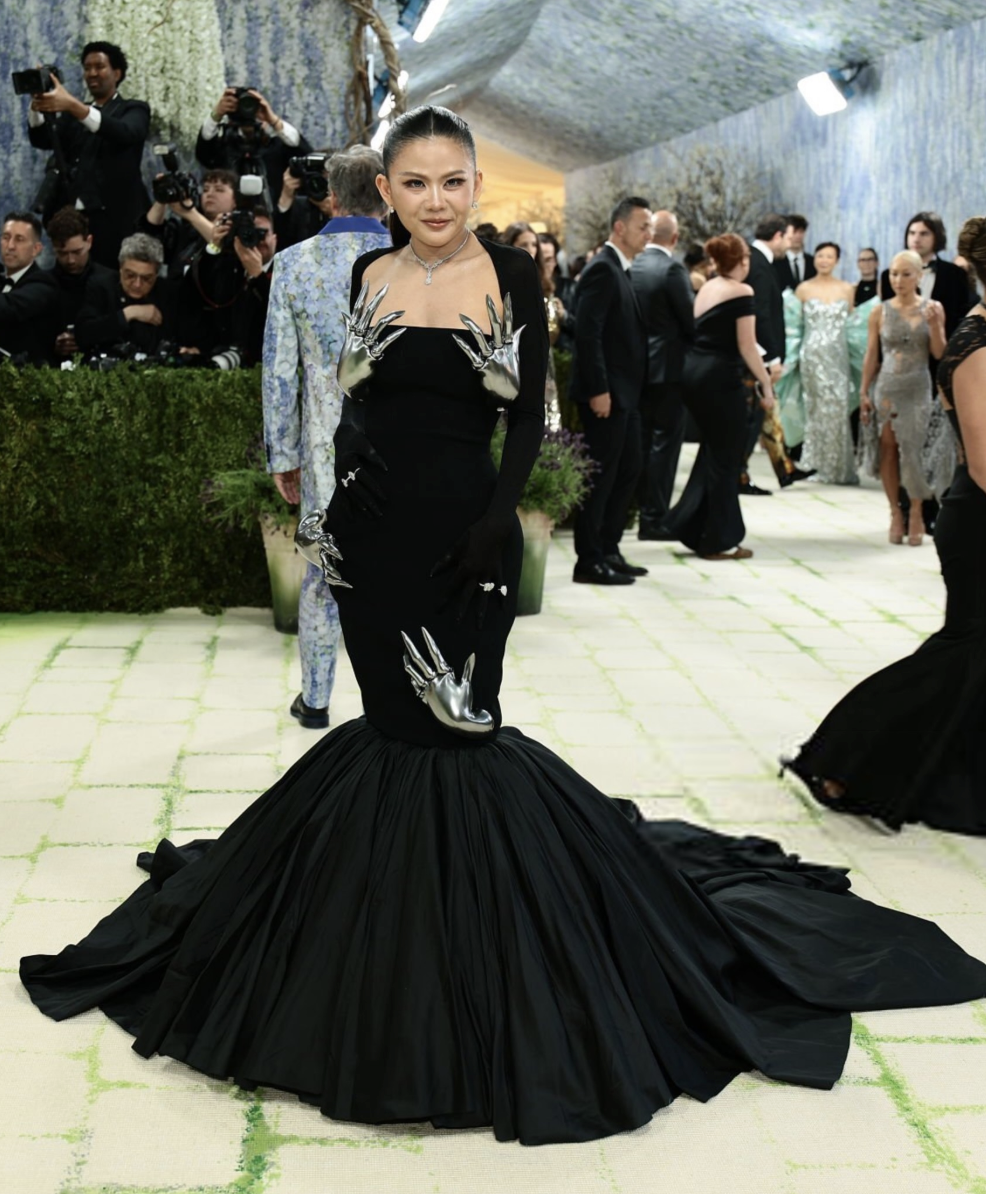
However, this was not the case for every guest who showed up that night. Robert Wun’s presence at this year’s Met Gala felt completely warranted and a true representation of the artistic spirit of fashion. Dressing seven attendees— including Lisa, Naomi Osaka, and Jordan Roth—his style dominated the event, standing alone from references and expressing his own personal creative vision, which embodied the theme more than any artistic reference ever could.
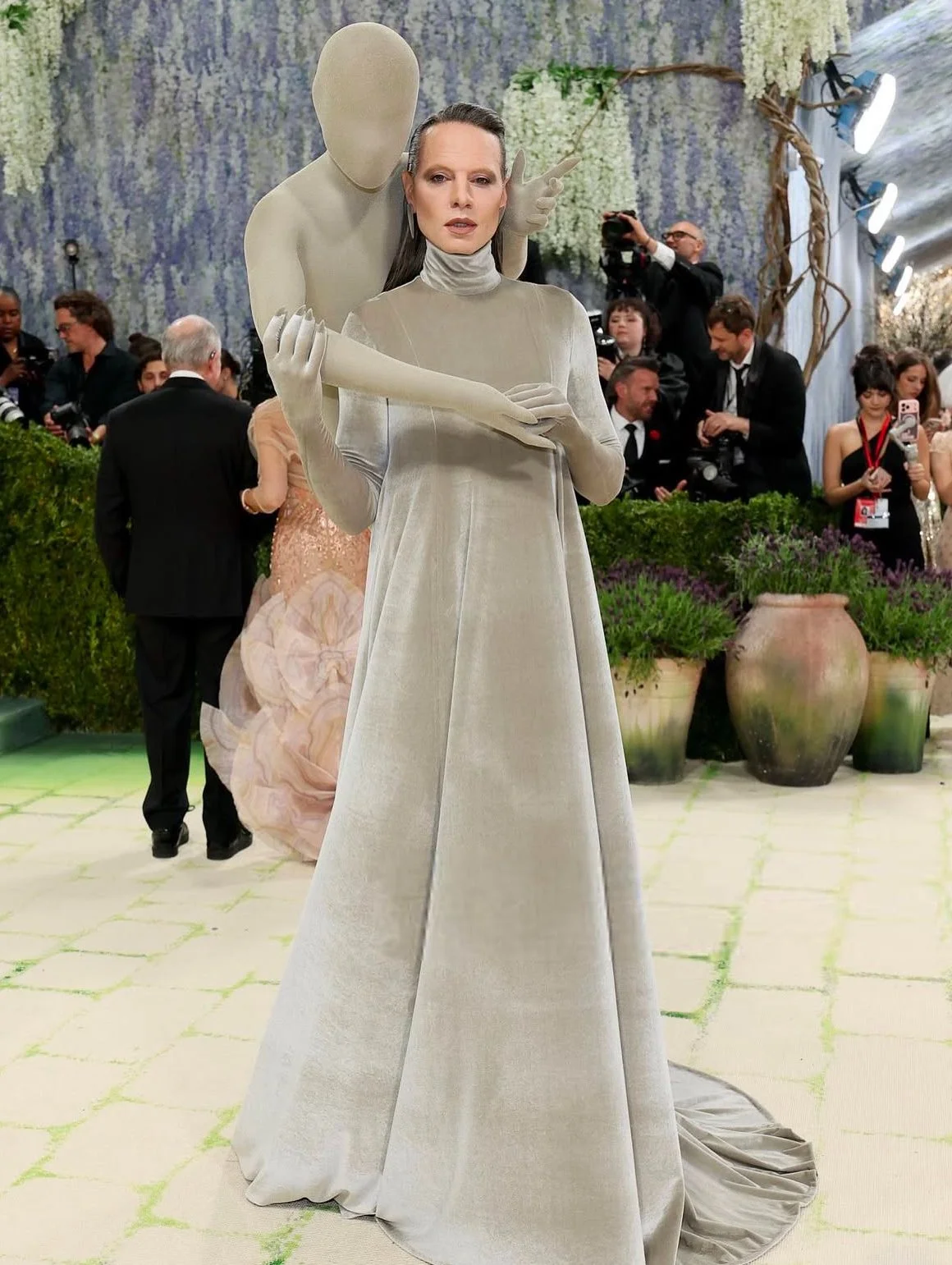
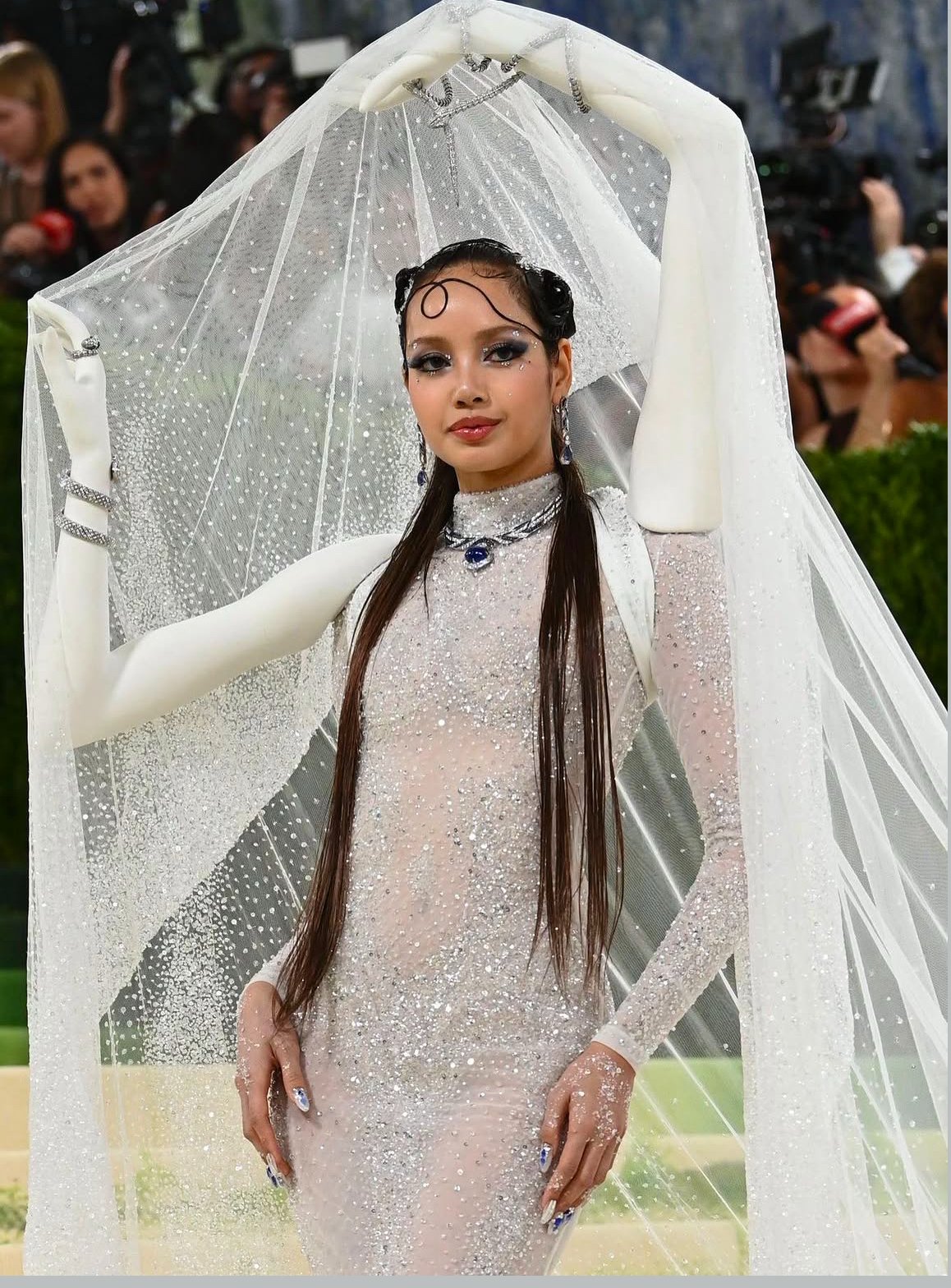
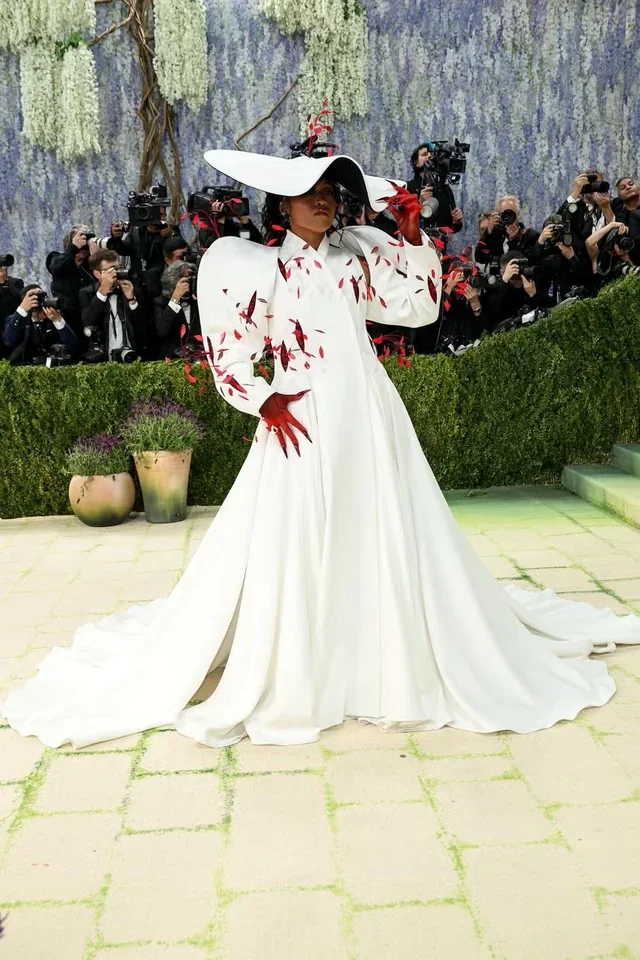
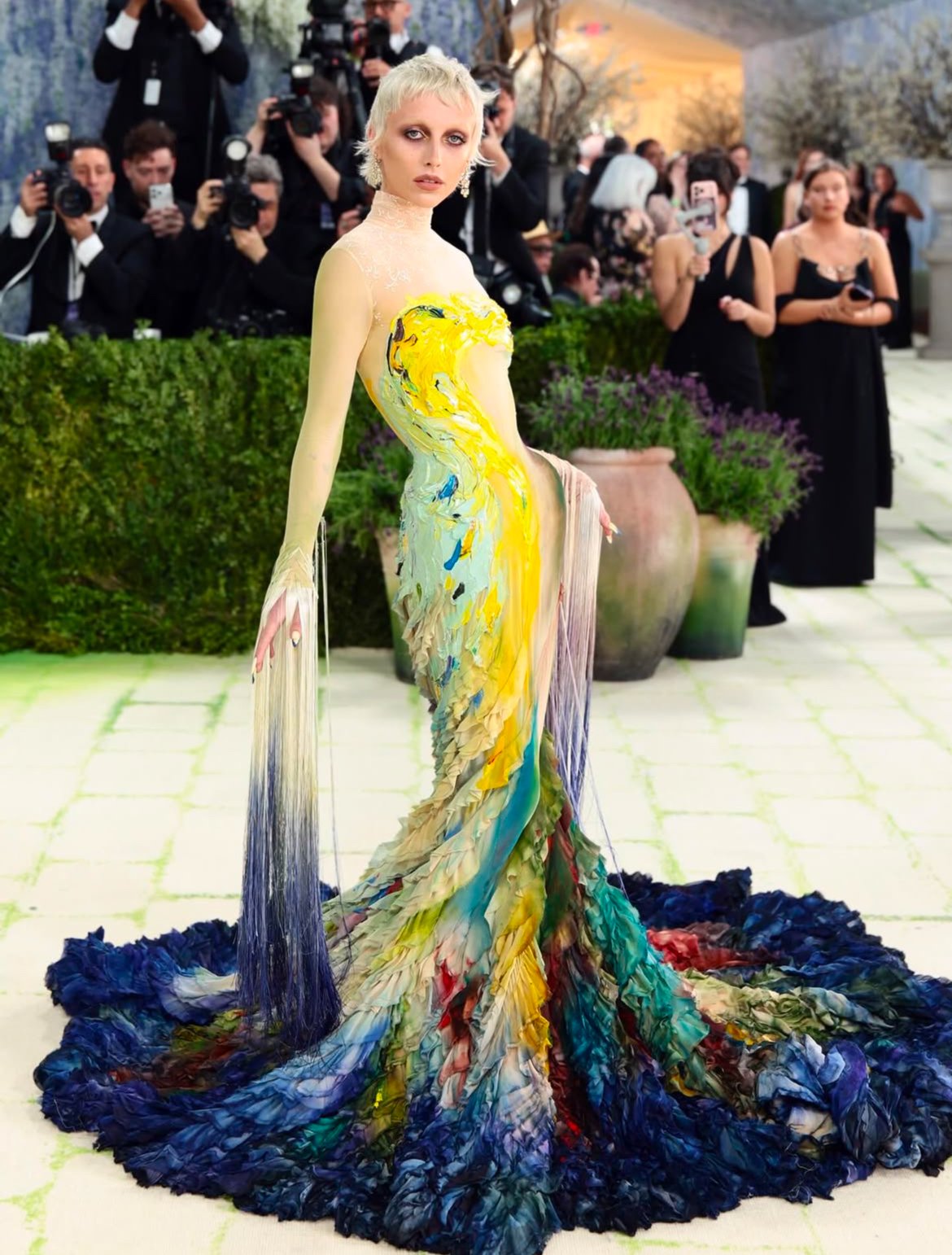
Emma Chamberlain, in a custom hand-painted Mugler gown, also felt like an undeniably strong tribute to fashion as an art form, embodying her lifelong love of art and paying homage to the house’s legendary archival dress ‘La Chimère’, from their fall/winter 1997 collection. Though this look is also rooted in reference, drawing its inspiration from a work of fashion design sets a completely different tone from sourcing from paintings. Its artistry was truly put on display in its texture, intricacy and composition, while also serving as an ode to fashion and its history.
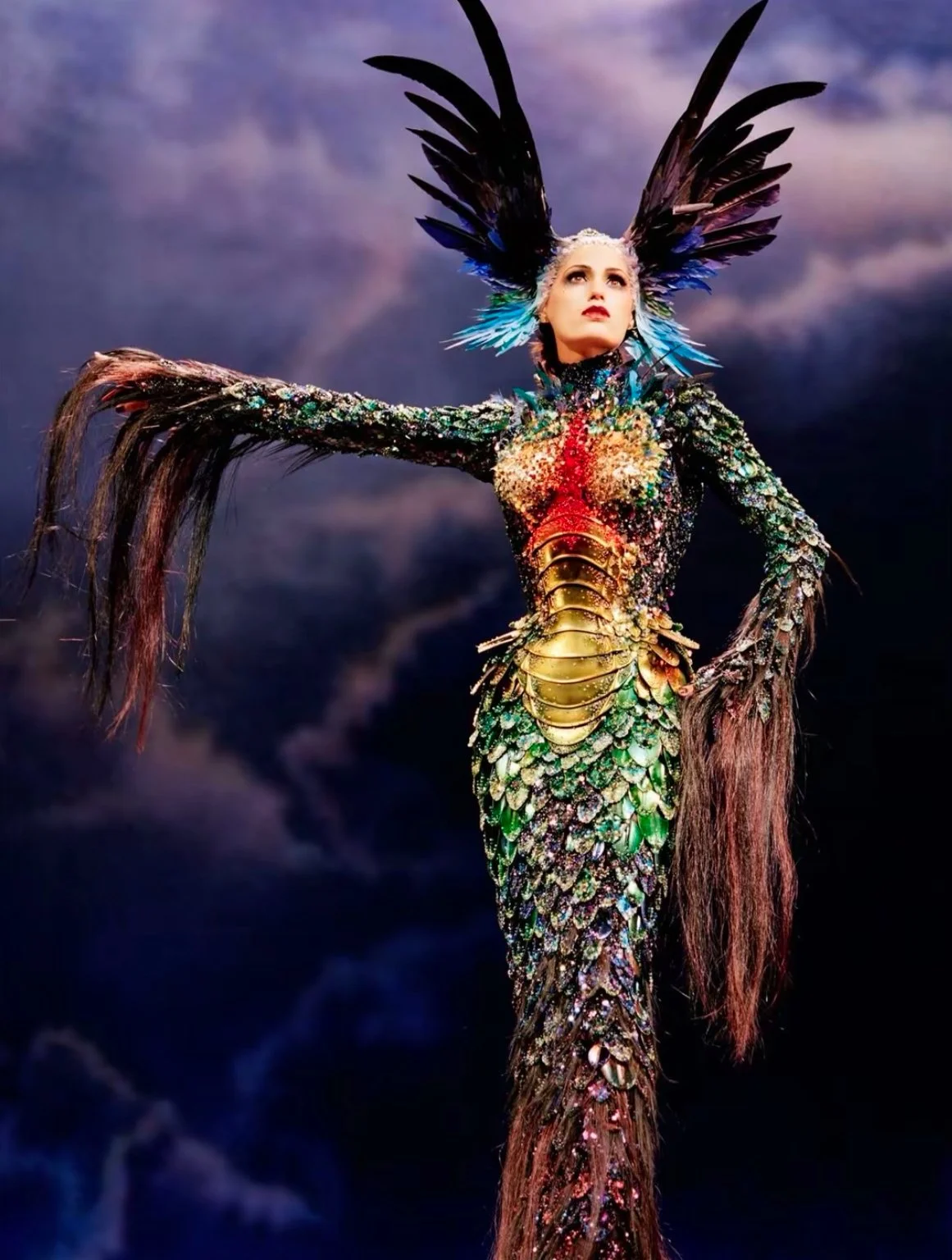
images via @muglerofficial
Nonetheless, fashion’s innate artistry deserved its chance to be celebrated through this year’s theme and instead, it was overshadowed in a flurry of recreations, feeling more like an active protest to fashion’s creative integrity, rather than a celebration. While “Fashion Is Art” may have initially seemed like a broad and even baseless theme, its interpretation reveals something far more telling: this dialogue is far from over. As imitation eclipses imagination, we can see how easily the delicate thread between fashion and art can be unraveled — and how necessary it is to keep stitching it back together.
