
NEW YORK FASHION WEEK SPRING/SUMMER 2027: DAY 3
MICHAEL KORS COLLECTION
review by MAREK BARTEK
all images courtesy of MICHAEL KORS COLLECTION
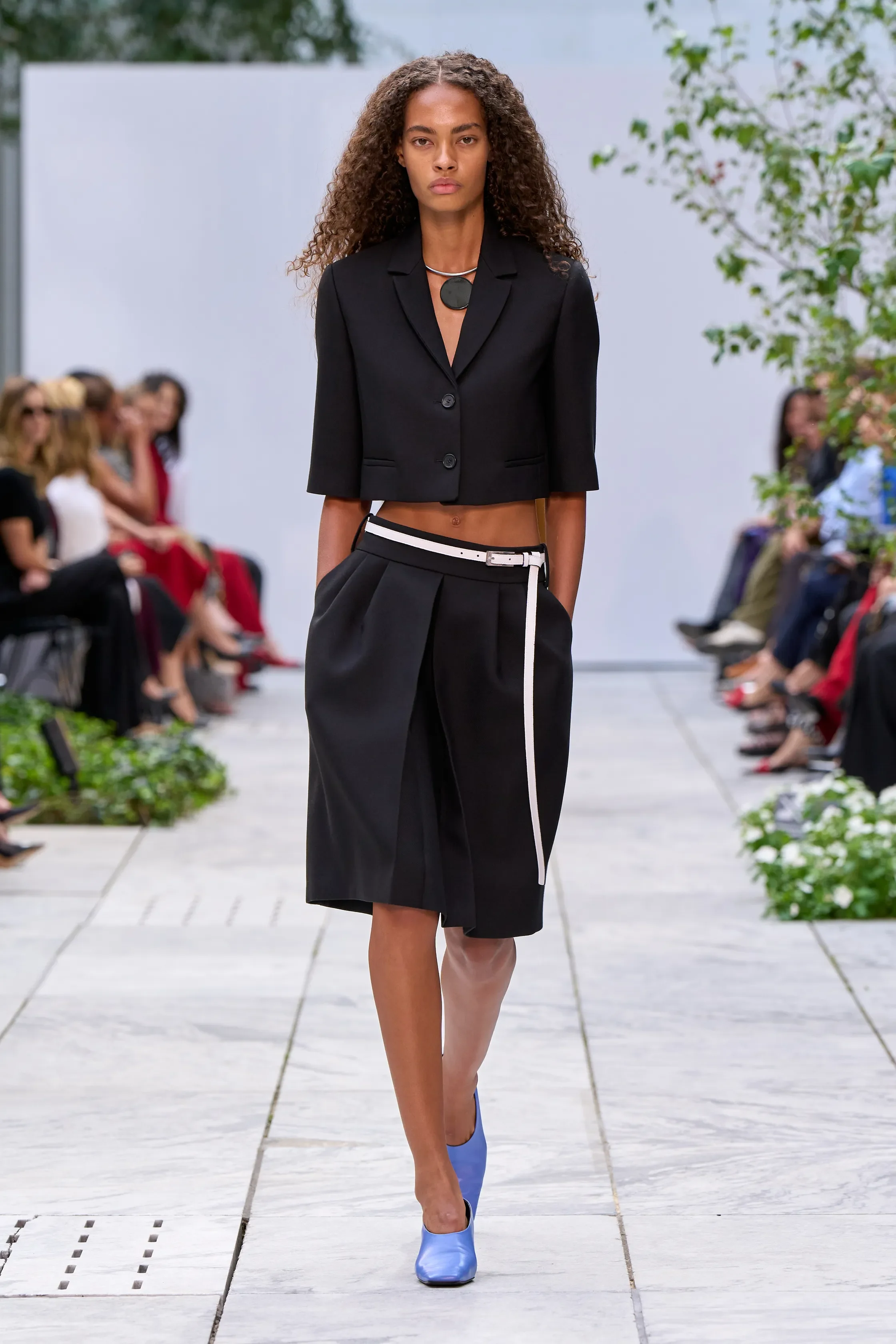
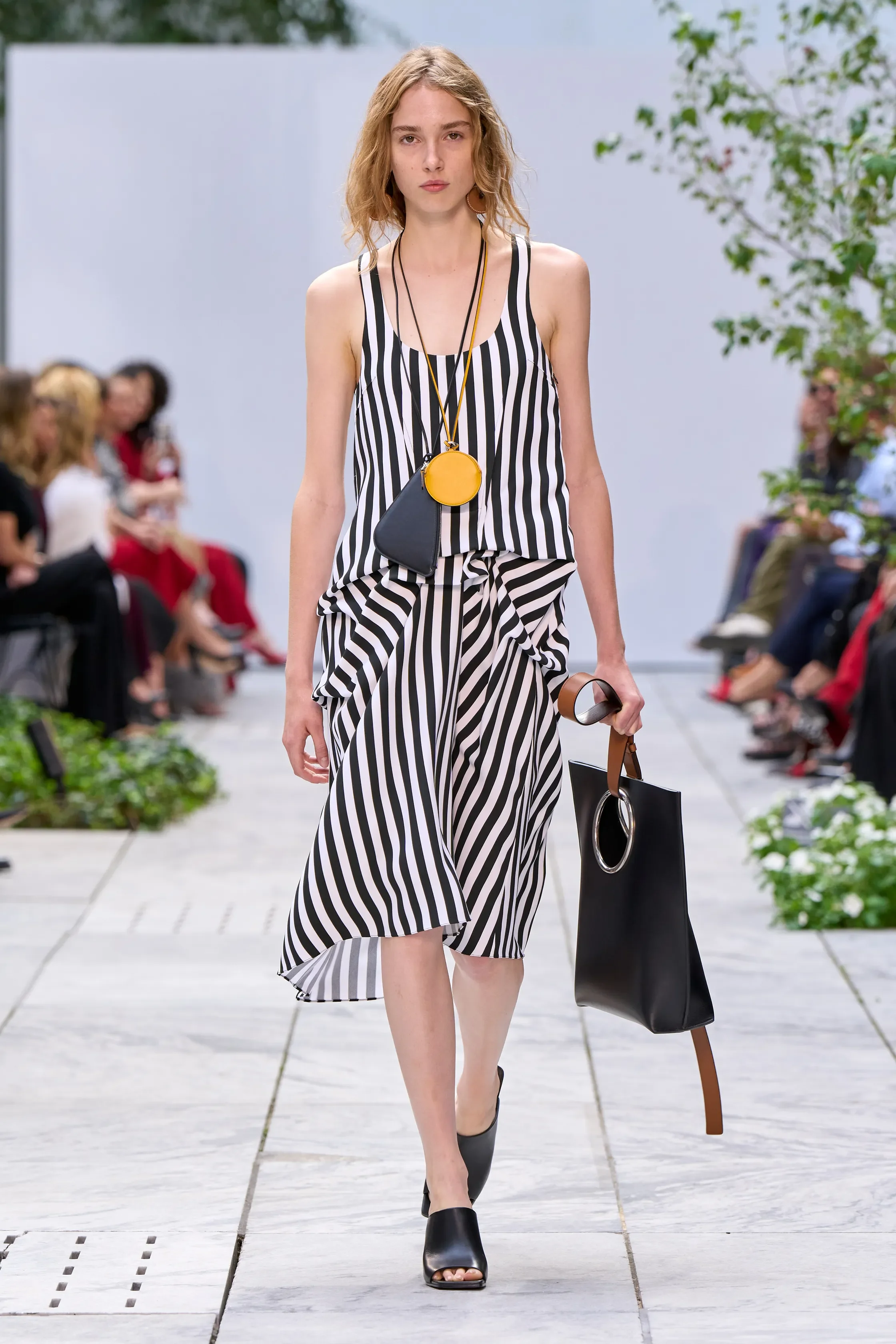
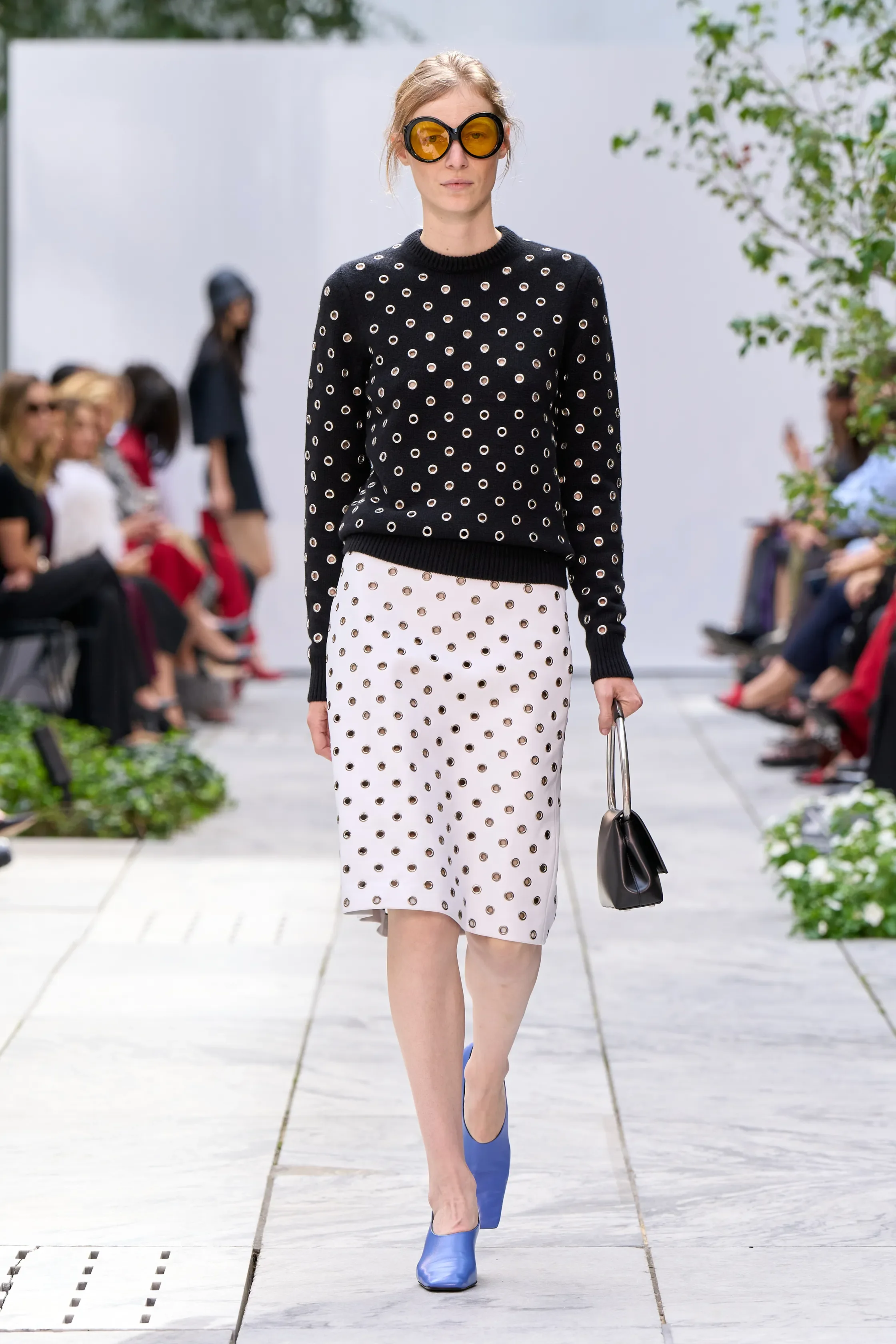
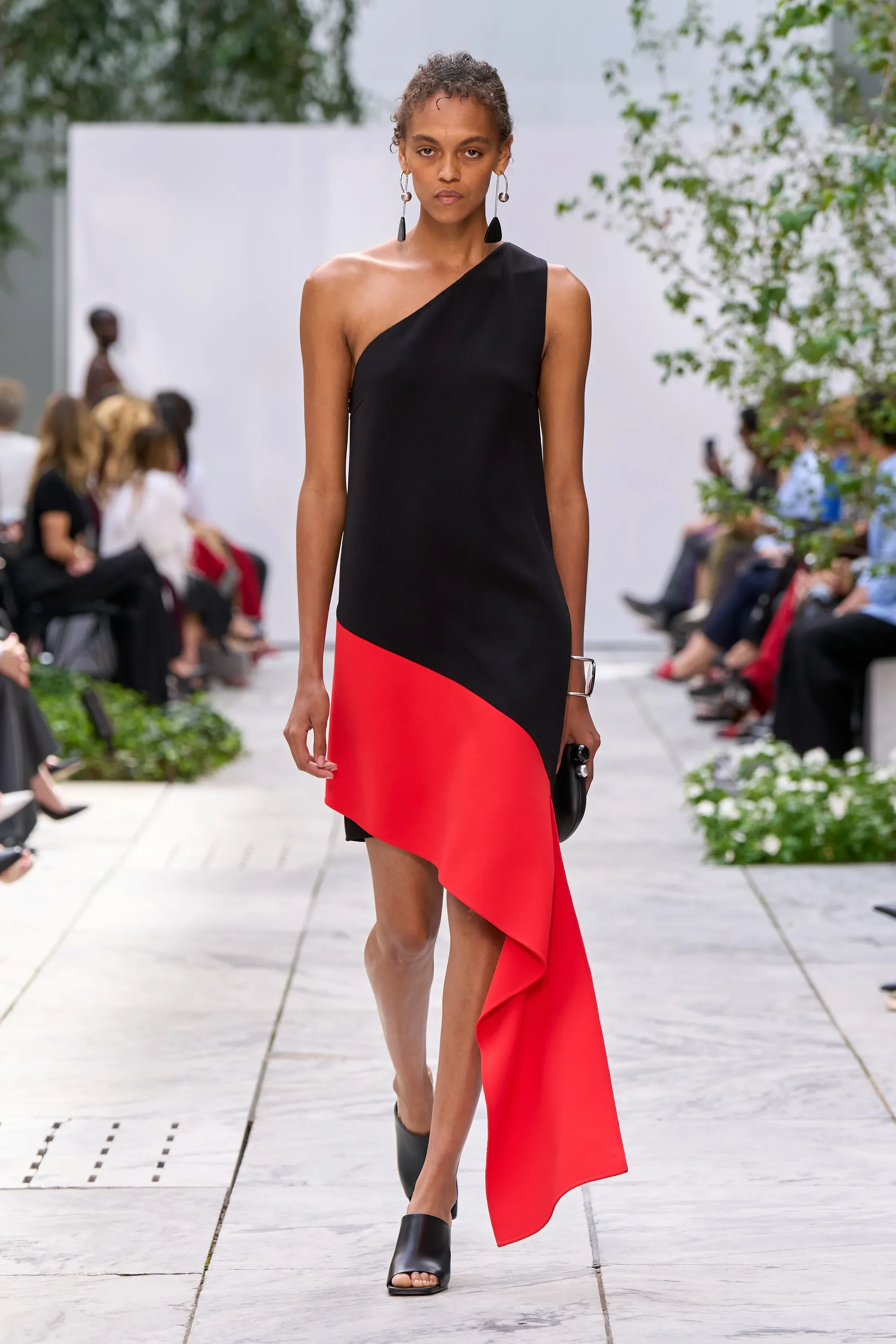
For Spring/Summer 2027, Michael Kors looked to architectural modernism, translating its clean lines, sculptural forms and enduring clarity into a wardrobe that felt both timeless and unmistakably contemporary. Presented at New York's Museum of Modern Art Sculpture Garden, the collection drew inspiration from art, architecture and the city's creative crowd. "The collection is very much about modernism, incredible architecture, and things that are timeless," Kors explained backstage. "It has to stand the test of time, but it also has to be something that brings you joy."
The sense of optimism ran through the entire collection through precise tailoring, asymmetrical hems and softly sculpted dresses were balanced by saturated shades of sunflower yellow, vivid green, cobalt blue and lipstick red. Painterly florals, graphic stripes and colour-blocked silhouettes echoed the artistic setting without overwhelming the clothes, while crisp cotton-wool blends reinforced the collection's effortless practicality.
Accessories continued the architectural narrative, from structured handbags inspired by mid-century furniture to oversized eyewear and sculptural jewellery. Even the recurring long pendant necklaces felt considered rather than decorative.
Kors has referenced American sportswear and modernism before, but this season the balance felt particularly assured. Rather than recreating the glamour of the 1960s, he distilled its confidence into clothes that feel easy to wear today — elegant, optimistic and slightly graphic, with enough personality to stand apart without ever trying too hard.
JANE WADE
review by JOYCE ONUORAH
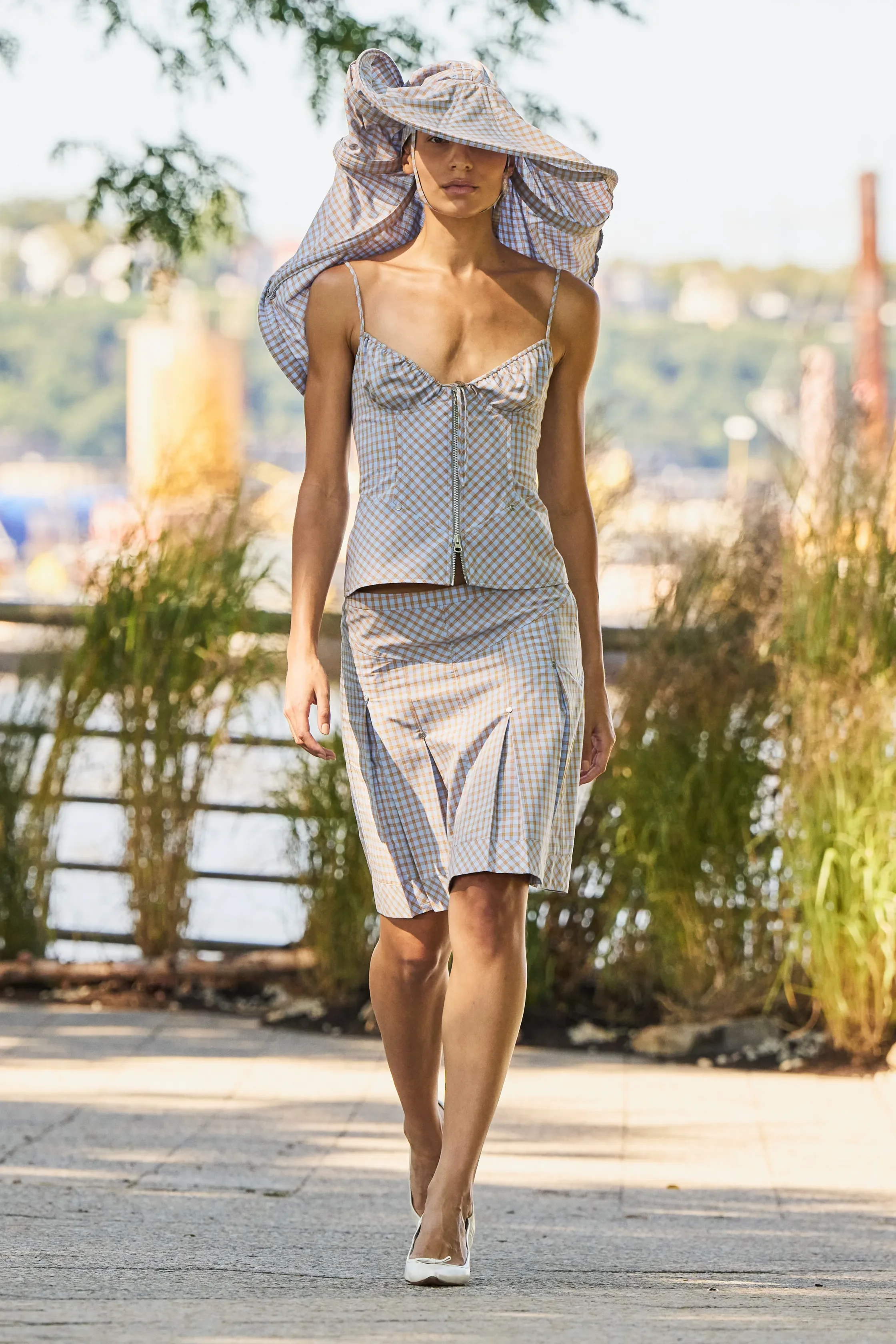
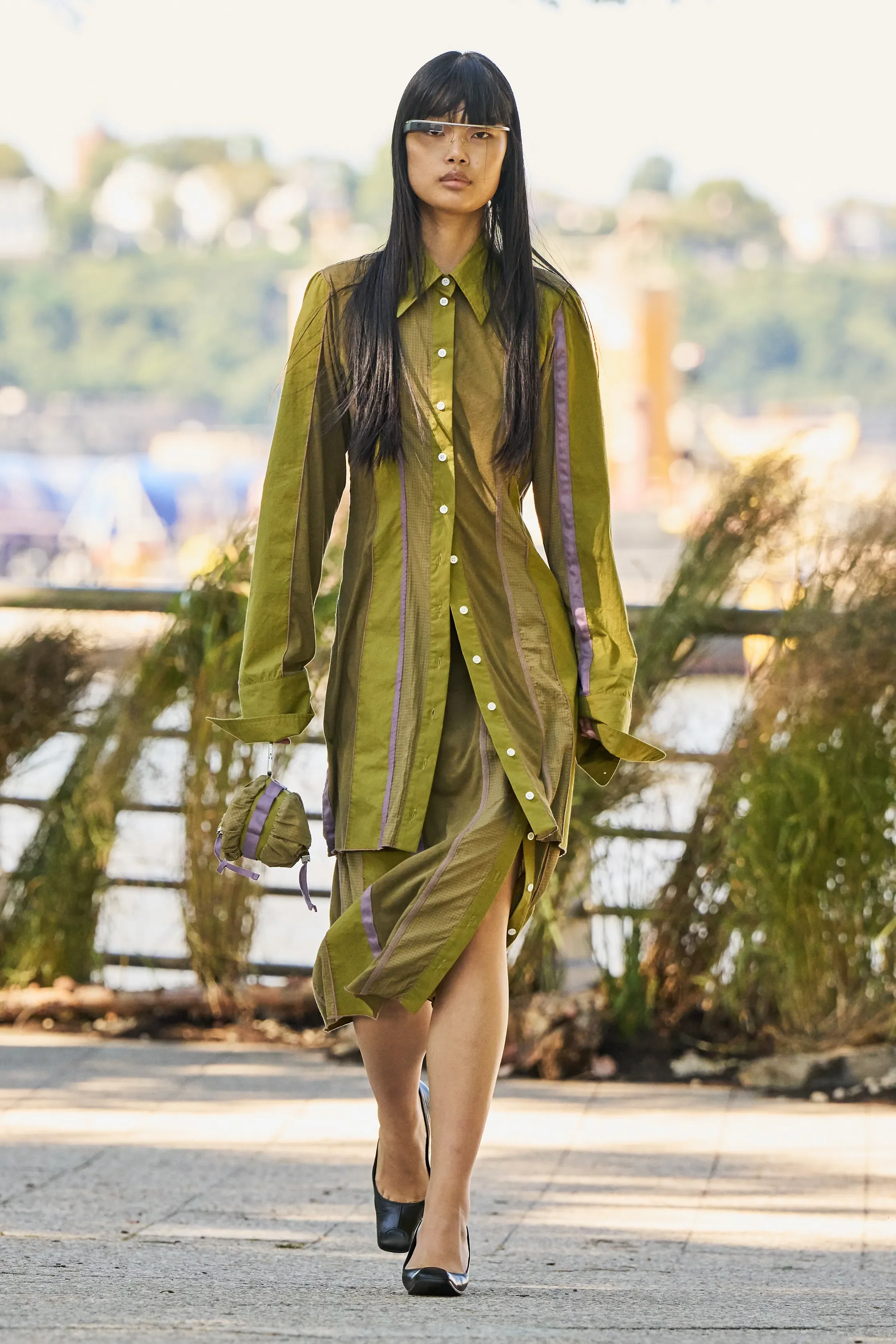
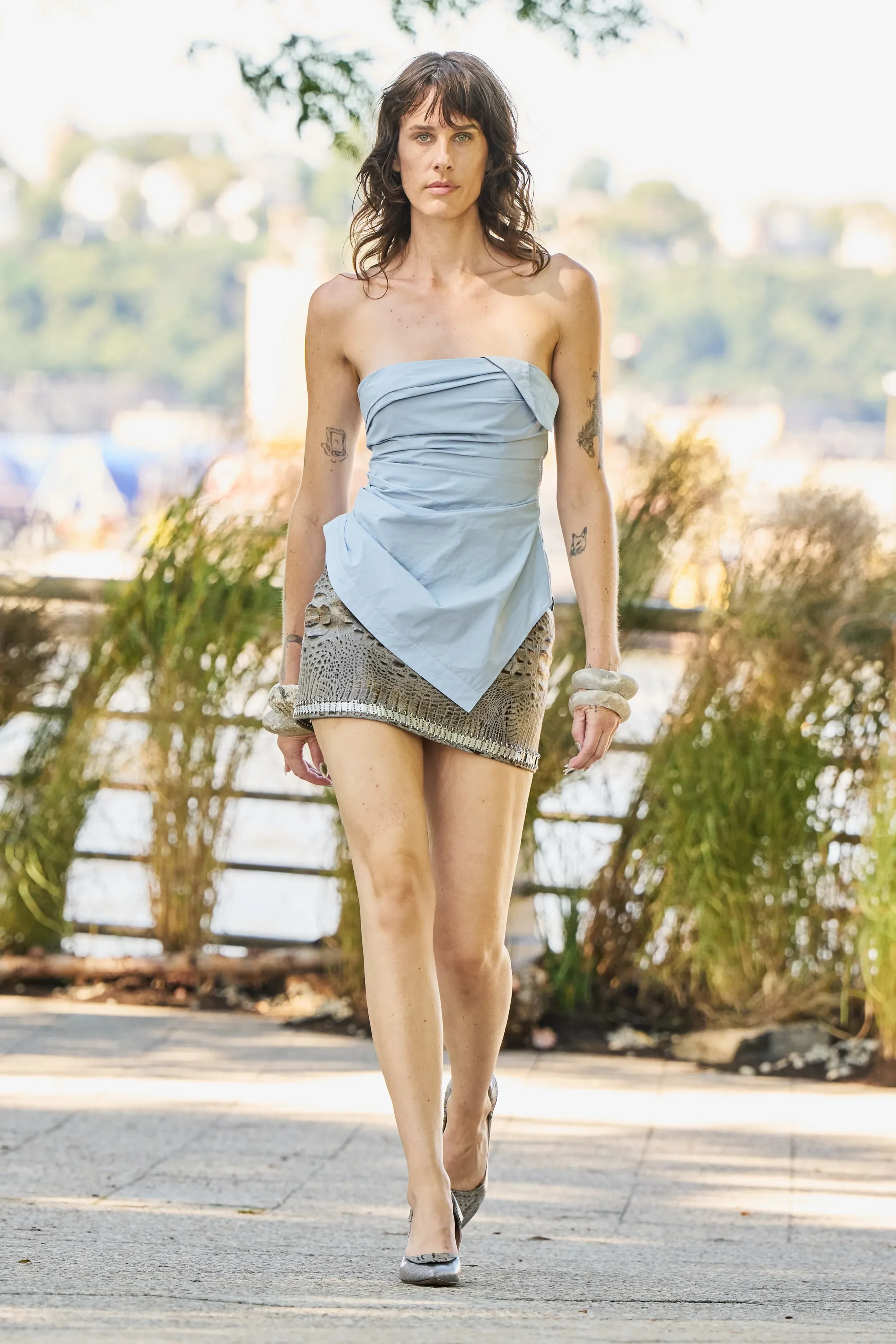
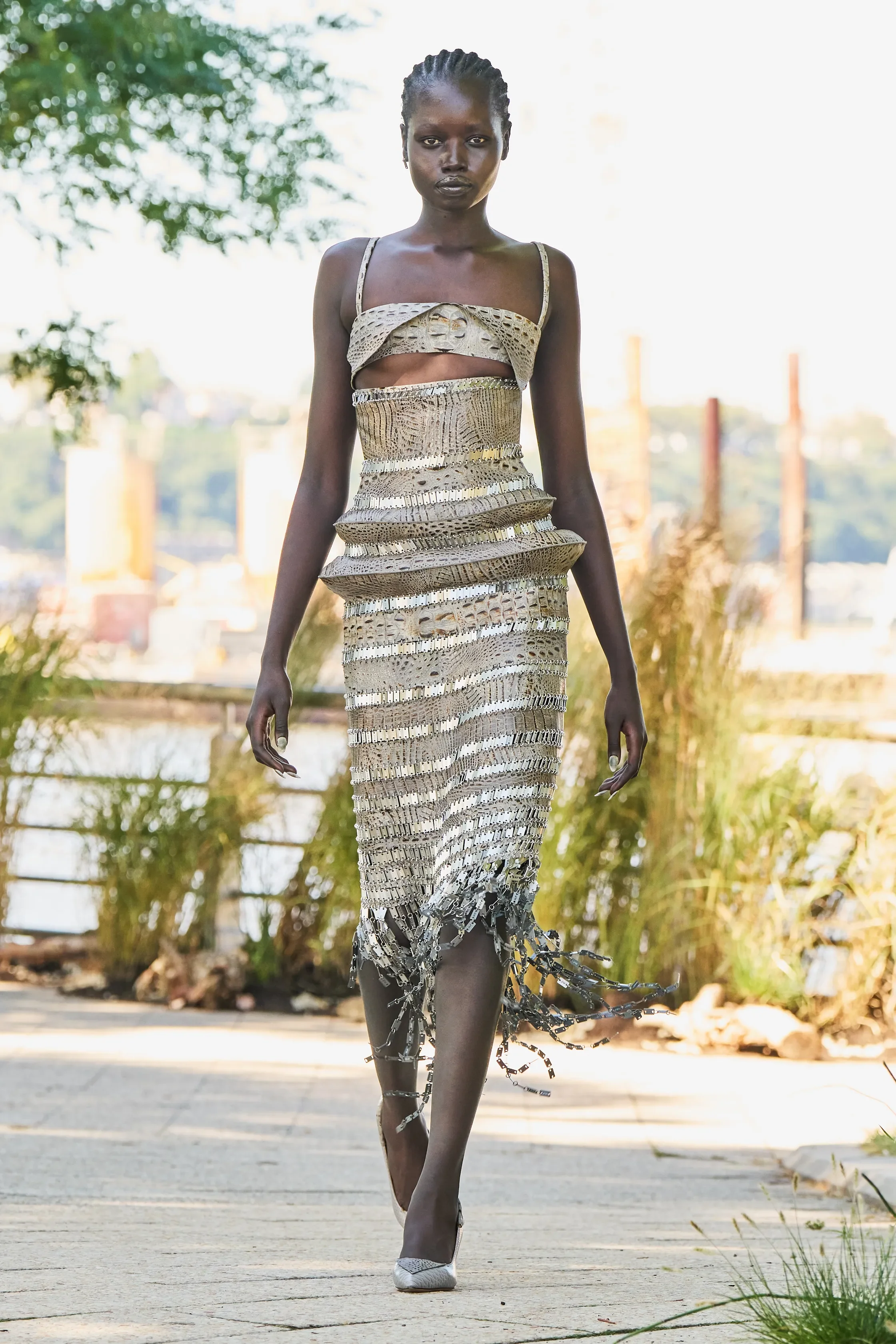
all images courtesy of JANE WADE
Jane Wade’s SS27 collection picked up where the last collection left off this time at the river. The show was outside on a sunny afternoon, swapping corporate fever dream for exposed skin and sunscreen. The collection continued Jane Wade’s love for escapism, but this time the clothes were less about the fantasy of getting away and more about what you actually wear once you do.
Technical fabrics hugged the body with a sensual edge. Garments were practical and showing traces of their environments without being too literal. Landing somewhere between outdoor equipment and everyday dressing. Wade’s version of utility is at its best when the function is obvious but the result still feels very interesting.
There was a lovely push and pull between her accessories and the collaborations, from the Keen water shoe, to compact bags and pieces designed around hydration and movement. But no doubt the clothes themselves still stole the show. Garments felt fresh, fitted, and intriguingly meticulous. The collection felt lighter at least at the beginning, while bold moments still showed up in the end, reminding us of her technical precision that makes her work distinctly hers.
CALVIN KLEIN COLLECTION
review by MAREK BARTEK
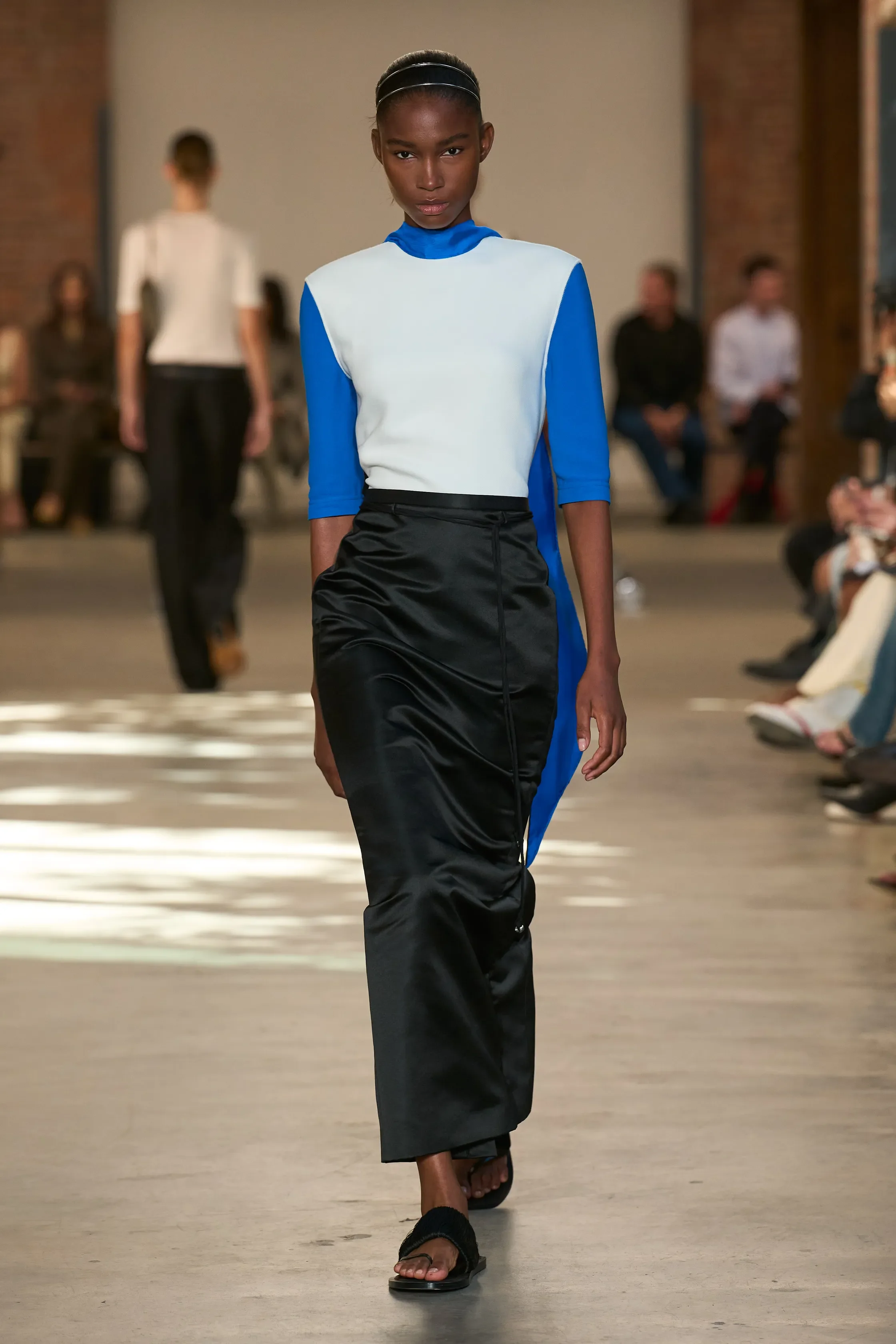
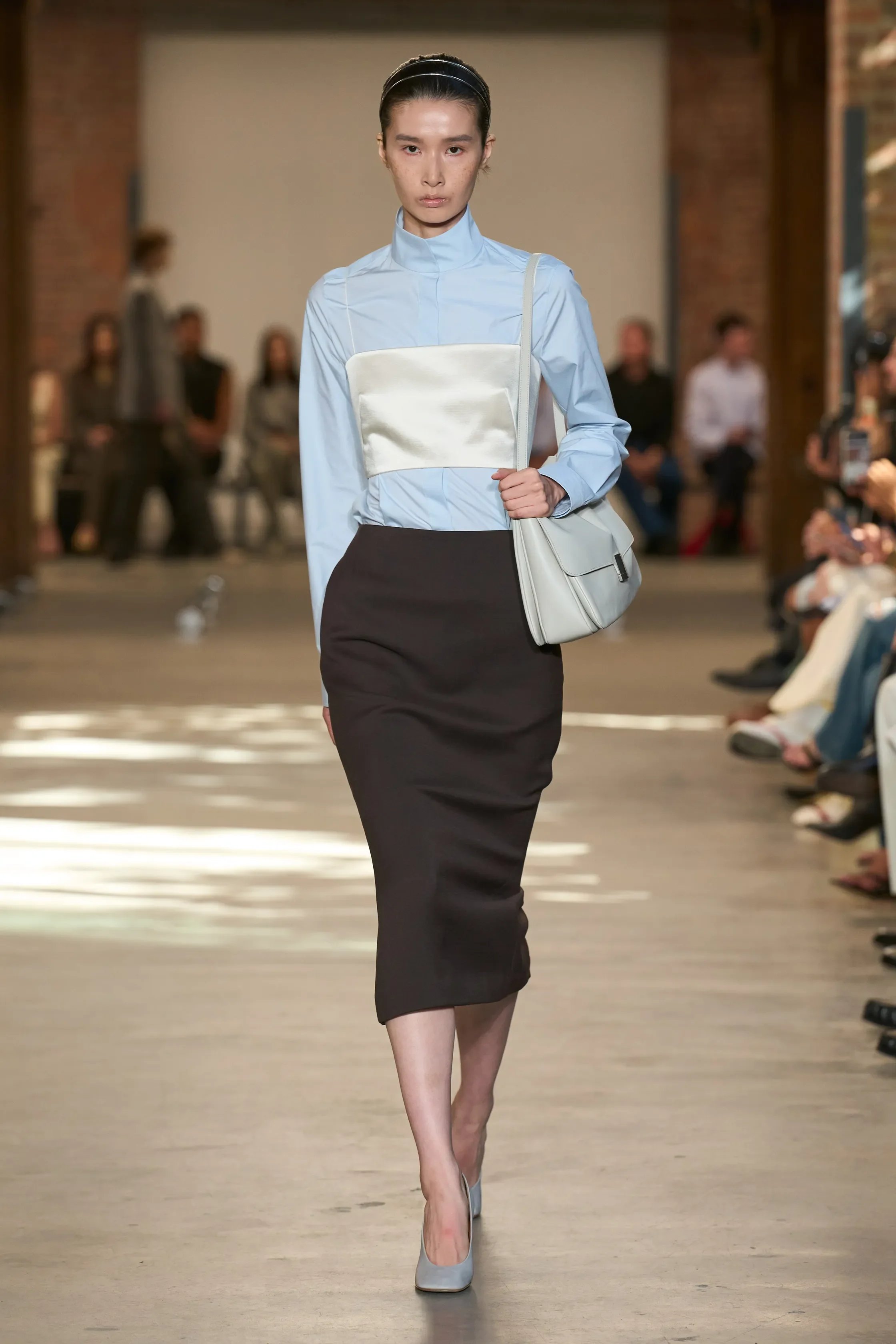
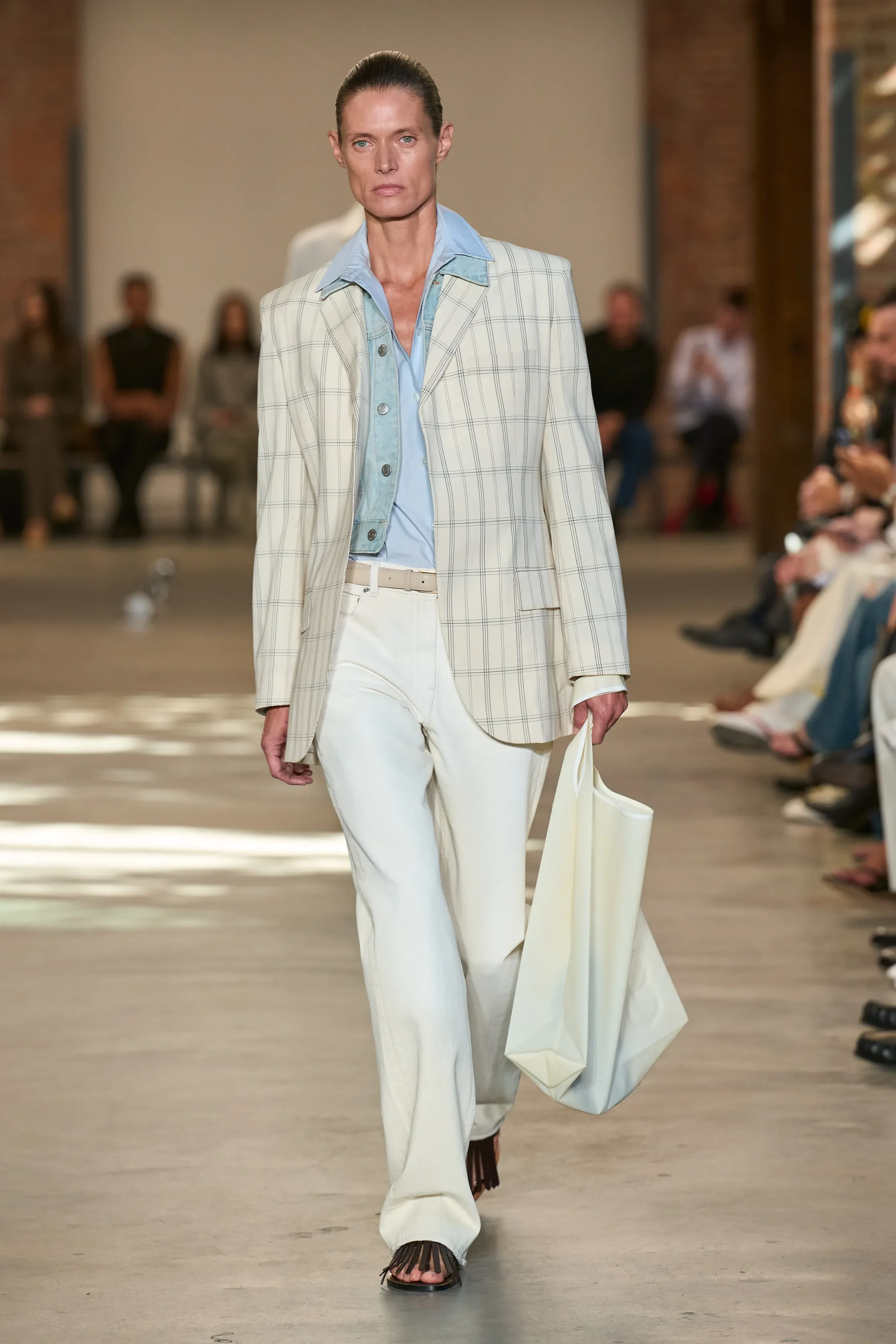
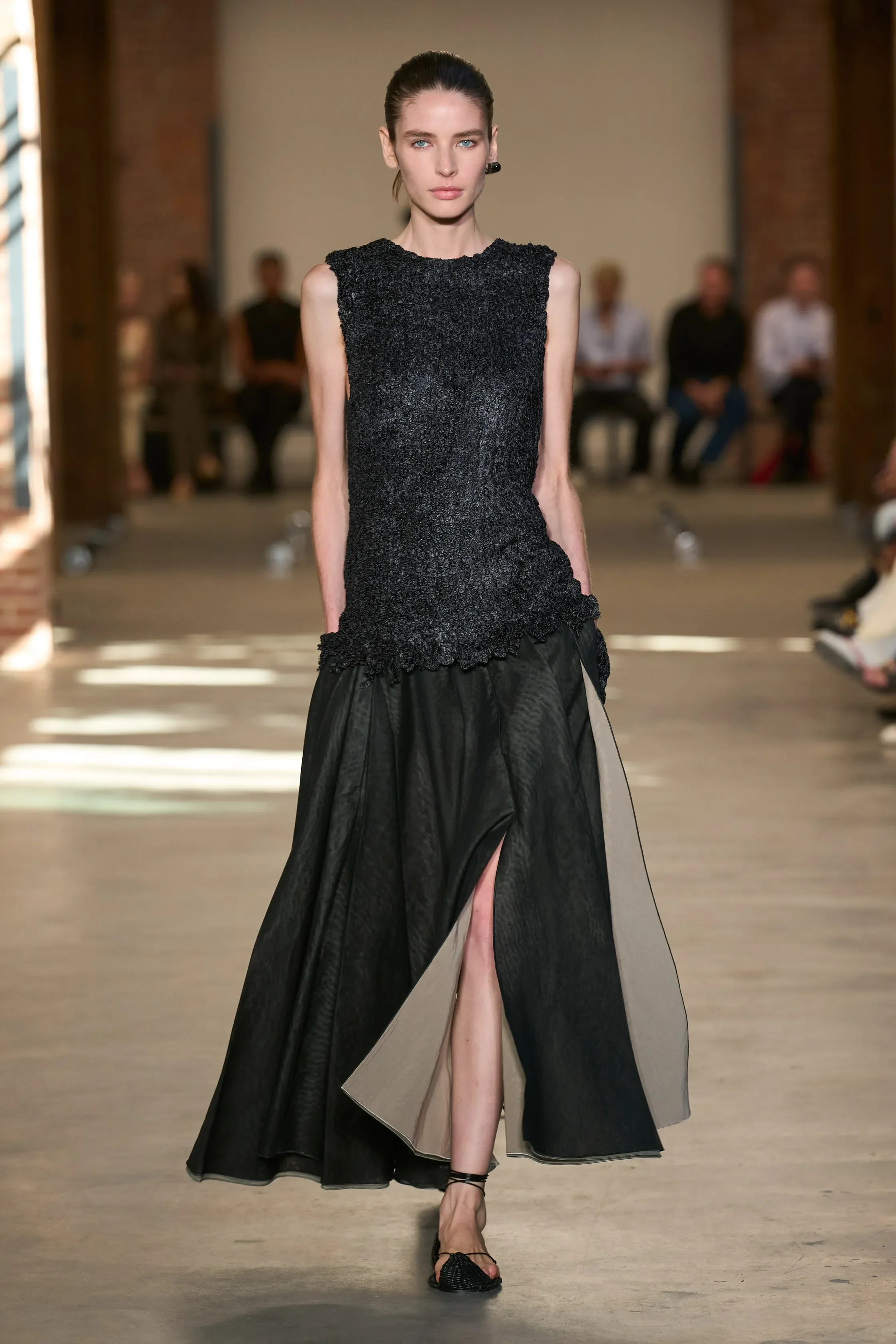
all images courtesy of CALVIN KLEIN COLLECTION
Calvin Klein’s minimalism has always been less about simply removing elements than it has been about confidence of the know-how. For Spring/Summer 2027, Veronica Leoni embraced that philosophy with her most assured collection for the house to date, resisting the temptation to reinvent an identity that has always thrived on precision rather than spectacle.
Instead, Leoni focused on the building blocks of a modern wardrobe. Impeccably cut black tailoring, fluid slip dresses, softly washed denim and elongated trenches formed the foundation, while carefully placed bursts of powder blue, buttery yellow and cobalt introduced subtle moments of colour. There was an ease to the silhouettes that made them feel lived-in, with proportion and fabrication doing the work where embellishment might have otherwise taken over.
The collection wasn't entirely without experimentation, but its strongest moments came when it trusted simplicity. Here, elegance wasn't announced through dramatic gestures, but through clothes that felt instinctively wearable. In a season increasingly driven by visual excess, Calvin Klein offered a reminder that confidence can still be found in restraint.
KIM SHUI
review by DONA TODOROVSKA
all images courtesy of KIM SHUI
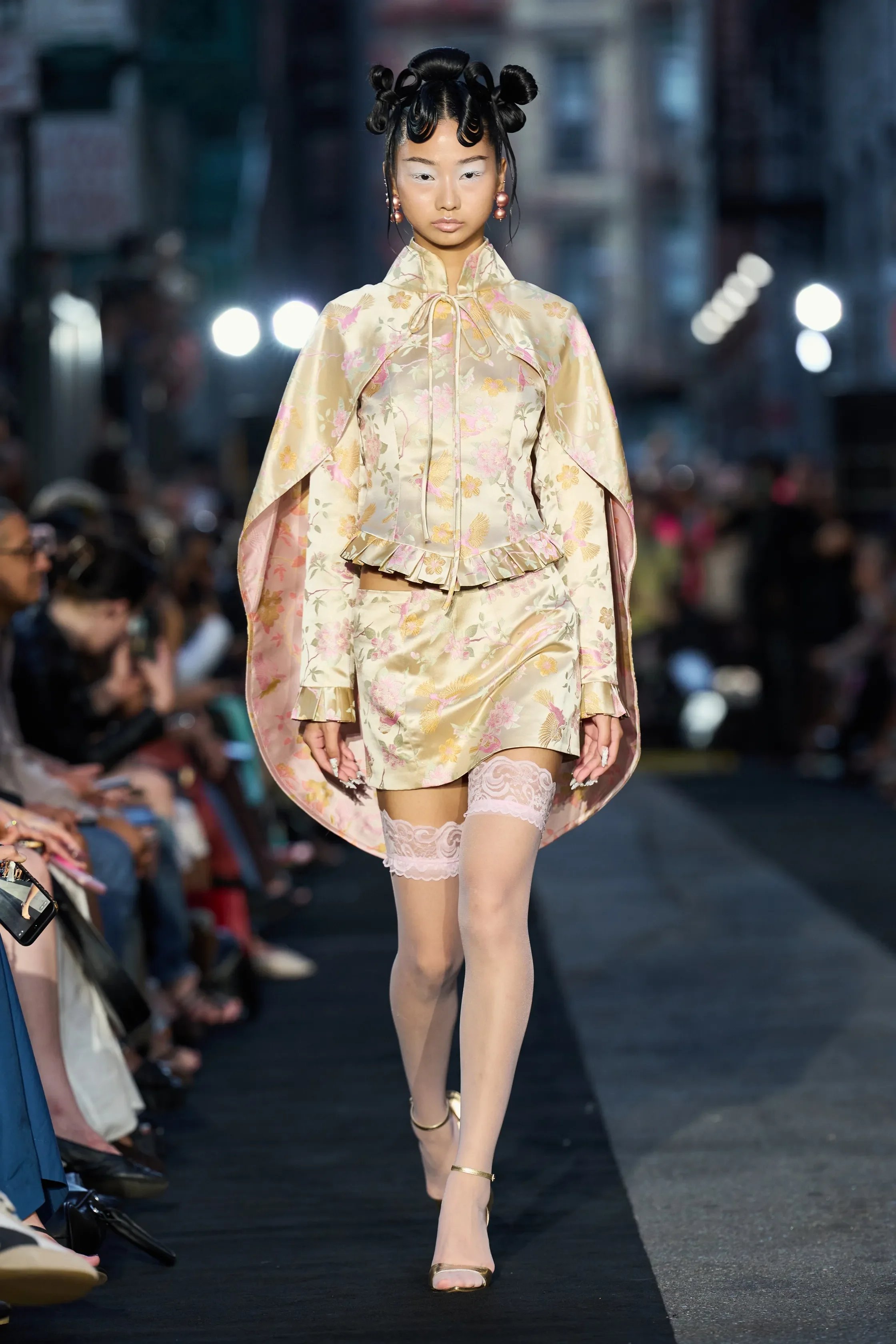
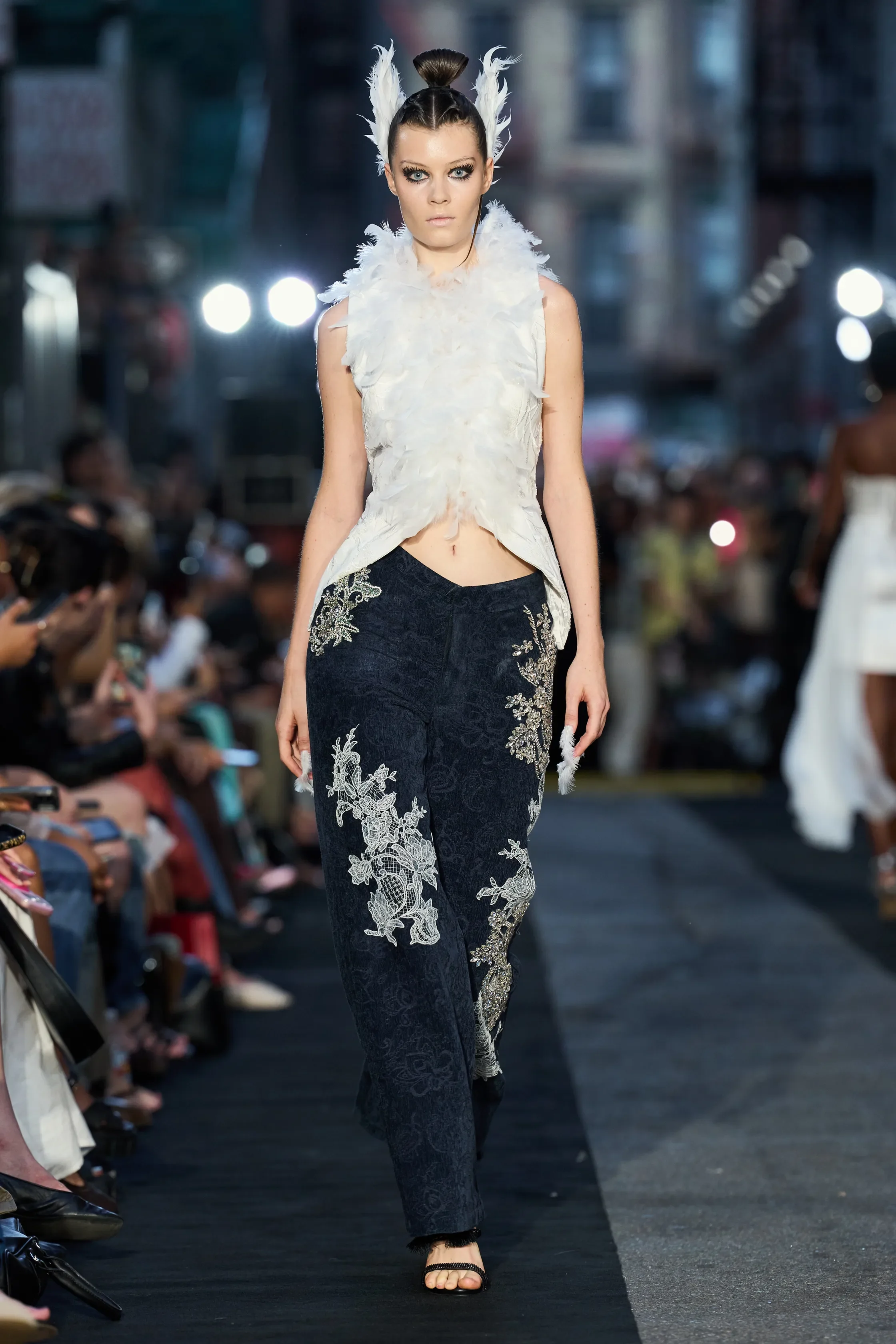
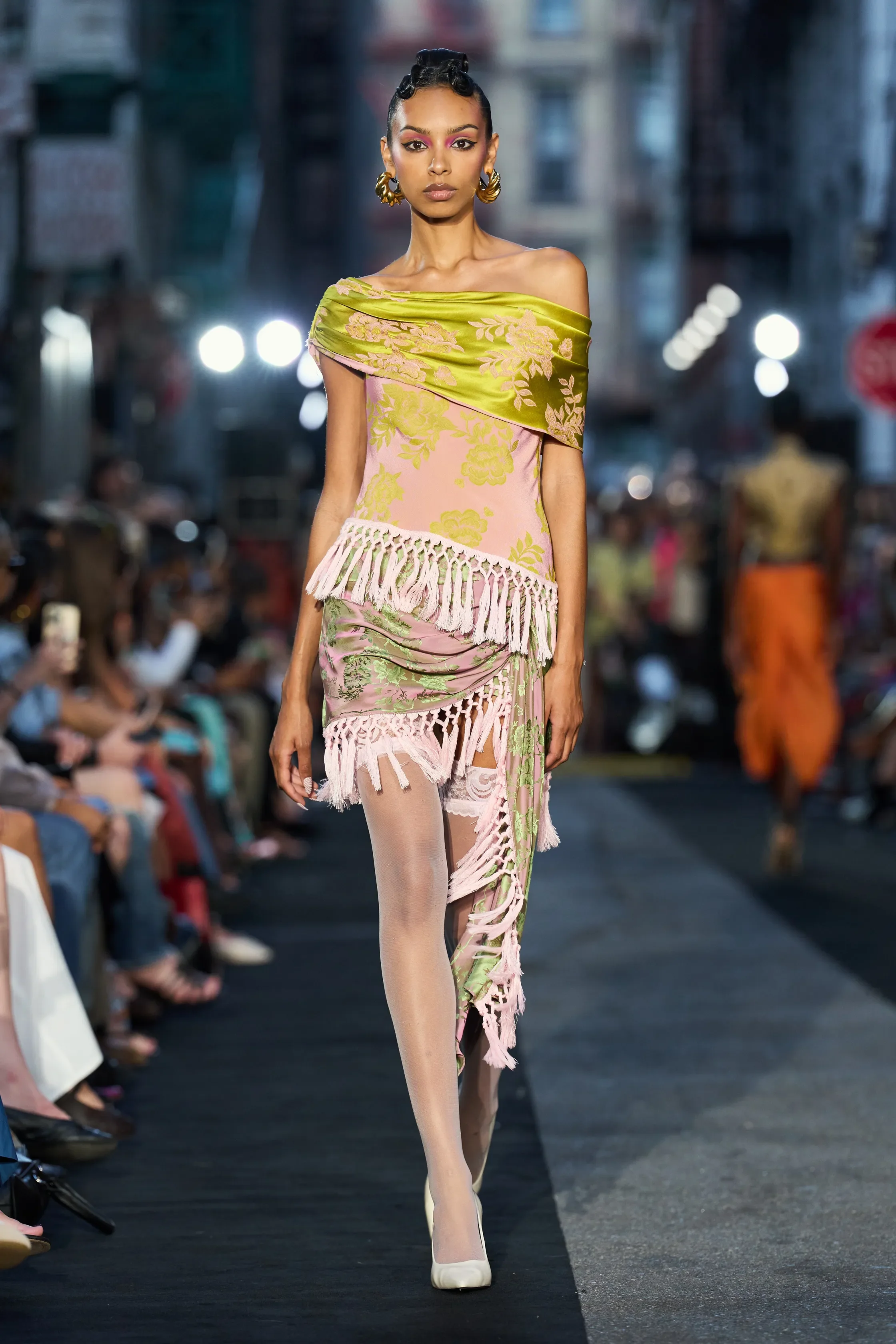
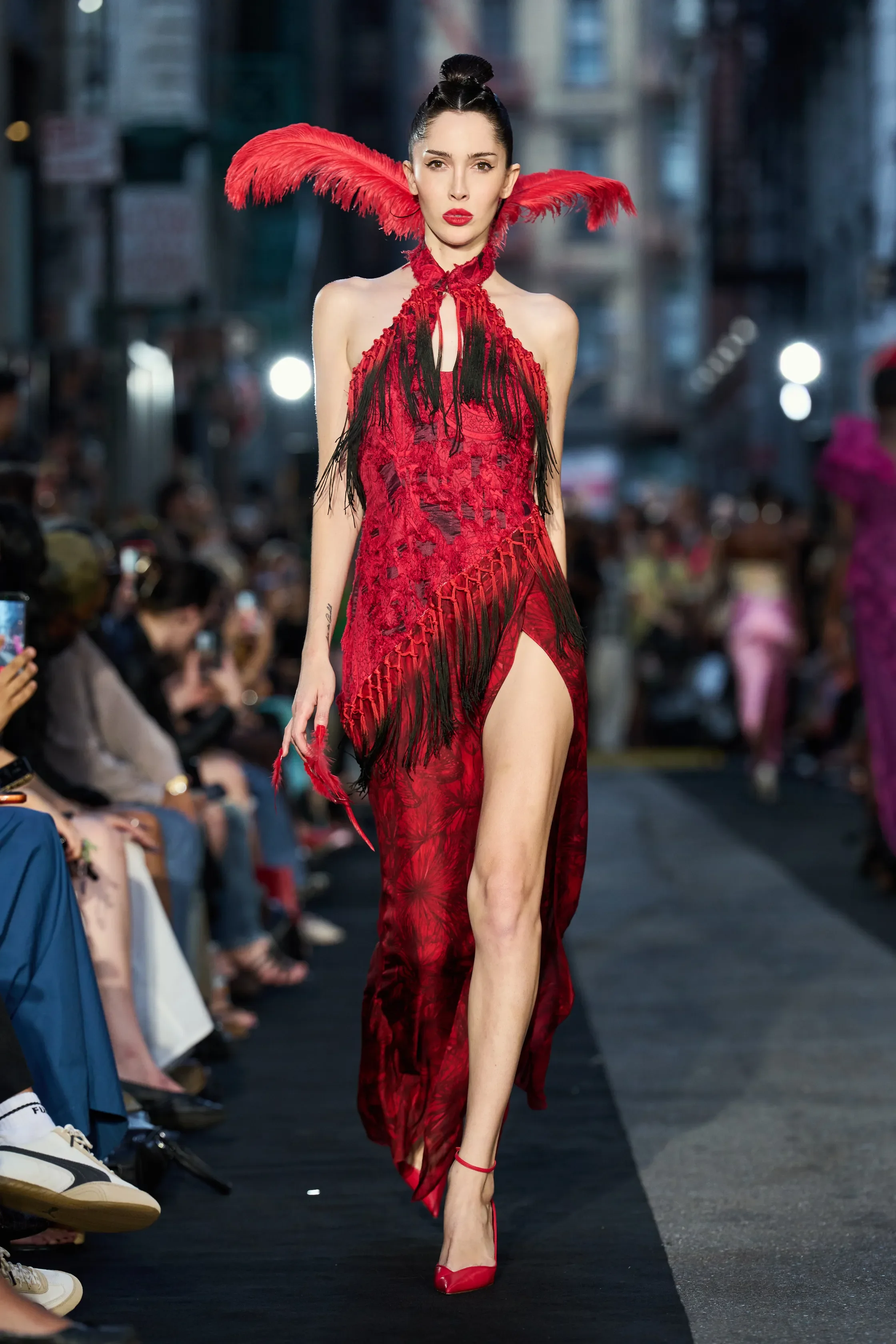
Kim Shui unveiled her SS27 collection in one of the most iconic alleyways in New York, Cortland Alley, known for its features in various films. This historic alley became part of the performance as ornate theatricality hit the runway in looks that felt especially alive in motion.
The collection played with the visual spectacle of Peking Opera without losing the sensuality that runs through Shui’s work. Saturated colors, sheer fabrics, lace, intricate embroidery and corseted silhouettes were pushed into exaggerated proportions, giving her familiar body-consciousness a new sense of scale. Feathers lifted and shifted with the models, tassels moved with the body, and oversized headpieces transformed each look into something almost sculptural. The birds-of-paradise references brought a heightened almost otherworldly quality to the lineup, while extreme lashes and graphic black liner pushed the drama further.
The looks were confidently sexy, designed not only to be seen but also take up space. Against the backdrop of one of New York’s oldest and last remaining alleys, Shui’s SS27 felt less like a collection presented to the city than one activated by it: theatrical, sensual, and unapologetically expressive.
ECKHAUS LATTA
review by DONA TODOROVSKA
all images courtesy of ECKHAUS LATTA
Wouldn’t it be nice if SISYPHUS could see us smiling and grimacing beside him? Somewhere among the streets in Tribeca on the border of Chinatown, scattered between brightly lit rooms, for a moment it truly felt like we were. Eckhaus Latta presented something that felt vaguely familiar. That is if you’ve ever trekked up and down Canal street and its surroundings through the dead of summer. Crowded streets, honking, scorching hot sidewalks. Countless products along the streets mimicking their own forms of fashion’s biggest brands. Anyone familiar with that feeling may have been able to feel that spewing from the first set of looks sent down the runway.
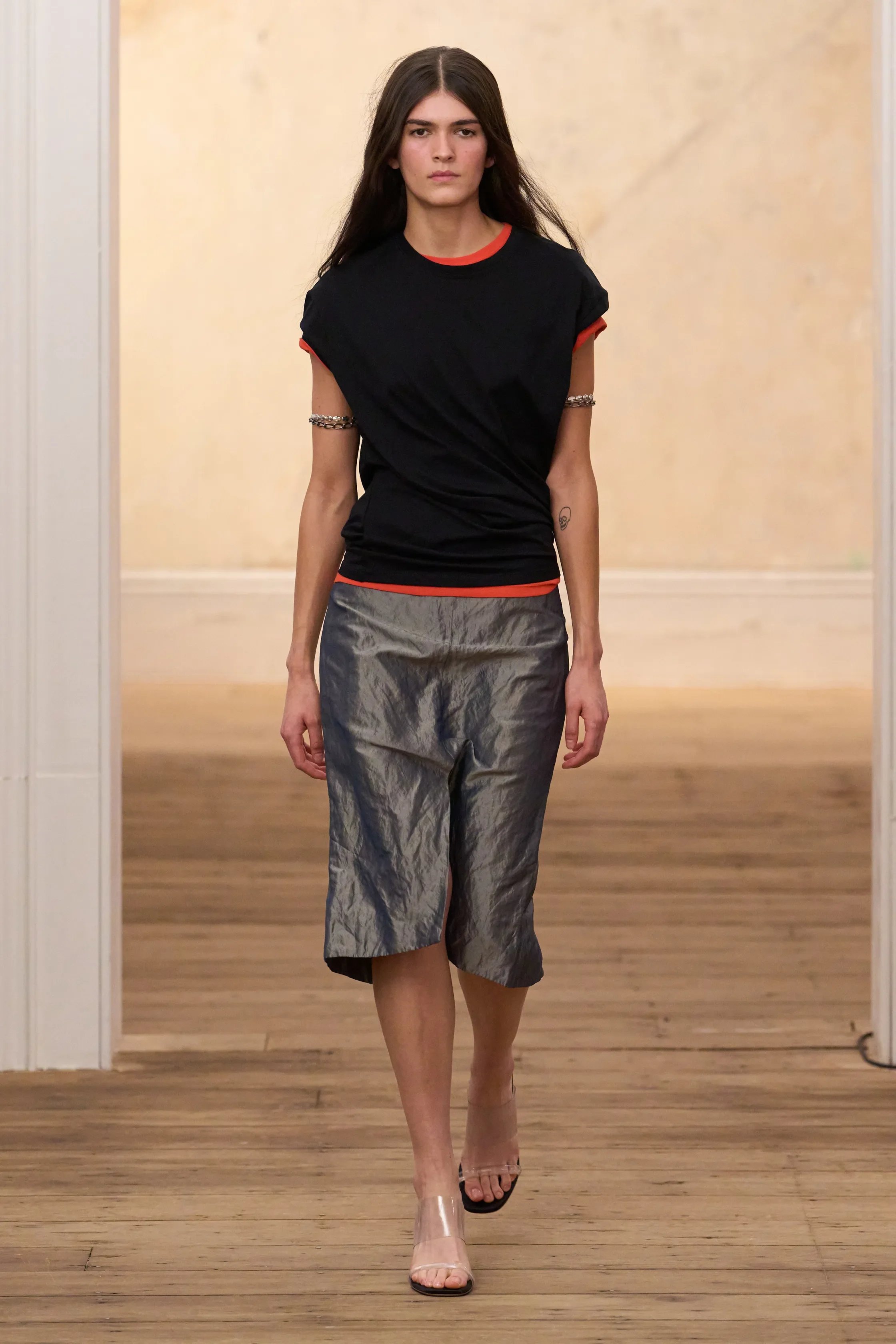
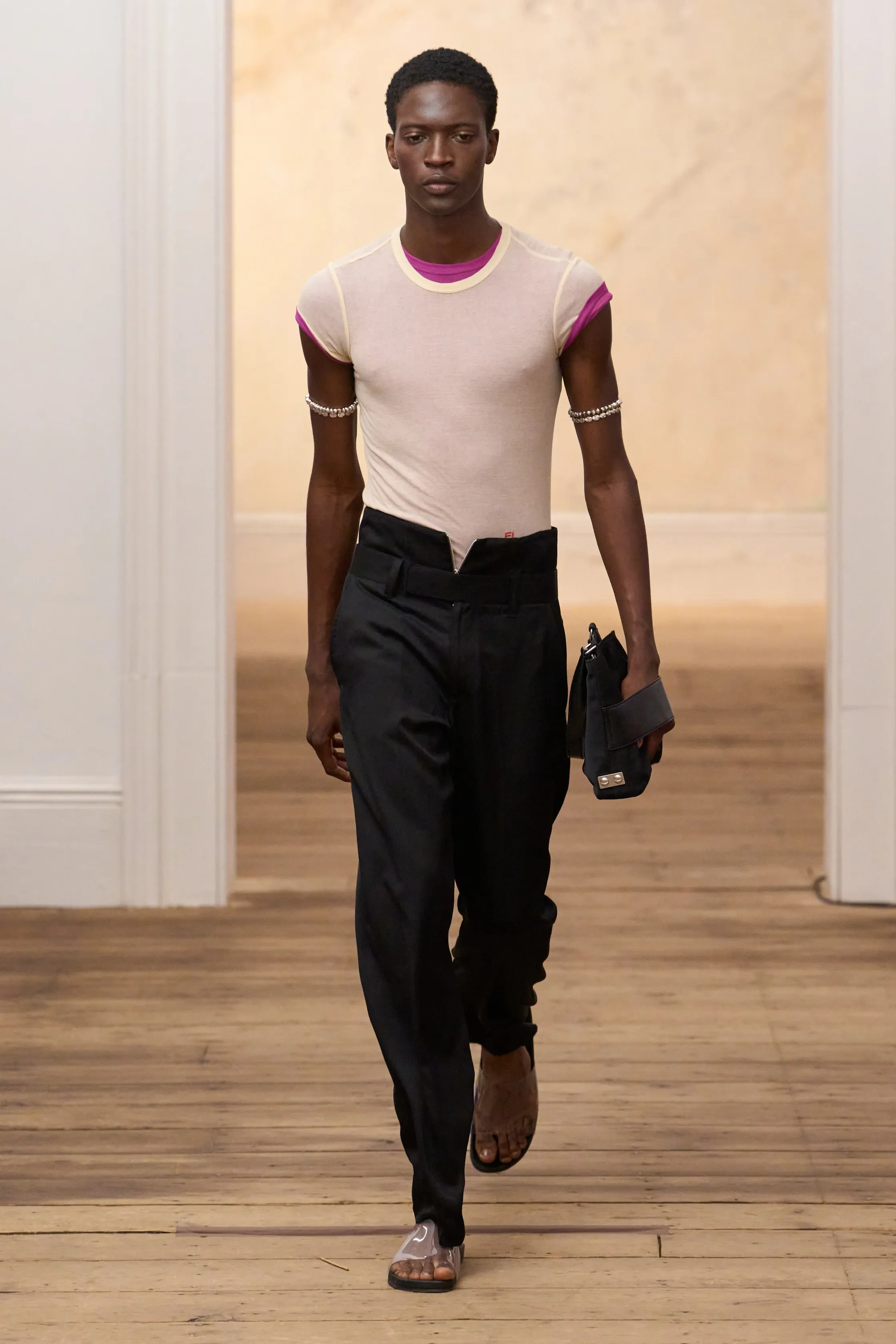
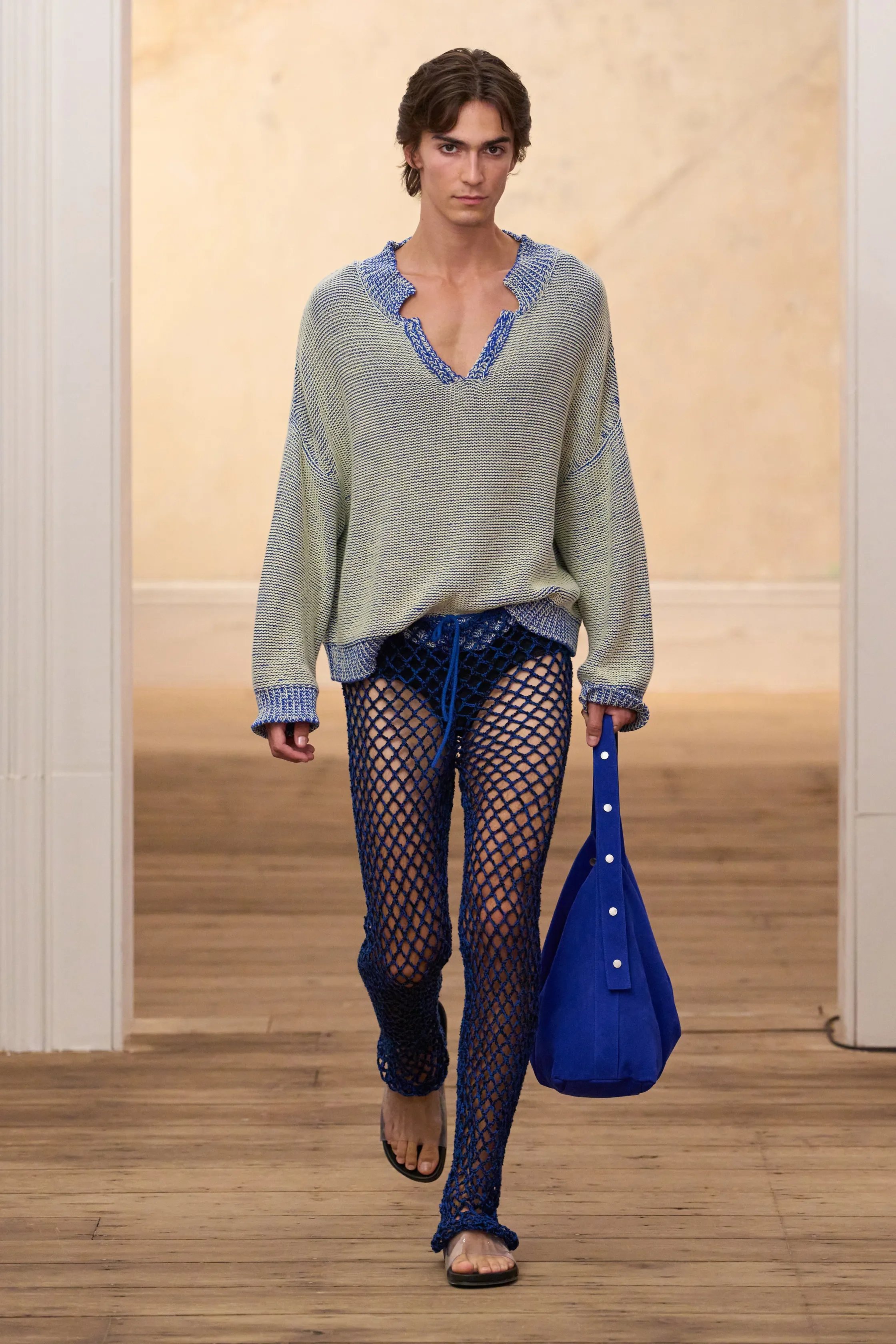
On display were pieces that felt like evolutionized parts of the Eckhaus Latta story made for the streets of Downtown New York. The looks yearned for something utilitarian, moveable, yet slightly unapproachable. For the unbearably hot days: mesh, sheer organza, net knits or perhaps a simple silver sheer glow across your chest. It also wouldn’t feel utilitarian for New York if it didn’t include something for those moments to shelter out the summer rain or block off the constant stream of AC. Look 27 even offered up the imagery of what we all feel like doing at one point or another: ripping open the front of our shirts because we’ve had enough. Something about what we were seeing felt like it drew attention, but also screamed, “absolutely do not think about talking to me, I have too many places to be.” Even down to the shoe choice influenced by Marym Nassir Zade and Slow and Steady Wins The Race. Comfort, breathability, and hopefully as blister resistant as possible. Ekhaus Latta’s mission with the opening looks didn’t feel like a fantasy, but rather everyday clothing that blends downtown art and culture.
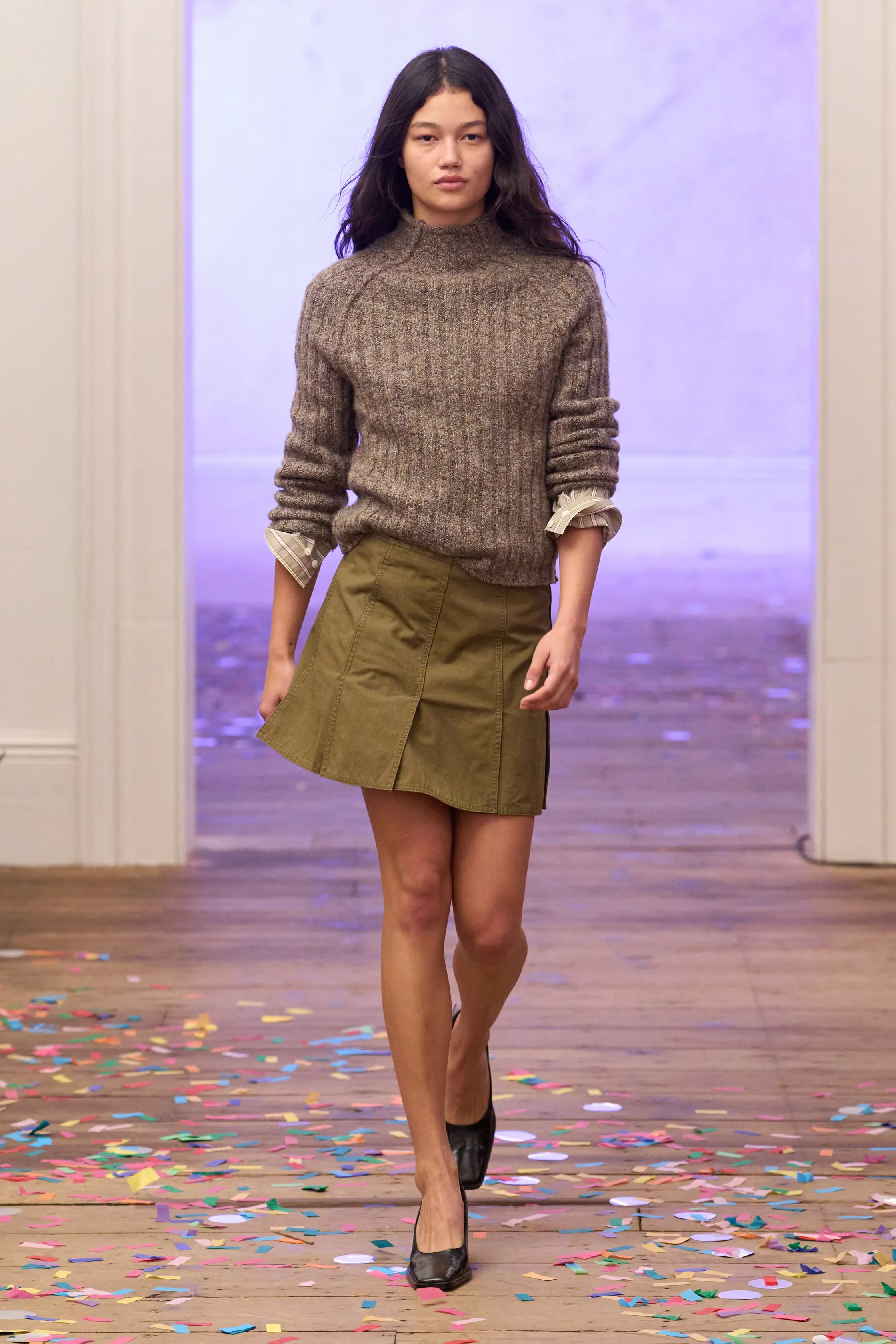
The maze of connecting rooms were filled with the sounds of live vocalists. Before taking their seats, attendees were tasked with waiting to open the manila envelopes found awaiting them. “Wait to open until the laughter,” they read. The moment came after the 33rd look had passed and the laughter finally erupted. We remember the feeling of frivolity erupting throughout the rooms as people pieced together what they were supposed to do with the confetti waiting for them behind the seal. Wouldn't it be nice if we enjoyed life a little more again?
Wouldn’t it Be Nice by the Beach Boys replaced the laughter as the first look asked: would our PAPERCUTTERS… possibly Cool Machine by Colson Whitehead or perhaps Namwali Serpell’s dive into Toni Morrison, or maybe just something randomly picked up from Aeon Bookstore be something SISYPHUS would approve of? Or perhaps would he just be happy we’re not lugging around a bouldered COMPUTER?
What followed was Eckhaus Latta alongside J.Crew reminding us that the intelligent, yet playful Lower East Manhattaner can be both preppy and undressed, combined with their utilitarian seriousness when shit needs to get done. The idea behind these looks felt strangely lived in and recognizable. Crew necks, sweater vests, polos, and rugby shirts. Tactile clothing that feels put together, youthful, and not overtly experimental.
This city asks its inhabitants to sweat for it time and time again. There’s no end in that cycle in New York, there’s always something new waiting on the opposite end of an unexpected venture. Eckhaus Latta reminded us that amongst the seriousness of it all, it is okay to slow down, and have a little fun with it, we are in fact living in New York.