
PARIS FASHION WEEK MENSWEAR SPRING/SUMMER 2027: DAY 6
WOOYOUNGMI
review by FRANCESCO PIZZUTI
all images courtesy of WOOYOUNGMI
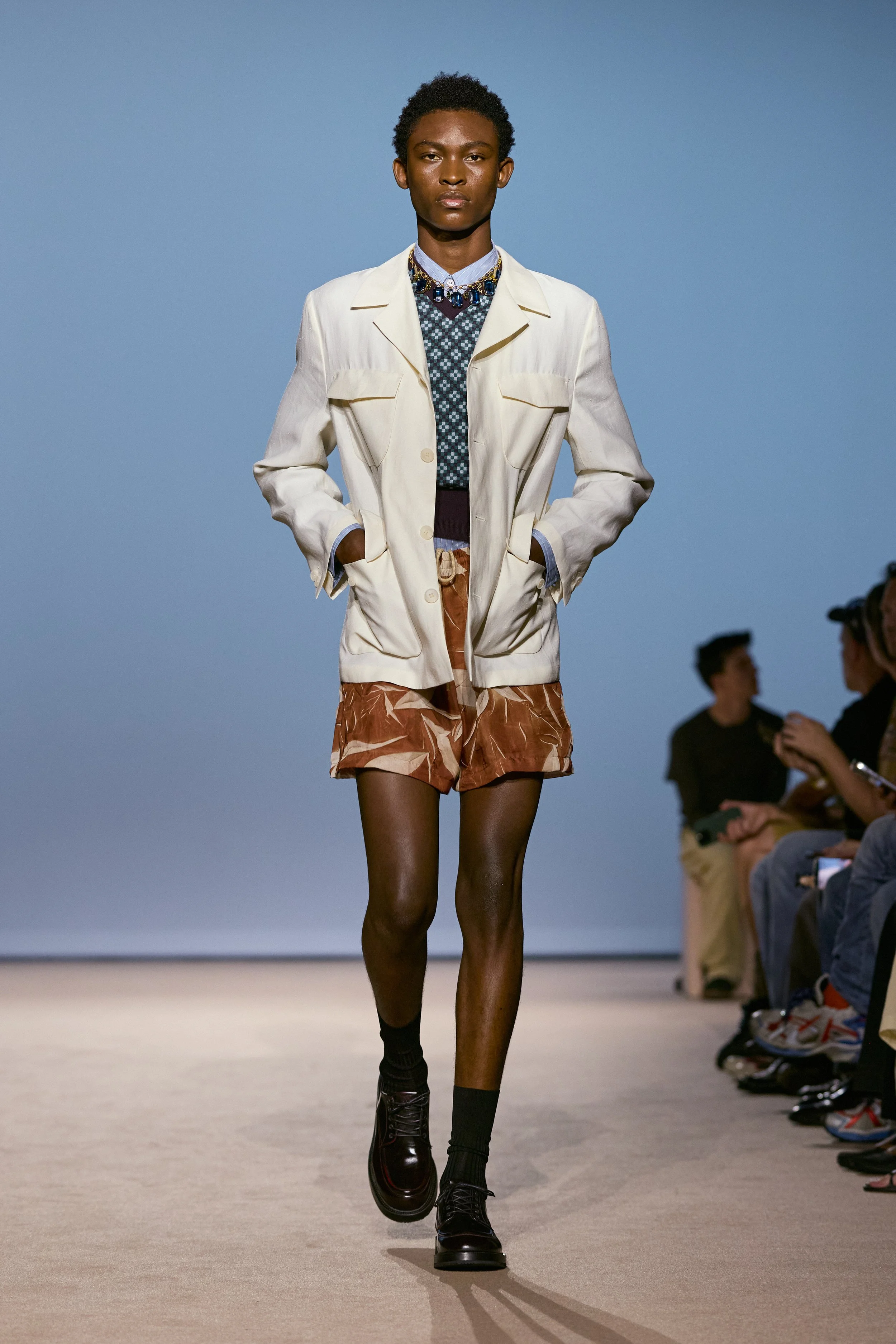
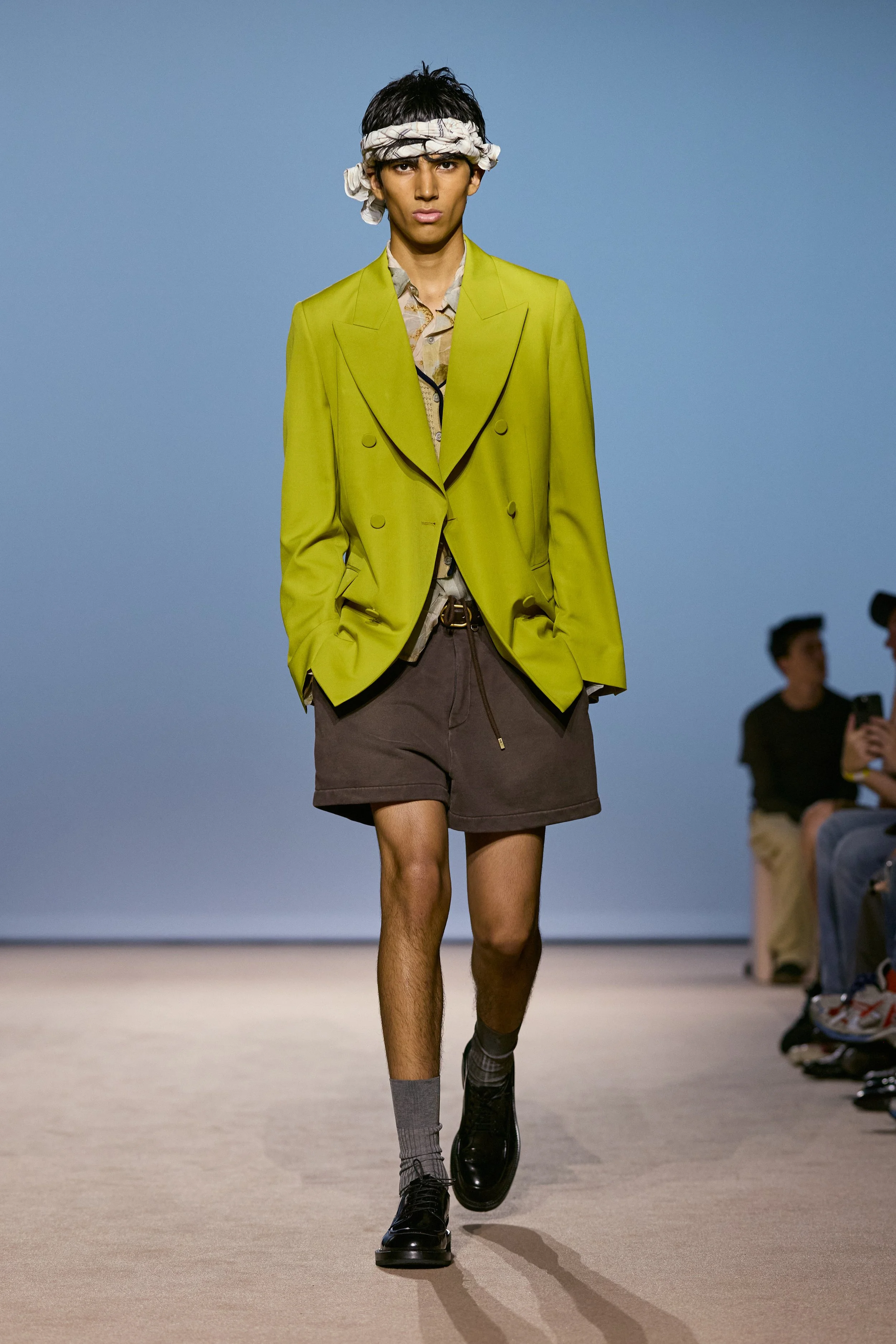
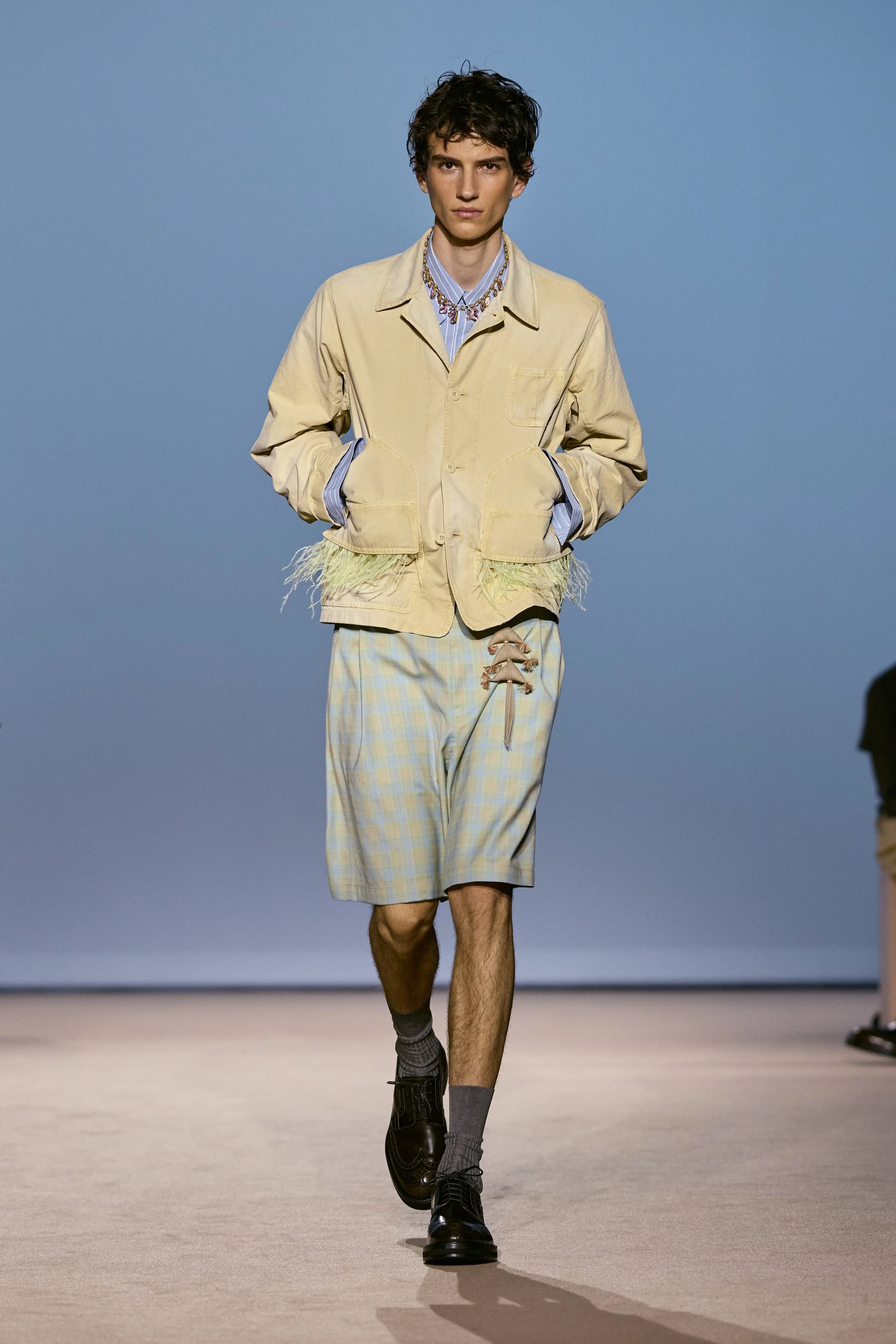
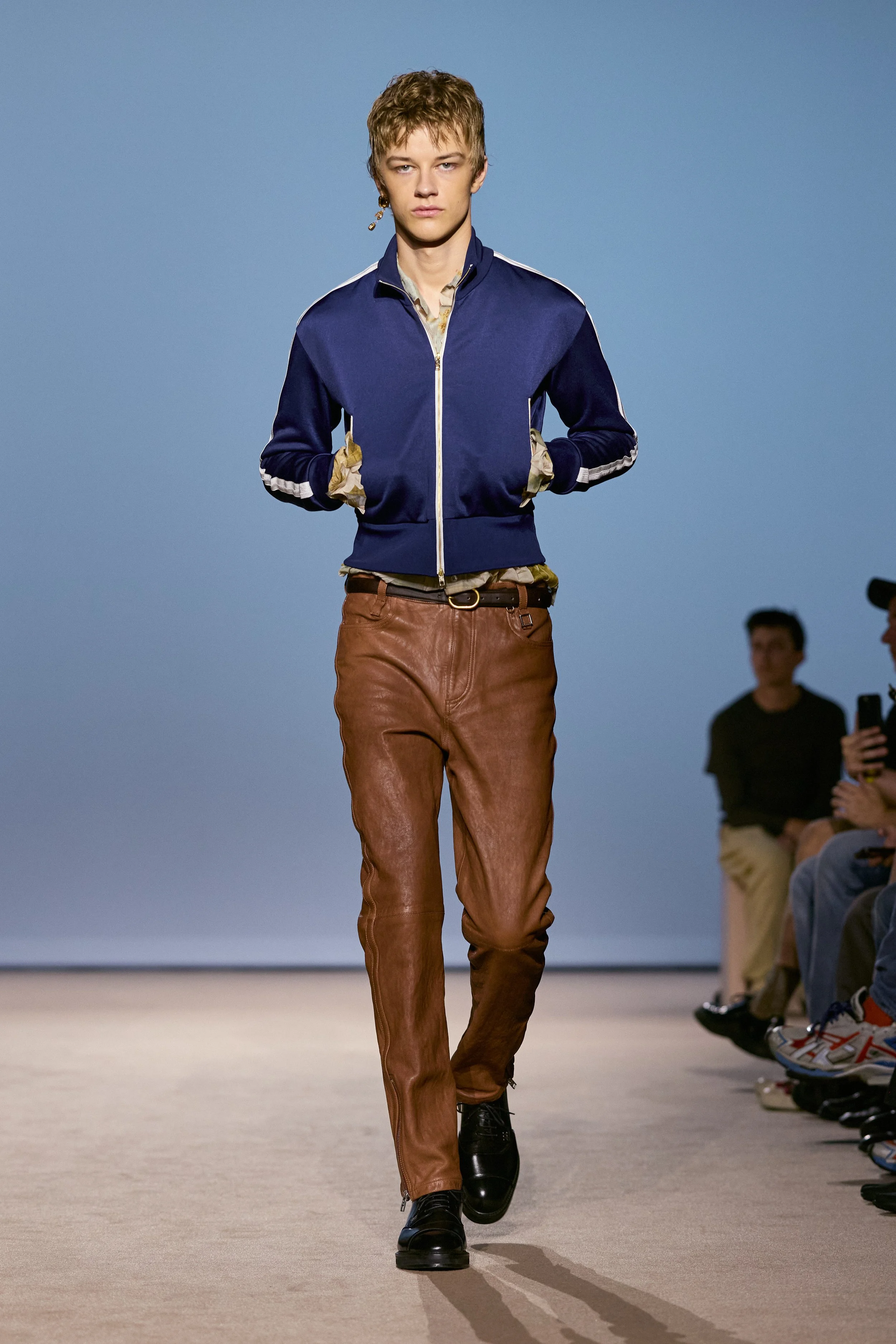
Wooyoungmi’s Spring/Summer 2027 collection was a continuous experiment, a study in effortlessly rupturing codes through fun and pure joie de s’habiller. The collection is inspired by the Korean concept of joy, Heung, and it looks at the process of getting dressed. What seems to matter most, in fact, is not so much the final look but how that comes about, the conscious act of getting dressed in a way that raises your spirits, with freedom and lightness, unburdened by fashion’s often strict norms.
This joy of dressing transpired in the show through the use of pattern and colour, with stripes and checks used sensibly, like free-flowing inspiration spanning very different styles and cultures, as well as a wide palette of earthy yet almost juvenile colours sitting next to each other without asking for resolution.
But what truly encapsulated this act of experimentation, this gesture, is the use of accessories. Headscarves were wrapped loosely, intertwined into knots and cords around the models’ hair; chunky gemstone necklaces made a statement, layered on top of shirt collars, ties, or bare necks; a pendant earring appeared sporadically, just on one ear, though; stringy feathers came out of sleeves and pockets, peeking out like something that was supposed to be hidden. The most distinct accessory was a leather belt charm, an abstract interpretation of the traditional protective talismans Gwaebul norigae, made of triangular shapes with fringes coming out of their every angle.
By weaving together all the different ancient Korean motifs, references, and natural symbols, the collection skilfully succeeded in portraying lightness and ease in a way that still felt rich and inspired.
CELINE
review by MAREK BARTEK
all images courtesy of CELINE
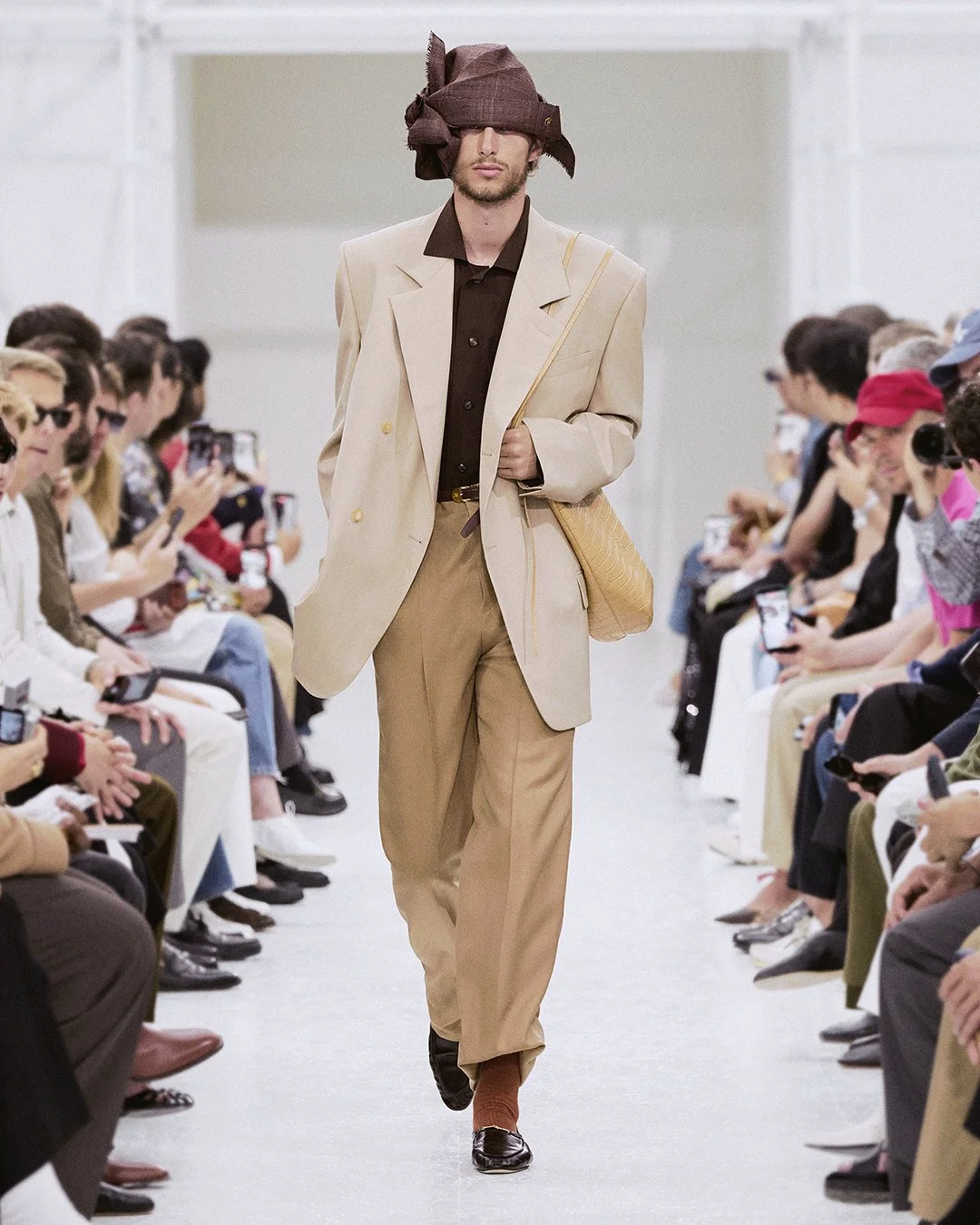
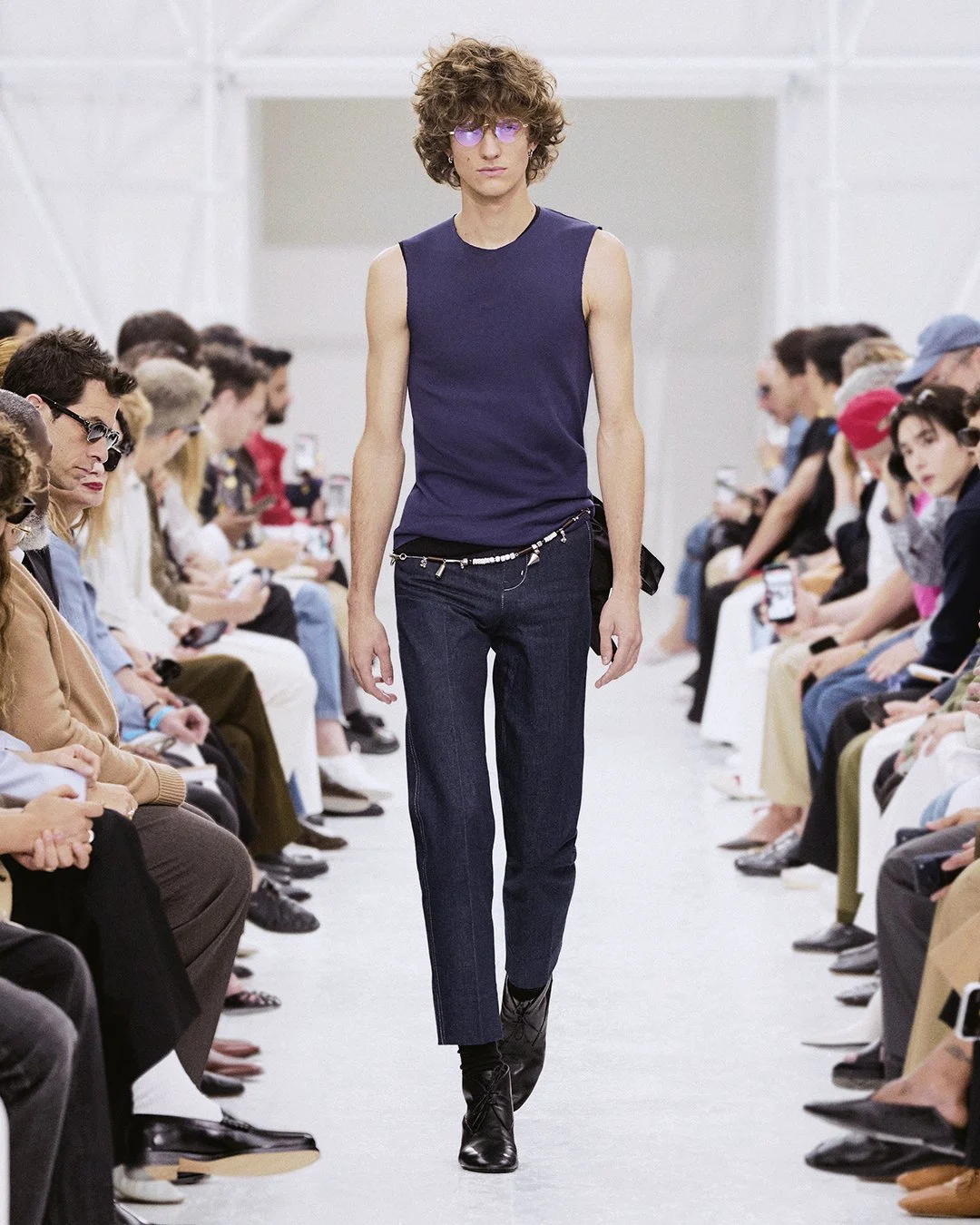
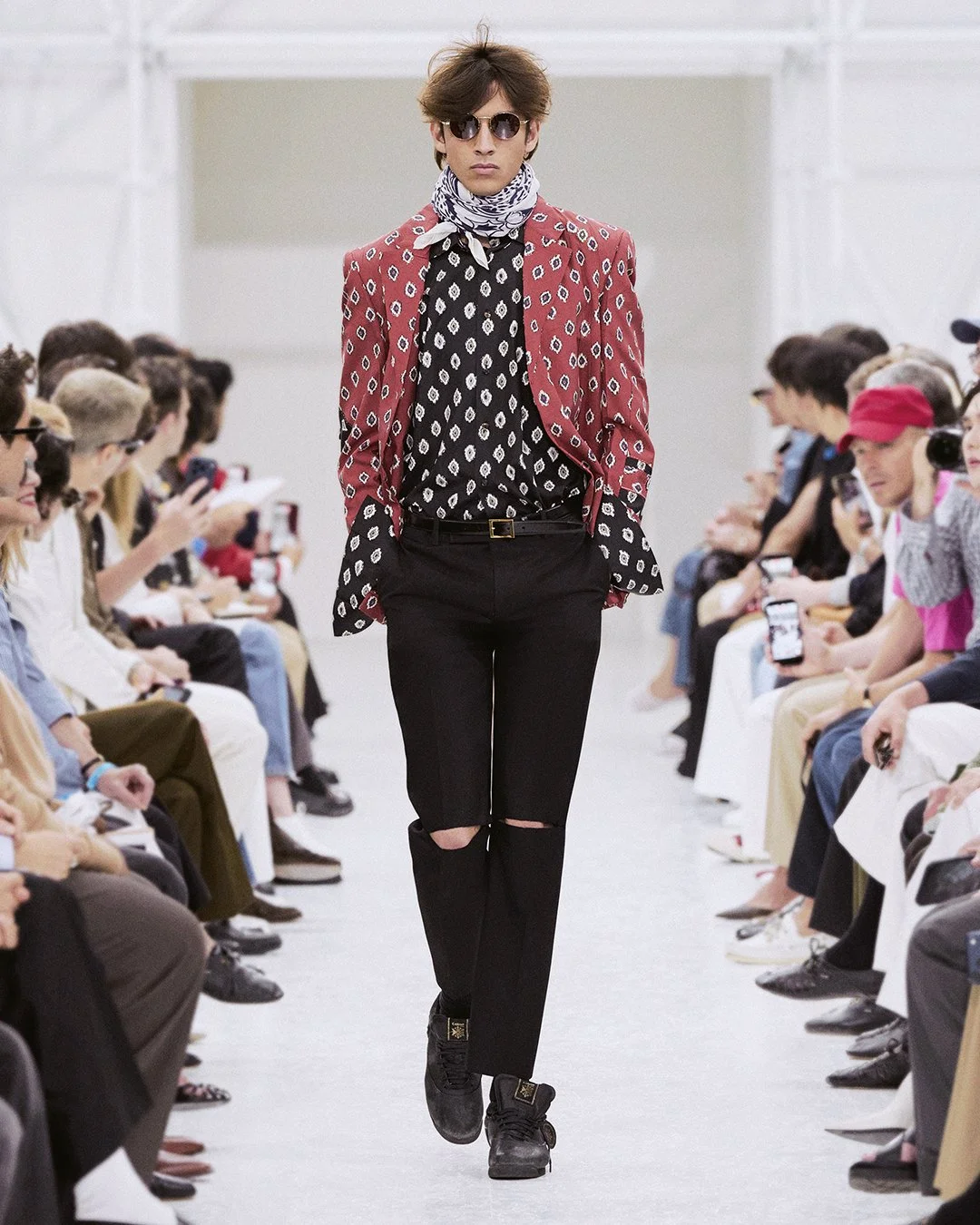
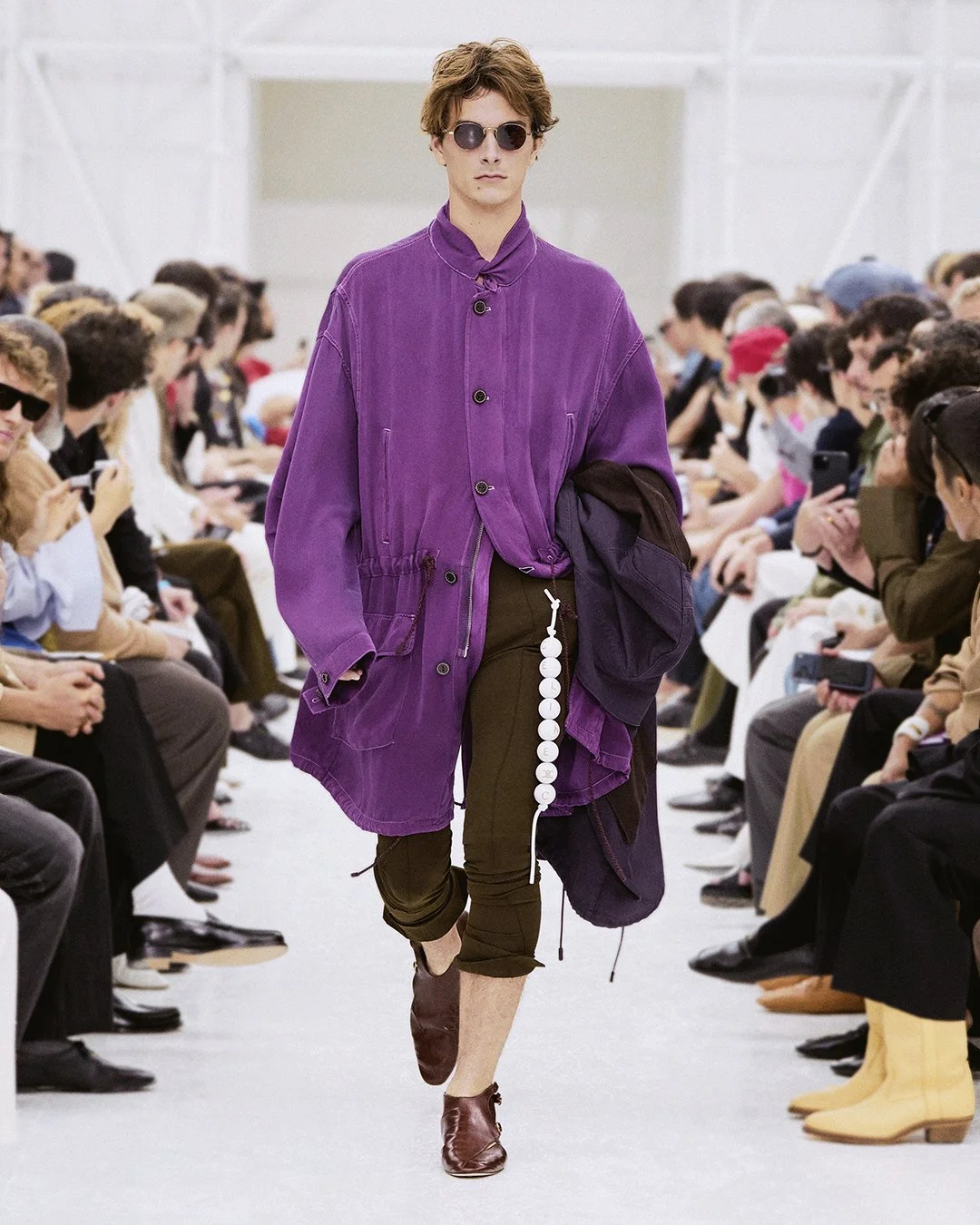
Michael Rider’s first standalone menswear collection for Celine did not arrive with a manifesto or a dramatic reinvention. Instead, it offered something surprisingly rare: a wardrobe filled with individuals. Rather than presenting a single archetype, Rider built a collection where every look suggested a different personality, yet somehow each belonged to the same universe.
Razor-sharp tailoring sat alongside generous drawstring trousers gathered at the ankle, while sculptural caped outerwear gave way to perfectly-fitting blazers, elongated knits and sleeveless tops. The silhouettes constantly morphed, but never felt inconsistent. Rider didn’t seem interested in establishing a new Celine uniform, rather he decided to expand the house’s cast of characters.
The styling only reinforced the vision for this season. Oversized leather holdalls were tucked casually beneath the arm, soft fabric sashes wrapped around waists, and leather pouches hung from thin cords as though added moments before leaving the house. Folded hats, crystal brooches, oversized rings and layered necklaces felt collected over time rather than carefully coordinated. Even the footwear, from immaculate loafers to deliberately worn trainers, resisted perfection in favour of personality.
Colour was handled with a similar sense of confidence. A foundation of black, cream, camel and chocolate brown was interrupted by vivid flashes of scarlet, violet, turquoise and acid yellow, recalling Celine’s rich history without becoming too nostalgic. Luxurious leather, airy shirting and fluid tailoring all spoke the same language of refined, which not even for a second slipped into rigid.
But perhaps most refreshing was the absence of a prescribed identity. Fashion has spent much of the past decade presenting complete lifestyles, encouraging everyone to dress as though they belong to the same world. Rider moves in the opposite direction, promoting individualism — at least in terms of expression — and making it the show’s greatest strength. These clothes feel open to interpretation, allowing different people to inhabit them in their own way. This is a debut for history books. Rider broadened Celine’s vocabulary, proving that individuality can be every bit as coherent as uniformity.
DOUBLET
review by MAREK BARTEK
all images courtesy of DOUBLET
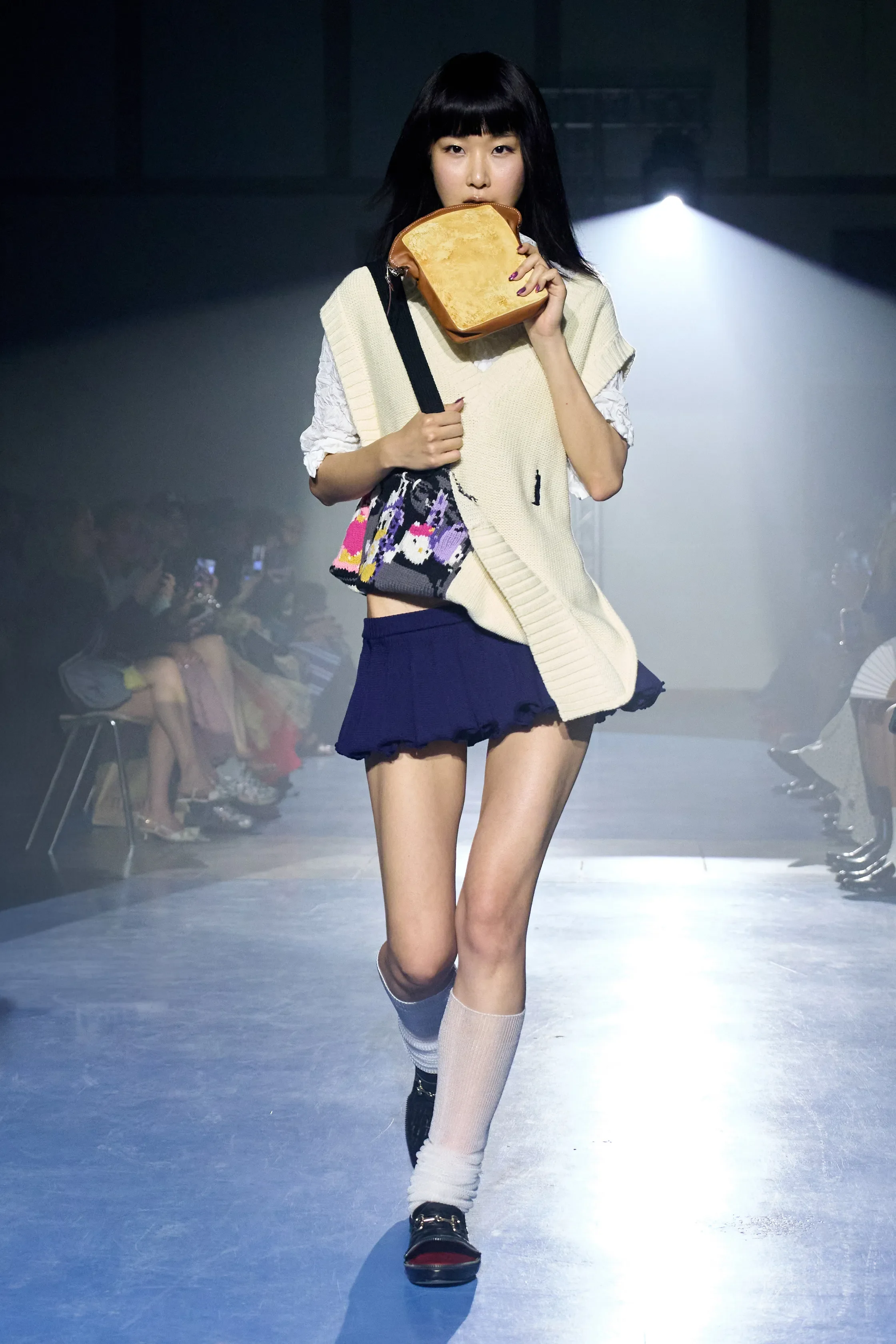
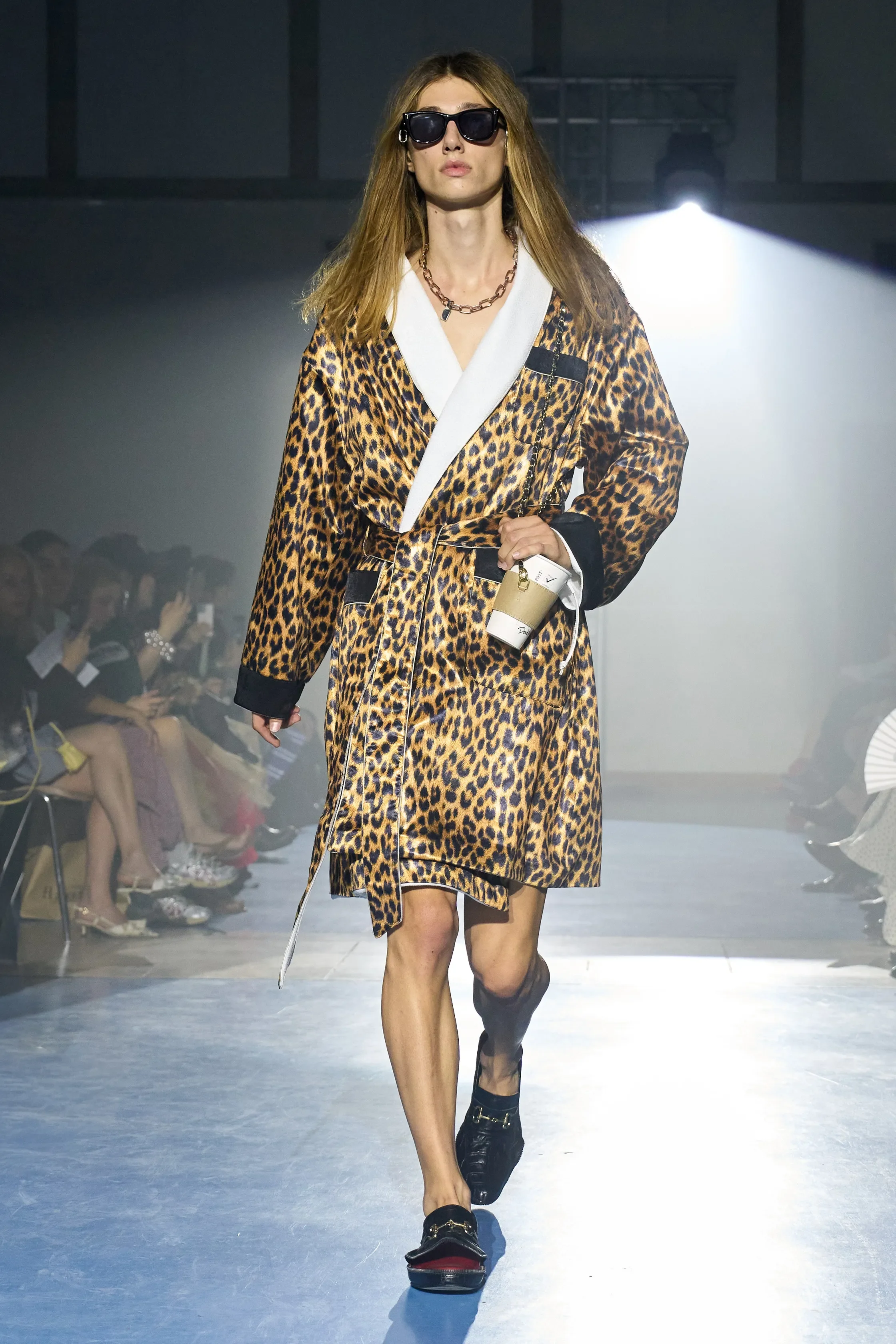
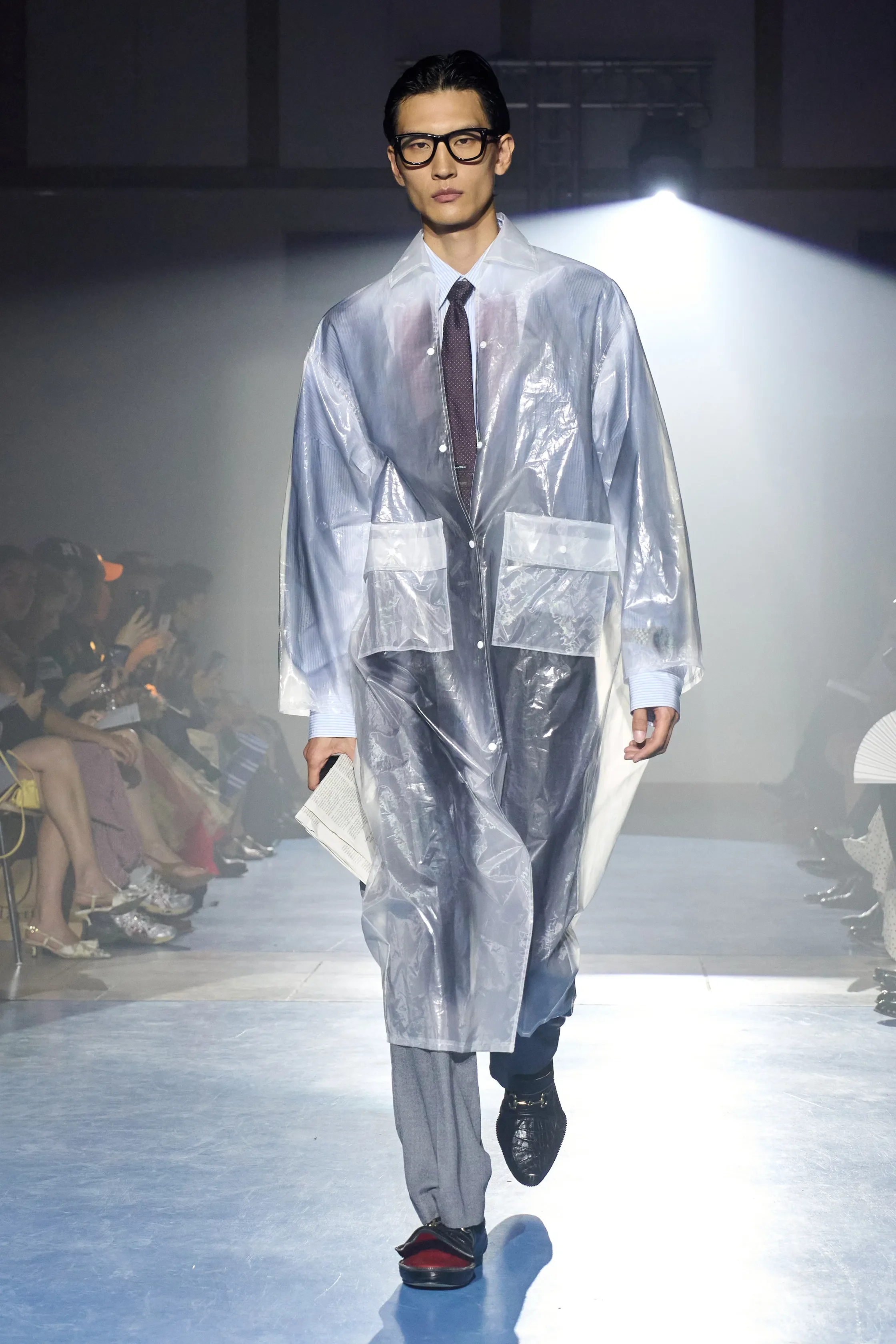
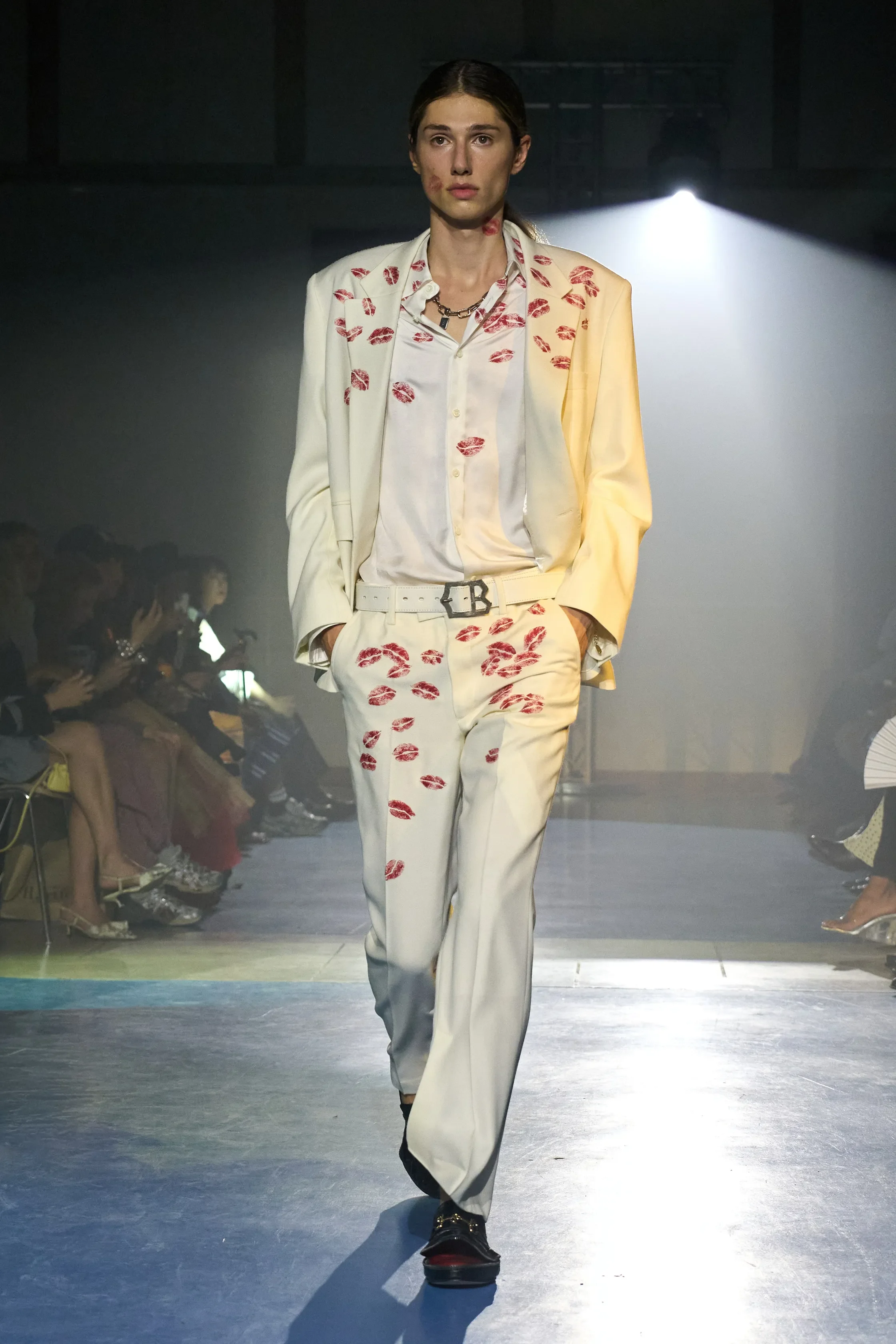
For Spring/Summer 2027, Masayuki Ino turned an ordinary day into the starting point for one of Paris Fashion Week’s most playful collections. Titled A Day in the Life, the show imagined a future where experimental materials have become so commonplace they blend seamlessly into everyday wardrobes, no longer read as innovation but simply as clothing.
Rather than presenting futuristic uniforms, Doublet populated the runway with familiar characters: commuters, tourists, office workers, gym-goers and party girls, each brought to life through witty visual twists. Bread became a handbag, money spilled from tailored suits, slogan T-shirts came with built-in jokes, while trompe l’oeil waistbands, oversized hooded jackets and playful accessories injected humour into otherwise recognisable outfits. Alongside the comedy were genuinely desirable pieces, including spiral-cut denim, oversized leather jackets and easy tailoring. The result was a collection that suggested the future may not arrive with a bang, but slip into our daily routines quietly.
