
REVEALING THE UNSEEN WITH VAN CLEEF & ARPELS AT TEFAF
editor ELIANA CASA
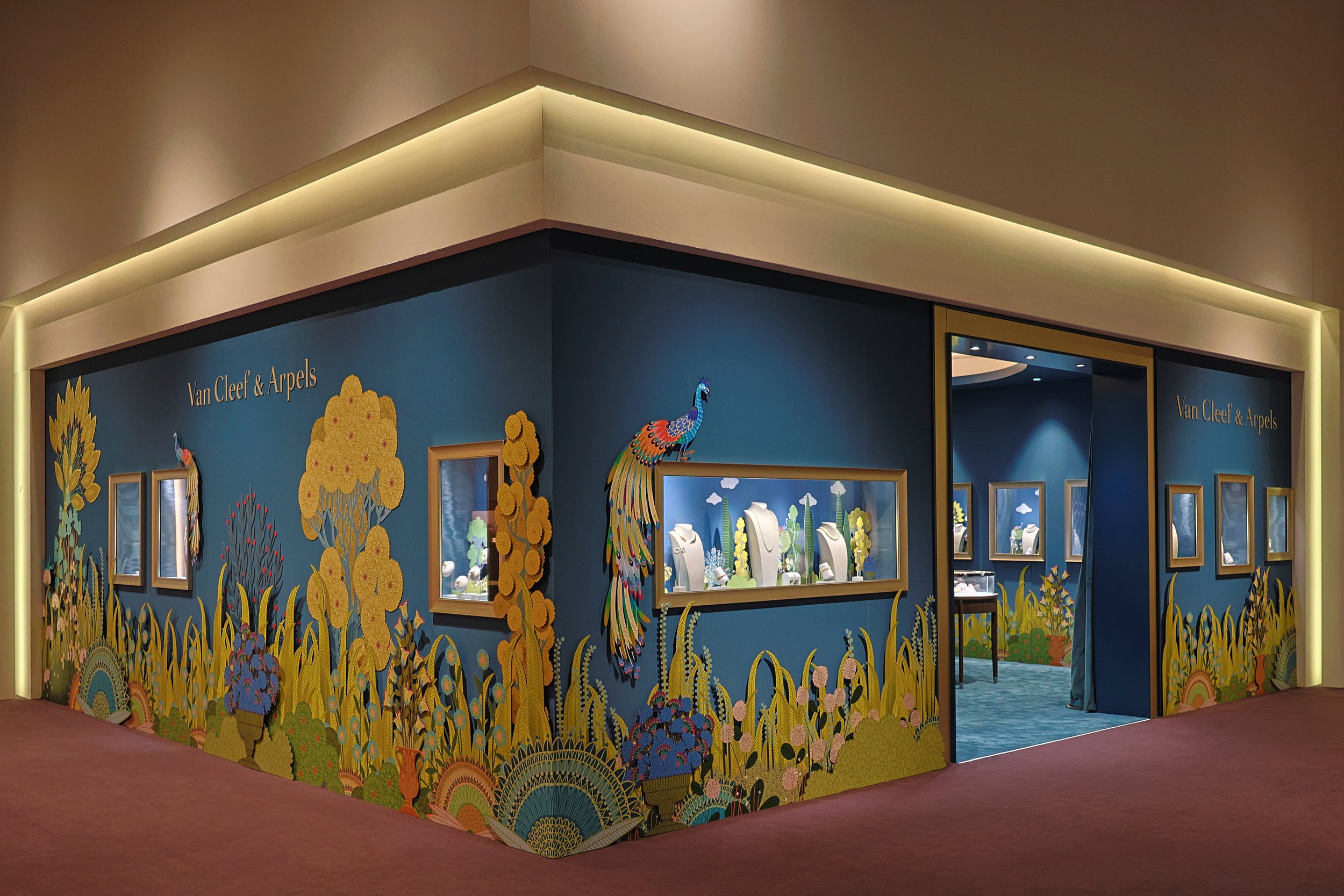
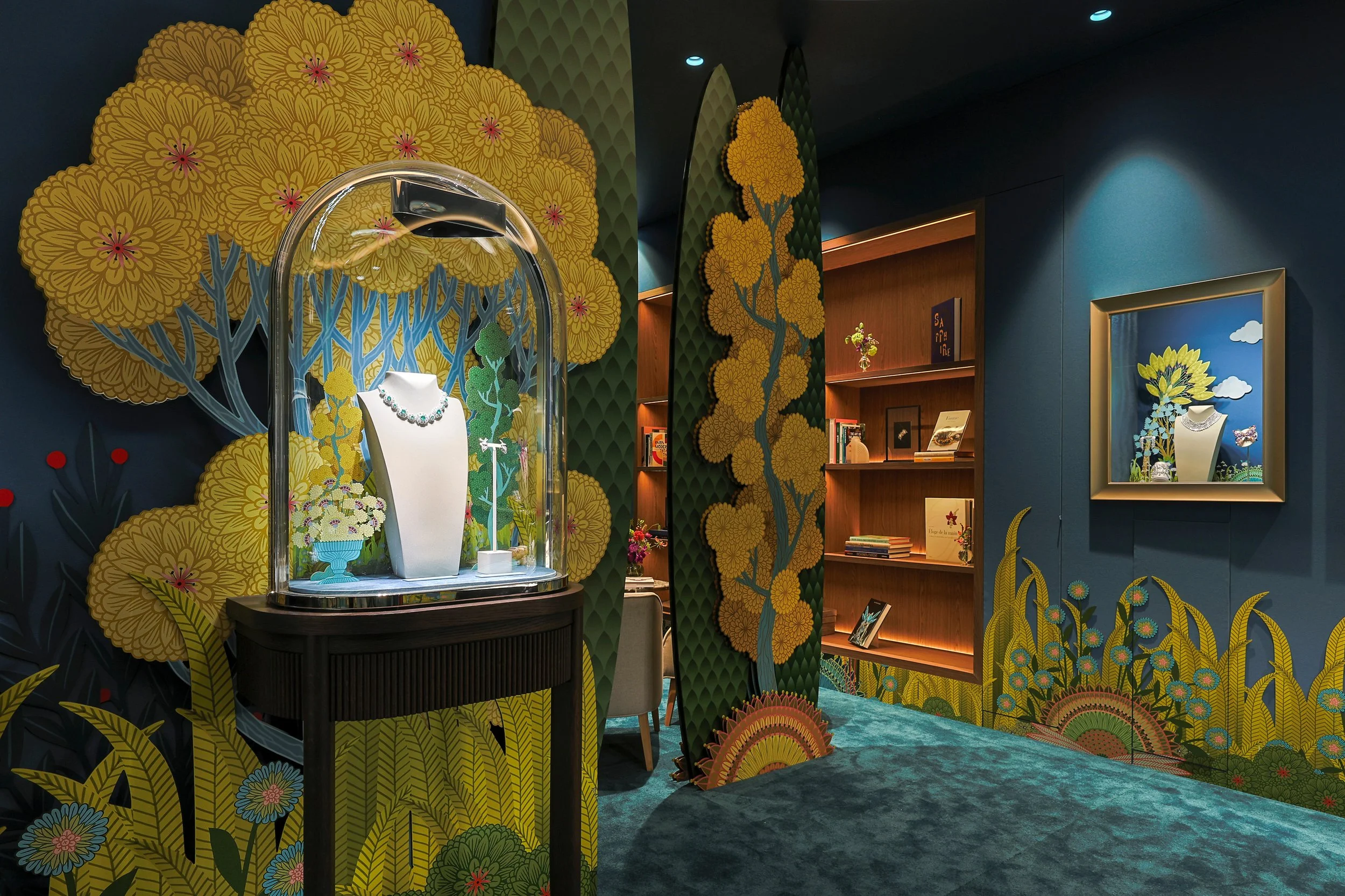
All the greats have explored the theme of love in countless ways across the arts — stories that have inspired iconic films, songs, paintings, and poems. For Van Cleef & Arpels love was more than a source of inspiration; it was the very foundation upon which the Maison was built. The story begins with Alfred Van Cleef and Estelle Arpels, both from families of jewellery merchants —a union often described as a match made in heaven. Following their marriage, the Maison was founded in 1906 at 22 Place Vendôme, an address that remains its home to this day. It was this legacy we were invited to experience firsthand during TEFAF in Maastricht, the world’s leading fair for fine art, antiques, and design. Here, Van Cleef & Arpels presents its Heritage Collection each year since 2013, making it the only occasion where 40 exceptional, time-honoured pieces have not only exhibited, but also available for acquisition.
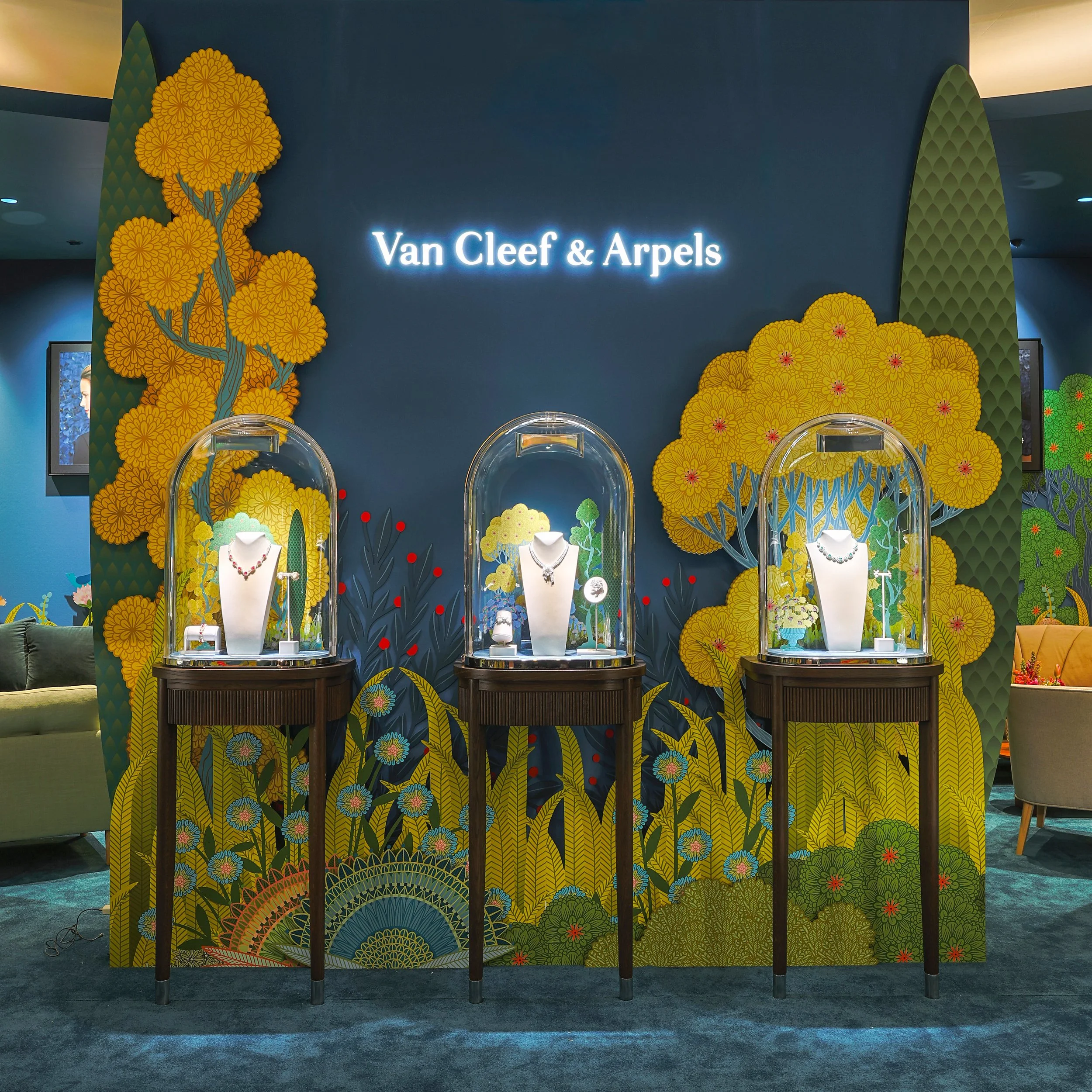
image courtesy of VAN CLEEF & ARPELS
Spanning nearly a century of creation (from the late 1920s to the early 1990s), the collection reveals a defining thread: versatility. These are not static objects, but wearable works of art, transformable necklaces that become bracelets, clips that shift in function, and jewels designed to move with the wearer. As Alexandrine Maviel Sonet, Patrimony and Exhibitions Director at Van Cleef & Arpels, explains: “We curated a selection that offers an overview of the 20th century, highlighting different periods, but also the diversity of pieces, including accessories, which were an essential part of the Maison’s creations.”
images courtesy of VAN CLEEF & ARPELS
From early innovations in the 1910s — when watches could already transform into bracelets — to the bold experimentation of the 1960s, the Maison has consistently blurred the line between adornment and design. This era, in particular, marked a shift: a new generation, a new freedom, and a new way of wearing jewellery. Pieces became as bold as the women wearing them; more playful, designed to transition effortlessly from day to night. Jewellery was no longer reserved for display; it was meant to be lived in and enjoyed.
“Versatility started very early,” Maviel Sonet notes. “That adaptability remains central to the Maison today. Beyond that, every piece is instantly recognizable. Our techniques are signature, and nature is a constant inspiration: blooming flowers, leaves in the wind, flying birds. Even the placement of stones creates movement, which is a defining element of our style.” Each piece feels alive up close, with every detail in motion—what she describes as something that “gives life and energy to every creation, tying past and present together.”
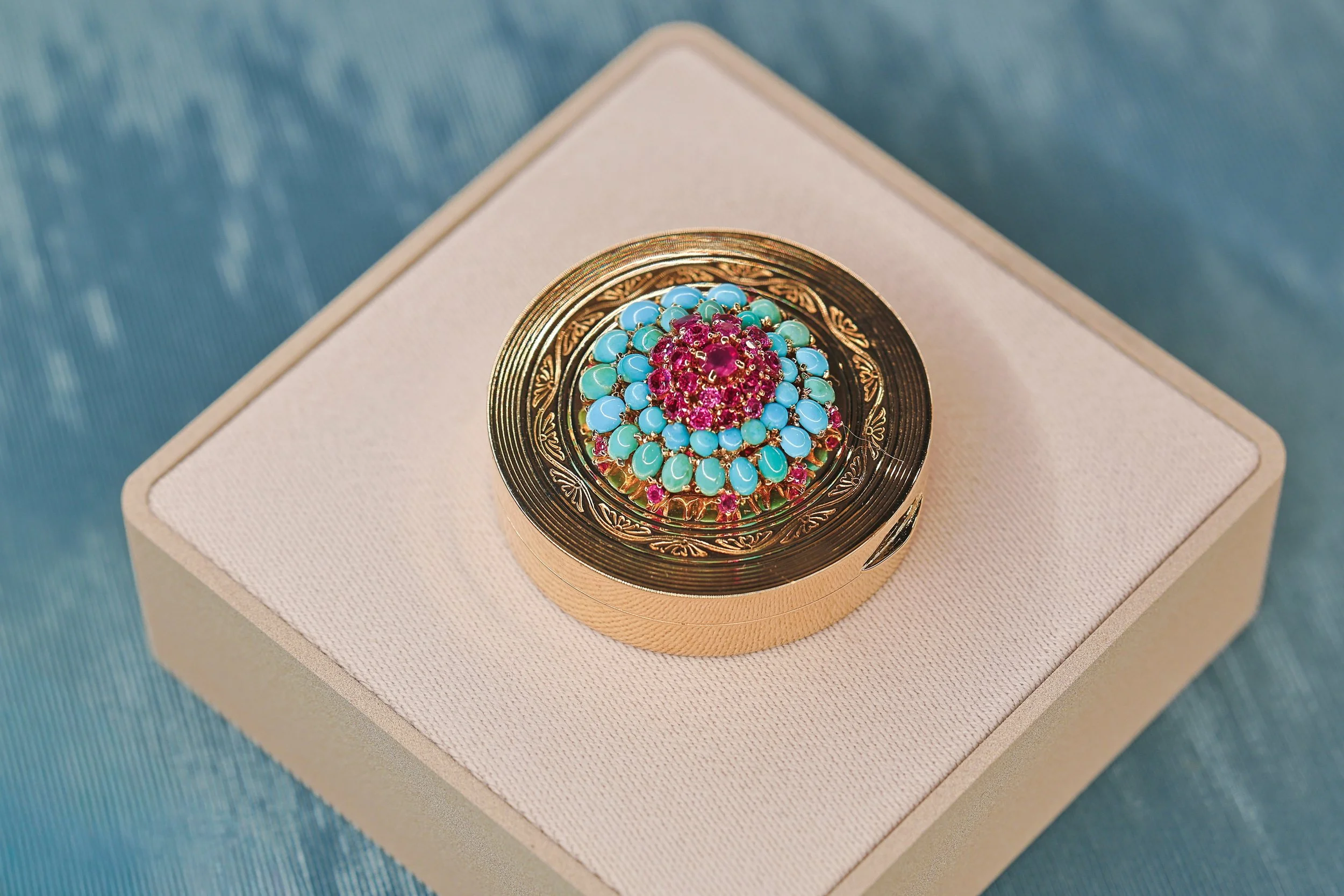
Box, 1944, Yellow gold, turquoise, rubies, Heritage collection, image courtesy of VAN CLEEF & ARPELS
Each piece undergoes meticulous archival research to confirm its authenticity before being restored in Paris, where even the slightest patina is preserved as a trace of its past. Once dismantled and reset in earlier decades, today these jewels are treated as complete works of art, with both stone and setting holding equal importance.
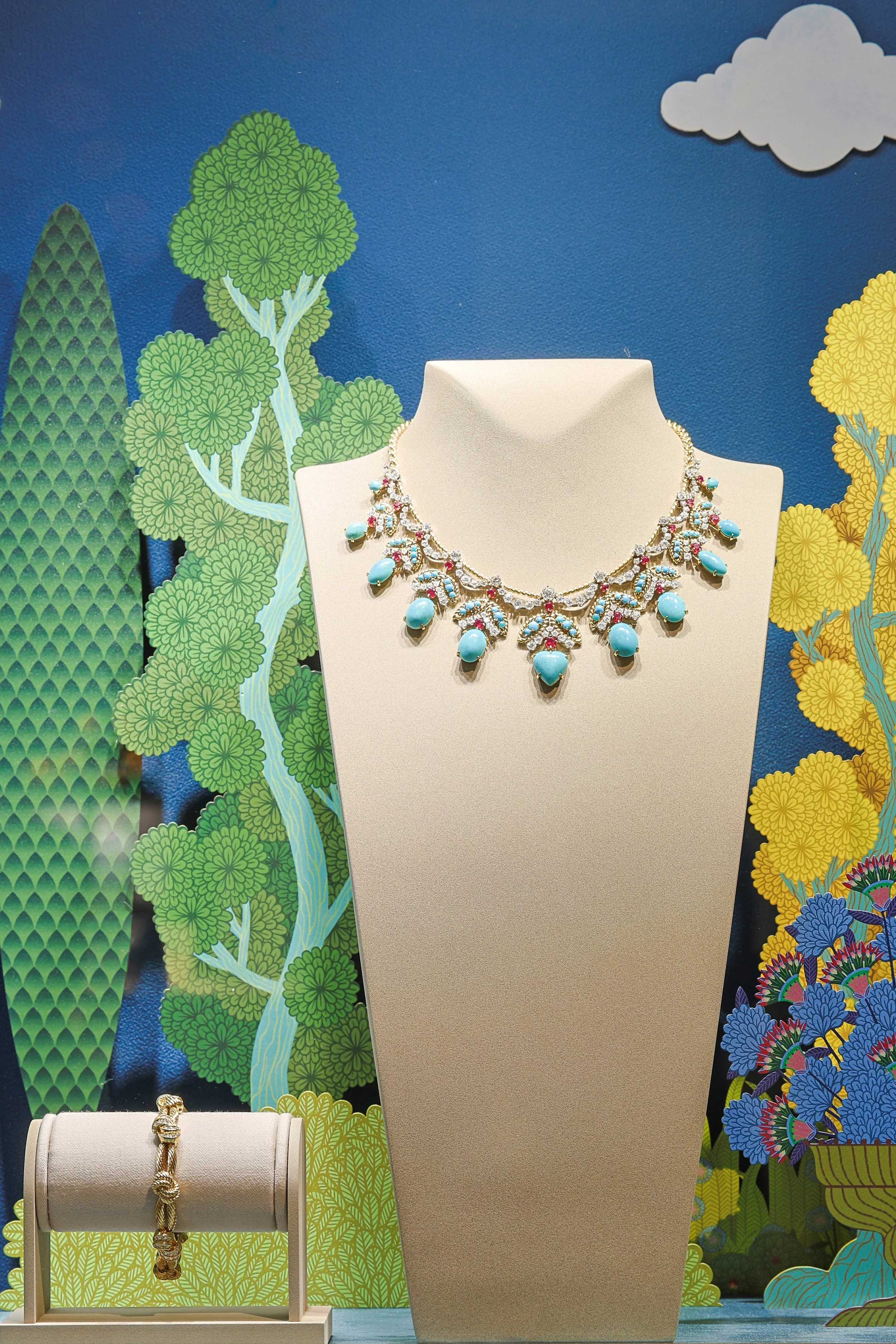
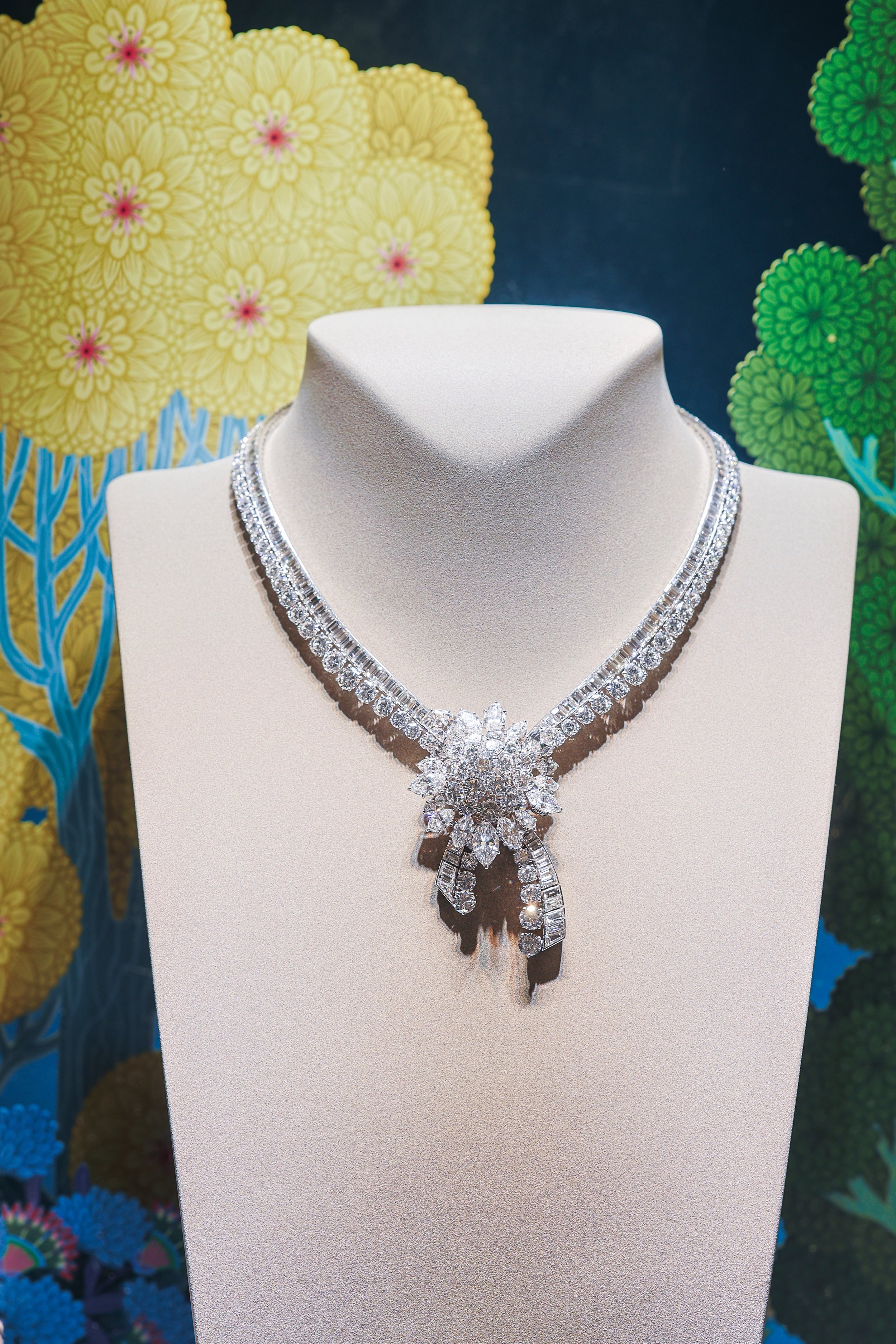
left: Van Cleef & Arpels Collection, image courtesy of VAN CLEEF & ARPELS
right: Stalactite necklace with detachable clip, 1963, Platinum, white gold, osmior, diamonds, Heritage collection, image courtesy of VAN CLEEF & ARPELS
This philosophy is embodied in the Maison’s dual approach: the Patrimony Collection, preserved as a living archive, and the Heritage Collection, which allows collectors to become part of the story. “The Patrimony collection is like our museum,” Maviel Sonet explains. “It preserves the history of the Maison, while the Heritage collection allows these pieces to continue their life.” During our conversation, she defined these creations not as accessories, but as “precious objects”, pieces that elevate gestures and bring beauty into the world.
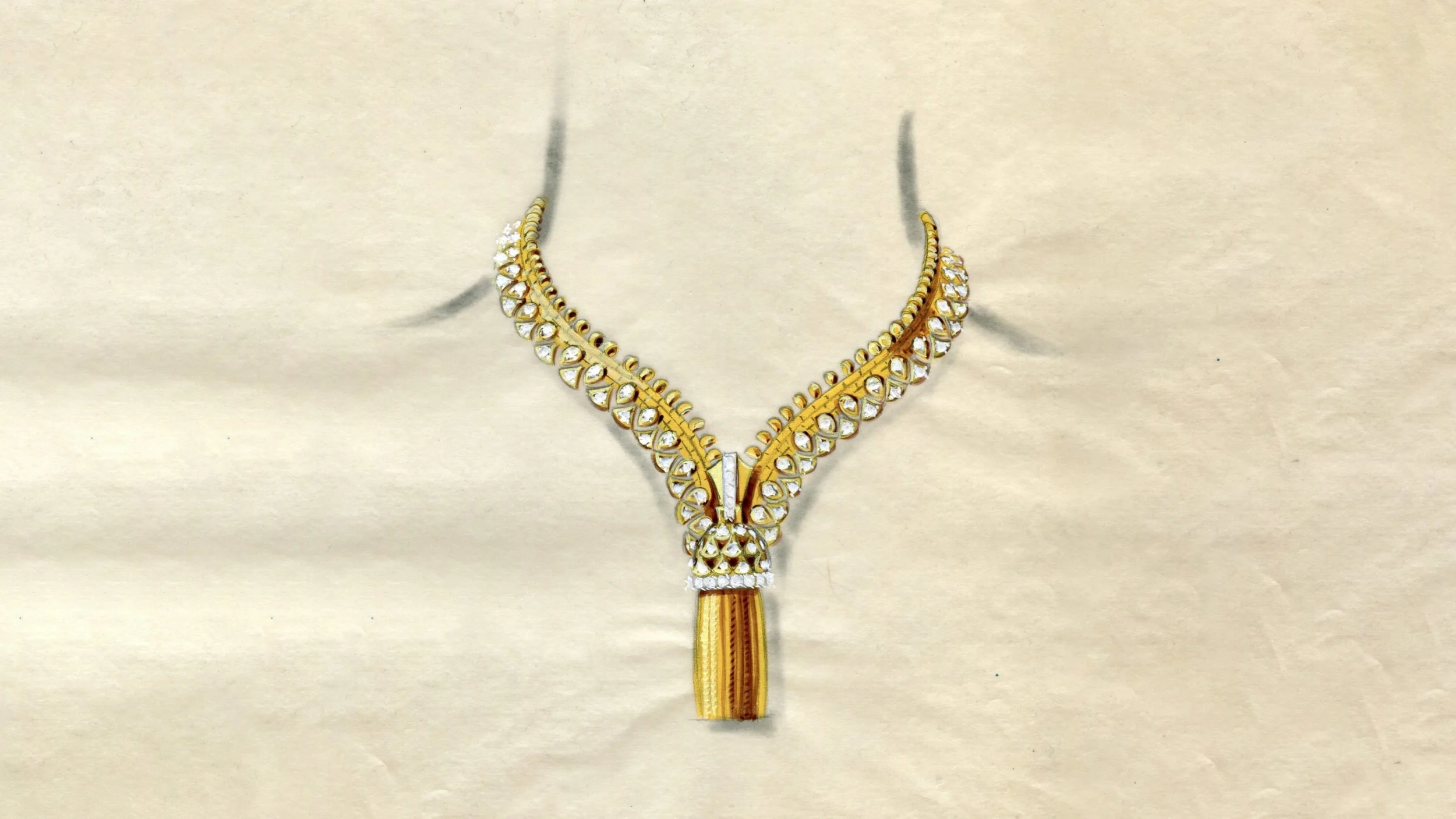
design of a Zip necklace, circa 1951, image courtesy of VAN CLEEF & ARPELS Archives
It is no surprise that even after years of research, discoveries continue to emerge. One such example is a Fuchsia flower, long believed to have been first created in ruby, which archival tracing revealed was originally designed in sapphire. Among the many ‘precious objects’, one stands out as a symbol of this ingenuity: the Zip necklace. Firstly designed in the late 1930s and brought to life in 1950, after years of technical development, it transforms from necklace to bracelet, offering what Alexandrine considers to be a sensory experience. As she reflects. “You have to wear it to truly understand it.”
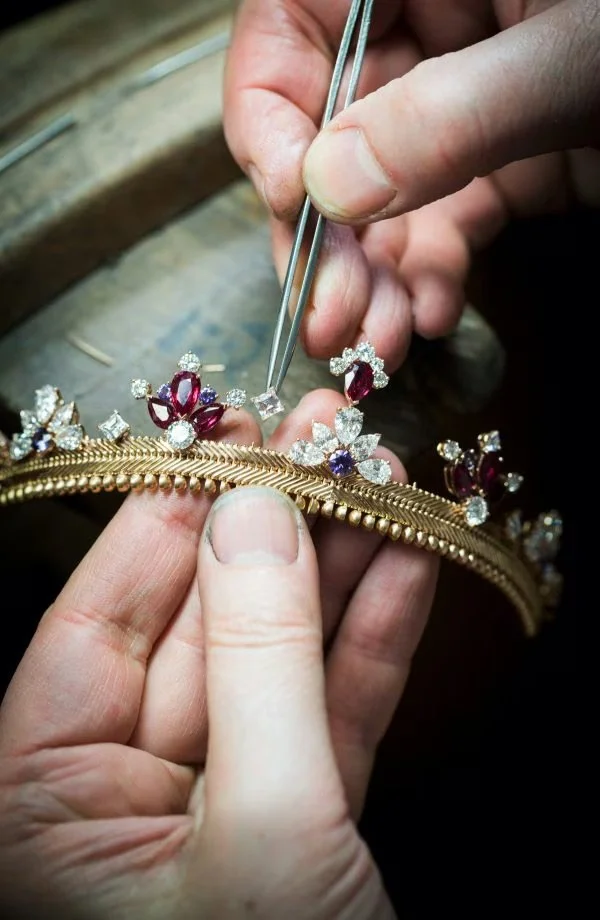
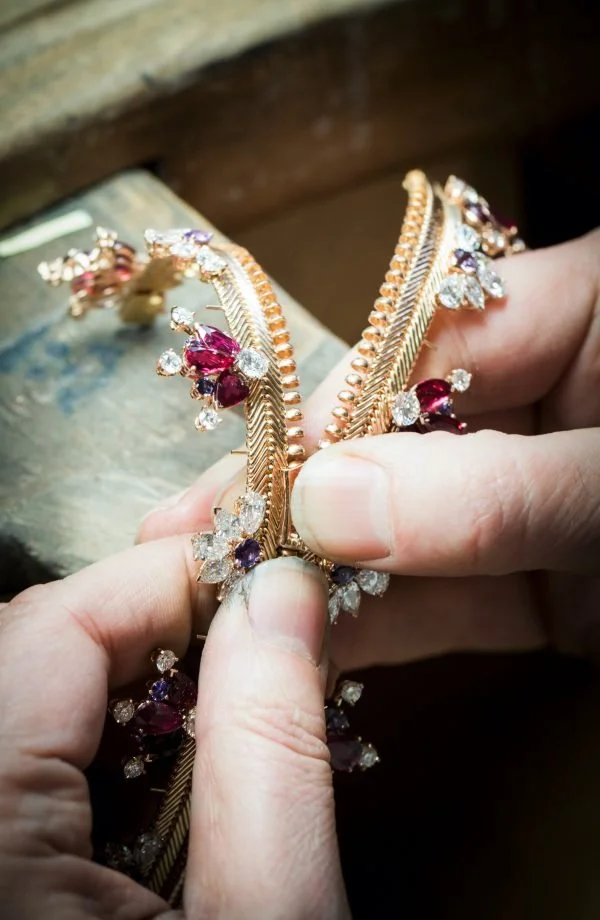
left: setting the square-cut diamond onto the pin, Zip Antique Conte de Fée necklace, image courtesy of VAN CLEEF & ARPELS
right: engraving the piece, Zip Antique Conte de Fée necklace, image courtesy of VAN CLEEF & ARPELS
Van Cleef & Arpels is not only synonymous with beauty, but also with mystery, embodied in creations like the iconic Mystery Set, perfected in 1933. Much of its magic lies in what remains unseen. Behind each piece, engineers and craftsmen develop intricate transformation systems so precise that their mechanisms are invisible to the naked eye, quietly unlocking endless possibilities of wear.
Perhaps some secrets are meant to remain hidden. After all, it’s the unknown that leaves room for imagination, and our much beloved fantasy. While trends move fast, Van Cleef & Arpels offers something rarer: continuity, proving that true elegance, much like love itself, is timeless.