
SERVING MOTHER: THE COLLAPSE OF THE AGELESS FANTASY ON THE FALL/WINTER 26 RUNWAYS
words by FRANCESCO PIZZUTI
“She looks so different”. Or perhaps she’s just not sixteen anymore.
Scroll through the comment section of almost any mainstream female celebrity public appearance — bonus points if it’s someone who became famous as barely a teenager — and the discourse is eerily familiar: confusion and speculation about her looks. On one hand, there’s a poorly disguised “concern” over what could possibly be wrong with a woman who no longer appears untouched by time. On the other, if she turns to plastic surgery, she’s met with shock and disgust — how could someone once so beautiful “ruin” her face in the pursuit of youth? A self-perpetuating patriarchal cycle: age, and you’re scrutinized; resist it, and you’re condemned.
But slowly, although not without resistance, the narrative is beginning to shift. Small cracks are appearing in the façade, and with them the possibility of something more honest. We’ve seen this shift reflected in — or perhaps even led by — one of the most historically ruthless places for women: the runway, the place of unachievable standards par excellence. Increasingly, “older” models are stepping onto catwalks, challenging the industry’s long-standing obsession with youth.
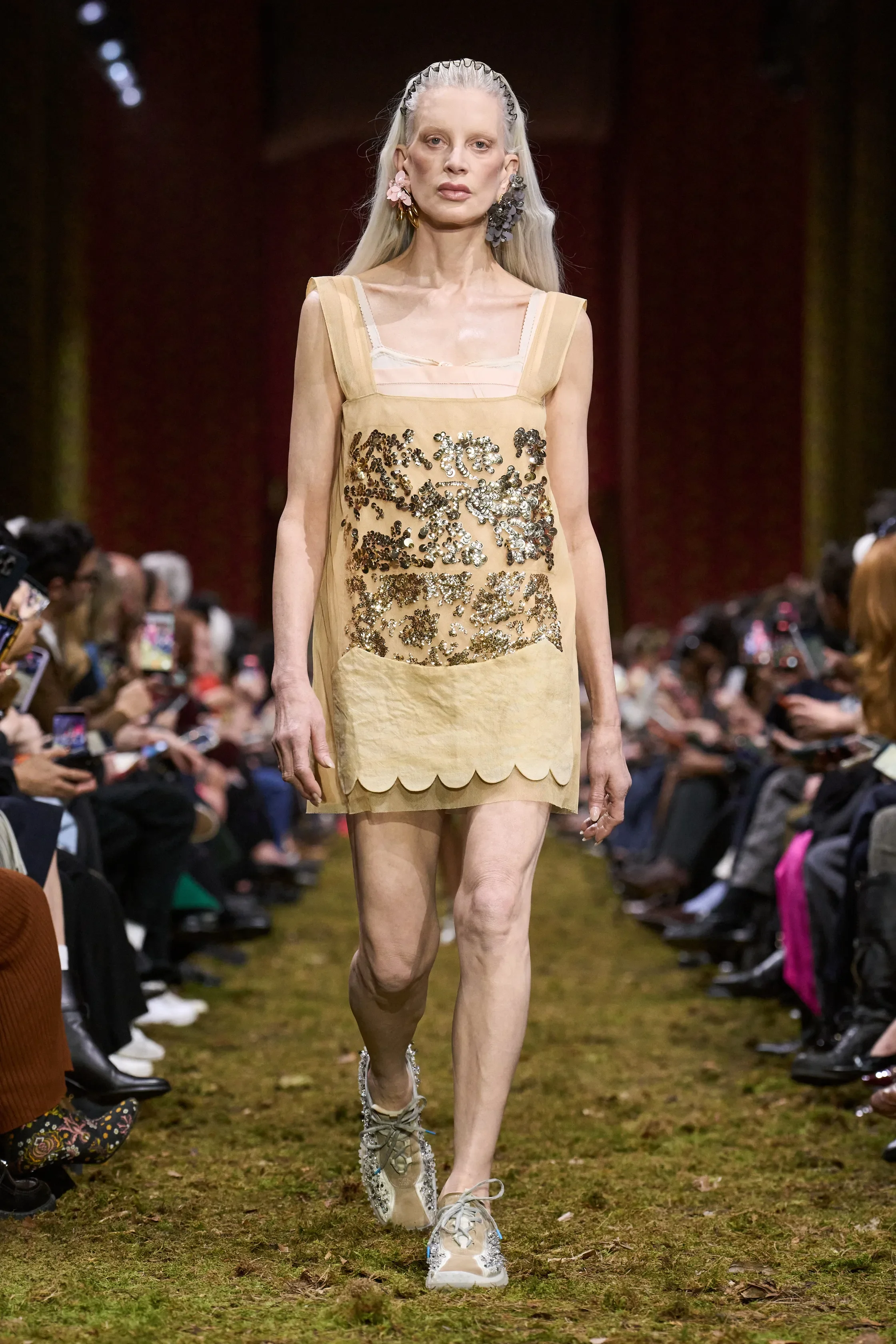
Kirsten McMenamy
images courtesy of MIUMIU
In fact, if there is one takeaway from this past fashion season, it’s that women, too, can age like fine wine — or, for that matter, simply age however they want. Don’t get us wrong, we've known. The fashion world, however, hasn’t always been of the same idea. When it comes to visual cultures, the entertainment and fashion industry, and, at large, life, women have always been pressured to adhere to specific beauty standards, many of which went hand-in-hand with an absolute negation of ageing. Even mainstream spaces have started addressing this tension with some more “playful” attempts like Greta Gerwig’s Barbie, and more visceral explorations in works like The Substance.

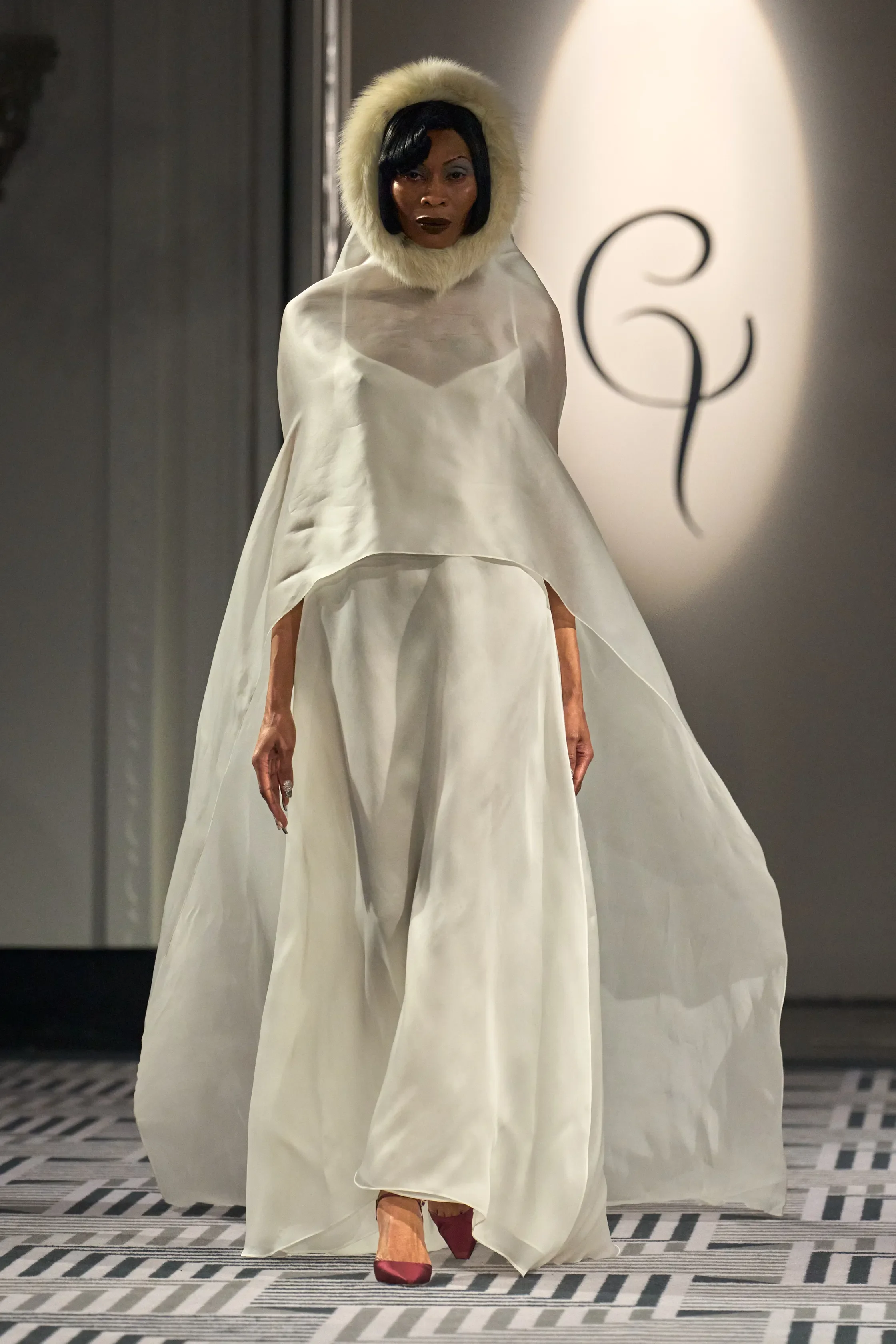
Dominique Jackson
images via @connerives on instagram
Now, the fashion industry is still far from becoming a fully inclusive and democratic space; after all, exclusivity is its currency. Yet, this season, the presence of “older” women on the runway didn’t feel like a marketing afterthought; the representation felt genuine. It was impossible not to notice. Age was styled, emphasized, and celebrated. Grey hair wasn’t something to silence; it was something to frame, to adorn, to let speak.
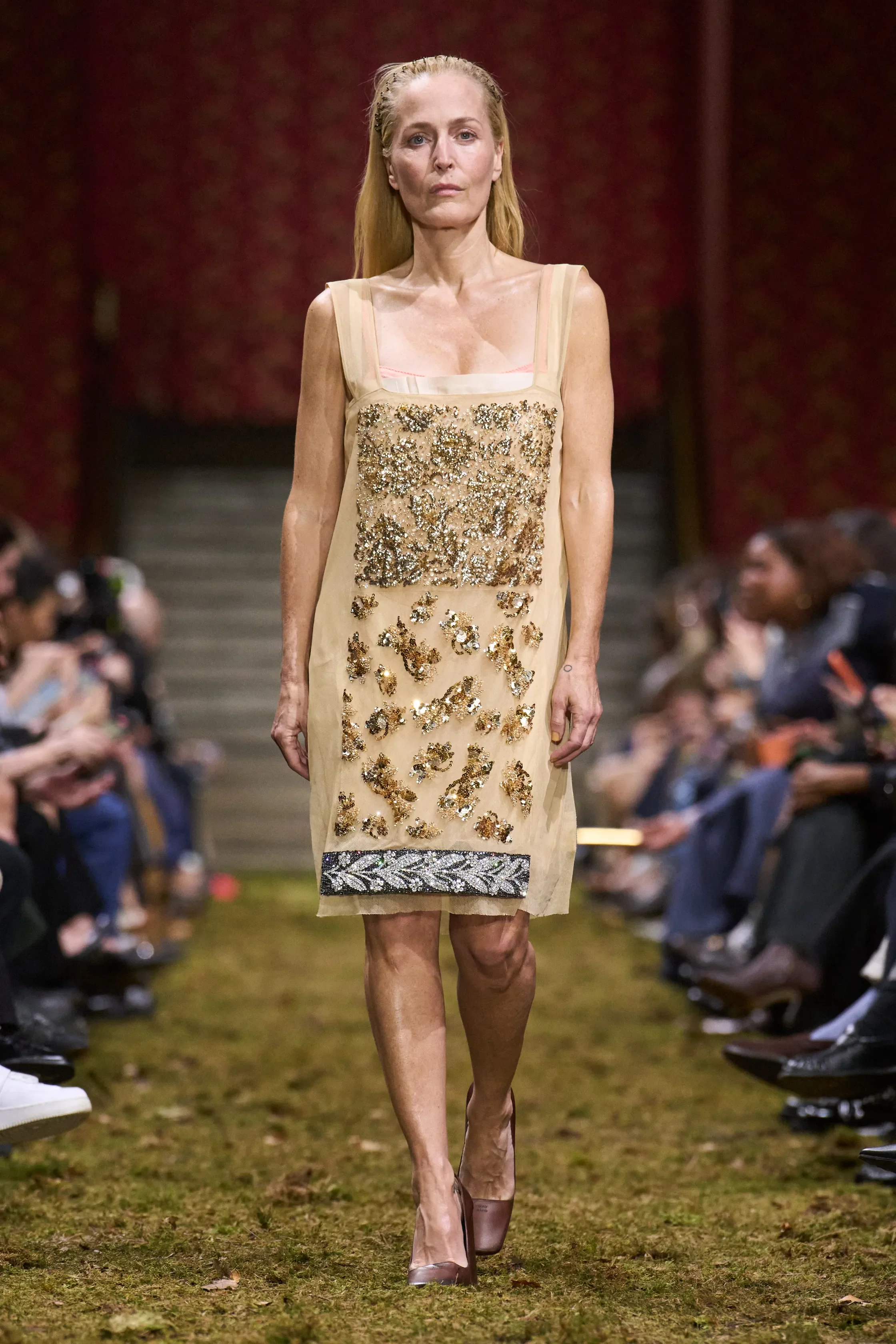
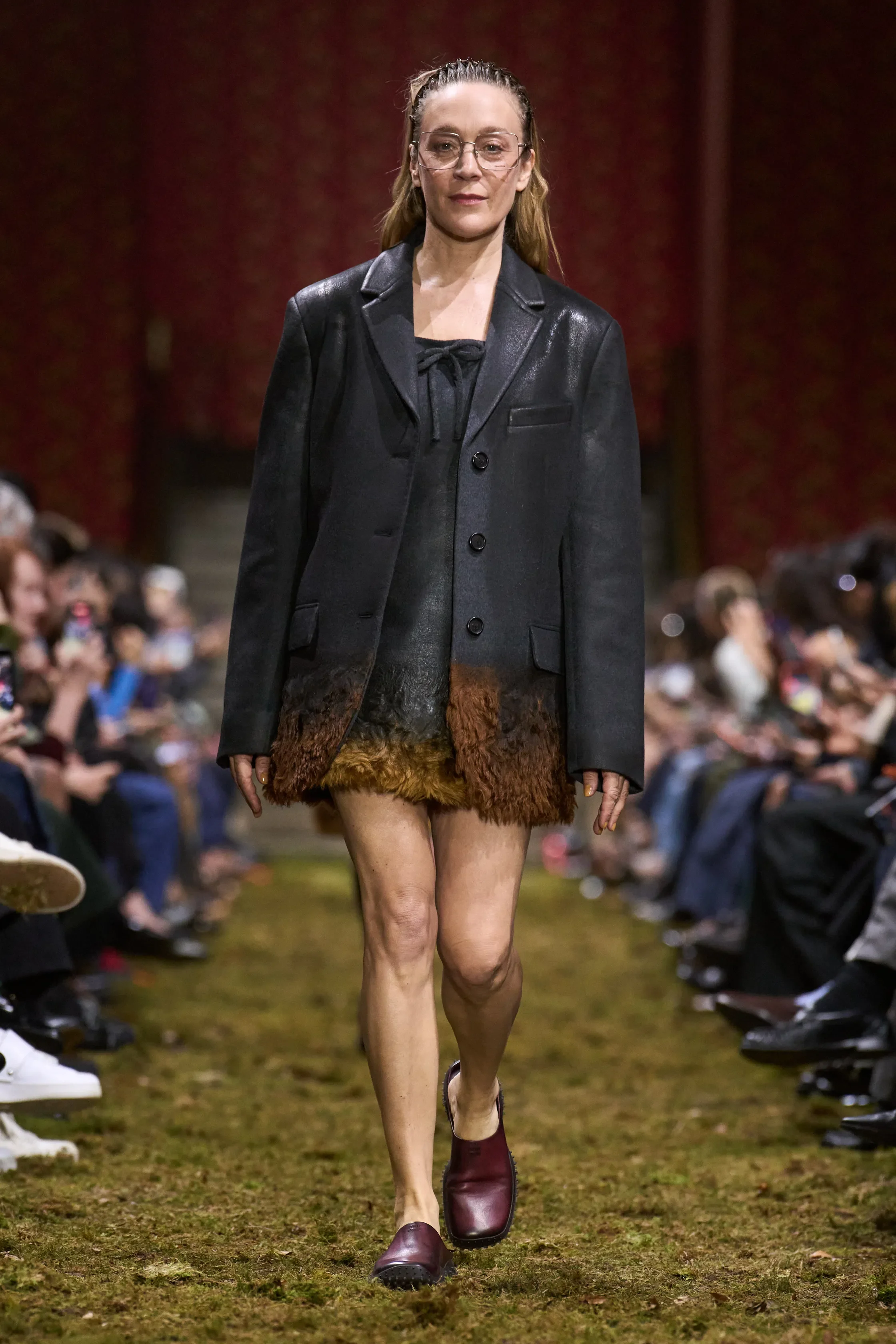
Gillian Anderson and Chloë Sevigny
images courtesy of MIUMIU
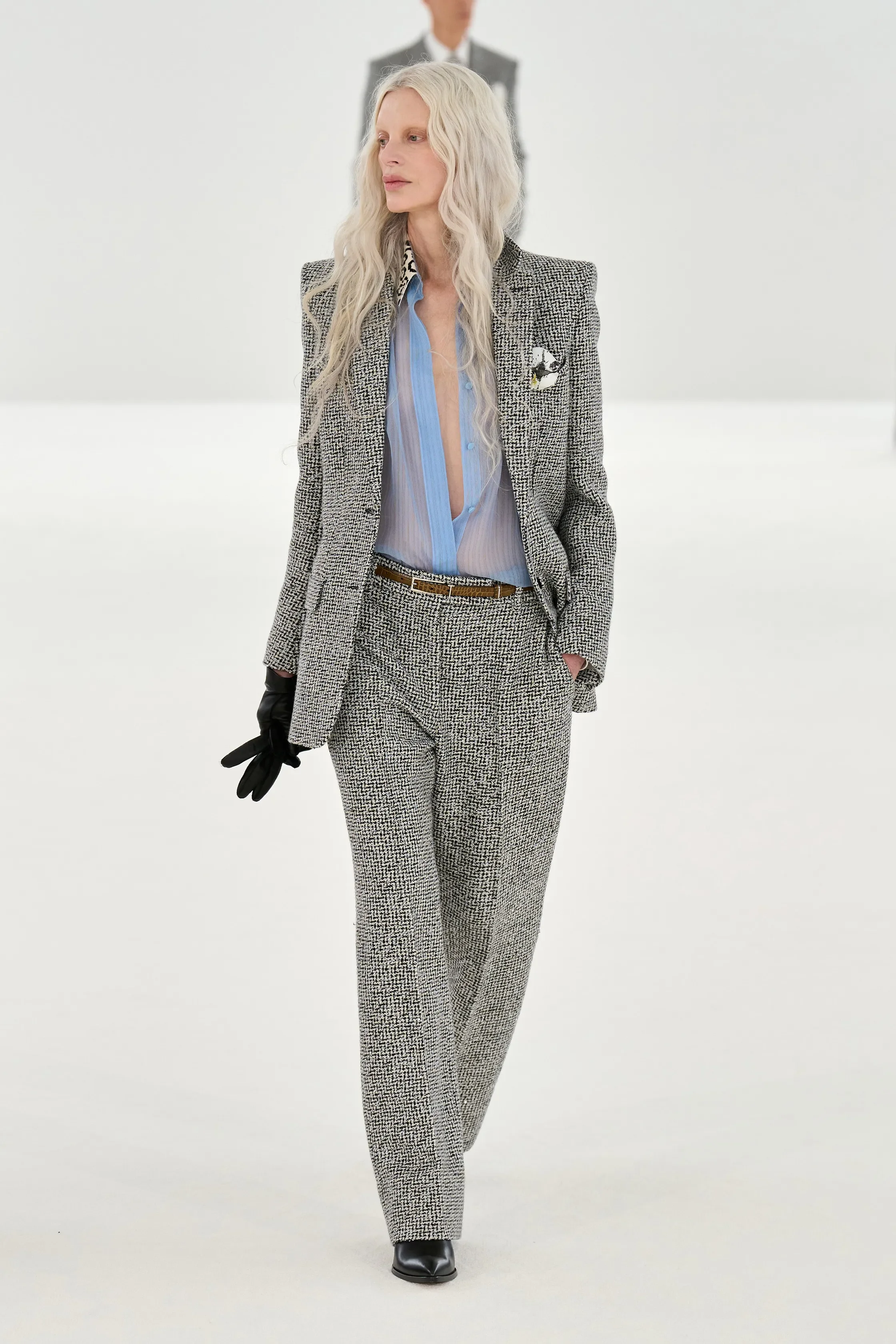
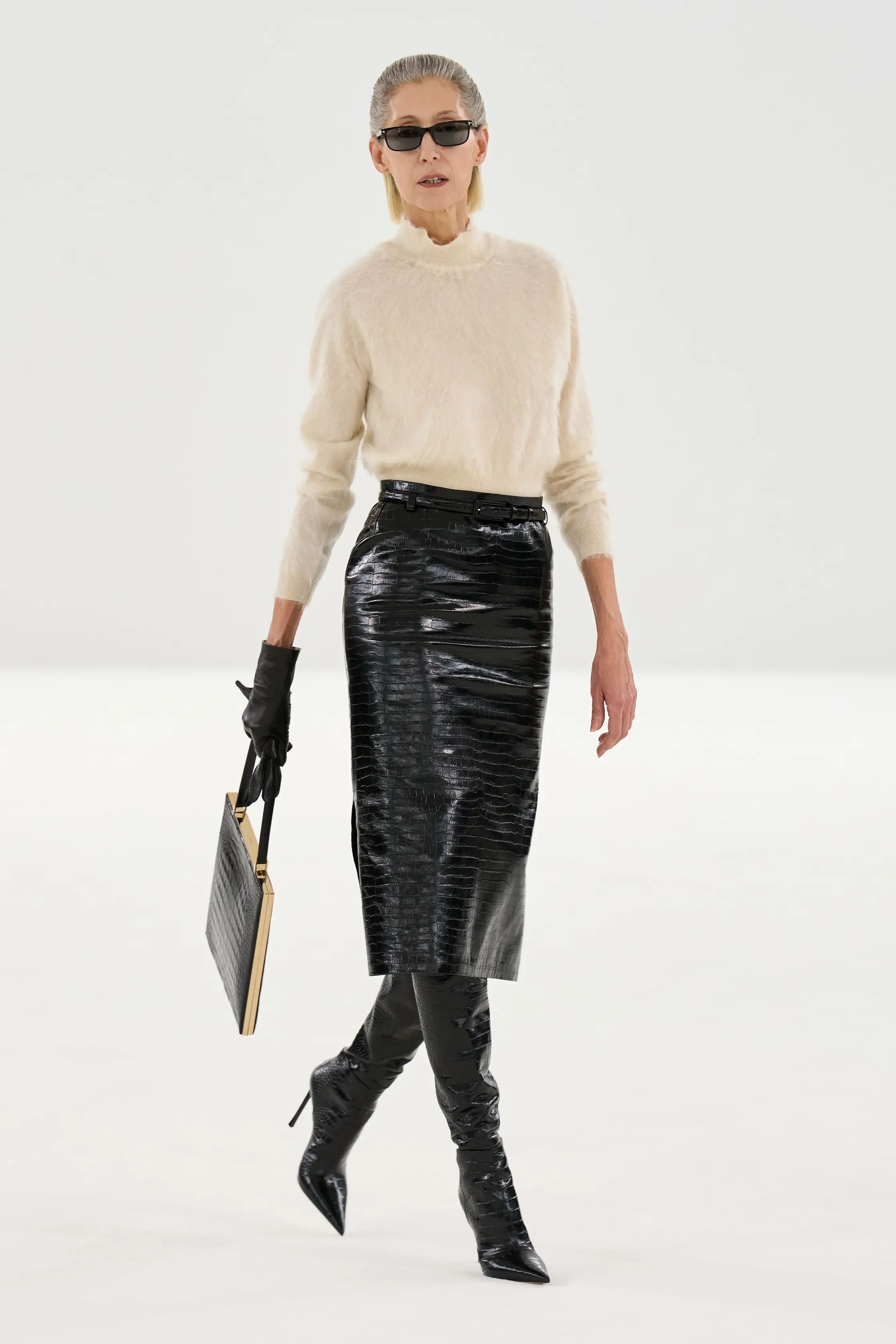
Take Kristen McMenamy, the 61-year-old model whose spectral presence remains as arresting as ever. At Miu Miu, she punctuated the show, her body carrying decades of fashion history. Alongside her were legendary actresses Chloë Sevigny and Gillian Anderson, both figures who have long resisted easy categorization, and both, with a very lived-in-cool aura.
Jana Kapounová
images courtesy of TOM FORD
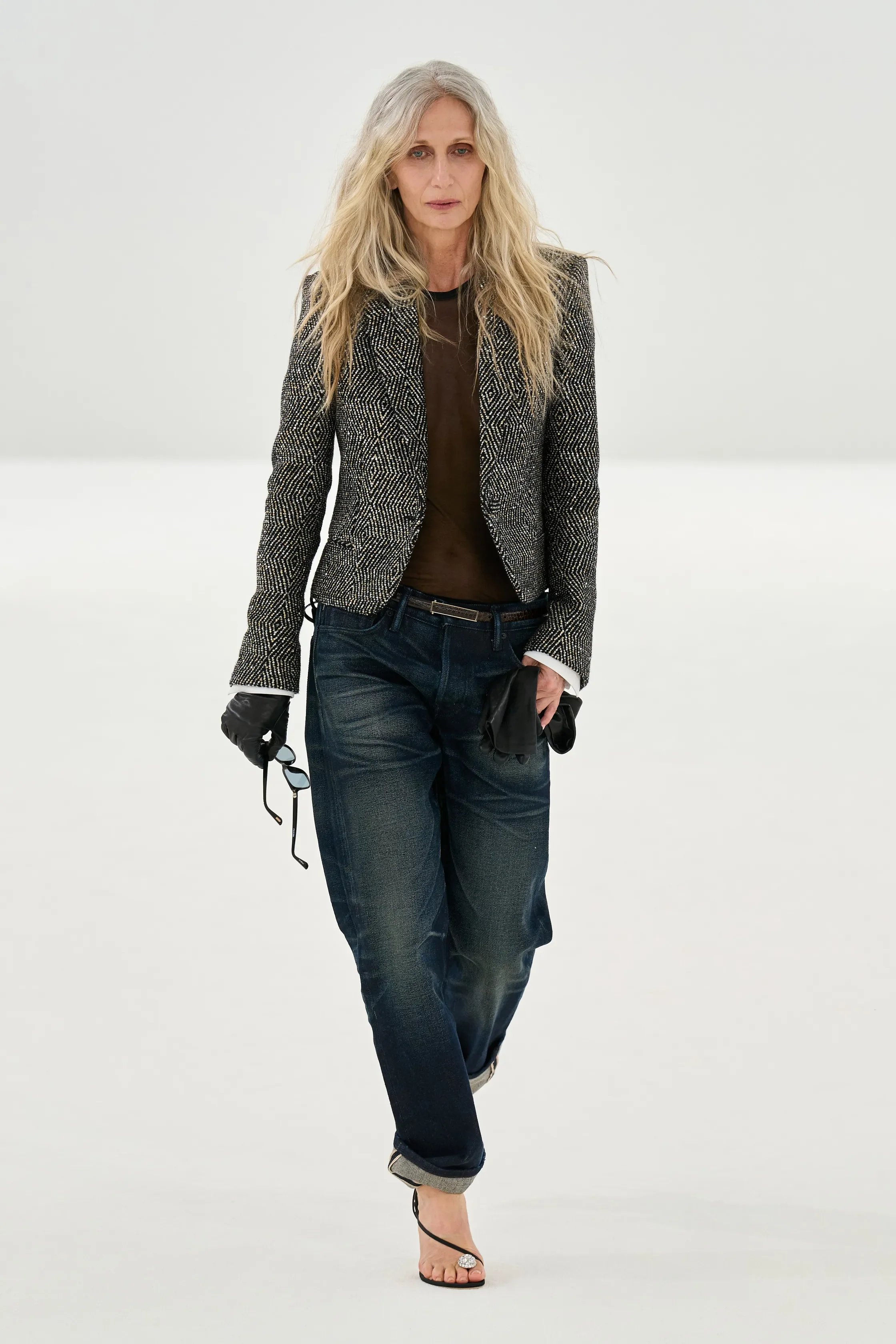
McMenamy also appeared at Tom Ford, where she walked with the same breathtaking presence, joined by equally compelling “older” models like Jana Kapounová. In a system obsessed with the new, these women carried memory and a refusal of disposability.
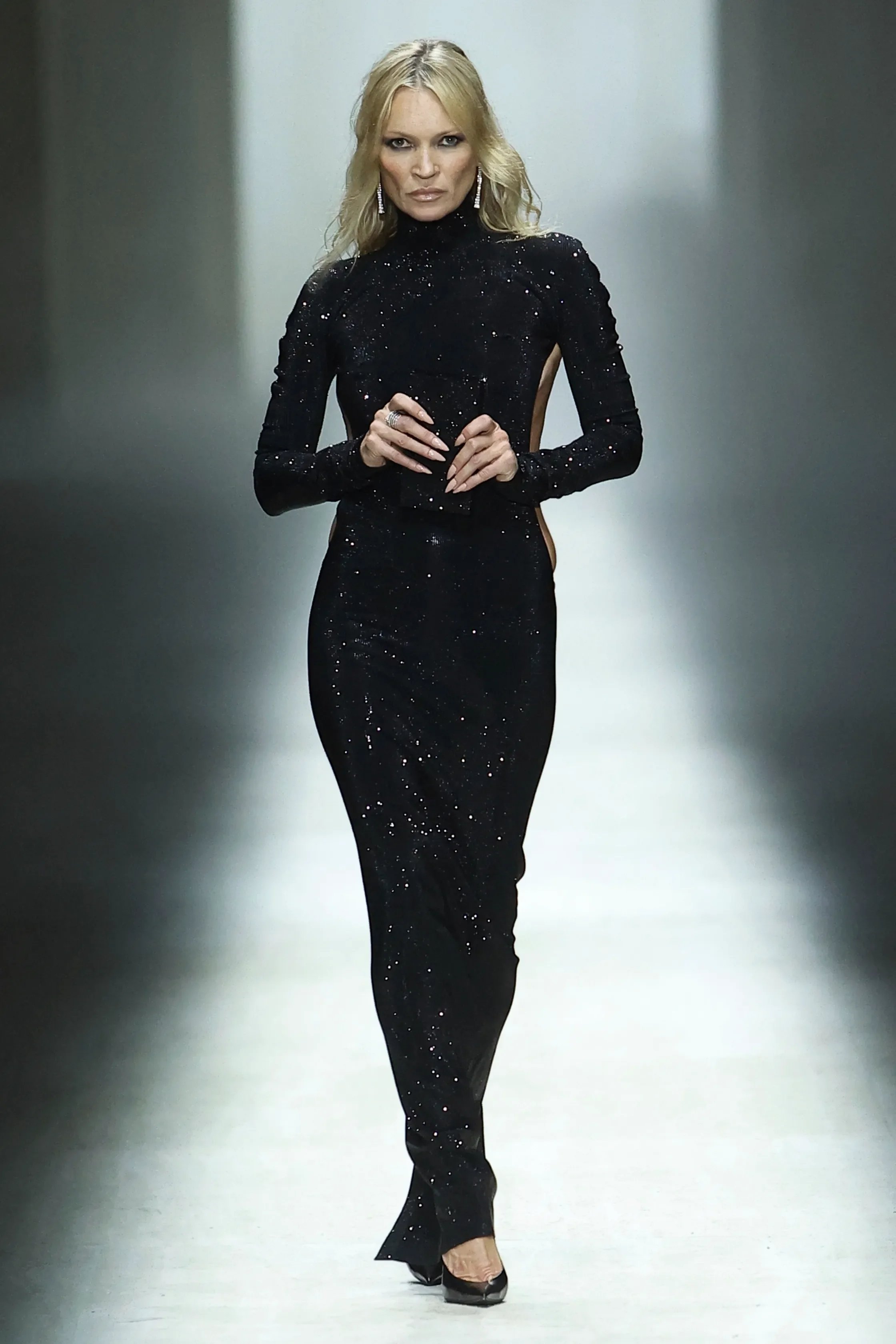
Mariacarla Boscono and Kate Moss
images courtesy of GUCCI
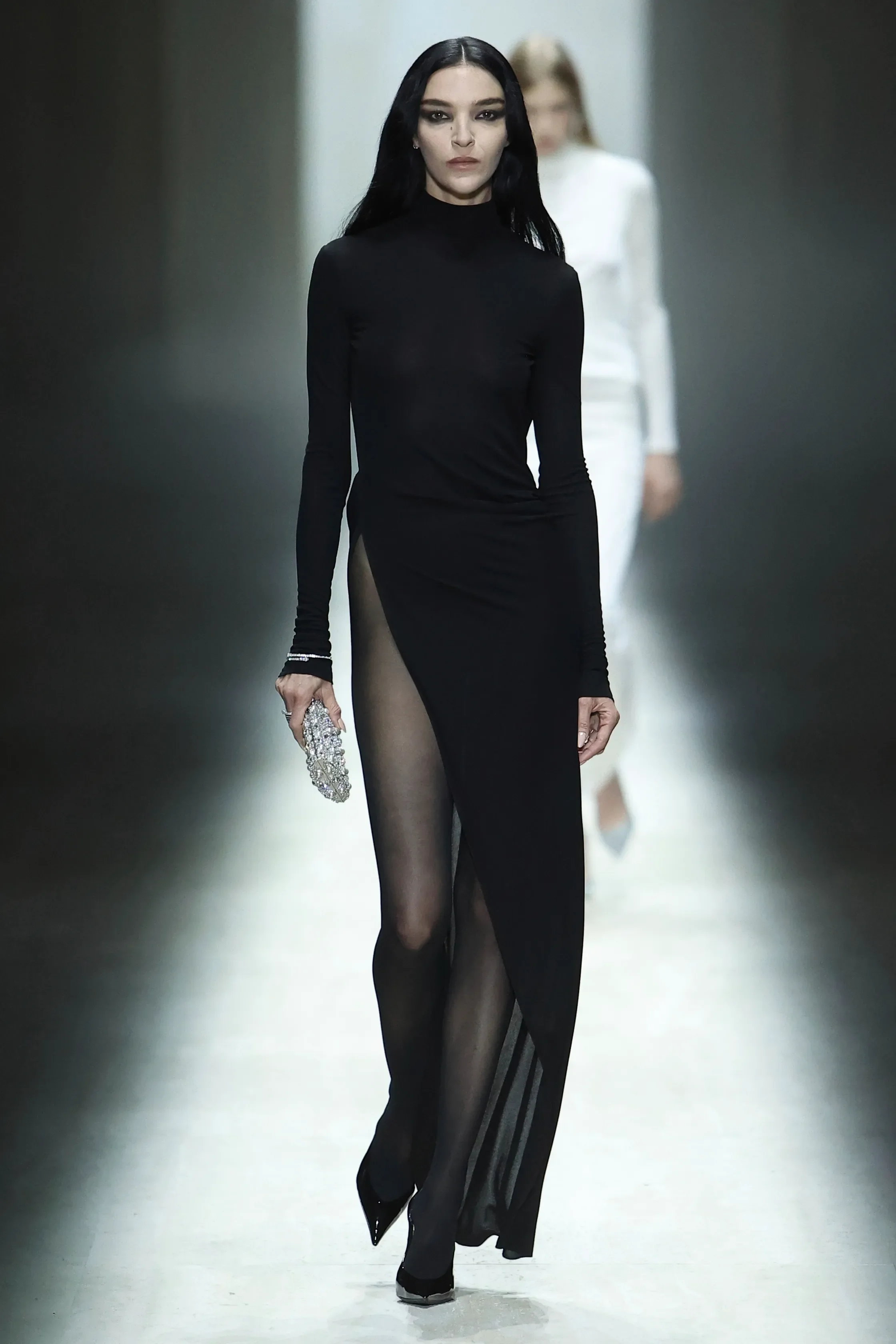
Meanwhile, at Gucci, we saw the return of ‘90s supermodels — and mothers — Mariacarla Boscono and Kate Moss as they owned the runway with the confidence only three decades of experience can give you. That same fortitude moved over to Conner Ives, where 51-year-old trans model and actress Dominique Jackson embodied a different kind of visibility, one of queer history and resilience.
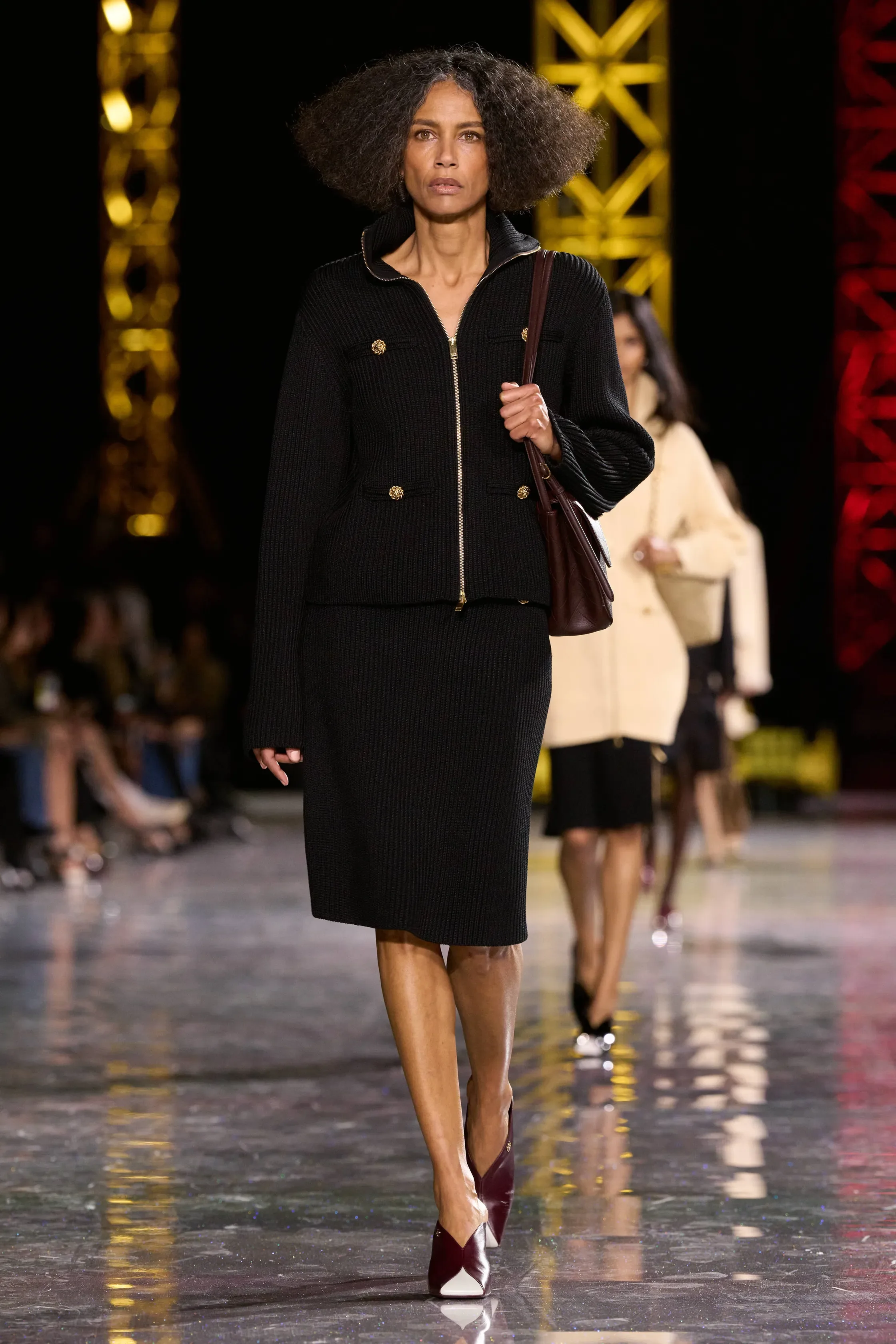
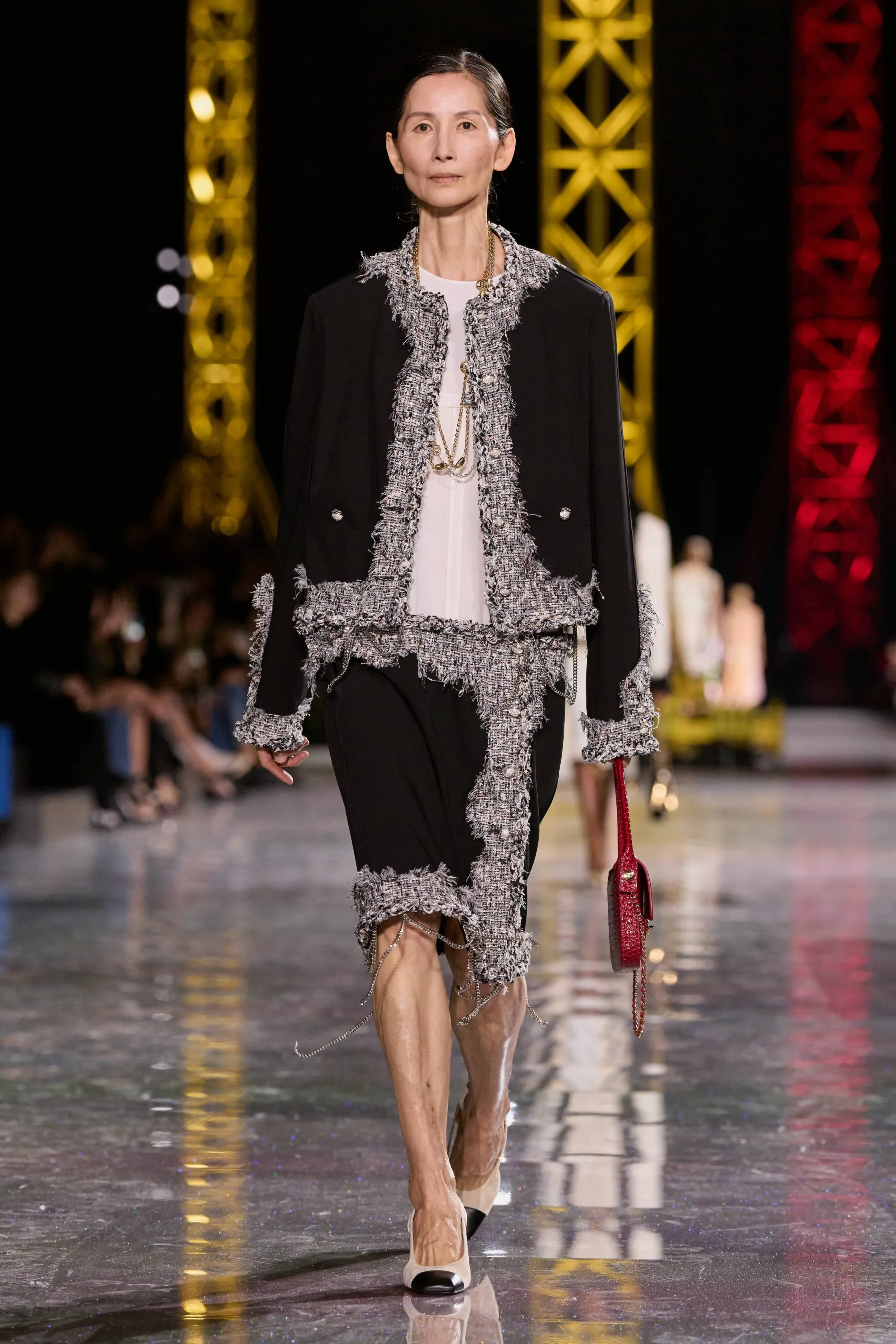
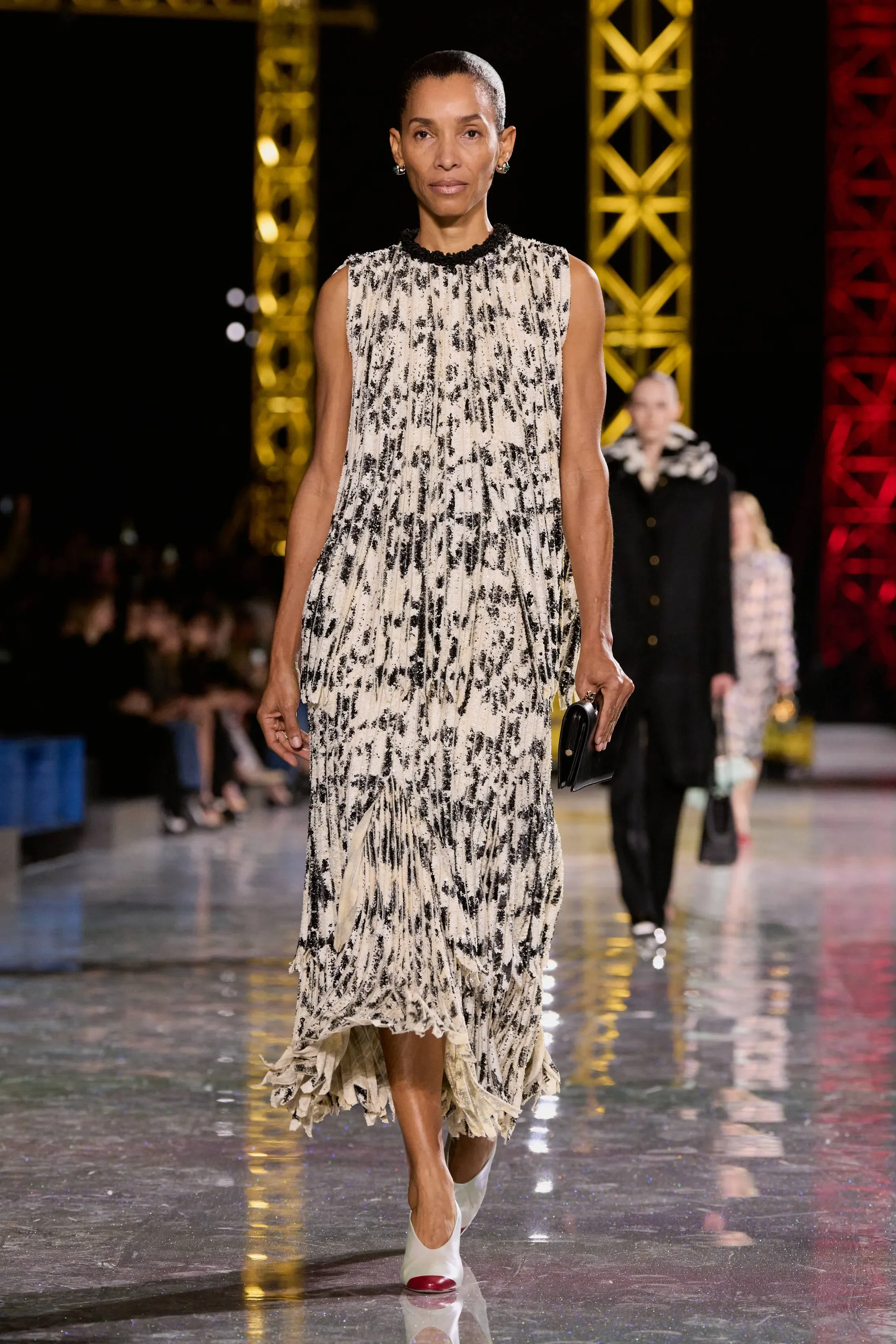
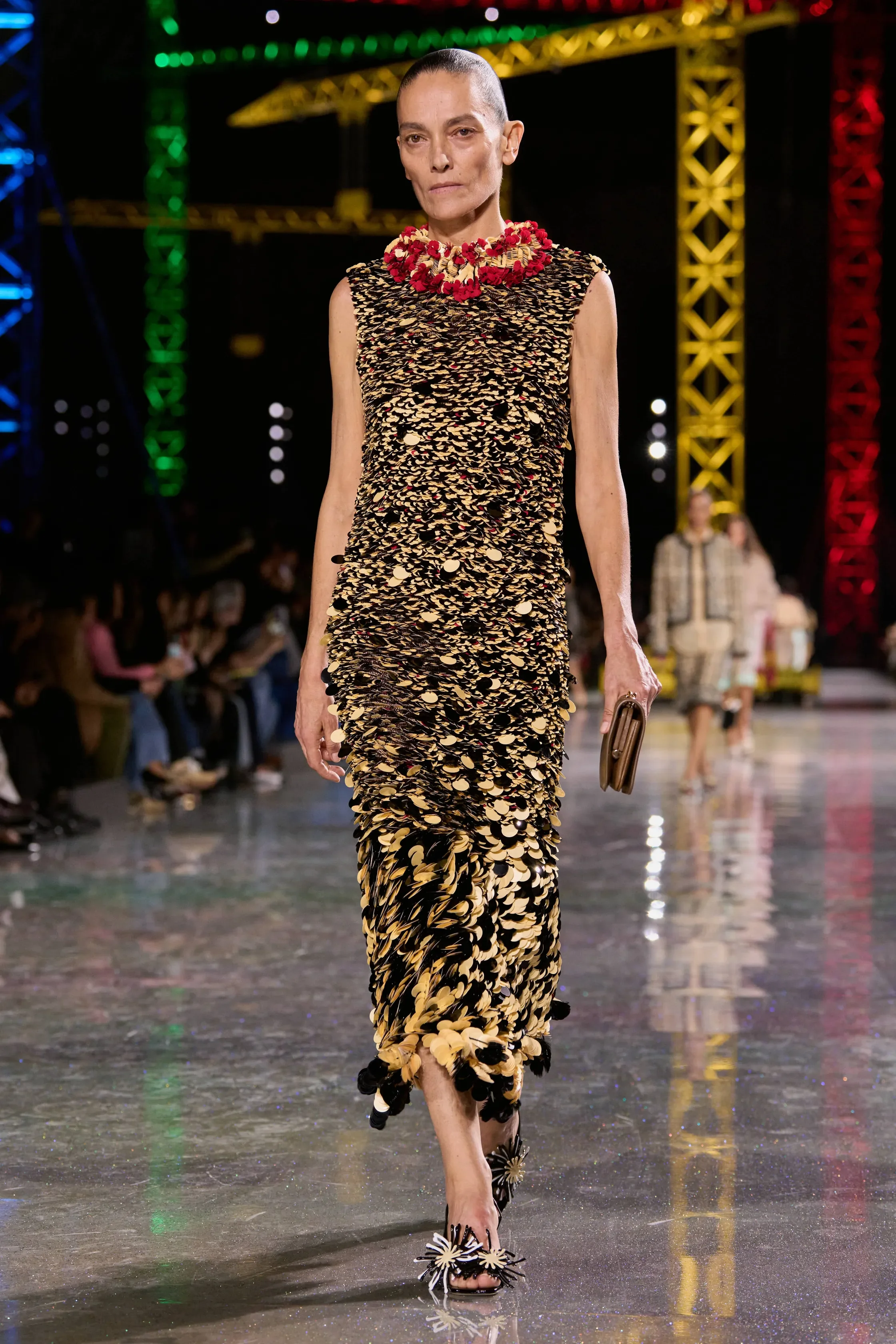
images courtesy of CHANEL
At Chanel, Italian model Stephanie Cavalli, now in her 50s, opened the show, joined by contemporaries like Christina Chung and Laura Ponte. Perhaps most striking, though, was Michèle Lamy at Matières Fécales. Lamy’s body, marked, unconventional, resolutely her own, felt disruptive against the sanitized, ageless ideals that luxury often sells.
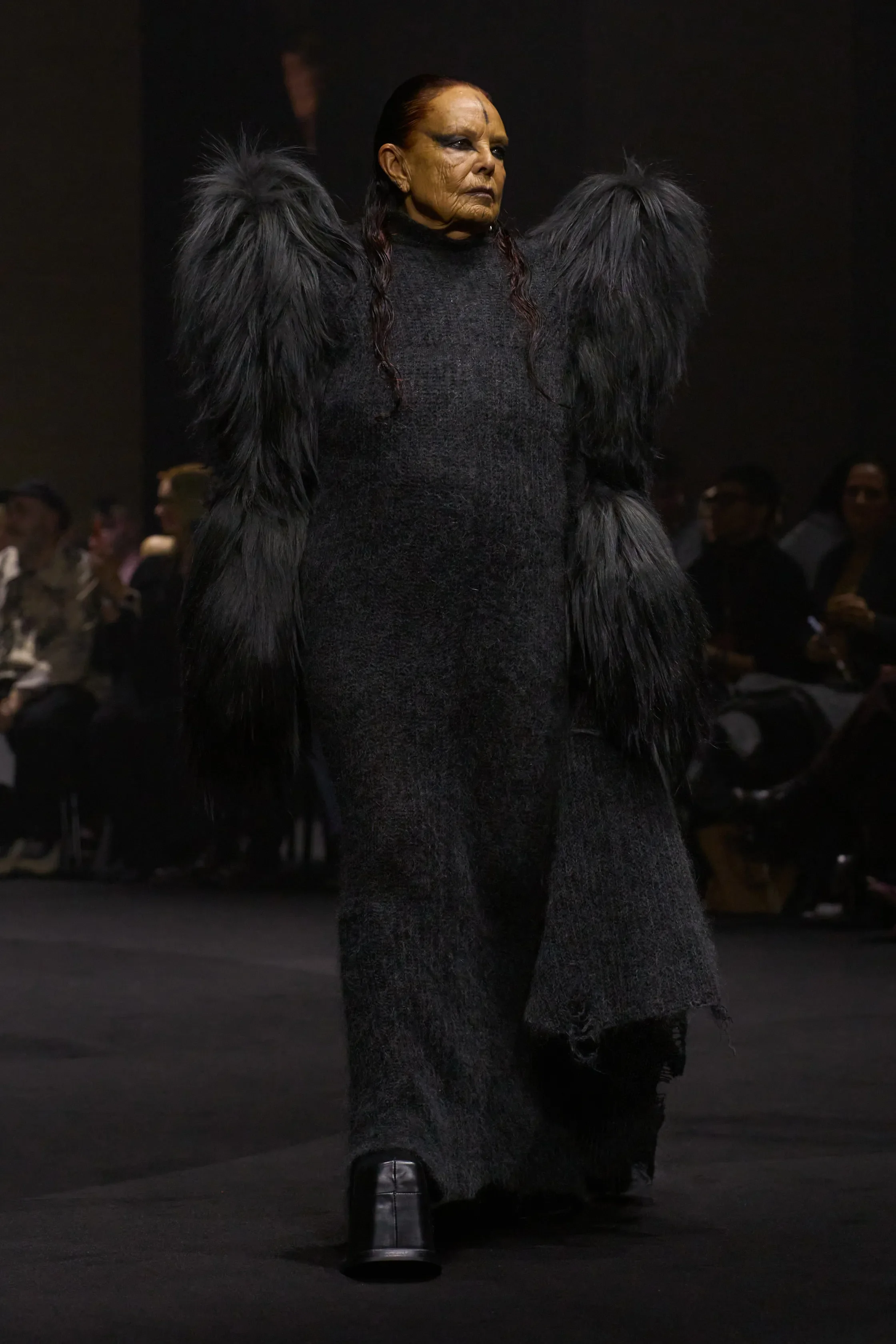
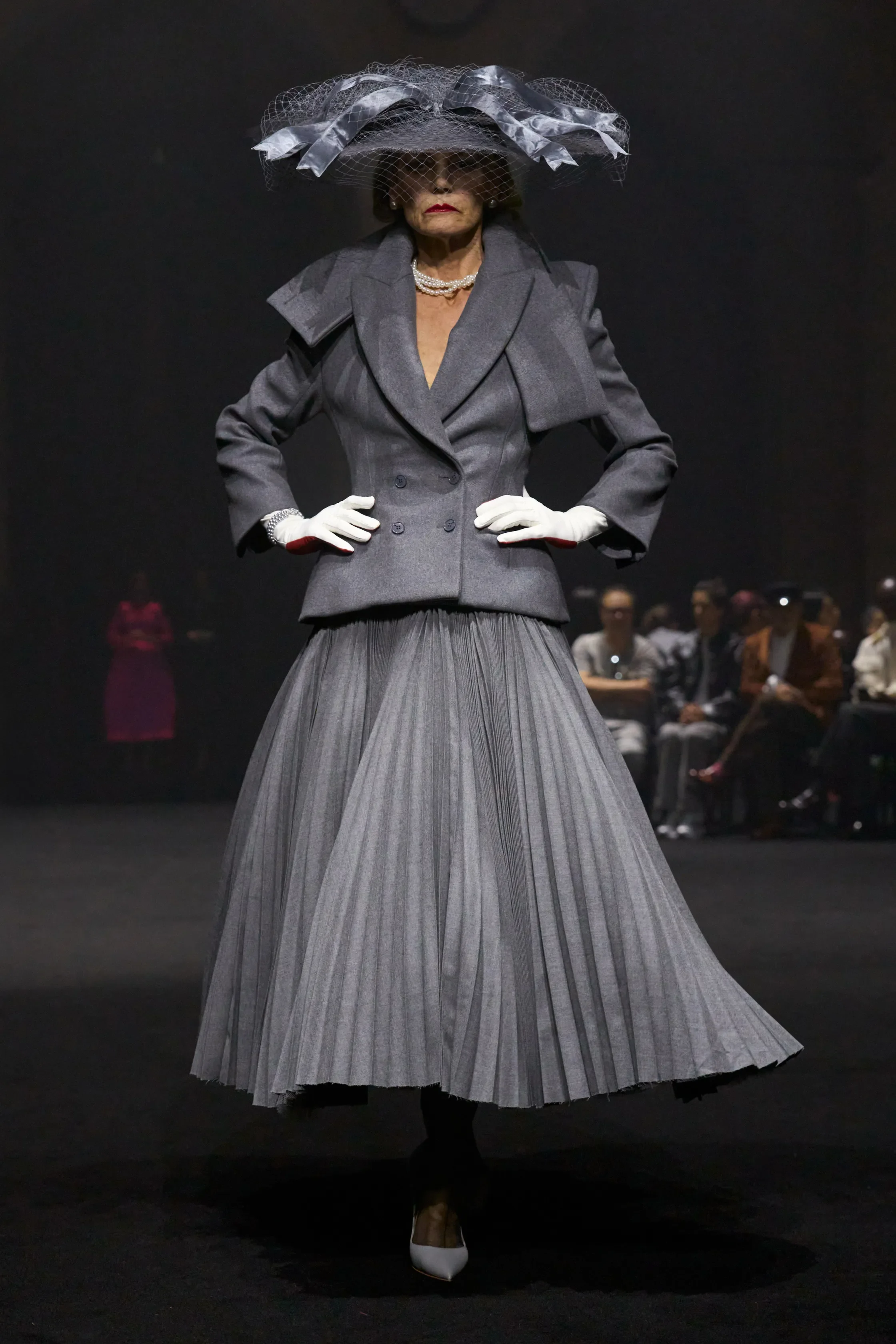
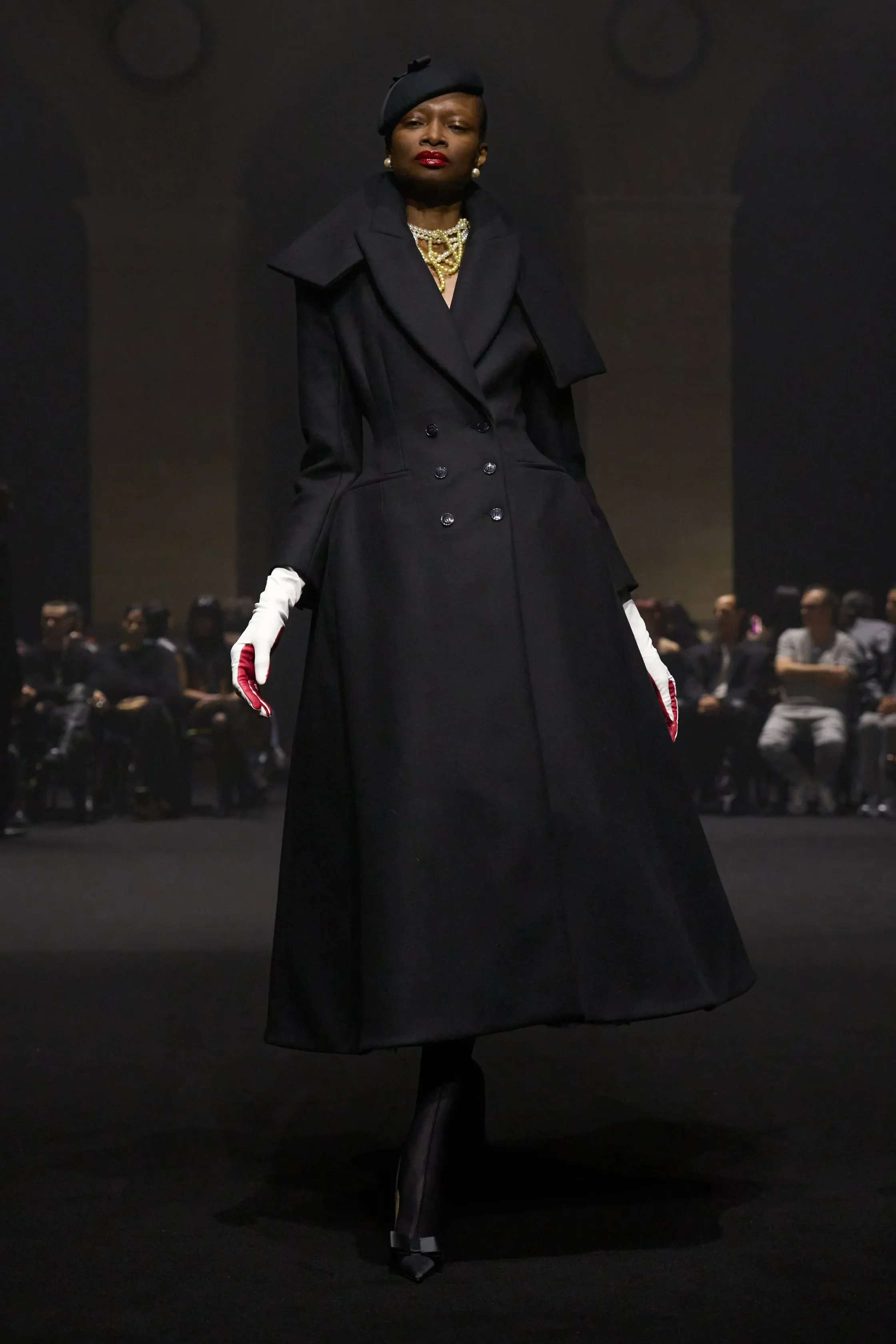
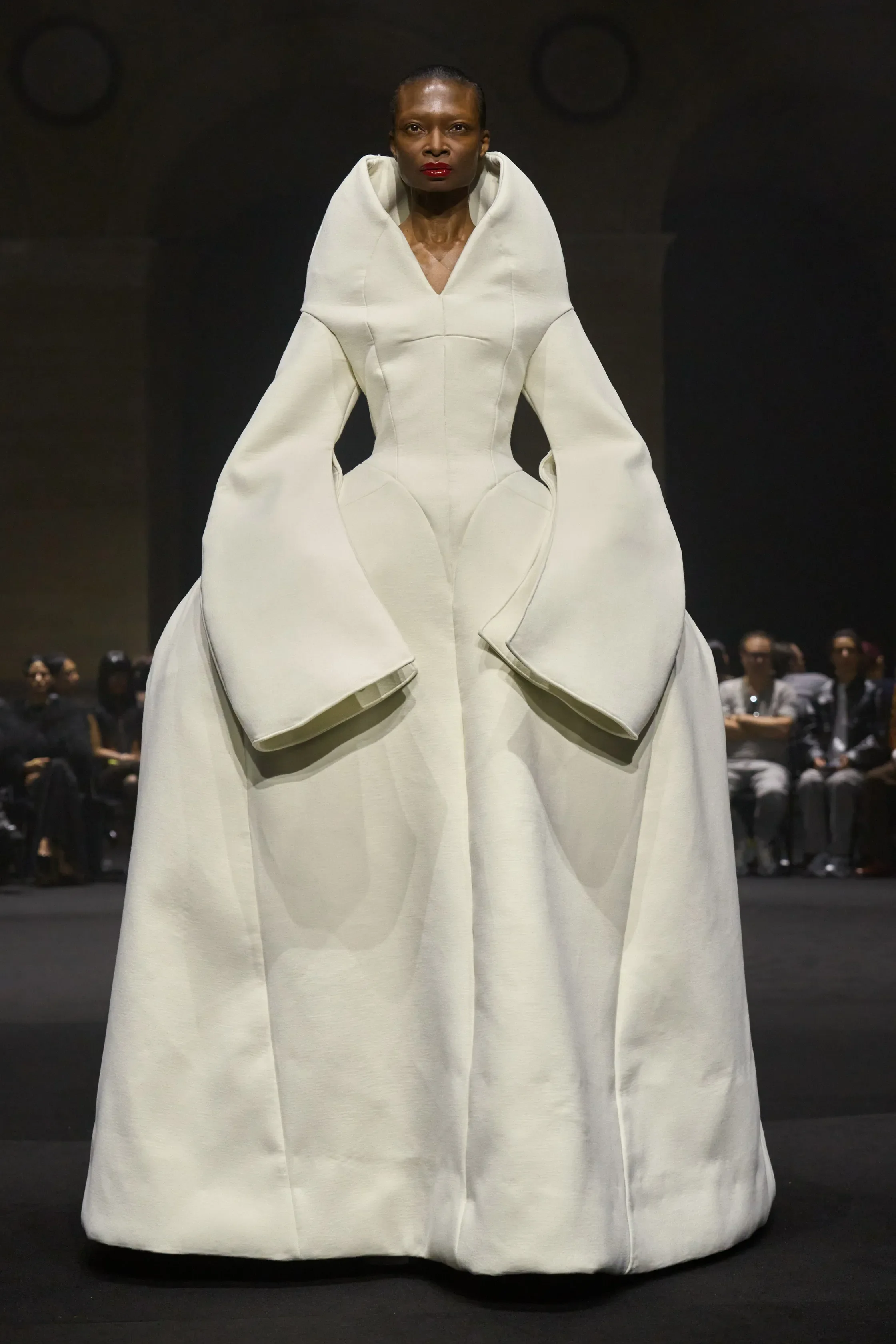
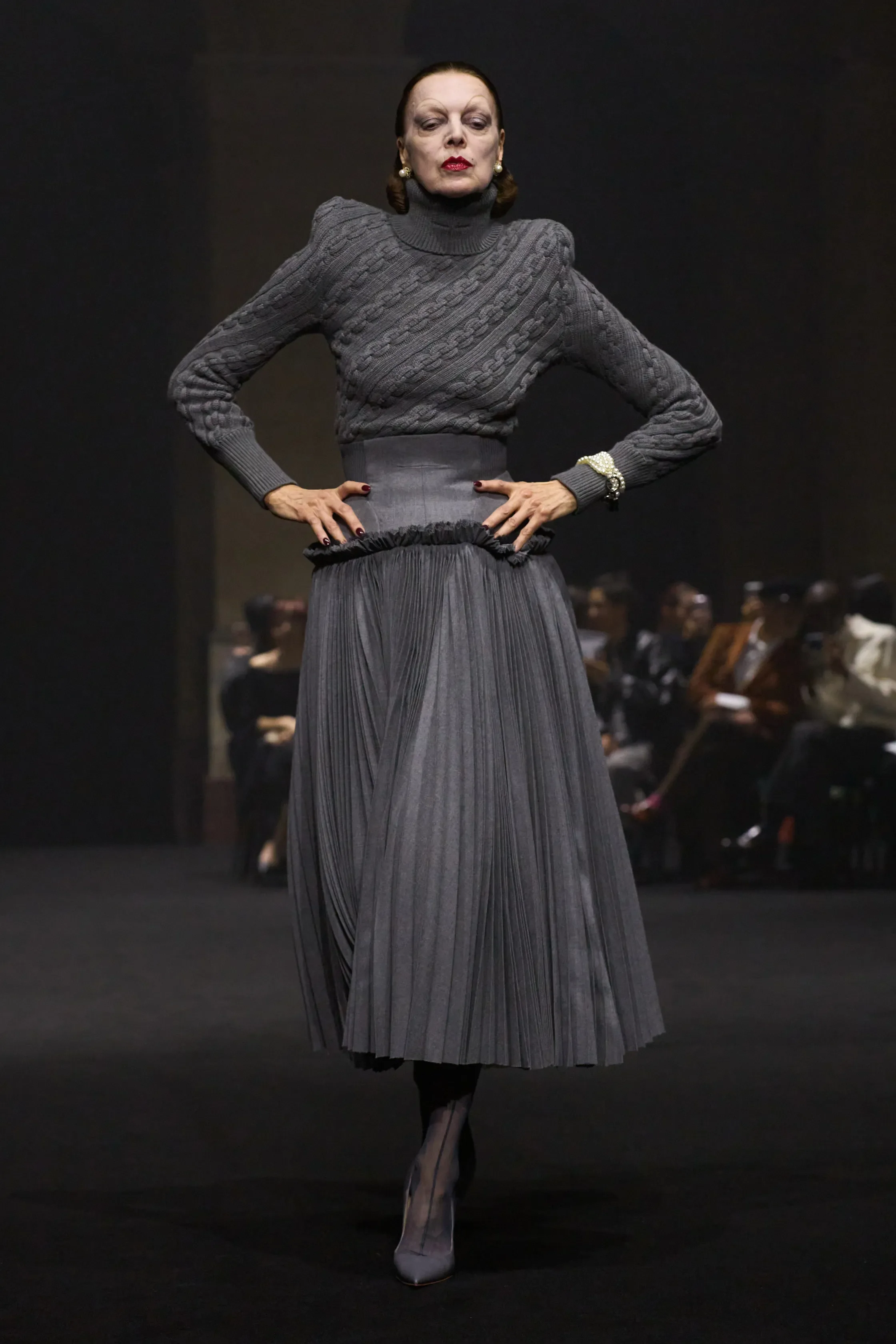
images courtesy of MATIÈRES FÉCALES
The presence of older bodies felt like a subtle reorientation of value; an embodiment of time, space, life. These models grounded the shows and the garments in a dimension that felt more natural, more genuine, and a little more real. At the same time, the collections didn’t lose their cool desirability; if anything, they only accrued it. What emerged was a newfound sense of security, a hopeful prospect that even as they age, women have a space in this industry, and at large, in the world, and that ageing isn’t something we should be quick to fear, hide, or try to stop, but rather accept and celebrate; an appreciation of human life.
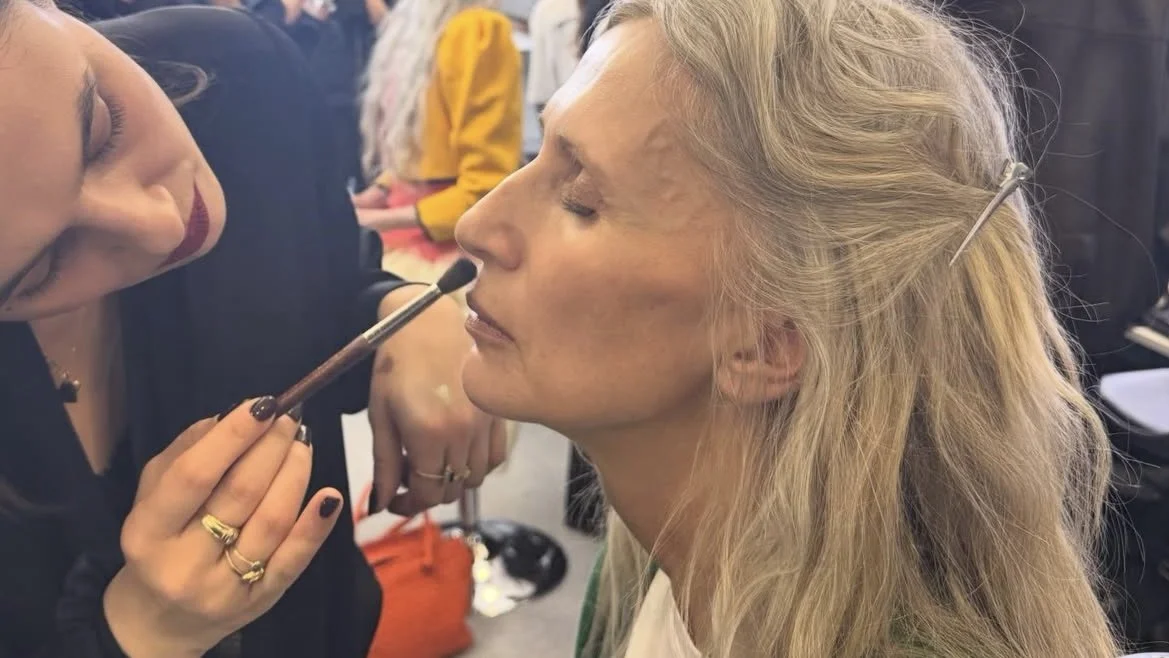
image via @jkapounova on instagram
