
THE RESORT STATE OF MIND AT CIFF 67
words by MAREK BARTEK
On paper, Copenhagen feels like the last place you'd expect to have an interesting conversation about swimwear. The category has long belonged somewhere else entirely. Miami. Ibiza. Mykonos. Places where the sea is warm enough to spend the entire day in and getting dressed often means throwing something over a bikini. Copenhagen, meanwhile, is better known for a harbour where people willingly plunge into when it's barely above freezing. Yet at this season's Copenhagen International Fashion Fair (CIFF), that contradiction somehow started to make perfect sense.
For the first time, the fair partnered with Paraiso Miami Swim Week, introducing a dedicated swimwear and resort destination to Copenhagen. What might’ve seemed like an unlikely pairing ultimately told us that this wasn't really about bringing Miami to Scandinavia. It was about recognising that swimwear itself has changed. Somewhere along the way, it escaped the suitcase, and entered all aspects of our lives.
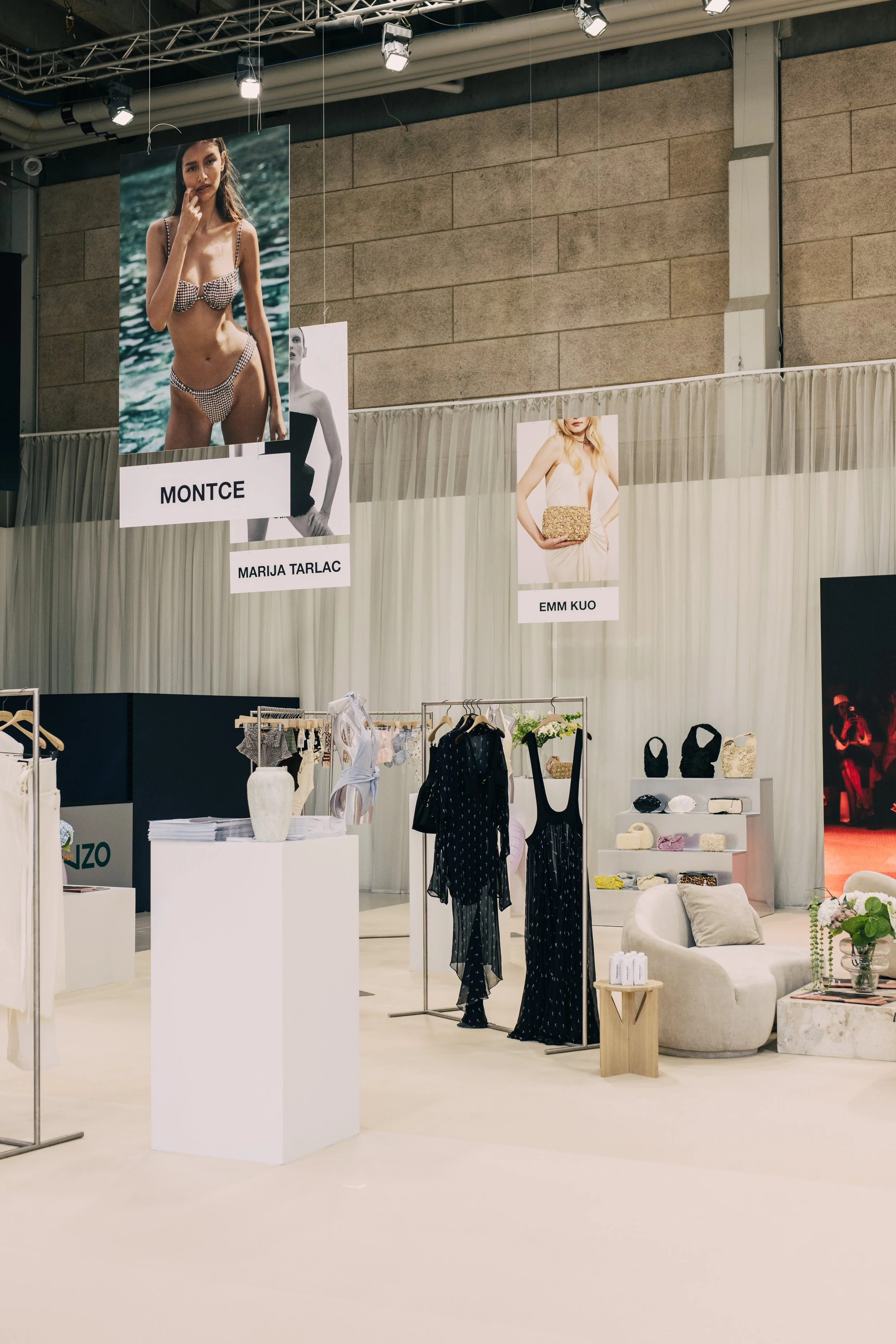

PARAISO MIAMI SWIM WEEK, images courtesy of CIFF, photographed by JEREMY FRENCH
"What I love about this partnership is that it's so unique," says Paraiso founder Natalija Dedić. "No one would expect these two platforms and these two markets to come together." Miami brings one of the world's most established swimwear platforms, while Scandinavia offers a design language built around functionality and longevity. "I think the Scandinavian market will influence the swimwear market in a very strong way, and the other way around,” she elaborates, suggesting that this exchange extends well beyond aesthetics.
"For me, when I talk about resort, I talk about the resort lifestyle. We’re the platform that chases the sun all year round." It is perhaps the most straightforward explanation of how dramatically the category has evolved. What was once reserved for a week by the sea now sits at the intersection of fashion, travel, hospitality, wellness and beauty — and Scandinavia might just be one of the best places to understand that shift.

CMMN SWDN stand, image courtesy of CIFF, photographed by JEREMY FRENCH
“Scandinavians spend much of the winter in hiding, but as soon as the sun is out, everyone is in resort mode," laughs Saif Bakir, co-founder of CMMN SWDN. While the brand counts the United States, Japan and South Korea among its biggest markets, the sentiment feels distinctly Nordic. Summer is embraced with an enthusiasm perhaps only possible after months of darkness, turning resort dressing into something that begins long before the holiday itself.

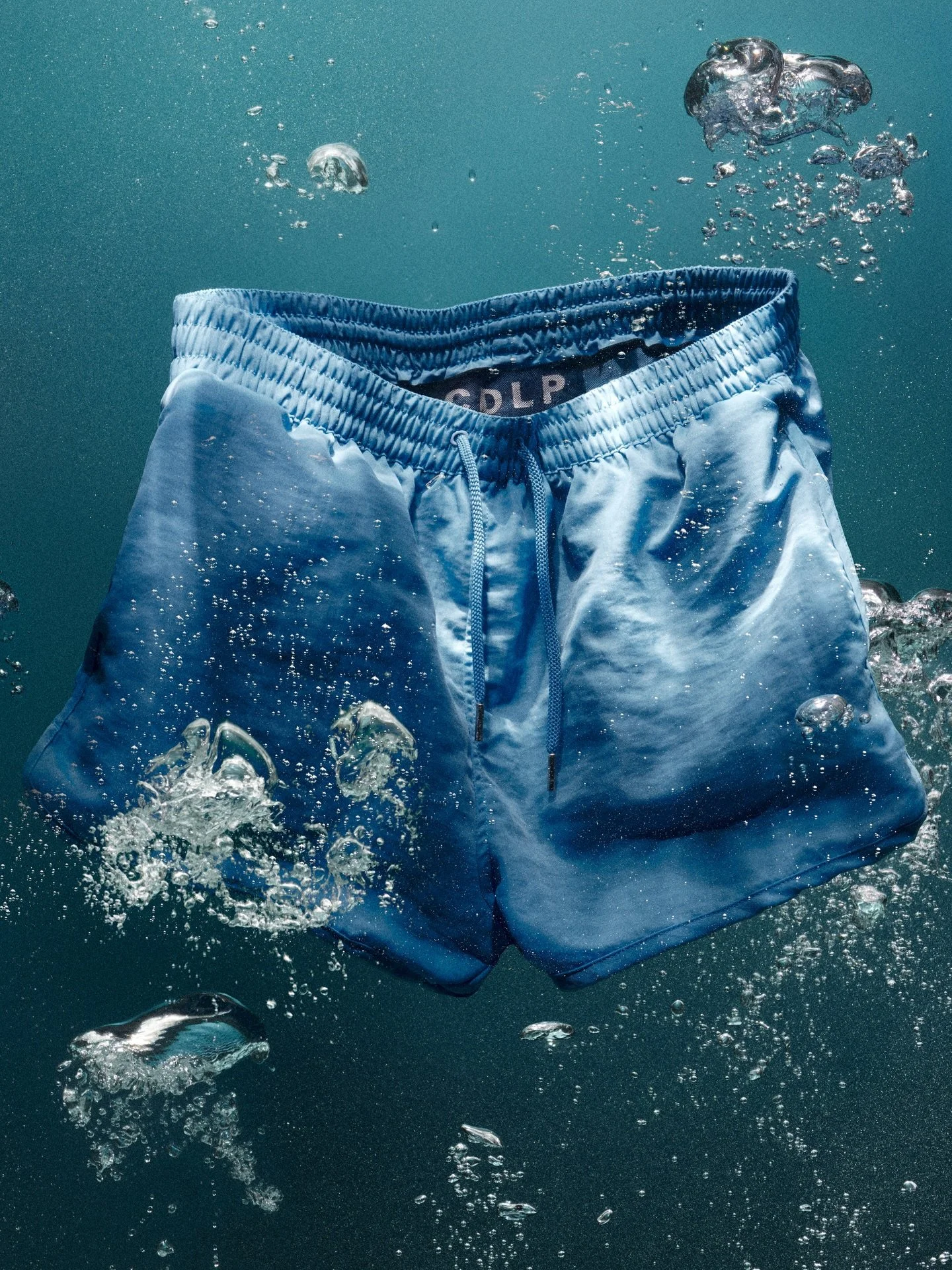
CDLP stand, image courtesy of CIFF, photographed by JEREMY FRENCH
CLDP SWIMWEAR campaign, image courtesy of CDLP
That same idea surfaced elsewhere across the fair. At CDLP, swimwear has grown to be the natural next step for customers who first discover the brand through its underwear. "We see ourselves as a luxury essentials brand, but it also taps into the world of resort.” explains Sofia Petersson, who is CDLP’s Global Brand and Communications Manager. While destinations such as Miami, Los Angeles and the Hamptons remain among the label's strongest markets, Scandinavians have slowly developed their own version of resort culture. "Swedish people travel a lot. We escape winter," she says, explaining why the brand now introduces its resort offering as early as December, ready for customers heading to Thailand or Mexico before spring has even arrived — others never wait for a boarding pass at all.
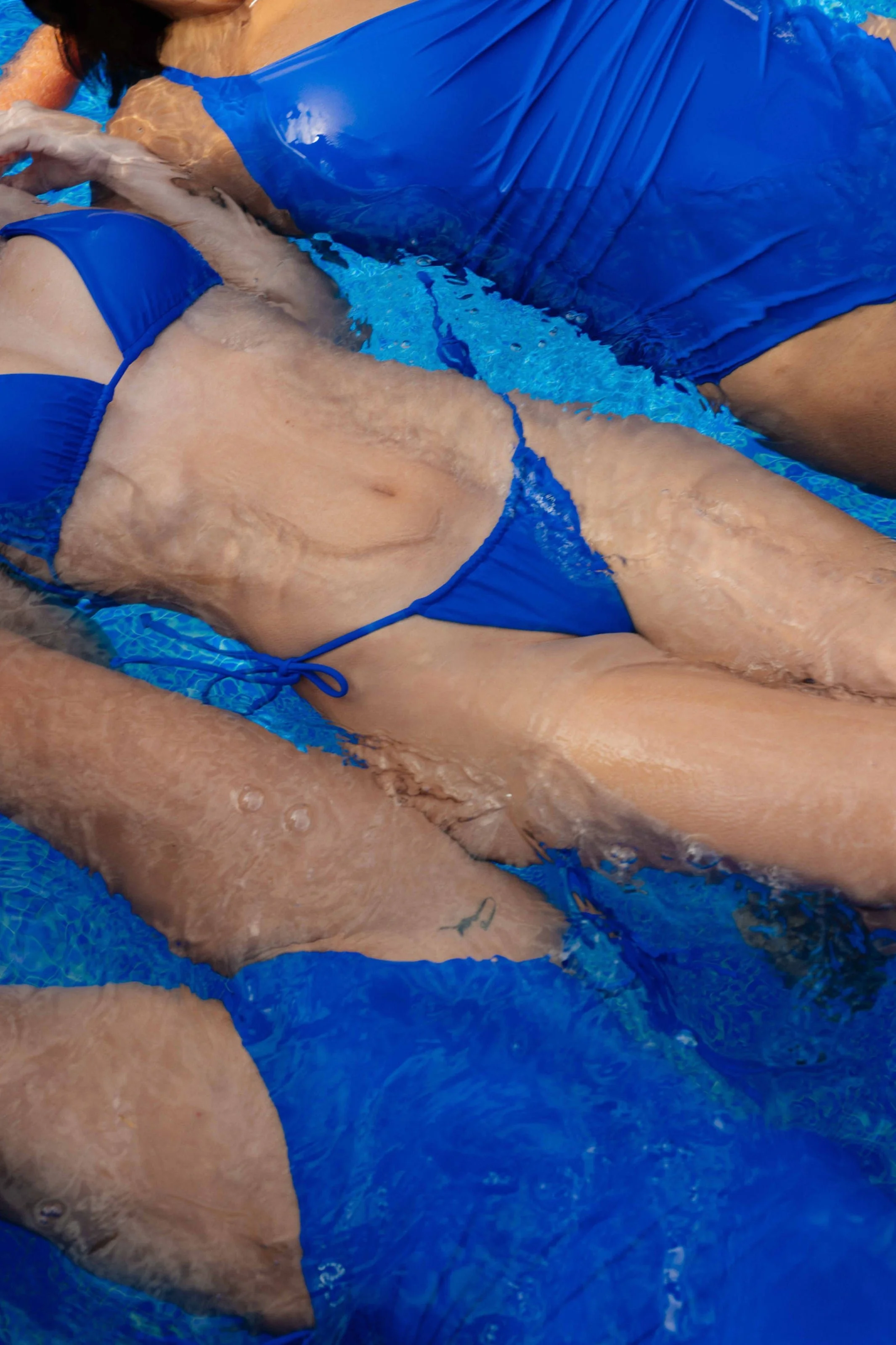
"We definitely see a big trend in winter swimming," says Victoria Ortiz, Sales and Business Development Manager at Cartel Copenhagen. "People buy swimwear even through the winter season." Across Copenhagen, cold-water plunges followed by a sauna have definitely shifted from just a niche ritual into a way of life. Suddenly, the swimsuit is no longer associated exclusively with beaches and beach clubs. It has become part of an everyday wellness routine.
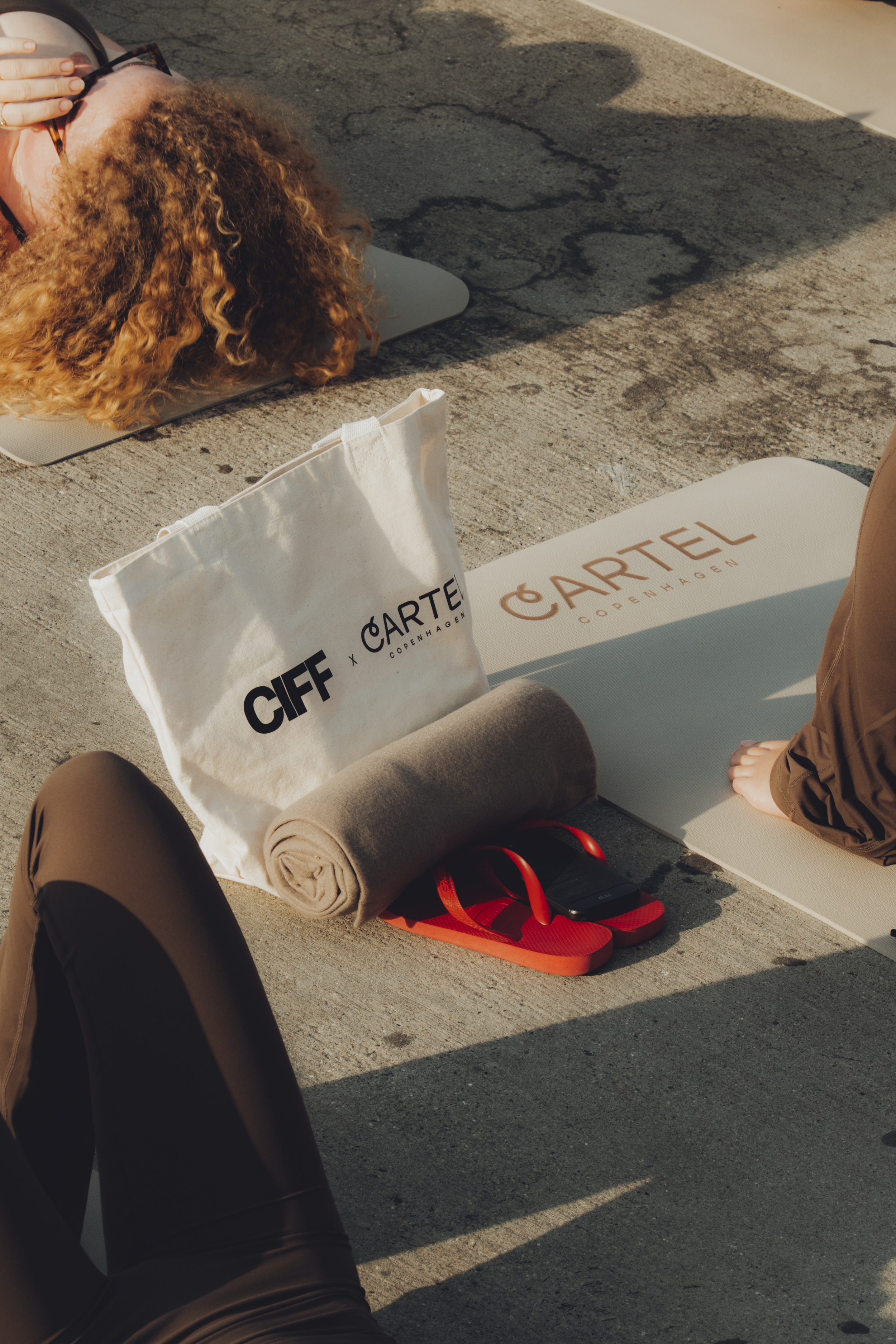
CIFF x CARTEL COPENHAGEN activation, image courtesy of CIFF, photographed by JEREMY FRENCH
CARTEL COPENHAGEN campaign, image courtesy of CARTEL COPENHAGEN
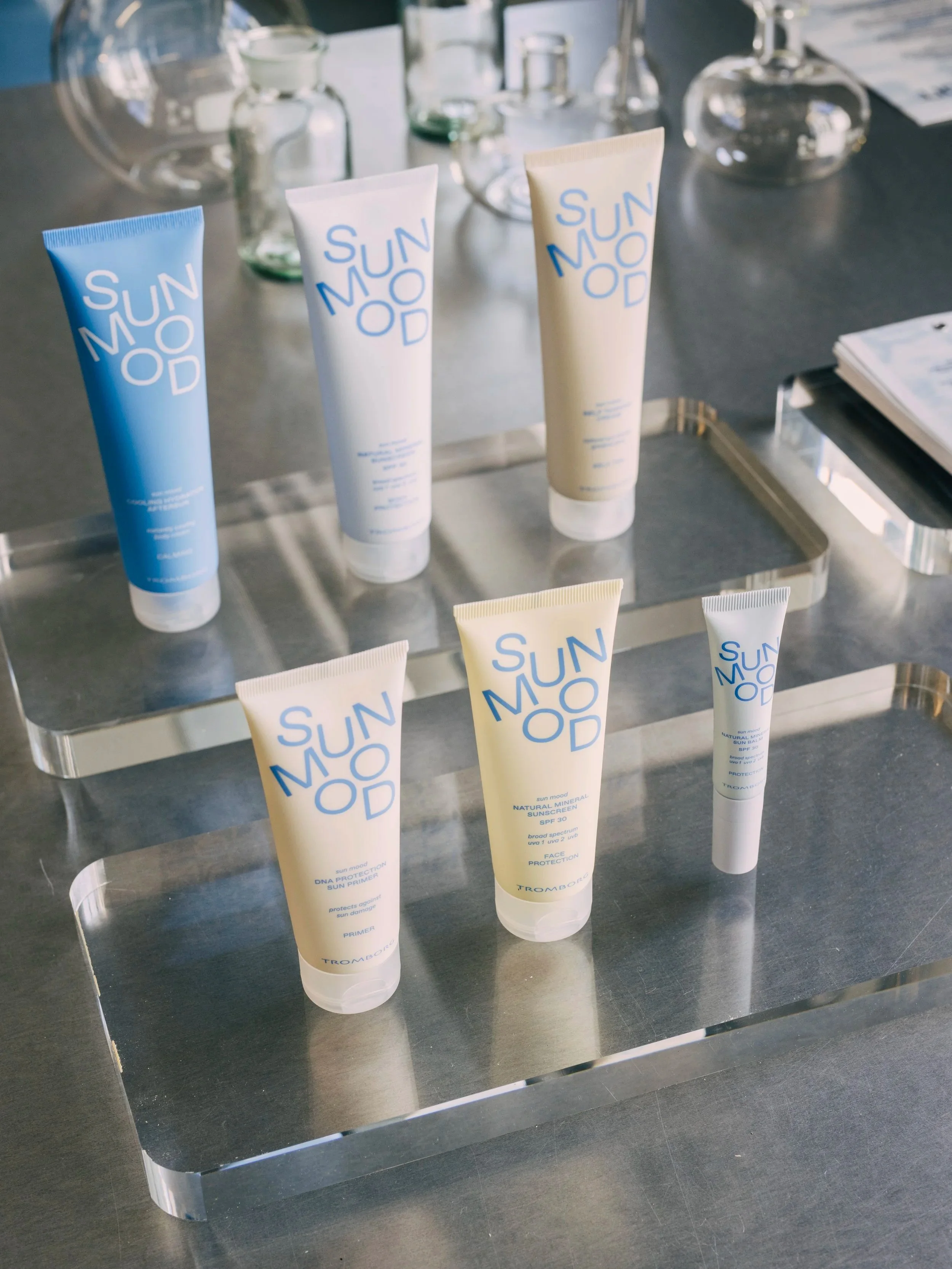
Curiously, very few conversations stayed on the swimsuit itself for long. They drifted towards body and self care, travel and the rituals surrounding them. CDLP speaks of "flirting" with hospitality through collaborations with destinations including Passalacqua on Lake Como and Grand Hôtel Stockholm. Nearby, Scandinavian beauty brands Honey and Tromborg felt entirely at home alongside the swimwear labels. Honey's contemporary approach to body care and Tromborg's organic, herbal-based skincare reflected the same slower, wellness-oriented lifestyle the fashion brands themselves kept returning to, especially now that both brands are launching new lines of sun protection creams.
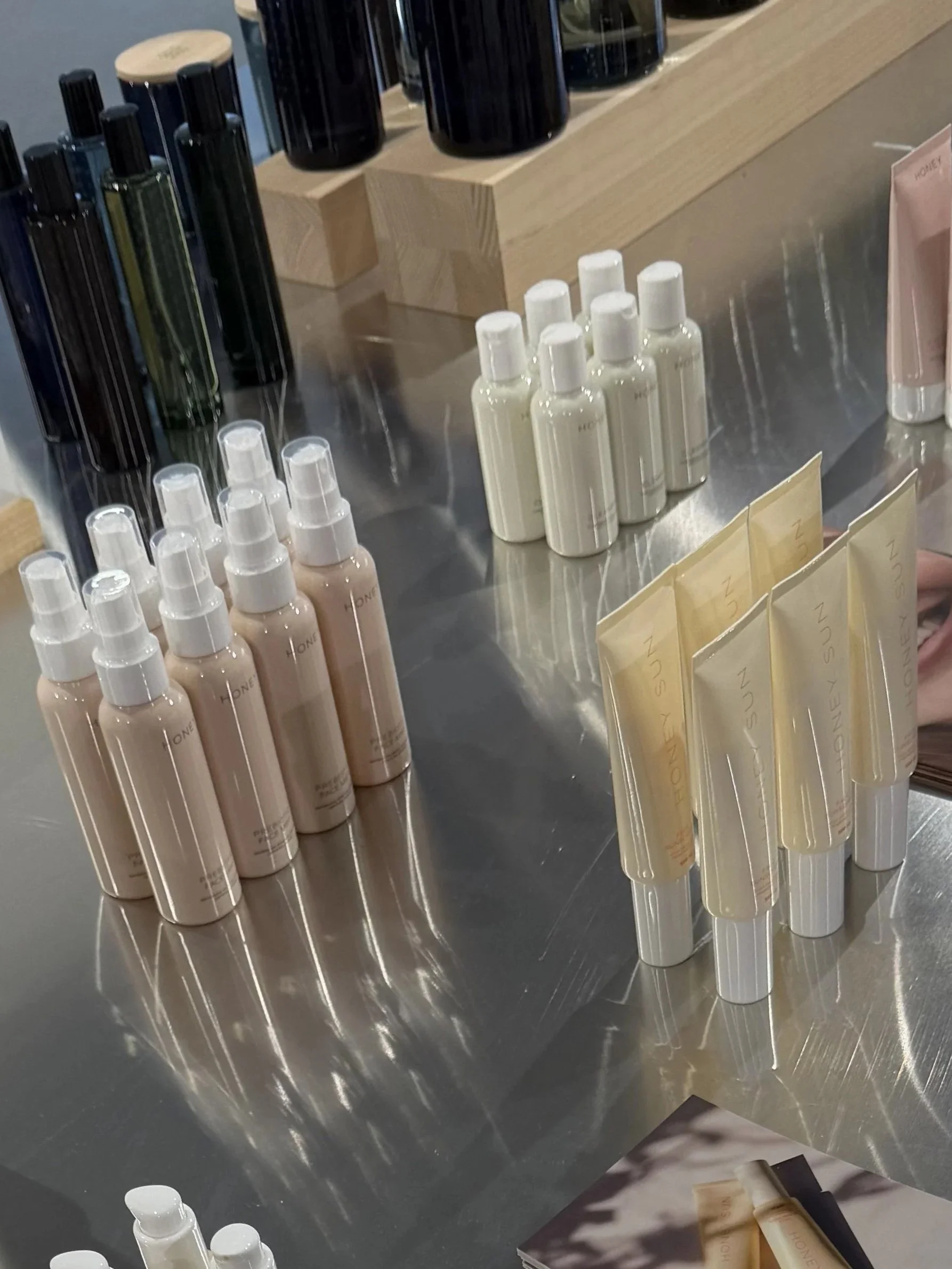
HONEY stand, image courtesy of CIFF
TROMBORG BREAKFAST, images courtesy of CIFF, photographed by BEN SUHLING
The same could be said for many of the collections on display. Paraiso’s participants, Serbian designer Marija Tarlac brought sharply tailored resort dressing that felt far removed from traditional beachwear, while New York accessories label Emm Kuo demonstrated how playful craftsmanship can become part of the wider resort wardrobe through sculptural handbags that bordered on collectible objects. Neither brand centres itself around swimwear, yet both illustrate how much broader the category has become.
Even sustainability followed that bigger perspective. Swimwear remains one of fashion's most technically demanding categories, with performance fabrics still difficult to replace. Rather than searching for perfect solutions, brands spoke instead about recycled materials, responsible production, artisan craftsmanship and designing pieces intended to last beyond a single season — a more pragmatic approach that felt entirely at home in Copenhagen.
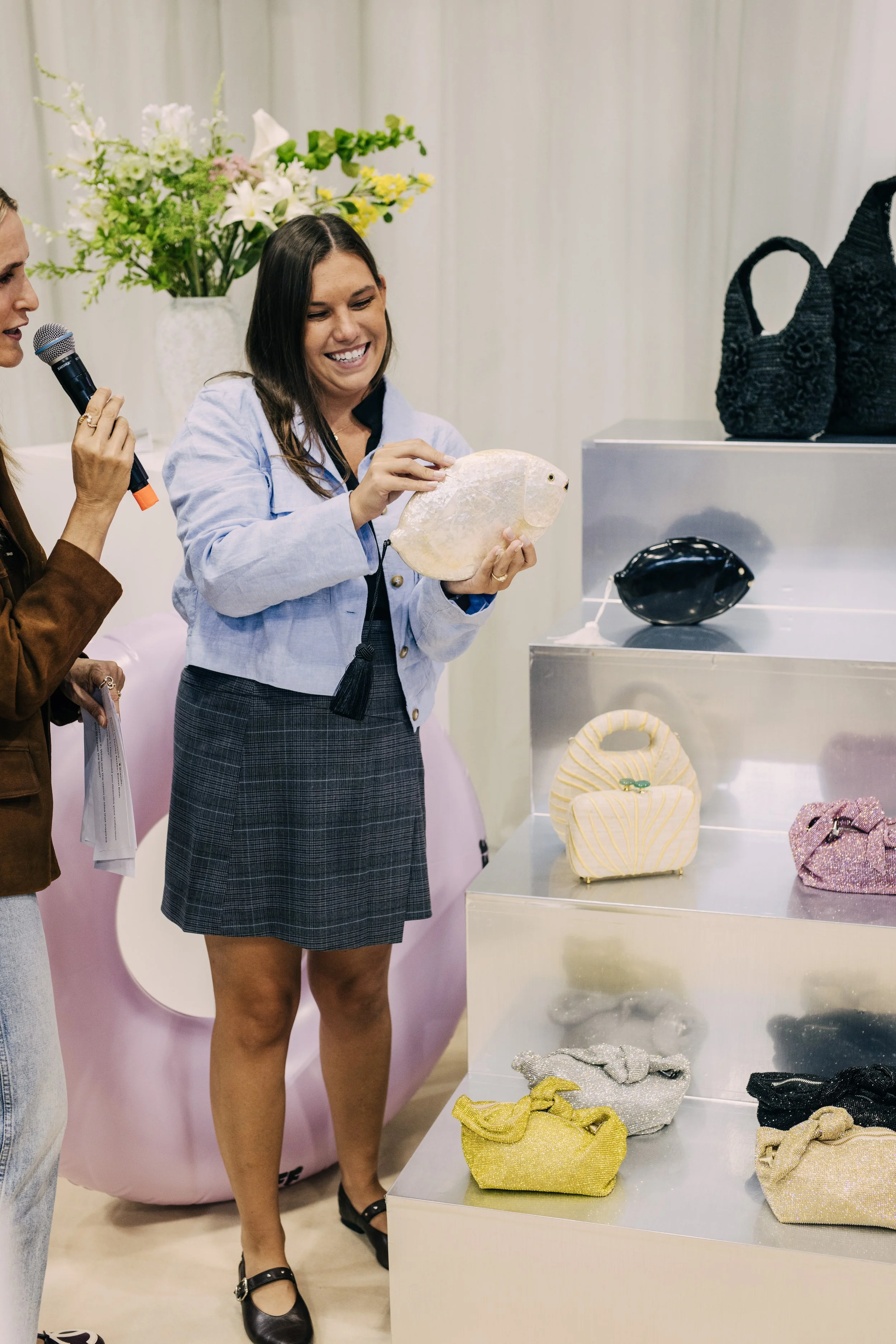
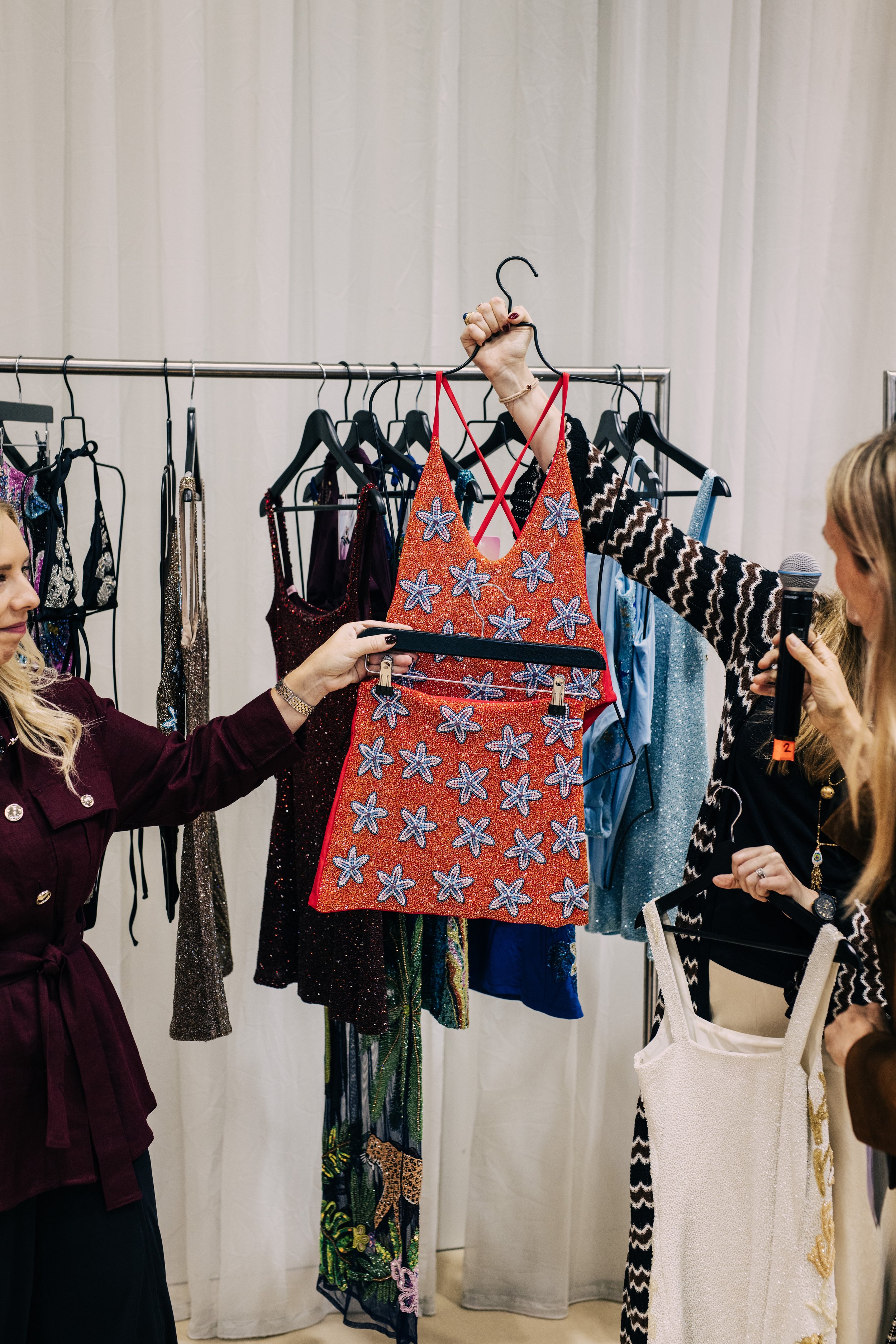
PARAISO MIAMI SWIM WEEK, images courtesy of CIFF, photographed by JEREMY FRENCH
Perhaps that's why CIFF's plans for next season feel less like an expansion than an adjustment to the current trends. Swimwear, resort wear, athleisure and selected beauty will no longer exist as separate destinations but as one shared category. The biggest takeaway of CIFF this time around is that the future of swimwear isn't moving towards the beach. It's moving further away from it — in the best, most fascinating way possible.