
words by NIA TOPALOVA
A little over a month after McGirr announced his departure from McQueen, the whirlpool of speculations over who should take the creative director’s chair continues to swirl – throwing everyone from Virginia Burlina to John Galliano into the mix. And while almost by default the conversations circle around established industry names, maybe it is time we replace the “who” with “what,” and start asking what a house built on so much provocation would actually require, and whether looking outside the usual circuit could, in fact, potentially be the way forward.
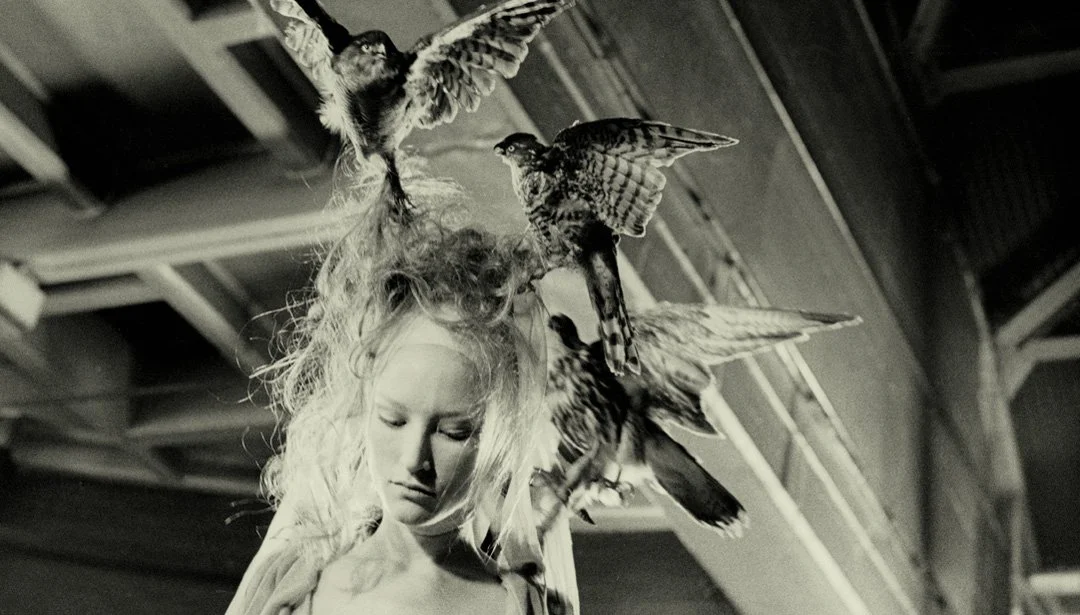
photography ANN RAY, image courtesy of ANN RAY
Lee Alexander McQueen’s creative cosmos revolved around theatricality, historical and cultural references, fragility, and garments meant to serve as women’s armour. His shows were actual spectacles and although his work was considered radical at its time, he was one of the most exciting emerging designers of the 90s. After leaving school at 16 to become an apprentice on Mayfair's Savile Row he became a pattern cutter at the theatrical costumiers Angels & Bermans. He was particularly inspired by the 19th century, drawing frequently on his Scottish ancestry as radical re-presentations of historical references continued throughout his career.
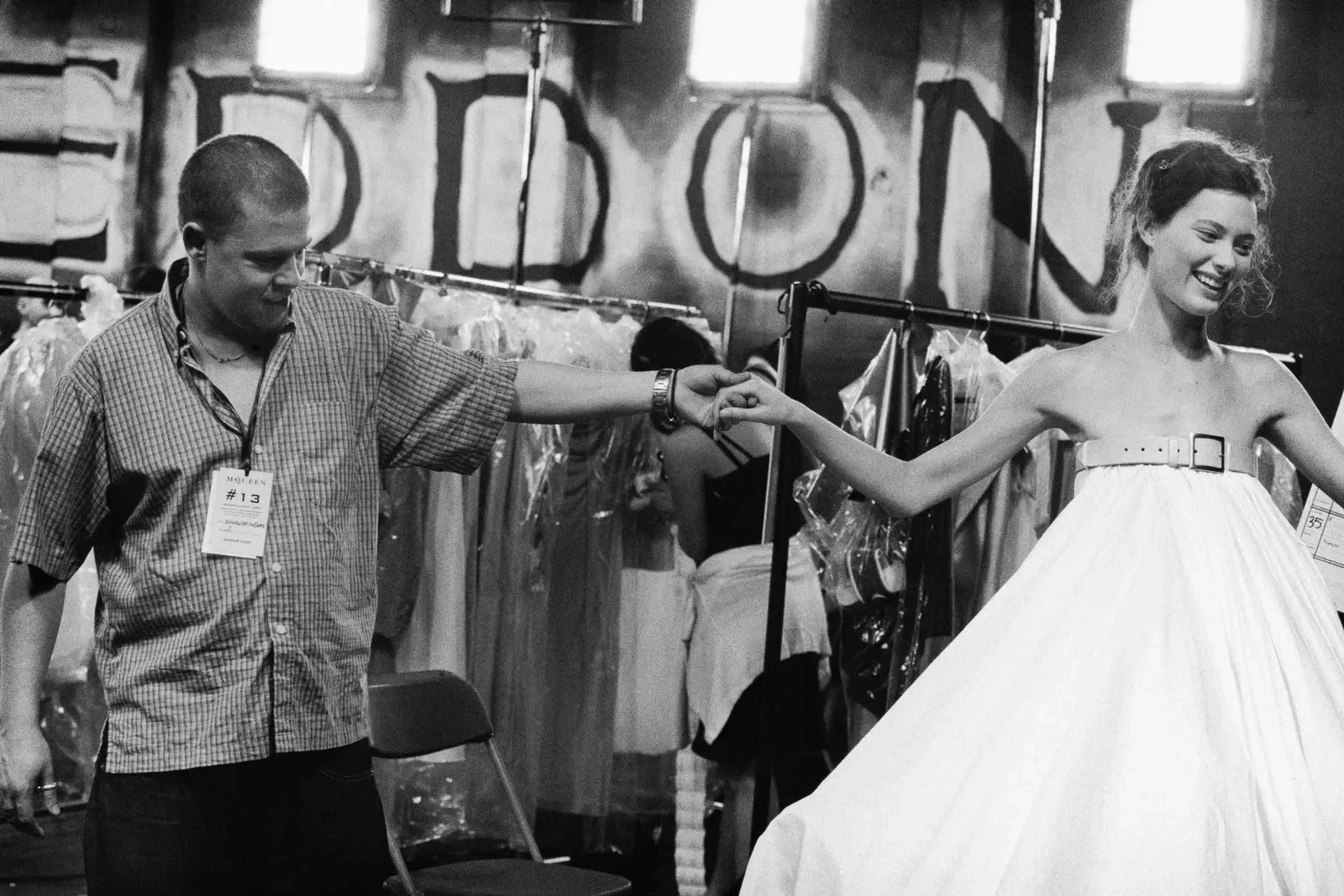
photography ANN RAY, image courtesy of ANN RAY
Following his death in 2010, McQueen’s close friend and a long-time colleague Sarah Burton led the brand as creative director for thirteen years, succeeded by Seán McGirr, whose designs tapped back into the avant-garde spirit of the brand's early days while leaning on the tailoring Burton had spent over a decade perfecting. But for all their mastery of tailoring and appreciation of McQueen’s legacy, both Burton and McGirr smoothed out and slicked the silhouettes, stripping away their visceral rawness. A step required to appeal to the modern commercial eye and a sanitization mirrored by Kering’s decision to drop "Alexander" from the brand's name.
The struggle to preserve a house’s edge is definitely not unique to McQueen. If we would to take a look at the historical archives of designers such as Vivienne Westwood, who weaponized 18th-century tailoring and punk subversion to dismantle British class structures; Jean Paul Gaultier, who played with gender norms elevating fetishwear, corsetry, and marginalised street subcultures into high couture; or Martin Margiela, whose deconstructionist archives challenged the very notion of luxury and waste, tearing garments apart to expose their raw construction and turning industrial waste into conceptual art, it becomes eminently clear that these designers acted more as cultural interventionists that permanently altered what fashion could be. Yet, modern iterations of these houses have ever so often reduced that subversive, deeply researched essence to superficial commercialised styling, missing the intellectual rigor that made the original designs so revolutionary. We ultimately long for a return to the unappeasable vision of these designers, and trying to sanitize their rawness defeats the entire point of their legacy.
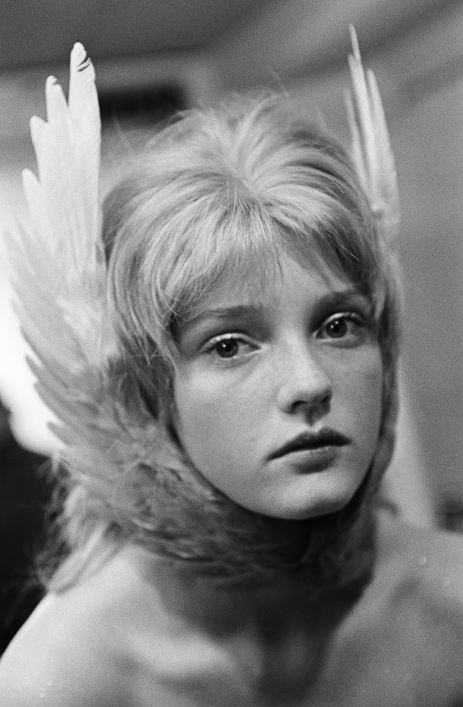
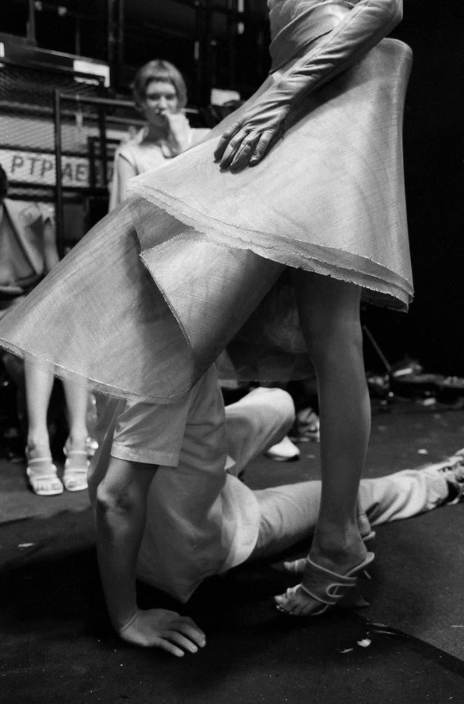
photography ANN RAY, image courtesy of ANN RAY
To prevent McQueen from suffering the same fate, the answer might not be recycling another safe, established creative director. Instead it is vital for the next creative director to be someone deeply educated in history, theatrical costume, fine art, and entirely fluent in McQueen’s archive rather than solely relying on conventional fashion and commercial background. McQueen’s rawness was born from an obsessive understanding of historical silhouettes, anatomical tailoring, and dark romanticism; without a designer who understands the weight of a 19th-century frock coat, the psychological intensity of a Victorian mourning dress, or the sculptural power of performance art, the brand risks becoming a hollow shell of skull scarves and sharp blazers.
“You’ve got to know the rules to break them.”
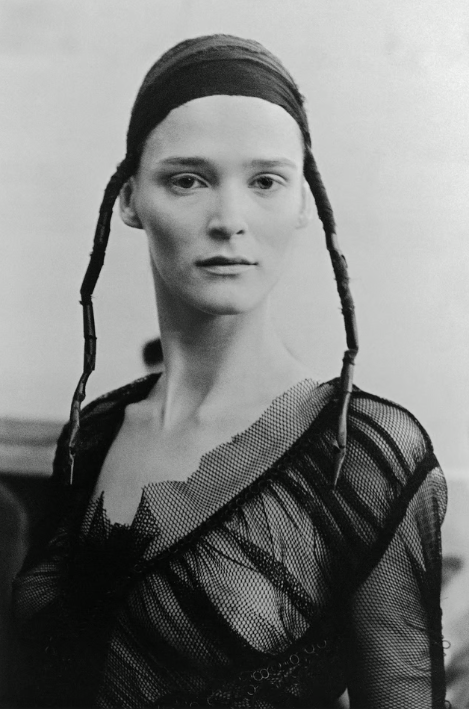
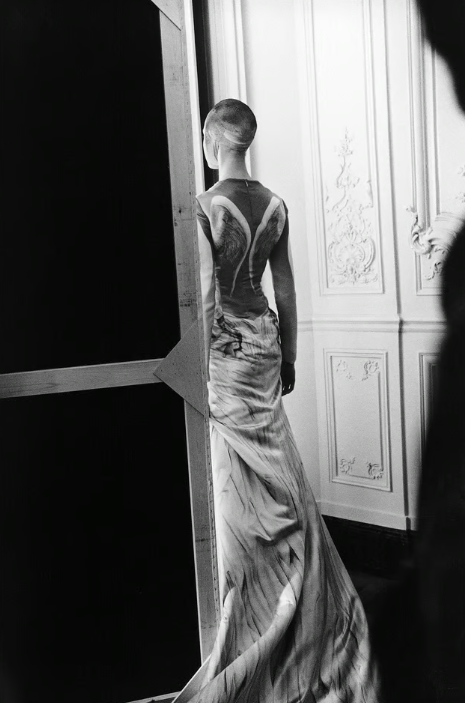
photography ANN RAY, image courtesy of ANN RAY
Bringing back McQueen’s essence is an existential necessity as the industry needs an intellect fierce enough to treat the runway as a site of emotional confrontation, beauty, and danger once again. In fact, the house could potentially benefit most from an emerging, relatively unknown face, just like McQueen himself was when he first started, or John Galliano and Martin Margiela in their early days. Fashion history has already shown us how transformative this approach could be: in the mid 1990s, it was Tom Ford, an unknown designer at the time, who stepped in and completely revitalised Gucci in the most provocative, seductive way possible. In a lot of ways, there are one too many heritage houses today in desperate need of their own Tom Ford, including McQueen.
