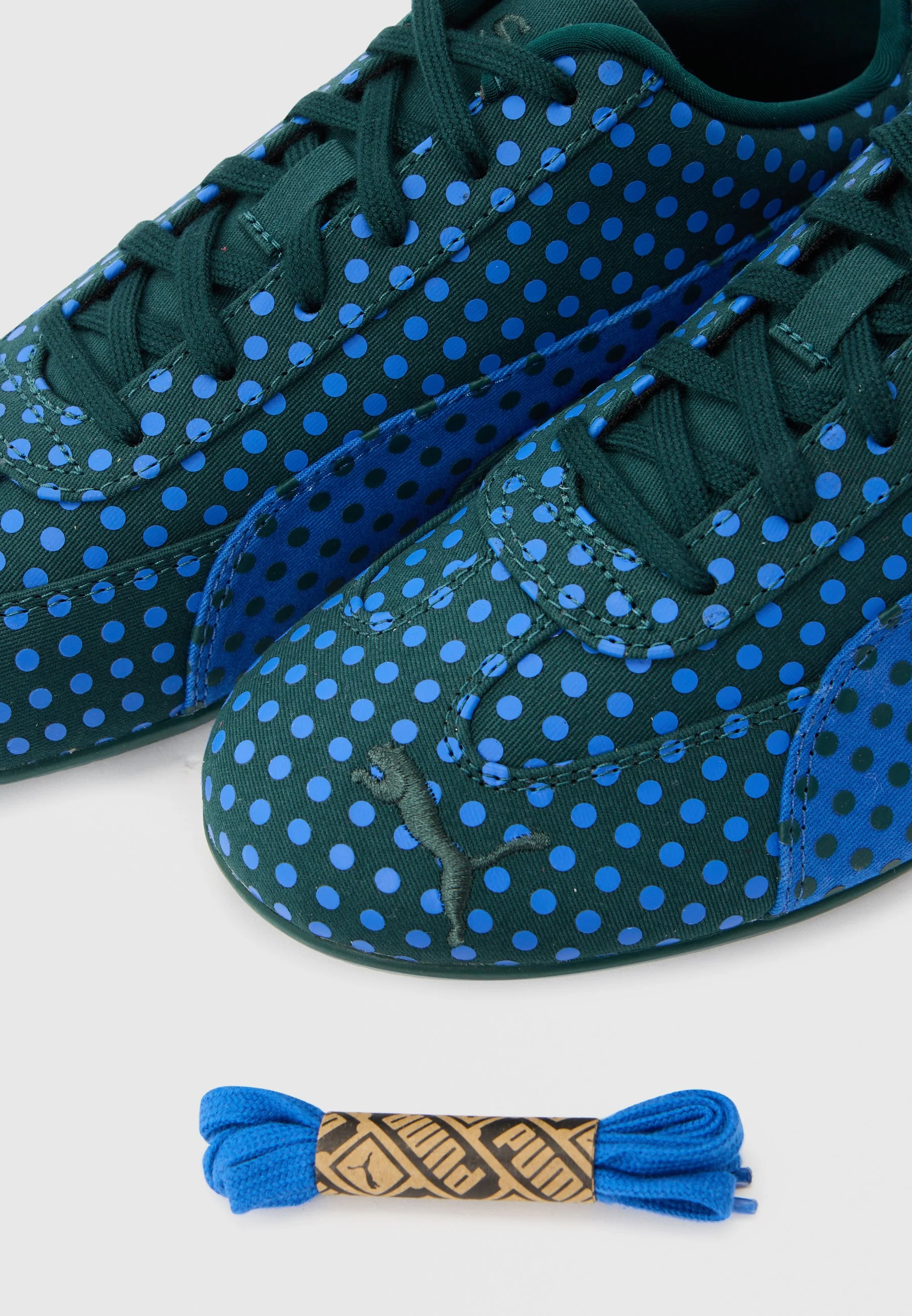
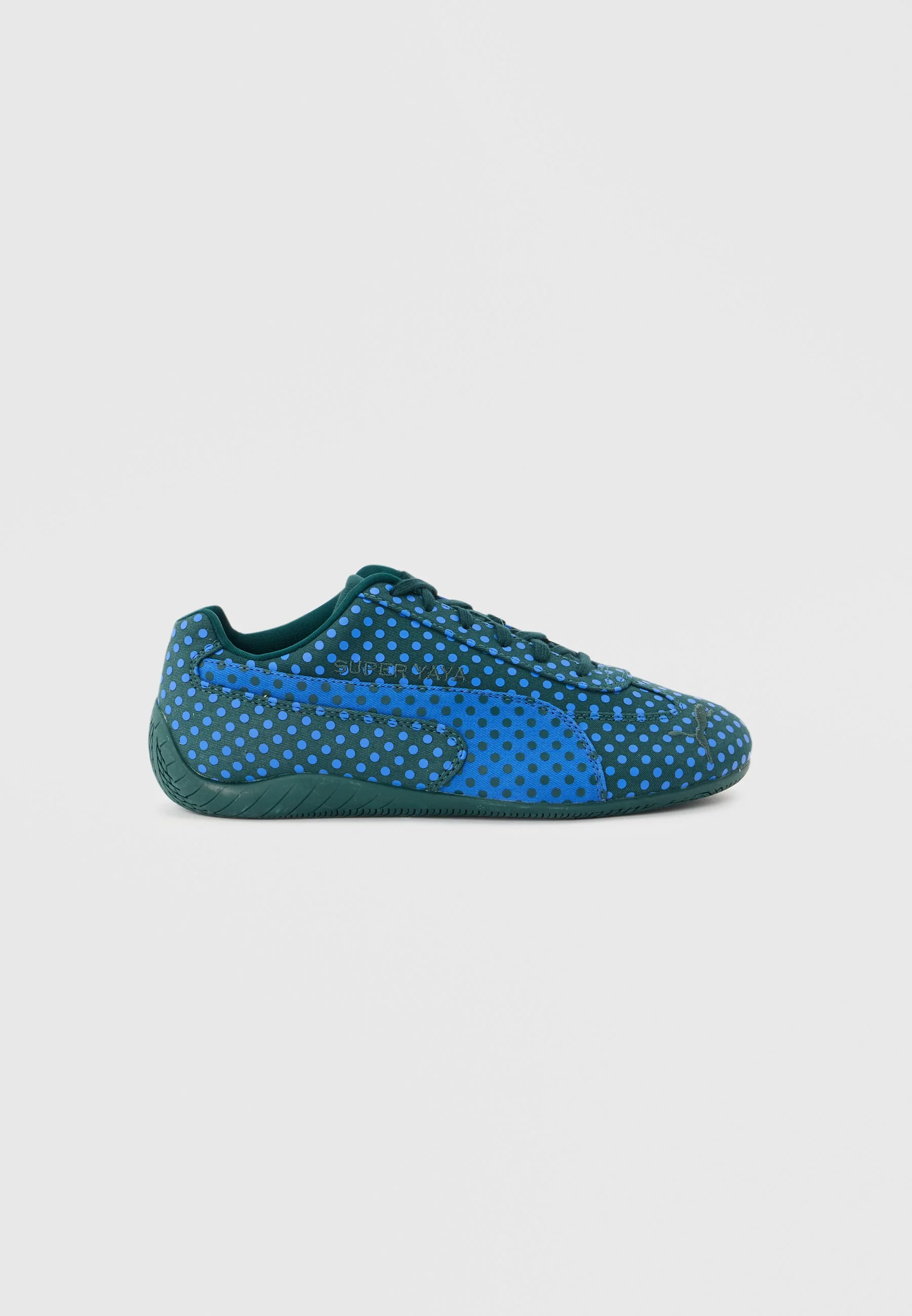
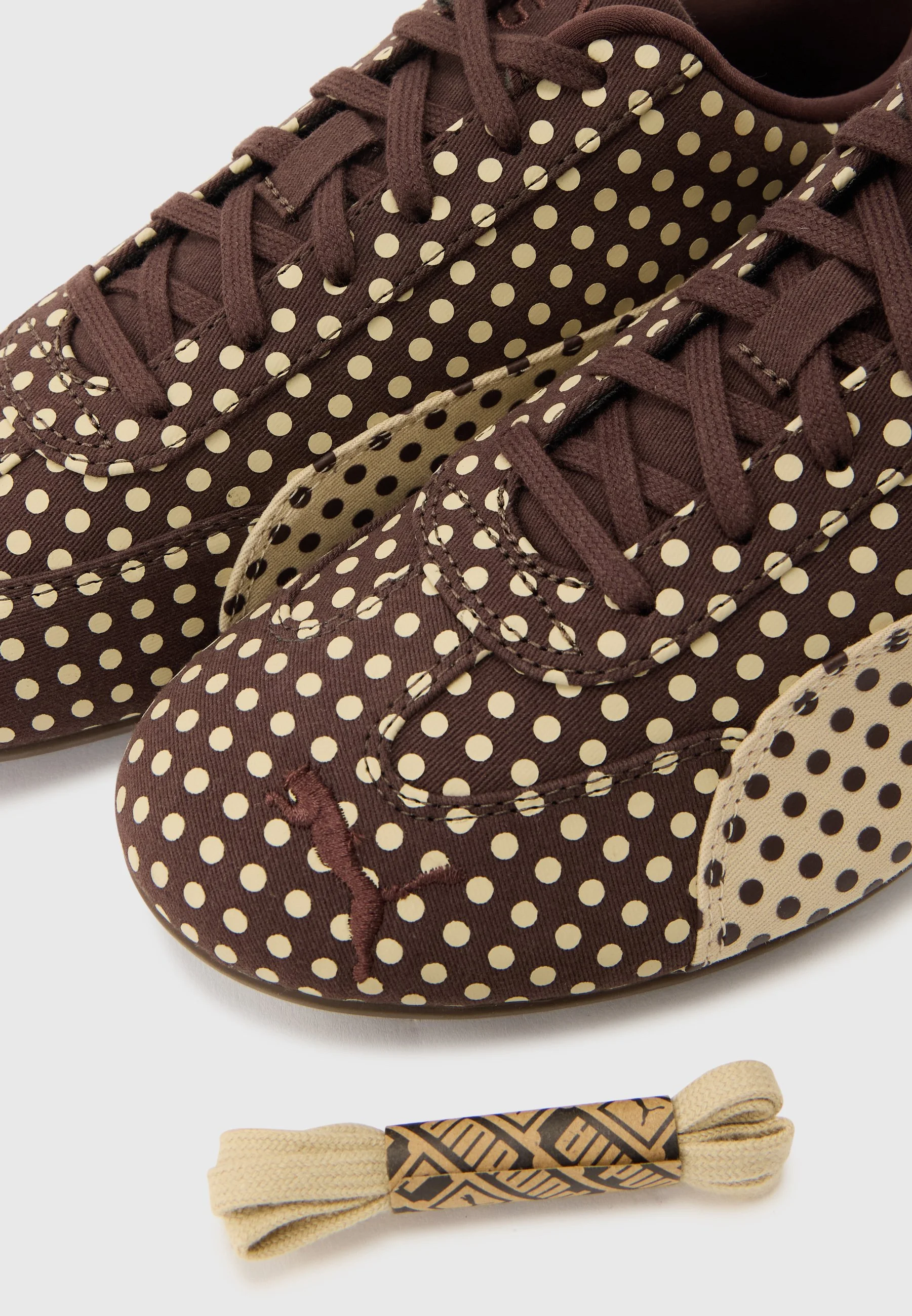
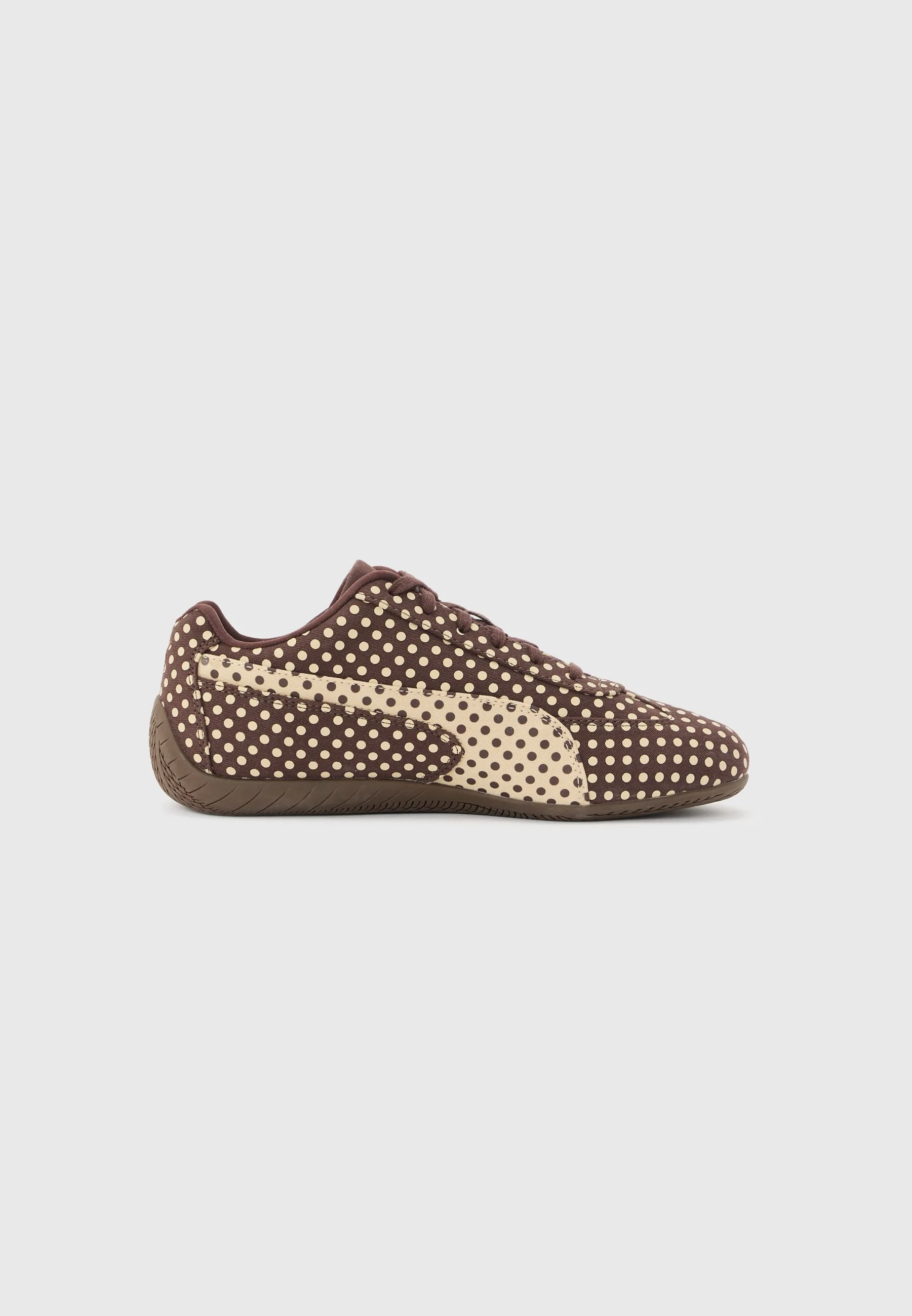
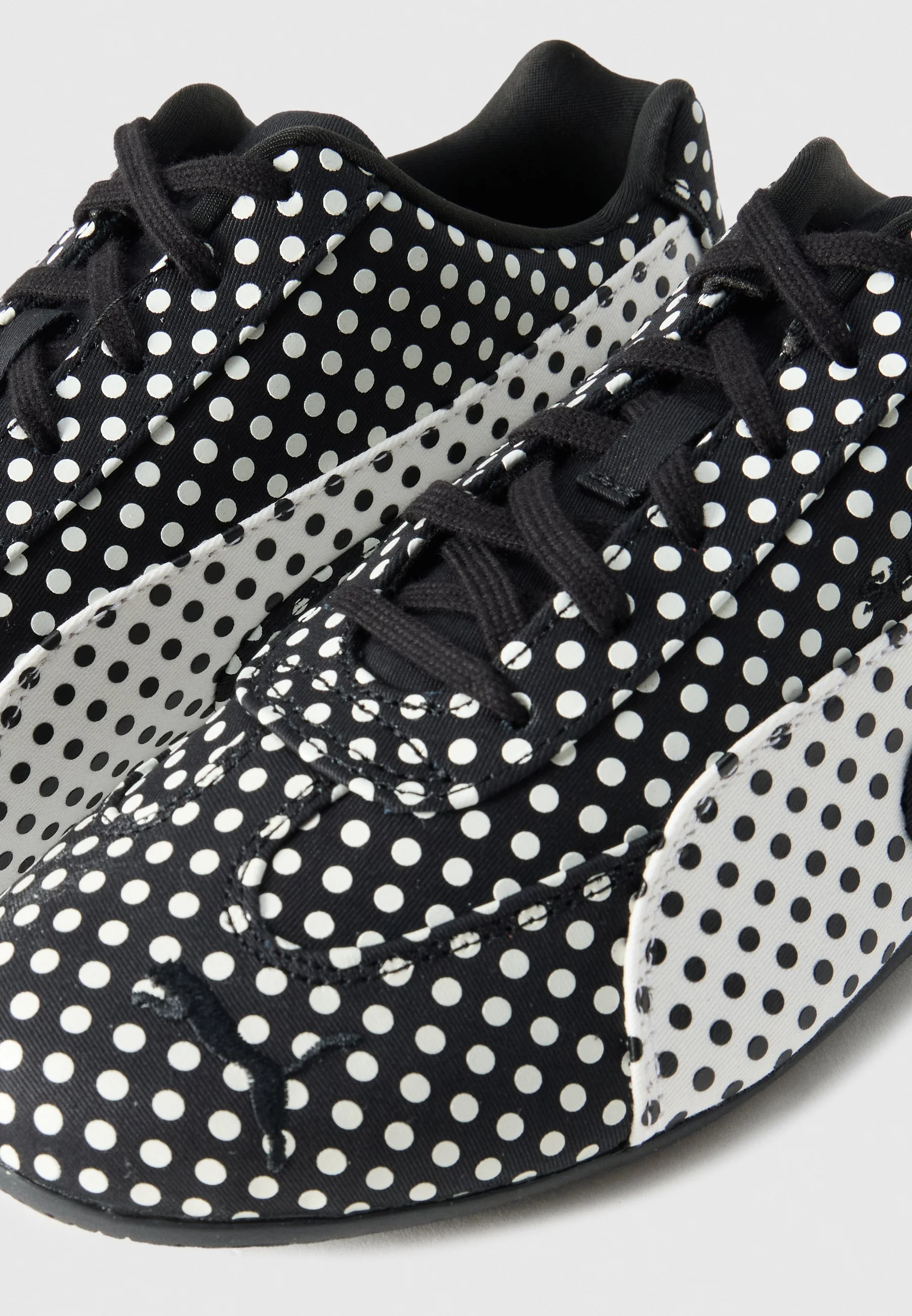
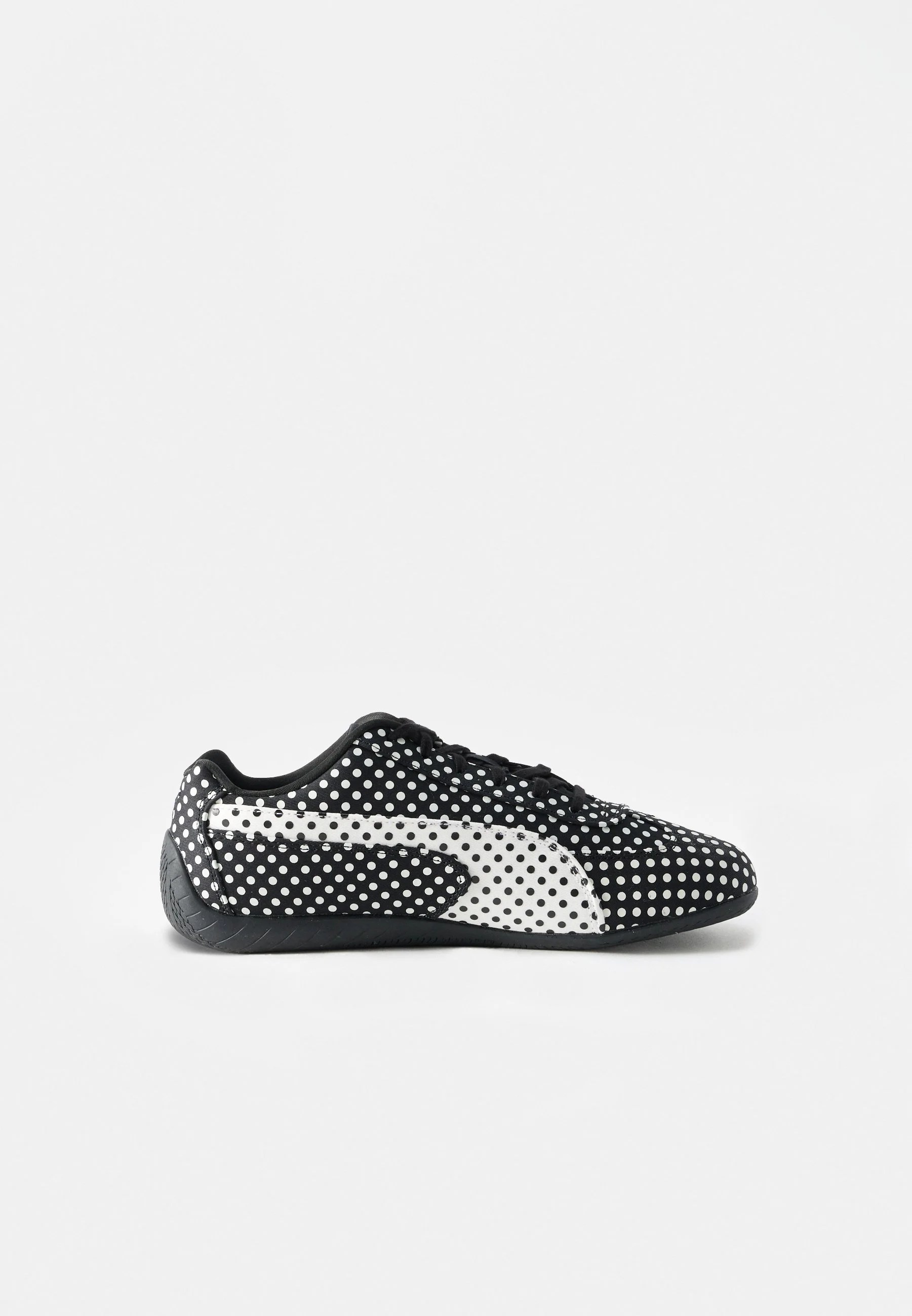
ZALANDO’S EXCLUSIVE PUMA X SUPER YAYA SPEEDCAT IS A TENDER PLAY ON CONTRASTS
words and interview by FRANCESCO PIZZUTI
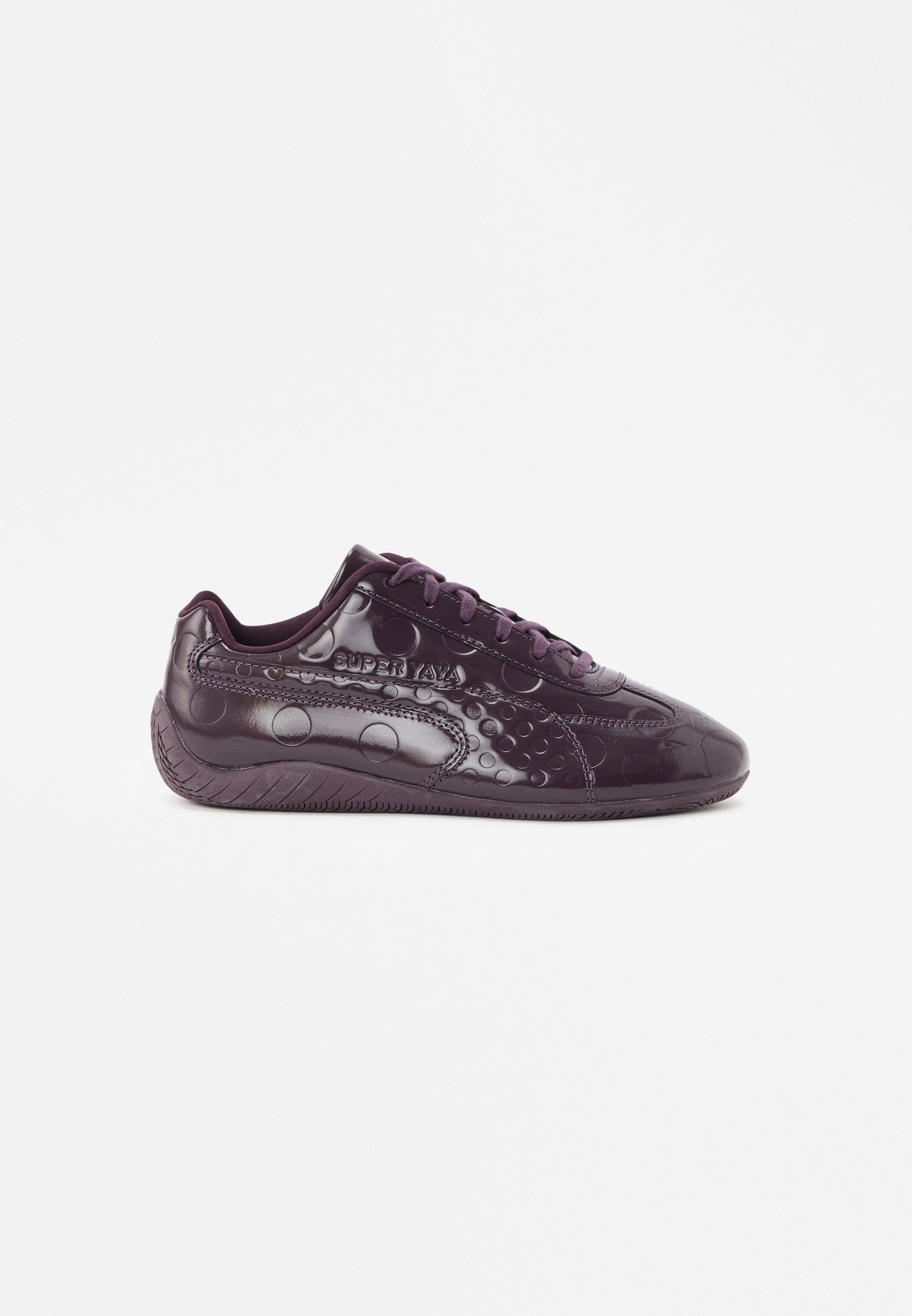
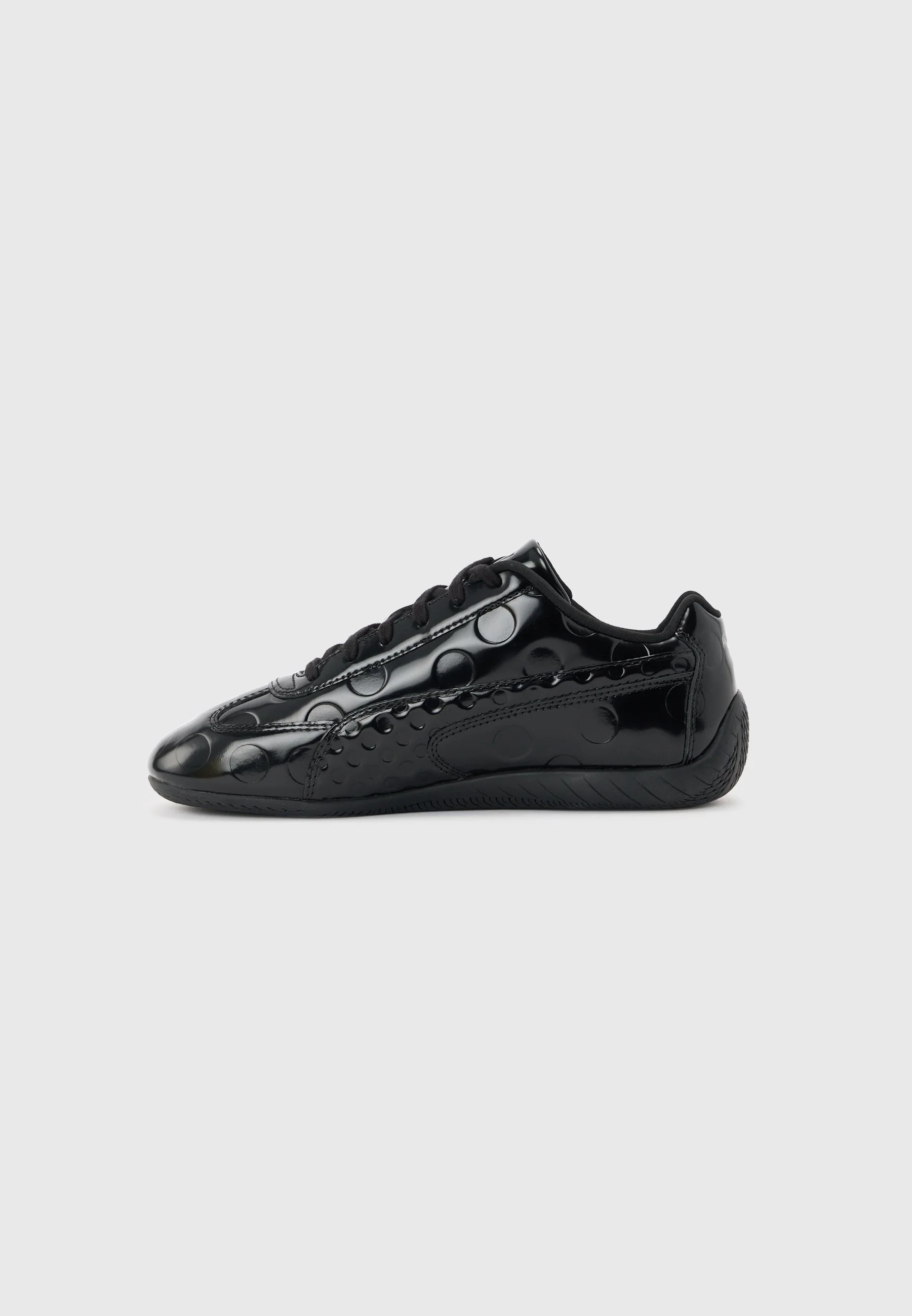
Of Lebanese origins and raised in Côte d’Ivoire, Rym Beydoun is the designer behind the women's wear brand Super Yaya and now the creative mind behind the brand’s collaboration with PUMA. This inspired collusion, brought together by Zalando, reimagined the iconic PUMA Speedcat, one of the most enduring silhouettes in sneaker land. Launching April 16, 2026, exclusively on Zalando, the Beydoun’s reimagination of the Speedcat is a beautiful study in contrast, movement, and cultural memory. We talked to the designer about her creative approach to such a significant collaboration, gaining insight into everything from more technical decisions to broader aesthetic and conceptual choices.

all images courtesy of PUMA and SUPER YAYA
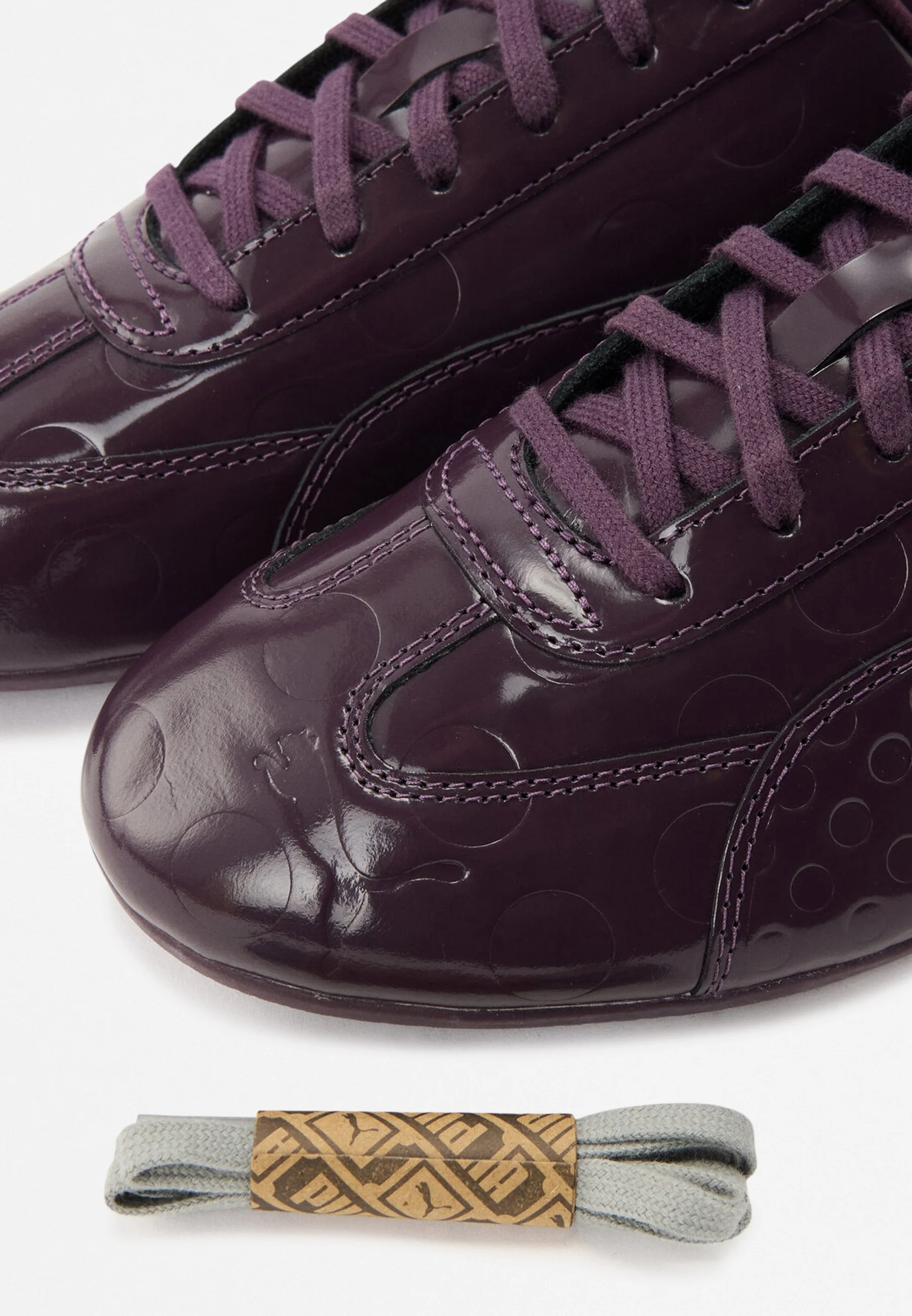
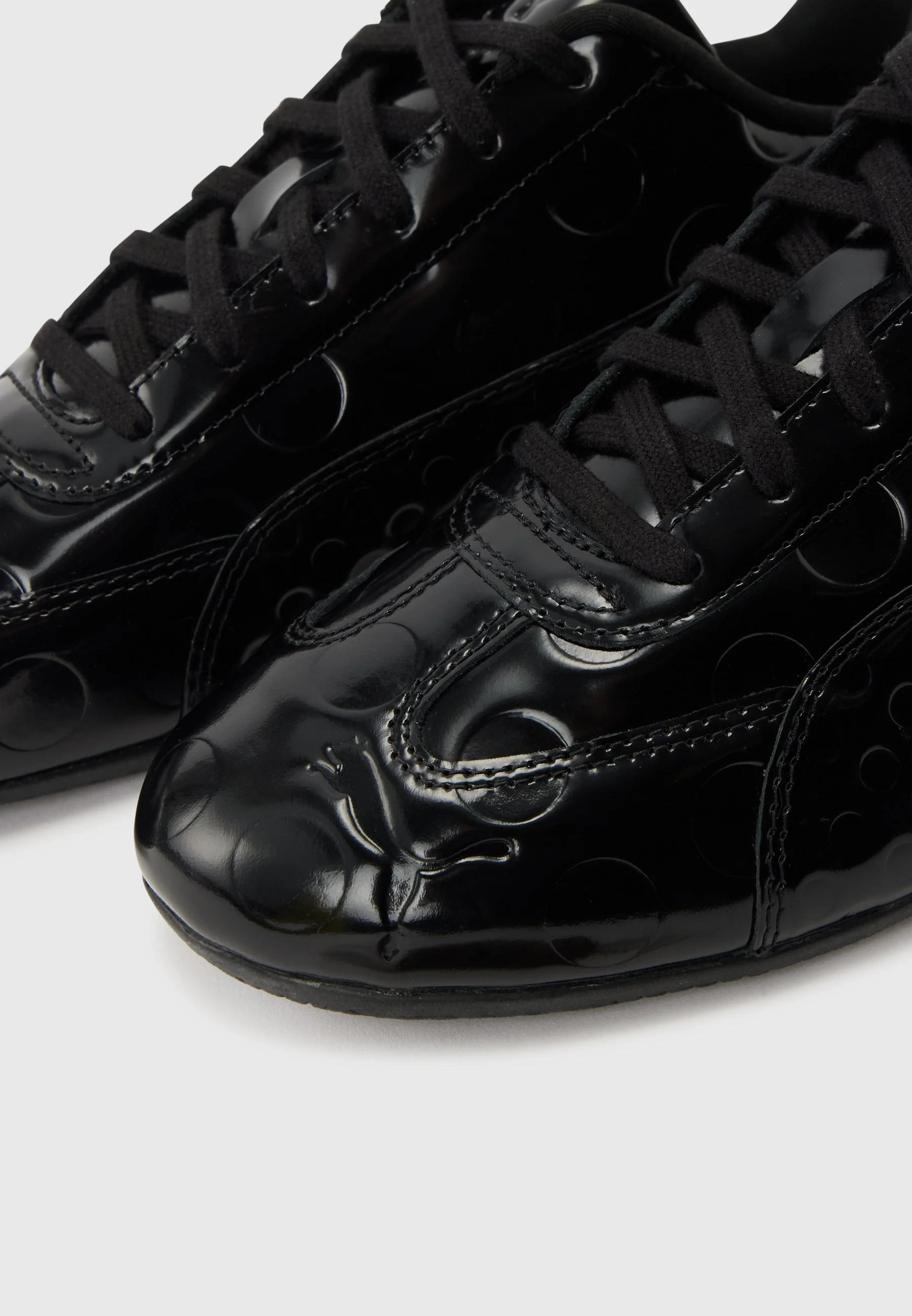
For Beydoun, the starting point was not reinvention for its own sake, but thoughtful alteration. “The placement of the logo at the front was definitely not going anywhere”, she explains. “It’s something very representative of the Speedcat itself”. The identity had to stay intact: “We made no changes to the core style… it was all just a material rework”. In place of the expected suede, she introduced a shift in texture; “a way to take it somewhere else without touching the other elements”.
This careful balance between preservation and reinterpretation extends across the entire project, with the collaboration drawing on West African cultural heritage and the movement and gesture of Mudra Afrique. Yet, as Beydoun notes, the initial impulse was strikingly pragmatic and pointed towards versatility, resulting in a silhouette that moves fluidly between contexts, “comfortable because it’s a sneaker, but still quite elevated as a shoe.”
Movement, here, is not athletic in the conventional, rougher sense. Instead, it borrows from softer registers: “It was closer to dance, to Pilates… rather than something very sportswear-driven”. This shift reframes the Speedcat as an extension of the body in motion, expressive and adaptable.
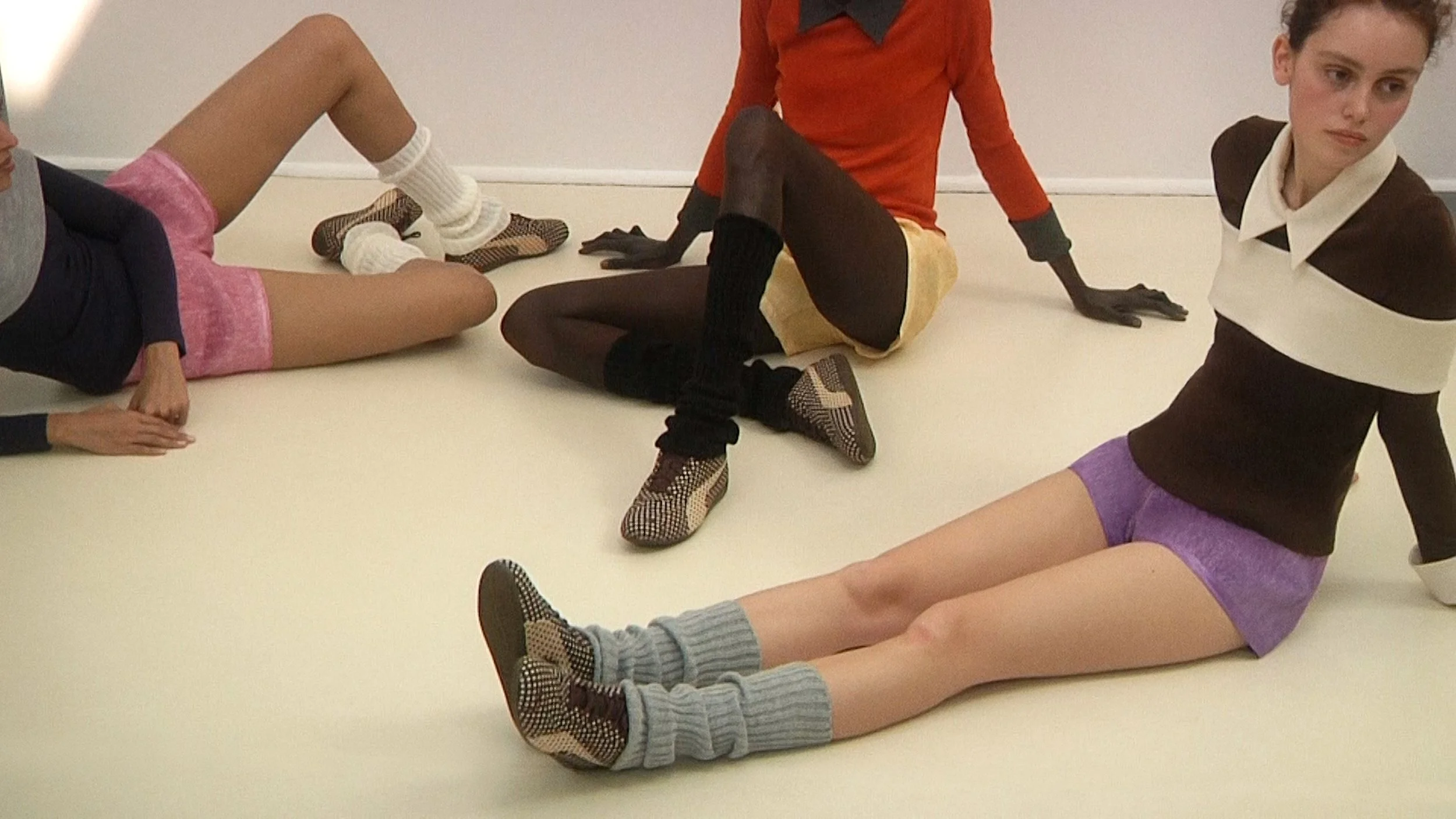
The collaboration unfolds in two chapters. The first, a canvas iteration, emphasises this sense of ease and gesture. The second — rendered in patent leather — delivers a heightened, almost formal dimension. “When I was conceiving the shoe, I was thinking of a mannish suit”, Beydoun says. “I like to look good, but I still want to feel comfortable”. In this sense, Beydoun deliberately challenges established dress codes: “If you’re going to work and don’t necessarily want to wear a traditional dress shoe, this becomes an alternative”.
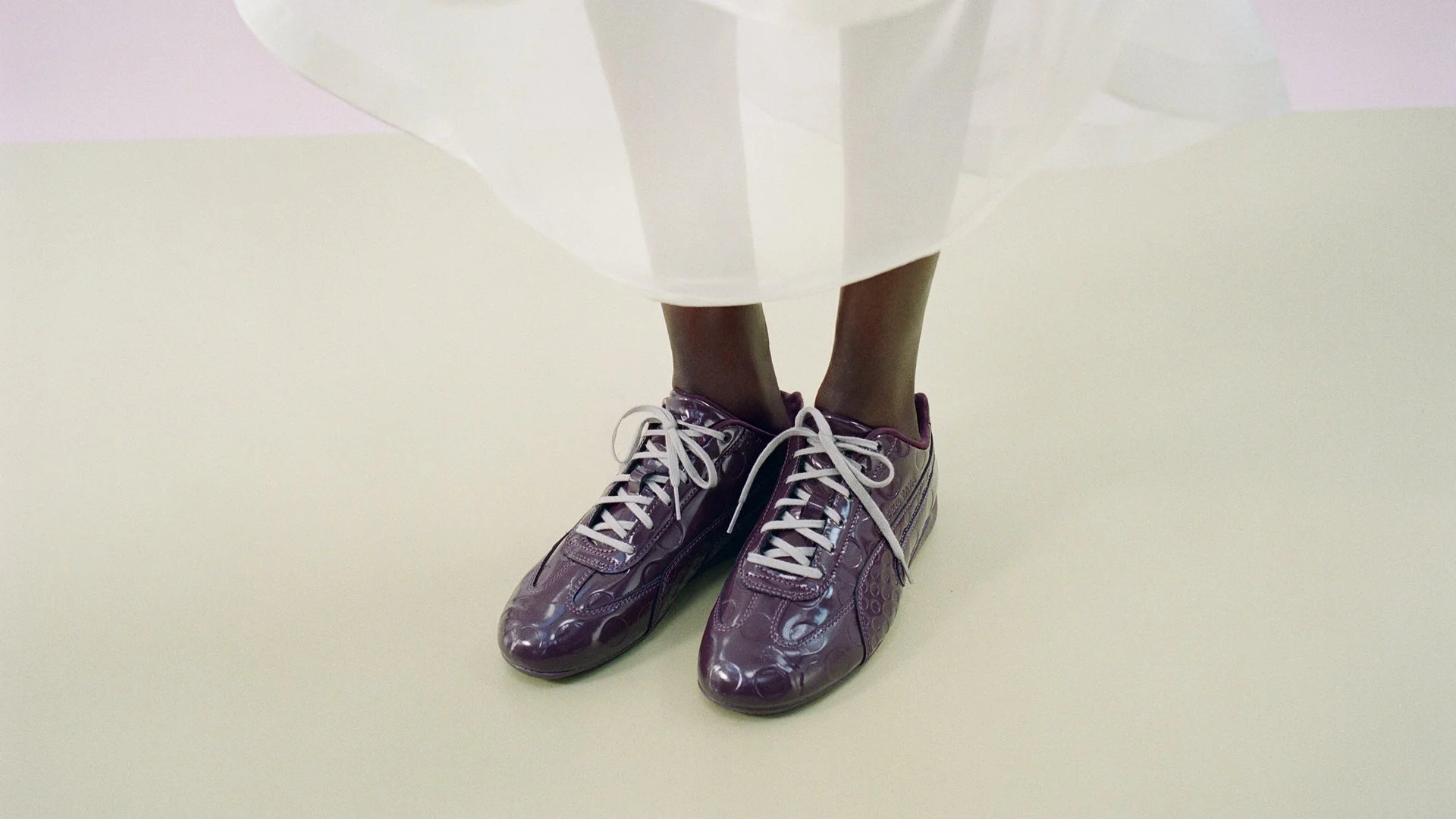

This tension between relaxed and formal, day and night, sits at the heart of the design. “I wanted the shoe to exist between contrasts”, Beydoun reflects. Sporty and chic, classic and bold, corporate and playful. It’s a tension she sees as reflective of a wider societal moment: “We live in a time where you’re constantly in motion… so there’s something about embodying both day and night that felt important”.
That fluidity extends to questions of gender. When it comes to sustaining traditional distinctions, Beydoun in fact embraces ambiguity. “Today, everything is quite blended, the codes are blurred. I didn’t want it to be immediately clear; this is men’s, this is women’s”. Instead, the design moves toward a shared space, “I would actually like men to buy this as well… it was about keeping it as uniform as possible”, she clarifies.

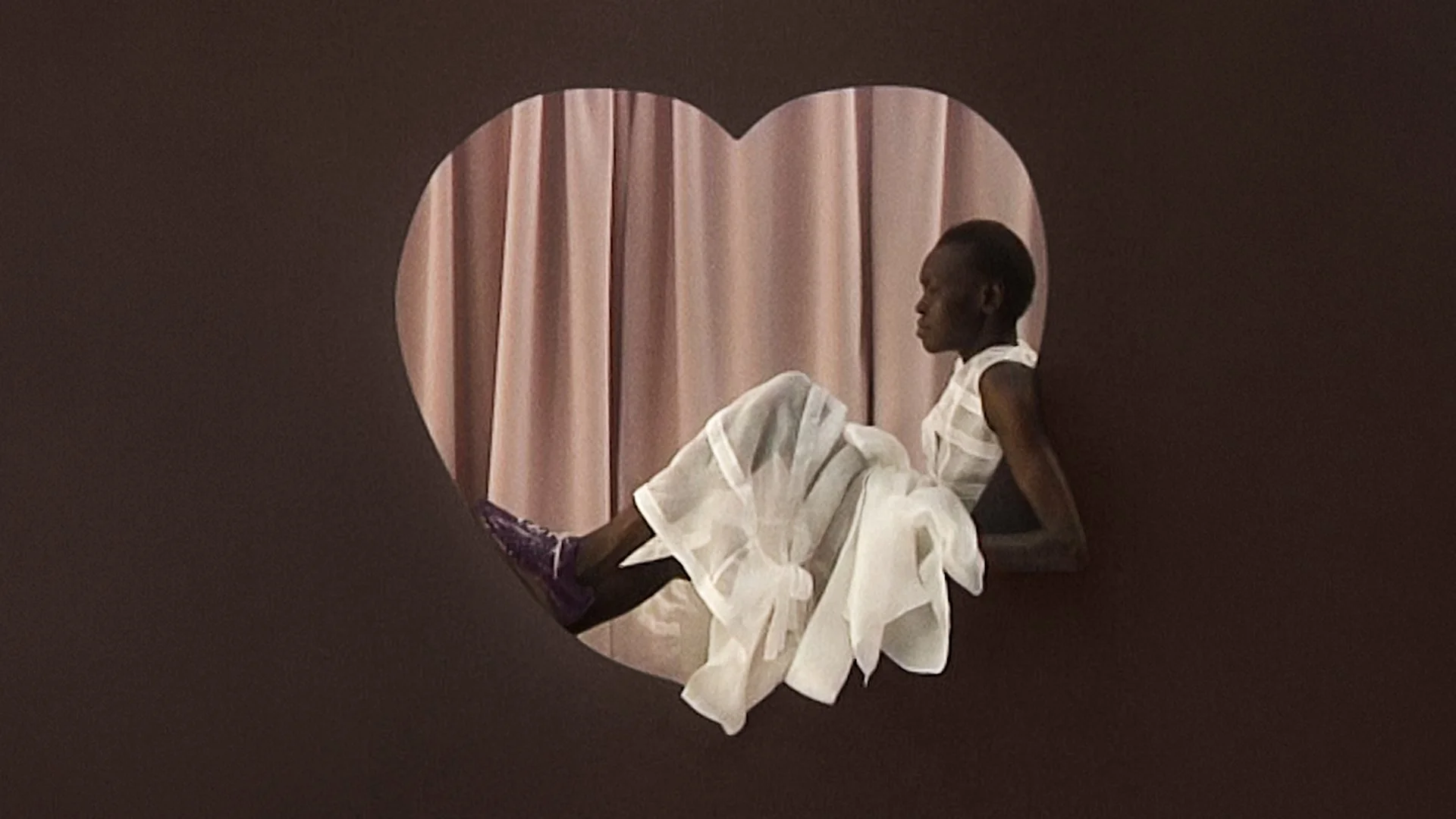
The campaign, fronted by Alek Wek, was also essential to convey Beydoun’s artistic integrity. Initially presented with more conventional casting options, Beydoun pushed for something different. “I said, if you’re asking me, I would suggest someone like Alek Wek”, she recalls. “I didn’t expect them to come back the next day, saying she was confirmed”. For Beydoun, Wek represents both icon and counterpoint: “I liked that she wasn’t very young… it felt important to have a woman with that kind of presence”.
If the collaboration constitutes Super Yaya’s first step toward a larger audience, it does so without compromise. The process, Beydoun notes, was meticulous: “I asked for so many rounds of samples… we were still changing things like eyelets at the very end.” Supported by PUMA’s flexibility, the result is, in her words, “subtle, but very intricate.”
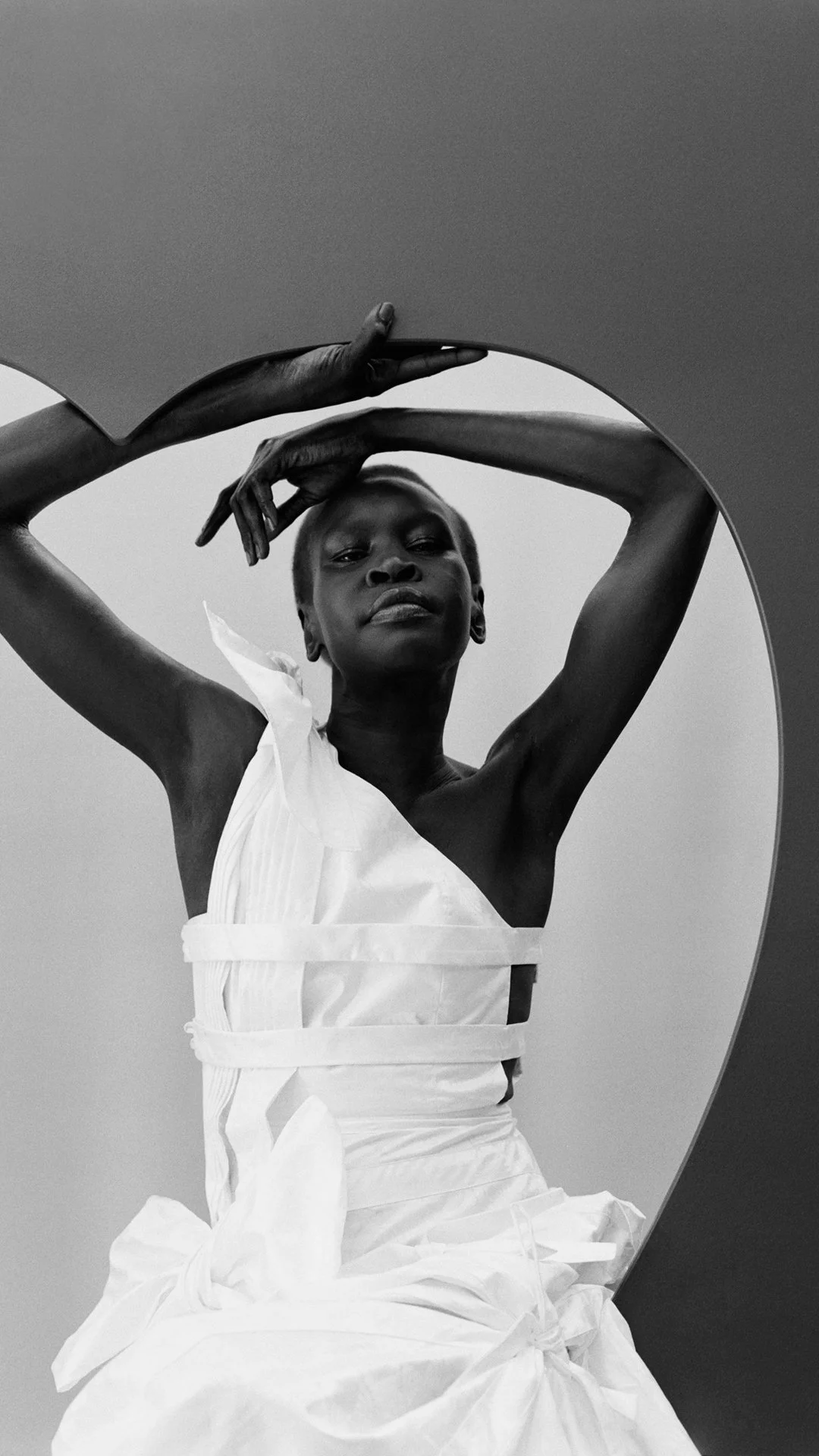
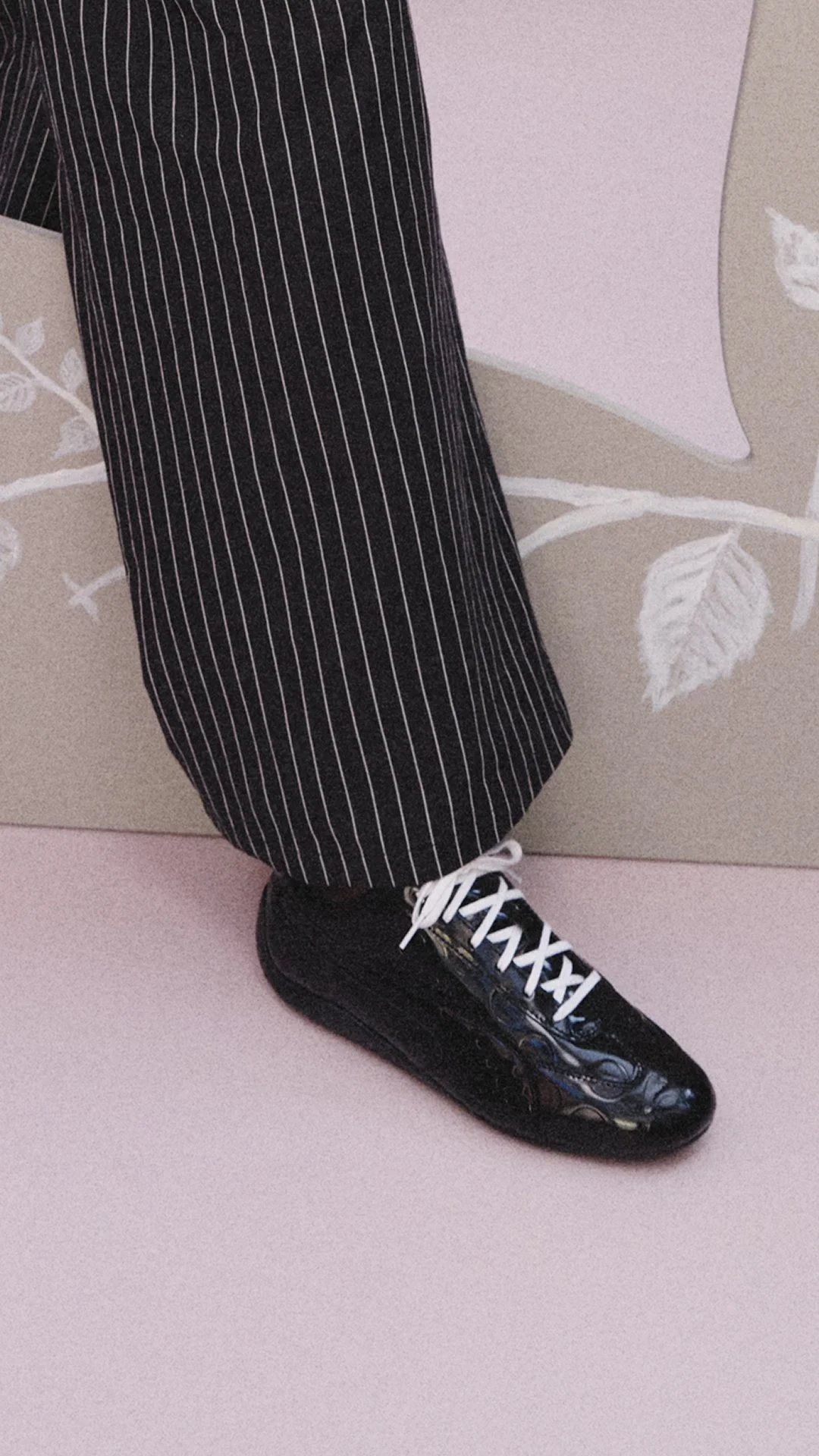
Beyond looks, the designer says: “I want people to feel elevated, even though they’re wearing trainers; That they can wear them to work, or to dinner, and still carry themselves in a certain way”. There is, too, a quiet subversion embedded in the design: “I like that it’s a bit misleading, that it doesn’t immediately look like what it is.”
In that space between expectation and perception, the Speedcat finds its newest form.