
IN CONVERSATION WITH JEAN CAMPBELL
interview by LEANDRO DA SILVA
British model JEAN CAMPBELL has spent more than a decade in fashion, moving between the worlds of image and identity, and learning to look beyond what is visible. What began in front of the camera has grown into a deeper exploration of the experiences we carry beneath the surface. Today, through her podcast, I’m Fine, she gives space to stories of pain, vulnerability and resilience, including her own.
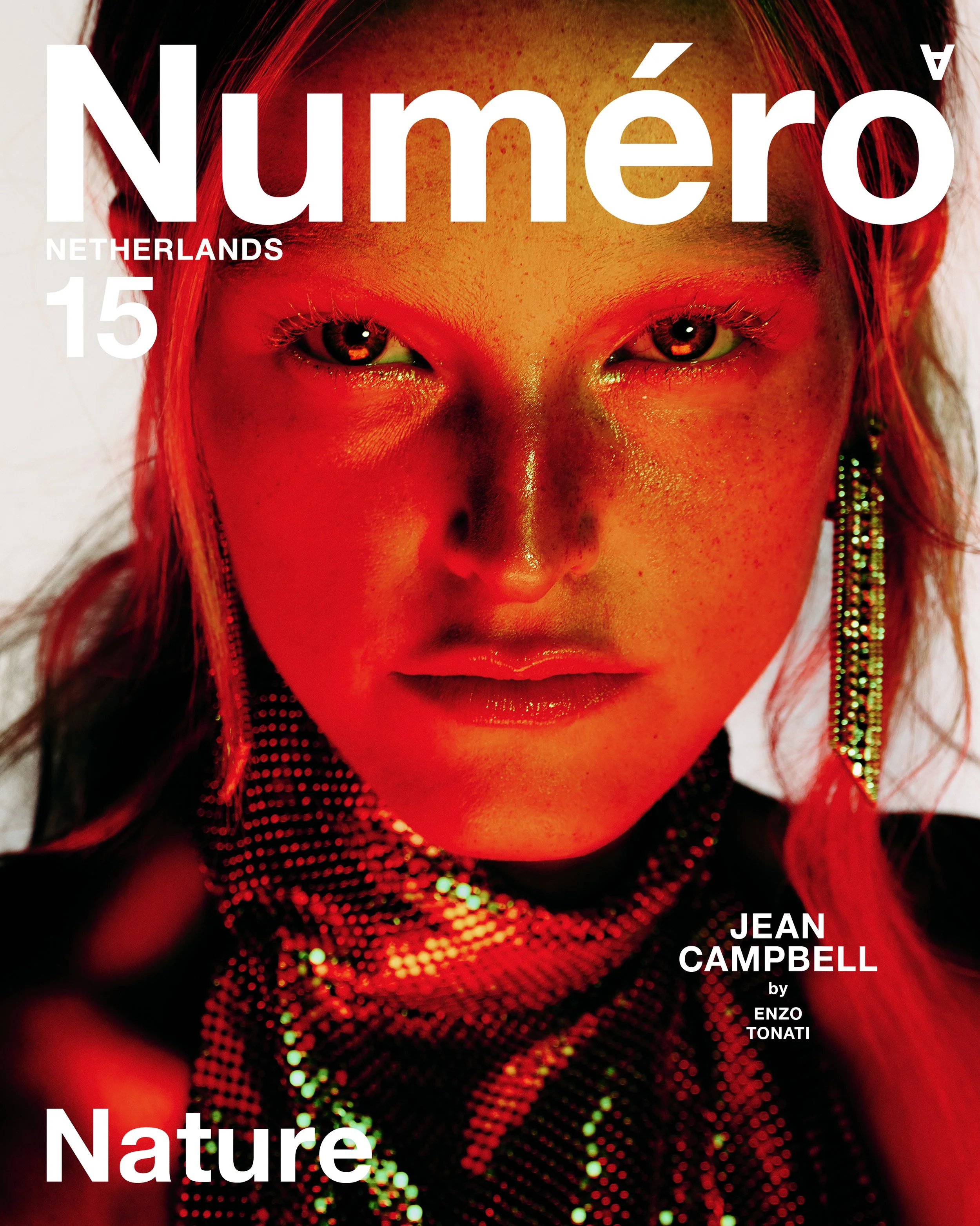
top STELLA MCCARTNEY
earrings BOUCHERON
You’ve spent more than a decade at the top of the fashion industry. Looking back, what has surprised you most about the woman you’ve become?
I started modelling when I was around 15 or 16, and I felt very grown up. Looking back, I realise I had no idea what I was doing. Growing up in this industry taught me a lot about self-worth and confidence, especially that those things have to exist regardless of how you are perceived at work. Modelling can be very focused on how you look, so it has been important for me to recognise that being a woman is about so much more than appearance.
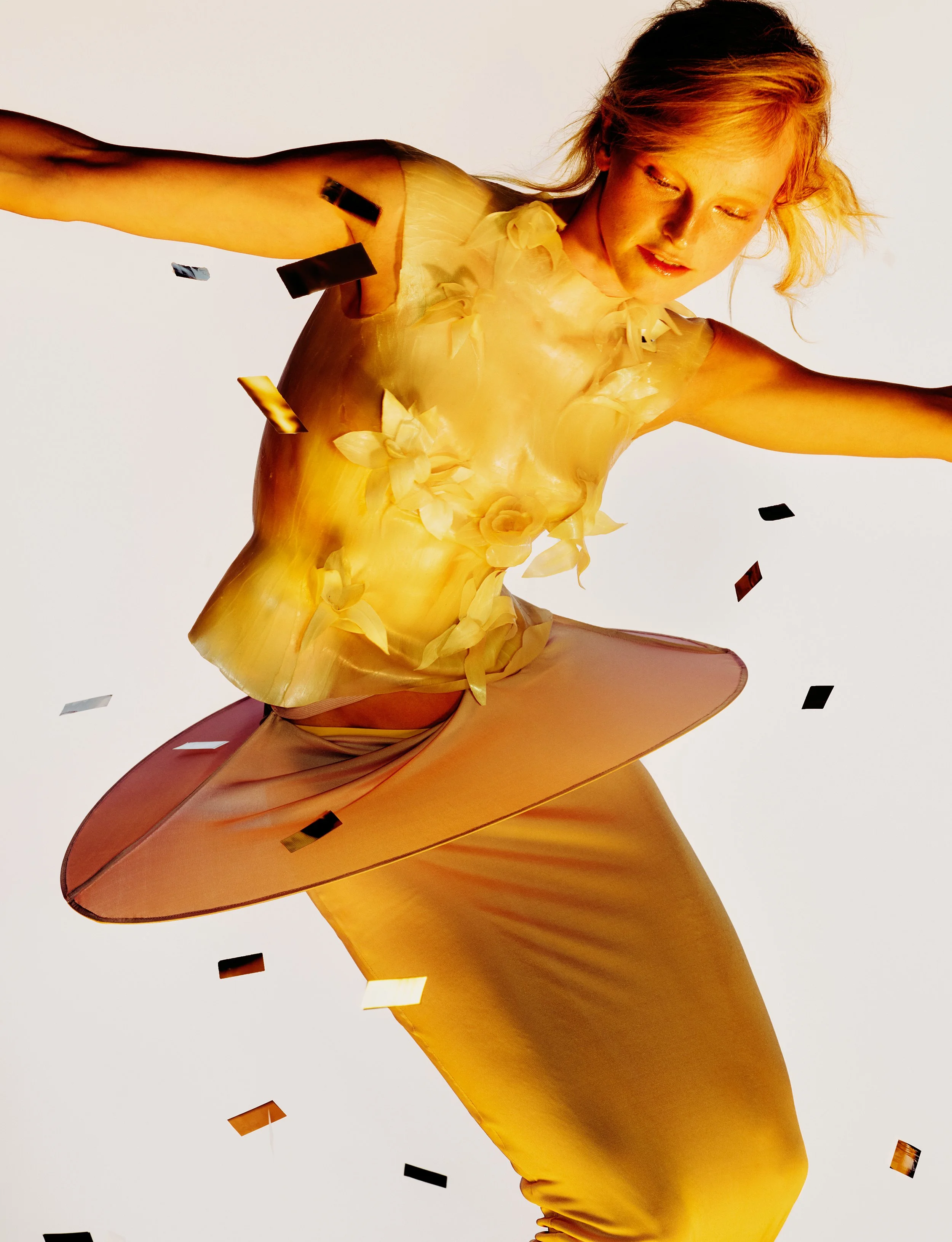
top LAMARCHE LAB
skirt JISOO BAIK
You entered the industry at such a young age. Is there anything you wish someone had told you before you started?
The schedule can be incredibly unpredictable. You fly from one place to another and don’t really own your own time, so I wish I had understood how important it is to make the most of the little moments. Be curious about what interests you, feed those interests, learn and have fun. You can build a career while making space for things that make you feel like yourself.
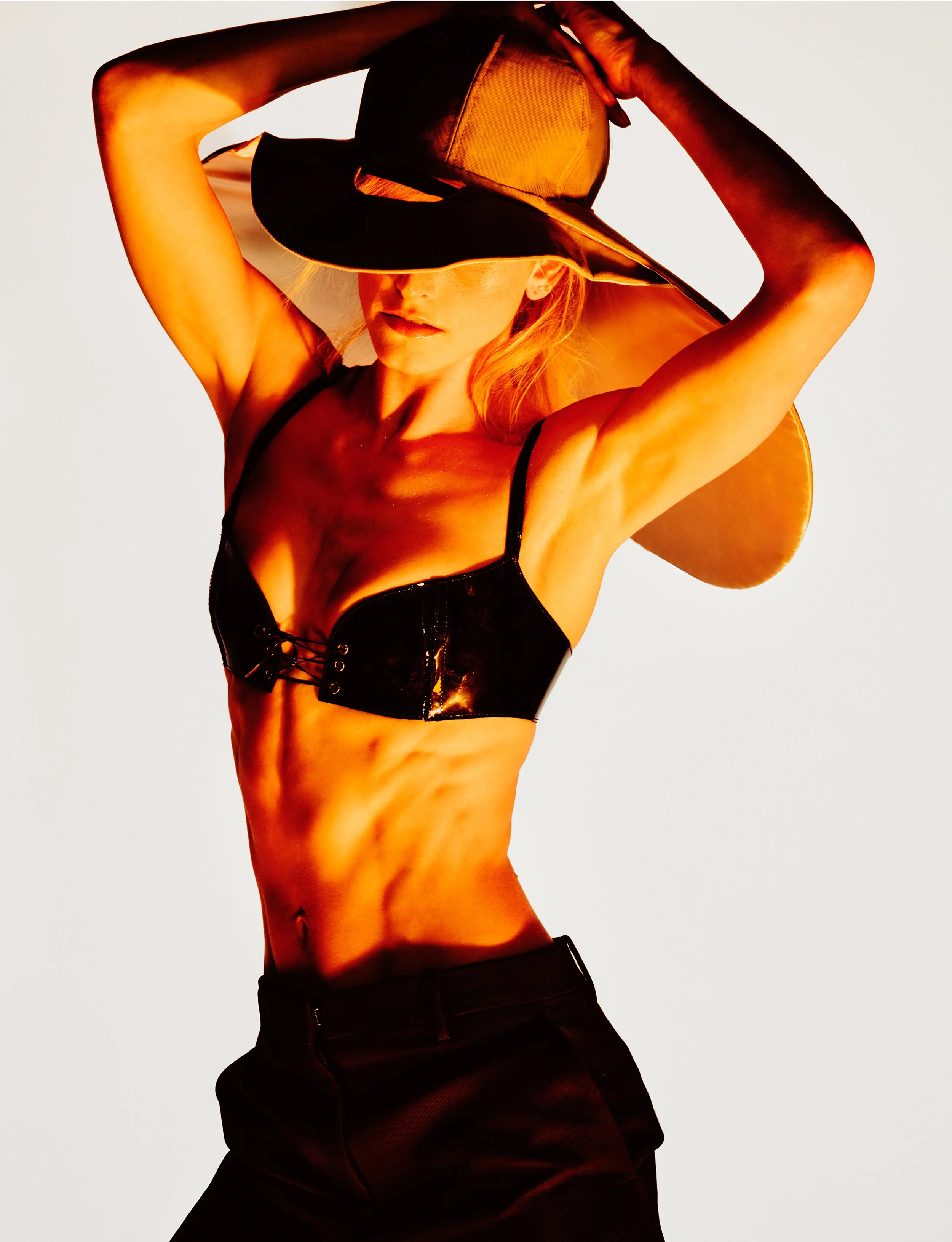
hat ORIANE BELENFANT
bra LUDOVIC DE SAINT SERNIN
trousers TOM FORD
Your career was built on an image of strength and perfection, while privately you were navigating chronic pain. What made you decide it was finally time to let people see the other side of your story?
I had five major surgeries as a teenager, and I didn’t know how to handle what was happening physically or psychologically. I felt lucky to have opportunities in the fashion industry, but I didn’t want people to see behind the scenes because I didn’t feel in control. Only when I found ways of managing my pain and started to feel better did I feel comfortable sharing that part of my life. It could be very lonely, and I often felt there was nobody to speak to or look to. I wanted to share stories of hope, break that isolation and offer information from experts who could help.
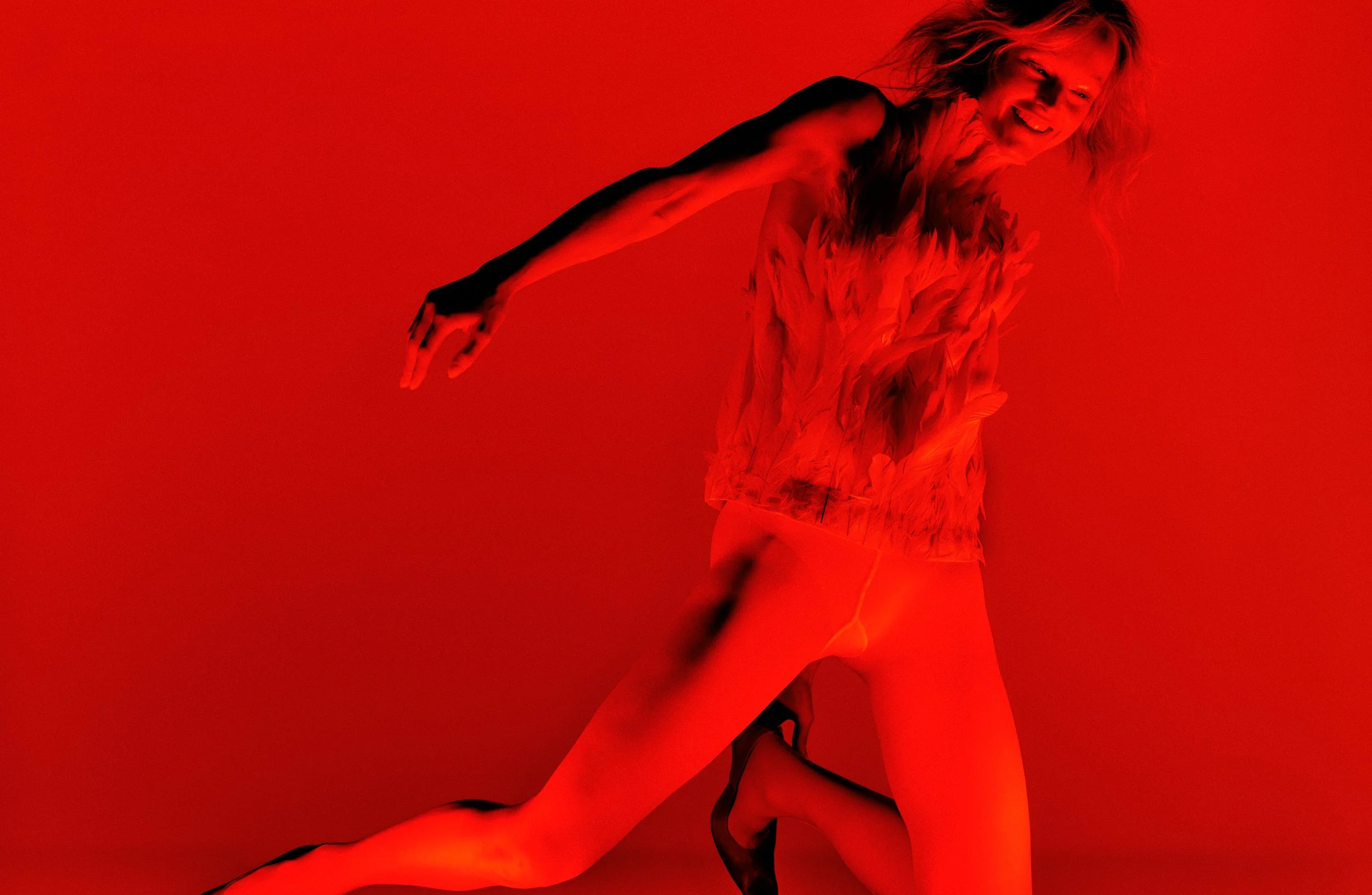
top EGONLAB
earrings BOUCHERON
tights FALKE
heels GUCCI
At one point, you chose to step away from further invasive treatments and embrace practices like meditation, low-impact movement and acceptance instead. How did that decision transform not only your relationship with pain but also your relationship with yourself?
I started meditation, low-impact exercise and journaling because I felt I had no other option. I was desperate and prepared to try anything. Then I saw how these small things could positively affect my life and my pain. Building strength became a defence against pain and a foundation for everything else. It expanded my window of tolerance and helped me reconnect with myself. I became more able to have faith and connect with other people.
I’m grateful for the experiences I’ve had, because they’ve led me to incredible people through the podcast and my work. Even conversations in the make-up chair can teach you about another person’s life and expand your capacity to look at your own.
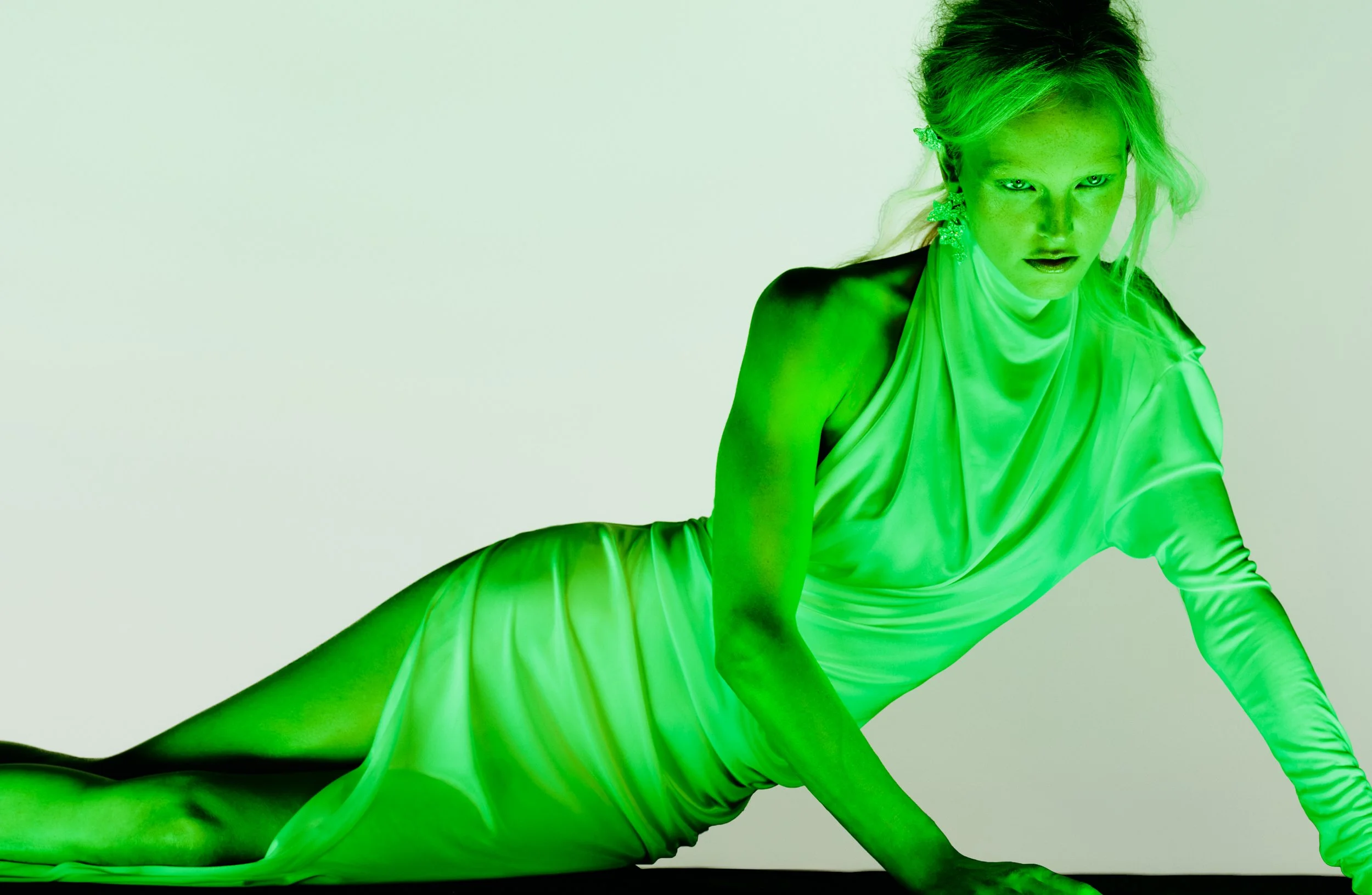
dress GUCCI
earrings HIGH JEWELLERY COLLECTION BOUCHERON
Your podcast, I’m Fine, has opened up honest conversations around pain, healing and vulnerability. What inspired you to create it, and what did you feel was missing from the conversation?
I wanted to create something for millions living with chronic pain or difficult situations. I’m not a doctor, but I thought my experience could be valuable because other people’s stories had helped me. Pain can be mental, physical or both, and everyone experiences it. I wanted to create community, connection, solutions and guidance. Pain is still something we can find difficult or uncomfortable to talk about, and I wanted to make the kind of thing I would have liked to have had. I’m a listener and learner too. It’s a privilege to speak to guests and hear what listeners take from the podcast.
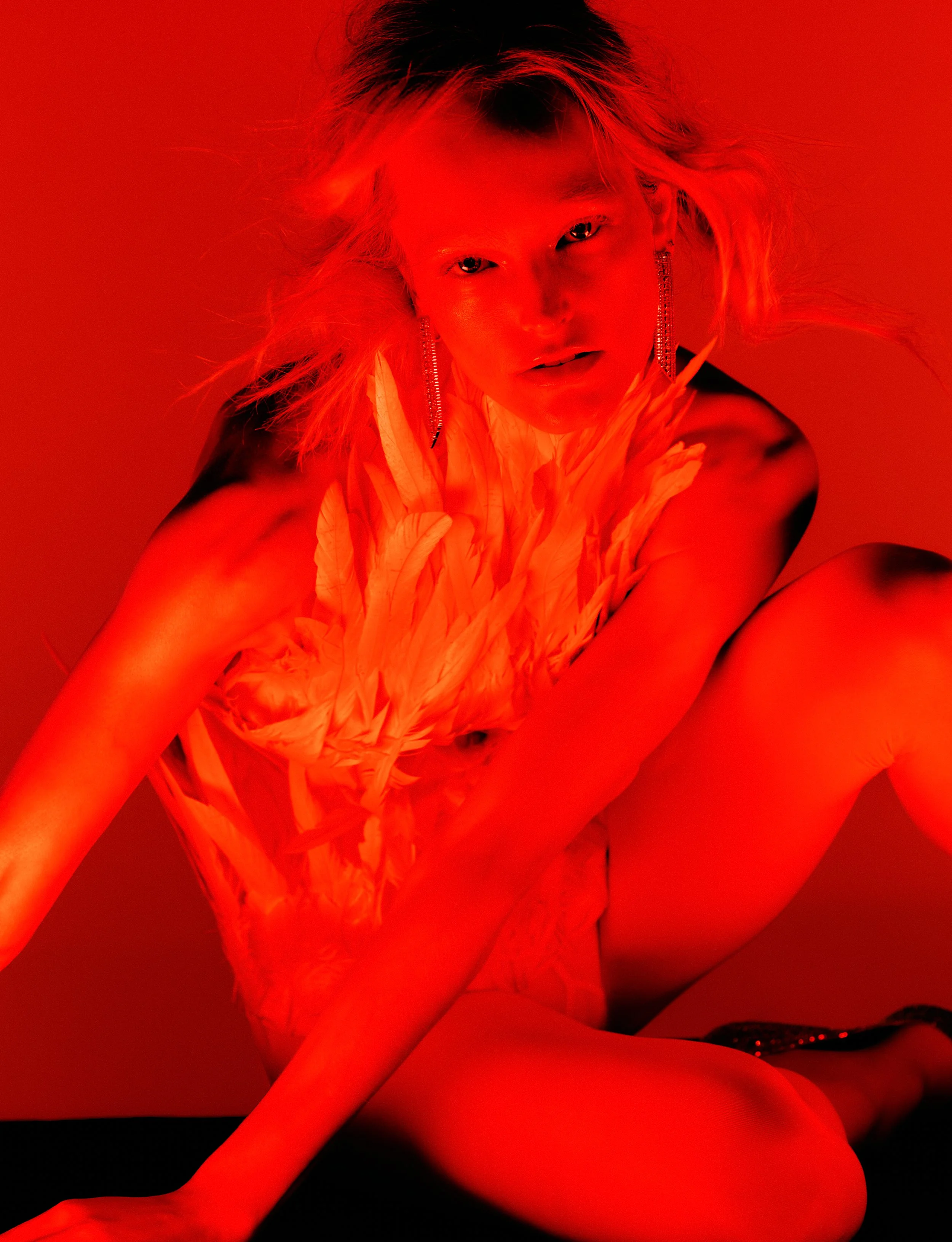
Since launching your podcast, you’ve sat down with people from incredibly different backgrounds and experiences. Has there been one conversation that challenged your perspective or stayed with you long after the microphones were off?
It’s hard to choose because every conversation stays with me. There are different stories, but also many similarities. What happens behind closed doors can differ completely from what people see outside. NIKKI LILLY really stayed with me because of the way she spoke from a place of total love. MO BRINGS PLENTY had a profound worldview shaped by pain, anguish and hurt, and spoke about turning darkness into light for yourself and others.
EDWARD ENNINFUL was another special conversation. Hearing how he imagines and visualises because of his eye condition made me think about how a challenge can become a source of creativity and depth. Having someone I had worked with on the other side of the camera as a guest was an honour.
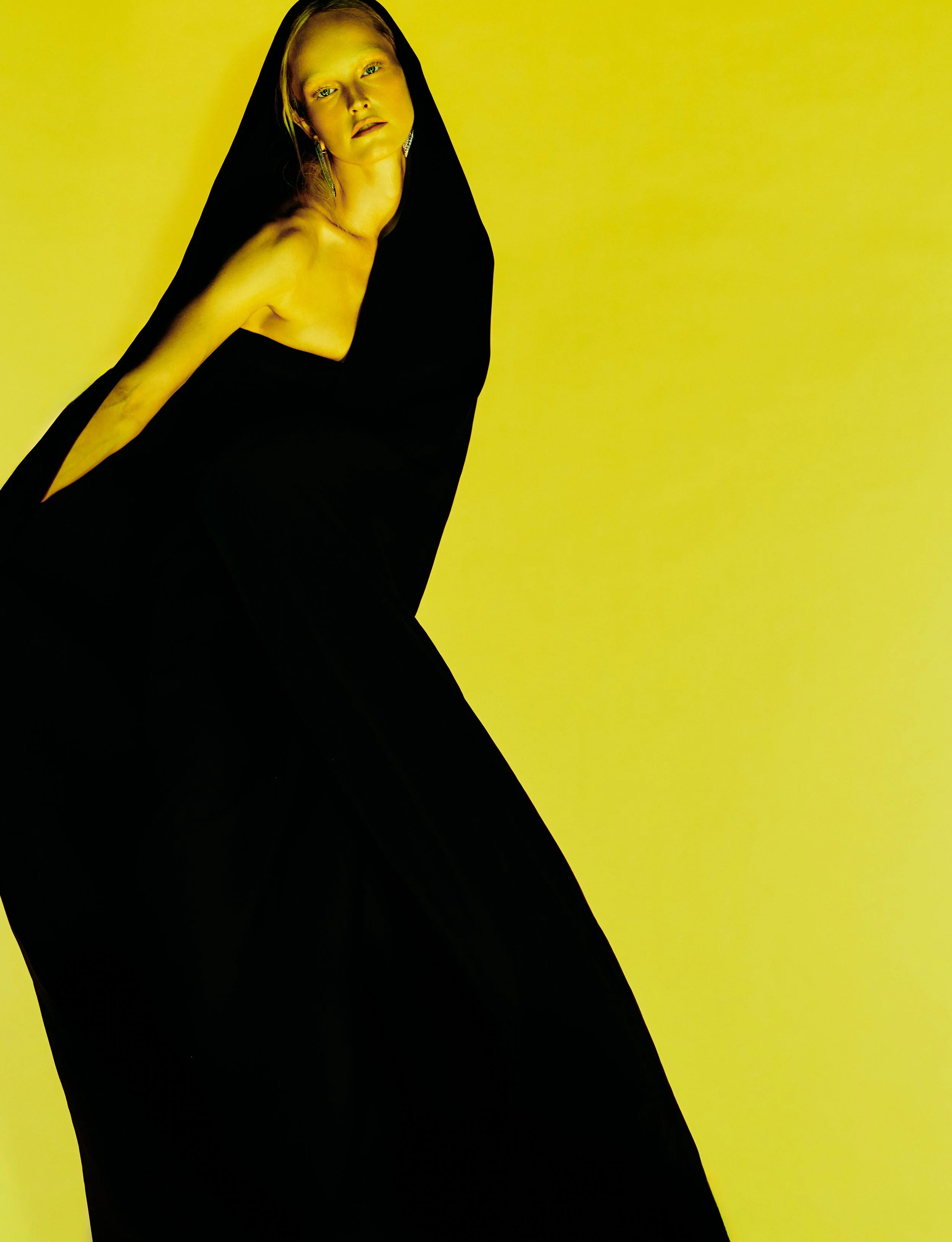
full look BALENCIAGA
earrings BOUCHERON
Do you feel the fashion industry is becoming more open to conversations around vulnerability and invisible mental disabilities, or is there still a long way to go?
Yes. Both are true. Fashion has been built around dreams, aspirations and fantasy, and that can make it difficult to show what is happening underneath. I felt a sense of shame about my situation and didn’t feel attractive, so openness was a difficult first step. If you don’t speak, you can remain neutral and likeable because you aren’t giving people a reason to form an opinion.
Once you use your voice, people may connect or they may not. But using your voice can create deeper connections. Being open about my experience has brought me closer to people I had worked with for years. Now, when I’m backstage during fashion week, people sometimes approach me and share their own experiences with pain. There is always room for more openness and support, but I appreciate people encouraging that change.
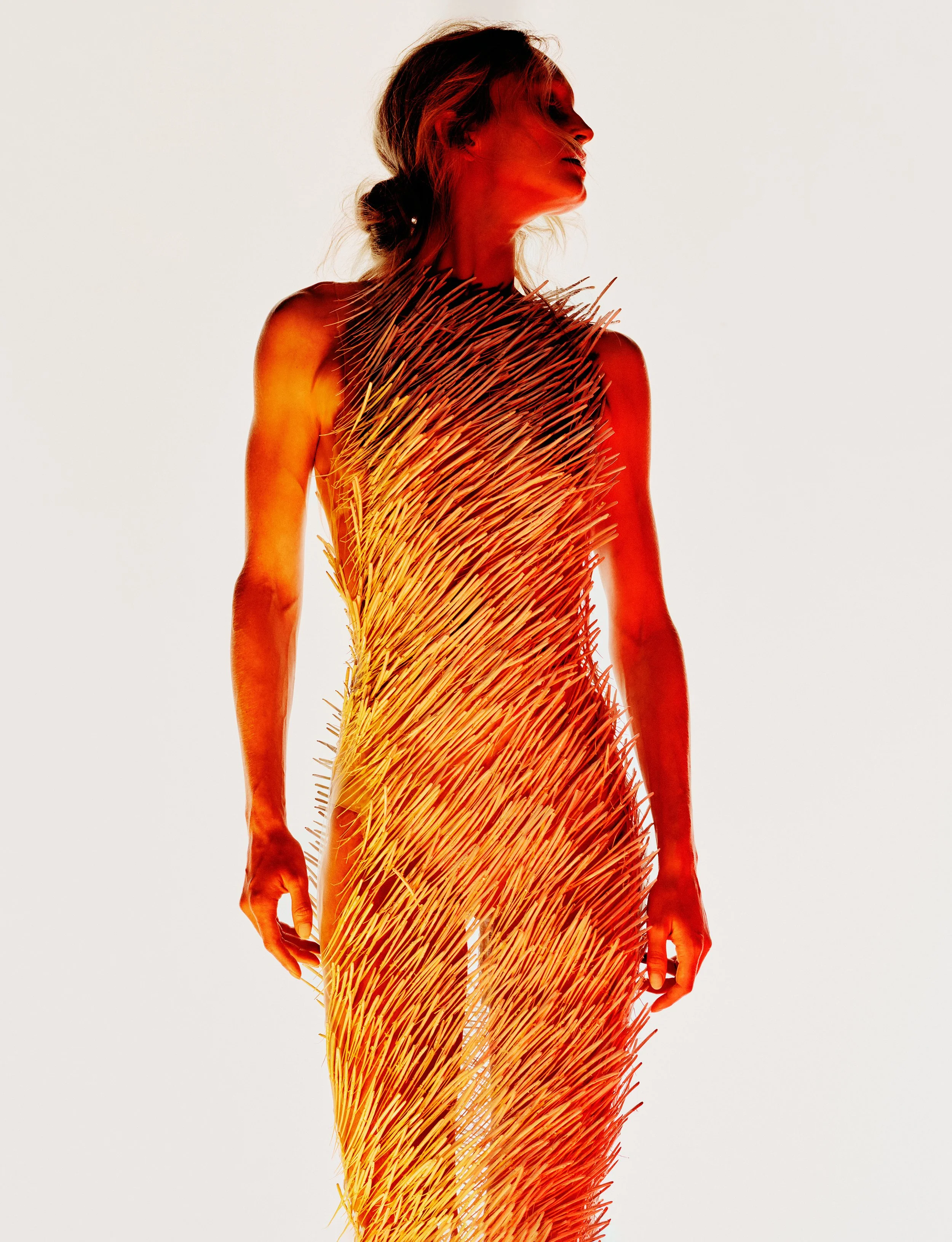
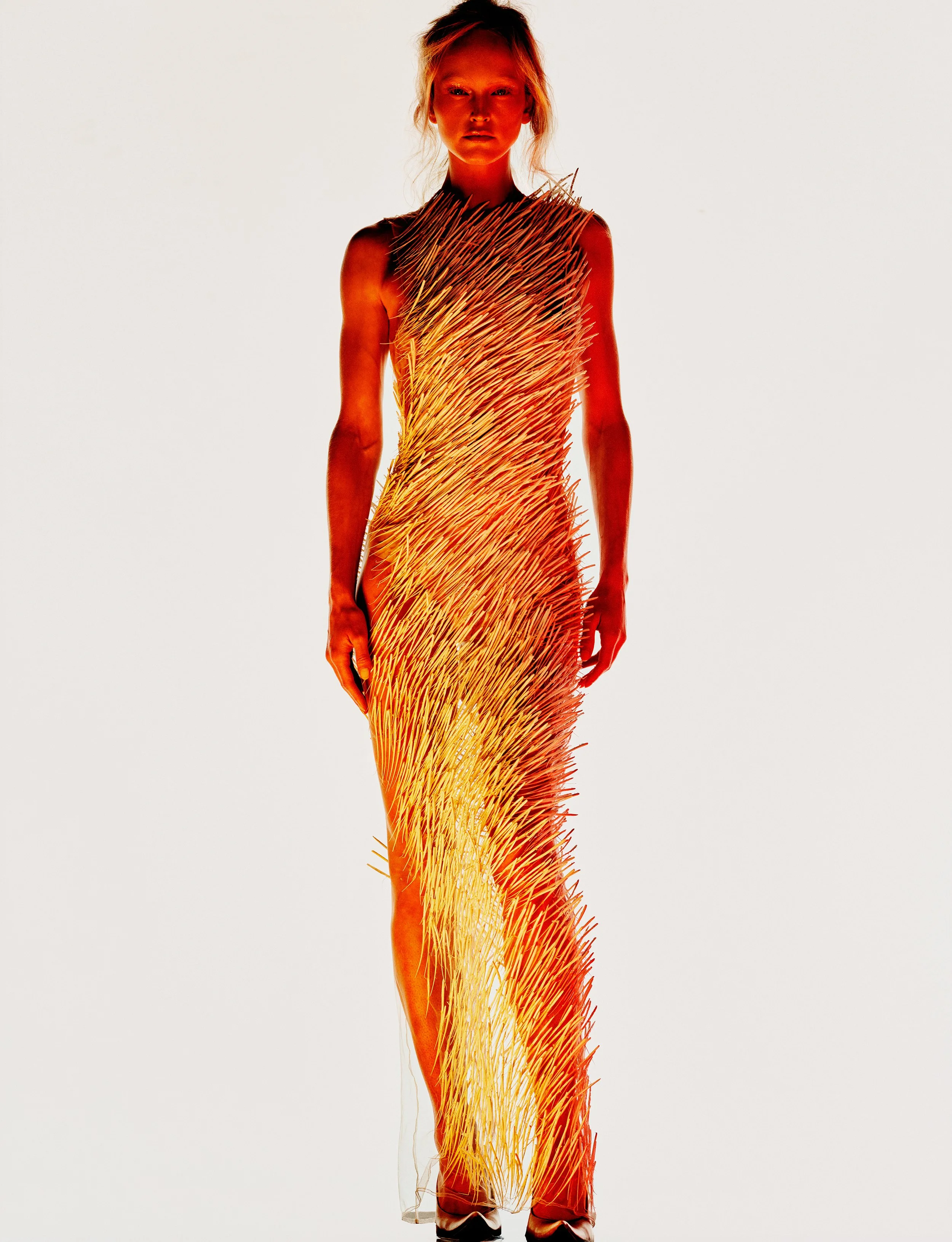
dress ROSALIE BERNARD
shoes ACNE STUDIOS
In an industry that’s constantly asking for more, how do you protect your inner world?
It comes down to manageability. Fashion can be difficult to manage because of travel, crazy schedules, day and night changes, and especially fashion week. During fashion week, there is less time for yourself, and there are difficult periods in personal and professional life, including losing someone.
I maintain little things that make me feel better and create routine within the chaos. When I was younger, I didn’t do that because I didn’t know how. Now, when I travel, I might do yoga, walk after work, explore the town or eat somewhere in the city rather than alone in a hotel. Small choices make a big difference. What I do before and after work helps me show up fully.
The theme of this issue is Nature. What does being connected to nature mean to you, and how do you cultivate that connection in your everyday life?
Nature is important to me. I didn’t grow up in a city, so there is something about quietness and expansiveness that feels magical and grounding. I live in London now, and the parks are a different kind of nature, but I take every opportunity to spend time in the woods, at the beach, by a river or in the mountains. Even looking at the sky can make a difference. It gives me peace. Observing and respecting nature feels like respecting life itself.
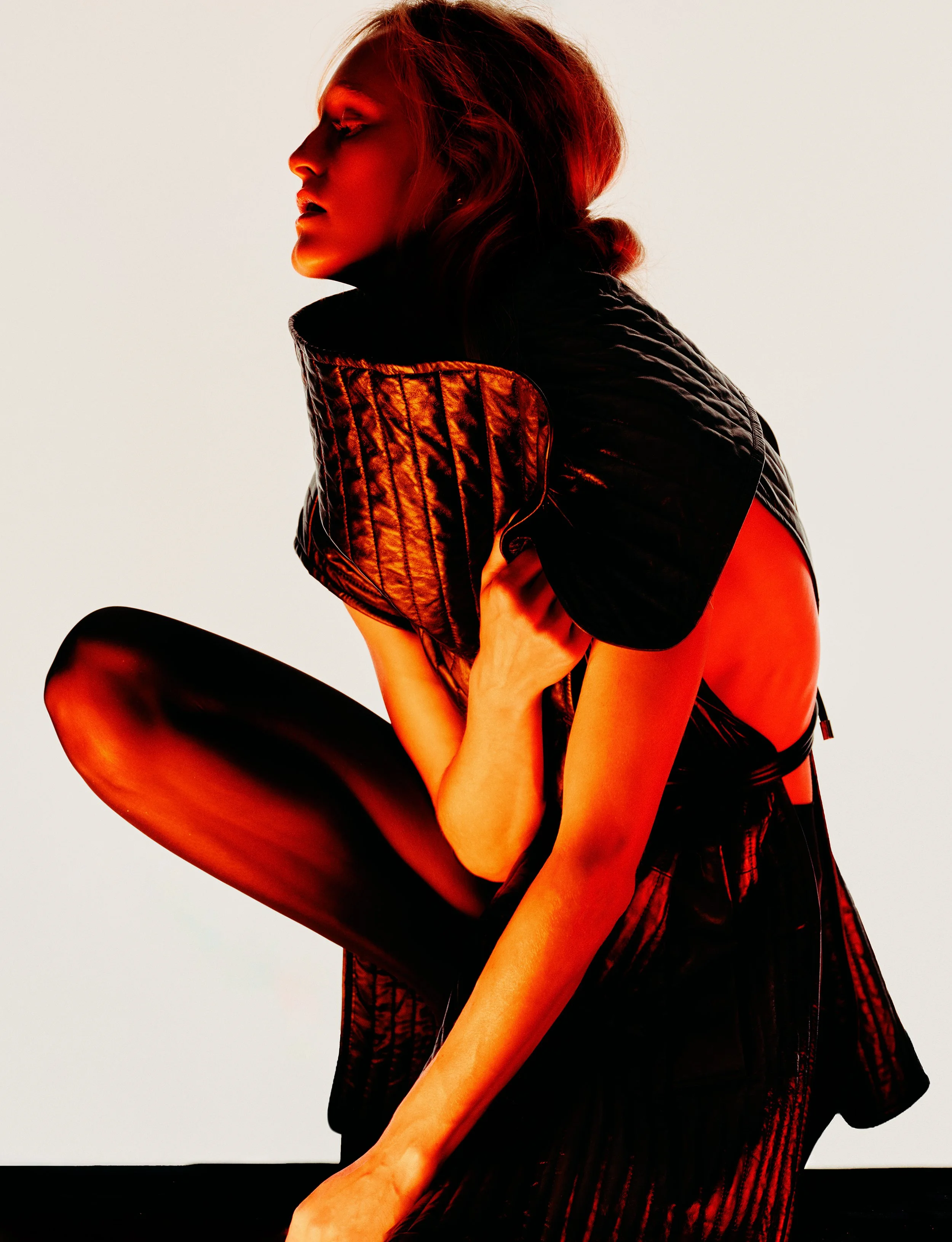
coat and belt SPORTMAX
tights FALKE
shoes SAINT LAURENT BY ANTHONY VACCARELLO
Nature reminds us that everything moves in cycles, growth, rest, change and renewal. Which season of your life do you feel you’re living in today?
Spring is my favourite season because everything is in bloom and there is so much newness. I feel I’m in a spring season of my life too. I’m happy about that.
TEAM CREDITS:
talent JEAN CAMPBELL
photography ENZO TONATI
styling JOANA DACHEVILLE at SAINT GERMAIN AGENCY
hair TSUYOSHI TAMAI
makeup BEN SUN
nails FANNY WONYU
production AUREA PRODUCTIONS
bts videography MAXIME PAU
light assistant FRED BARLET
digital assistant AMÉLIE HASSAN
casting and editor TIMI LETONJA
interview LEANDRO DA SILVA
cover design ARTHUR ROELOFFZEN
