
IN CONVERSATION WITH ZOË STEINER
interview by JANA LETONJA
photography by DAVID SIMON-DAYAN
Melbourne-born actress Zoë Steiner is poised for an interstellar breakout with her international debut as Tarima Sadal in Paramount+’s Star Trek: Starfleet Academy, which launched globally on 15th January. With classical training that spans from Melbourne to New York, Zoë brings depth, elegance, and emotional intelligence to every performance. As she steps onto the world stage, Zoë represents the new generation of thoughtful, grounded, and luminous talent redefining what it means to be a modern star.
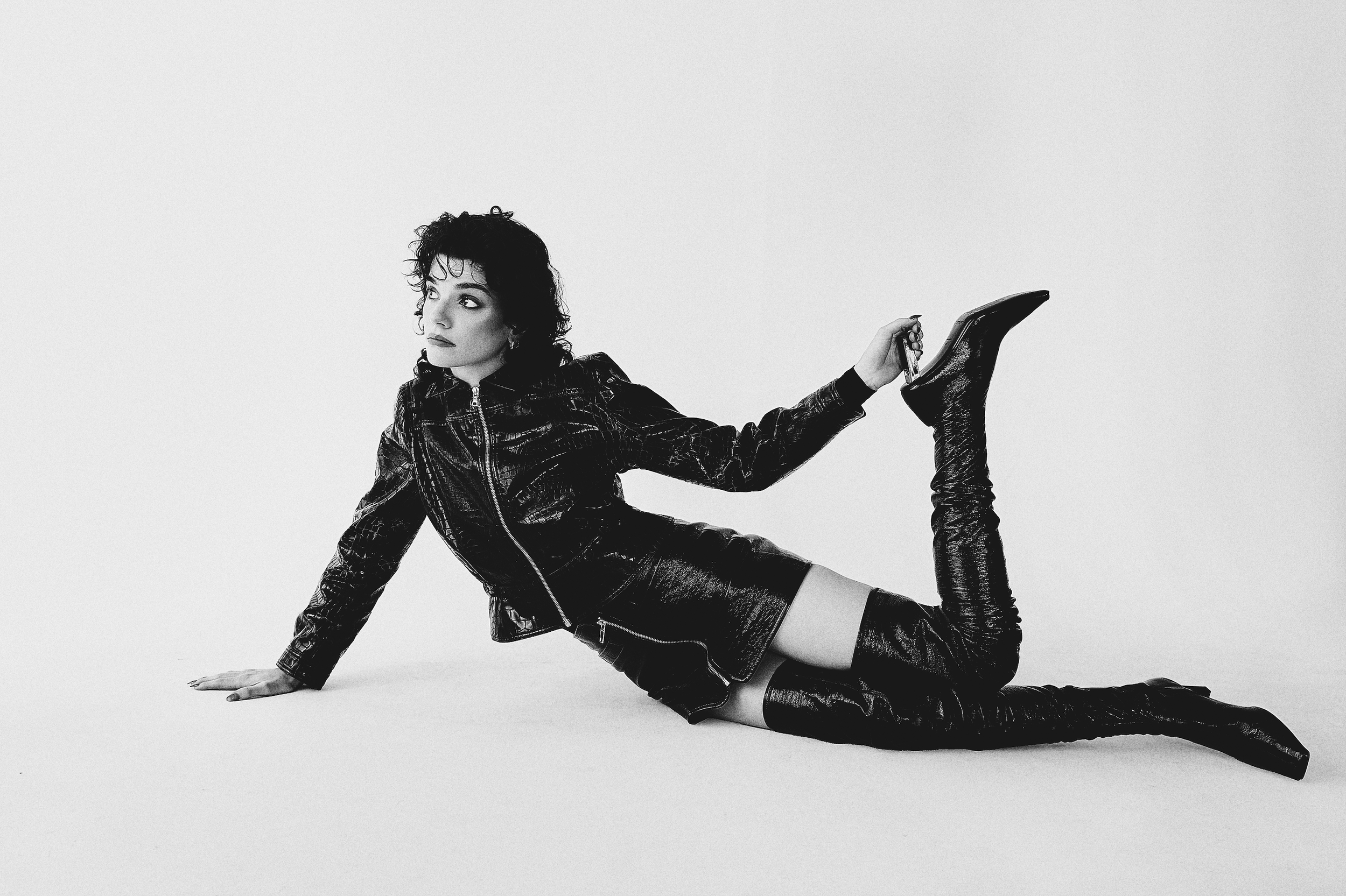
Star Trek: Starfleet Academy marks your international debut. How did it feel when you found out you’d landed the role of Tarima Sadal?
When I first read the part, I felt like I was looking in a mirror. I feel so deeply connected to Tarima, so I was over the moon when I found out I landed the role. I remember feeling so happy that I didn’t know what to do with myself. I went for a walk and ended up practically dancing down the street. It’s such an iconic and beloved franchise, it just felt like a dream to know that I was now a part of it
The Star Trek universe is legendary, with decades of storytelling and devoted fans. What does it mean to you to be joining such an iconic franchise?
It’s truly an honor and a privilege. It’s television’s longest running franchise, and for good reason. I think Star Trek does something that’s not easy to do. It manages to be both timeless and topical. The original series first aired 60 years ago, but its themes of daring to be optimistic and envisioning a better future for everybody have never felt more relevant. I feel so grateful to be a part of this next chapter in the Star Trek universe and continuing its legacy.
Can you tell us a bit about Tarima Sadal, who she is and what drew you to her as a character?
Tarima is an absolute gift for me. She’s a Betazoid, who are the Empaths. She feels things to her bones and really wears her heart on her sleeve, sometimes to her detriment. It’s been the biggest joy as an actor to lean into her emotional landscape. I’ve always been told I’m “too sensitive”, so it’s been incredible to sink my teeth into a role where that is precisely what is required of me, my sensitivity. And there’s definitely a parallel there with Tarima herself. She has a lot of shame about just how deep her empathic abilities go, and we get to see her navigate that throughout the series and come to see them as a superpower, not an Achilles’ heel.
How did you prepare to step into a world with such rich history while still making the role uniquely your own?
It was really important to me to make sure I was well informed of what had already been established in the canon when preparing for the role. I delved deeper into the shows and films after being cast, and was specifically interested in seeing Marina Sirtis as the iconic Deanna Troi in The Next Generation. In saying that, I didn’t let it affect my own acting preparation and process. I really wanted to bring myself to the role and trust in my own instincts when it came to Tarima.
Star Trek has always carried deeper themes of unity, diversity, and exploration. What message from Starfleet Academy resonates most with you personally?
The message that rings so true for me is that there’s an optimistic future on offer for everybody, there’s “space” for everybody. Star Trek: Starfleet Academy really leans into that, and we see characters that are so uniquely different, but come together and collaborate under enormous stakes. The show really stays to true to Roddenberry’s vision, but this time we get to see it through the lens of the young cadets, who maybe have a lot more to learn than the more seasoned officers we see in previous Star Trek shows.
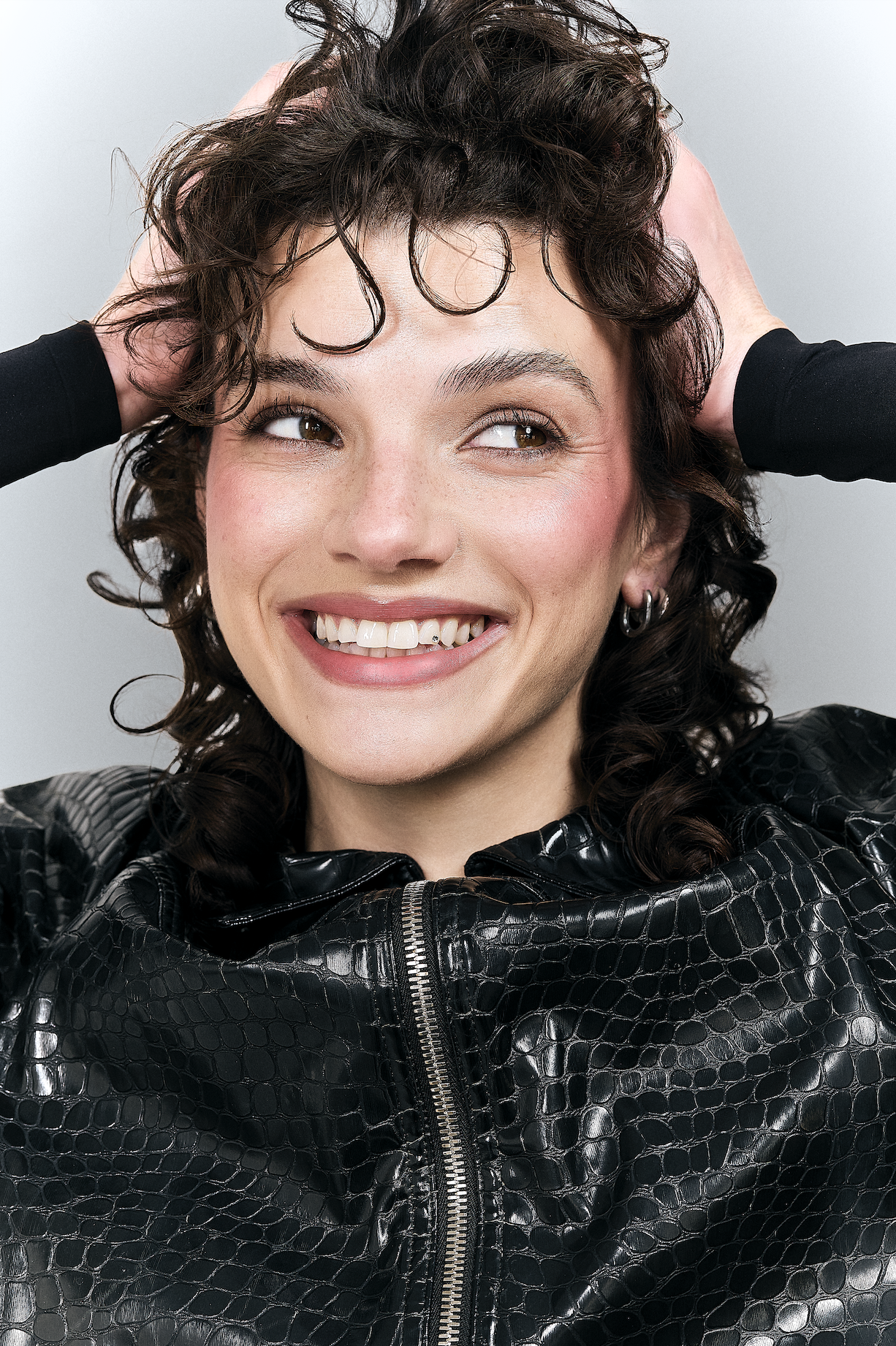
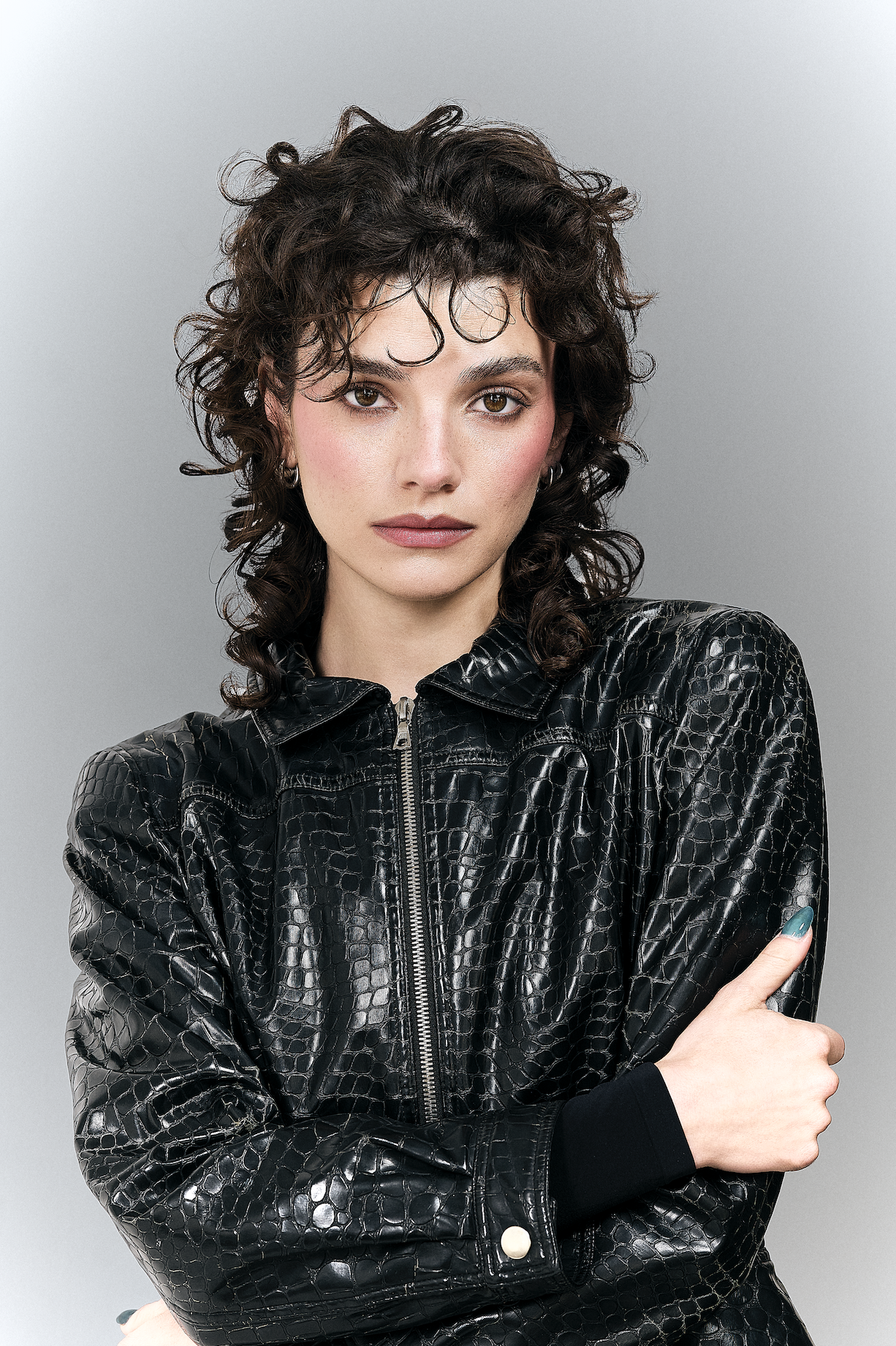
You trained under Iain Sinclair in Melbourne and later with Lenard Petit in New York. How did those experiences shape your craft?
Working with Iain Sinclair was an absolute delight, and was a really important part of developing my craft. He’s such a wealth of knowledge. He taught me a lot about dramaturgy, and knowing your function in the story you’re telling. That’s absolutely a part of my process today, and I love to explore my roles through an archetypal lens. I also had the pleasure of working with the late Lenard Petit at the Michael Chekhov Acting Studio in NYC. His approach to the work was so unbelievably joyful, it was a real breath of fresh air for me. I learned a lot about the value in drawing on information stored in the body as a way into character. I’d say my process today is more intuitive, but everything I have learned so far is always in my subconscious.
How do you balance the technical precision of acting with the spontaneity that brings a character to life?
It’s always a delicate dance between honoring your preparation and still being open to what may come up in the moment. I can be a bit of a control freak and want the scene to go a certain way, the way I think it should go. But sometimes the best moments are the complete surprises or takes that you didn’t see coming. My goal is always to be alive and alert to the present, but still honor the writing and my character’s emotional arc.
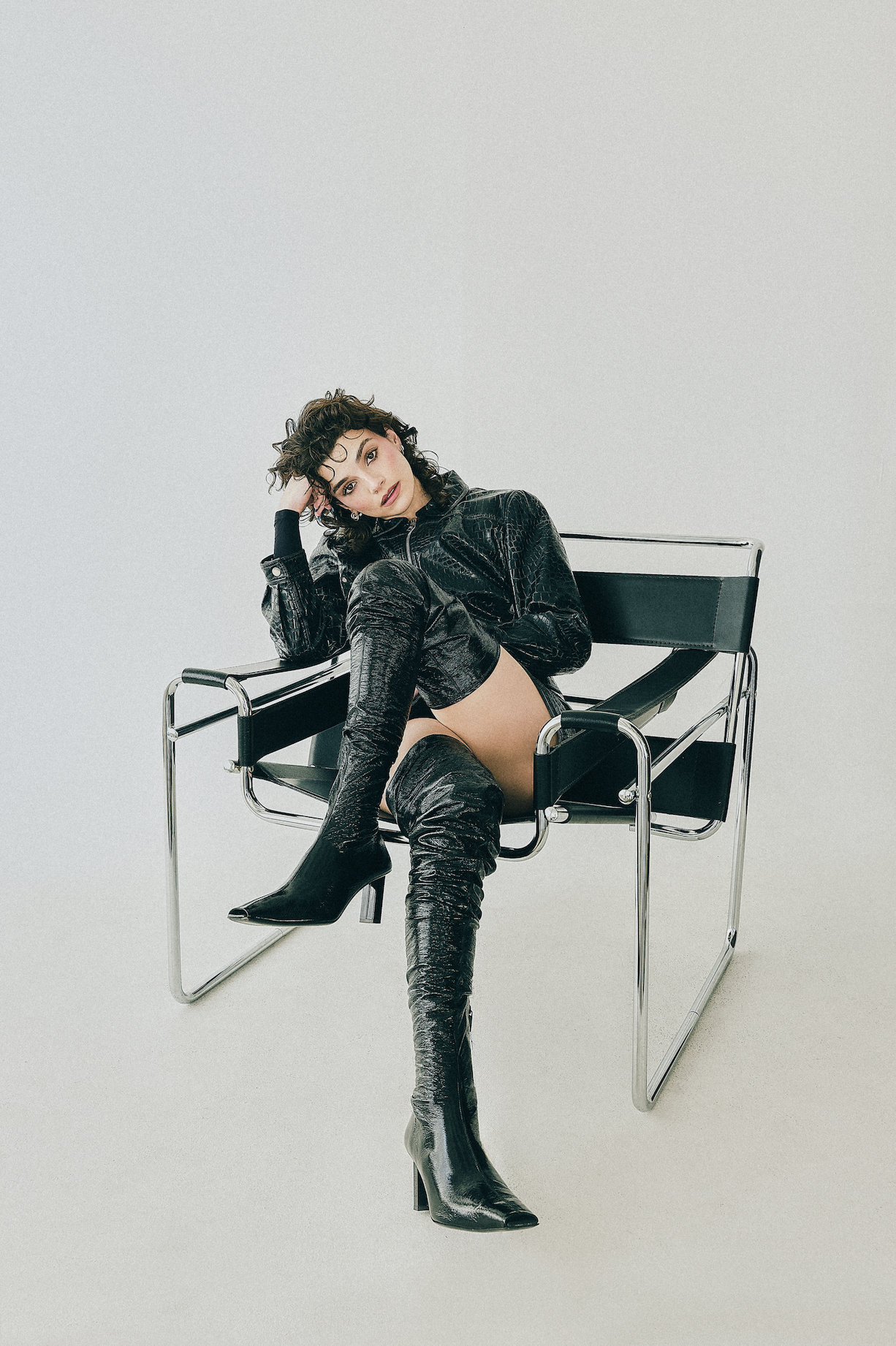
How do you stay grounded amid the excitement and rise of your career?
There’s a lot of excitement and chaos at the moment, so it’s really important that I keep up the rituals and little things that help keep me grounded. I love going for walks, making sure I’m staying connected to my friends and family back home, and looking after myself. Yin yoga and semi-regular massages, and dry needling, have been really helpful for me. And gratitude. This industry can be very precarious, so I constantly remind myself how lucky I am to be working and experiencing all of this.
You’ve spoken about your love of Old Hollywood and the influence of Audrey Hepburn and Diane Keaton. What draws you to those classic performers?
I remember watching all of Audrey Hepburn’s films with my godmother in Melbourne when I was very young, and just feeling magnetized to her charm and her grace. But it’s a grace cloaked in humility, and I think that’s everything. And Diane Keaton was probably my favourite actress of all time, as well as a constant inspiration of style. She was so unapologetically quirky, authentic and truthful. She was the definition of originality. That kind of heartbreaking vulnerability and really wry wit is such a winning combination.
Looking ahead, what kind of roles or stories would you love to explore next — both in sci-fi and beyond?
Star Trek: Starfleet Academy is set in the 32nd century, so I’d love to venture into the past and do a period piece next. But honestly, anything that has a great team and excellent writing. I’m very open to genres so long as the creative vision and story is something that resonates with me. I’d be very interested in something dark and gritty like a psychological thriller, but also a Hal Hartley-esque independent film feels right up my alley too. I’m excited for what comes next.