
IN CONVERSATION WITH ACID ARAB
Interview by Samo Šajn
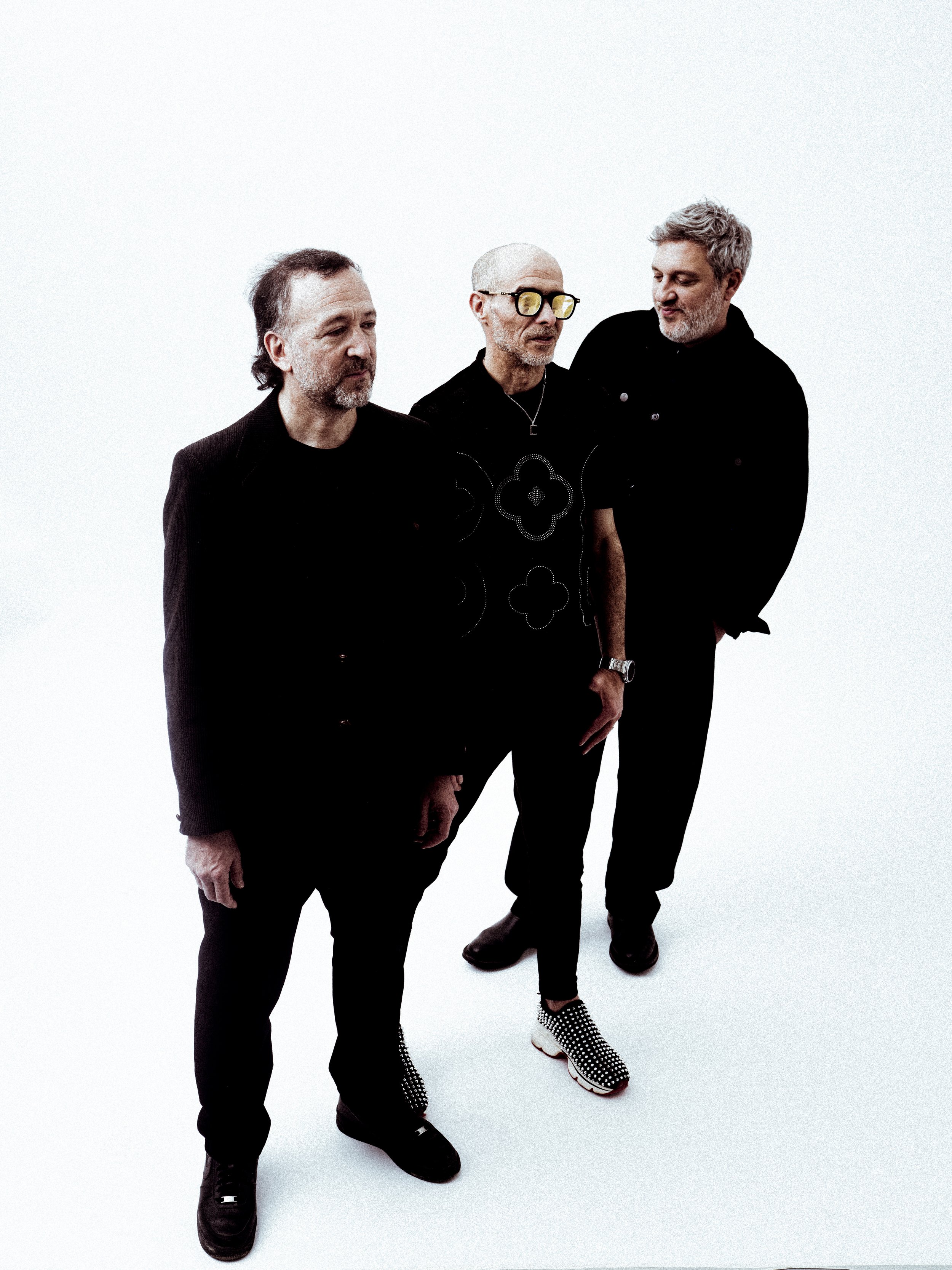
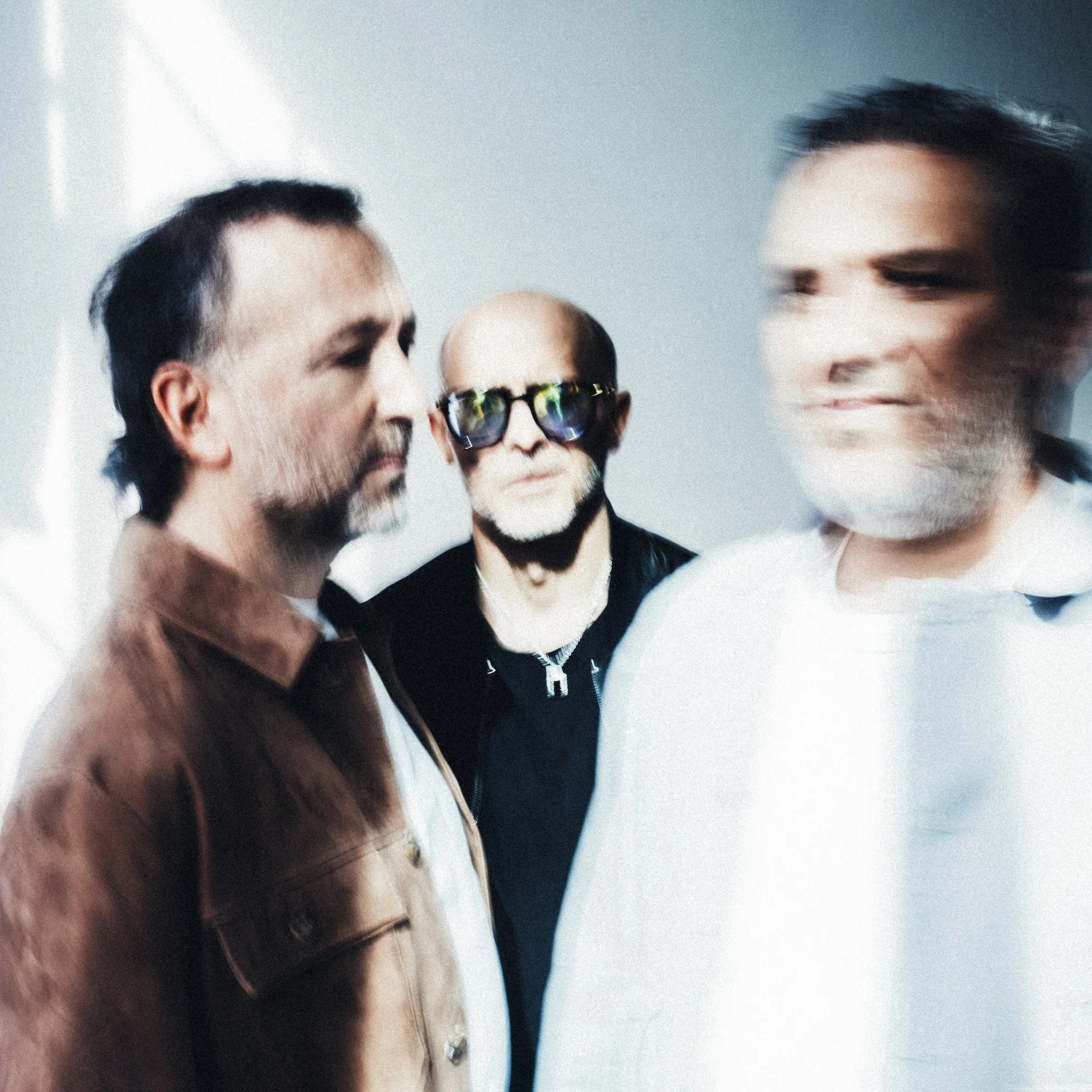
Acid Arab is a Franco-Arab collective that has spent more than a decade building bridges between electronic music and the rich musical traditions of the Arab world. Known for their unique blend of acid, house and techno with sounds and voices from across North Africa and the Middle East, they have created a distinctive identity that celebrates cultural exchange without compromising authenticity. Their new album, Resonance, continues that journey through a series of collaborations that explore connection, dialogue and shared creativity across borders.
The title Resonance has both a musical and symbolic meaning. What does the idea of "resonance" represent to you personally and creatively?
Resonance is when something finds an echo in someone else. It’s about connections and sensitivities that respond to one another despite distance, language, or borders. That’s how we work with the artists featured on this album. We try to resonate with each other and find a common musical ground that becomes the music of Acid Arab. Resonance is also the parameter on the TB-303 that gives the machine its distinctive acid sound.
Acid Arab has always brought together different musical traditions without trying to smooth out their differences. Why is it important for you to preserve those edges?
It is important for us to keep creating a dialogue between cultures without smoothing out their differences, avoiding the pitfalls of easy fusion or an exoticizing approach that turns things into something merely beautiful. What matters to us is preserving the authenticity and the radical nature of our musical approach.
This album features artists from across the Arab world. How do these collaborations shape the identity of an Acid Arab record?
Collaboration has always been at the heart of Acid Arab. The artists we work with don’t just add their voices to the music, they help shape it. We all come into the studio with our own musical backgrounds, cultures, and heritage. Then, together, we try to find resonance with one another. When that happens, the studio becomes more than just a place for creating music. It becomes a place of learning. It’s a way for all of us to grow and evolve. Every collaboration teaches us something new.
The track "Ma7boubi" with Zeina Aftimos has a very hypnotic and uplifting energy. What made this song the perfect focus track on the album?
Maybe it's because we realized how unifying this track is. It felt like a way to bring people together, and we really liked that feeling.
You've said that your music doesn't try to explain itself but simply invites people in. What kind of experience do you hope listeners have when they enter your world?
Everyone brings their own story to the music, and we like the idea that each listener can find their own path through our sound.
The album covers a huge musical territory, from Raï and Chaoui to Dabke and house music. Were there any new sounds or influences that surprised you during the making of Resonance?
There were many surprises. To name just two, although there are many others, working with Chaba Ibtissem on “Ktafi Bardine” was a real surprise. It started from an edit Kenzi made of a track he found online, but when clearing the sample didn’t work out, he suggested Ibtissem instead. We were very attached to the original version, but what she delivered in the studio completely blew us away. The power and emotion in her voice were incredible and, in the end, even stronger than the original. Rita L’oujdia also took us in a slightly more pop direction than what we usually do. She pushed us out of our comfort zone, and we’re really happy with the result.
You often talk about having a political respect for the music and voices you work with. What does that responsibility mean to you in practice?
We don’t take oriental elements and just place them on top of electronic music. We treat them with the same dignity as machines and modern production. As we said, there’s no folklore, no irony, no cynicism, and no easy exoticism.
After more than a decade together, do you still feel like Acid Arab is evolving, or have you now fully defined your sound?
Yes, it will probably keep evolving, especially as long as we keep enjoying moving the project forward and working with such incredible artists!
At a time when the Mediterranean region often feels divided politically and culturally, does making music together feel like an act of connection or even resistance?
Yes, there is an element of resistance, but above all it's about continuing to build despite divisions. We don't think dialogue between people is an outdated ideal. It is probably something we need even more today. This album is a modest attempt to take part in a world we would like to see exist.
Acid Arab fourth LP ‘Resonance’ is out now on All Night Long. Get it HERE (vinyl & digital).
