
interview by JANA LETONJA
Adia stars opposite Mahershala Ali in the new Amazon MGM film Your Mother Your Mother Your Mother. Adia plays Latif’s, a devoutly religious hitman's daughter in a performance already generating serious buzz, with early viewers calling her a standout and scene-stealer. The film premiered at TIFF before opening on September 25 in New York and Los Angeles, followed by wider US and international expansion in October.
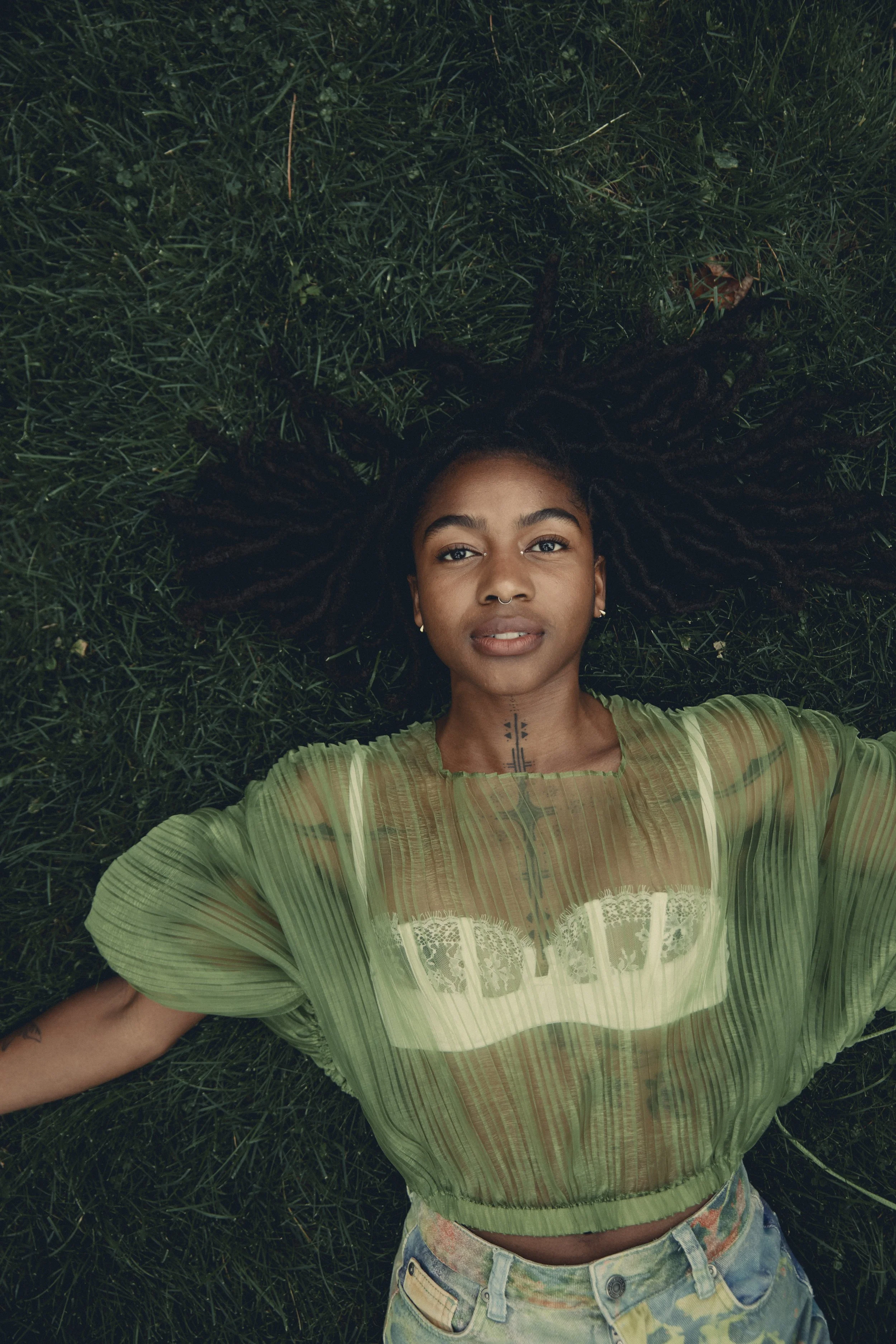
What first drew you to this film and your character?
Fatiha’s complexity and her sheer willpower to keep the family together. And at such a young age, a task of that magnitude is no easy feat. Those were really compelling aspects of the film that piqued my interest in the project.
Your character is navigating grief while being pulled into an increasingly dangerous situation. How did you balance those two sides of her experience?
It was really important that I never lost Fatiha’s inner objective, restore balance to what she once knew. So while she goes on this emotional rollercoaster, encounters dangerous characters, questions her own faith even, there’s a persistent underlying rhythm and need for her to maintain and/or restore what was once upheld by her mother. So with all of that in mind, I tried to be as present as possible within each scene and trusted that my prep would translate tonally. Also warmups. Never underestimate the power of a warmup. Emotionally, these scenes required a lot of me so that meant preparing my body to traverse that world.
Faith is a major part of the story. How did your character’s relationship with her father’s beliefs inform your performance?
Through Fatiha’s teenage eyes, her father is living in contradiction offering very little to model after. She struggles to respect her father when little of that sentiment is given in return, even though she has been parentified. It’s already tough being a kid, but then losing your mother at such a critical age in your physical development, and having to assume a caretaking role through that grief is colossal. I felt deeply for Fatiha, and even related on some level, so the translation of what was and was not written on the page, I just allowed it to exist in its totality through my prep work and performance.
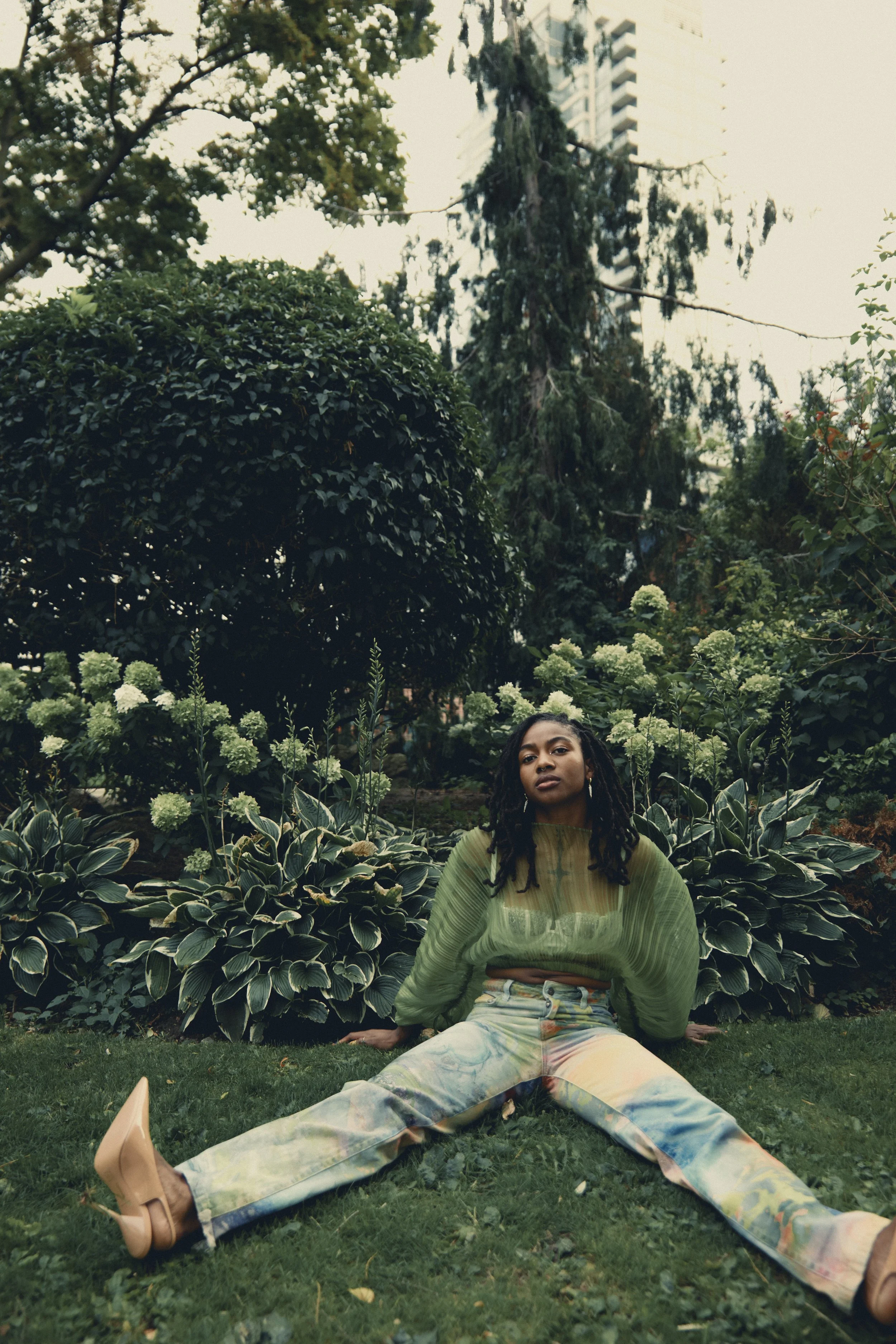
Without giving anything away, which scene challenged you most emotionally?
There’s a car scene that we shot late one night. It’s a critical point in the film for Fatiha because this is when she confirms some hard truths about her father. I was exhausted that night, we had been shooting all day. It took a lot for me to gather myself and focus. I remember not feeling good about any of the work we shot for that scene because I just didn’t feel keyed in. We were probably on the third or fourth take, the crew was resetting, and I got out of the car to get some air. I was about ready to cry, I was so annoyed with myself. Mahershala came over and offered some advice, “Less is more! Trust your instincts,” and then we went back, shot the scene. I needed to hear that.
How important did the film’s environment become to your performance?
A secret that isn’t really a secret, we actually shot in Atlanta. But given that we were still in the south, it still lended itself in favor of the project. Things are different in the south. The way people talk, how fast they speak, the hospitality. There were a lot of hot days and we shot primarily on location so I imagine that really helped sell the vibe of that classic southern Texas heat. It definitely changed how I physically moved and even how fast I spoke.
Early reactions have called you a standout and scene-stealer. What has it been like hearing that response?
Surreal. I’m not really sure what to make of it because I’ve never received this much praise on such a large scale. I’m grateful though and glad that people were able to connect and resonate with the portrayal of Fatiha.
What does premiering the film at TIFF mean to you?
It’s an incredible honour. It was my first time ever being at a major film festival and what a joy it’s been. I’m so happy the film was received with such reverence and excitement.
After The Midnight Club and Full Circle, how did this role challenge you differently?
Just on a personal level, being 100% committed to the scene prep work and also being in the middle of a rigorous doula training program, was extremely challenging. Both required so much of my focus and energy. Sometimes they would overlap. We’d be on set, preparing for a scene and I’d have my headphones on, listening to my teacher talk about the mechanics of milk production. That was hard.
From a performance aspect, having scene partners who were not afraid to ask questions, challenge perspectives, that really opened my eyes to what it meant to be a collaborator on a project rather than just the actor. And there are ways that one can go about being inquisitive that lends itself to the betterment of the project and still relinquish ego. I didn’t have the suave or even gall to be as curious with those previous characters as I was with Fatiha. I will say, this environment really made space for that.
Has your idea of what makes a good performance changed as you’ve gained experience?
Absolutely. I already touched on this, but if you aren’t asking questions of yourself and to the people around you who are also helping to build out the story, will it have the same profundity if you did? My goal is to move with the audacity to make bold choices even if it scares me. Maybe even better if it scares me. I had a dance teacher who would always tell us “It’s fine if you mess up, but if you mess up, mess up big. Don’t let the people know you made a mistake. And if it needs to be corrected, someone will let you know. But commit. Always commit.” So, I’m committing to trying new things, even if it’s scary.
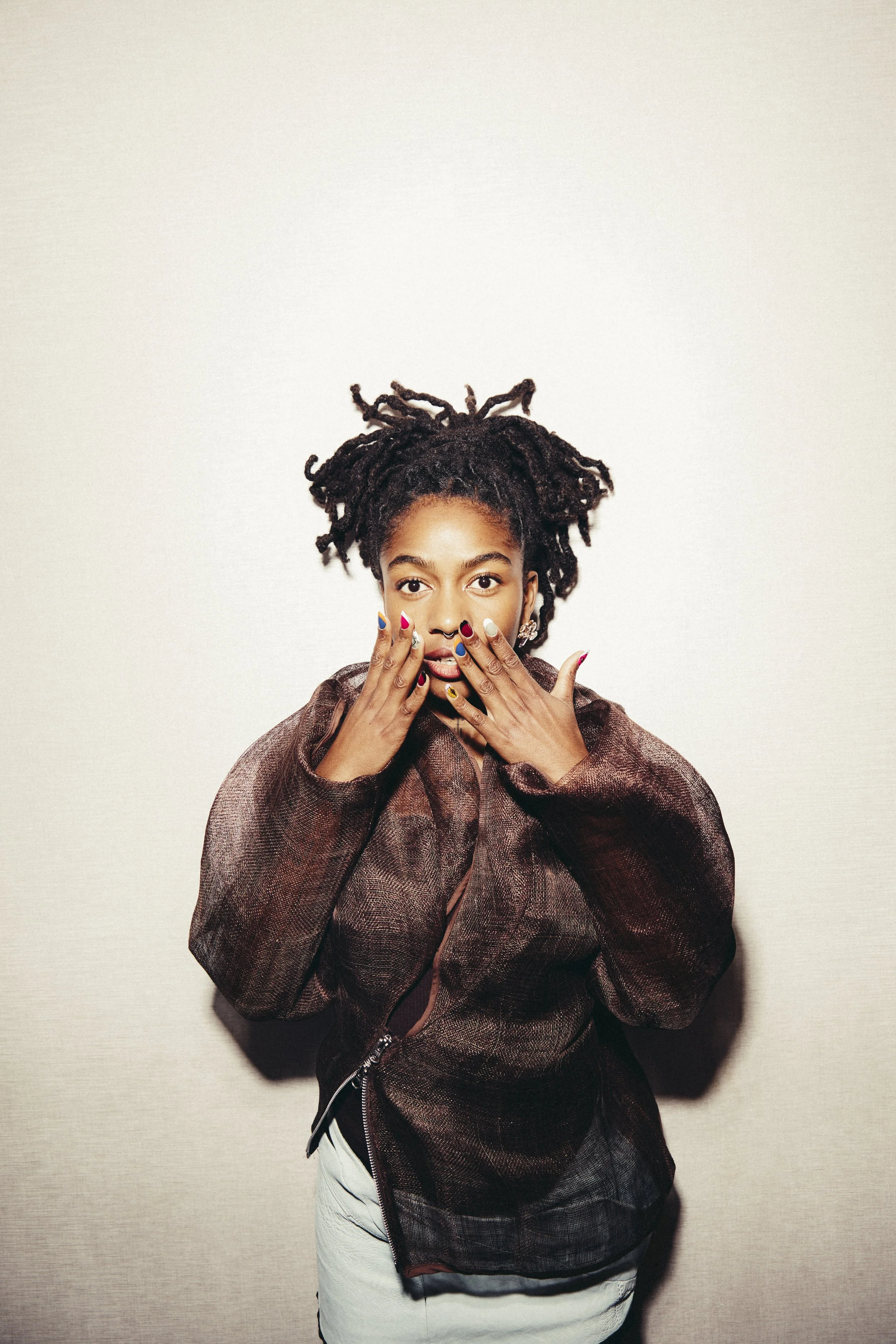
With material this emotionally heavy, can you switch the character off when the director calls cut, or does some of it stay with you?
It depends. Sometimes you know you’re going to shoot a scene a couple times and that emotional river is hard to shut on and off. In those moments when things are getting reset, I take time to be alone and be quiet so I don’t lose that current and can be ready to go right back into it. Other times, I know where the emotionality resides and I don’t have to sit in it so I can “mute it” in a sense and take a break from the character. When I go home though after a day of shooting, all the work we did that day stays right there on set.
Given the response to this performance, what kinds of characters or stories would you love to explore next?
All of them. I just love that I get to tell stories at all as part of my career. It would be so cool to do something in the vein of Mad Max or Dune. Also love things like The Studio or Abbott Elementary.
My biggest thing is this, I want to do roles that people would not assume a black woman to be in. Like a story about a woman backpacking solo along the Appalachian trail or something extraordinary like that.
What keeps you inspired outside of acting?
Witnessing my close friends and family doing the things that they love. It inspires wonder and joy in me when they are happy. And my dog. She loves everyone and just wants to give some much love. I hope I can exude some of that love to others as well.
TEAM CREDITS:
photography JOSH TELLES
styling WILTON WHITE
makeup JASMIN STEPHEN
interview JANA LETONJA
