
IN CONVERSATION WITH ADRIANNA
Interview by Samo Šajn
UK DJ and producer ADRIANNA explores independence, self-worth and healing on her debut album, “ADRIANNARCHY,” released on 23 October via TMPL Music. Combining driving techno with piano melodies and her own vocals, the record offers a personal look at taking back control. We caught up with her to discuss the album, finding confidence in her voice and her return to ADE.
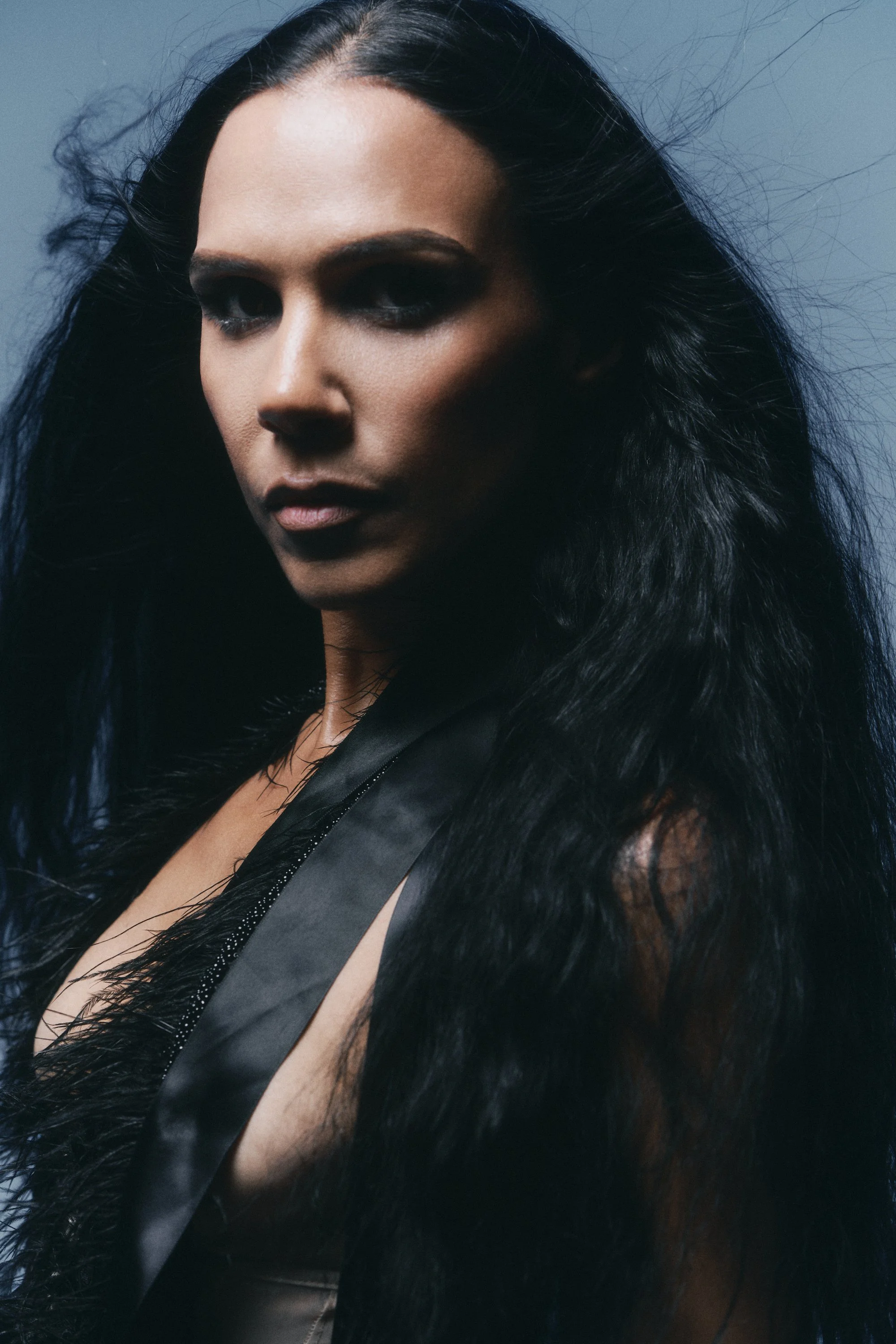
Your debut album is called “ADRIANNARCHY.” What does the title mean to you, and how does it reflect the message behind the record?
“ADRIANNARCHY” is about personal autonomy, taking your power back rather than living according to other people’s expectations. For me personally, it’s about inner transformation and learning to trust myself, as well as challenging old beliefs. It’s not about chaos or rebellion for the sake of it, but rather being free to be who you are, rather than the person you’ve been conditioned to be, without feeling bad for falling short of perfection.
You’ve described the album as being about taking your power back. What experiences led you to explore that theme through your music?
I’ve had many experiences in the past, including relationships, situations and behaviours, that I put in a box for a long time. I know this was done for my own protection, but there is a cost to always living in survival mode. Not only was it draining, but it also prevented me from connecting with others on a deeper level. By going to some of those places inside myself, at a point in life where I felt supported enough to do some healing, I’ve gained some personal power and the ability to grow in ways that weren’t available to me before. I’ve always used music to express myself and have been songwriting since I was in my early teens.
What made this feel like the right time to release your first album, and what did the format allow you to explore beyond individual tracks?
This is my first album as ADRIANNA, and writing the songs at the piano was a different and therapeutic way to approach it. I didn’t sit down and say, “I want to write an album.” The songs started to come in a natural progression as I went through different stages of healing. There were many times I wanted to stop or not share the music, but I’d decided that I would release it long before I had finished. Most artists have so many songs they never release. I listen back to something I recorded 10 years ago and think, “Oh, that was good, I should have released that,” or use an idea from a song I made when I was 14 or something. Good music is timeless, and this project felt too important not to share, not necessarily for me, but for the girl I was at different stages of my life, who could have listened to something like this.
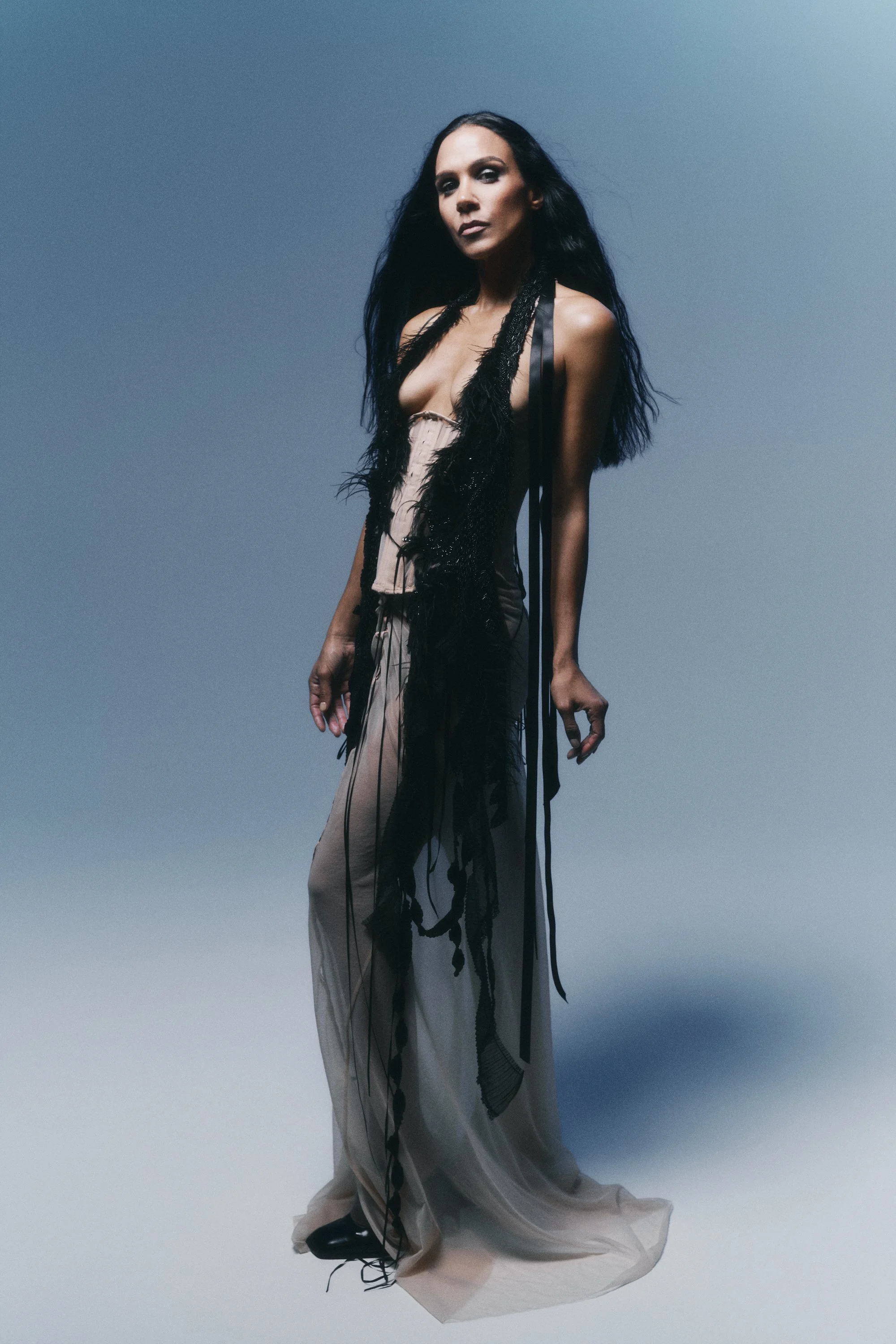
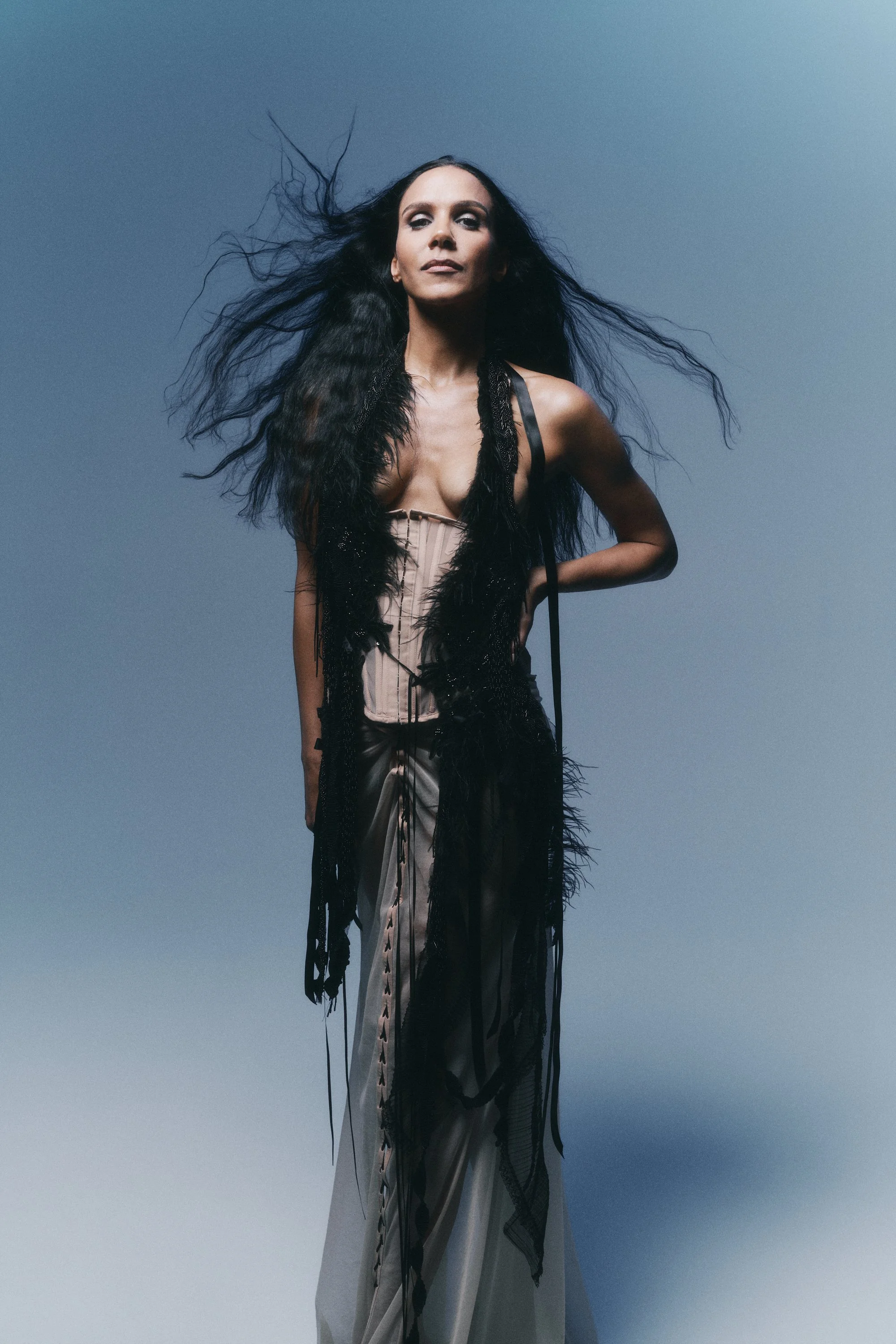
The record combines driving techno with piano melodies and orchestral textures. How did you find the balance between dancefloor energy and more emotional moments?
It’s one of the reasons I wanted to do the remixes. I wanted to focus on the expression of the album rather than how certain drops or grooves would impact the dancefloor. I’m happy with how the originals sit with the other music I play in my sets, but I wasn’t trying to reverse-engineer what would be a club banger when I made these tracks. Sometimes I get caught up thinking about the dancefloor and what will hit hard, but that’s not always a guarantee anyway.
On “Power Back,” your own vocals become a central part of the track. What made you want to deliver that message in your own voice?
I love working with vocalists and writing or co-writing with others, but it didn’t feel right in this case to have anyone else on these tracks. I did consider it, but I think part of taking my power back was singing them myself. I started learning how to produce many years ago, long before DJing, so I could have music for my vocals and songs. Over time, as I went through life putting experiences into boxes, my nervous system became increasingly anxious, and I could barely bring myself to talk to people, let alone sing in public or feel up to recording. But I’ve always been consistent with my vocal training and songwriting, and it’s not the first time I’ve used my vocals on my releases.
The album touches on isolation, self-worth and toxic relationships. Was there a track that felt particularly challenging or rewarding to write?
I really struggled with “Glass Ceilings.” The song is about not being seen by someone who is numb. It came out in an ambiguous way, and it’s not clear if I’m talking about myself or someone else. I decided that it doesn’t really matter. We all have different ways of numbing out, coping and staying stuck in patterns that prevent us from growing. With the alliteration in “Pop a pill to forget where you’re from,” I knew it was catchy, but if you listen to the entirety of the song, it’s not encouraging that. Growing up, I witnessed and experienced a lot of things that were shocking, even more so now that I see them through adult eyes. And in the rave world, we sometimes see all kinds of things, but it’s everywhere, not just at parties. It’s about holding a mirror up to society, looking at escapism and distraction rather than recreation, and how not looking at things, ignoring them and labelling them may be more damaging than what we’re trying not to look at.
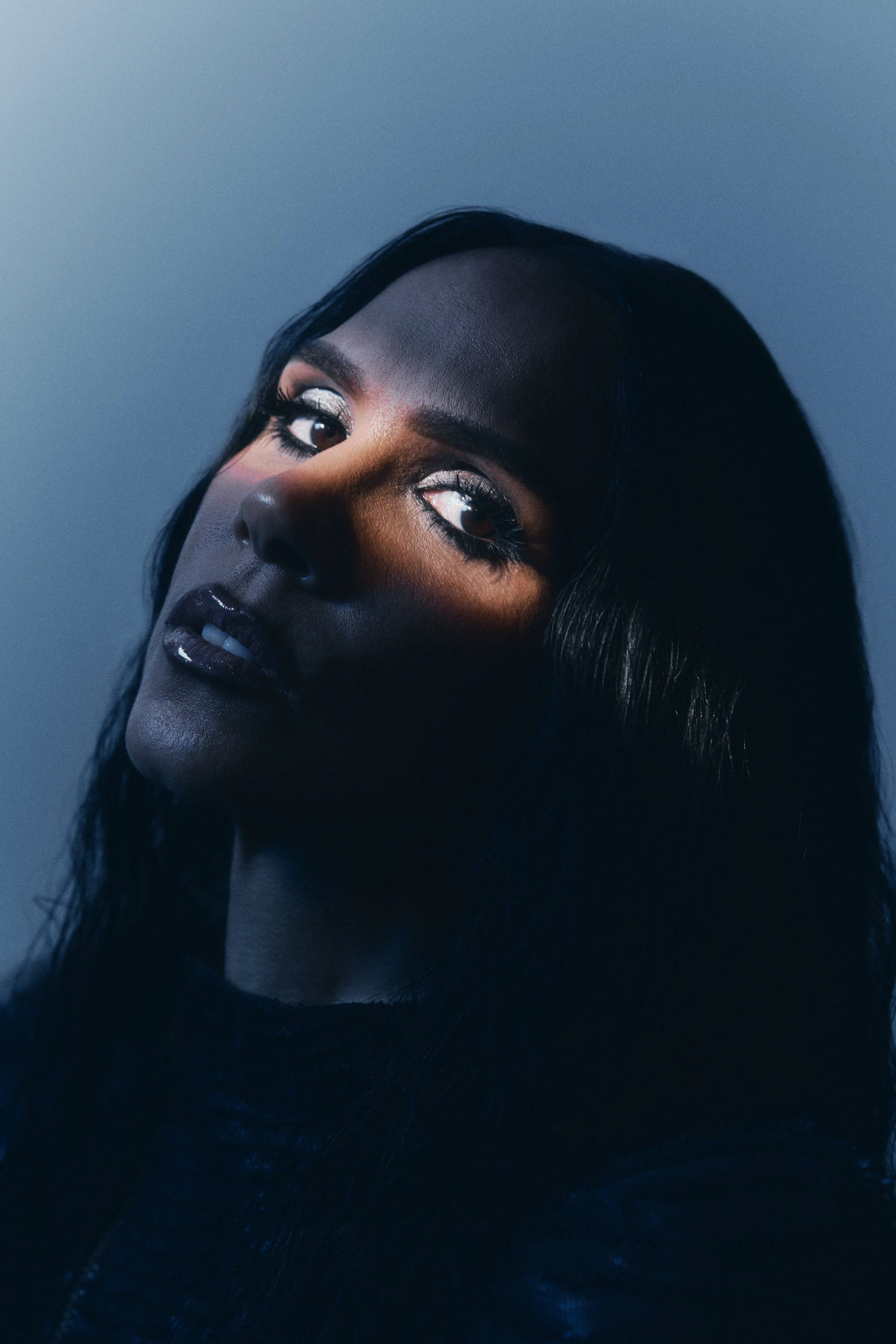
Artists including Wehbba, T78 and Alex Stein have remixed material from the album. Did any of their interpretations reveal something new to you about your own music?
I know what the songs mean to me, but anyone can have their own interpretation of the music. I absolutely love what the artists have done with the remixes. They’ve each brought something different to the tracks, and I think they reflect the different styles of techno I play in my sets. It’s been great to hear the songs reinterpreted in different ways while keeping something of the original. I’m so grateful to everyone who put the time and energy into this project.
From intimate clubs to stages like Creamfields’ Steelyard, you’ve played very different environments. How do you adapt to each crowd while staying true to your sound?
I play quite varied styles of techno and electronic music, from peak-time to raw, trance-infused and acid sounds. It really depends on the crowd, sometimes the country or club, and the time of night. I’ve been doing my monthly radio show for six years, and that helps me stay fresh and keep up with the artists and labels that are interesting to me, which in turn keeps my productions and sound evolving.
You’re playing Faralda Crane during ADE on the day of the album’s release. How are you approaching that set, and how will the unusual setting influence the experience?
It’s primarily a TMPL Music label party, rather than an album launch. We did our first party at ADE last year, and this year the line-up consists entirely of artists who have released or will be releasing on TMPL Music, which makes it special. Of course, Faralda Crane is such an iconic venue, and the objective is simply to give everyone who buys a ticket a taste of the sounds of the label and album, as well as a great night they’ll remember forever.
You’ve said that you don’t have to be perfect to deserve to be seen, heard and respected. How has that idea changed the way you approach your music and career?
It’s helped me feel more confident talking to people on a professional level and spend less time looking back on releases, conversations or performances wishing I’d done something differently. I’m also less afraid to experiment and express myself as an artist without worrying so much about being misunderstood or whether I’m pushing things too far. I’m learning that my self-worth isn’t defined by my best or worst days, and that mistakes and successes are both part of the same process.
TEAM CREDITS:
Photography by Tom Juskevicius
Styling and Art Direction by Emilija Kalis
Make-up by Justas Pocius
