
interview by JANA LETONJA
photography by TIMOTHY FERNANDEZ
Angel McCoughtry is a legend in every sense of the word. A WNBA icon, two-time Olympic gold medalist, five-time All-Star, and one of the most dynamic competitors the game has ever seen, she built a career defined by excellence, intensity, and fearlessness. Now, Angel is entering a powerful new chapter, bringing that same vision and leadership to filmmaking. With the launch of her production company, McCoughtry Entertainment, Angel steps fully into storytelling as a creator and director. Her first official release, Bygones, now streaming on Prime Video, marks a bold introduction to her cinematic voice, while her upcoming feature directorial debut, Apt. 6B, signals a long-term commitment to impactful, socially driven narratives.
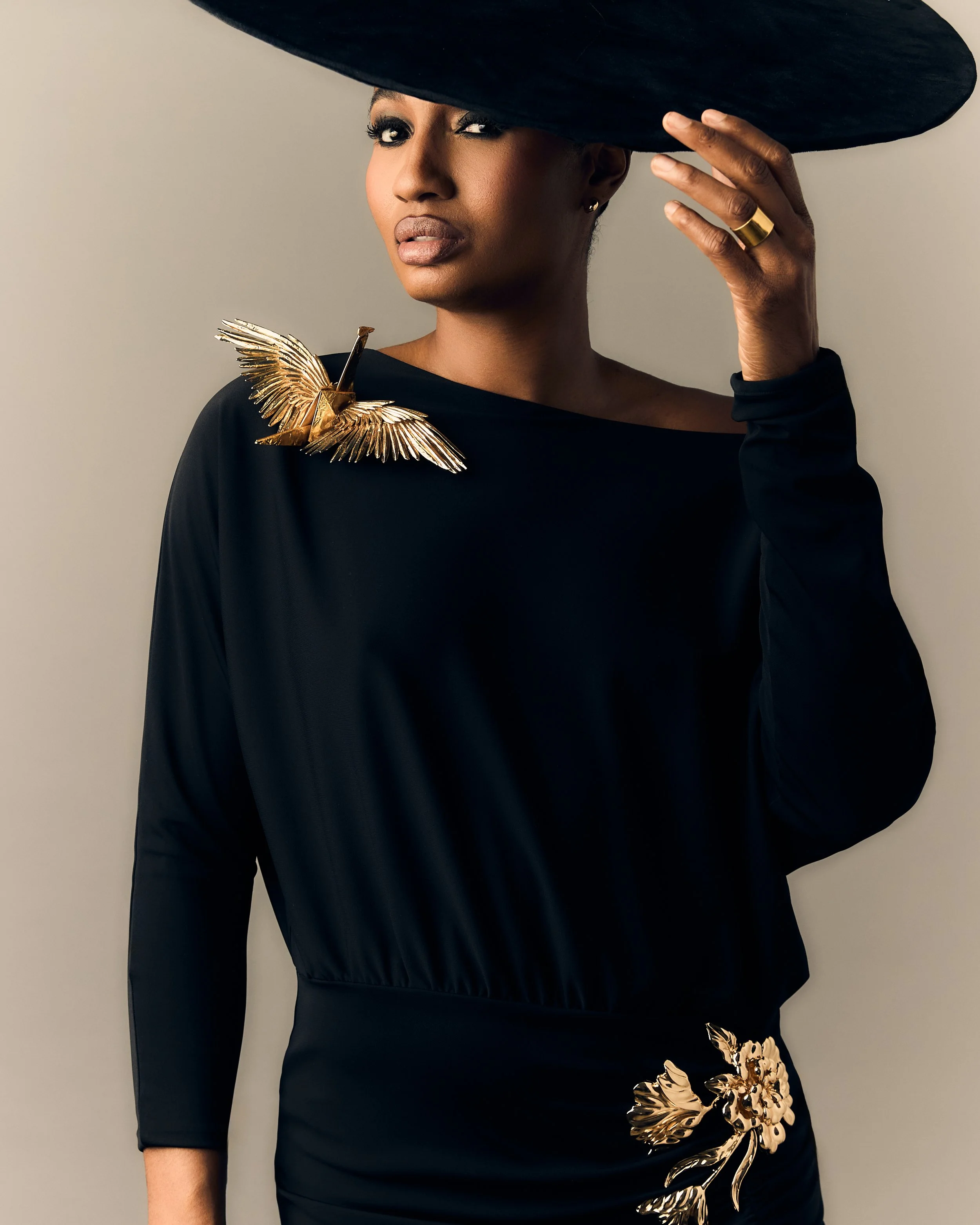
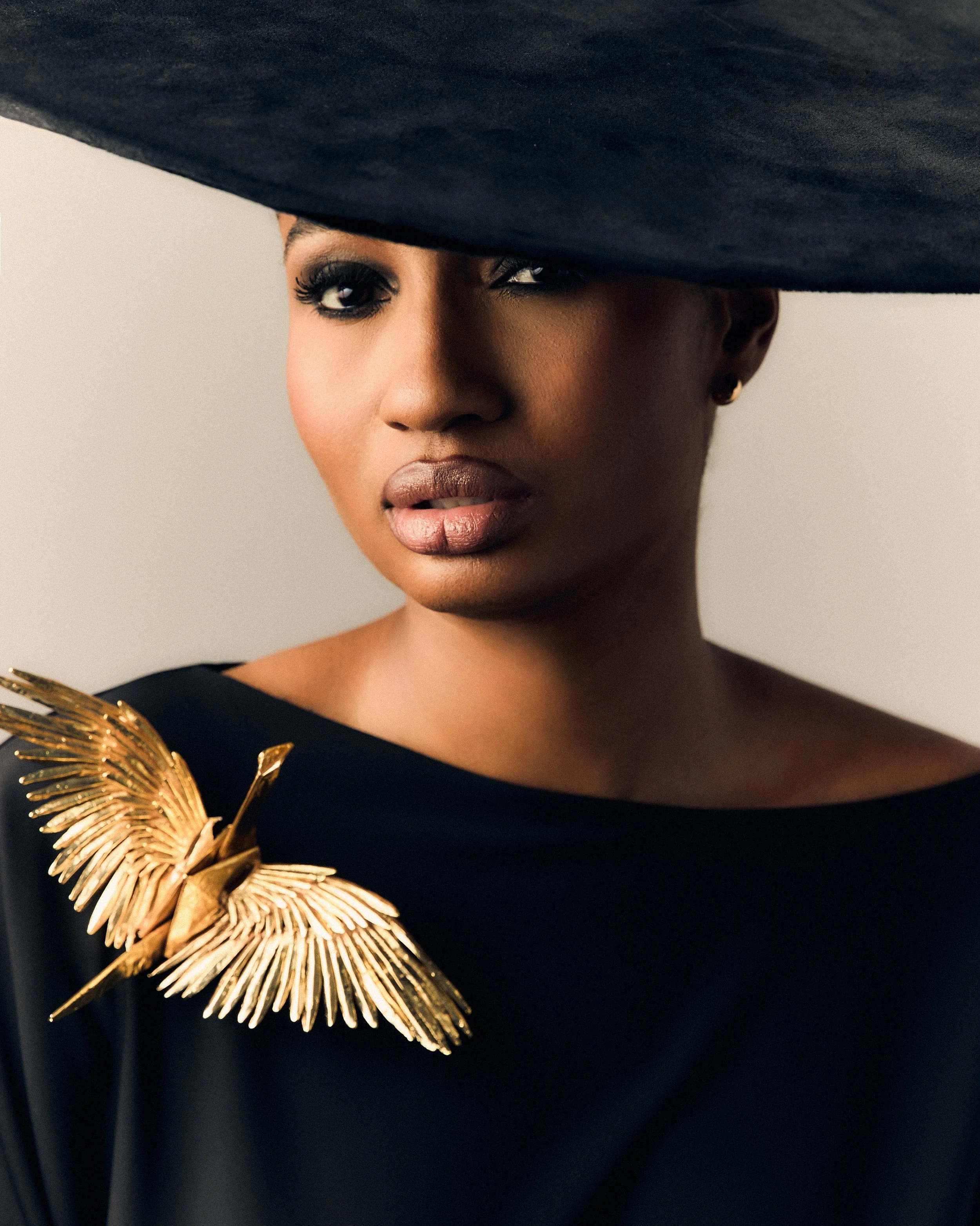
You’ve spent your career performing at the highest level. What first sparked your desire to step behind the camera and tell stories?
I’ve always been a storyteller, even on the court. Basketball taught me how much emotion, sacrifice, and identity live beneath the surface of performance. As my career evolved, I felt a pull to explore those layers more deeply, especially the stories we don’t always see or hear. Stepping behind the camera felt like a natural extension of my voice, a way to translate lived experience into something lasting.
How did your mindset as an elite athlete prepare you for directing and leading a creative team?
Being an elite athlete trains you to lead under pressure, communicate clearly, and trust collaboration. Directing is no different. You’re guiding a team toward a shared vision while staying adaptable. Discipline, preparation, and accountability are second nature to me, and those traits carry directly into how I approach a set.
Bygones explores memory and emotional reckoning. Why did this story feel like the right way to introduce your voice as a director?
Bygones allowed me to lead with honesty. Memory, grief, and unresolved emotion are things we all carry, but rarely confront head-on. I wanted my first film to reflect emotional courage to sit in discomfort and find clarity there. It felt personal, vulnerable, and true to how I see the world.
Seeing your work stream globally on Prime Video is a major moment. What did that milestone mean to you personally?
It was incredibly affirming. To go from the court to a global platform like Prime Video reminded me that reinvention is possible when you believe in your voice. It wasn’t just about visibility, it was about validation that my stories belong in the global conversation.
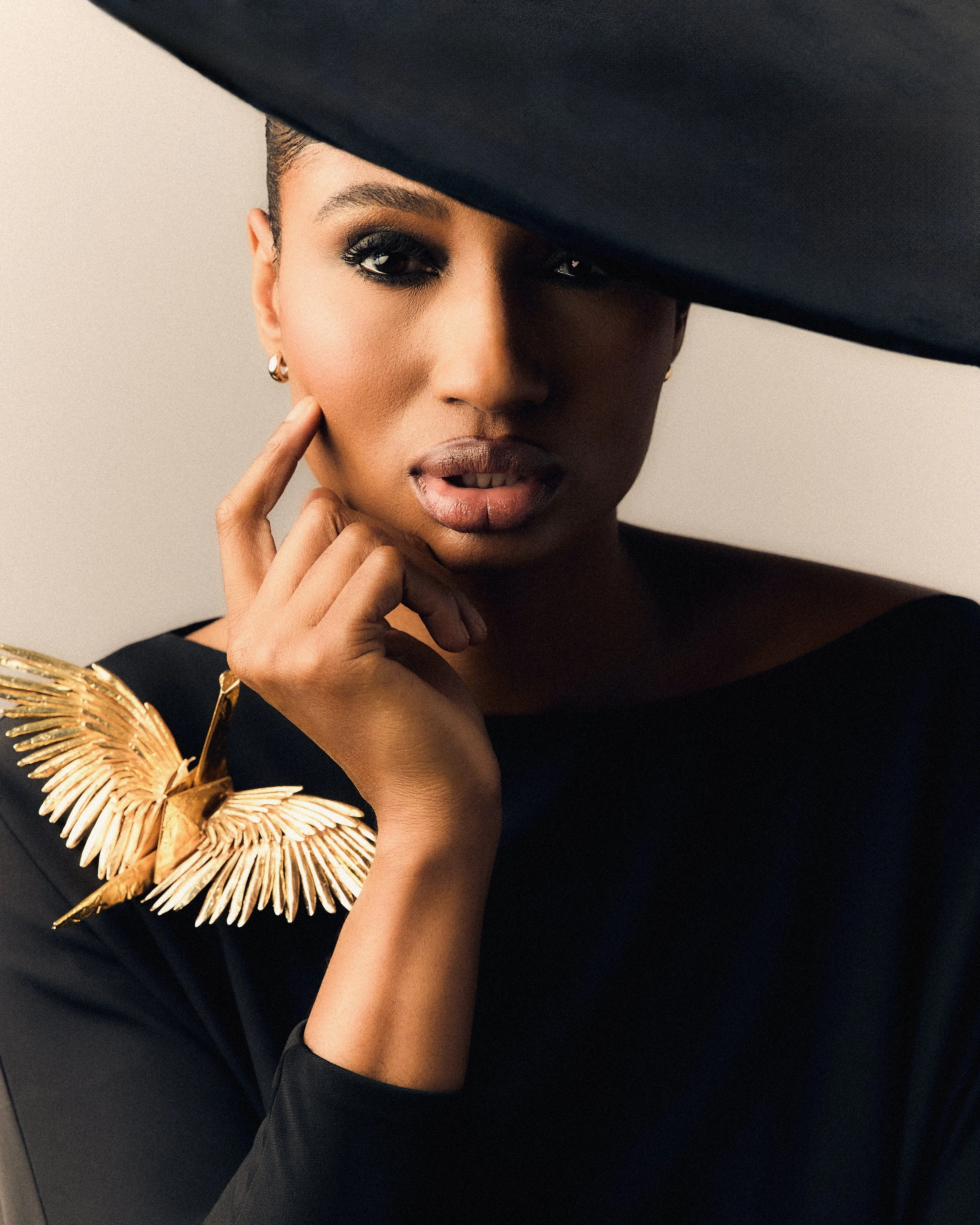
With Apt. 6B beginning production soon, how does stepping into feature-length storytelling challenge you differently?
Feature-length storytelling demands patience and endurance, much like a full season rather than a single game. You’re tracking character arcs, emotional pacing, and visual language over a longer journey. It’s challenging, but it excites me because it allows for deeper immersion and more complex storytelling.
As a point guard on the court, you were known for seeing the whole game. How does that perspective translate to directing?
Directing is about seeing the full picture — performances, camera movement, tone, and rhythm — all at once. As a point guard, I learned how to anticipate, adjust, and elevate everyone around me. That same instinct guides me as a director: knowing when to push, when to pull back, and how to let others shine.
Launching McCoughtry Entertainment gives you ownership of your narrative. Why was that independence important to you?
Ownership means authenticity. I wanted the freedom to tell stories without compromise, stories that reflect my values, my community, and my truth. McCoughtry Entertainment allows me to build from a place of intention, not permission.
How do you define the kind of stories McCoughtry Entertainment wants to champion?
We champion stories that are emotionally honest, culturally resonant, and often overlooked. Stories that center women, mental health, identity, and transformation not as buzzwords, but as lived realities.
Mental health advocacy is central to your foundation. How does that commitment influence the stories you choose to tell?
Mental health is woven into everything I do. I’m drawn to stories that normalize vulnerability and challenge the idea that strength means silence. If a story can help someone feel seen or less alone, it’s worth telling.
How do you hope young athletes, especially women, see your move into filmmaking?
I hope they see possibility. That you’re not limited to one lane, one identity, or one chapter. Your skills are transferable, your voice matters, and reinvention is powerful, especially when you do it on your own terms.
What excites you most about the future of your career right now?
I’m excited by alignment. Everything I’m building — film, advocacy, storytelling — feels connected and purposeful. I’m no longer just chasing success, I’m creating impact. That’s the most fulfilling stage of my career so far.