
IN CONVERSATION WITH BLU DETIGER
interview by JANA LETONJA
Blu DeTiger is entering a bold new chapter with her latest single, Whisper, a bass-driven disco-funk track that signals an exciting evolution in her sound, and now a new song, Shock!. Produced by Robin Hannibal and Dan Edinberg, the song moves beyond her indie-pop roots into a sophisticated fusion of funk, soul, and dance-floor energy. As she launches a packed summer that includes her signature Bounce parties in New York, performances in Ibiza and Las Vegas, and a hometown appearance at All Things Go NYC, Blu continues to redefine what it means to be a modern bassist, artist, producer, and cultural force.
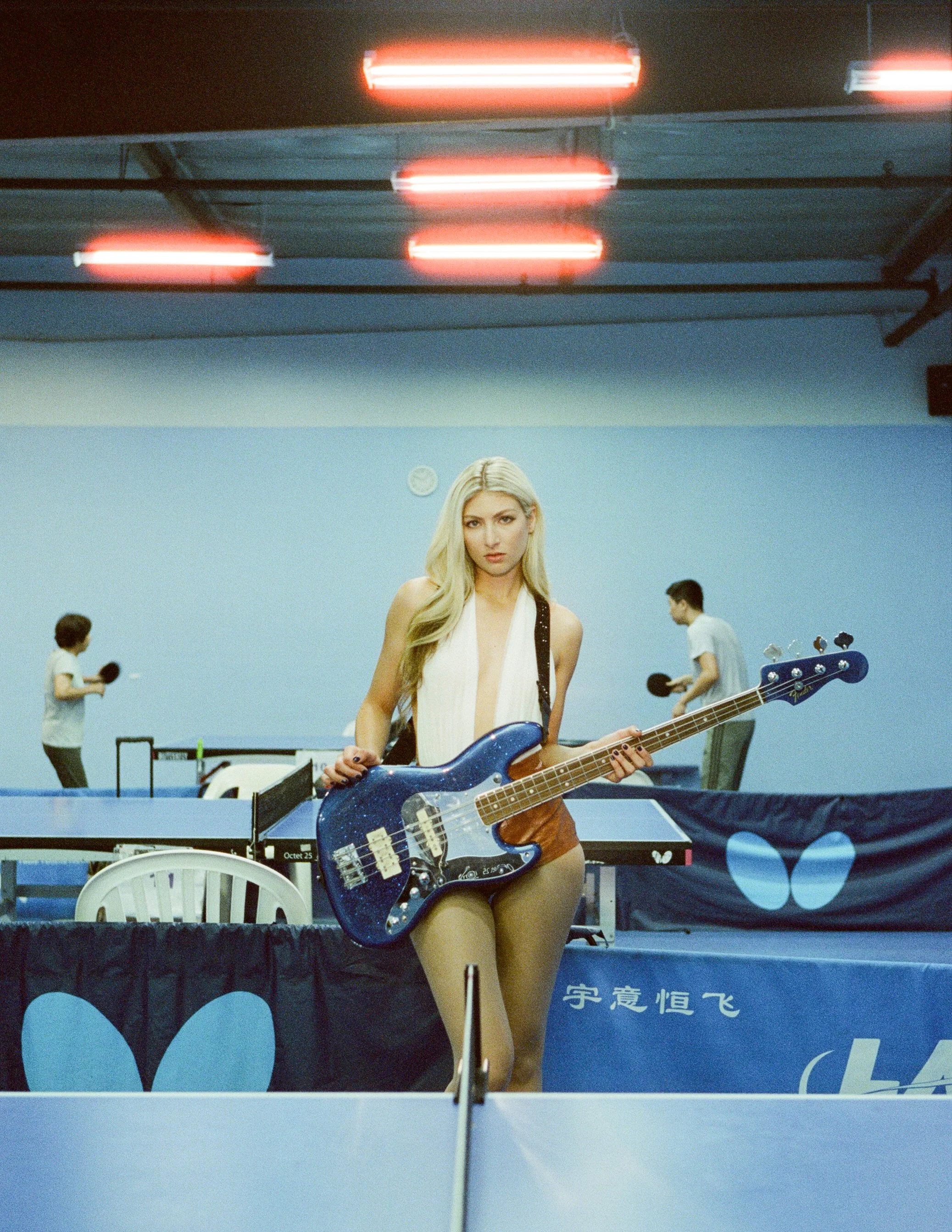
Whisper feels like a clear sonic shift. What inspired you to step into this disco-funk direction at this point in your career?
It might feel like a sonic shift compared to my past releases, but it’s honestly the music I’ve always wanted to make. I think I just needed time to find the sound and meet the right people to make it with. So, in a way, it isn’t new to me, it’s just finally out in the world.
You said the song began with a classic funk-disco bass line. What was it about that groove that made you realise it could define a whole new era?
Those are the kinds of bass lines that made me fall in love with the instrument. They’re funky af—syncopated, melodic, sophisticated, and expressive—and you have to really know how to play to make them feel right. As soon as I had that groove, it felt like the bass was leading the entire song rather than just supporting it. That’s what I wanted these new songs to feel like.
You’ve described Whisper and Shock! as a taste of what’s to come. What can fans expect from this new musical chapter?
Beautiful, emotional, slick music that raises your vibration. It’s groove-driven and made to make you move, feel sexy, and in touch with yourself.
Bass has always been central to your identity as an artist. How has your relationship with the instrument evolved since your early viral videos?
My relationship with the instrument started when I was seven years old, long before any viral videos. It’s a part of me. Everything goes through the bass. It’s how I express myself and how I process music, emotion, and the world around me. The viral videos introduced that part of me to a much larger audience, but the relationship itself has always been there.
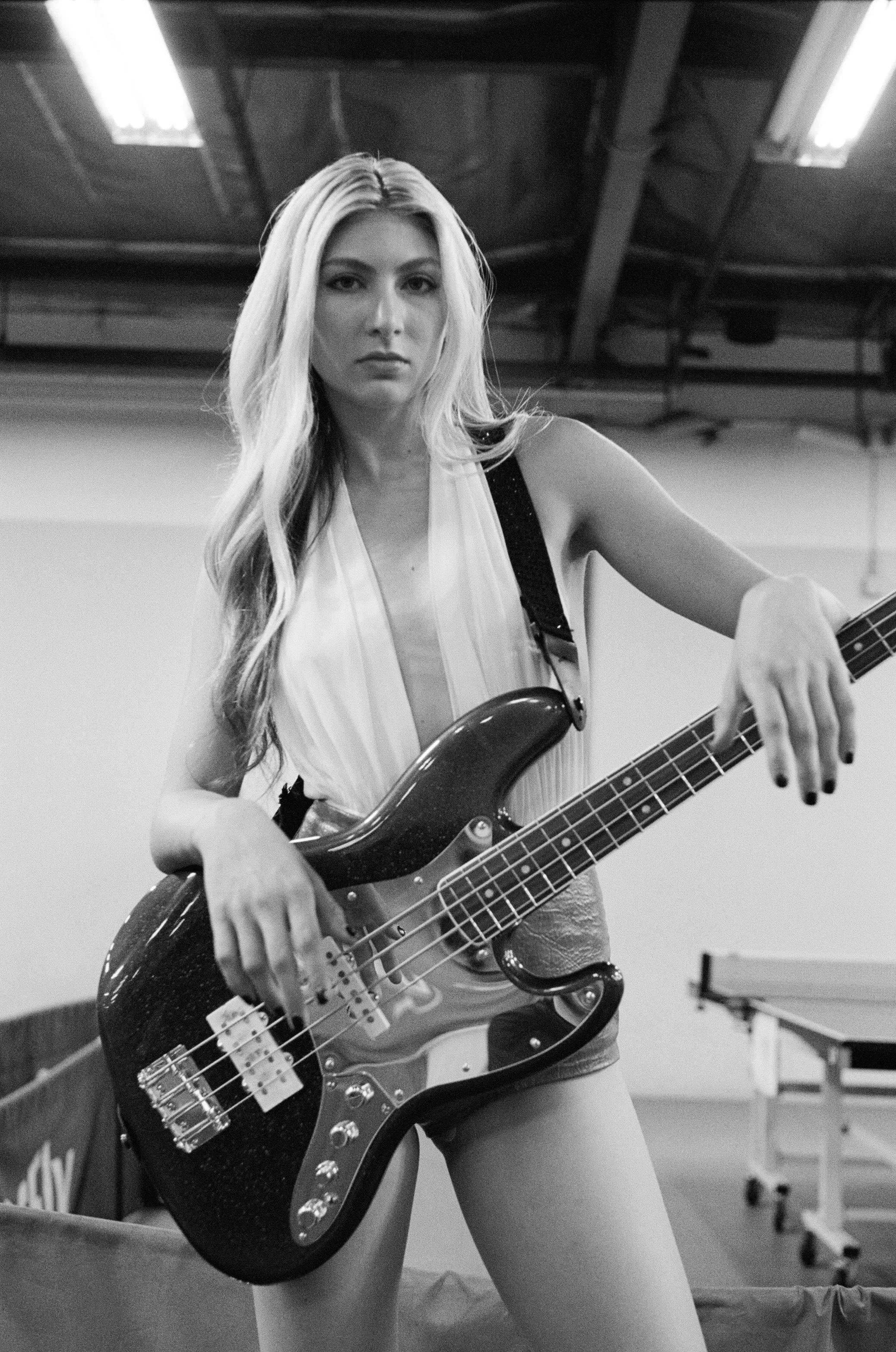
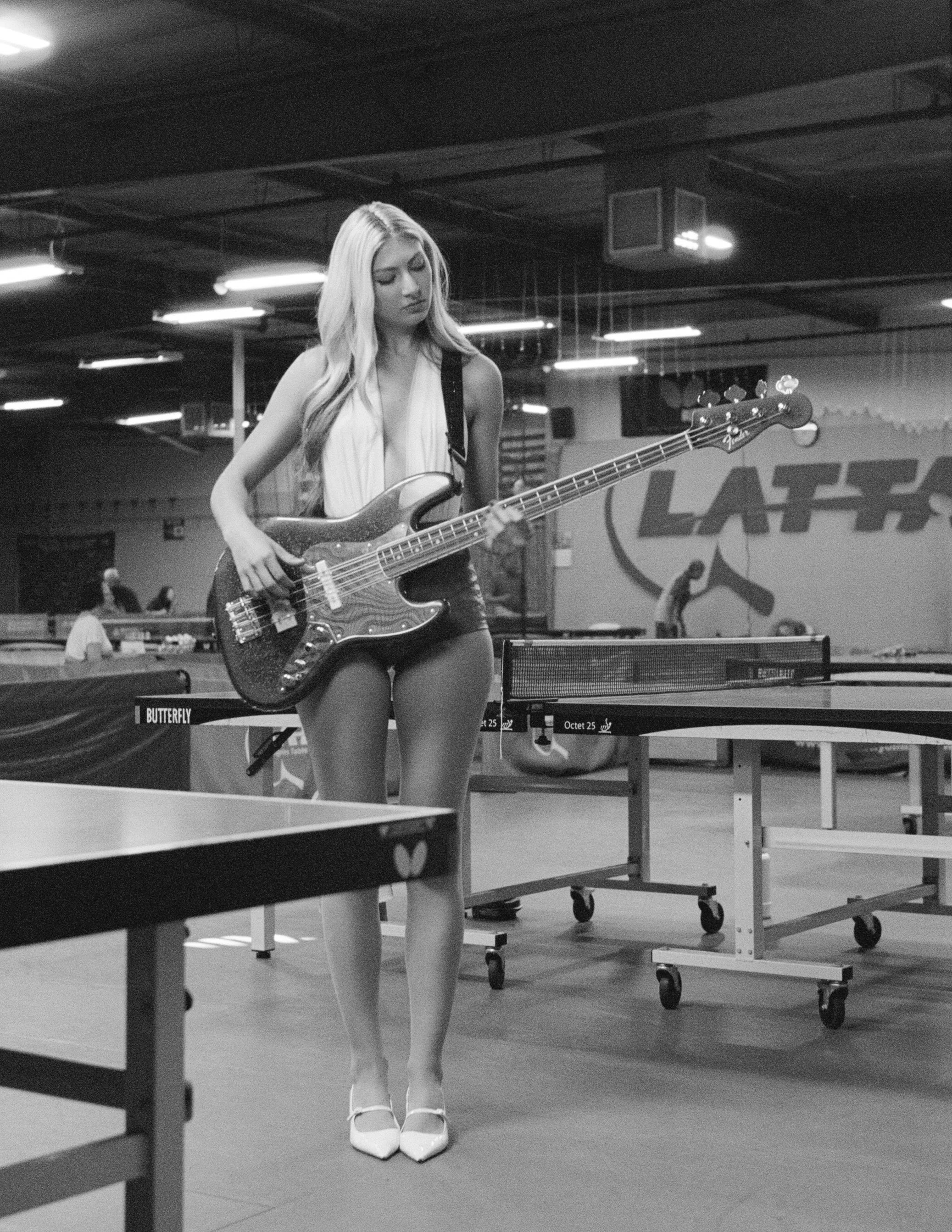
Do you feel audiences are listening differently to bass-driven music today than they were five years ago?
I think we’re all under the same algorithmic spells that frame a lot of what we hear, and hopefully I can break through those spells with music I believe is great. What I’m making definitely positions the basslines more front-facing and driving. Fender told me that they saw an increase in overall interest in bass, and in bass sales, connected to my videos and music, which was incredibly special to hear. I’m always trying to bring my bass-centric perspective into the pop landscape, and I’m grateful that I get to do that.
You’re the youngest artist and first female bassist to have a signature Fender bass. What does that achievement mean to you now?
It’s so special to me. It’s a beautiful feeling to be able to make an actual instrument that people will use for their own expressions and creations. I wanted the signature bass to be a vehicle for people to fully express themselves freely. As a woman and bass player, it was like there were two preconceived forces trying to put me in the background. I wasn’t gonna let that happen.
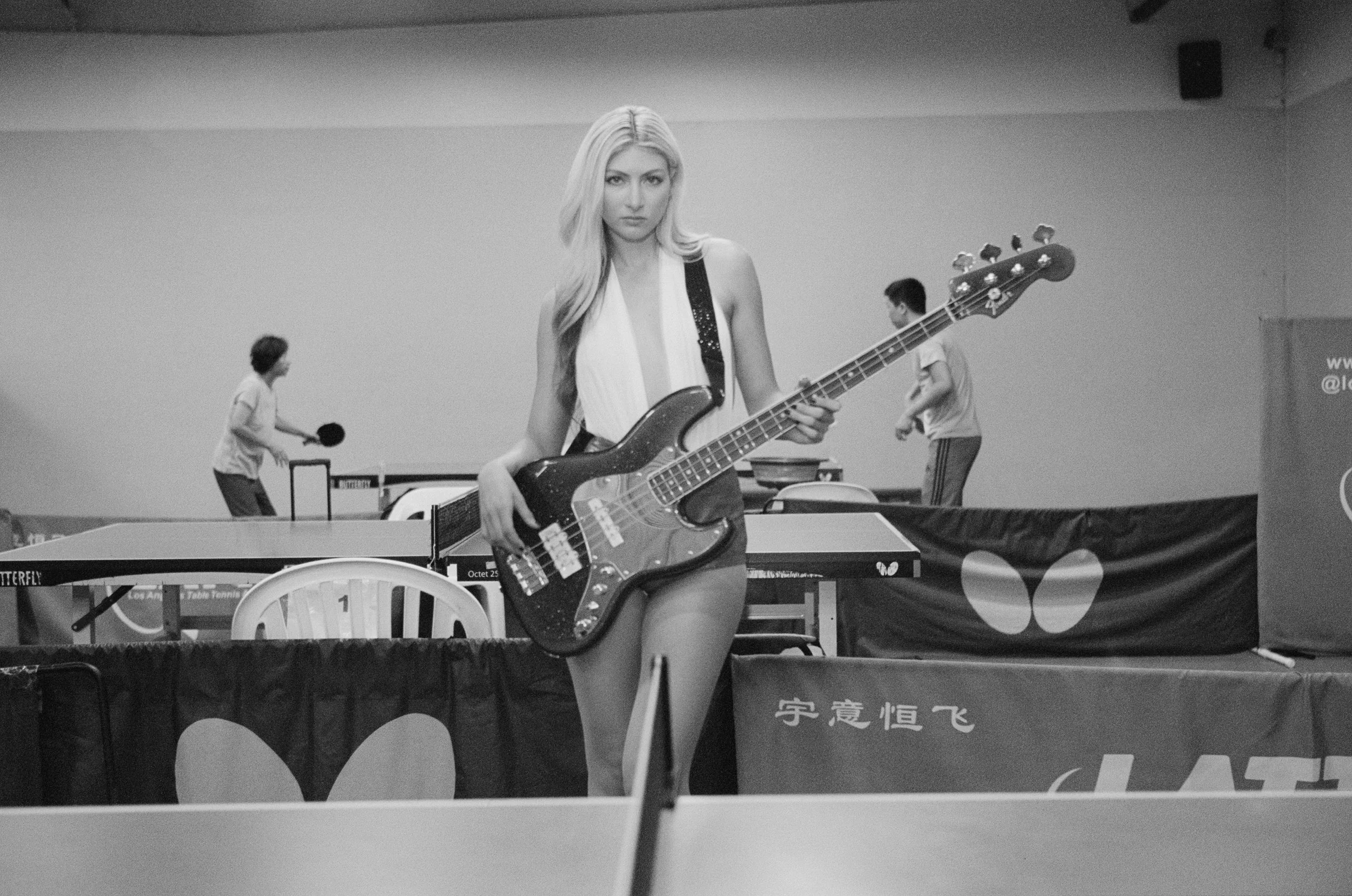
Bounce has become much more than a party. What was the original vision behind combining music, fashion, community, and ping-pong?
I genuinely love ping-pong, and I really respect the sport. I’ve been training for the past two years with a coach in New York because I genuinely love it.
The original vision was to create something that brought together different parts of my world, and to create a night in New York that felt fresh. The Bounce events include a real tournament with serious players, but it also brings together musicians, actors, designers, artists, and people from all different creative communities. There’s something special about watching the intensity of a tournament transform into the freedom of a dance party. We wanted to create a night that felt competitive, communal, and a little unexpected. I also love that we get to shine a light on the sport and the players.
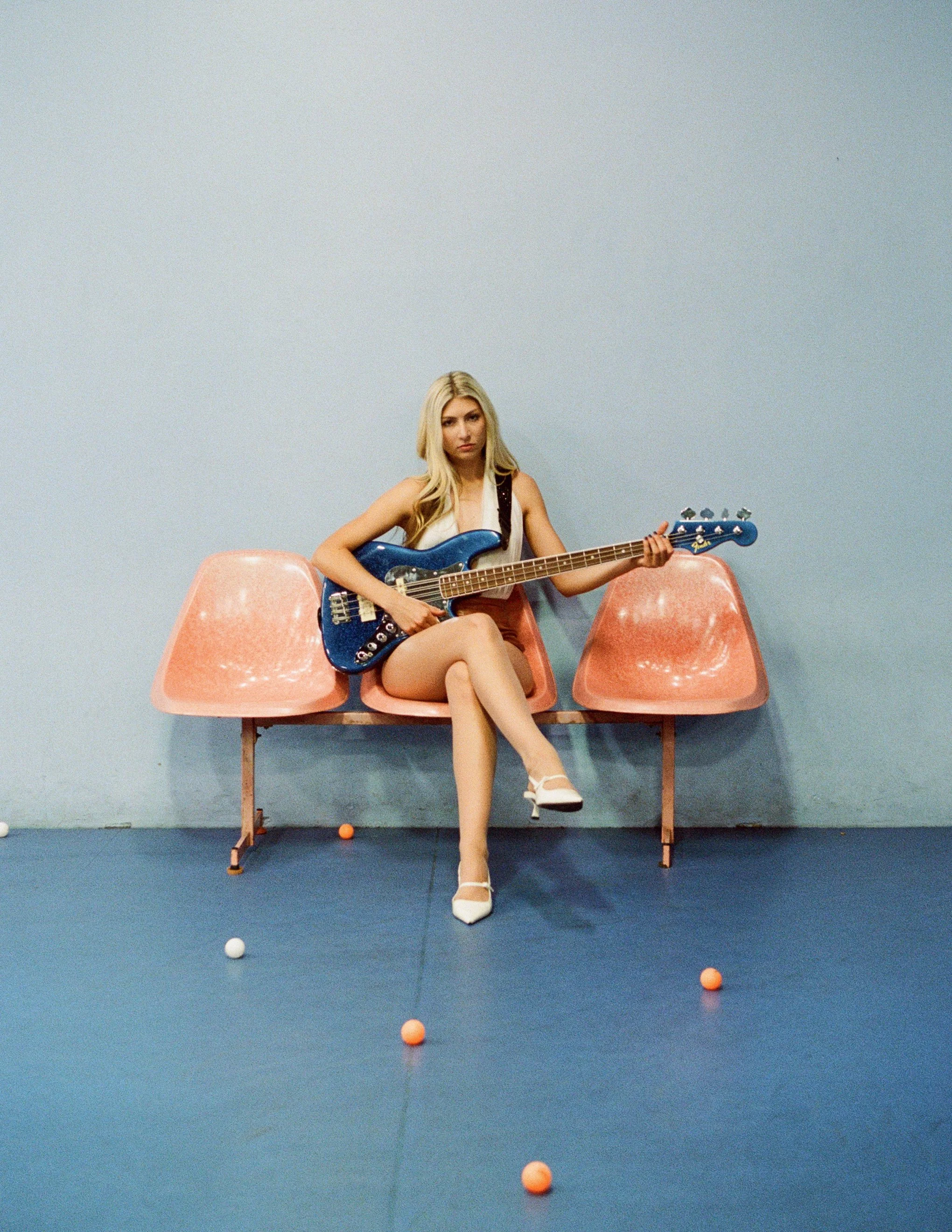
What do you think people are really looking for when they come to a Bounce event?
A different experience from a typical club night. Imagine walking into an underground table-tennis tournament with professional players and amateur players who are brave enough to challenge them. The tension builds, the final points are played, we bring out the championship trophy, and then the entire room turns into a wild dance party, which I also DJ.
I think people are looking for something participatory and unpredictable. They don’t just want to stand around in a club, they want to feel like they were part of a real moment and community.
Growing up in New York shaped your career from a very young age. In what ways does the city’s energy still influence your music today?
The city’s energy fuels me. I need that hustle-bustle. The settings that I find myself in NYC feel very specific to New York and less common in other American cities. For example, I rarely imagine the act of driving as inspiration for my music, although I do love listening to music in the car now. I’m imagining myself walking through the city, being out at a club, or moving through different moments of a night. It’s very city-centric. Even the lyrical content is often about seeing someone across a crowded room, brushing shoulders, touching, or sharing these fleeting moments with other people. Other times, it’s about holding your own and not allowing yourself to be affected by everyone around you, even when you’re in a crowded, shared space. New York is filled with so many eclectic people, cultures, and energies. Influence from all over the world finds its way into New York somehow, so I can’t help but be shaped by that.
This summer takes you from New York to Las Vegas to Ibiza. How do you adapt your sets for such different audiences and environments?
I’m literally living the lyrics from Get On The Floor by J. Lo and Pitbull. They soundtracked my summer. The sets change a lot depending on where I am. I think about the set time, the rest of the lineup, the crowd, the city, the size of the room, and what kind of energy the moment needs. For Vegas, we are celebrating female athletes specifically, so I make sure to add in fun female empowerment songs like Independent Women by Destiny’s Child. Ibiza is about pacing for a crowd that's been dancing every night until sunrise. At Bounce, I know the room, I know exactly when the tournament's wrapping up and the party needs to hit, so I can build toward that moment on purpose. I always leave space to read the crowd and change things live, but the bass is what keeps it me, no matter the room.
You’ll be playing at the all-female All Things Go NYC festival. Why do spaces that spotlight women artists remain important today?
It’s always a beautiful thing to celebrate women. We have unique challenges in this industry and it’s important to create spaces that intentionally highlight, support, and celebrate our work. It’s also powerful for younger artists and fans to see so many different women owning the stage.
Looking back at the kid who played CBGB at age seven, what do you think she’d be most excited about in your life right now?
She'd freak out over the signature bass, and to hear all the music that's coming out soon. And she’d be so happy to see me persevering and doing my best. Endurance is essential in this industry, and so is resilience, and I think she'd be proud that I've held onto both. I'm always pushing myself to get better. I think she'd be happy to see that I've stayed true to myself and made music I'm proud of, while still finding new ways to grow.
You’ve accomplished so much already, from Forbes 30 Under 30 to major festival stages. What still feels like an unfulfilled creative ambition?
I genuinely feel like I’m just getting started. More albums, more shows, tour the world many times over, and keep pushing myself creatively. There's a jam session I keep picturing — getting a room of musicians I actually consider incredible, no separation, all facing each other in the round, and filming the whole thing raw. Real musicianship happening in real time. That's the dream session. And of course, selling out Madison Square Garden. I manifest that every night.
TEAM CREDITS:
photography PHIL CHESTER
