
IN CONVERSATION WITH BRIANA PRICE
interview by JANA LETONJA
Rising at the intersection of performance, movement, and storytelling, Briana Price is steadily carving out a multidimensional career in Hollywood. Beginning as a dancer on the cultural phenomenon Glee, she has since evolved into a compelling on-screen presence, with roles spanning series like Shameless and I Think You Should Leave, as well as Hallmark features including Christmas Tree Lane. Most recently, she has gained momentum as Tiffany in Divorced Sistas from Tyler Perry, returning for its second season following a strong debut. Off-screen, Briana is equally focused on authorship, developing her own television projects while advocating for wellness and health within underserved communities. With a foundation rooted in discipline and a clear vision for what comes next, she represents a new generation of artists shaping their careers on their own terms.
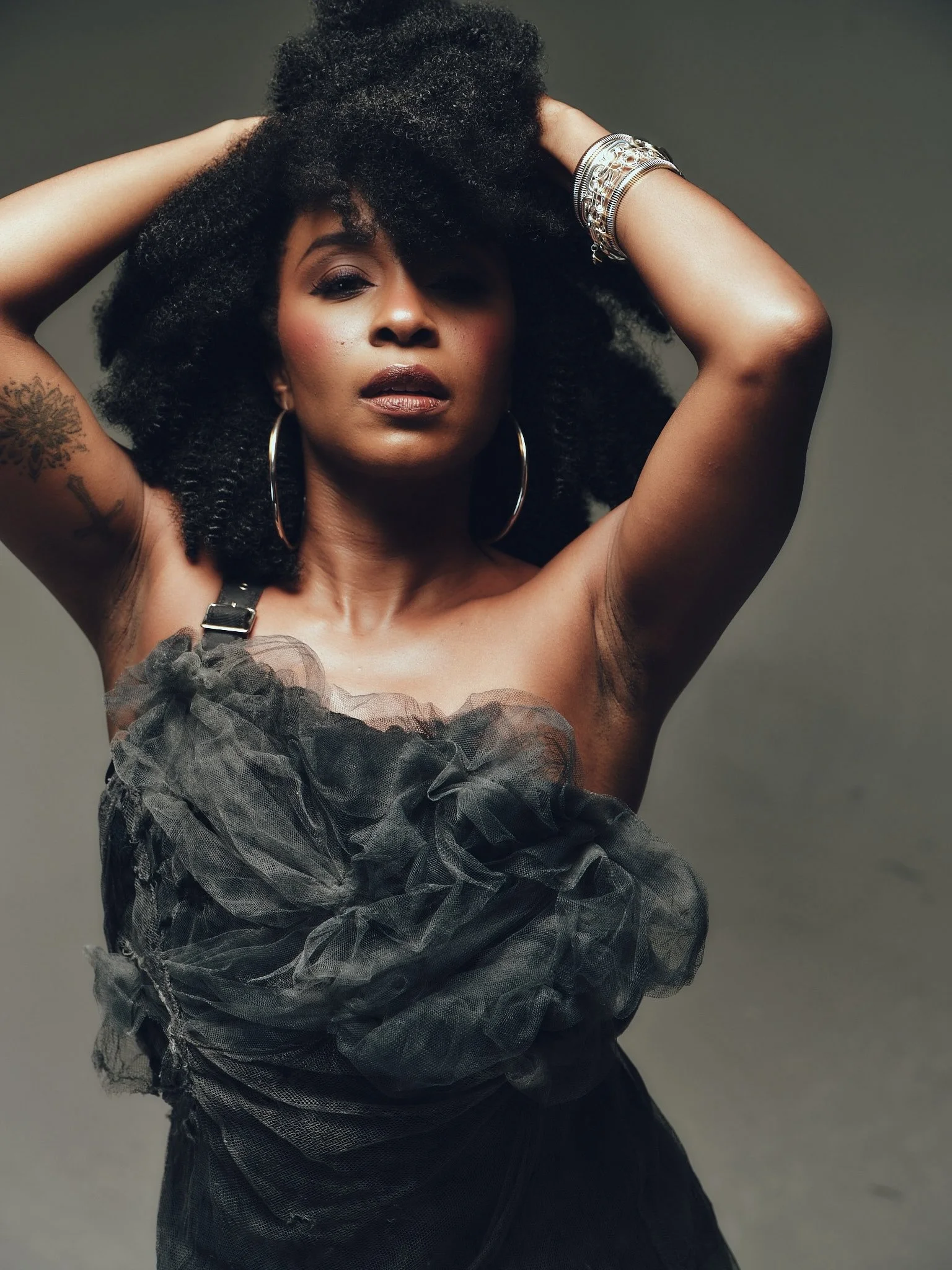
You began your career as a dancer. How did that foundation shape the way you approach acting today?
Dance taught me how to be fully present in my body, and I carry that into every role I play. There's a physical intelligence that comes from years of training, an awareness of how emotion lives in the body, not just the mind. That understanding has been foundational to how I build characters. I'm always asking, “How does this person carry themselves? What does their body know that their words don't say yet?”
Looking back at Glee, what did that experience teach you about being on set at such a formative stage?
Glee was such a gift at that point in my life. It showed me what it looks like when dance, acting, and music come together in a way that is genuinely electric. But honestly, what stayed with me most was the community. The actors on that set were so welcoming, to guest cast, to background actors, to everyone. I watched how they showed up for each other, and I thought, this is the kind of environment I want to be a part of. That set really shaped what I value in a production.
Was there a specific moment when you felt the shift from dancer to actress?
I don't know if it was one single moment. It was more of a gradual permission I gave myself. Dance had always been my first language, so stepping into acting felt like learning to speak in a new way while still using the same breath. At some point I stopped thinking of myself as a dancer trying to act and started thinking of myself as an artist who moves through many different forms. That reframe was everything.
What drew you to the role of Tiffany in Divorced Sistas?
A few things, honestly. First, the opportunity to work with Tyler Perry. That alone is a milestone. But beyond that, I deeply believe in the strength of sisterhood and Black womanhood, and I felt like this project was a real celebration of that. Tiffany is a woman wrestling with her intuition and finding her way back to herself, and that journey felt meaningful to me. It's a story worth telling.
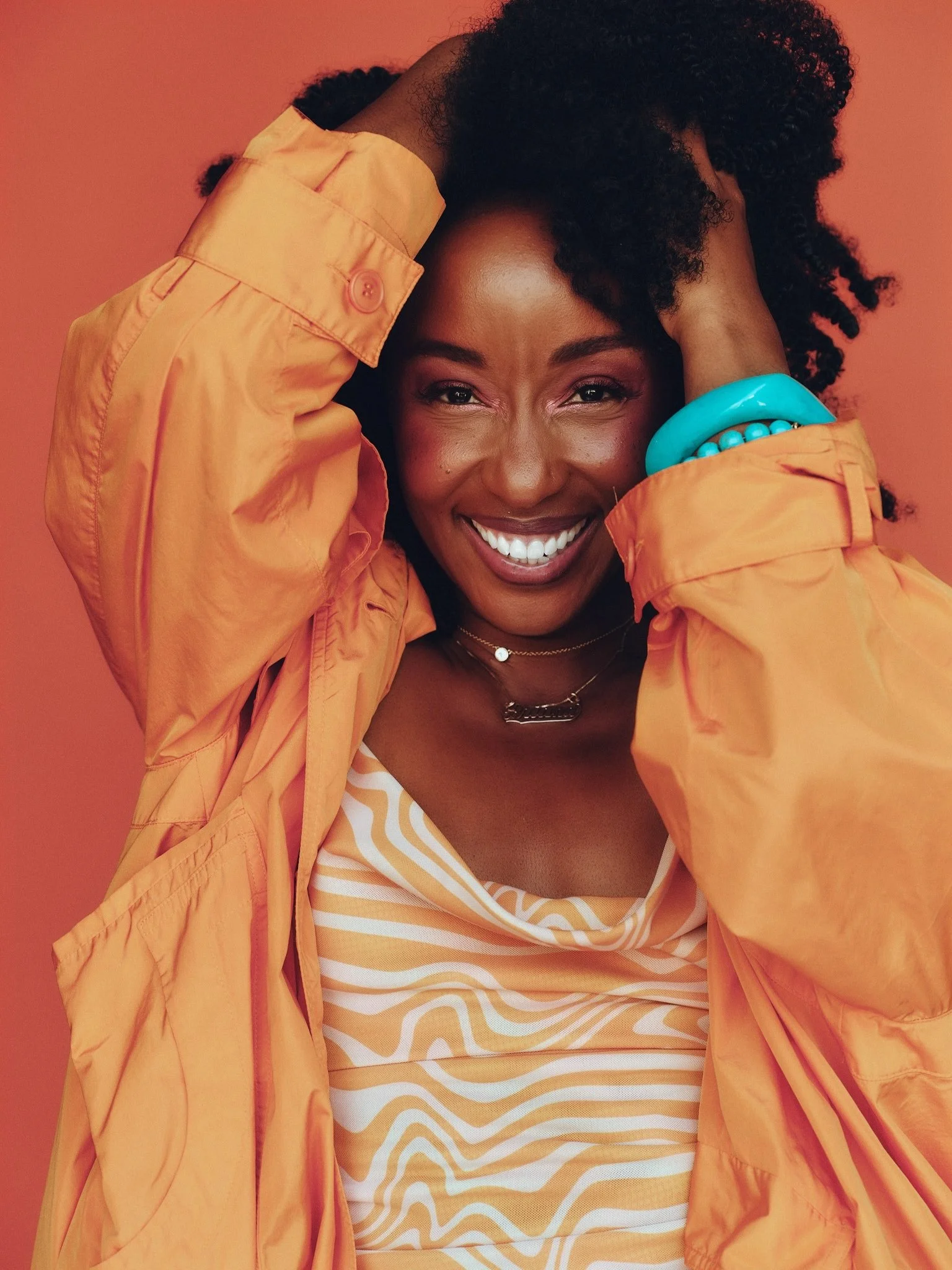
How would you describe Tiffany as a character, and what makes her resonate with audiences?
Tiffany has a strong sense of who she is, but life has shaken that foundation. And the story is really about her finding her way back to her own truth. What I think resonates is that she isn't perfect. She doubts herself, she struggles, but she keeps returning to her conviction. I think audiences recognize that. We've all been in a moment where we had to choose between what we know to be true and the noise around us. Tiffany makes that fight visible.
With the show returning for a second season, how did Tiffany evolve in your eyes?
I think she comes into herself more. In the first season you see her wrestling, and in the second season she starts to trust herself in a deeper way. There's a groundedness that develops, and with that comes a new kind of courage. For me as an actor, that evolution has been really exciting to track. She's given me permission to open up in ways I hadn't before, and I think that growth is visible on screen.
What has it been like working within the world of Tyler Perry productions?
It's been one of the most eye-opening experiences of my career. The way Tyler works on set is like a choreographed dance. Everything moves with intention and precision. Being in that environment made me dream bigger, full stop. It also deepened my understanding of the responsibility that comes with this medium. Film and television have the power to shape perspectives, shift culture, and change narratives. I don't take that lightly, and working with Tyler made that real for me in a new way.
You're currently writing your own TV pilot. What kind of stories are you interested in telling?
I'm really drawn to the female experience in America, specifically as a woman of color. I want to explore how the social and political pressures we're living under right now affect women on a micro level. How those pressures show up in our relationships with other women, and in our relationship with ourselves. I'm also deeply interested in the female anti-hero, Black women in roles that subvert expectations and defy the tropes we've seen repeated for so long. I think when we get to see Black women in that dimension, it expands our humanity.
How does stepping into writing change your perspective as an actor?
It makes me so much more empathetic to the process. When you're writing, you understand how carefully every choice is made. Every line, every scene, every character dynamic. It also makes me more curious about the full architecture of a story rather than just my corner of it. I've always approached acting with a lot of questions, but writing has made those questions sharper. I think they feed each other in a really beautiful way.
You're passionate about health and wellness, particularly within the African American community. Where does that commitment come from?
I went to school to be a doctor, so health has always been close to my heart. But it goes beyond education. I've seen both sides of the healthcare system, and I know firsthand how Black women are failed by it. Our pain is dismissed. We are more likely to die in childbirth, more likely to go undiagnosed, and less likely to have access to the quality of care we deserve. That is not acceptable to me. I believe that without health as a foundation, we cannot live fully, reach our potential or experience the joy and purpose we're entitled to. Education is power, and I want our communities to have every tool available to advocate for themselves.
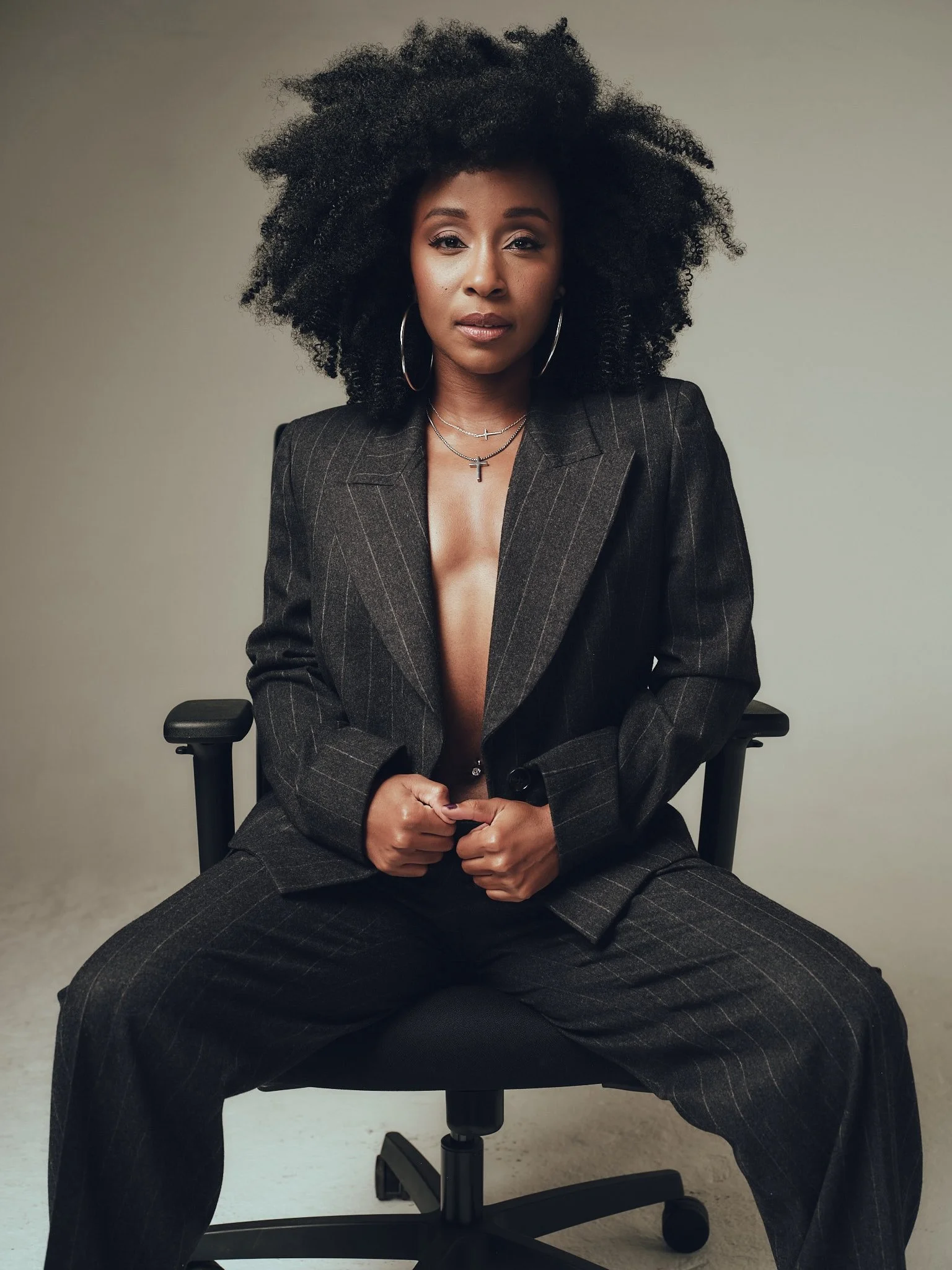
How do you personally maintain balance while working in such a demanding industry?
I'm really intentional about it. I start every morning with meditation. At least 10 to 15 minutes, sometimes longer. I journal daily, which keeps me connected to what's actually going on inside so I can take care of my internal needs. Physical movement is non-negotiable for me, it gets me out of my head and back into my body. I also see a therapist regularly, and that work has been transformative. And I stay on top of my checkups and screenings. In an industry that can pull you in every direction, those anchors keep me grounded.
With multiple projects on the horizon, what excites you most about this current chapter of your career?
Honestly, the expansion. I feel like I'm stepping into a version of myself and a vision for my career that was obscured before. Writing, directing, acting, being part of stories from their inception all the way through, that's what lights me up right now. And more than anything, I want to create work that gives people permission to be more fully themselves. A little more permission to be flawed, to be vulnerable, to love freely, to let go of fear. If my work can do that, then I'm building exactly the legacy I set out to build.
TEAM CREDITS:
photography JONNY MARLOW
