
words FRANCESCO PIZZUTI
interview TIMOTEJ LETONJA
Multi-generational, transcontinental icon, actress and producer CATE BLANCHETT sat down with us to talk acting, vulnerability, courage, transformation, power and her ongoing partnership with GIORGIO ARMANI’s Sì fragrance collection. Blanchett has built an extraordinary career, with roles spanning every facet of life and diverse mediums, crystallising her as one of the most recognisable figures of her generation. She spoke to us about the importance of being daring in art, taking risks, and staying connected to one’s wants and desires, all of which relate directly to the new Sì Bloom campaign, a celebration of saying sì to possibility. Always classy, insightful, personal and philosophical, Blanchett delivered a rare glimpse into the very human mind of an artist who continues to evolve, challenge herself and find meaning within.
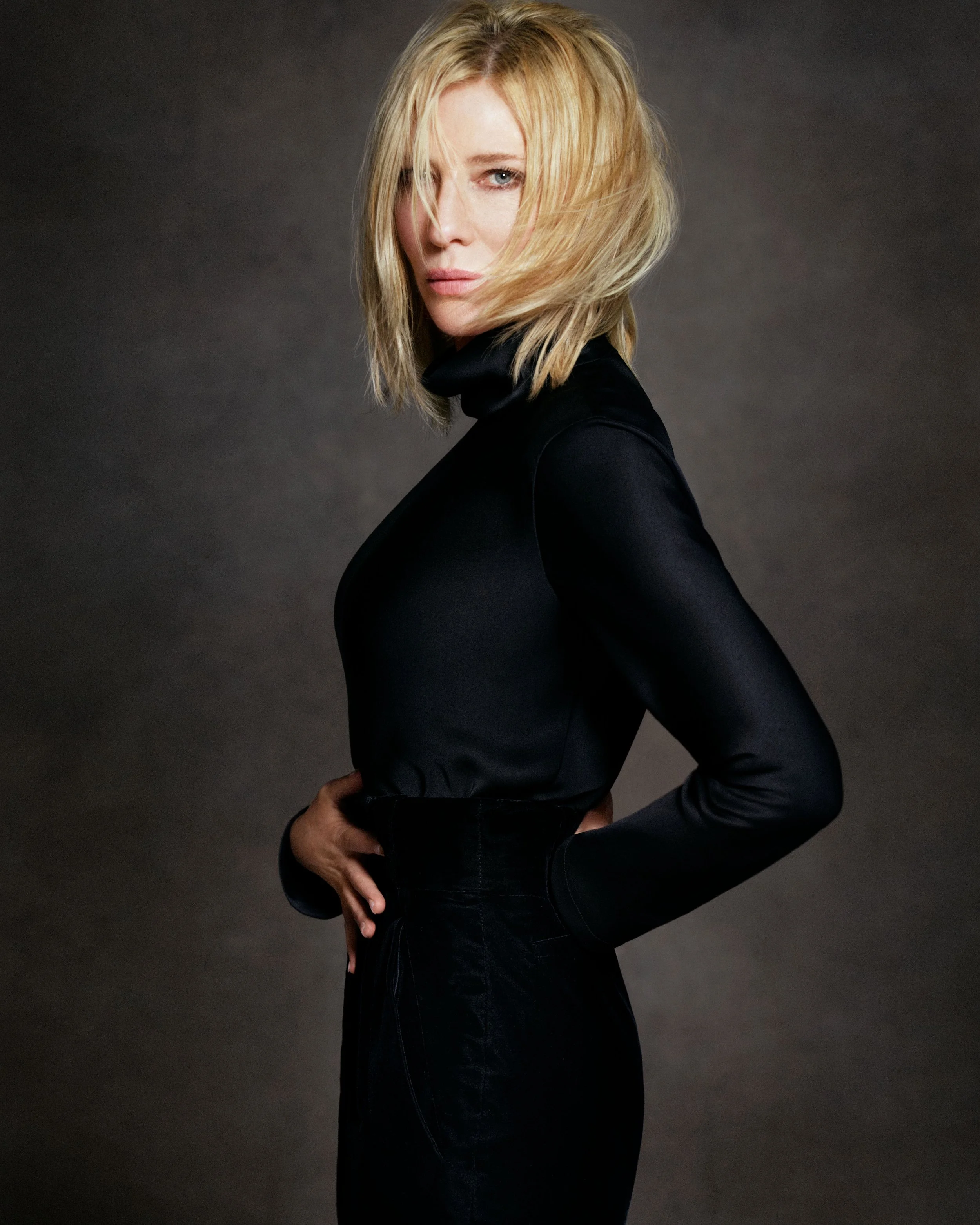
all images courtesy of ARMANI
The Sì Bloom campaign celebrates the courage to embrace possibility. Looking back at your career, which role required the greatest leap into the unknown, and what did saying yes to that challenge teach you?
Every role, in a way, is a leap into the unknown. You never know how it’s going to land or whether there will be that spark of connection with the other actors, the text, the crew and ultimately the audience. You have to risk jumping into the void. But not knowing can, in a way, be a gift. It can be a clearing, an opening, a kind of freedom. If you go in with all the answers, there’s no electricity, nothing to uncover or discover.
Every role that has changed something in me began from that place. I remember when MARTIN SCORSESE called me about The Aviator (2004). I just knew I had to leap. It was thrilling and terrifying, but I had to say yes. I try to keep that spirit alive. Courage isn’t certainty; it’s the willingness to step forward before you know where you’re going to land.
You have spoken about life as a constant state of becoming. Do you think acting is about transformation or about revealing parts of yourself that are already there?
Transformation might be a byproduct, but in the end, acting is about connection. I think that is the most important thing: connection and engagement. Underneath any transformation, there has to be something of you drawn into the story or the moment. We’re all flawed. We all have things we try to hide. I think the joy, the mystery and the mischief of acting is making those flaws manifest, making them available so that people don’t feel so alone or ashamed of their own. And you can do that with humour. It doesn’t always have to be heavy. I think MR. ARMANI understands that beauty is not a pure state, it has imperfections in it. We celebrate those things; we don’t mask them. That is what makes us unique.
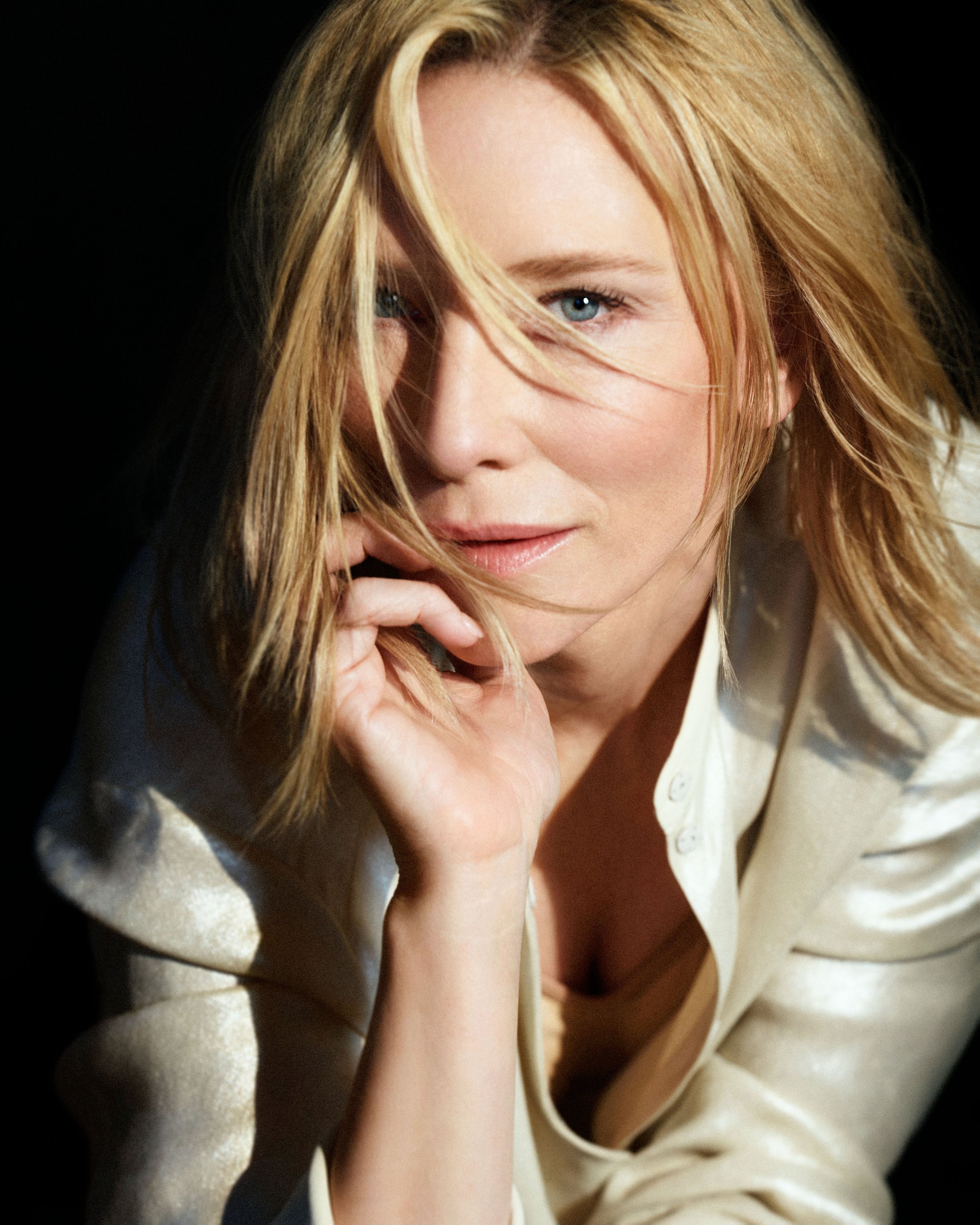
The Sì fragrances are described as daring. In cinema today, what does artistic daring actually look like? Is it choosing difficult material, taking creative risks or resisting the pressure to conform?
I think it’s all of those things: choosing difficult material, taking risks, resisting conformity.
Someone I deeply admire is LEONORA CARRINGTON, the artist and writer. She spoke about the things in life that we can’t put into words, the things that are not sayable, and that is why we have art.
It’s important to remember that art doesn’t have to tie everything up in a neat bow. It doesn’t have to provide answers. There is risk in being inconsistent, incomplete, but provocative. The pieces of art that stay with us, whether cinema, literature or poetry, are not didactic; they entice people to make connections and go to places they might not otherwise go.
As a woman, I think daring can also be a quiet refusal to be simple. It means being alive to all the complexities within us, and not making them pre-digested or easy for people.
Many of your characters, from ELIZABETH I to LYDIA TÁR, possess extraordinary power. Has your understanding of power changed over the years, and are you more interested in strength or vulnerability when choosing a role now?
I think vulnerability is a strength. The courage it takes to stand exposed, to allow people to see into you in a vulnerable state, is an incredible strength. When people try to ignore their vulnerability, or refuse to let anyone connect with that part of them, that can become a weakness. We often think power means keeping everything under control and holding your cards close to your chest. But sometimes letting go, letting people in, and standing exposed in the wind is the strongest thing you can possibly do.
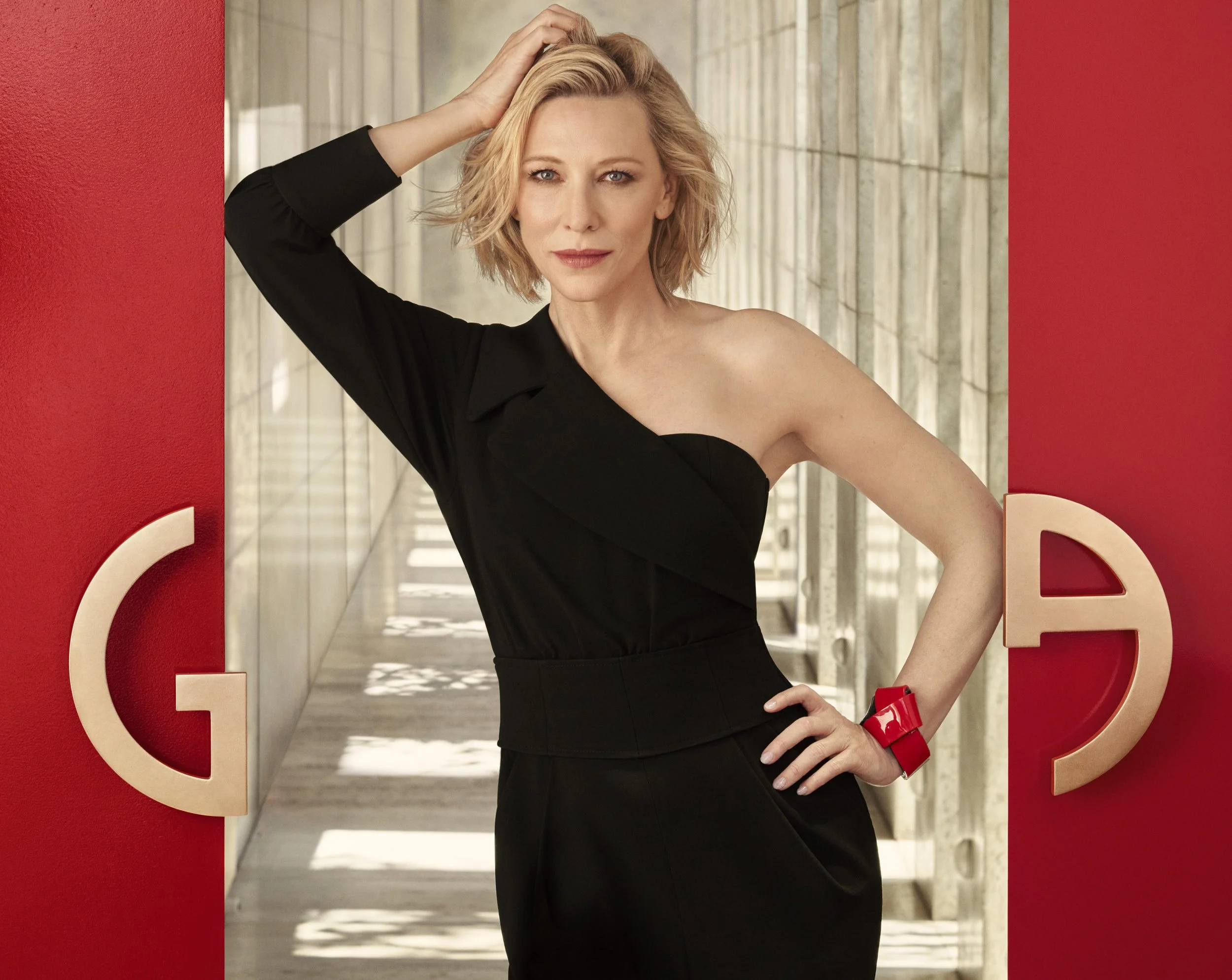
The campaign speaks about embracing possibility rather than certainty. Are audiences drawn to characters with answers or characters still searching?
There’s no drama if a character knows everything. If characters don’t shift, if they don’t progress, if they can’t change their minds, then they don’t have an impact on the narrative.
It can be delicious when characters think they have all the answers and, of course, it’s revealed that they absolutely do not. As an actor, I ask the same questions the audience asks. But you don’t want to solve or define everything. You don’t want to tie it all up neatly. That’s how you create ambiguity and mystery: by placing conflicting states against one another. We live with conflicting emotions all the time, and that tension is what makes a character interesting.
You often speak about collaboration and letting go of control. Which filmmaker most challenged the way you think about creativity, and what did they teach you?
I’ve been fortunate to work with directors with whom I’ve developed a truly symbiotic relationship. You don’t only complete each other’s sentences, you anticipate each other’s calls. The dance becomes seamless. You don’t know who is acting and who is directing. You’re simply making the thing together.
It’s like taking flight with someone. Neither of you is authoring it alone; you’re co-authoring it. That is an absolute joy. And when a director sees something in you that you didn’t realise was there, something no one has seen before, they ignite something in you. You come to life in a way you had not expected.
The idea of saying “yes to yourself” runs through the Sì universe. Has there been a moment in your career when trusting your own instincts went against conventional wisdom but ultimately proved to be the right decision?
I think you have to trust your instincts. Apart from technique, judgment and instinct are part of your toolbox as an actor. I’ve never had a master plan or an ultimate destination. It has been more about being endlessly present as things unfold. People can get very bound up in the size of a role, the size of a paycheck or whether something is a “career move.” For better or worse, those things haven’t really concerned me.
Of course, it’s lovely to get paid. Of course, it’s great to be the lead. But sometimes the most interesting role, the place where you can experiment, is not the one with the biggest lines. I’ve leaned into trusting my instincts in those moments.
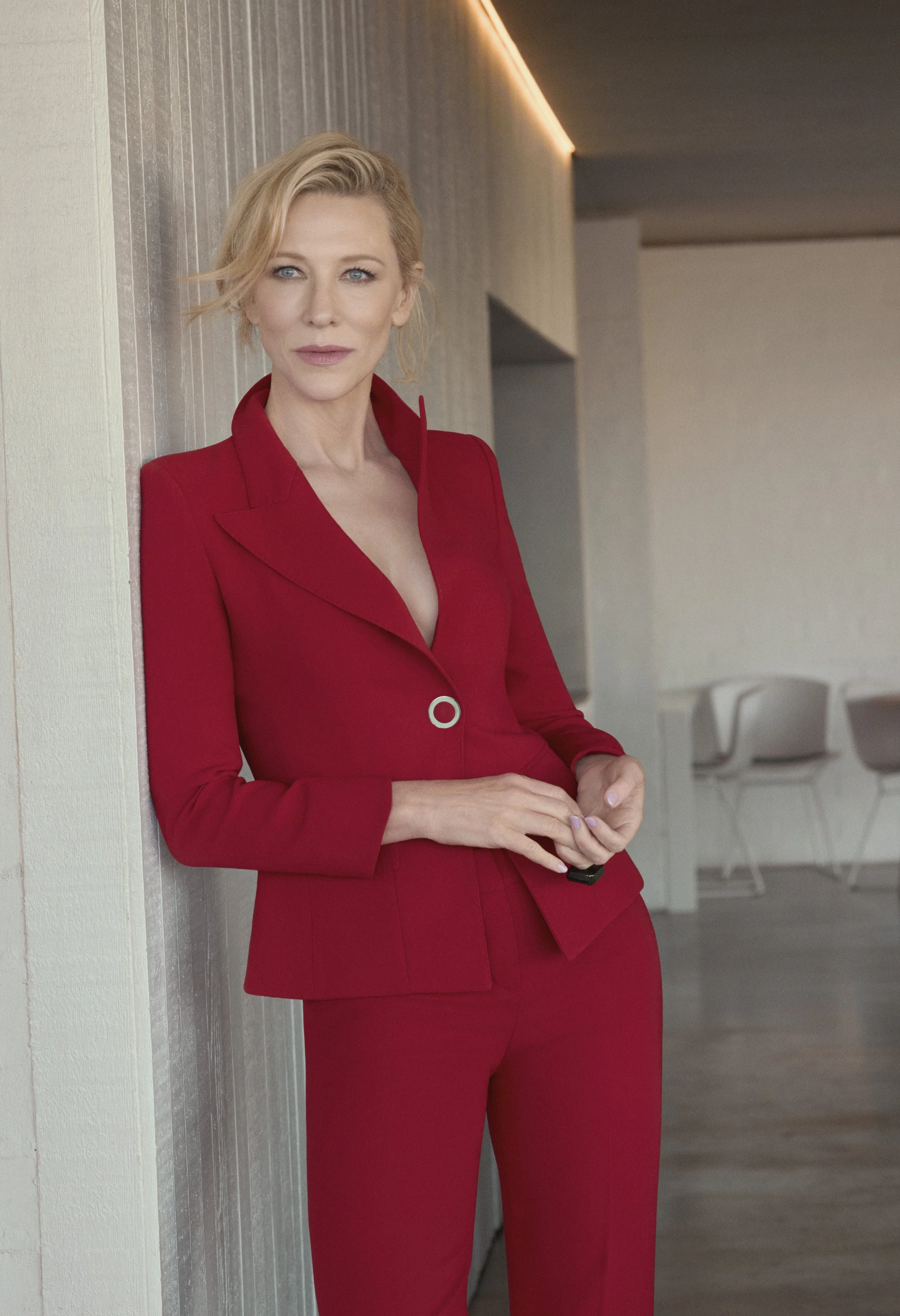

Beauty in the Sì campaign feels emotional rather than purely visual. Are the most beautiful moments in cinema the ones that look extraordinary or the ones that make us feel something we cannot explain?
I think great moments in cinema are those two things bound together. You don’t know whether you’re seeing or feeling. You are doing both simultaneously. Cinema allows us to dispense with language and connect with an image that somehow reaches the soul. We experience it with other people, carried by light through the projector. Without question, the most beautiful moments are often the ones we feel but cannot easily explain.
If you could say sì to one new creative adventure over the next decade, what would you love to explore?
It would have to involve the natural world. For me, it’s about taking time, practising gratitude for this incredibly beautiful world that we have been given the privilege to inhabit and protect.
Creatively, I never want to stop asking questions. I’m fascinated by surrounding myself with people who don’t think like I do, who have skills I don’t have and extraordinary talents I can learn from.
Is there a film that changed you or stayed with you deeply?
The work of KRZYSZTOF KIEŚLOWSKI had a profound effect on me, especially Dekalog (1988). I also remember seeing Fanny and Alexander (1982) and realising that serialised storytelling and great cinema are not mutually exclusive. But a film I keep returning to, because it gives me so much food for the soul and is so full of joy and chaos, is EMIR KUSTURICA’s Underground (1995). I love that film so much. It’s extraordinary.
