
IN CONVERSATION WITH CHARLOTTE DOBRE
interview by JANA LETONJA
With over 10 billion views and counting, Charlotte Dobre has become one of the Internet’s most incisive cultural commentators, blending comedy, sharp observation, and emotional intelligence into a genre all her own. More than a YouTube powerhouse, she represents a new generation of digital creators who don’t just react to internet behaviour — they analyse it, dissect it and hold a mirror up to it. With a background in acting and broadcast journalism, Charlotte brings precision and timing to her signature storytelling,unpacking everything from petty revenge to relationship red flags while navigating the pressures of visibility at scale.
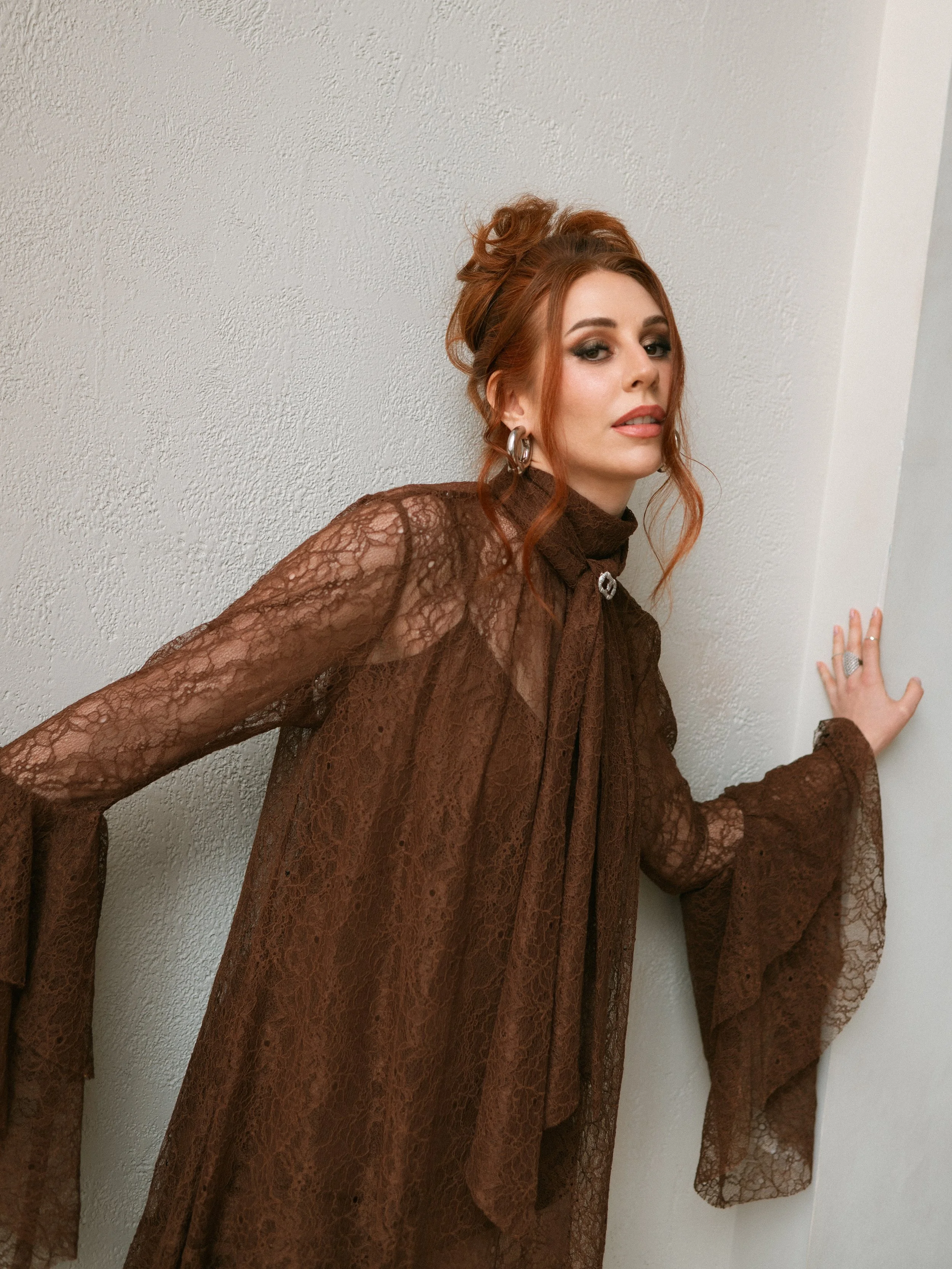
With over 10 billion views, when did you realise this was no longer just “content” but a cultural platform?
I think the shift happened before the number itself. The moment I started seeing people not just consuming the content but responding to it, that’s when it stopped feeling like content and started feeling like a cultural platform. The 10 billion views validated that scale, but the real signal was the level of audience participation. That’s when I became more intentional about what I was putting out, thinking less in terms of individual posts and more in terms of influence, responsibility, and long-term brand.
Your work sits between comedy and commentary. How do you define what you do?
I always say “I’m your internet bestie”, and I mean it. I want my content to feel like you’re sitting down with your bestie and telling them your problems. Your bestie tells you the honest truth, gently, while at the same time making light of the situation to make you feel better.
What originally drew you to reactive storytelling as a format?
I sort of fell into this format. I tried other niches, but this one stuck. Time and time again, my storytime reaction videos outperformed other types of content, and I’ve been doing them consistently for several years. As a content creator, you have to be honest with yourself and how your audience sees you, and I think they enjoy spending time with me and hearing my takes more than they enjoy watching me do other types of content.
Do you see yourself as a comedian, a journalist, or something entirely different?
I don’t know what I am. I think I’m an entertainer at heart, so that will always show in anything I put out there. My aim is to entertain, and if I help people along the way, that’s a bonus.
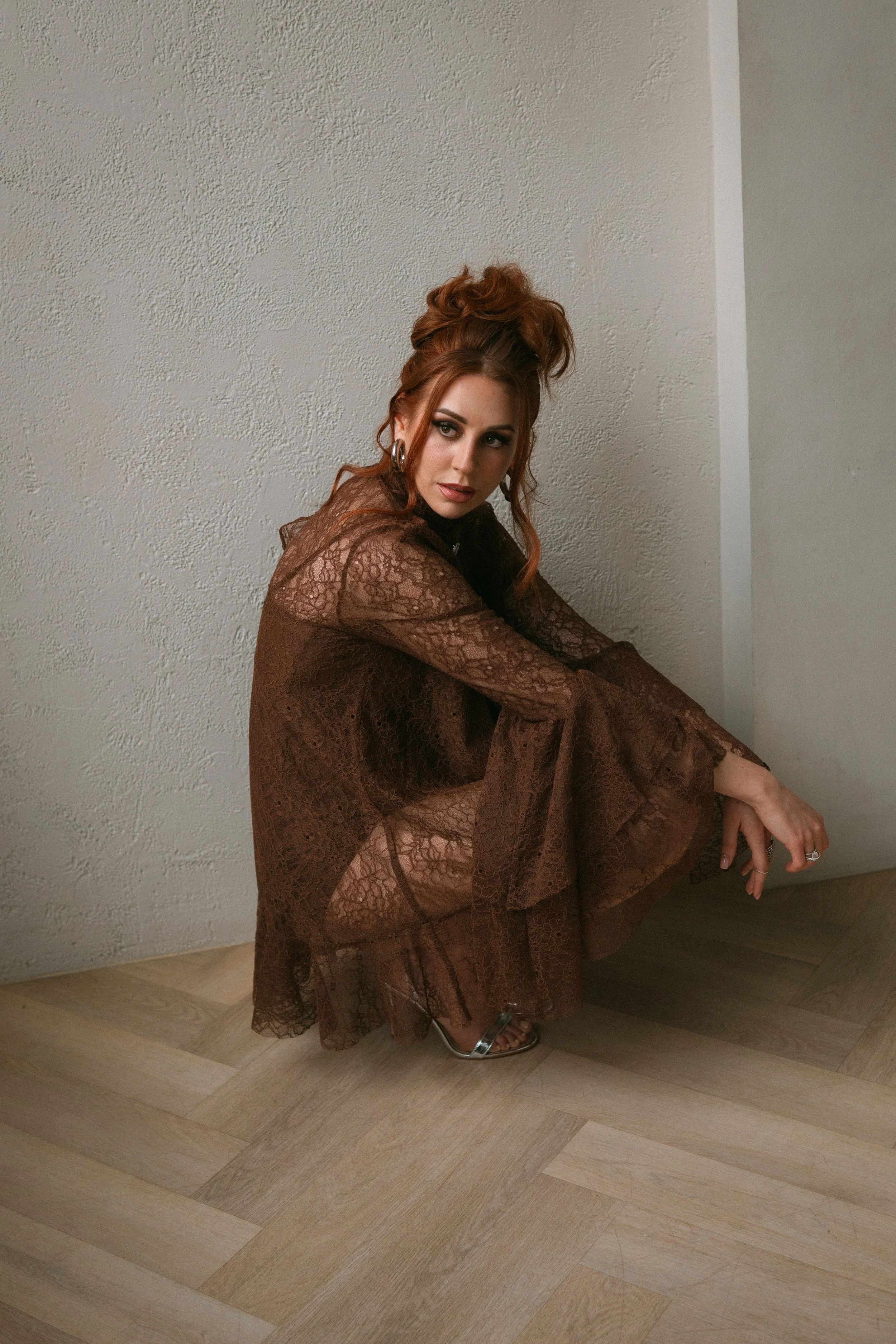
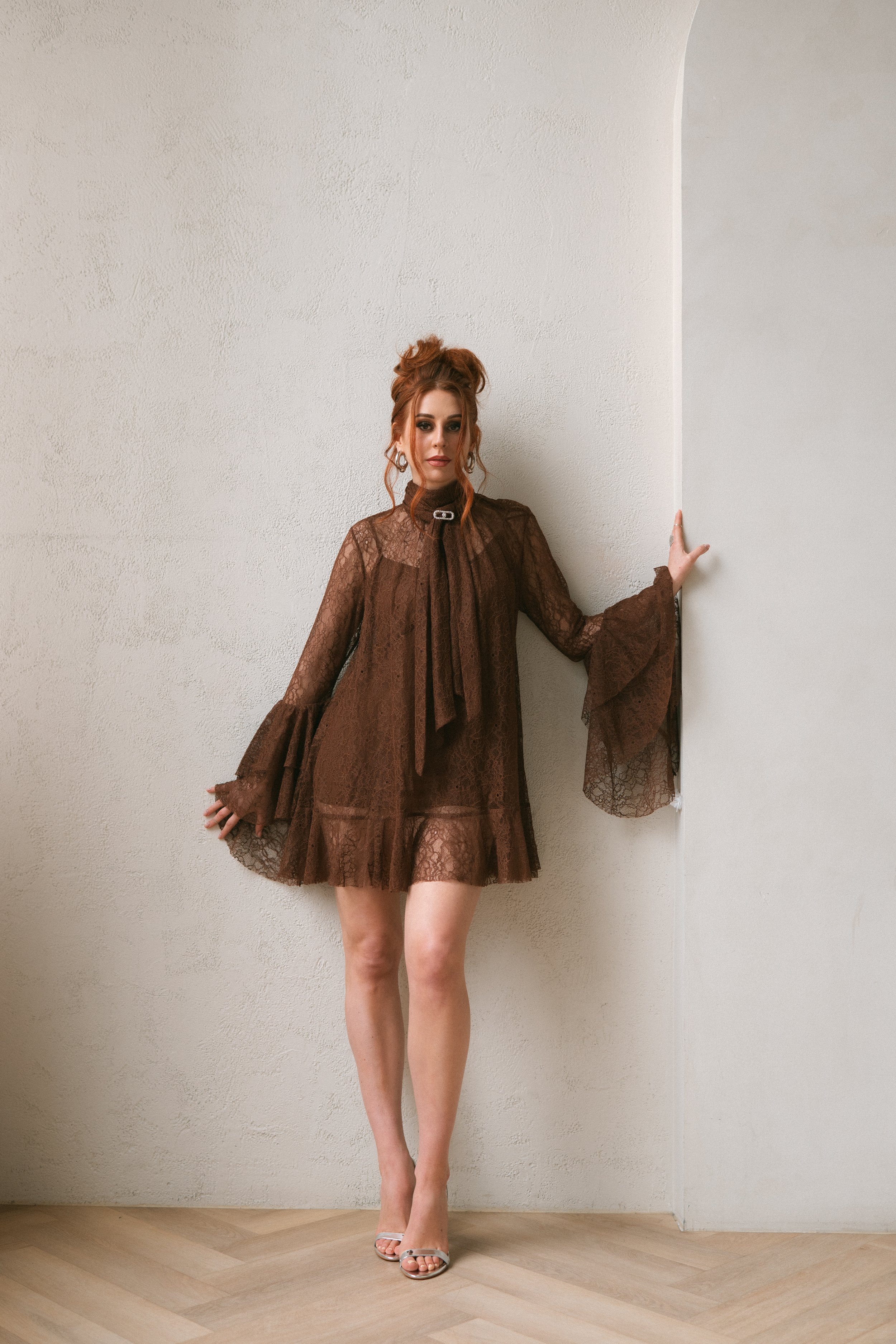
You often unpack internet behaviour. What fascinates you most about how people act online?
I love human psychology; I think that goes back to being a trained actor and writer. I’m fascinated by people and the “why”, why they behave the way they do. As an actor and writer, when we are dissecting a character, our place isn’t to judge; it’s to find the humanity and the “why”. That’s why I love a good villain, because I always wonder what happened to them to make them the villain.
Has constantly observing human behaviour changed how you interact offline?
It definitely has. Growing up in an unstable environment, I was bullied, which caused me to be very sensitive to people and changes in my environment. I’m constantly scanning the people around me, and I often feel drained after social situations and will need several days to be alone to process. I will also remove myself from situations entirely where I become drained or anxious. I think that’s my body’s way of telling me I feel “unsafe”.
Your audience returns daily. What responsibility do you feel toward them?
I think just showing up really matters because my videos are part of their daily routine. I also want to be proud of the content I put out there, and constantly be improving and creating a great show, which is why there’s so much that goes into every post. Countless hours of research, strategy, planning, producing and editing. Every quarter, I sit down with different members of my team to see how we can improve the videos and the workflow. I’m definitely not just shitposting, I’m running a full-on production company.
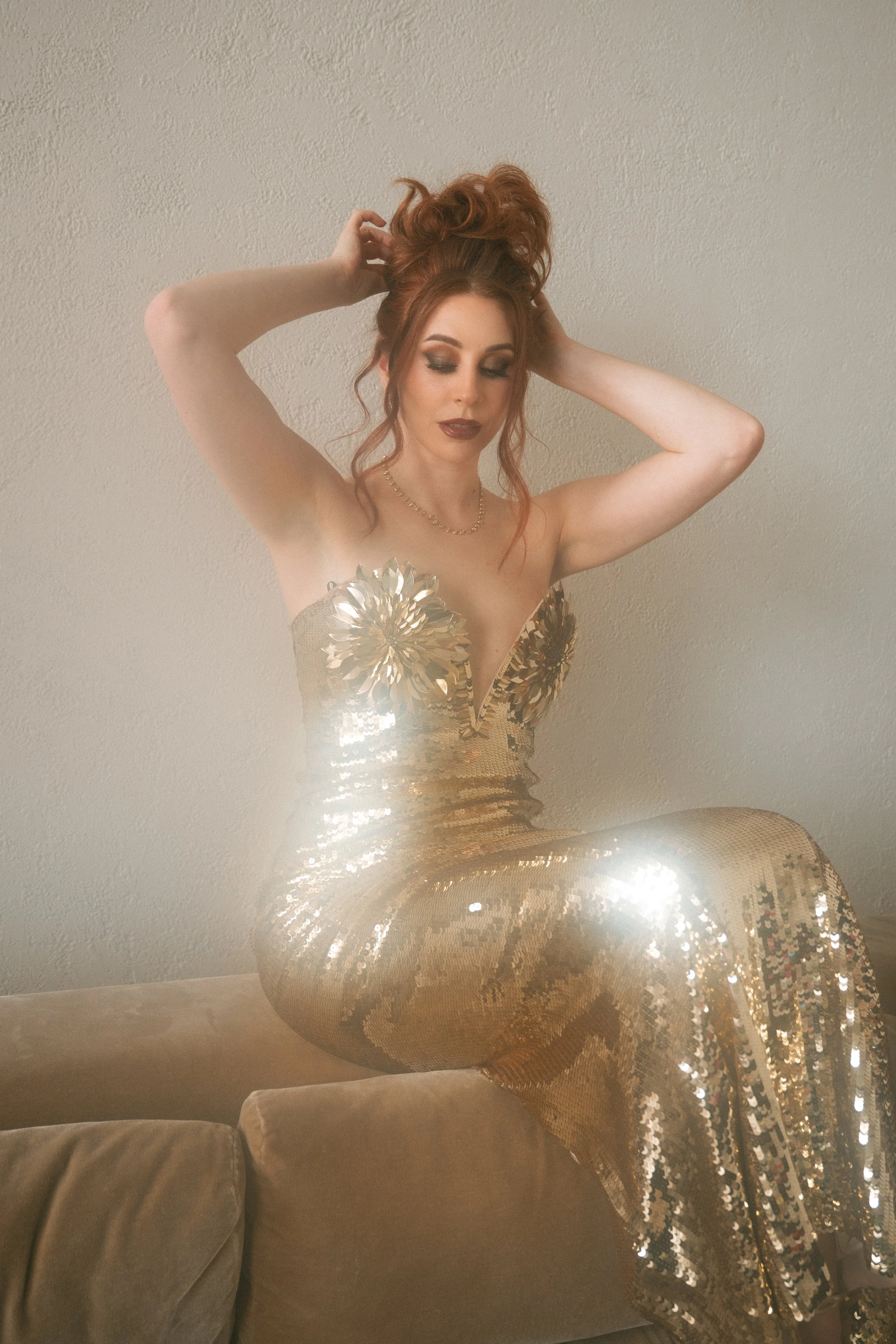
How do you balance reacting authentically while knowing millions are watching?
I try to stay neutral. I try to find the humour and to look at things with my “funny eye”. I also try to keep my reactions upbeat, and I never say anything in a video that I would be embarrassed about 10 years from now.
You’ve built a career commenting on other people’s stories. How do you protect your own narrative?
I am careful about what I share. I also try not to talk about myself very much, unless it’s a funny story or somehow related to a point I want to get across. As much as I’d like to share more, almost everything I share gets picked apart and put under a microscope. And that’s fair, I pick people apart in my videos as well, so it’s bound to happen to me, too. I personally think we all put too much of ourselves on the internet, anyway. It’s good to have people be curious about you, keep some things mysterious, you know?
You tackle topics like petty revenge and relationship red flags. What do those stories reveal about modern culture?
They reveal that modern culture is highly participatory and judgment-driven. People don’t just watch, they weigh in, take sides, and project their own values. That creates a feedback loop where content becomes a space for social negotiation—what’s okay, what’s not, and why. Understanding that dynamic helps me shape content that sparks conversation, not just views.
How do you navigate criticism when your job is, in part, critique?
Criticism is inevitable, though, as a recovering people pleaser, I avoid it as much as possible. I may seem sure of myself, but I do want my audience to like me. And unfortunately, this job means that criticism is inevitable, and there’s not a lot you can do to change people’s perceptions of you. It’s out of your control. I’ve really had to work on detaching and avoiding the comment section as much as possible. If I spend too much time down there, I’ll fixate on the negative when there are so many positive comments. And then I can’t show up as my best self on camera because I think everyone hates me, which just isn’t reality. It’s better for everyone if I detach and keep my comment reading time to a minimum.

Does the speed of internet culture ever feel overwhelming?
The pace is intense, but it’s also predictable in a way. Most trends have a short lifecycle. So instead of trying to keep up with everything, I prioritise patterns over moments, evergreen content over trending content. That helps me stay consistent without burning out or diluting the brand. Don’t get me wrong, I still participate in a TikTok trend every now and again, but trends are not my bread and butter.
What have you learned about power and vulnerability through online visibility?
I think it’s always important to find ways to be vulnerable with your audience, even if you aren’t outright telling the whole world a secret about yourself. You can be vulnerable in ways that you show up, too, by being yourself. There is power in vulnerability, and people connect with you much more when you share things and show up in ways that show that you’re not perfect and things aren’t always easy for you.
When you step away from the screen, who is Charlotte without the commentary?
Charlotte is sensitive and silly. She’s a powerful businesswoman. She is generous, while at the same time, fiercely protective of herself and the people she loves most. And when you strip away all of that, all she wants is to make people laugh.

TEAM CREDITS:
photography ERIN LEYDON
stylist MARC ANDREW SMITH
