
IN CONVERSATION WITH CHINESE AMERICAN BEAR
Interview by Samo Šajn
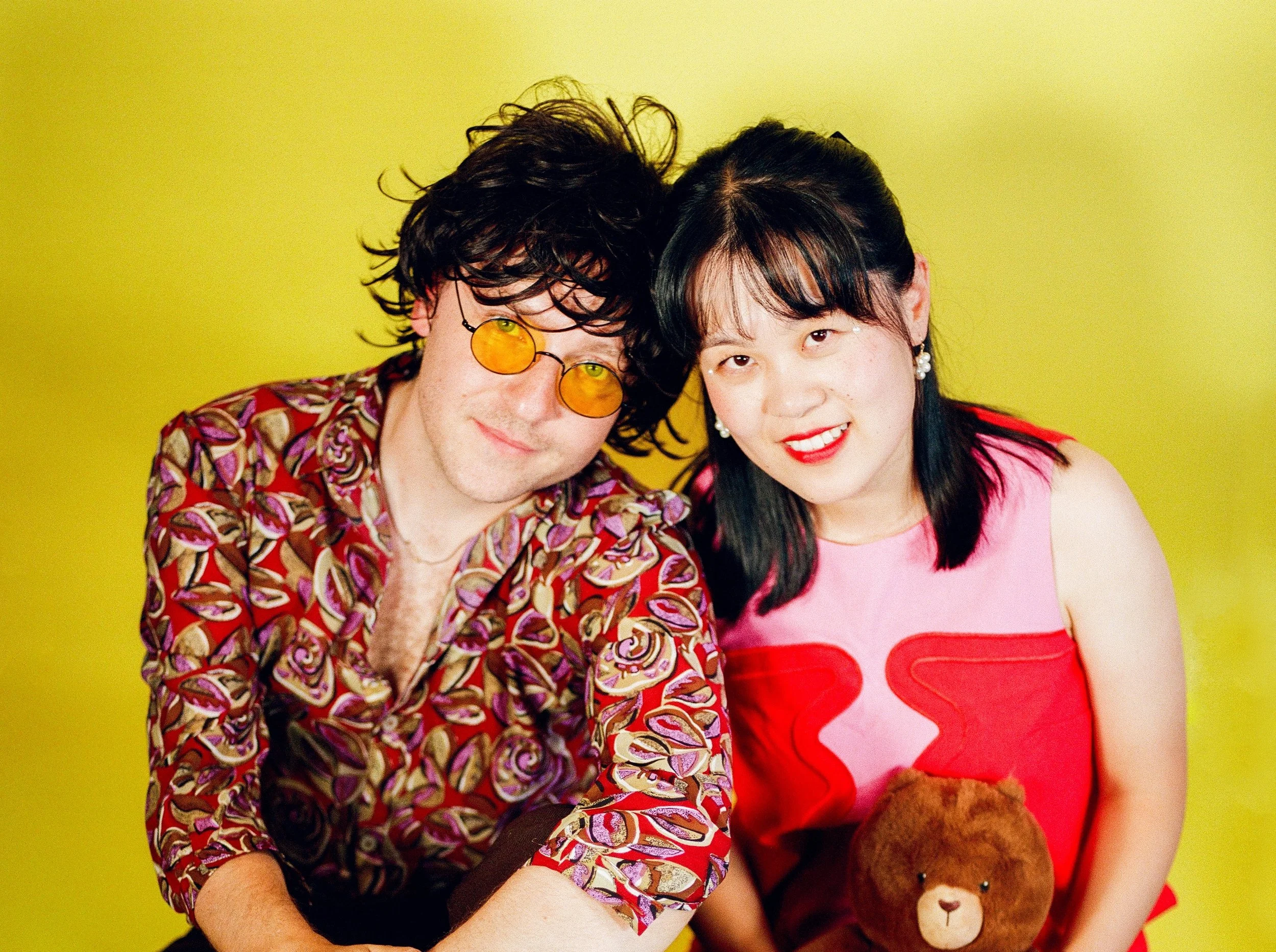
Anne Tong and Bryce Barsten form Chinese American Bear, a Seattle-based duo blending indie pop, psychedelic sounds and bilingual lyrics in English and Mandarin. Following the release of their third album, “Dim Sum & Then Some,” and latest single, “Dance Dance Dance,” we caught up with the couple to talk about making music together, their cultural backgrounds and the evolution of their sound.
You recently released “Dance Dance Dance” following your third album, “Dim Sum & Then Some.” How did the song first come together?
Bryce: It came together piece by piece over the course of about six months. I was working at a studio called Way Out near Seattle and writing a lot of basslines at the time. I remember zoning out for an hour or two, recording a bassline, starting a new file and then writing another. I became hooked on the bassline for “Dance Dance Dance” and started experimenting with synths that I had not played much before. Later, I began assembling everything, writing melodies and adding drums with my friend Trevor Spencer and violins with Oliver Hill. At one point, I got stuck and did not touch the song for a few months. Eventually, I came back to it and finished it.
“Dance Dance Dance” has the playful energy that has become a key part of your music. What feeling did you want to capture with the track?
Bryce: We wanted to capture the feeling of disco and create a real ode to 1970s disco. We focused on the grooves, simple drums, melodies and violins. This was also one of the few tracks where we thought a lot about the live performance while making it. It has now become one of our favourite songs to play live.
How does “Dim Sum & Then Some” show a new side of Chinese American Bear compared to your previous albums?
Anne: This album feels like an expansion of the world we created together on “Wah!!!” We started writing new songs almost immediately after releasing that album and continued building on its world. “Dim Sum & Then Some” leans more towards synth-driven electronic music and perhaps a little more towards pop than our previous albums. However, it still retains the same quirky and silly sense of fun that Bryce and I love creating.
You move naturally between English and Mandarin in your songs. How do you decide which language feels right for each track?
Anne: I try to use both English and Mandarin in every track, and most of our songs feature both languages. There is no strict rule, but I generally use Mandarin for the verses and English for the choruses. That way, more people can sing along to the choruses if they want to.
How have your different cultural backgrounds influenced the music you make and the stories you want to tell?
Bryce: I am not sure, to be honest. I have learned so much from Anne and her family over the years, as well as from their culture. It has been one of the most enjoyable parts of being with her. We have been together long enough for me to understand her perspective deeply, so writing about those experiences together is really exciting for me.
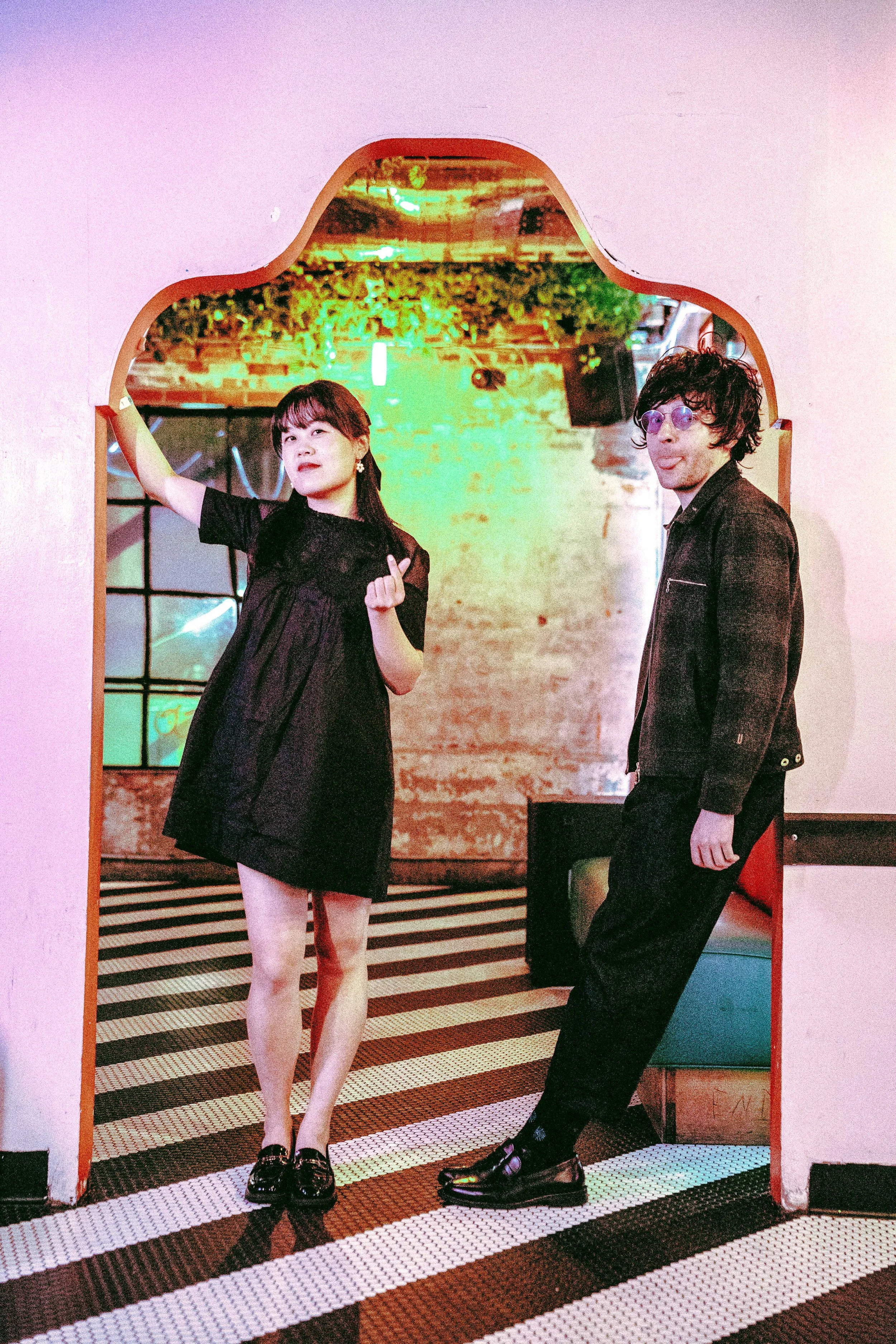
Anne: They have been very influential. Our cultural differences created some funny and, at times, frustrating conflicts early in our relationship. Since then, we have learned so much from each other and combined our different upbringings into a truly Chinese American relationship. Some of the Chinese American stories I tell through our songs are based on things that initially stood out to Bryce. Because I grew up in a Chinese household, I did not realise that some of my habits and cultural behaviours were very different from those of a more typical American family.
You have known each other since high school. When did you first discover that you also worked well together creatively?
Bryce: Through this band. We had never really worked on anything creative together before starting Chinese American Bear. We do not step on each other’s toes very often because we are interested in different parts of the process, so it has been pretty easy.
Anne: I agree. This band is the first creative project we have worked on together, and it has felt very seamless. Bryce loves being in the studio. His favourite part of the process is writing and producing music, and he loves the craft of songwriting. I did not know how to write songs before starting this band, but I have grown to love performing. Being on stage, meeting fans and touring are now some of my favourite parts. Because we enjoy different roles within the project, we complement each other very well.
As both a married couple and a musical duo, how do you balance your personal relationship with working together?
Bryce: It can be difficult sometimes. Most of the time, the band does not feel like work. It still feels like a silly project that we get to create together, almost like a fun art school project. However, as the touring demands increase and more people become involved, it naturally becomes more complicated. During our most recent tour, we both missed each other even though we were travelling together because we did not have much real one-on-one time. We need to be aware of that and make time and space for our relationship. We have to talk about these things openly to make sure we maintain a healthy balance. That said, living together makes communicating about band business very quick, which is really nice.
Anne: It can definitely be difficult. However, as Bryce mentioned, working on this project has mostly felt seamless, and we do not experience much conflict within the band. We simply have to be mindful of making space for our personal relationship and avoid talking about the band constantly. Because the band feels like such a fun project, it has been an amazing adventure to travel the world and build something with my life partner.
Your music brings together indie pop, psychedelic sounds, disco and electronic influences. How has your sound evolved across your three albums?
Bryce: I think the albums have become a little more confident and deliberate while still remaining weird, cute and fun. Our first album did not feature many live drums. Our second included more of them, and the songs felt more straightforward. Our third album combines elements of both while also introducing some more conceptual songs.
“Wah!!!” introduced your music to a wider audience. Did that change the way you approached “Dim Sum & Then Some”?
Bryce: Probably a little, but not consciously. It is a good feeling when something works. I look both forward and backwards, although I try to focus more on moving forward. It is fun to revisit songs a year or two later, after they have received some recognition, and think, “Wow, this song really is good.” It feels like a very delayed pat on the back.
You recently performed at TivoliVredenburg in Utrecht. What have you noticed about the way European audiences respond to your music?
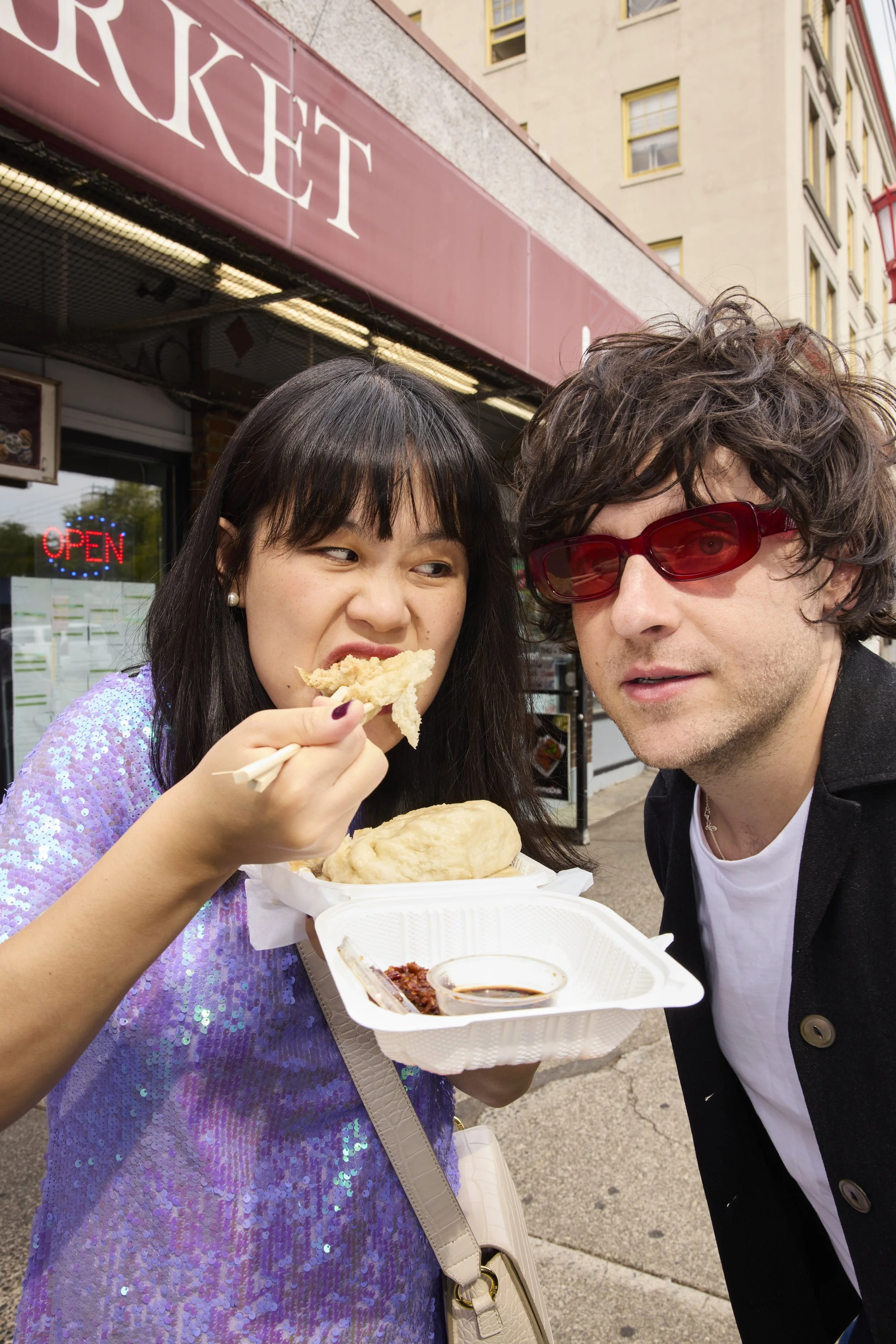
Anne: It is honestly quite similar to how American audiences respond to our music. When we first started receiving interest from Europe, we were surprised and unsure how audiences would react, especially in countries where English is not the primary language. Before our first show in Berlin, we wondered how a German-speaking audience would respond to an American band singing in Chinese. However, music truly transcends language and cultural barriers. As with our American audiences, we have noticed that Asian Europeans often connect with our cultural storytelling, while non-Asian Europeans connect with the fun, silly atmosphere and Bryce’s writing and production. Our audience is also very international. The Utrecht show was a great example, as many people in our audience had previously lived in China or were in interracial relationships. It has been amazing to connect with people from so many different cultural backgrounds around the world.
