
IN CONVERSATION WITH CHRIS LIEBING
Interview by Samo Šajn
A key figure in European techno, Chris Liebing has spent over three decades shaping the genre, from Frankfurt’s early club scene to dance floors worldwide. With Evolver, his first fully solo album on CLR, he steps into a more personal chapter, refining his signature sound while continuing to push techno forward.

Evolver is your first fully solo album. How did working alone change the way you made music?
I think the main difference was, that I have been working on my very own schedule. That was a big part in the process of making this album. I did the majority of it in my studio here in Switzerland, where I live in the mountains, and I was able to work on music whenever I felt like it. I would just go out to go skiing, for a walk, or skinning. I could have all these amazing activities, yet within an hour, I would be back in the studio, continuing to work on music. So yes, the biggest change was to be completely on my own schedule. Another important factor has been, that every decision was exclusively my own and I did not have to make any compromises.
You’ve been part of European techno since the ‘90s. What from those early days still inspires you today?
That in the right setting, a simple kick drum and a hi-hat can put a huge smile on people's faces.
The album feels personal but also very direct. Was there a moment that made you want to create something so individual?
Not really. I think it was just a certain mindset I had when I went into the studio. That mindset was to do whatever I felt like doing, whatever I felt most comfortable with and most knowledgeable about. This means that I didn't really plan an outcome, I was rather just working intuitively and letting it happen in the very moment.
You worked with techno veterans like Luke Slater and new voices like Charlotte de Witte. How do you bring different generations together in your music?
That is the beauty of having been doing this for so long. You get to know people over a longer period of time and this really makes a difference. I believe that a significant part of a collaboration is having a certain kind of trust in each other, which can only develop over a longer period of time. We have all been part of the same scene and have been working together on something at some point. I very much appreciate each one of those amazing artists and I am very grateful that they trust me in what I do.
The track “Roy Batty” is inspired by Blade Runner and AI. How does technology influence your music, both as a tool and an idea?
Well, technology is the basis of all the music that I do. It is literally called techno for that reason. I have never learned any traditional instruments or music theory and I solely use technology to help me create the music that I want to do. Now we are sort of on the doorstep of a new era in which AI will play a huge role in creating music. I haven't used it on this album, even though I think you can use AI as a tool to help you with certain things in a very smart way. But if you use AI to create music just by typing in prompts, I think it´s a terrible thing as it´s missing the whole point of the creative act. I think the reason to make music should be to enjoy the process, even if it's very hard and challenging at times. Isn't the actual process of creation the most important part of making music? If you leave that process to artificial intelligence, there's nothing left that challenges you and none of your own creativity is needed anymore. I really think that it is very, very important how you use AI in a creative process and where you draw the line.
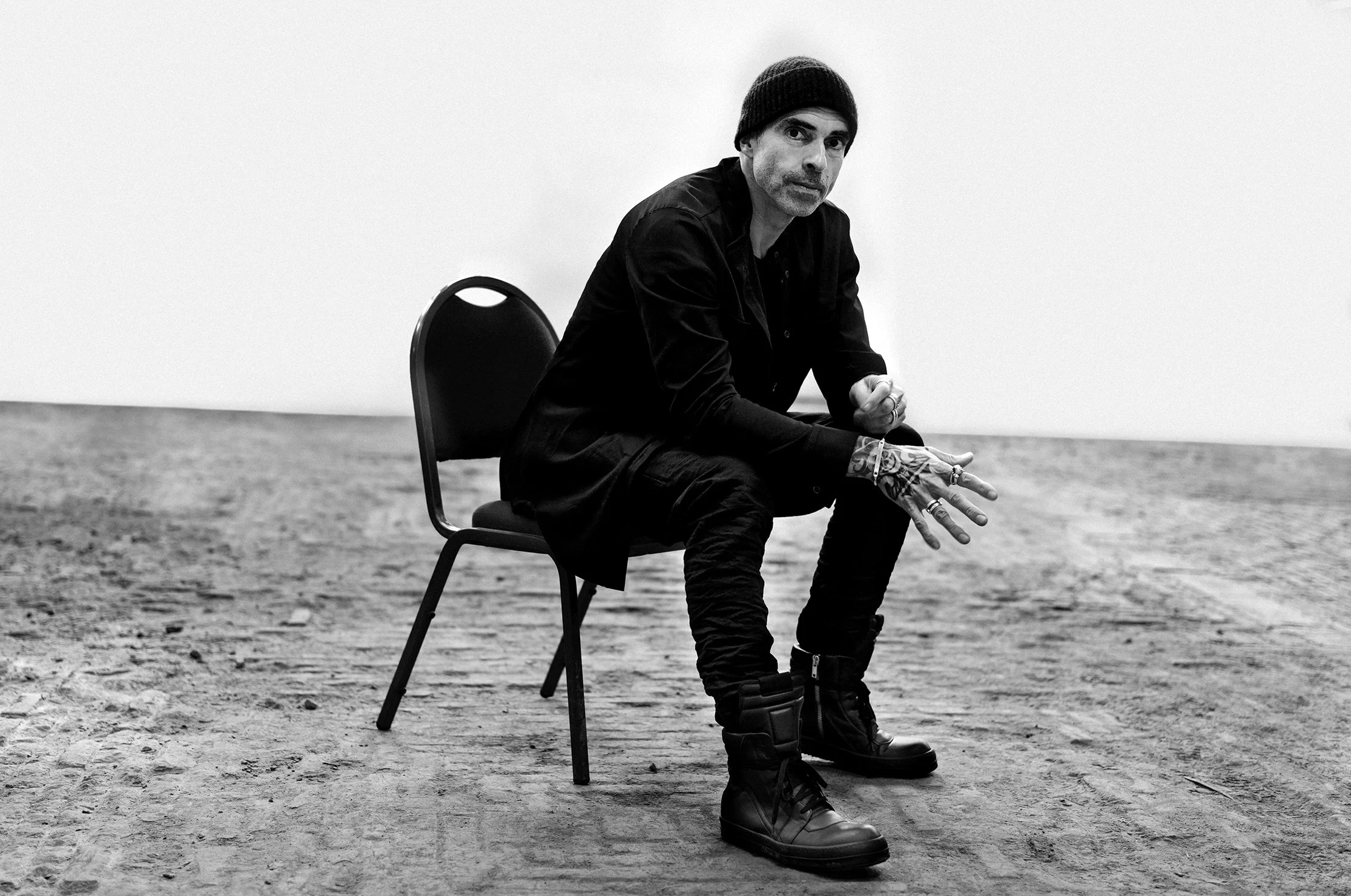
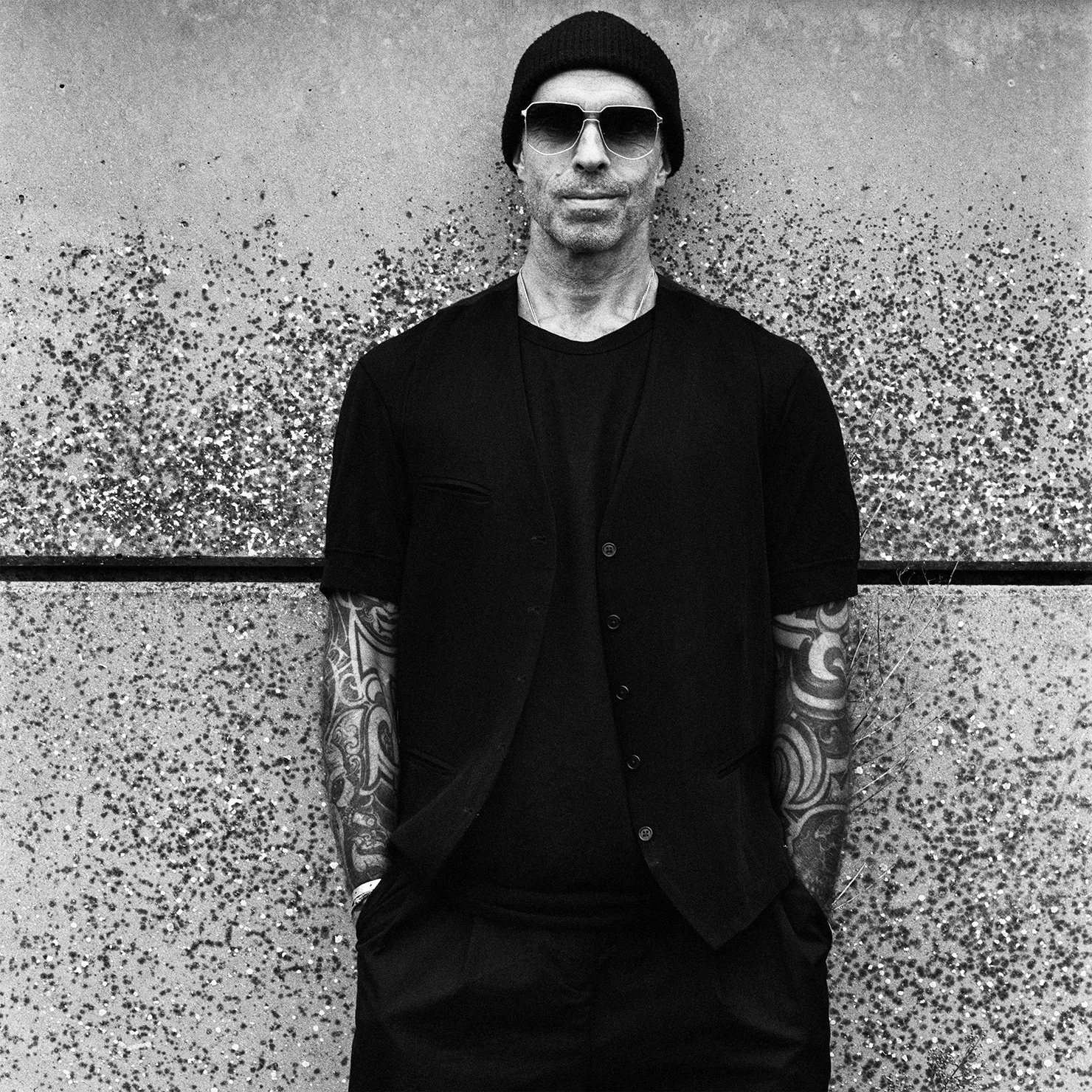
The visuals for Evolver were shot by Anton Corbijn. How did the photos help shape the album’s identity?
I have already been a fan of Anton's work for decades. That he was willing to take my pictures blew my mind and is something that I am extremely grateful for. Anton's art for bands like Depeche Mode, U2, David Bowie and many others has shaped a certain visual dimension that I connect with their music. I am a big fan of many musicians he has been portraying in his career, so my music is on the one hand, inspired by the artists that he has worked with throughout his career and on the other hand, by his artistic portrayal of them. As the music I was making is partly inspired by the people he has been doing the visual design for and he has also been inspired by their music, everything is kind of connected. His input has been fundamental to the feeling of coming full circle after completing this project and is a huge part of the album's identity.
After 30 years in techno and nightlife, how has your view of the club scene and your place in it changed?
I am so extremely grateful to be still able to tour and play music in festivals and clubs. And of course, a lot of things have changed in those 30 years. We, as the early generation, didn't have that infrastructure in place that new artists have now at their disposal. Back in the days, booking agencies and promoters had just started to emerge out of a very new culture. Everything was way less professional and way more improvised. So I think the biggest change is the development of the current infrastructure and I am happy to know that all these artists from back then, all promoters and agencies have taken part in building an infrastructure that helps new artists to thrive and to be successful today.
You’re also into cycling and skiing. Do these hobbies give you inspiration or balance for your music?
Yes, absolutely. It’s the main reason for me to live where I live in the mountains of Switzerland, because I can ski in the winter and I can bike in the summer and either way I am out in nature. I wouldn't necessarily say that it gives myself a balance, but it definitely gives my body a balance between sitting in the studio or being out on tour and then being back in nature and having a healthy lifestyle. This really is a great balance. And yes, nature is also very inspiring for me when it comes to making music. There were many moments when I was sitting in the ski lift, thinking of the track that I was working on and having a new idea. Then I would just ski down and go back to the studio to put the idea I just had while I was out there in practice.
You’ve been vegan for many years. Has this lifestyle affected how you tour or think about the music scene?
Yeah, it has been 16 years now and a lot has happened in this time. In the first years as a vegan, a bag of nuts was a completely necessary thing to carry around everywhere I went, because you never knew if you could find any food. But luckily, that has become much, much easier for us vegans now. It hasn't really affected how I see the music scene, I just wish that more people would look into a plant-based lifestyle and stop exploiting animals as much.
Techno is often about repetition and rhythm, but Evolver feels like it tells a story. What journey do you hope listeners go on?
Techno is repetition and rhythm, that is right, and it is one of our primal instincts to move to those rhythms. Yet, I grew up in the 70s and 80s and 90s with an amazing range of great music that told a lot of stories, especially if you look back at the old experimental rock bands like Led Zeppelin or early Genesis. And even nowadays, I feel like I still want to somehow combine these good old stories with repetitive rhythms. I think it's a subconscious thing that I have always been doing in my DJ sets. When it comes to the album, I just wanted to create a listening experience that tells a story from the beginning to the end. I wanted to combine these emotional elements of a musical journey with the repetitiveness of techno music, something that I have been trying to do during my whole career.
