
IN CONVERSATION WITH DALIA ROONI
interview by JANA LETONJA
Actor and writer Dalia Rooni is making her feature debut at the 2026 SXSW Film Festival with Same Same But Different, a sharp and personal comedy she wrote after becoming frustrated with the lack of roles that reflected her own experiences. Determined to tell the story herself, Dalia created an ensemble film exploring identity, immigration, and cultural tension through the lives of three interracial couples. What followed was a true independent filmmaking journey: within less than a year, she wrote the script, secured financing—including an Airbnb host who unexpectedly became a producer—assembled a cast, and brought the project to life. The production remained deeply personal, with her own family helping behind the scenes and her husband playing her on-screen boyfriend in a scene inspired by a real-life moment. With Same Same But Different, she steps into the spotlight not only as an actor but as a storyteller committed to creating space for nuanced, culturally layered narratives.
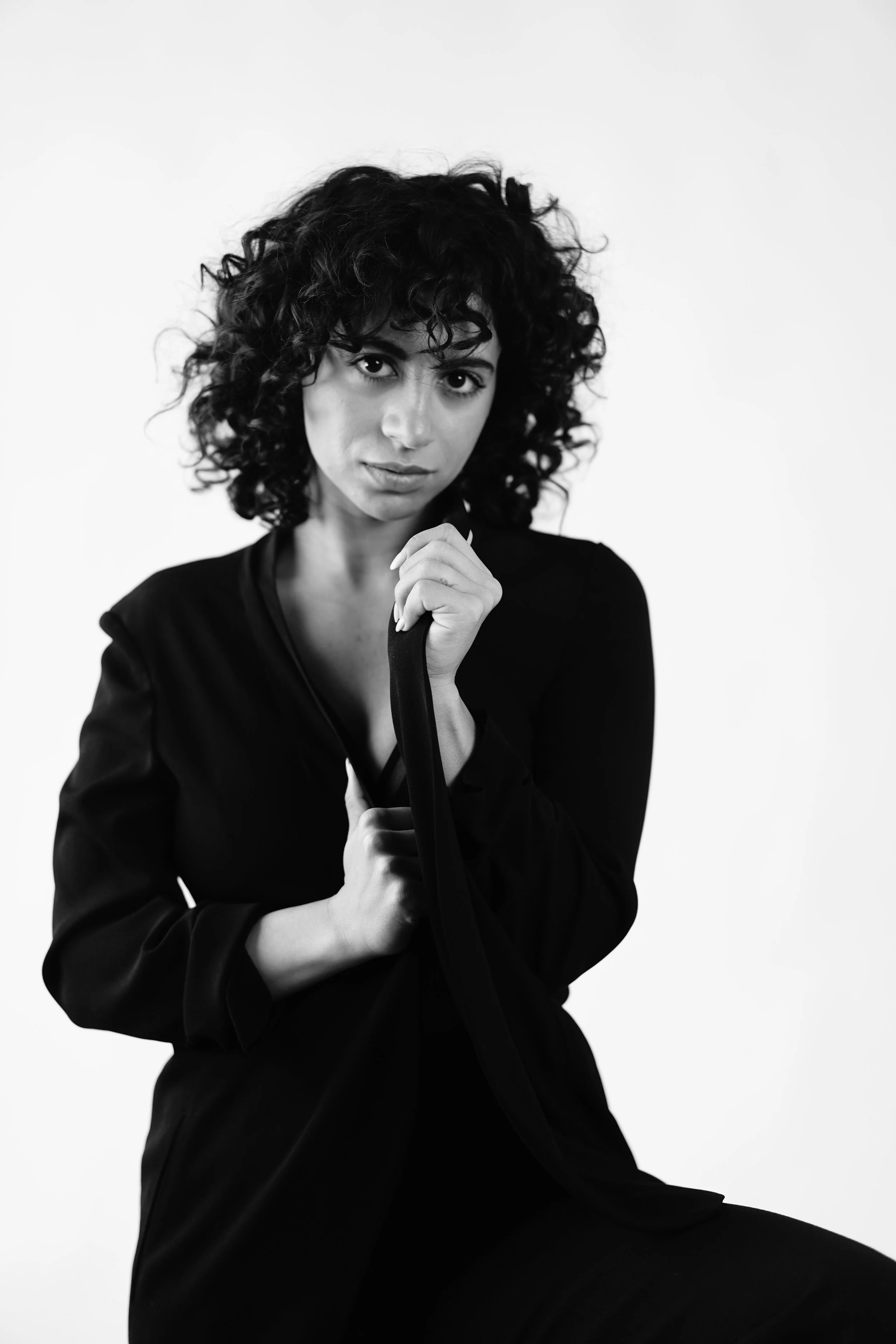
Same Same But Different is both your debut feature and a deeply personal project. What inspired you to write this story?
This story was inspired by a real weekend that I now see as the turning point of my life. I was invited to a spontaneous wedding on Cape Cod, where my free-spirited foreign friend married a man she had only been dating for a short time.
That weekend, in a sprawling summer house perched on a perfect stretch of beach, everything seemed to shift. I watched my friends fall deeply in love. I formed friendships that would last a lifetime. And I came face-to-face with profound realisations about who I was and who I wanted to become. In many ways, we all did.
Alongside the joy, there was something else, something that felt almost like grief. For the first time, I understood what it meant to lose my innocence. I felt the quiet, painful threshold of becoming a woman.
You’ve spoken about the lack of roles that reflected your experience. Was writing your own film a turning point for you as an artist?
Absolutely. Writing my own material to begin with was the only way I knew how to take control over a career that expects you to be okay with having none. It was the middle of the double strikes, and I was pulling my hair out because I was coming up on eight years in LA and was dissatisfied with the number and quality of opportunities I was getting. I needed to prove to myself, my family, and my community that I could do this. I am not joking when I say it was easier to write, raise money for, produce, star in, and get a film into SXSW than it was to book a recurring role on television.
The film explores identity and cultural tension through multiple interracial couples. Why did you choose an ensemble format to tell this story?
80% of the roles on TV played by MENA characters portray negative or threatening stereotypes. And if we are on screen, there’s normally just one of us. We’re pitted against each other based on nothing but race alone. What would it look like to co-exist in a mainstream story?
I needed to put three Middle Eastern girls in leading roles to prove how different they could be from each other, and how relatable they could be to audiences. Cast for who we are and our talents, and not our race. Maybe this would inspire others to do the same.
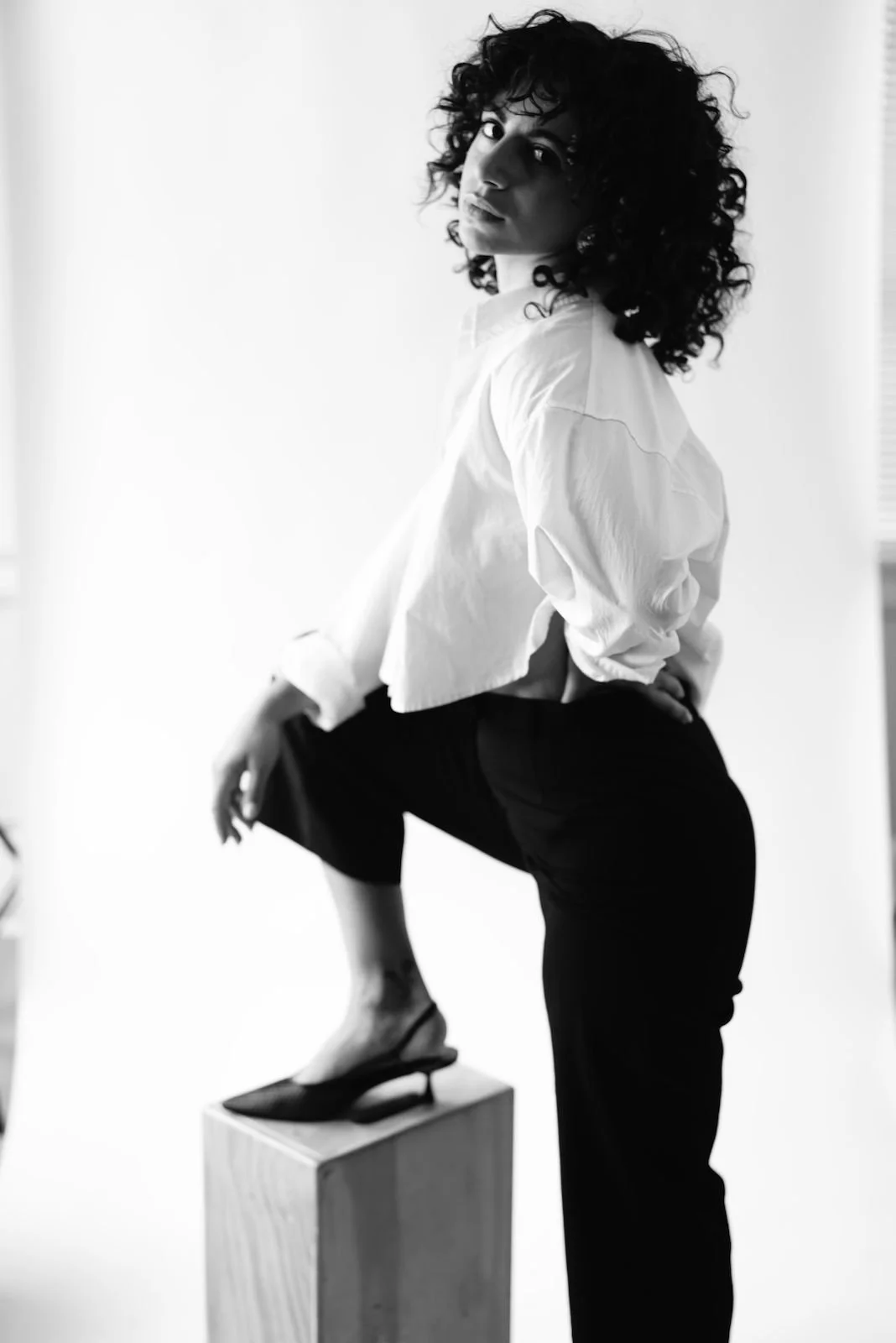
Many independent filmmakers struggle for years to get a project off the ground, yet you moved from script to SXSW in under a year. How did that whirlwind process unfold?
Sheer force of will. And not just by me, but also by the incredibly dedicated team of five women who produced this film, myself, Lauren Noll, Zein Khleif, Emily Reach White, and Medalion Rahimi. We started with no money and no prospects, and each piece came together in a way that felt like nothing short of magic.
The story of your Airbnb host becoming a producer feels almost cinematic in itself. How did that moment happen?
The Airbnb host situation was actually something out of a movie. It’s midday, I’m on my usual post-Celsius high, and I decide, “I am making this movie.” So I searched all of Airbnb’s mansions on Cape Cod until I came upon this stunning beachside escape. I knew instantly it was the house.
So, I slid into the Airbnb host’s DMs and sent him a long message explaining how this was the house of my dreams. I get a call three minutes later from a man claiming it was his house, asking me to pitch him the movie. I hadn’t talked about this movie out loud at that point, let alone pitched it. So there I was, sitting on the edge of my bed like a small toddler, pitching the movie to a total stranger over the phone.
I told him how it was inspired by a true story of a couple I witnessed falling in love over a weekend on Cape Cod. He mentioned he fell in love with his wife during one serendipitous weekend on Cape Cod when he was in college. He told me that if I handled my business like I handled that phone call, there was no doubt we’d be successful and that I could have his house. They later became investors in the film. And sure enough, he was right. We just premiered at SXSW.
Your family was closely involved in the production, even your mother cooking for the cast and crew. What was it like making such a personal film with loved ones around you?
I fear I’ll be chasing this high for the rest of my life. Can you imagine? We all lived in a stunning beachside home for a month, working on a story that existed only in my mind. My closest friend directing, my husband playing my boyfriend, my parents cooking Middle Eastern food on set, my siblings working as extras.
My favourite memory from set was when my mother asked our producer Zein Khleif to wake her up at 4:00 a.m. to “see the stripping scene with Mike.” Watching my Persian mother at the monitor, a blanket wrapped around her, laughing her ass off at my on-screen boyfriend, my real-life husband, doing a cheesy stripping scene? It was everything.
What surprised you most about the transition from actor to writer and producer?
How much I loved it. For me, it was always sort of a means to just get to be an actor, but I absolutely loved the creative control and responsibility that came with this new role. I imagine it will be quite hard not to do it again and again.
SXSW has a reputation for spotlighting bold independent voices. What does premiering there mean for you and the film?
SXSW was the absolute North Star for us, and certainly the North Star for me as a writer making my debut with a comedy. I think it’s the best festival in the world to discover comedies and emerging talent, so all I can say is that it’s an absolute honour. I am so so humbled by the opportunity and sincerely hope that this milestone helps others not only find this film but feel inspired to write more films like it.
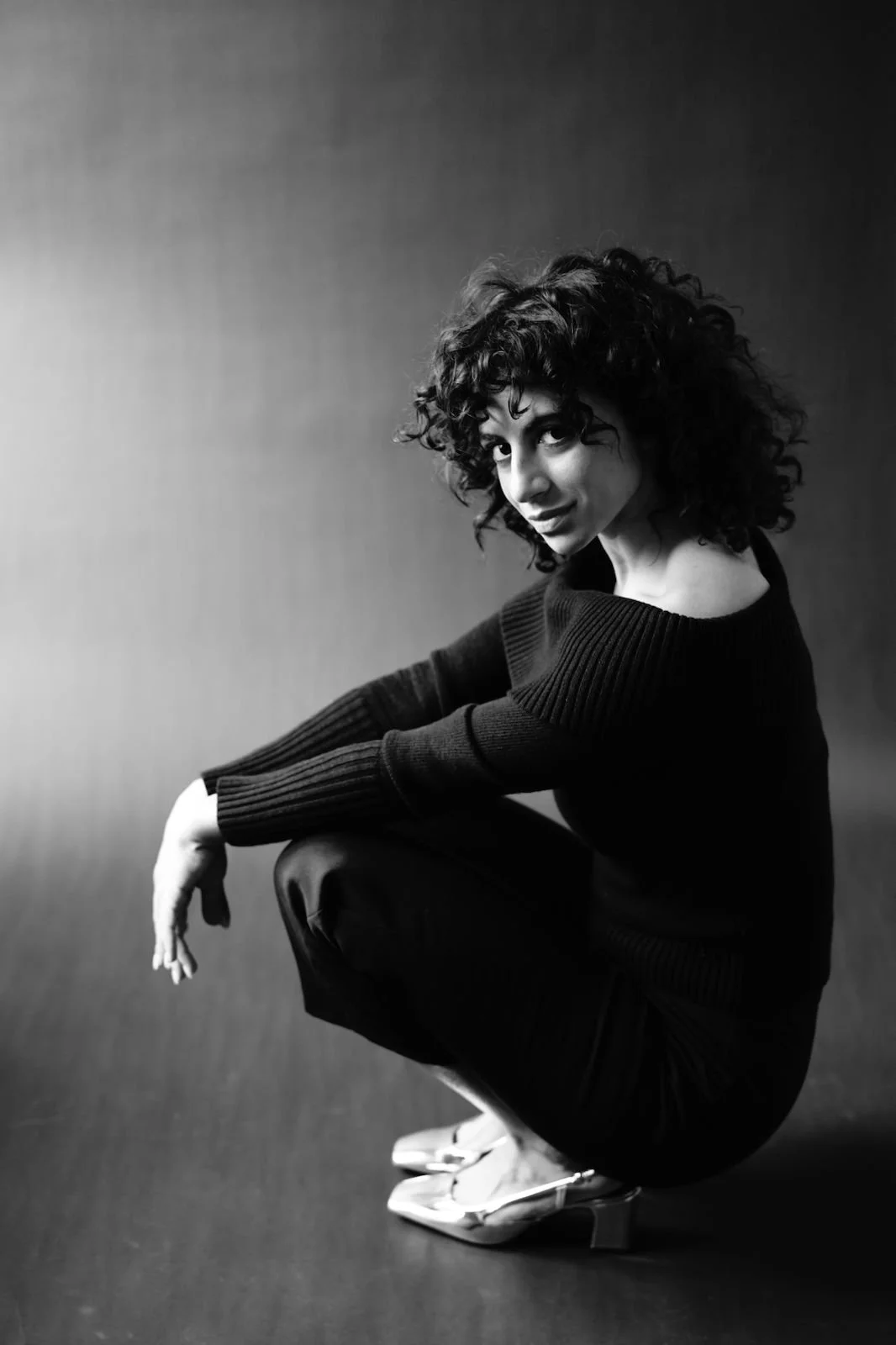
What kind of conversations do you hope audiences have after watching the film?
There’s a grey area of identity when you are from everywhere and nowhere all at once. That grey area is so relatable and so funny, no matter what your mix or personal confusion is. It should be celebrated.
We hope SXSW audiences walk away with a sense of joy. And we hope they see themselves in our characters and their stories, no matter where they’re from. Identity, and articulating it, can be really complicated. At least it has been for us, so we hope our film can help reinforce the idea that people are complex and can show up in many different ways in their lives. Maybe we can all have a bit more grace for each other. It’s the best part about being human.
Middle Eastern girls; they’re just like us. We want audiences to see Middle Eastern women getting to be their full selves. Not suffering, oppressed, or othered. Just existing in fully dimensional ways, for everything they are, without having to choose one way of being.
Now that you’ve written and produced your first feature, do you see yourself continuing to create your own projects?
Yes. I have another ensemble comedy in the works about a house sitter, which largely explores themes of class, and a TV show called The Gym that I am pitching with my husband, Michael Baszler. It’s inspired by the many years we spent working and falling in love at the luxury and very corporate gym in the centre of Hollywood, Equinox.
It would also be stellar to just be in a movie and not have to fight so damn hard to do it.
Are there stories or perspectives you feel are still missing from mainstream cinema that you’d like to explore?
Absolutely. I’m super inspired to tell “third culture kid” stories. Third culture kids are kids who were raised in environments different from those of their parents, first-generation kids. Their stories are rich in identity confusion, awkwardness, and hilarious family dynamics, and I think they can feel universal for anyone from any background who feels maybe “a little of this” and “a little of that.”
After SXSW, what are your hopes for the journey of Same Same But Different and your career moving forward?
After SXSW, I hope this film goes on to receive the international recognition it deserves, so little girls who are being raised in the Middle East, or anywhere in the world, like I was, may have new women to point to as people they aspire to be like. Women who may look like them or, at the very least, look different from what they’re used to.
For myself, I hope to get both my comedy show, The Gym, inspired by my time working at Equinox Hollywood, off the ground, as well as my next comedy feature about a house sitter. In large part, I made this movie to prove I could carry a film. It would be really damn nice to just be an actor for a bit, too.
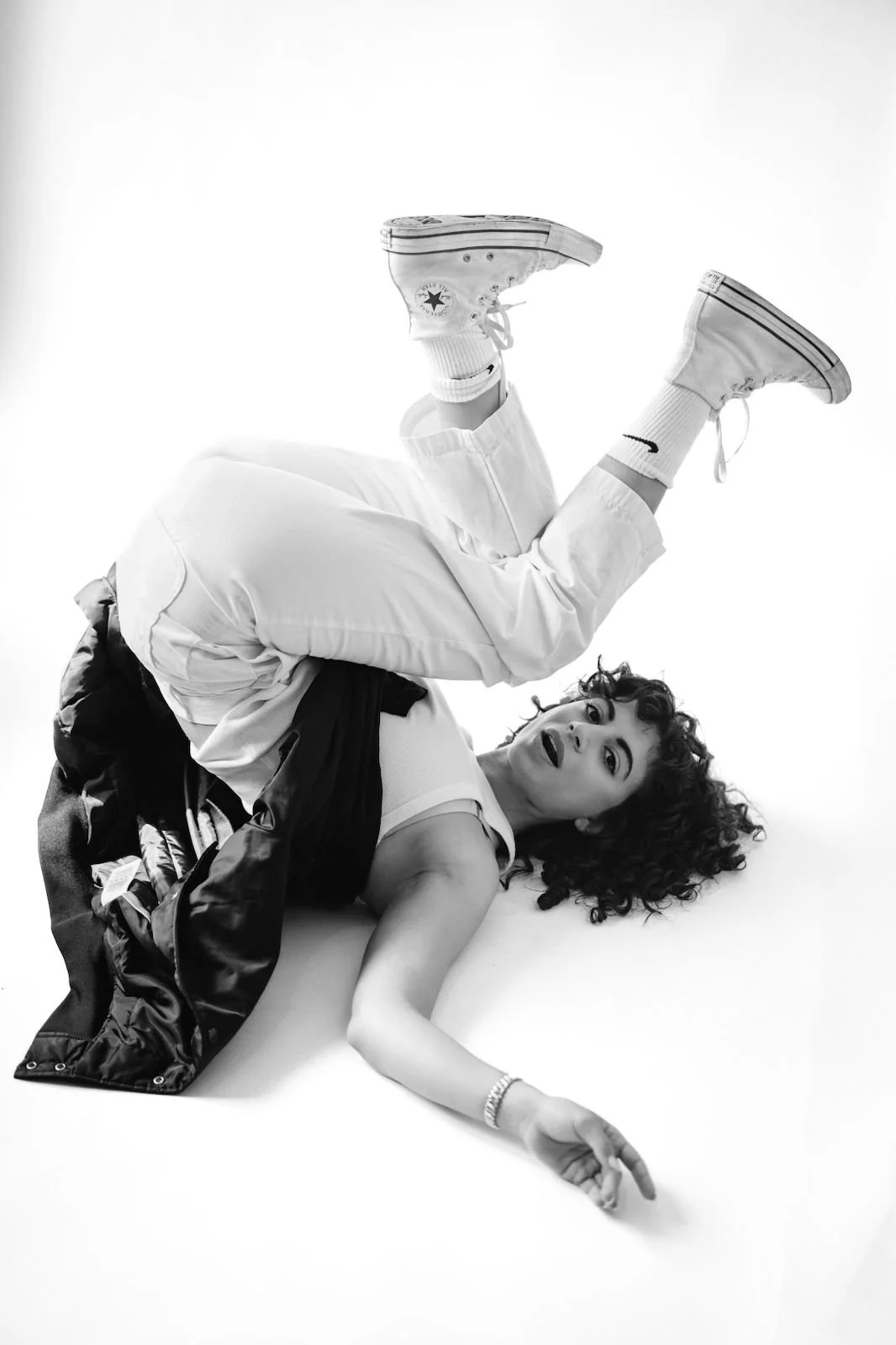
TEAM CREDITS
talent DALIA ROONI
photography GREGORY KASUNICH
editorial director and interview JANA LETONJA
