
IN CONVERSATION WITH DEA MATRONA
interview by JANA LETONJA
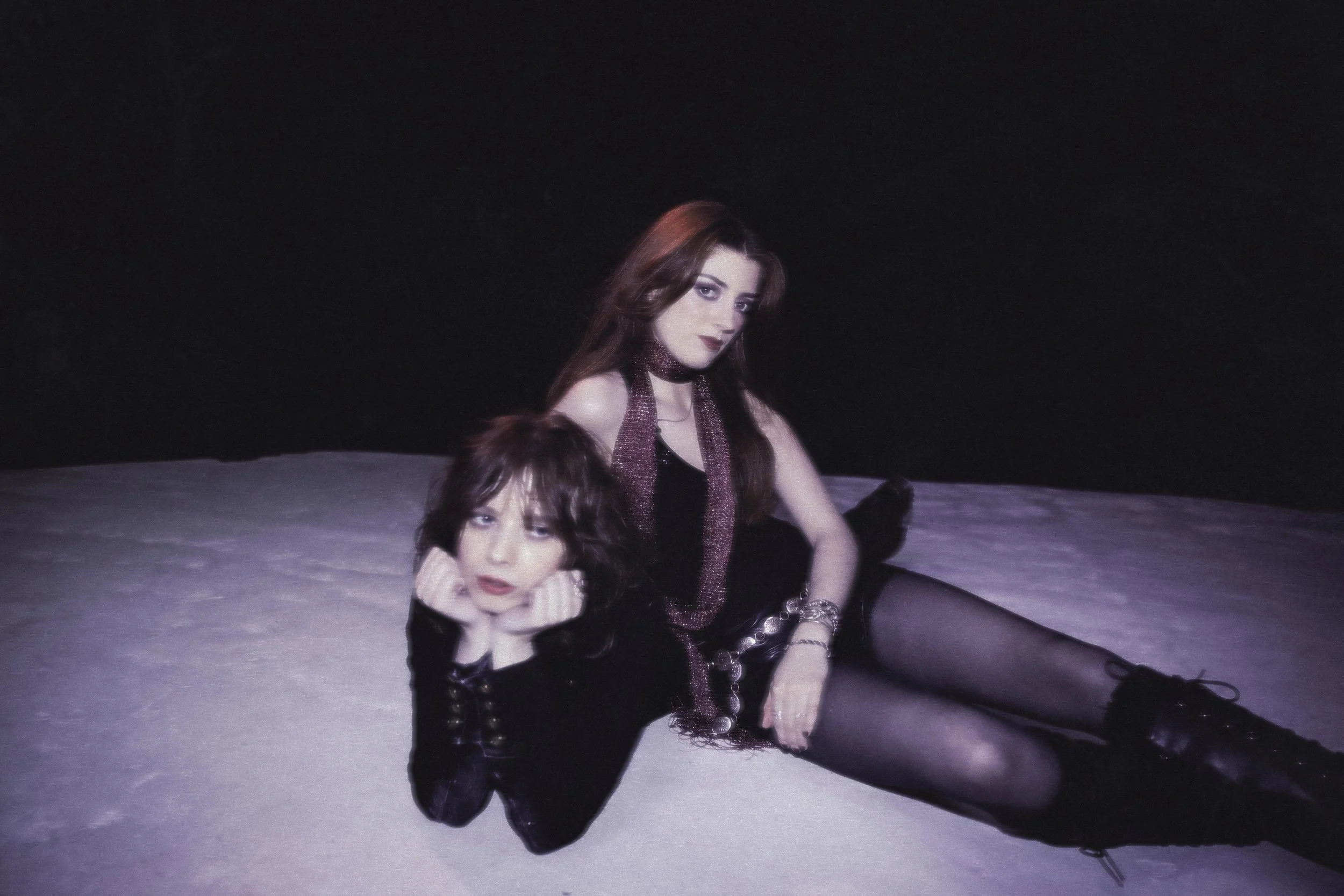
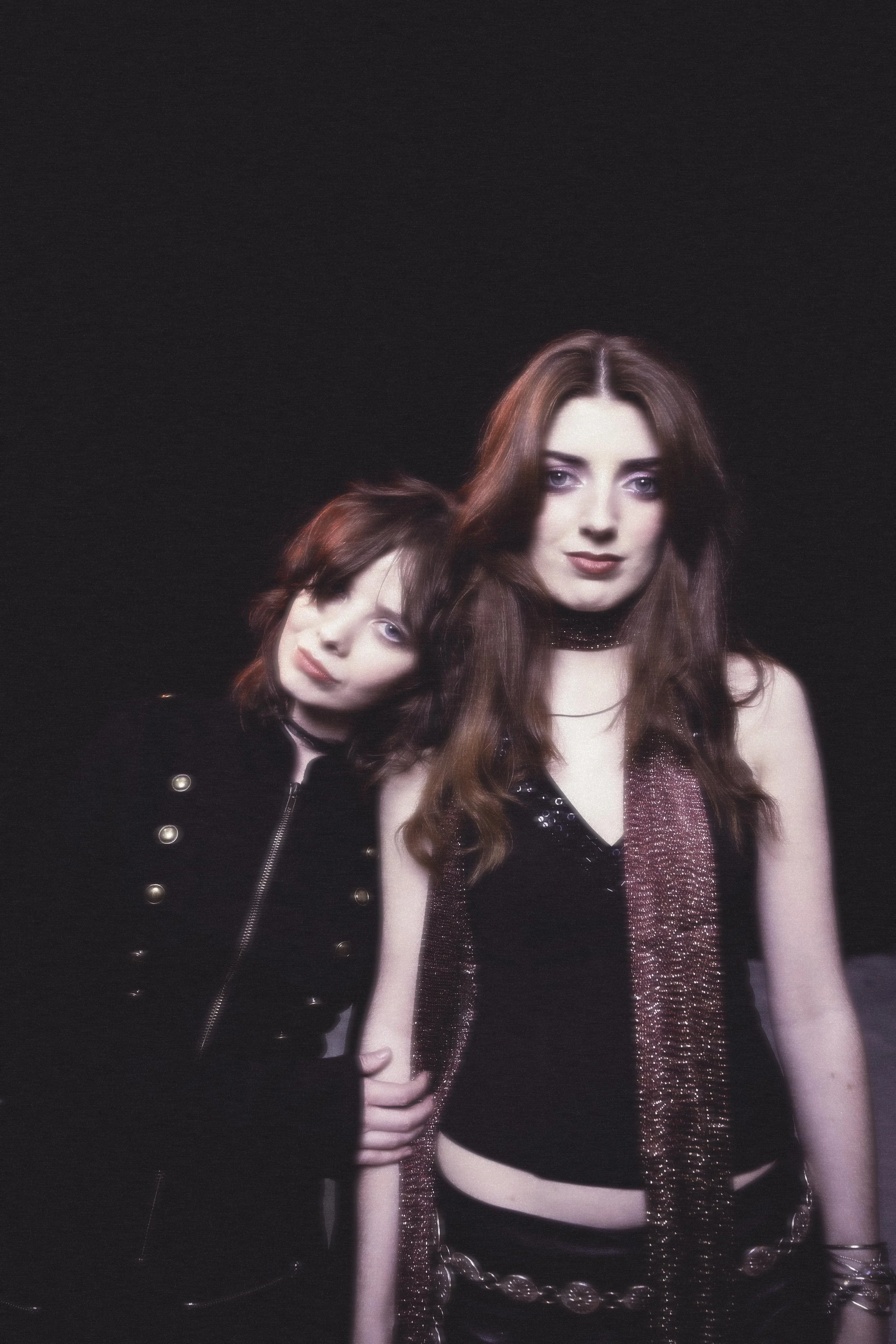
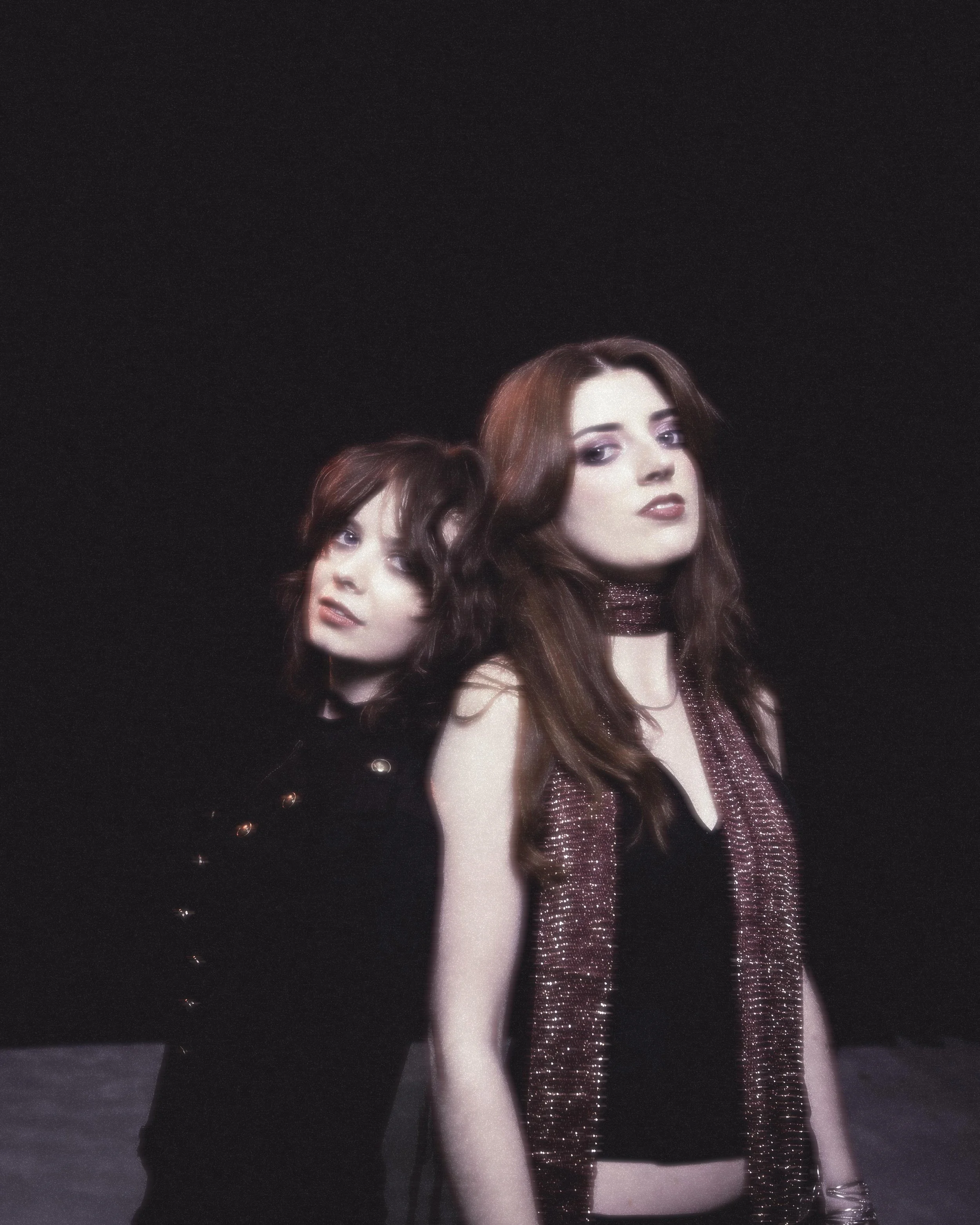
Northern Irish rock duo Dea Matrona, made up of Mollie McGinn and Orláith Forsythe, are entering a bold new chapter with the release of their highly anticipated sophomore album Hate That I Care, arriving on 5th June. Following the breakout success of their debut album For Your Sins, which topped the Independent Breakers chart, the band has continued building momentum through major festival appearances at Glastonbury Festival, Reading & Leeds, and Electric Picnic, as well as touring alongside acts like The Beaches and soon Sting. With heavier riffs, darker themes, and a fearless exploration of identity, female empowerment, and modern life from an Irish perspective, Hate That I Care showcases a band evolving both sonically and emotionally while firmly cementing their place as one of the most exciting rising acts in rock today.
Hate That I Care feels heavier and more emotionally charged than your debut. What inspired this evolution in sound?
After we left school, we were playing cover band gigs to fund our original music, but being so busy with the shows meant we didn’t have much time to focus on our own songs. I think on the first album, the influences from the music we’d been playing were more apparent, and on this album, our music better reflects who we are rather than the influences we started out with.
How would you describe the emotional core of this album?
It’s an album about struggling with self-acceptance. The first album was very much trying to figure ourselves out, musically and personally. This album was written in a shorter period and is more reflective and aware of societal pressures as we are older now, and I think the album delves into the feeling of worrying about not fitting in, but also the relief of realising that you don’t owe anyone an explanation for your identity.
The record explores themes like identity, outsider culture, and female empowerment. Why were those conversations important for you to tackle now?
Outsider culture is what makes great art. Most artists were the weird kids in school and this is something that we both relate to. Life experiences, like being in relationships that aren’t straight and aren’t accepted by everyone you know, can make you feel different too.
We’ve also had negative experiences being female in a male dominated rock scene that shaped us too. At one point, while playing as a trio under the name Dea Matrona, a promoter told us the name “didn’t sound good” and printed tickets calling us “Trinity” instead, which he preferred and had us on the listings as that. It’s not that that we set out to tackle these issues head-on, more-so just us and our own stories seeping into the music.
What does the title Hate That I Care mean to you personally?
Hating that you care so much about negative events happening in the world. Hating that you care about negative things people say about you. Hating that you care so much about people who hardly even notice you exist. Hating that you’re in love with someone that doesn’t love you back. There’s a lot of levels to it. Honestly, I’m a very obsessive person and I hate that I don’t always get to chose who or what I obsess over. Hence, Hate That I Care. Unrequited love is a feature of this album too with my spirit animal being Severus Snape, though it sucks that he was invented by JK Rowling.
Sonically, the album leans into stronger riffs and darker textures. Were there specific artists or influences behind that direction?
We were inspired by Sinead O’Connor in A Rebel Song. I remember watching her say “This is a rebel song” on stage introducing a song and just thinking it was iconic. Being from Belfast, we’re used to having to fight for our Irish identity all the time and every time someone calls us British, it actually hurts my soul because it reminds me about the struggles of our own country and it’s horrible to see these cycles repeat everywhere with evil world leaders.
Which song on the album feels the most personal to you?
I would say Aisling is the most personal for me as it was inspired by the negative experiences of a close friend and also about rising male violence against women in the north of Ireland and how dangerous society is for women, not just because of well documented murders in Ireland, but online discourse, cyber bullying, mental health struggles. It’s about being a witness to that.
How do you balance vulnerability with power in your music?
Outside of music, I find it hard to open up and be vulnerable. I’m an eldest child of 5, and I’ve learned to avoid talking to anyone about my feelings and problems to the best of my abilities because it makes me uncomfortable. In lyrics, I find it easier to be vulnerable and can find it cathartic as music makes me feel more confident about myself. I used to have to imagine I was someone else to feel confident. When I was in school, I’d imagine I was Daenerys Targaryen from Game of Thrones because I didn’t feel powerful as myself and I had a vivid imagination. Honestly, if you see me being confident, there’s still a good chance I’m pretending to be someone else in my head as it is a trick that has got me through a lot of nerve wracking situations which I recommend trying.
Your live performances have become a huge part of your identity. How do these new songs translate on stage?
We’ve never actually wrote with live performances in mind. Our songwriting usually begins with the 2 of us, often starting with an acoustic idea or over a beat / instrumental we’ve created. Performing live is always something we have to think about after the fact, when we are arranging drum and guitar parts for our band. It’s always a surprise to us how tracks will sound live. I was nervous when we first played Hate That I Care on tour last September until I saw people start to clap along and I realised, that, thankfully, it did work in a live setting.
You’ll soon be touring with Sting. What does that opportunity mean to you?
There’s been so many times writing together where we’ve put on The Police for inspiration and even more times where we’ve blasted his music on long drives on the road. It’s hard to believe we’ll be opening for him in arenas in Europe this summer. I wish I could tell us both at 17 years old playing his music that this would happen.
As a duo, how do your creative strengths complement each other?
I’m so in awe of Orláith’s talents that it still sometimes takes me back when we’re writing or practicing, and my jaw is on the floor, which is crazy because I’m already her biggest fan. I was a massive musical nerd in school and I first met Orláith competing against her. I remember being so obsessed when I found out she had perfect pitch because it’s like a 1 in 10.000 natural thing that can’t be learned, and of course to make it even worse, she’s the most modest person ever about it.
When we’re recording, Orláith helps me know when to stop because I’m very intense, and I help her focus when she finds it hard to finish things. We aren’t like each other really and we have very different personalities that balance each other out, I’d say.
Do you feel rock music is entering a new era right now, especially for women-led bands?
Totally. When you look at lists of the biggest bands of the 70s-90s, only a handful were female or female-fronted compared to the overwhelming number of male acts. People often try and pit women in music against each other, but in my experiences, I have found the opposite to be true. And so much of the support and love I have felt has come from other women in bands that I’ve met, and it makes me so happy.
How do you stay creatively connected while constantly touring and releasing music?
Honestly, a lot of the time we don’t. We produce our music on the road but that part doesn’t always feel creative as arrangements and songs are usually locked in by then. It can be hard to lock in creatively when we’re releasing music with the admin side of things too, but we try and set aside time for song writing as much as we can as it is what we love more than anything else in the world.
Looking ahead, what kind of artistic direction or experimentation excites you most for the future of Dea Matrona?
There’s so many things I’d love to try. We’re such a contained unit when we record, us two doing everything, that I think it would be fun to try and record an album with a live band some time.
TEAM CREDITS:
photography JANE DONNELLY
