
interview by
With a career spanning four decades, Dermot Mulroney remains one of Hollywood’s most versatile and enduring talents, effortlessly moving between romantic comedies, gripping dramas, thrillers, and television. From unforgettable performances in My Best Friend’s Wedding and The Family Stone to appearances in Friends, New Girl, and American Horror Story, he has consistently demonstrated an ability to reinvent himself while maintaining his distinctive screen presence. Now, at one of the busiest moments of his career, he returns as Jed Banks in the highly anticipated second season of Netflix’s The Hunting Wives, scheduled for release November 26. His upcoming projects also include Roland Joffé’s historical crime thriller November 1963. Beyond acting, Dermot is an accomplished cellist and musician, performing with his Americana band Jackrabbit and contributing to the scores of major Hollywood productions.
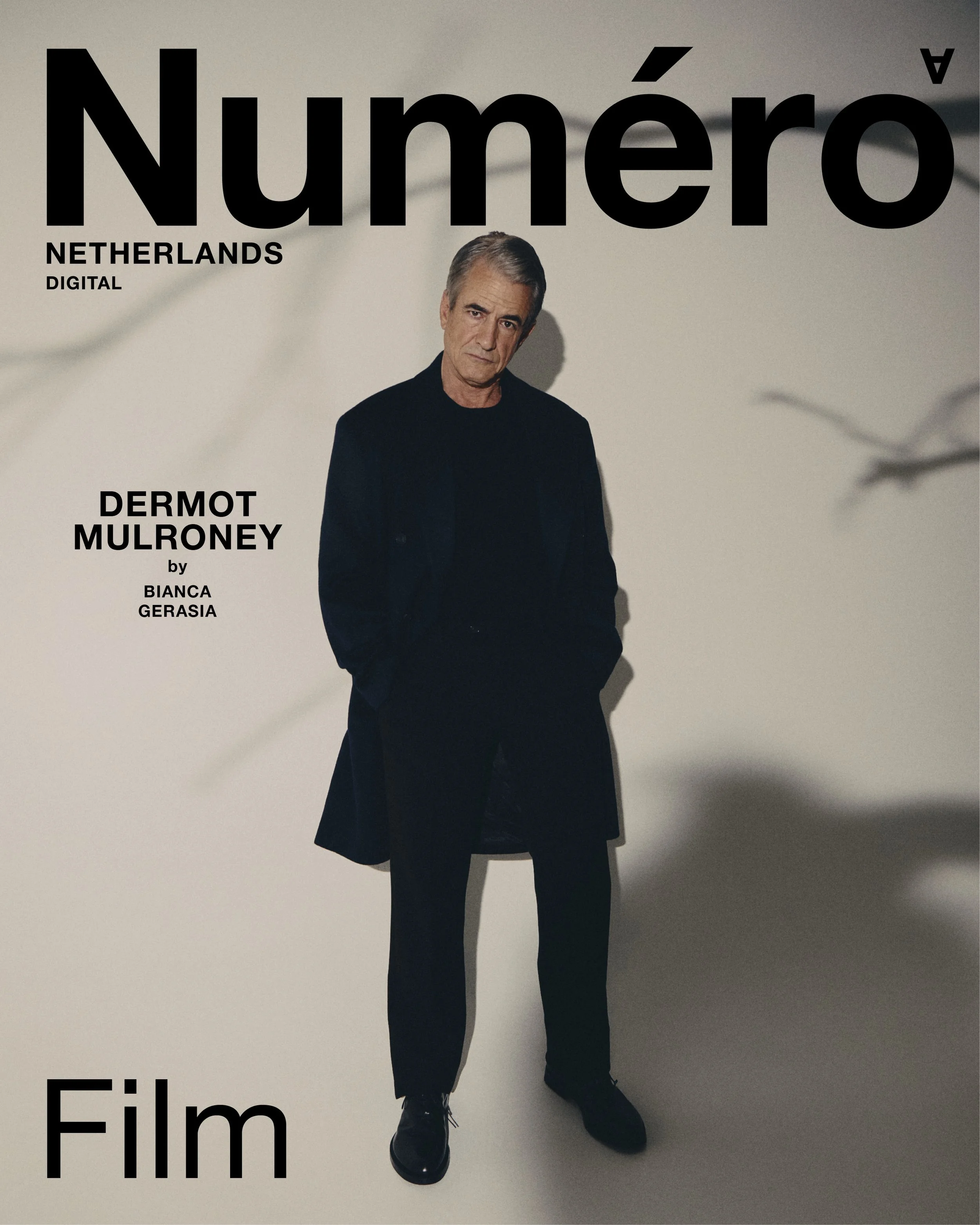
coat PERRY ELLIS
sweater SAINT LAURENT
pants and shoes CALVIN KLEIN
With an extraordinary career spanning more than 40 years, you’ve experienced Hollywood through several generations of filmmaking. Looking back, what has changed most about the industry, and what has remained constant in your relationship with acting?
I've witnessed a lot of changes, of course. I think it took me a while to understand that these changes were happening each time. Now, I'm a little quicker to recognize that this industry is always shifting, but it's been changing wildly recently.
Thank goodness, the one thing I actually do is act, so that hasn't changed, although it has become more challenging. Things are being filmed more quickly than ever. Fortunately, the main focus for me is performance. That's the thing we're still trying to capture on the fly. And it's such a joy to work with other actors, so thankfully that hasn't been taken from us.
You’ve moved effortlessly between romantic comedies, intense dramas, action thrillers, and television. What continues to excite you about exploring different genres, and how do you decide which projects deserve your attention?
I'm excited by everything that comes my way. I've gotten to a point where the parts are so wildly different, and swinging back and forth between the genres you mentioned has become my job. Moving swiftly from character to character is a joy, and I wish that experience for any actor. The casts I work with are wildly diverse, with wonderful talent coming in from all directions now. Usually, I'm one of the oldest actors, if not the oldest, on set.
I'm fortunate to work on high-end studio productions with bigger budgets, but I also experience the wonderful thrill of working on independent films being made DIY-style by great artists who bring their friends together to make smaller films. And, of course, all sorts of television as well. So, yes, I'm really blessed.
Films such as My Best Friend’s Wedding and The Family Stone have become beloved classics that audiences continue to revisit. How does it feel to know these performances remain such an important part of popular culture?
That's remarkable. And, of course, you can't experience that until it happens. With both of the films you mentioned, among a few others, I was quite confident they were going to be wonderful films because they were being made by such interesting people. And, of course, the casts had perfect chemistry, if you want to call it that, in both films. But you couldn't have predicted what they would become or what they would mean across generations, to families and friends who still watch these films together. That's a remarkable feat.
There are other films like that, or films that have re-emerged and stood the test of time. I'm thinking of Copycat, which has made somewhat of a comeback. The Thing Called Love never went anywhere. It's such a beloved film that people watch again and again. People also watch The Wedding Date repeatedly. Who knew that was going to happen with that film? Only time can tell you that those movies were so well made. Another one I'd mention is David Fincher's Zodiac, because it's such a beloved film among cinephiles. I'm so lucky to have gotten those parts, even at those stages of my career.
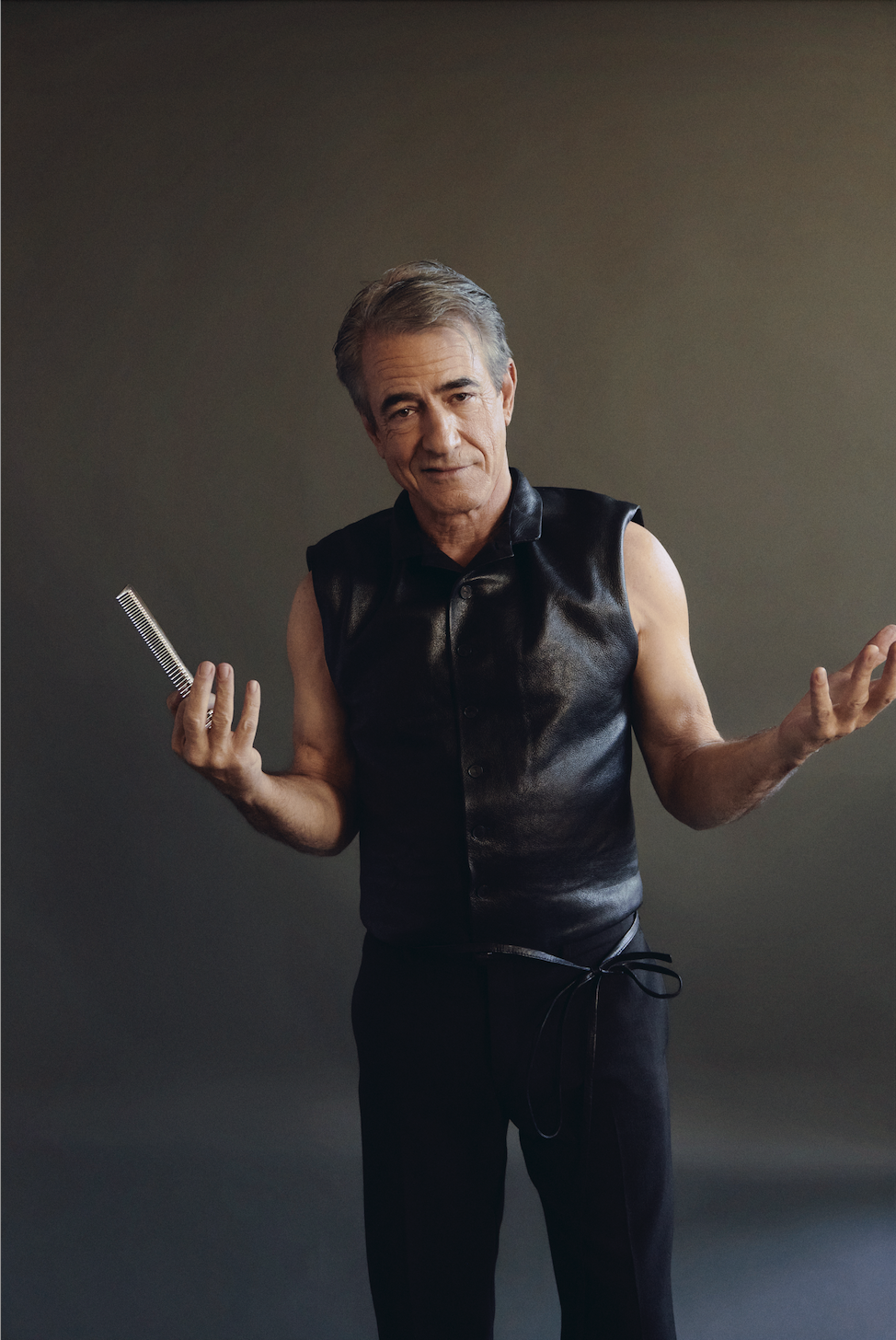
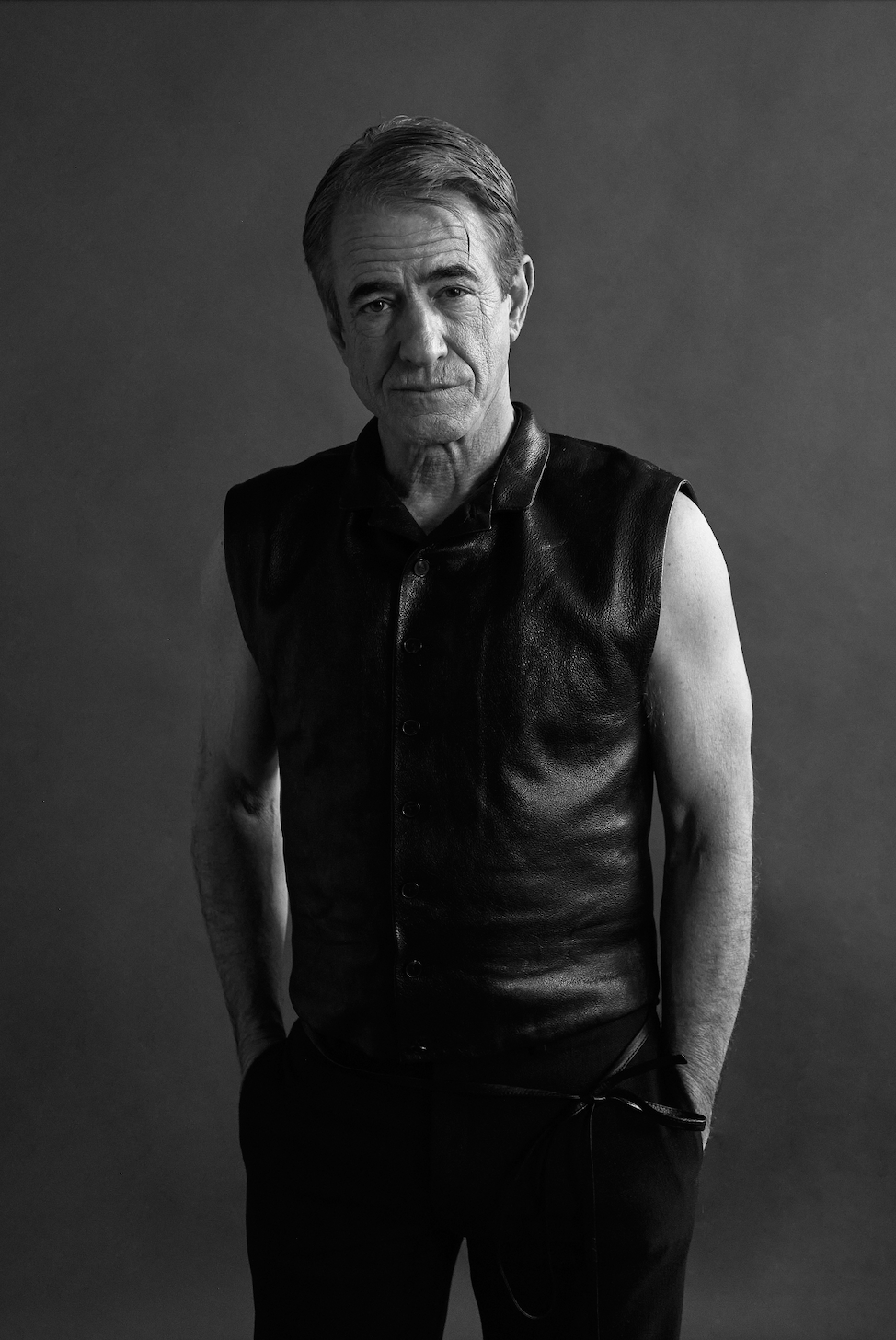
top and pants CALVIN KLEIN
You’ve worked with an extraordinary range of actors and filmmakers throughout your career. Is there a particular collaboration or experience that fundamentally changed the way you approach your craft?
I received great advice from so many people. But fundamentally changing my craft? It's hard to say. A couple of people come to mind, all of whom have passed away.
Mark Rocco directed a movie called Where the Day Takes You. That was an extraordinary experience of really immersing myself in a character. I don't think I'd taken it quite that far before. Chris Cain cast me in Young Guns, and that was life-altering, particularly the experience of living in a character while playing Dirty Steve. I also think of Paul Newman. He and I became wonderful friends toward the end of his life, and I learned a lot from him about the highest levels of dignity and grace.
There were lots of other wonderful influences. I think of Peter Bogdanovich and Robert Altman, men I was fortunate to be friends with, as well as being cast in their films.
Hollywood often places enormous emphasis on youth and reinvention. Having built such a lasting career, how has your understanding of success, ambition, and professional fulfillment evolved over time?
Wonderful question. It certainly has evolved. But let's not forget that I was part of young Hollywood. They found me, quite literally, at a university in the Midwest, and I was used that way. I was 22 when I signed and started working professionally, but I was playing 16. So I was part of that.
And, of course, my generation of actors on camera was part of everything that happened over the last 40 years in terms of personal wellness and all those things that were being developed. We were part of that delivery system of how to look beautiful and stay young. So, sorry, everyone.
I've been lucky to make those transitions between different age groups. It's true that you get cast a certain way, and some people can't get out of being seen as young actors. Boy, did I clear some hurdles to be able to have a continuous career, or at least the appearance of one. Of course, like all actors, I went through long periods of not being able to find work, when no one wanted me for those parts. So I had to win that back a couple of times.
You’re returning as Jed Banks in the second season of Netflix’s The Hunting Wives. What initially attracted you to the character, and what makes him particularly interesting to portray?
Well, of course, Jed Banks is incredibly unscrupulous, and you know that right from the start. There's no doubt about where he's coming from. He's interested in enriching himself, both in the public eye and in his own pockets. He's a wonderful, egomaniacal character. He does, however, have one soft spot, and that's Margo Banks. So the story is really wonderful and devilish.
At the end of season one, he resorted to violence, and that weighed very heavily on the way the season concluded. Season two is coming out now, and I can say that Jed remains satisfyingly unscrupulous. You'll see him looking out for his own interests. And season two is not based on May Cobb's incredible novel. It spirals off in its own fictional direction, so hold on to your hat.
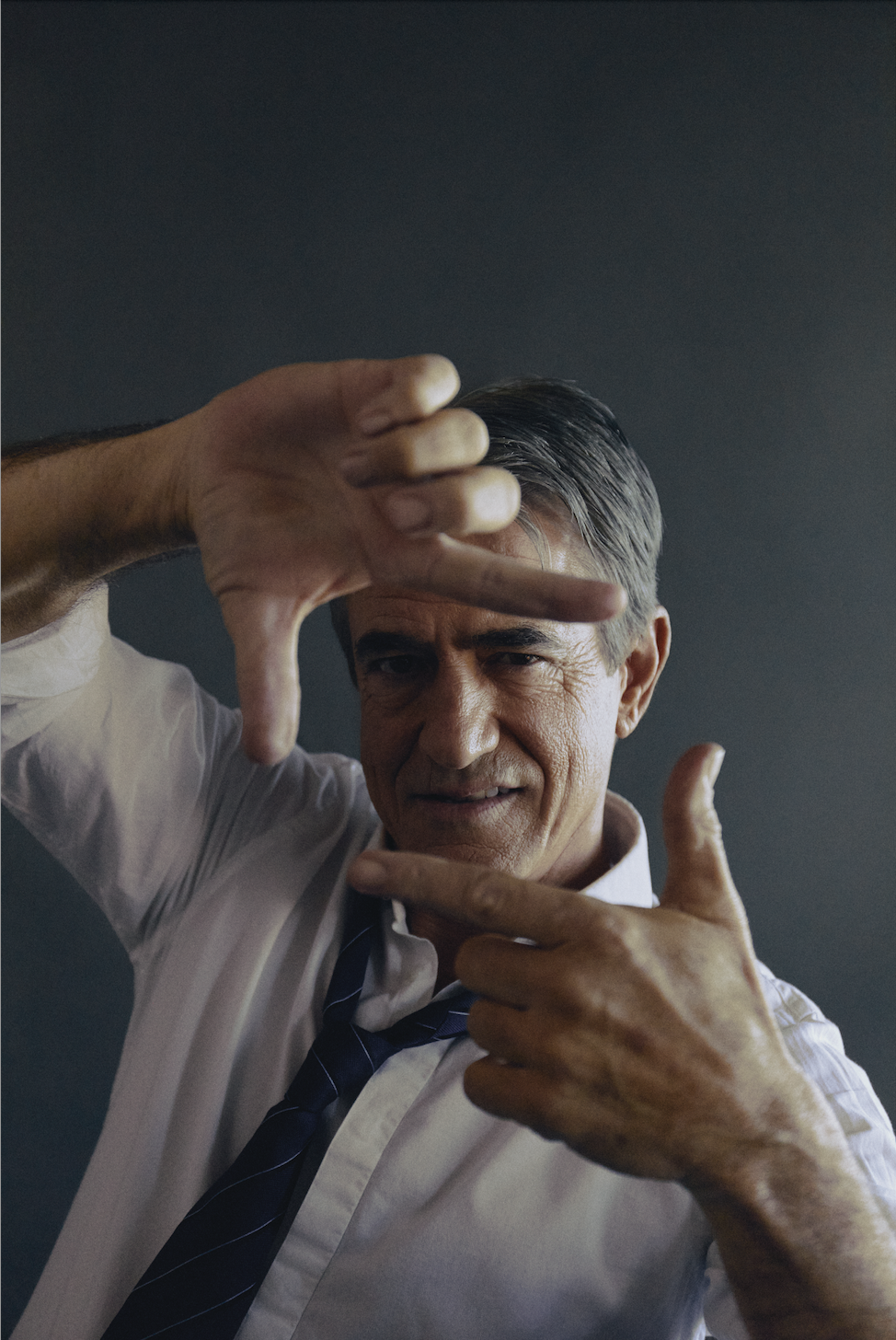
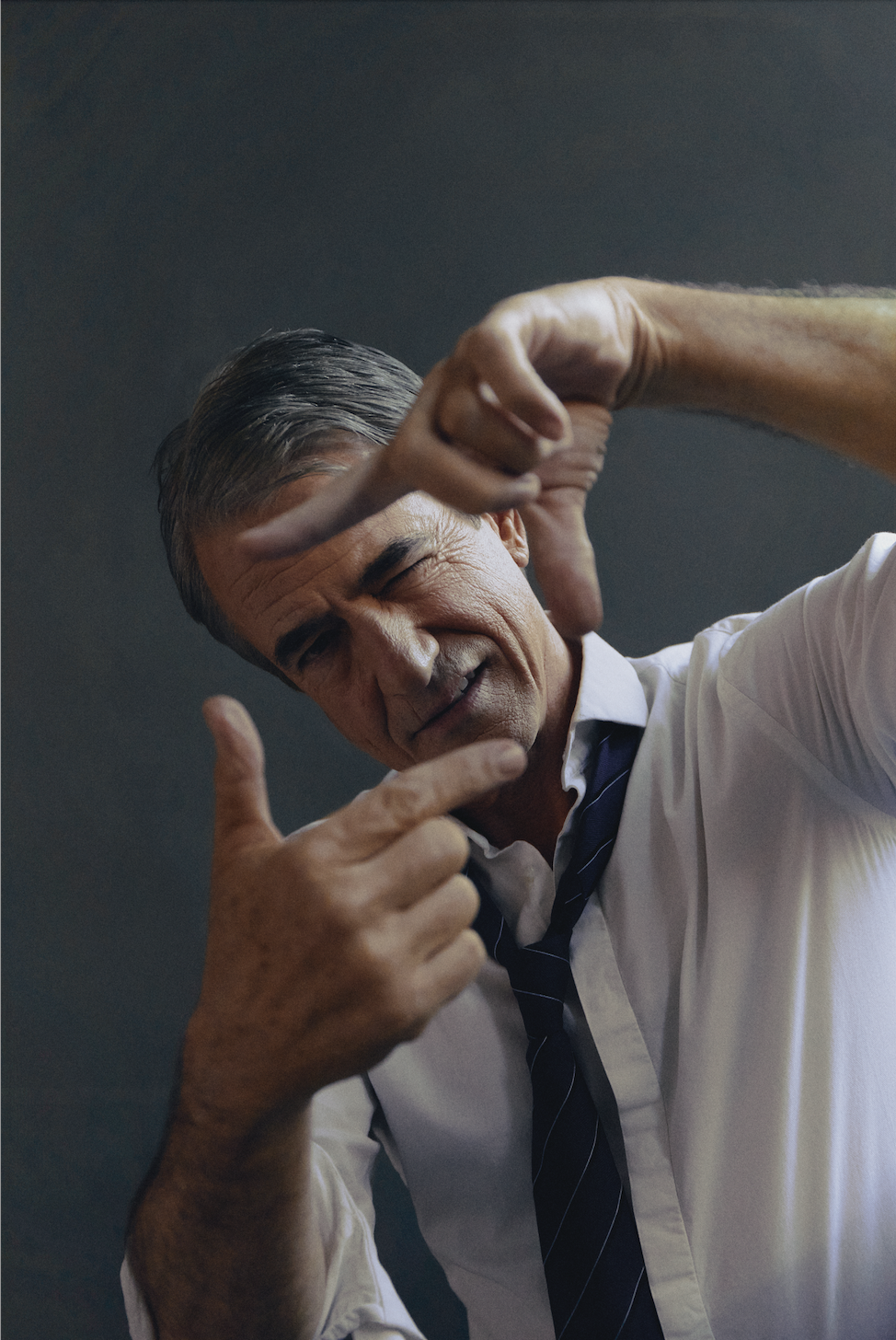
shirt and tie SAINT LAURENT
The first season captivated audiences with its mix of secrets, complicated relationships, ambition, and Southern intrigue. Without revealing any spoilers, how does Jed’s journey evolve in the second season?
They continue to hatch diabolical schemes, one of which, I hope it's not too much of a spoiler, is that Jed pursues running for governor of Texas. Maintaining their dignity, but certainly their innocence in the public eye, becomes a game of its own. The fine line between what a couple tells each other and what they don't is the line that Jed and Margo tread. And it stays just as tasty in season two as it was in the first.
You’re also appearing alongside John Travolta and Mandy Patinkin in Roland Joffé’s historical crime thriller November 1963. What drew you to this project, and what can the viewers expect from it?
It's such a lifetime privilege to work with the two actors you mentioned, John Travolta and Mandy Patinkin, and the rest of the incredible cast. Here's a story about what doing a possibly good performance, even in a movie that hardly anyone saw, can do for you 27 years later. I worked for Roland Joffé on a forgotten movie called Goodbye Lover. I worked really hard and did my best. Everyone did, and the movie is what it is. He remembered me and asked me to play the key role of Chucky Nicoletti, Chucky "the Typewriter" Nicoletti, in November 1963. I didn't bat an eye. I felt so privileged to get that call from Roland. He called me personally and made my year.
November 1963 tells the story of the mob's involvement in the assassination of JFK. So much of that story has not previously been shown on screen. There have been plenty of movies about that time period and what happened in Dallas that day, but not this version. And this one makes remarkable sense in its simplicity. It's a complex movie made by a world-class filmmaker, Roland Joffé. It's bound to be an extremely satisfying and comprehensive film. There's so much that happened that day and in the two days following the assassination that hasn't been told on film yet.
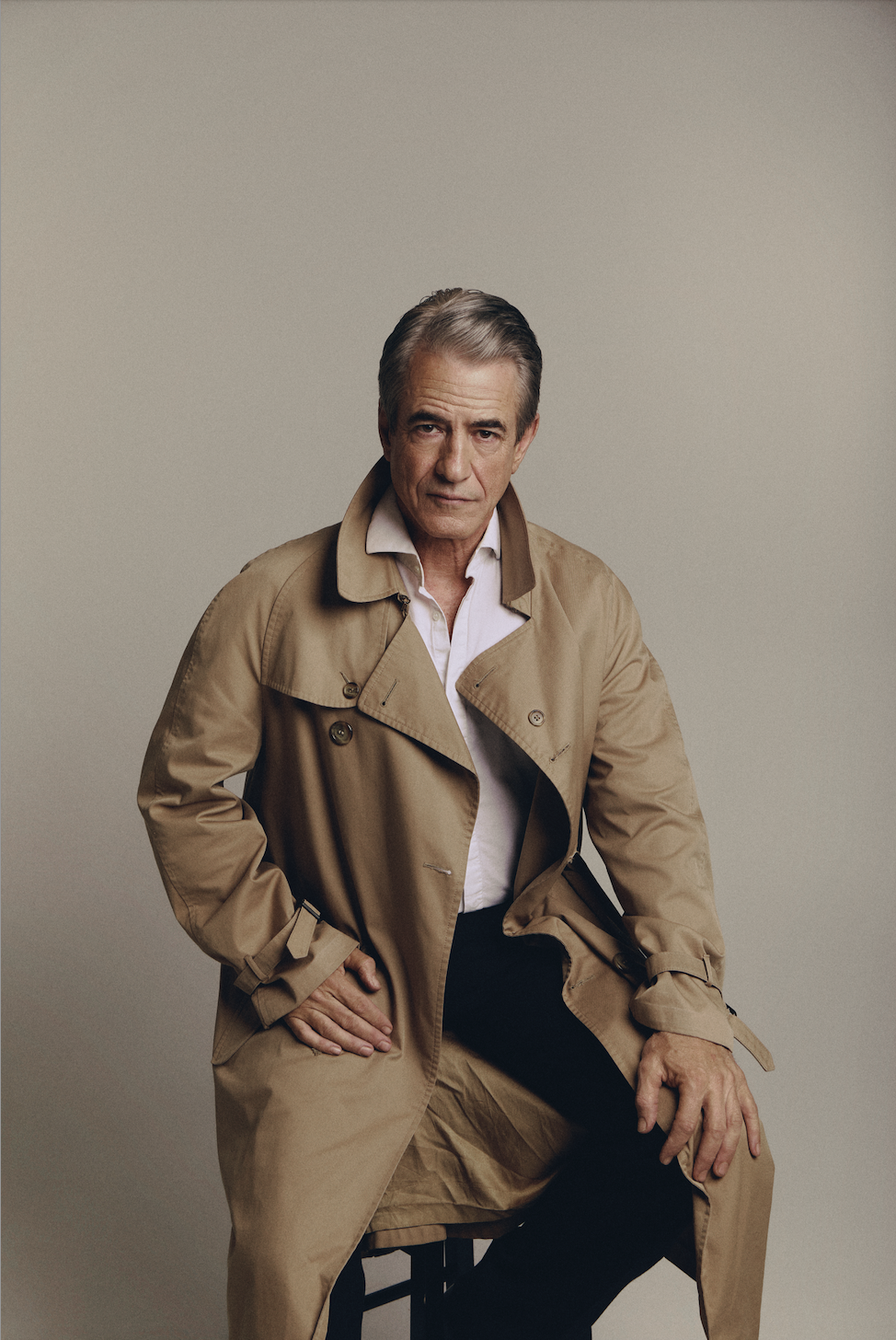
trench coat CHRISTIAN DIOR
shirt BOTTEGA VENETA
pants and shoes CALVIN KLEIN
Music has always been an important part of your life, and you’re an accomplished cellist who has contributed to major film scores. How did your passion for the cello begin, and what does music offer you creatively that acting does not?
I started both acting and playing the cello at the same age, when I was seven, going on eight years old. They grabbed me in the same way. I guess that's a very impressionable age. My brothers were already playing stringed instruments, so I knew about that, and it became part of our family identity. I never questioned it.
I played cello from the very beginning and then put it down after playing for four years in the university symphony. But it just kept coming back to me. You'll find me playing cello on film in several different places. Early on, in a TV movie called Daddy, and I played cello behind River Phoenix during a performance in The Thing Called Love, and elsewhere, too. Even in upcoming projects.
I've come to see that acting and playing the cello were meant to be a combination, and that I was meant to be known for playing the cello as well. More recently, things have come full circle. We're in the process of making The Family's Stone. Michael Giacchino is the composer of the score. I met him at the premiere of the first Family Stone, and that's why he invited me to play in his recording orchestra, which I've been doing for 15 years.
That's been one of the great privileges of my life. I didn't see that coming, being part of a scoring orchestra for Hollywood films. I'd made peace with being an actor in Hollywood films, but playing in a scoring orchestra really came out of the blue. And I have Tom Bezucha, from The Family Stone, to thank for that because he introduced me to Michael Giacchino, and it became a big part of my life.
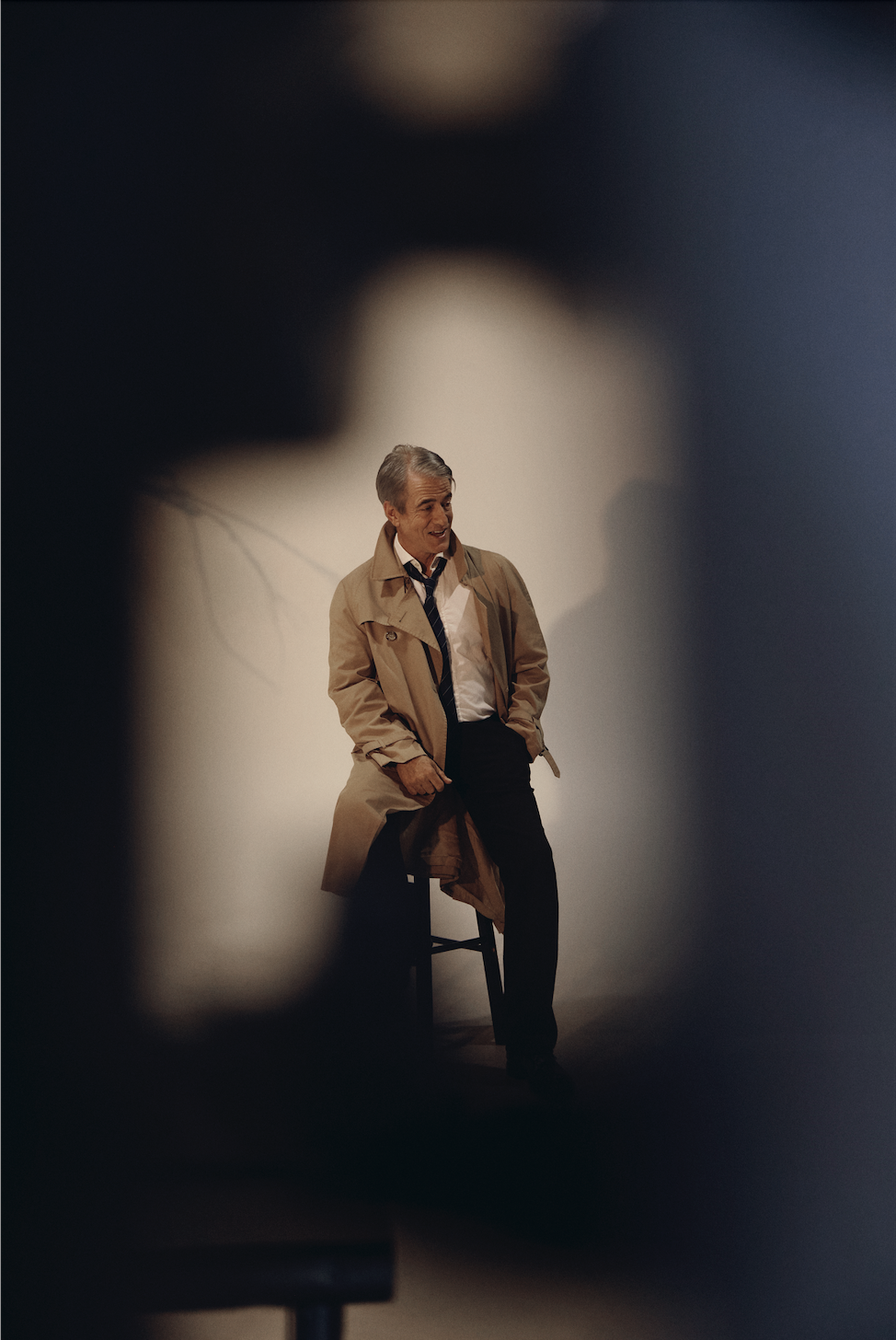
trench coat CHRISTIAN DIOR shirt and tie SAINT LAURENT pants and shoes CALVIN KLEIN
You also perform with your brother Kieran in your Americana band, Jackrabbit. What is special about sharing that creative experience with family, and how would you describe the musical identity of the band?
There are so many bands with brothers in them, quite frankly. With our type of country and western music, Americana definitely fits what we do. That's part of our show: family, that down-home feeling, and where you came from. And because it's country music, of course, some of the lyrics are about taking wrong turns and leaving things behind.
It's been such an incredible new chapter. I've played in two other bands with Kieran, but this is the one where we fit together best, and it has taken on a life of its own. I didn't see that coming either, being a brother duo singing country music and finding an audience. We're really blessed there, too.
Developing Jackrabbit as a country band has been incredible because we don't play characters, but we do take on a country band persona. We sing together in harmony as a duo. You can find our music on all the streaming platforms to hear the type of music we make. It's just been a joy.
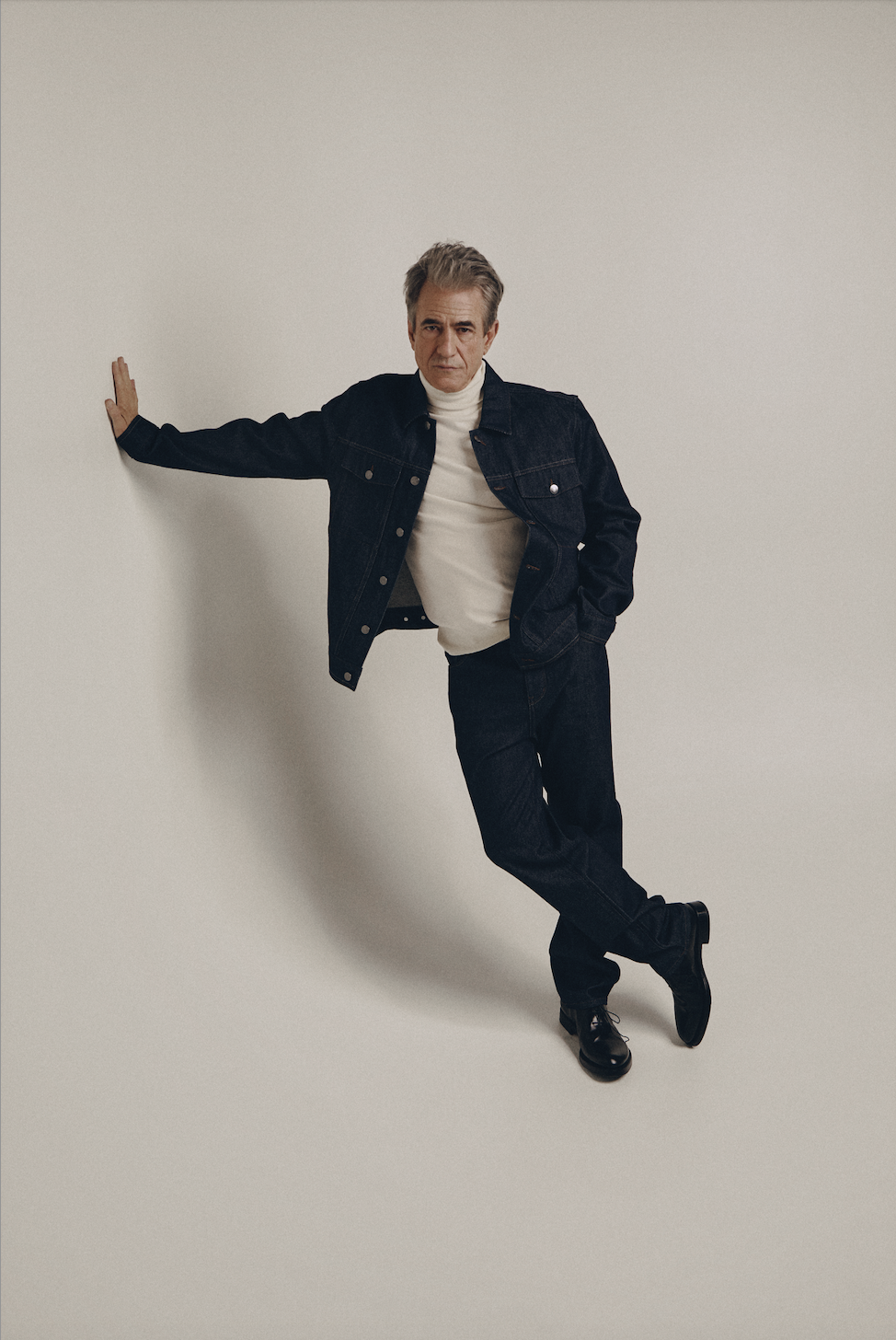
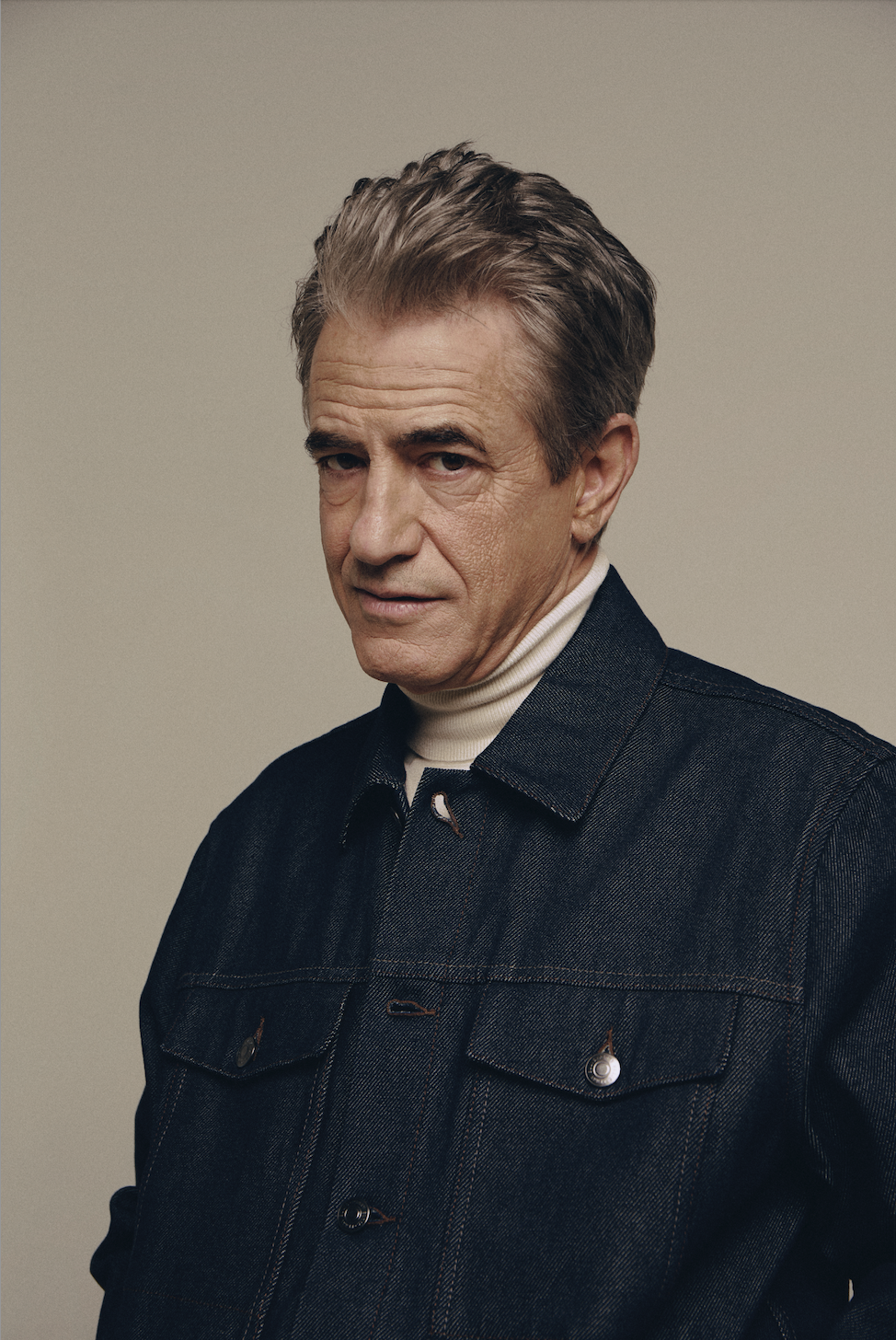
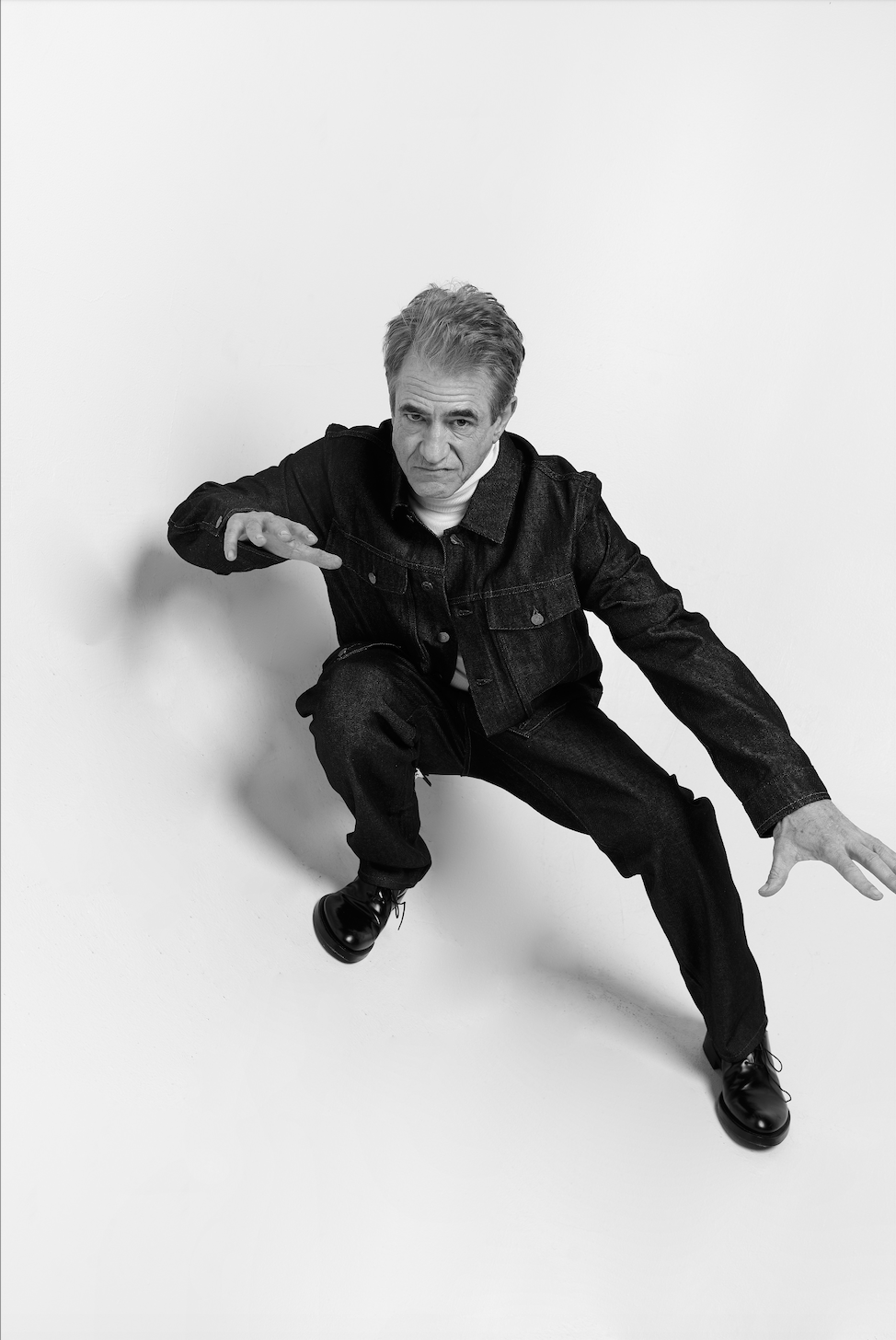
turtleneck, jacket and jeans PERRY ELLIS shoes CALVIN KLEIN
With such a demanding professional schedule, how do you maintain a balance between acting, music, family, and the quieter moments of everyday life?
Well, there are a couple of things on that list of four that I wish I had more time for, maybe all of them, even. Obviously, traveling to locations for work takes up the largest part of my schedule, and that's usually acting. Now I've added traveling on tour for music as well.
My youngest children are in their late teens, so I'm entering a part of life where I feel just as homesick, but it's a little easier on the family as they're finding their first steps into young adulthood.
It's always been really tough on actors to travel so much. Our industry hasn't really addressed much of that, but things have changed in a way where most of the work, not just some of it, is somewhere else.
Now I have older children, but I'm working with people in their 30s and 40s who have young children, and it's more stressful than ever, even compared to when I was doing it. It's more expensive, with greater overhead for both your business and your family. Our job is to make it look real and make it look easy. But especially these days, you've got to be tough to do it. I have such respect for the people I work with who manage to do it all while raising young families.
After four decades in the entertainment industry, what still surprises you about your profession? Are there particular roles, genres, or creative challenges you haven’t yet explored but would love to pursue?
The question leads to wondering what's next for the industry, of course, and what filmmakers are going to be capable of doing much more inexpensively because of the technological boom in computer-generated imagery. It's a new frontier. I even said out loud, "Gosh, I haven't done a sci-fi or a space movie," and then one came along. It's completed now, and it was quite remarkable how quickly you're able to create visuals that fill in a lot of the blanks. It's still a live performance, but the visuals, the backgrounds, even what you're walking on, all of that can be manipulated so easily. That's what people are concerned about. That's what our labor dispute had to protect us against: being misused, used multiple times, or having our performances reused without compensation. These things are becoming very real, very suddenly.
Currently, we need to sign a waiver. I don't know if all actors know this at the moment, but that's part of our most recent contract. It allows for the digital use of what they capture under the contract, which they're permitted to do, but at least we need to sign and say, "Yes, you can."
That's a step in the right direction. A lot of representatives aren't even aware of that step yet, or it's being done before that little contract page is presented. So that's our protection, and other actors and agents should know about it. There are still little corners of our industry where people are being exploited and taken advantage of, obviously. Even criminals are doing it, using voice impersonation and similar technology for schemes designed to get money out of people. A lot of actors are being impersonated through these technologies. It's awful. A lot of people get tricked.
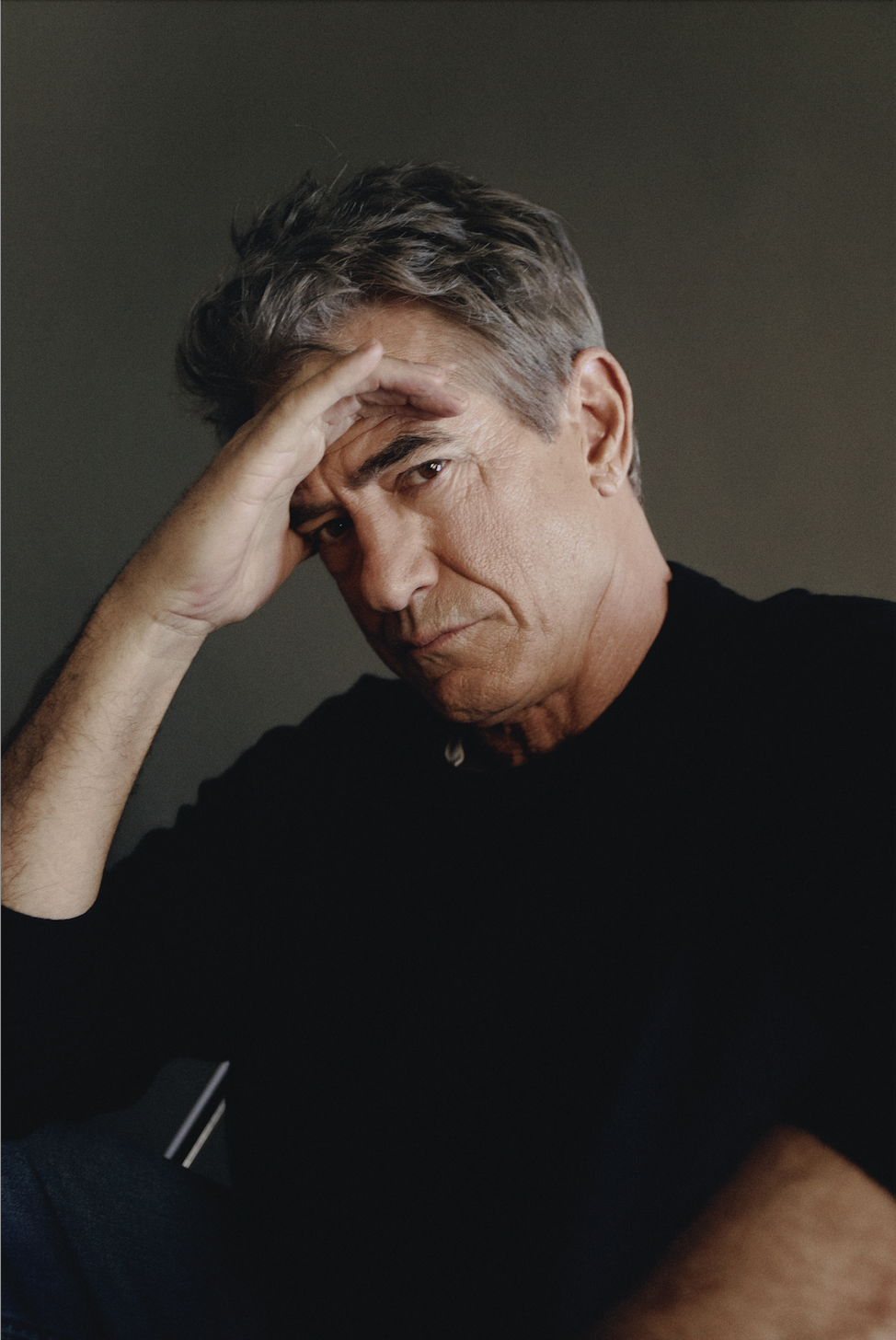
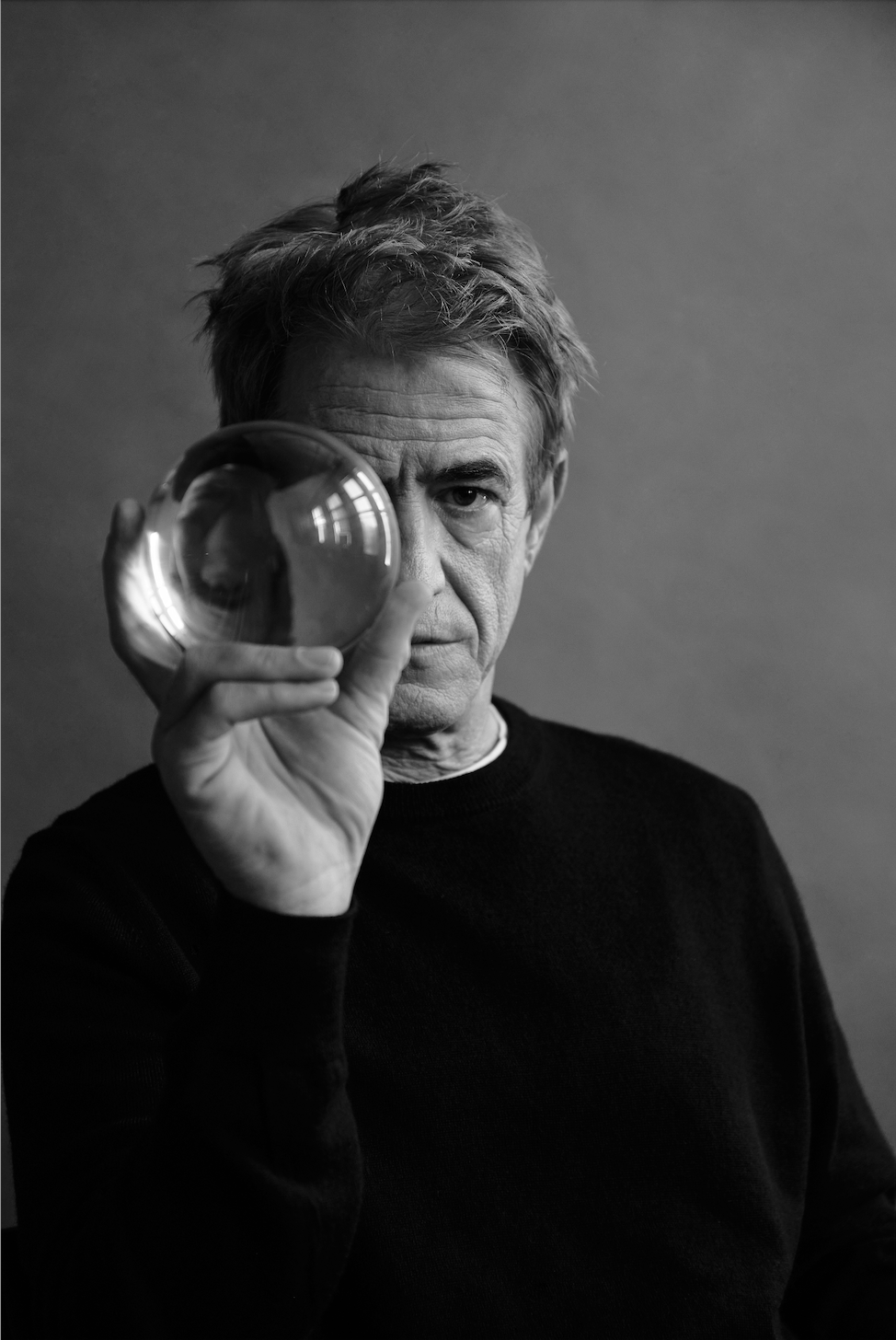
sweater SAINT LAURENT t-shirt FRAME
TEAM CREDITS: talent DERMOT MULRONEY photography BIANCA GERASIA styling ANNA KATSANIS at WALTER SCHUPFER MANAGEMENT hair and makeup CHELSEA GEHR production OLGA KOTOVA digital technician JOHN GORY lighting ROMAIN MENEGON retouching LIZA ZOLOTOVA editor TIMI LETONJA editorial director and interview JANA LETONJA cover design ARTHUR ROELOFFZEN
