
IN CONVERSATION WITH DJ SUZY
interview by JANA LETONJA
DJ Suzy is carving out her own lane in the ever-evolving world of alternative pop. The Swedish producer, vocalist and songwriter first caught the attention of underground music circles with her cult mixtape Haunted Disc, before quietly building a devoted following through hypnotic productions and an unmistakable vocal style. Since then, tracks like Digital girl – funk remix have amassed millions of streams, while support from artists and tastemakers including Rico Nasty, NTS Radio and Nina Protocol has cemented her status as one of the most intriguing new voices to emerge from Scandinavia. Now, ahead of the release of her debut album Kira Krash and its latest single sw33t, DJ Suzy is embracing a new chapter, one that blends dreamy alt-pop, club music and internet-era nostalgia into a sound that feels both intimate and futuristic.
photography by NEMO HINDERS
Kira Krash marks your debut album. What does this project represent for you creatively compared to Haunted Disc?
I’ve had the idea of Kira Krash since around 2019, but my relationship with her has changed a lot since then. At first, she was something I wanted. Later, I wanted to escape her. Now, I’m living with her as a part of my life. I would say she symbolizes my shadow self. It’s been really interesting to have her in my mind throughout this project. For me, Haunted Disc was a bit more chaotic, with no agenda other than raw feelings.
The title Kira Krash immediately sparks curiosity. What’s the story behind it?
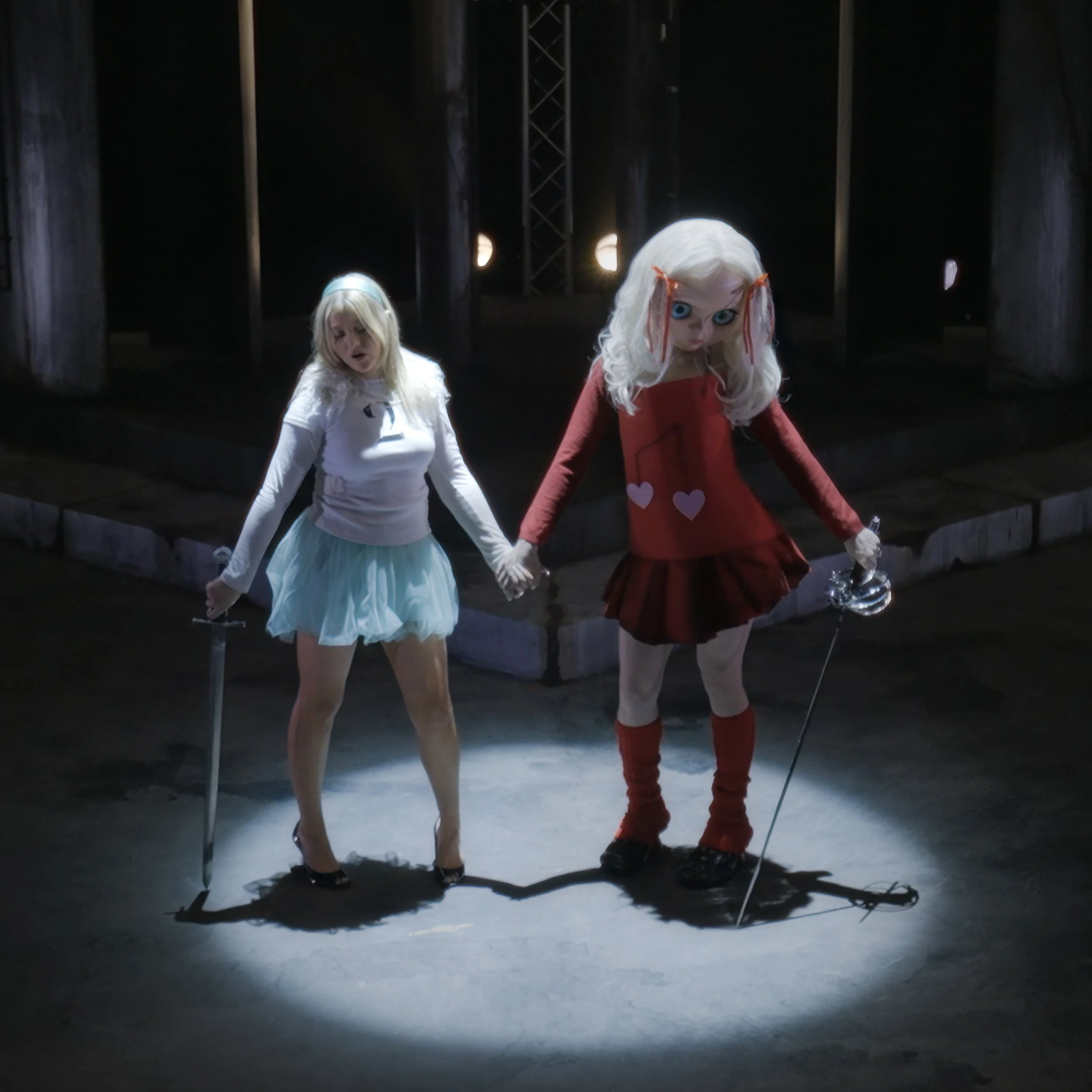
Kira Krash is some kind of alter ego, an opposite version of me. If I’m Alice, then she’s the Red Queen, the part of me that is more impulsive, instinctive, and unrestrained. This album explores themes of identity, growing up, and self-control versus impulsivity. It questions whether I want to become more like her, run away from her, or find some kind of balance between the two.
Your new single sw33t has a dreamy, nostalgic energy while still feeling futuristic. What inspired the track?
It was literally made on my bed in about ten minutes, the beat and the chorus. And it’s supposed to feel like that too, not too serious, just something easy to bounce along to and get into the groove with.
Your music blends alt-pop, club sounds and electronic production in a way that feels difficult to categorise. Do you consciously avoid genre labels?
I just go with the flow.
As both a producer and vocalist, how do those two roles influence one another during the songwriting process?
It gives me more control over the process, even though I’m not always the one in front of the computer. Understanding what’s going on and being able to communicate what I want in producer language has given me so much.
Your vocals often feel intimate, almost conversational. Has that always been your natural approach, or did it evolve over time?
I think it’s been like that from the beginning, ever since I learned to write songs. Before I started writing, I loved singing difficult songs because I wanted to practise my skills. It’s really nice to have that vocal control, especially for live performances and things like that.
photography by NEMO HINDERS
Your music often evokes internet culture and digital identity without feeling gimmicky. How has growing up online influenced your artistry?
I mean, being a teenager in the 2000s, internet culture was exploding, so it was hard to avoid. I was introduced to producing for the first time by my boyfriend when we were 13. He had FL Studio, and to me, that really opened up an unknown world. I think all the electronic music coming out of Sweden during that time really inspired me subconsciously.
Sweden has produced so many influential pop artists. Do you feel connected to that musical heritage, or are you consciously creating something different?
Of course. Robyn was played in my room nonstop. I feel very connected to the melancholy of Sweden, as I feel like it’s a collective feeling.
Visual aesthetics seem to play an important role in your world-building. How involved are you in creating the visual identity around your music?
Actually, I felt a bit lost in the beginning. I was so focused on writing my songs and making them as good as I could, so the visual side was secondary. Then I met Barbara Braccini, aka Malibu, and she gave so much to the visual world I have today. The Caught by a Wind video was all her idea, and it really gave the song the depth it deserved. I’ve been loving working with her.
She later introduced me to Igor Pjorrt, who shot the Haunted Disc cover, which is one of my favourite photos ever. Then I started working with my girl Elsa Ödeen, who really brought new life and energy to my newest single, Speedboat. She made the cover and video for that one.
It’s been super important for me to work with talented creators who understand my vision. And it’s really thanks to our collaborations that everything has ended up looking so great visually.
photography by IGOR PJÖRRT
What does collaboration mean to you? Is there an artist or producer you’d love to work with in the future?
Collaboration means everything. I don’t think it’s sustainable to work on your own all the time. I think it would be really cool to work with Dean Blunt. I’d really like to write with Thundercat, Robert Glasper, or James Fauntleroy. I think we’d have fun in the studio.
As live performances become a bigger part of your career, how do you translate your immersive, headphone-driven sound onto the stage?
I try to combine both live instruments and track building. I never want to do 100% of either, and I would love to expand my band further. I think Oklou is a really good example of how to bring alternative electronic music to life on stage.
If listeners could take away one feeling after hearing Kira Krash from beginning to end, what would you want it to be?
Distress. Haha, kidding. But honestly, I hope they receive the light from it.
If Kira Krash existed as a film, what would its opening scene look like?
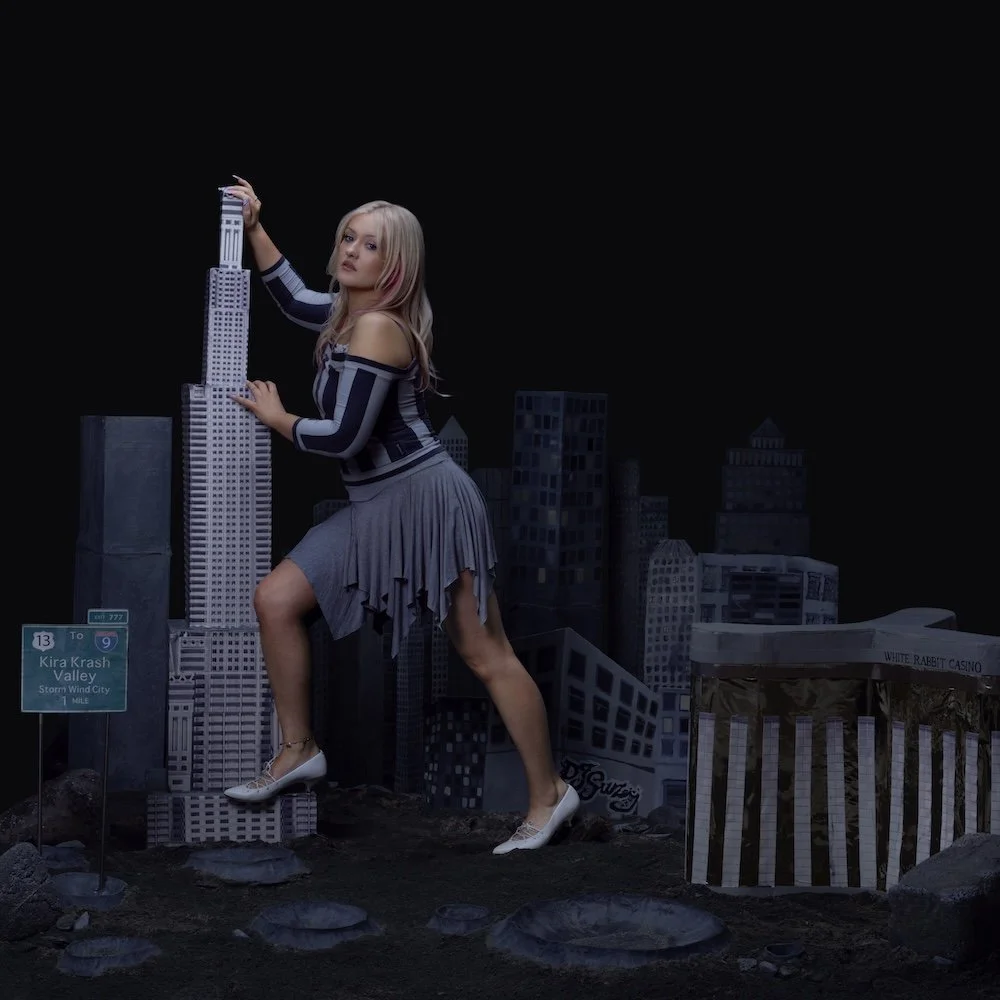
Me crashing onto her planet, not knowing where I’ve ended up. I’m a digital girl on the Kira Krash planet now.