
IN CONVERSATION WITH DUNCAN JOSEPH
interview by JANA LETONJA
photography by BEN COPE
Duncan Joseph, known to millions as duncanyounot, has emerged as one of the most influential and idiosyncratic voices of the creator era. Rising from Seattle with a surreal, sharply observant comedic style, he’s built a global following of over 9.5 million across platforms by turning character-driven humor into cultural commentary. Now, Duncan is entering a bold new chapter, expanding beyond viral fame into fashion, hosting, acting, writing, and directing. From launching his latest merch drop, You Can’t Arrest a Diva, inspired by his beloved “rich aunt” alter ego Shannon Debussy, to developing a deliberately chaotic interview series and laying the groundwork for his own fashion brand, Duncan is redefining what a modern multi-hyphenate can look like, on his own terms.
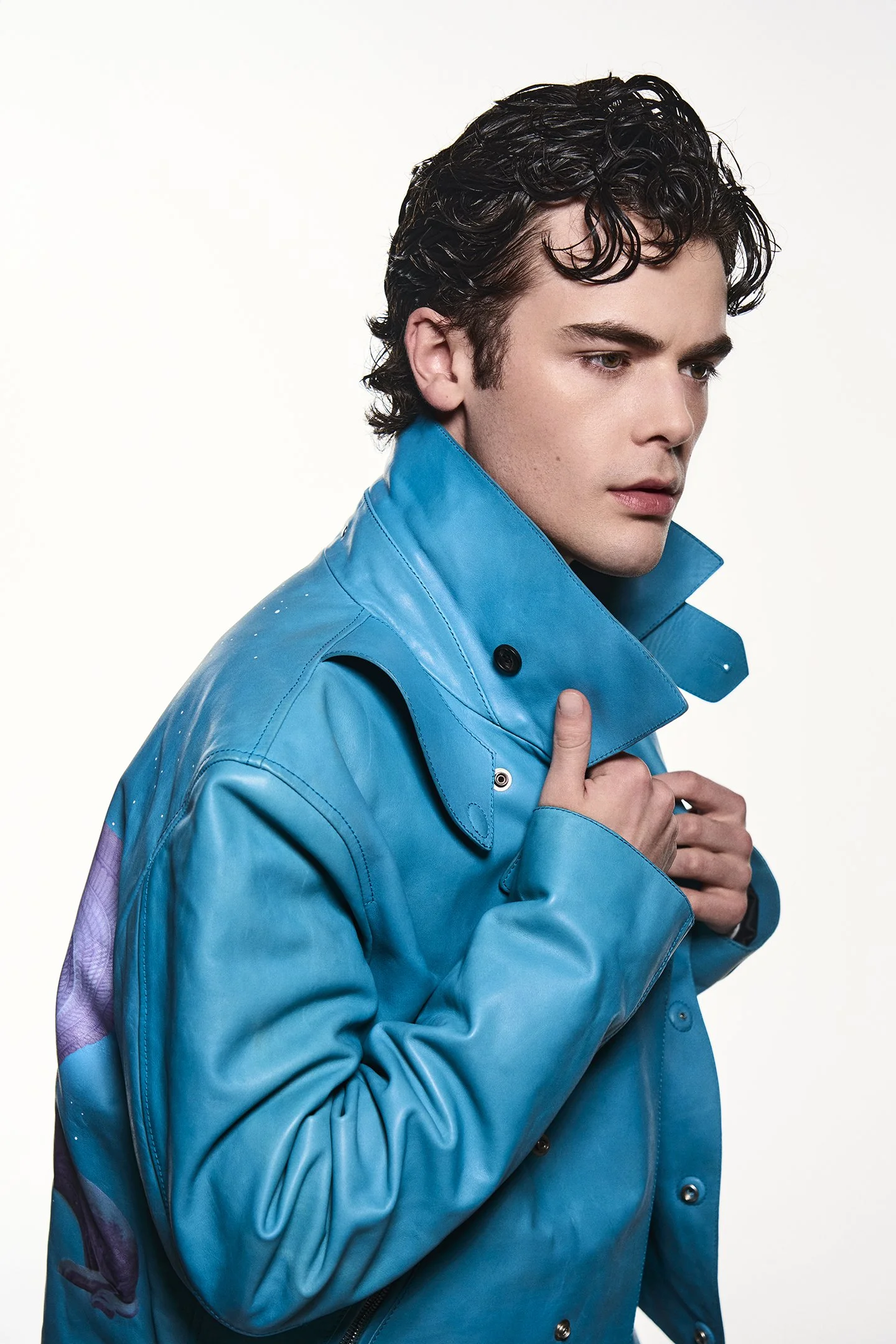
You’ve built an enormous following through character-driven comedy. When did you realize Duncan Joseph was bigger than just “content”?
I’ve always felt like a father to all my characters, but there comes a time when the kids grow up and need to leave the home. Now that I’ve become an empty nester, I’ve tried cooking, gardening, and reflecting on my old videos. While watching these, I couldn’t hide behind my characters on my YouTube channel, and I realized it was just me. Now I’m excited to make more videos where people get to see Duncan, because it’s built a relationship with my audience that my characters couldn’t.
Shannon Debussy has become a fan favorite. What does that character allow you to say that Duncan maybe couldn’t?
I’d like to think Shannon gives me a shield, creating enough separation that I can explore sharper observations and bigger reactions without it feeling personal. People understand Shannon as satire immediately, which is fun because I can be even more reckless than just “Duncan Joseph” can.
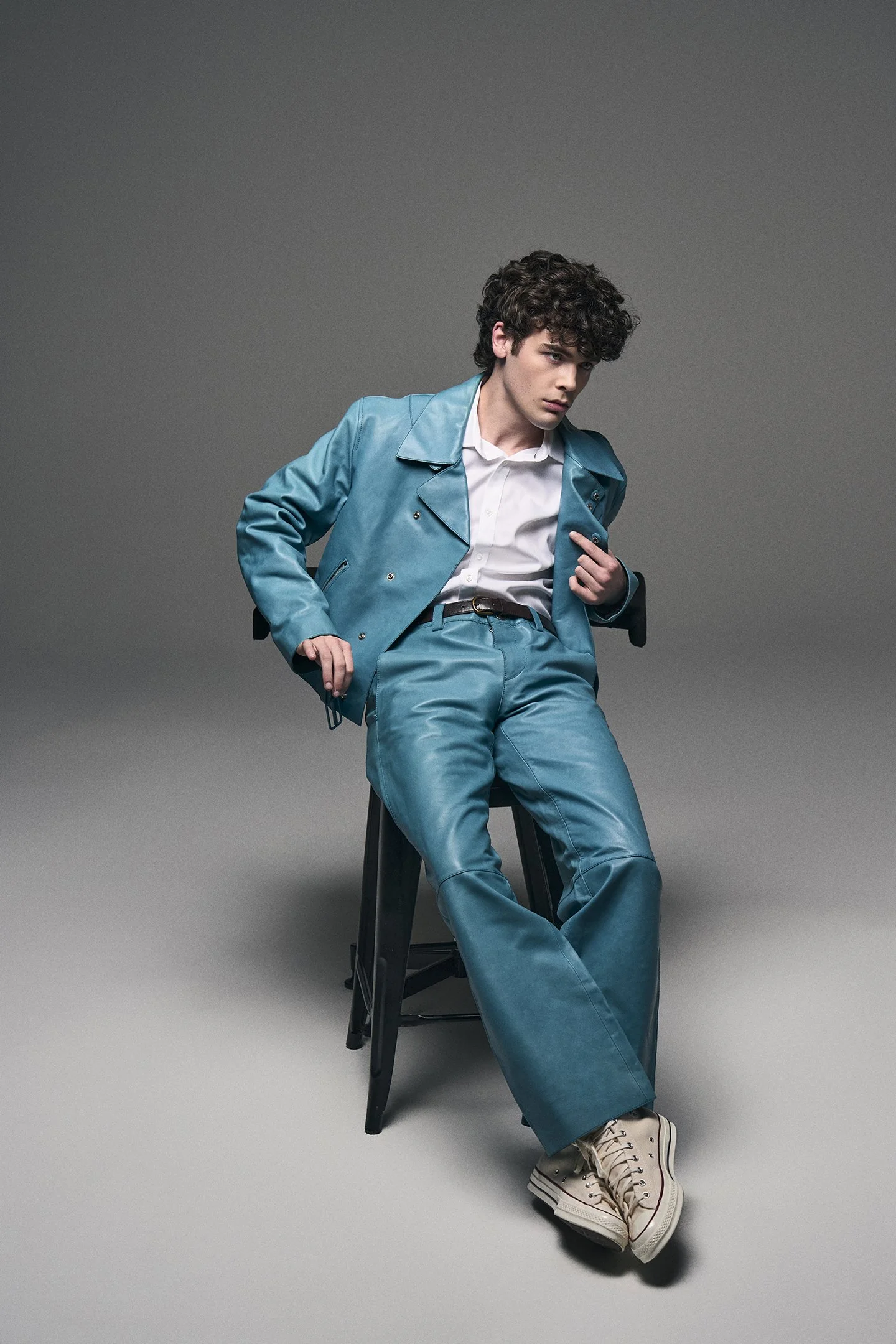
You Can’t Arrest a Diva feels like both a joke and a manifesto. What does that phrase represent to you?
I mean it very seriously. It’s simply impossible to arrest a diva. Apart from the legal sense, divas create their own world, and everyone else is living in it. Divas are untouchable, letting their power work for them, not against them. It’s a message to the masses reminding everyone that they deserve to be heard, and that they matter. I also made it up for TikTok, so it can mean anything you want.
Your style draws from couture, camp, and character design. How did fashion become such a central part of your creative identity?
In 2021, my best friend Alex was the first person to style me in a tank top in public. I was mortified because my arms were showing, and it was the first thing I wore that genuinely showed self-expression. I had a closet full of basic quarter zips and ankle tight jeans, which isn’t necessarily bad, but it was protection from others seeing a different side of me. Since then, I’ve never looked back, using clothes as a canvas to express myself, just like my characters online. Fashion and comedy are connected because they are observant and always have something to say, which is why I feel so comfortable with both of them.
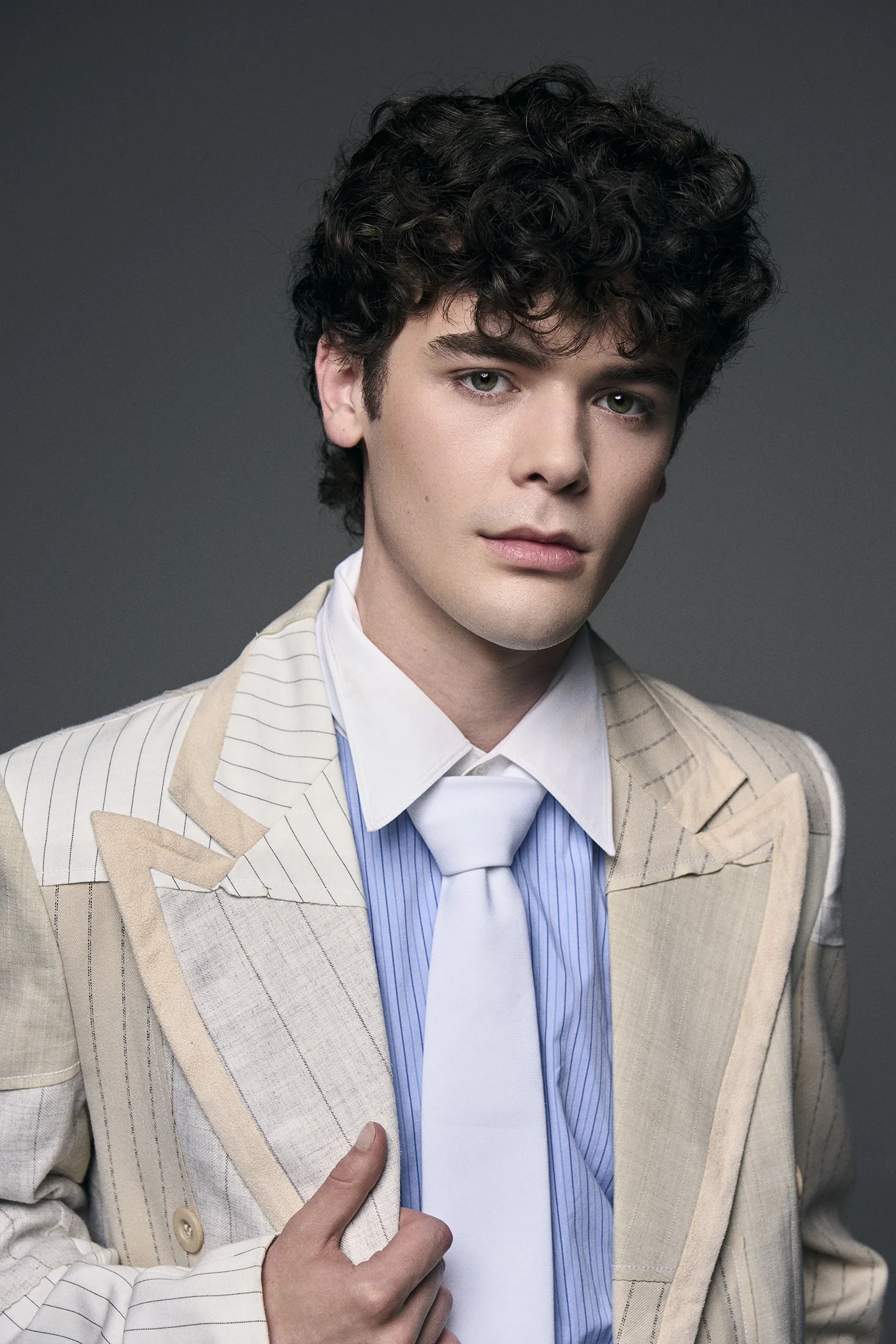
Do you see your merch as a stepping stone toward a full fashion brand, or is it already one in your mind?
My merch is definitely a step toward a full fashion brand. I wanted this launch to be accessible and fun for my viewers, while in the future I want to create something even closer to my creative perspective. Living in NYC has inspired me to push boundaries and express myself even further, and I’ll want the future clothes I create to reflect that.
Internet fame can be fast and fleeting. How intentional have you been about building longevity beyond virality?
When I started making videos, virality was like dopamine, and I couldn’t stop creating videos I knew would perform well. However, starting my YouTube shifted my focus towards building an audience, and it’s much more fun now. I really like the idea of my content being like a comedy club set. The room already trusts you, so you can have more fun, take risks, and let things breathe. It’s way more fun when things aren’t as polished, and I feel so much closer to the people who laugh with me.
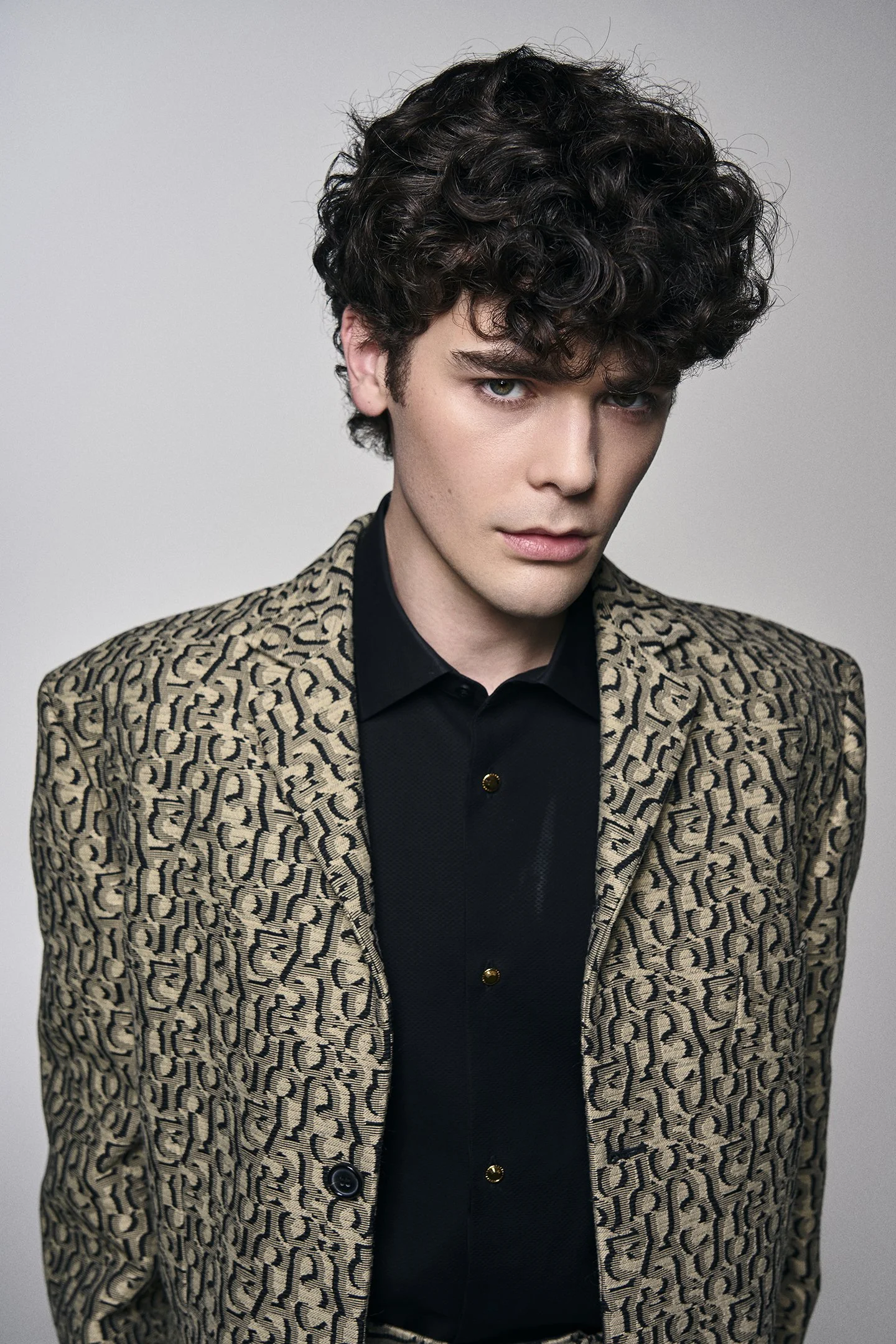
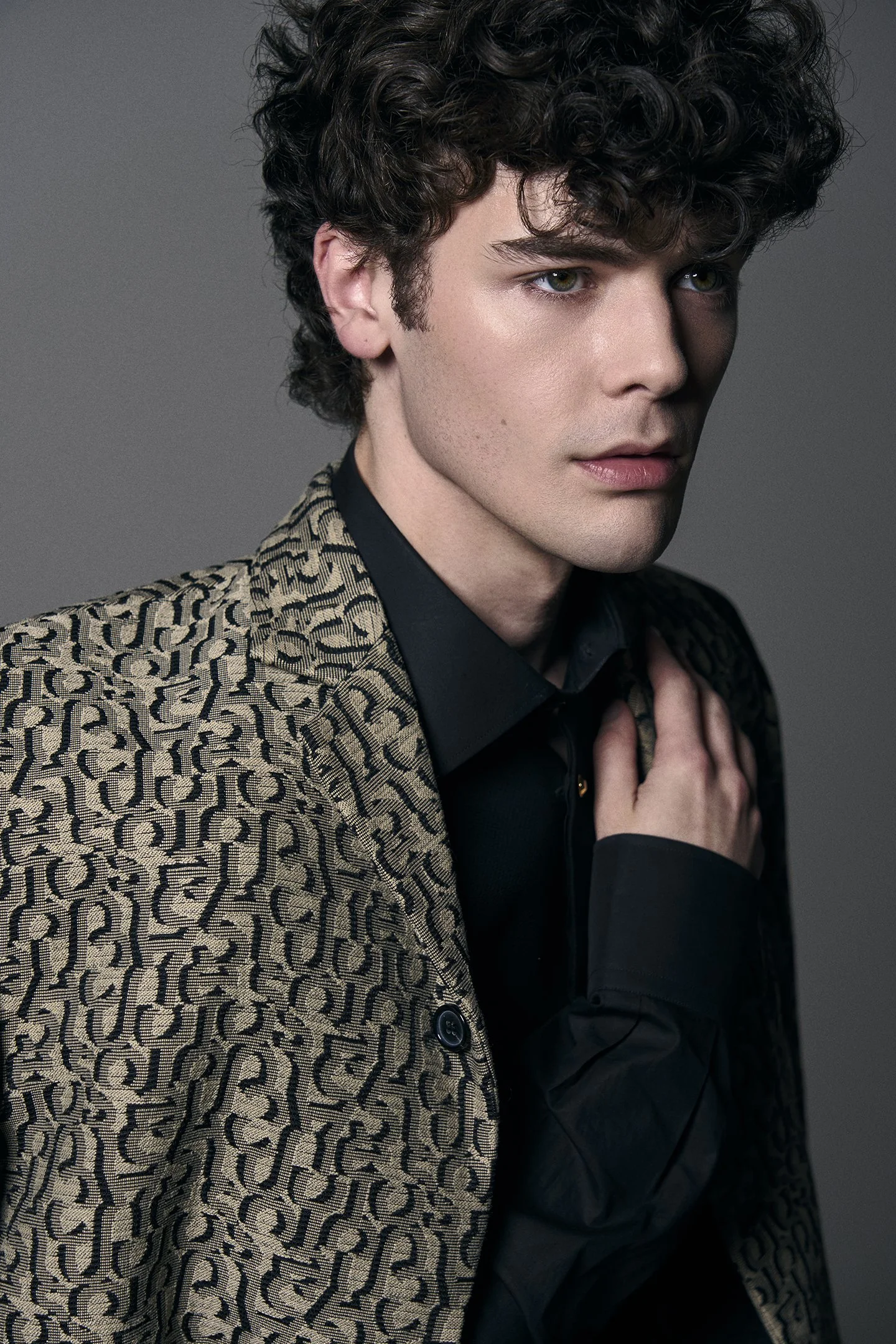
You’re developing a “bad interview” talk show where you’re intentionally terrible at interviewing. What are you satirizing with that format?
There are so many new podcasts and interview shows coming out with the goal of authenticity. I’m trying to do the opposite, which is exactly what we need. I’d like to find out how far a question can go, how awkward can I make a zoom call, how much of a fool can I make of myself. No amount of preparation or PR training can protect either me or my guest. Perfection is boring and that’s why this show will be fun, for me, at least.
Comedy is often dismissed as unserious, yet your work is deeply observant. What do you think humor can reveal that sincerity sometimes can’t?
I feel like a lot of comedians grow up trying to understand the world, and in that process, realizing how ridiculous it can be. Comedy can understand absurdity, which is why I think people call it so unserious. But it’s very serious to me, especially when people know exactly what I’m talking about when it sounds like complete gibberish. Humor can be like a secret language, and it feels so incredible to realize someone else speaks yours. Observing humanity moves the culture forward and it makes me feel alive.
You’re expanding into acting, writing, and directing. Which of those feels most natural, and which feels most intimidating?
Directing definitely feels the most natural, because most of my internet career has been conceiving and executing my own videos. I never felt like a director until multiple people were in a single video. It’s so fun to turn a script or idea into a video that I can’t stop watching. Acting feels the most intimidating because being vulnerable has always been difficult for me. I’ve always loved to act as the characters I’ve created, but I’m anxious to see myself turn into someone I’ve just met on paper, especially when there won’t be any wigs involved.
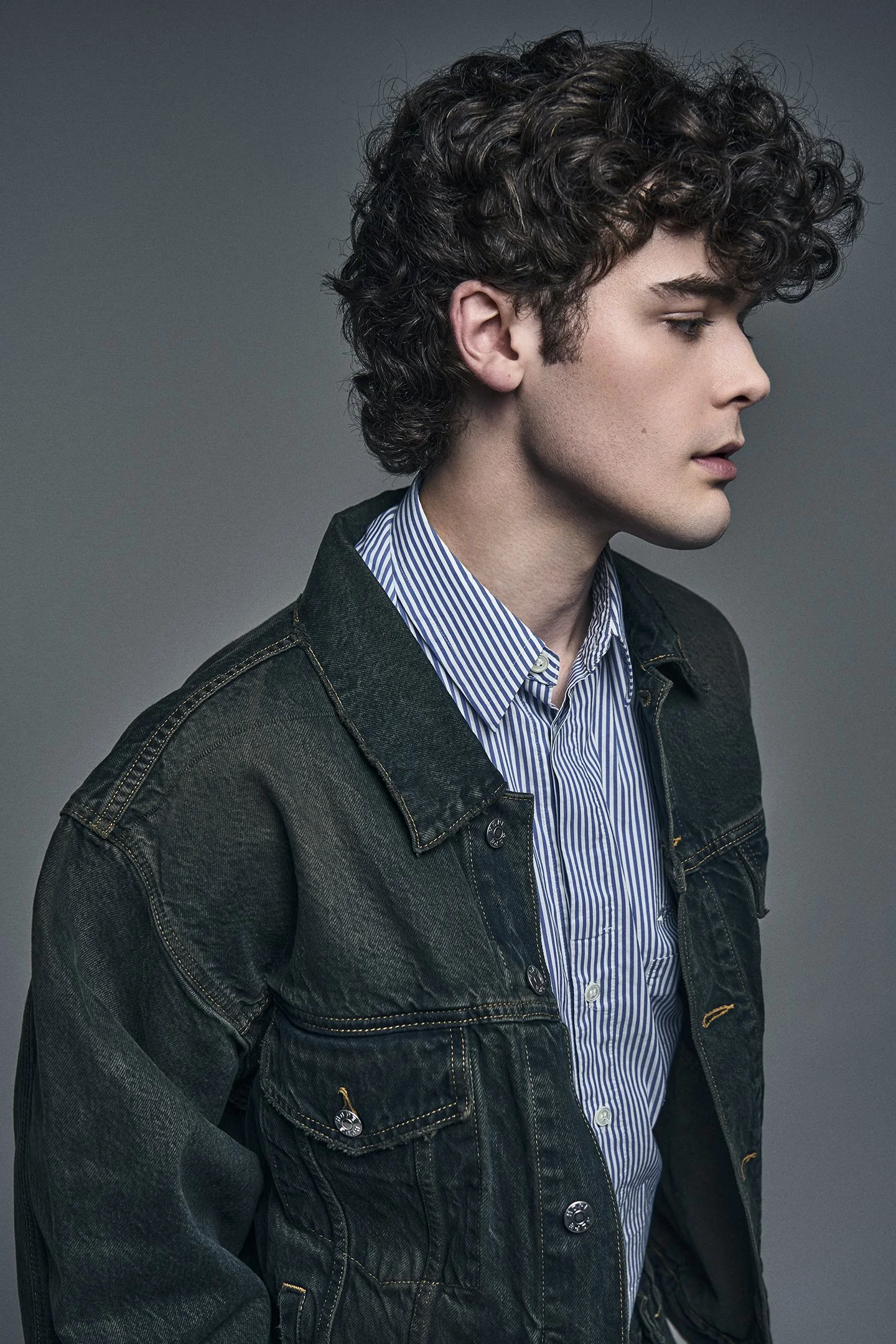
Being funny online often comes with expectations to always be “on.” How do you protect your inner life?
I’ve always been a people pleaser, even back in high school. Being “on” is how my brain learned to operate. It’s not something I really switch into for the internet. What’s helped is that the version of me people see online isn’t that different from who I am off-camera. I surround myself with friends who speak the same comedic language I do, so there isn’t this big divide where I’m performing all day and then crashing later. It just feels like an extension of how I already move through the world. And when I meet fans, I love to have fun with them. I think people can feel the difference between someone trying to land a joke and someone who’s actually present, and it’s fun to show up as myself.
What excites you most about moving into longer-form storytelling?
I like having more room, honestly. It feels like going from a studio apartment to a full house with a lawn, driveway, and a barbeque in the back, space I probably won’t need but enjoy having. Things get to breathe, and get a little weirder, without having to land a joke or idea as fast as possible. I’m excited to spend time building those worlds instead of just showing up for a moment and leaving.
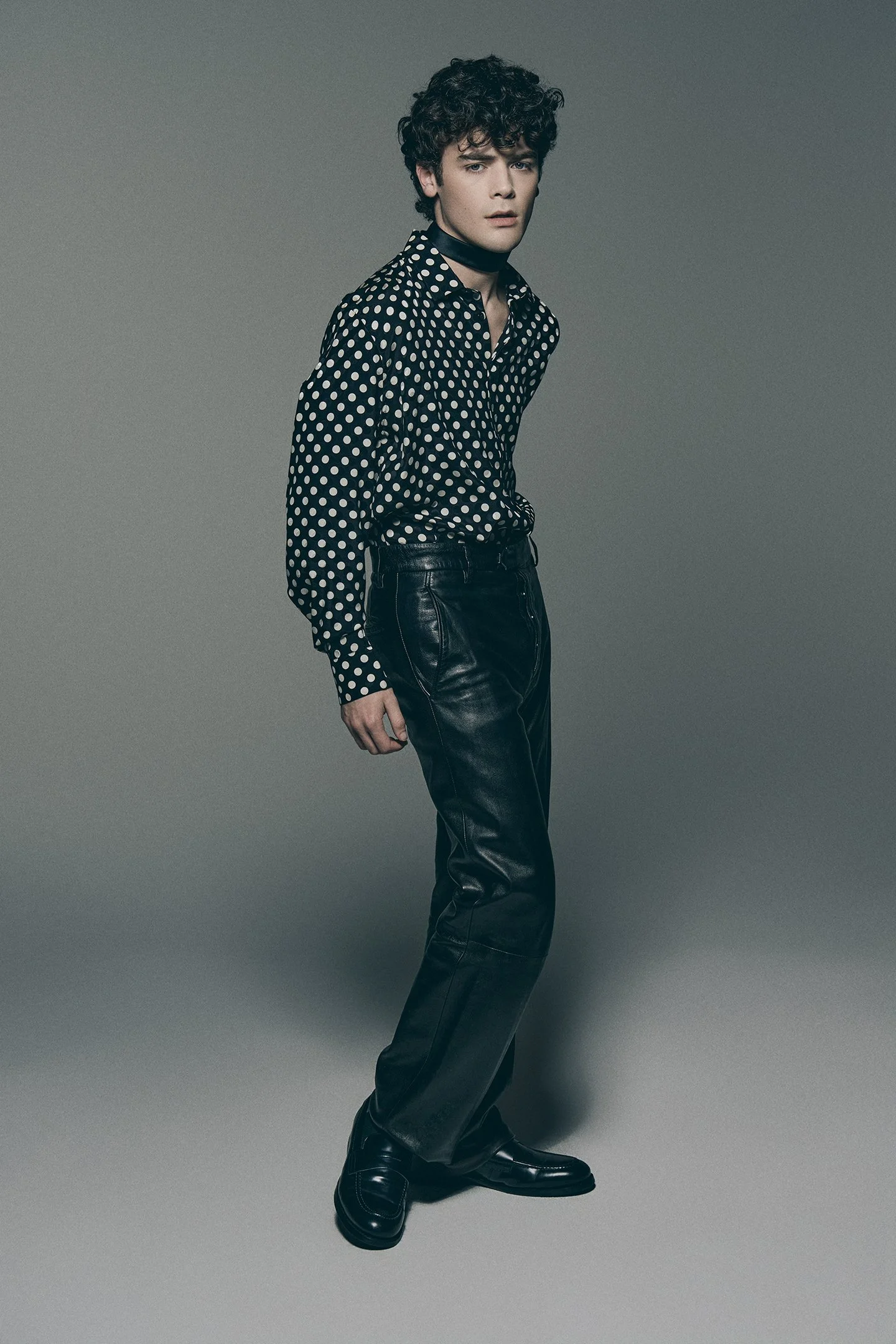
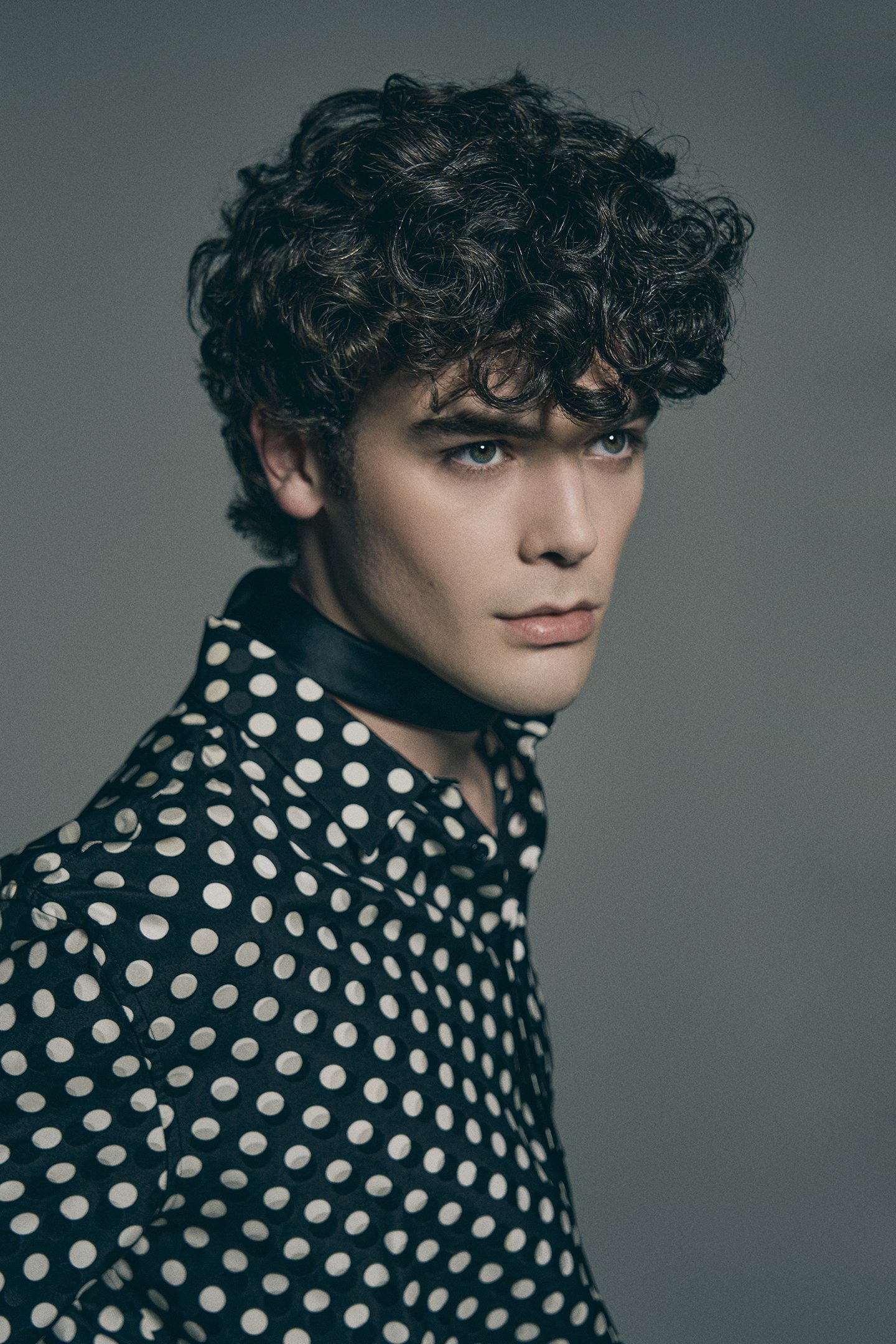
What risks are you taking in this next chapter that you wouldn’t have taken earlier?
For a long time, I externalized different, fragmented parts of my voice into separate characters. Now I’m turning inward, trying to channel and unify those voices into something that honors my instincts and the contradictions within myself, all in one creative place. I was very comfortable staying behind characters, quick jokes, and formats where you know immediately if something works. This next chapter asks for more patience. I'm taking the risk of slowing down and not hiding as much, letting things be awkward, letting ideas take time, and letting people see me without as much protection. But I also really don’t see how any of this is your business.
