
IN CONVERSATION WITH EDUARDO CASANOVA
interview by JANA LETONJA
The Spanish filmmaker, actor, and photographer Eduardo Casanova has built a singular creative universe defined by bold aesthetics, emotional extremity, and radical beauty. Having stepped behind the camera at just 17 with his debut short 'Ansiedad', he quickly became known for his visually daring and deeply human storytelling. Since then, Eduardo has continued to expand his artistic reach, from 'La Piedad' to his first documentary 'Al Margen'. Now, he returns to television with 'Silencio', his highly anticipated new Movistar Plus+ original series premiering on December 1st. With 'Silencio', Eduardo explores the limits of morality, secrecy, and identity in his most ambitious project yet.
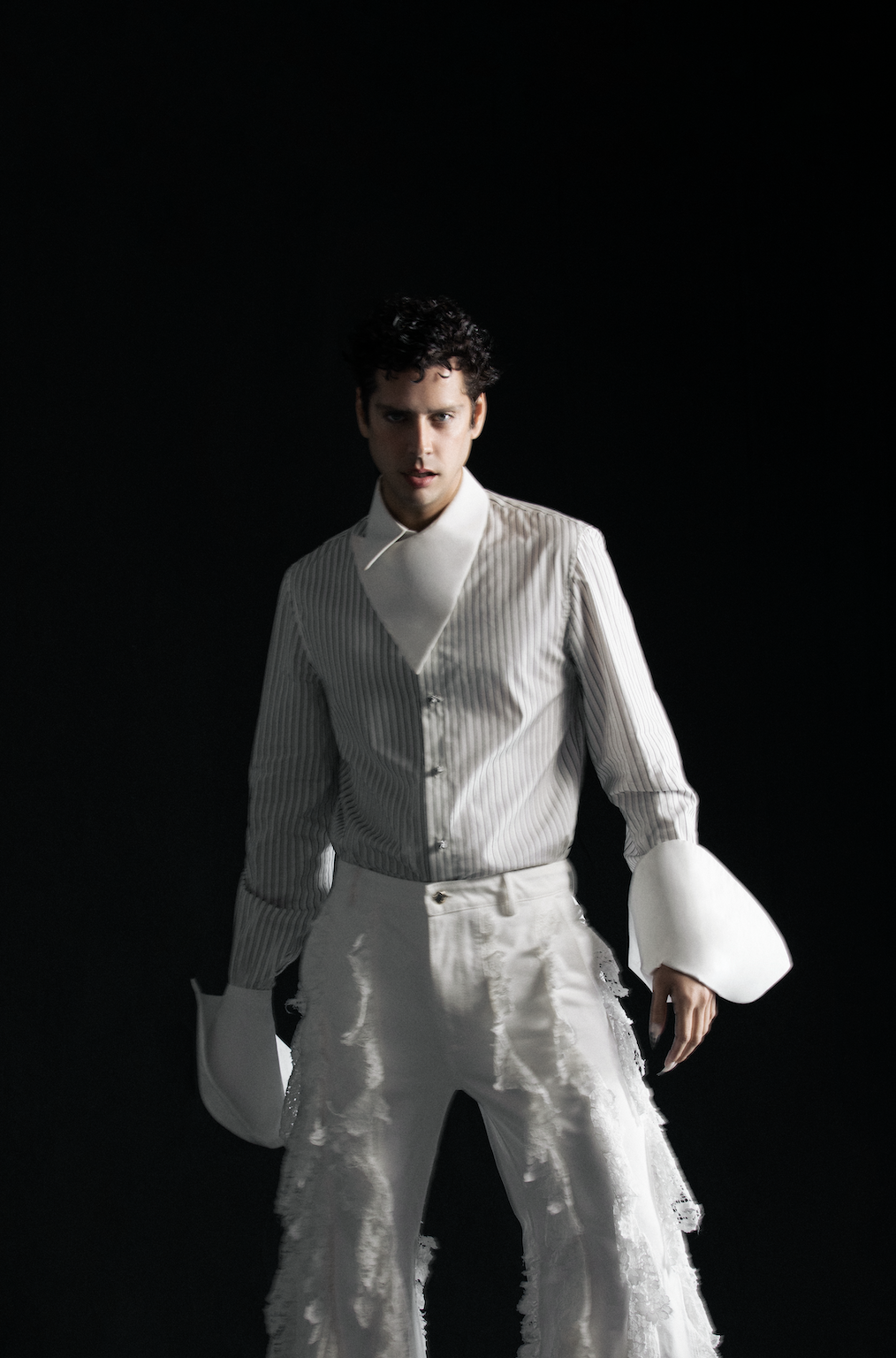
full look PALOMO SPAIN
You directed your first short film at just 17. What first drew you behind the camera at such a young age?
I did it at 17 because I wasn't allowed to do it before. I was a well-known child actor in Spain and in a live interview when I was 15, I said I wanted to direct my first short film, ‘El chocho asesino’. Then there was a big fuss and the production company I was working with as an actor prohibited it. Writing and directing has always been a necessity for me, since I was very young. That moment generated a lot of anxiety, I remember it like someone had died, so I started writing the first short film, or rather medium-length film, I would direct, ‘Ansiedad’. I shot it at 17 and was able to premiere it at 18, when the production company couldn't stop me anymore. After that, I found myself.
Who or what were some of your biggest influences growing up, both visually and emotionally?
Emotionally, I've always been fascinated by humans in terrible moments. The behavior of people in crisis situations where human instinct is born, but also comedy and surreal moments, like at a funeral or a wake, when someone gets incredible news and cries with emotion or has a car accident. Humans are strange and fascinating. We're capable of destroying everything, feeling emotions, contradicting ourselves. That's my starting point, human condition. Aesthetically, I use a style close to body horror because it feels very human, but deconstructed, like monsters. Visually, I'm influenced by photographers like Bruce Gilden, or painters like Christian Rex Van Minnen.
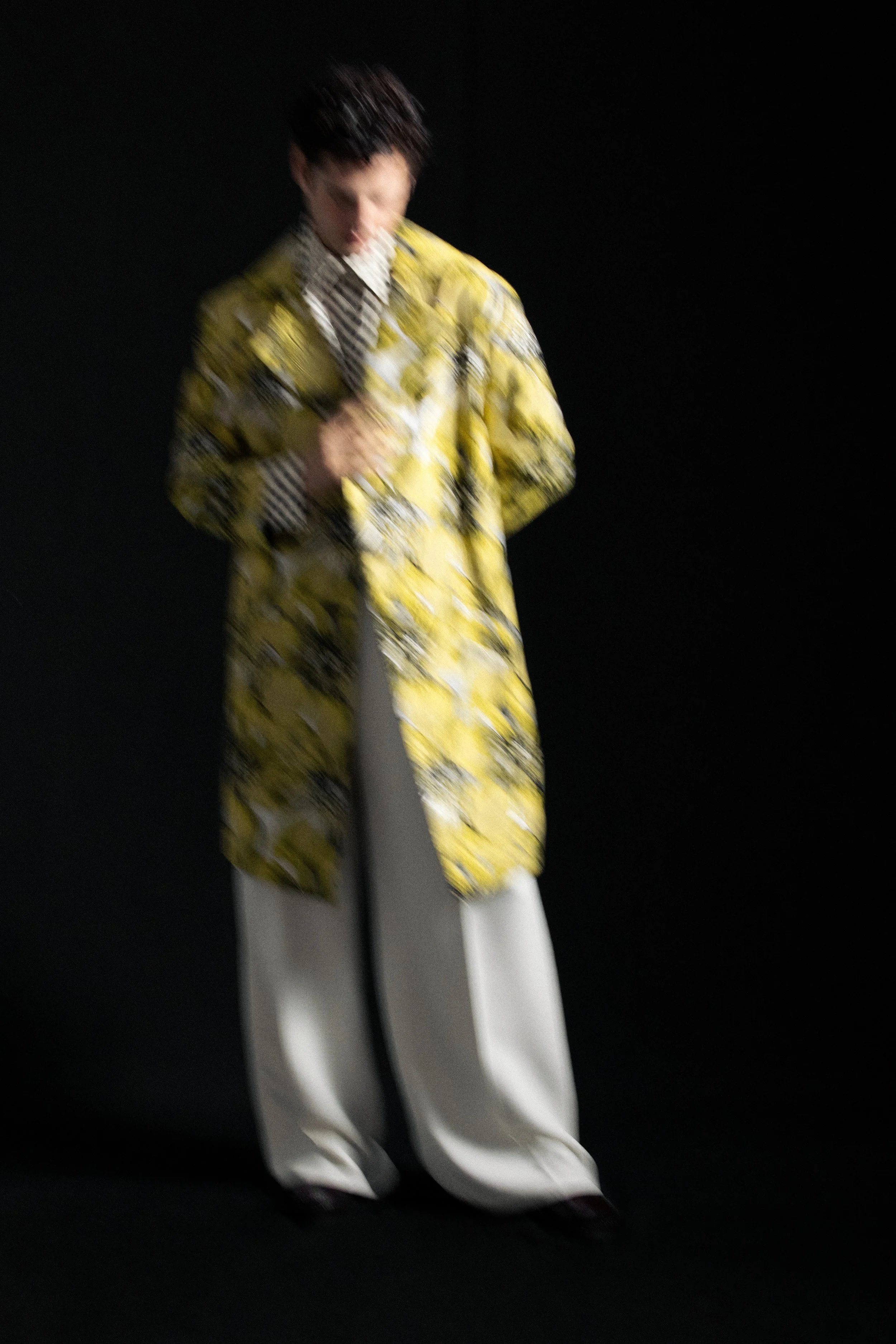

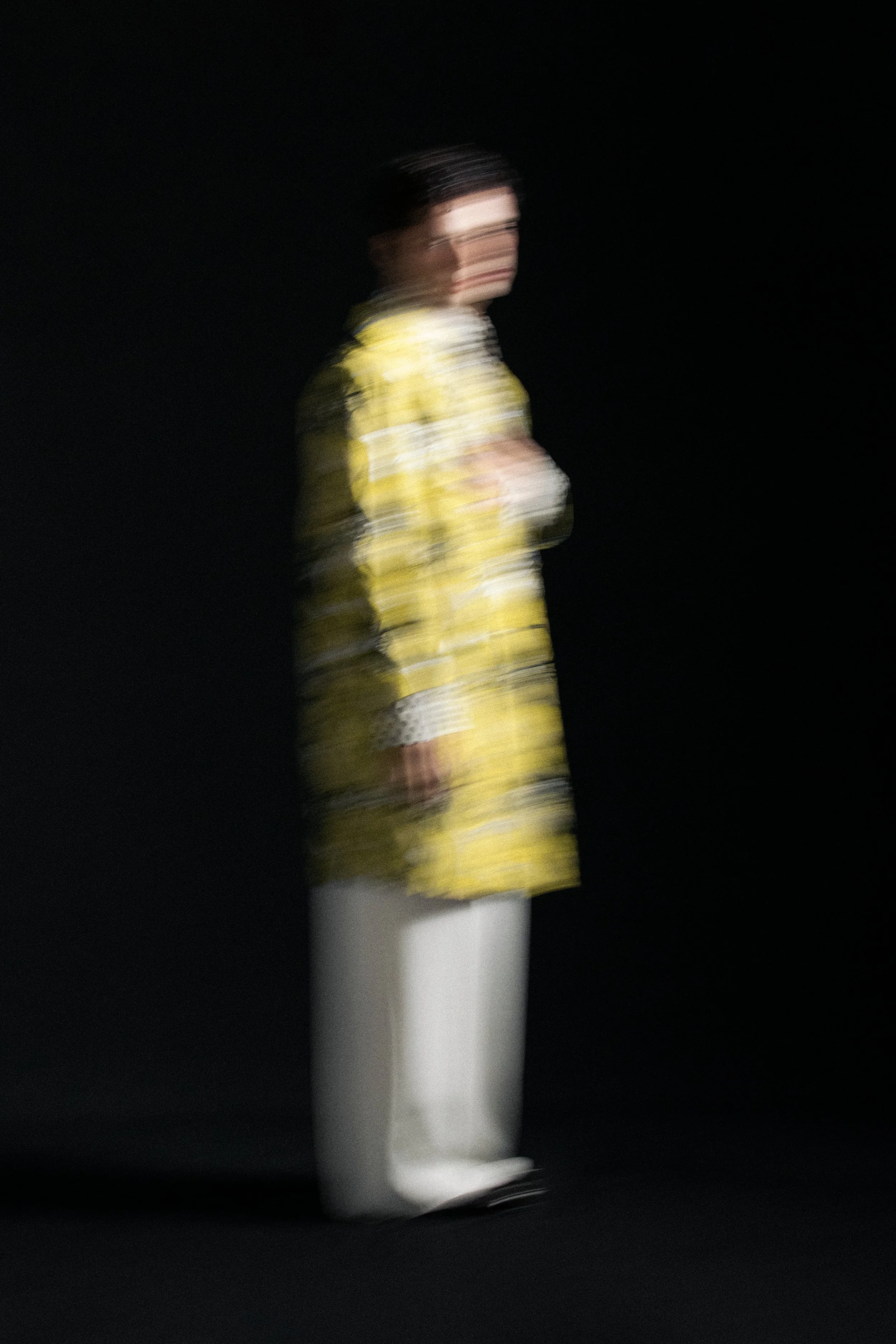
full look BENAVENTE
'Silencio' marks your return to television and your first original series for Movistar Plus+. What inspired this story and how did it take shape?
Actually, I already directed a TV series for Lionsgate, ‘Nacho’, but it was a commissioned work. ‘Silencio’ is my first series as a scriptwriter, director, and showrunner. I really wanted to write about vampirism. I was surprised by the lack of female monsters in horror movie history. There are many female vampires in fiction, but they're always secondary characters serving Count Dracula or are sexualized and evil. I thought about the invisibility of female vampires in fiction and how they would feel being judged for transmitting the Black Death in the 14th century, always feared, the bad ones, living in the shadows. It seemed they had an invisible and sad life, so I decided to flip it and empathize with them. I was also interested in talking about the HIV/AIDS pandemic, which, ironically, despite the fact that the percentage of women with HIV/AIDS is almost higher than men, they're also the most invisible in the HIV pandemic. It seemed like a great metaphor and an interesting story to tell.
How does 'Silencio' expand or evolve your signature themes of identity, repression, and human fragility?
I think ‘Silencio’ talks about identity and repression in a more honest, real, less raw, and more fun way. When you have an obsession with a theme, you look for new ways to convey that message that haunts you to a bigger and different audience. I think honesty allows comedy to flow better and this reaches the public more effectively. I've also been able to tackle the theme this way because I'm in a much happier place in my life.
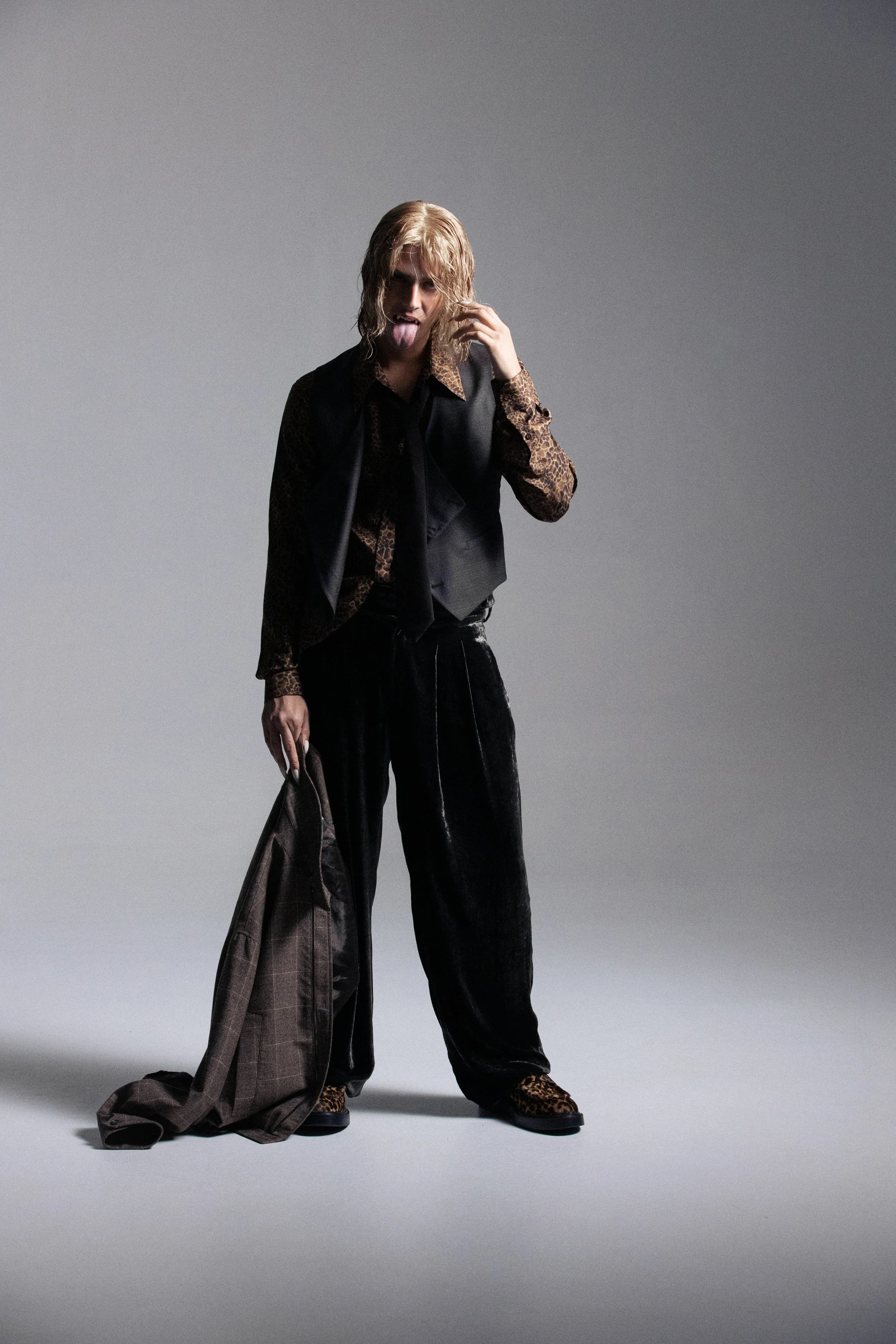
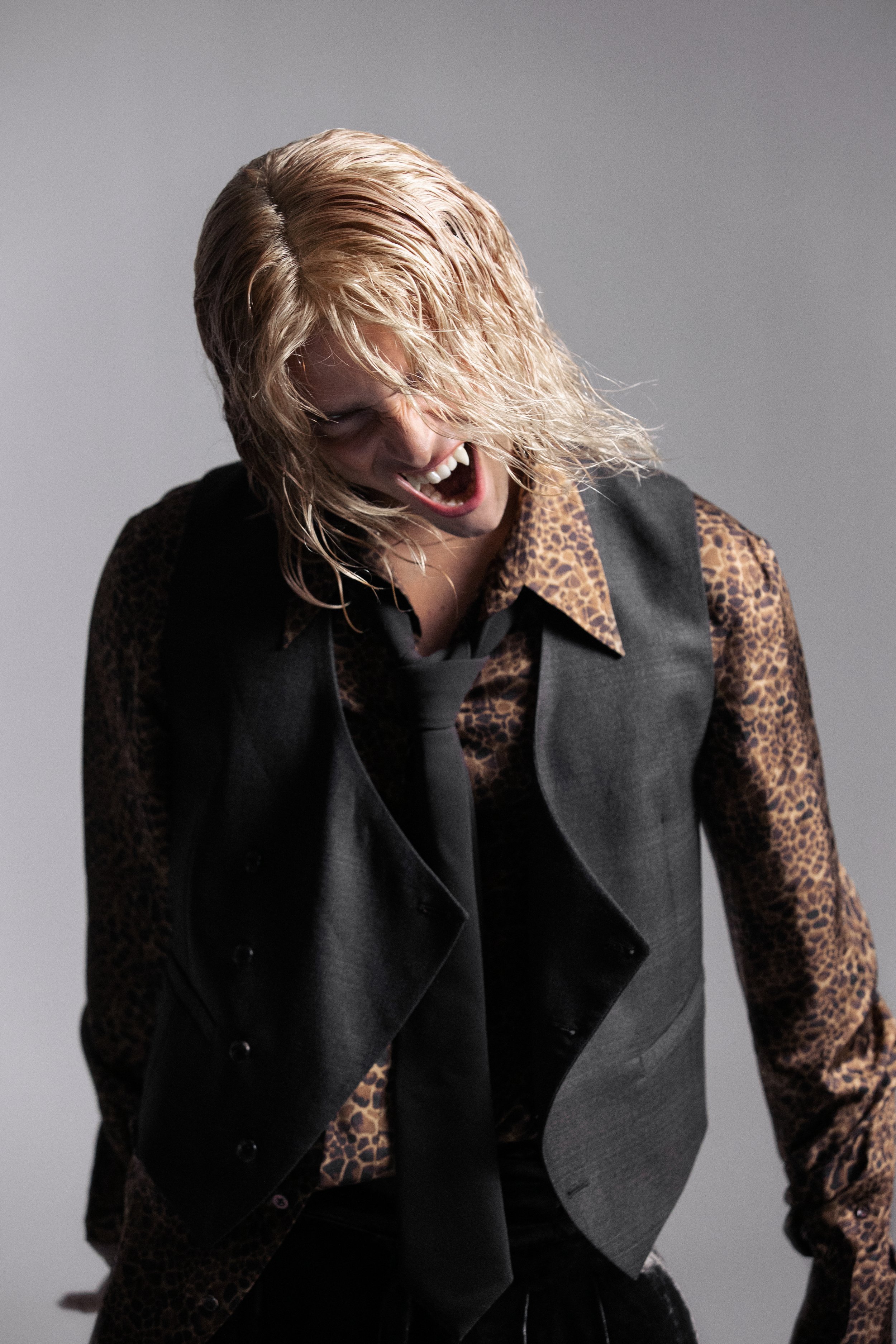
full look PALOMO SPAIN
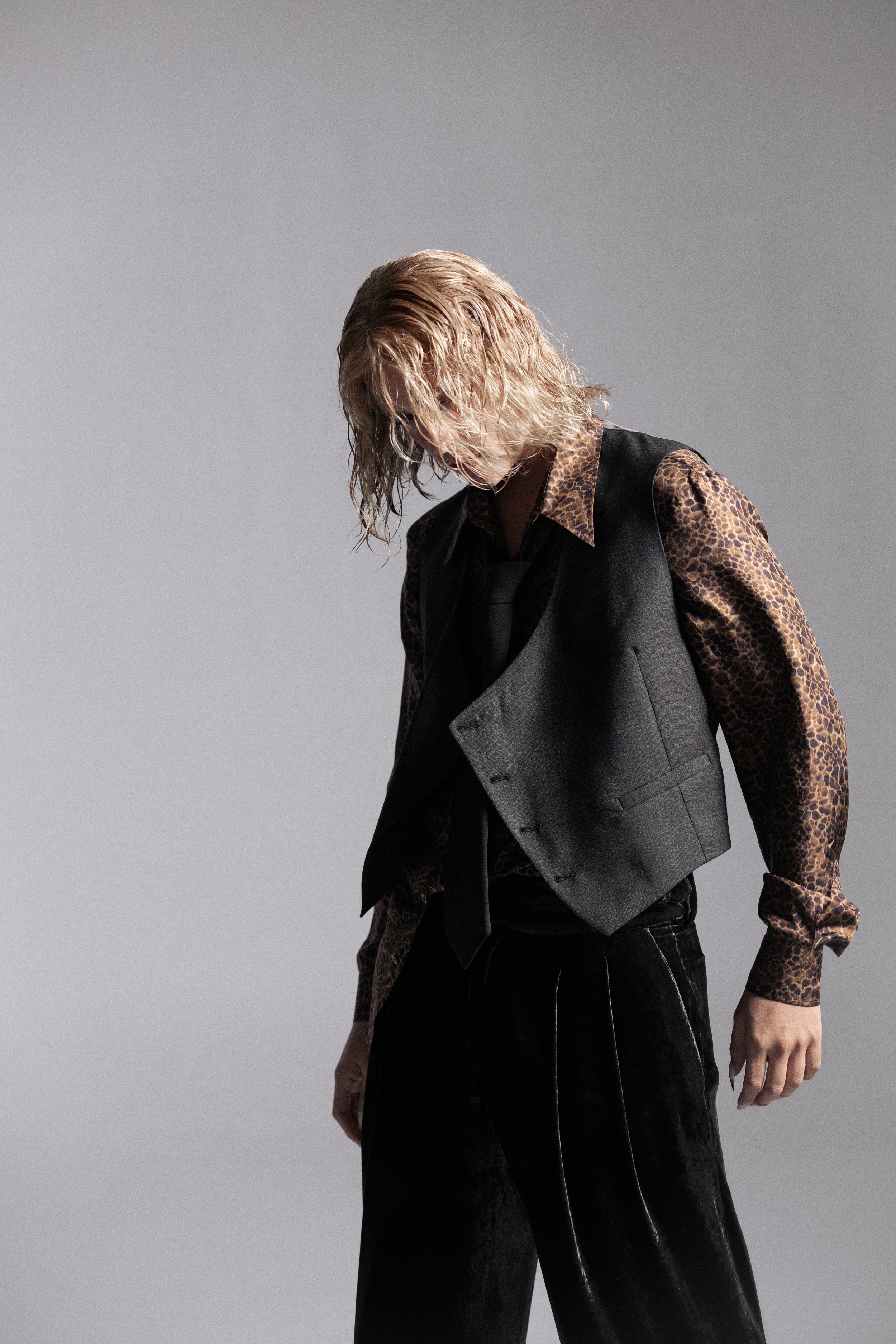
The series premieres on December 1st. What do you hope audiences will feel or confront when they watch it?
I'd love for December 1st to become a more important day to remember the lives and deaths of people with AIDS, but also a day to vindicate with dignity the people who live with HIV today in unbearable silence. I don't think ‘Silencio’ will achieve that, it's just a series, but I think that day deserves more events. So, I'm happy it's premiering that day. It feels like poetic justice. I hope spectators who have felt silenced can lose their fear of breaking the silence and speaking out, even if the consequences aren't ideal. It is all about contributing to changing this world and this moment, and we can be freer to speak without fear of cancel culture, living without fear.
Many of your films explore themes of otherness, identity, and physical difference. What attracts you to telling stories from the margins?
The only interesting things are in the margins, in what the system makes invisible. When the system hides something from you, it's because that's where the most interesting thing is.
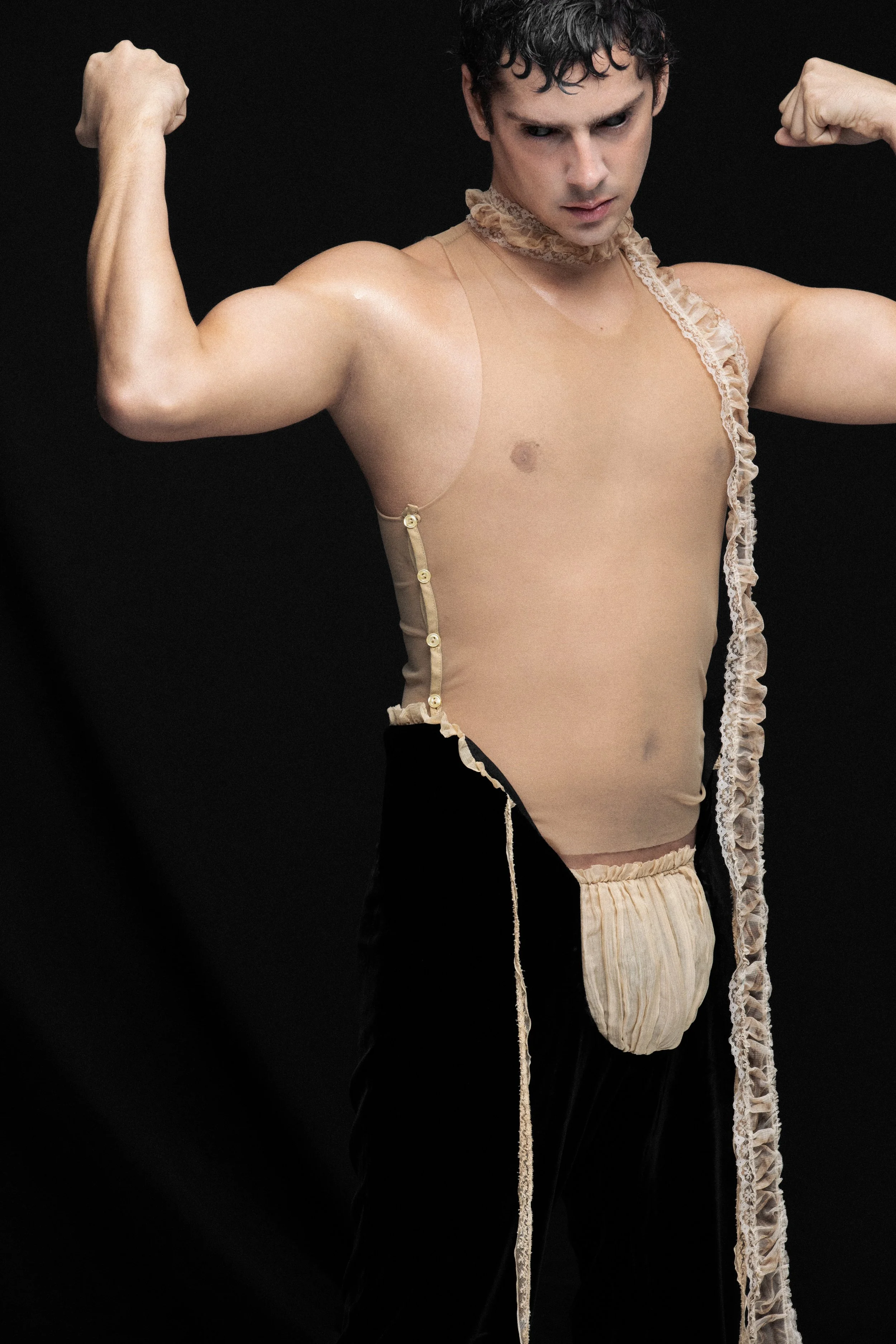
full look PELLICER
'Al Margen' marks your first foray into documentary filmmaking. How different was that process compared to your narrative work?
‘Al Margen’ is, I think, my "cursed film", maybe the most polemic and least commercial. But for me, it was necessary, and it makes sense that it occupies the margins of my filmography. I needed to shoot reality in a very raw way to prove to myself several things. First, that I was capable of telling an interesting story that worked without using such a stylized aesthetic, without cinematography, art direction, or artifice, just using reality and discovering that beauty still appears in reality. Second, to prove to myself and the public that my marginal characters, played by actresses and built with makeup that deformed them, also existed in the real world, and to better understand the situation of privilege some people live in and the misfortune of living on the margins.
You've described your art as both a mirror and a weapon. Can you elaborate on what that means for you personally?
Writing and directing is my way of living, not just economically but as a way of life, my way of communicating and sublimating and turning my private traumas and conflicts into art. When I say that your work is a mirror, I mean exactly that. When you shoot something and see it finished, you're looking at yourself, with your virtues and misfortunes, and that helps you know yourself better.
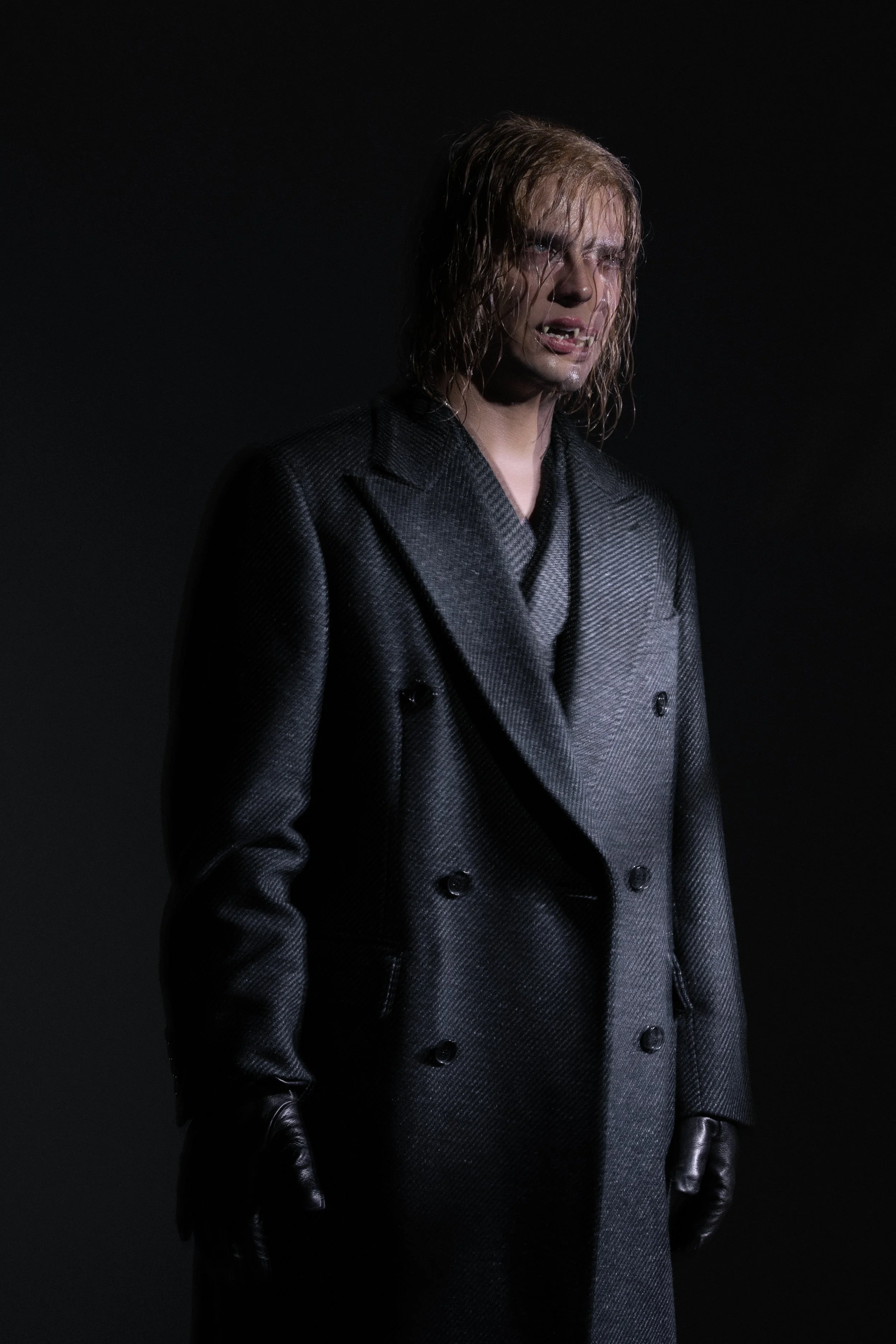

full look BRIONI
How does your experience as an actor inform your directing? Do you approach your performers differently because you've been on the other side?
Not at all. I don't feel like an actor and I don't use any acting technique to direct my actresses. I direct like a director, not like an actor.
How do you feel Spanish cinema is evolving right now, particularly for young and experimental directors like yourself?
My cinema is becoming less experimental, but I'm fighting to keep its radicality that scares me. Spain is going through a good moment, with incredible authors and directors telling new stories. I'm proud to say that Spanish cinema is loved outside of Spain, much more than Spaniards respect our own cinema.
You've achieved so much before turning 35. What keeps you motivated creatively at this stage in your career?
I wish I'd achieved more at my age. I started working very young and I have a problematic work addiction. What keeps me motivated is the affection of the public and acceptance. I need people to like me.
What can you share with us about your upcoming projects?
I'm working on my next film. It's called ‘El gran cabron’, and it's my new obsession.
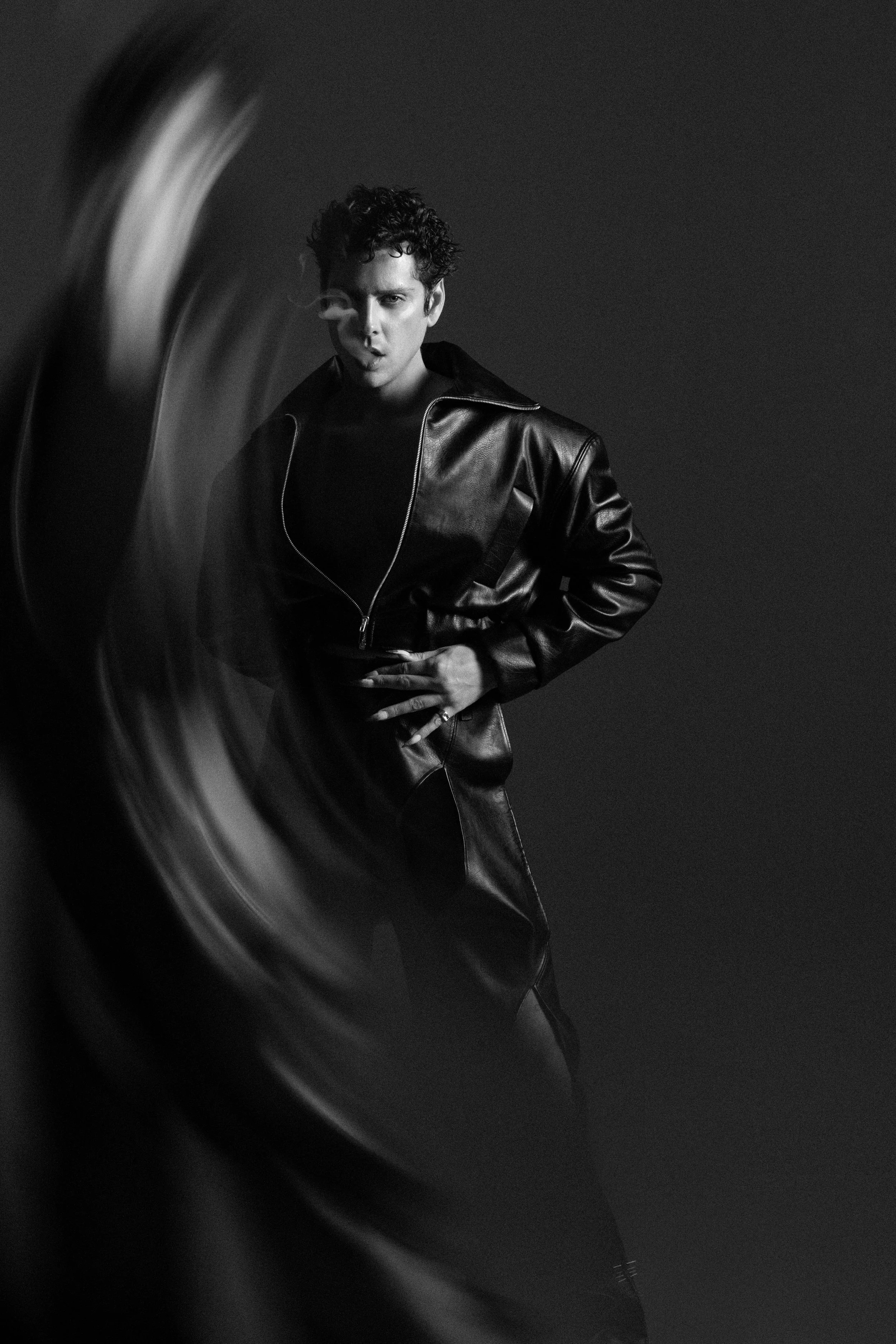
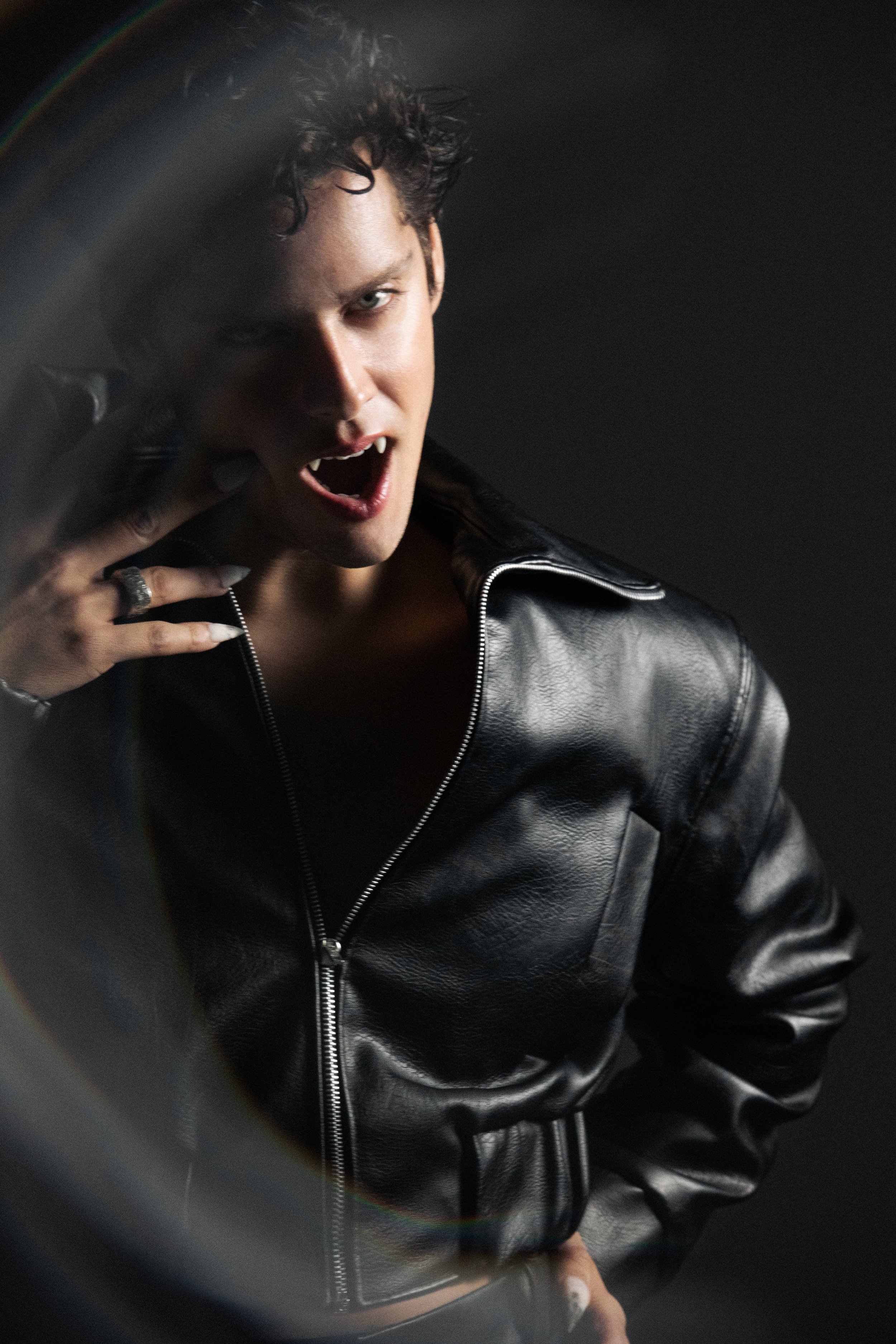
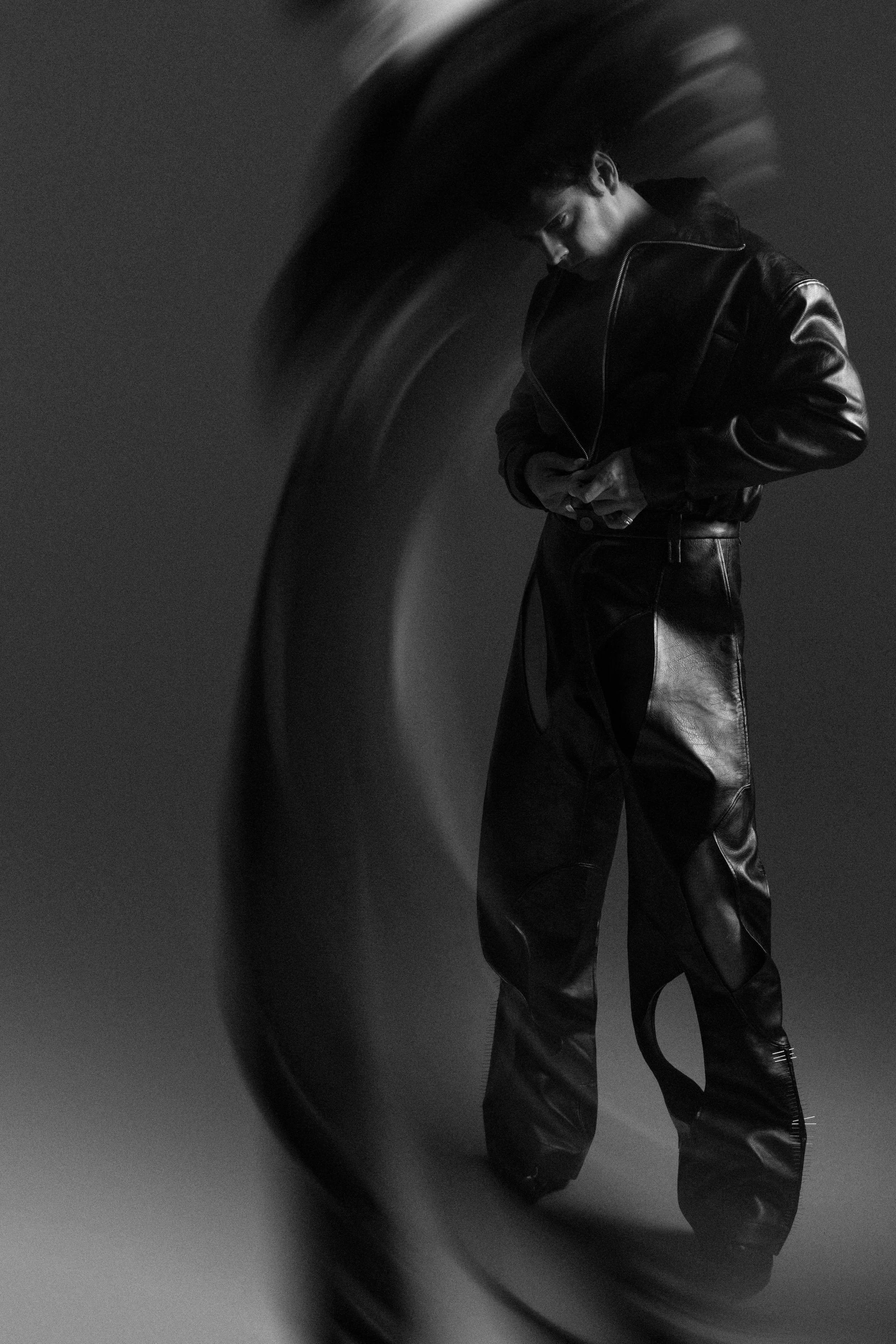
full look EÑAUT
TEAM CREDITS:
talent EDUARDO CASANOVA
photography LUCAS LEI
stylist DAVID REYES
makeup OLGA HOLOVANOVA
hair LAUREN VOICCECI
special effects OSCAR DEL MONTE
nails JONATHAN CORONADO
photography assistant FIO VICENTE and GUILLE YLLANES
styling assistant DANIEL BERNUÉS and ADRIANA ESPIAGO
digital retoucher KEYLA ARROYO
editor TIMOTEJ LETONJA
editorial director and interview JANA LETONJA
