
IN CONVERSATION WITH ELI IWASA
Interview by Samo Šajn
Photography by Moa Almeida
Brazilian DJ, producer, and label founder Eli Iwasa has been a driving force in electronic music for more than two decades. From playing some of the world's biggest festivals to championing new talent through her label Heels of Love, she continues to shape Brazil's thriving dance music scene. Following the release of RARA EP, her latest collaboration with Mau Maioli, we caught up with Eli to talk about creativity, nostalgia, and the evolution of electronic music in Brazil.
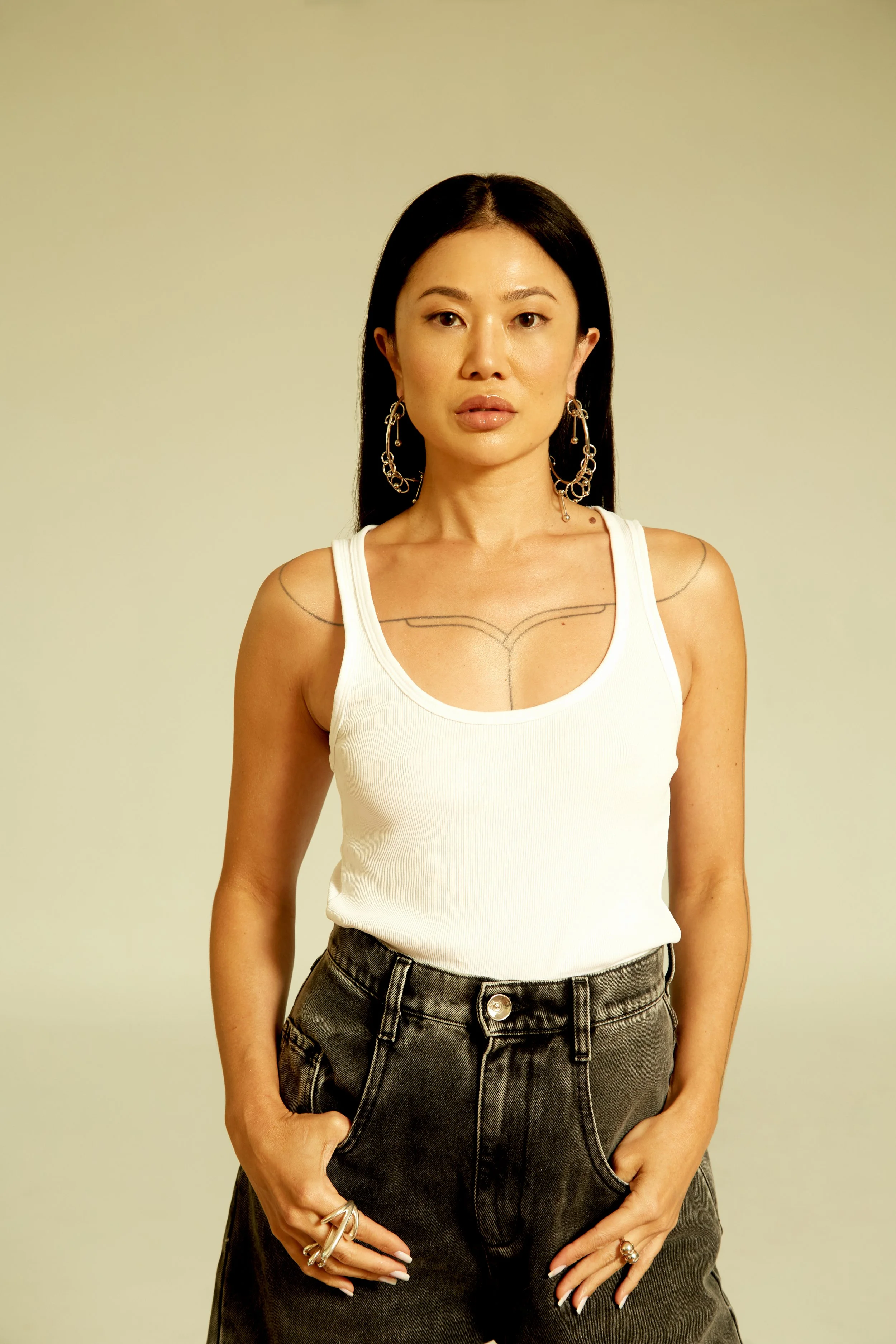
RARA EP has a really emotional and nostalgic feeling to it. How did the idea for the project first come together?
In our former releases, we worked remotely, as Mau lived in Porto Alegre, in the south of Brazil. When he moved to São Paulo, we could finally spend some time in the studio. In the case of RARA EP, we started the tracks from scratch, trying many ideas out, recording vocals and a lot of stuff that didn't make it onto the EP. It is a nice feeling to have a blank page and see how it flows.
We come from different generations, but somehow our musical aesthetics intersect, with a lot of inspiration coming from the '80s and '90s, synth-pop, and Mute Records. I really wanted something that would conjure emotions and create good memories, and RA RA was born.
RARA was inspired by a carnival sunrise. What was it about that moment that stayed with you enough to turn it into a track?
I have been playing at Seth Troxler's Carnival party for a few years now, and it is definitely one of the highlights of my year. It is a combination of an outstanding line-up, beautiful historic locations, and somehow they have managed to preserve the original spirit of Carnival. It is sexy, sweaty, diverse, inclusive, and very hedonistic, just like Brazilian Carnival.
This year I played b2b with DJ Tennis during sunrise. That is a memory I will keep forever in my mind and heart. So, when we finished RA RA, I said I had the perfect name for it.
A lot of your work carries this sense of memory and emotion. Where do you usually find the ideas or references that spark a new track?
Everything inspires me: cities, movies, beautiful moments, heartbreaks, life. I consider myself a very emotional person. My decision-making, what drives me, it all comes from my heart in a very intuitive way. I can't do things I am not passionate about.
I am grateful that somehow I can translate all of this into my work, either in my sets or in the studio.
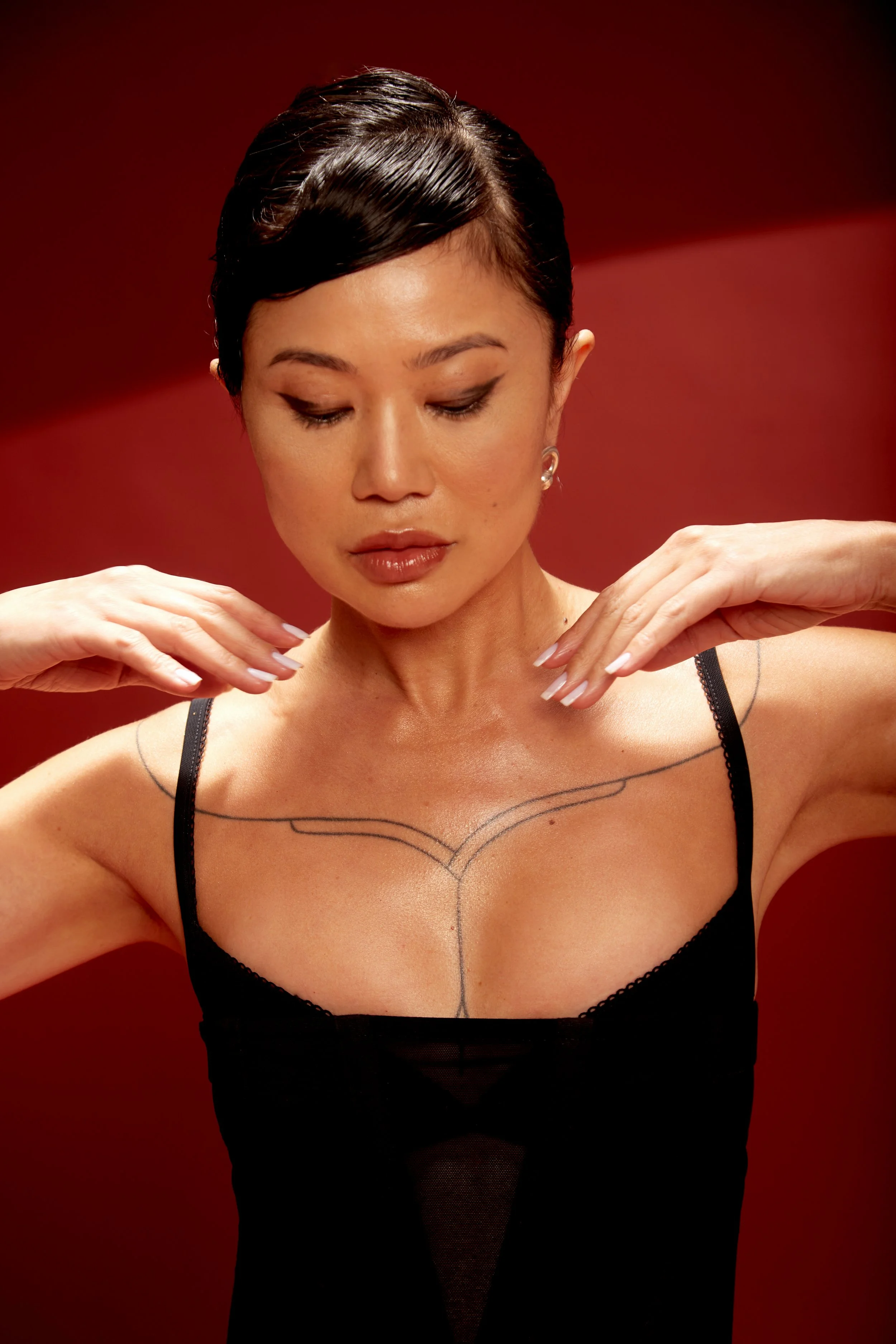
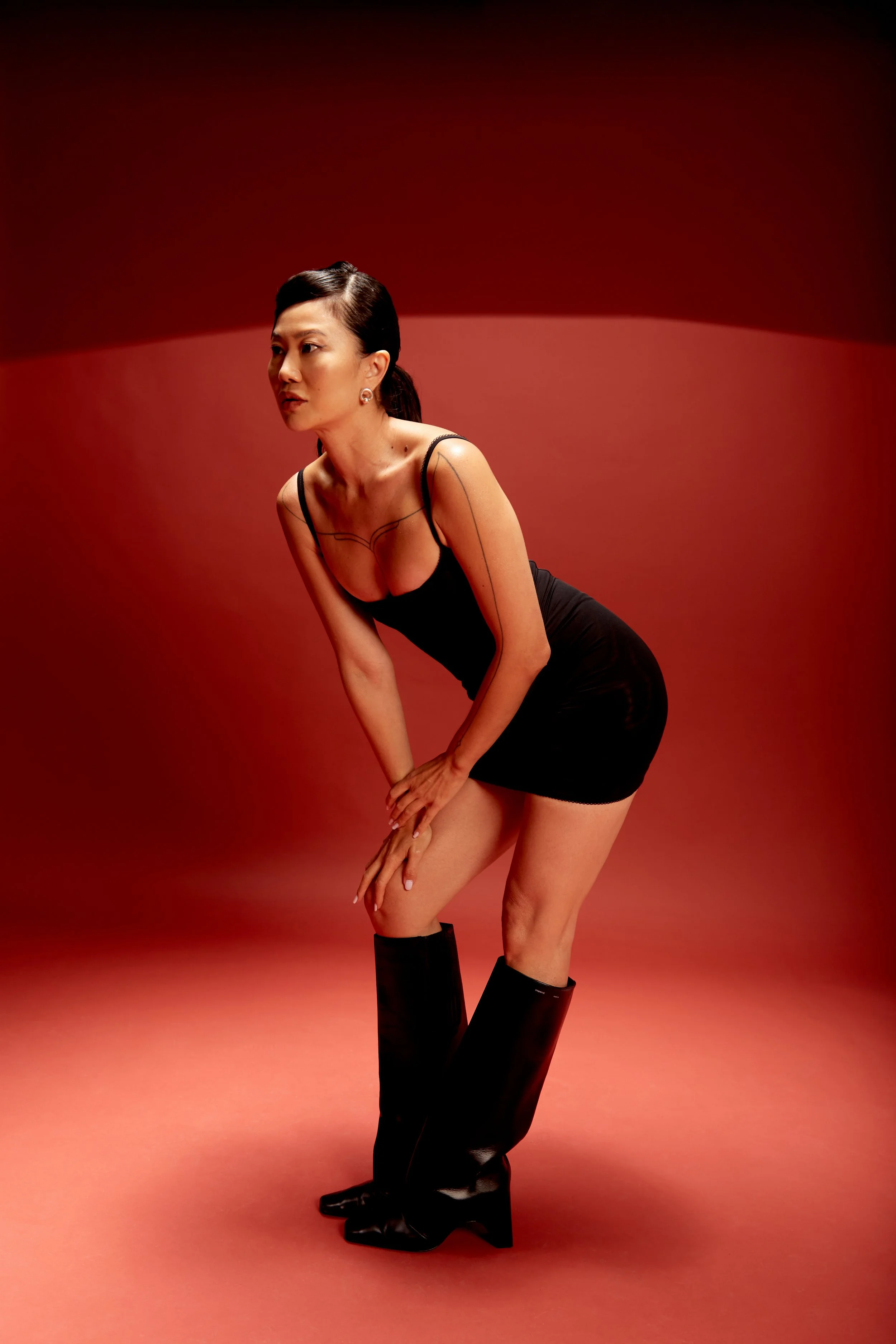
As the founder of Heels of Love, what kind of sound or feeling are you trying to build with the label?
I am essentially a DJ by heart. I am moved by sharing music with people and creating beautiful moments with them. Throughout my whole career, I have fought hard not to be pigeonholed. I don't want to be put in a box and sound predictable.
I have been collecting records since I was a kid, from all kinds of obscure alternative bands when I was a teenager, mostly post-punk, synth-pop, and EBM, and that definitely has an impact on the DJ I am and also on my label. I love music in all its diversity, from disco and synth-pop to house and techno, and Heels of Love reflects that.
You recently spoke at Hot Beats x ADE about the Brazilian dance scene. What do you think people outside Brazil still don’t fully understand about it?
What makes Brazil so special is its diversity. It is a country of continental proportions, with each region having its own rhythms, all of which converge into this gigantic melting pot of influences.
Finally, there is a real Brazilian identity within the scene, a sense of true pride in what is being built, and clearly a new generation of super-talented DJs and producers who represent Brazil’s musical legacy and richness so well. Whether it is house music, techno, bass, or Brazilian funk, we can hear so much of our own music history in it.
It is sensual, rough, and edgy, just like living here can be, and that is exactly what makes it unique and so special.
After more than 20 years in electronic music, what still gives you that excitement when you DJ or produce?
It is crazy to think that I still feel as passionate as I was when I started going to clubs. It's the same feeling I had walking into a party, even if I'm the DJ now. The goosebumps. Sometimes the happy tears.
In Brazil, there are many amazing producers, DJs, parties, and clubs. It is all coming together with such a strong identity, and I know it is just the beginning. All these young talents are so inspirational to me, and I am so excited to see how the future unfolds.
Also, I hate feeling comfortable. When things become too safe, I feel the urge to challenge myself and get myself out of my comfort zone. Next week I am doing a b2b with Deekapz, this amazing duo from Campinas that is famous for mixing Brazilian funk with house, at the immense Só Track Boa Festival. Two different generations, two different styles together. I can't wait to see what comes out of this encounter, as it is very unexpected, and I absolutely love that.
The day I don't feel the love or get excited, I will know it is time to stop.
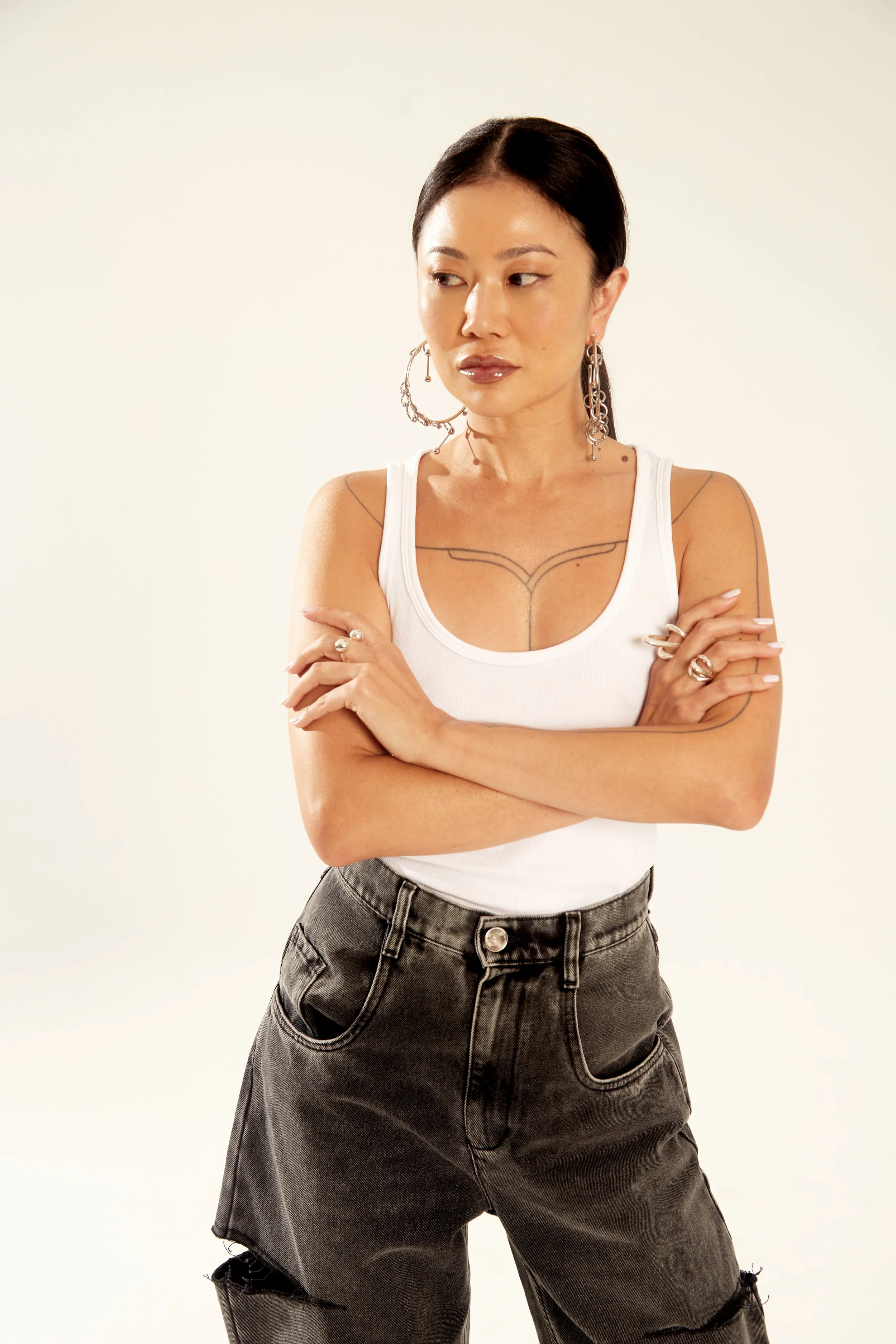
You recently played for more than 10,000 people in São Paulo’s city centre. What was that experience like for you?
We did a Heels of Love showcase at Virada Cultural, a free festival that takes place in downtown São Paulo, with several stages spread throughout the area.
I was born in São Paulo and my career is deeply connected to the scene there. It started at a legendary club called Lov.e Club back in the '90s, which played a pivotal role in the Brazilian scene.
What I love most about events like this is being able to play for the most diverse crowd, people from all different parts of the city. Many can't afford to come to my shows, and this was their chance to see me play live for the first time.
Entertainment in Brazil is not accessible to most people, and that is the tough reality. So I was very happy to take my music to the streets, at an iconic place such as Praça da República, in the city where it all started for me.
You’ve played everywhere from intimate clubs to huge festivals. Do you approach those environments differently as a DJ?
I have always seen myself as a club DJ. It is where I come from, and where I feel I can really connect with the crowd and share my message as a DJ.
DJing is like seduction, building a bond and a relationship, and it just feels more natural in smaller rooms where I am surrounded by people and can see and feel their reactions right away. I love doing long sets so I can go everywhere: house, techno, electro, and even some weird pop edits. I love taking risks and surprising people.
That said, I also love playing festivals. Of course, big rooms and large-scale events demand a different preparation. It is more about energy than telling a story.
I started playing at friends' places or in these tiny, dark rooms, and even now it is crazy for me to realize how far I have come. Playing at festivals such as Time Warp, Tomorrowland, Lollapalooza, and Rock in Rio felt like an unattainable dream back then.
So every time I am on one of these huge stages, playing for thousands of people, I appreciate every second of it. I never take it for granted.
