
IN CONVERSATION WITH GRIFFIN JOHNSON
interview by JANA LETONJA
photography by 1/ST Bet
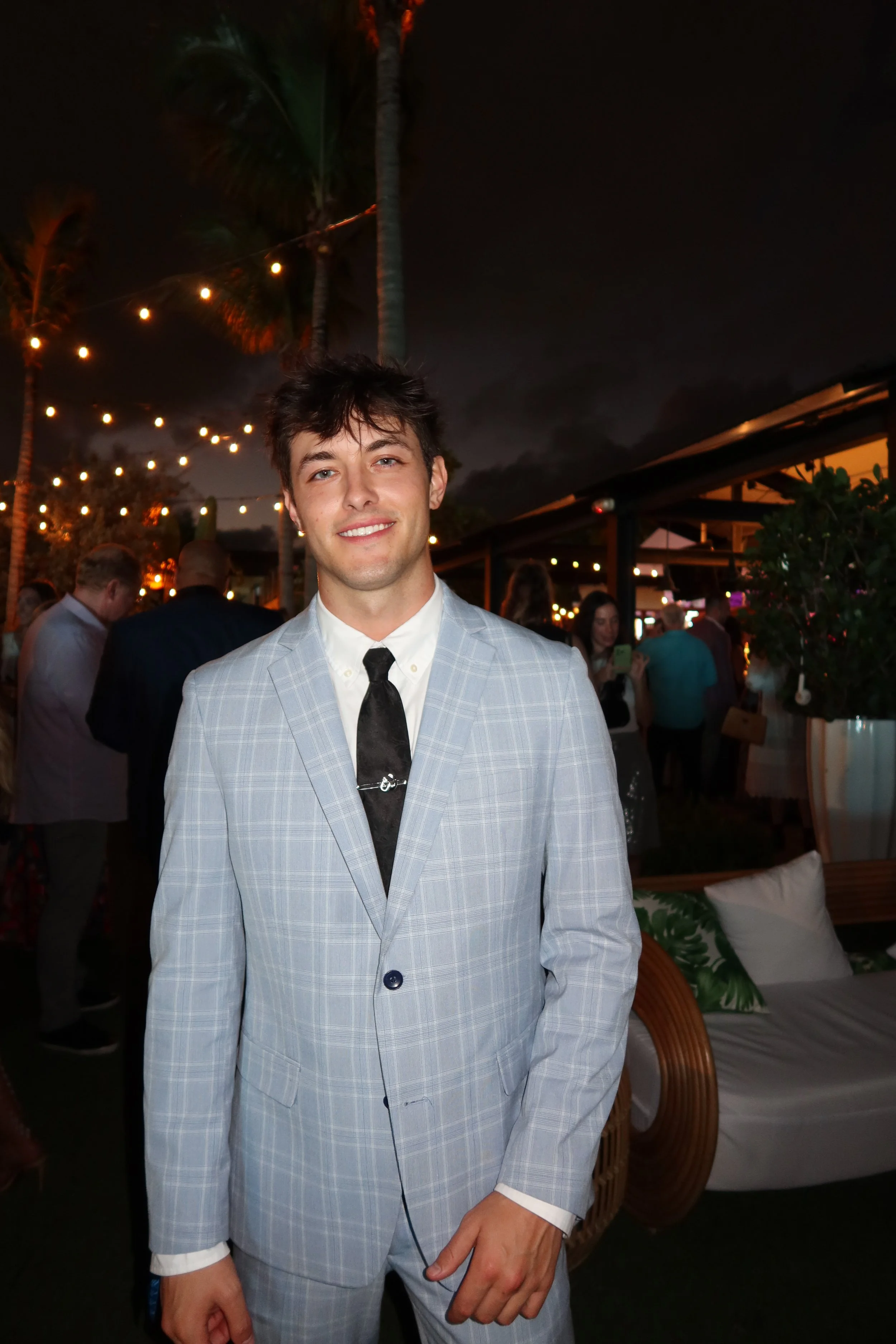
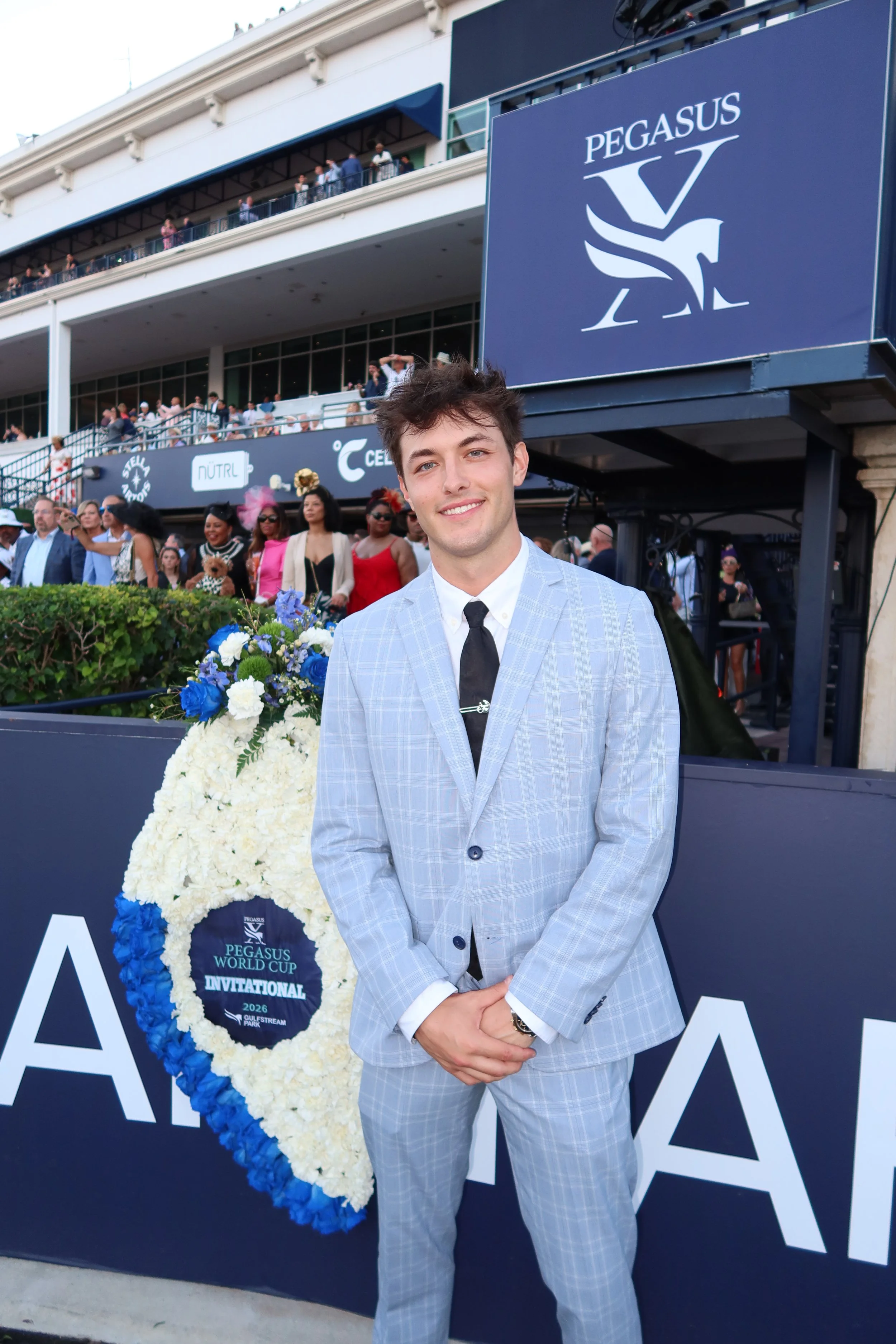
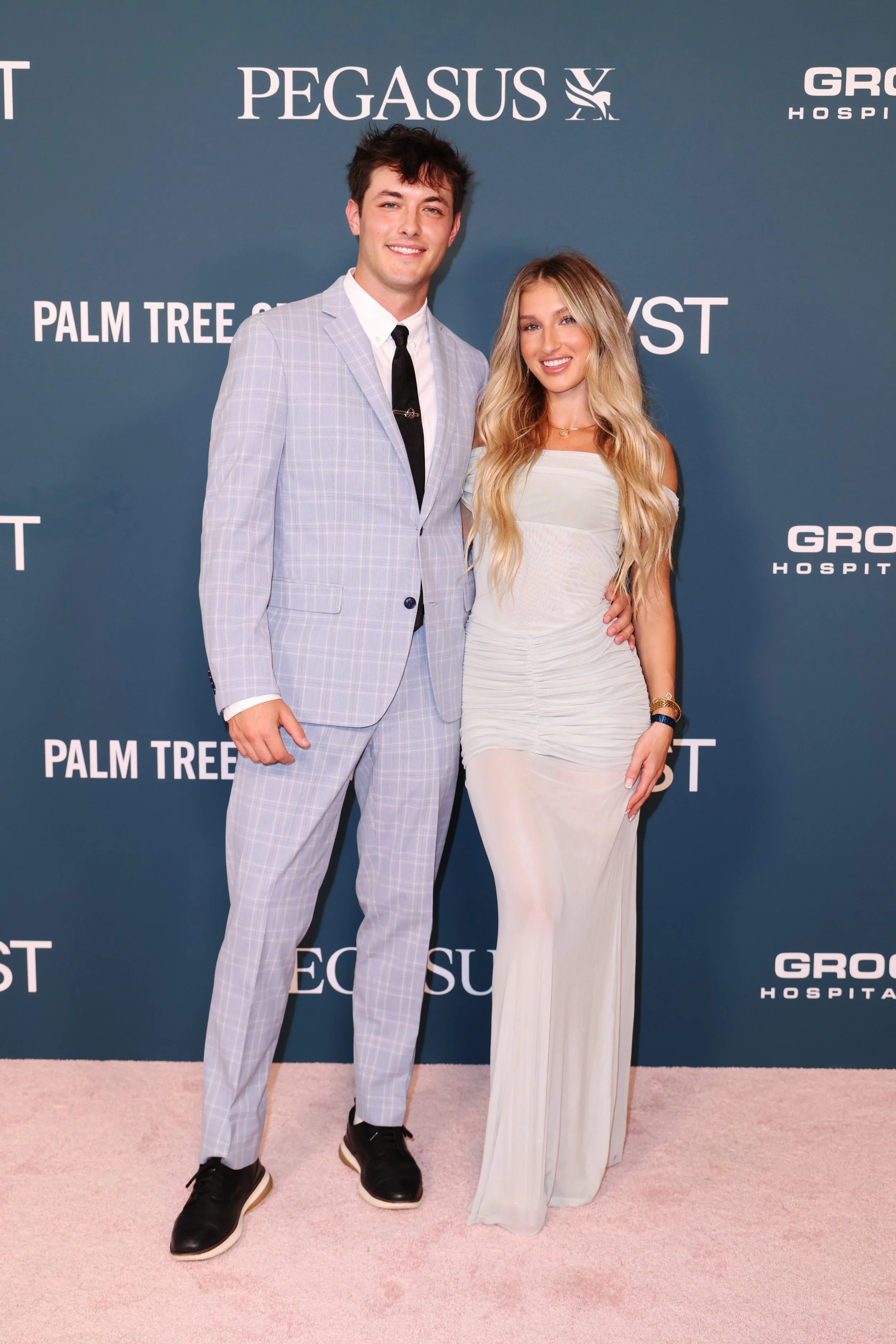
Griffin Johnson is part of a new generation of creators transforming digital influence into tangible cultural impact. With more than 15 million followers across social platforms, he first captured Gen Z audiences through humor and storytelling before expanding his reach into acting, entrepreneurship, and sports ownership. Now a Thoroughbred racehorse owner and co-owner of Kentucky Derby contender Sandman, Griffin is using his platform to introduce millions of new fans to the world of horse racing, while simultaneously building Animal Capital, a venture firm focused on scaling early-stage consumer and tech companies. He just hosted, alongside Dave Grutman + Groot Hospitality and Palm Tree Crew, the Pegasus Cup, using his platform to usher in a new generation of fans for the legacy sport, and turning the Pegasus Cup Weekend into a cultural moment blending sport, fashion, celebrity and nightlife.
You first built your audience through humor and storytelling. When did you realize that influence could extend far beyond content creation?
I think it clicked when I realized people were not just laughing at the content, they were actually listening. When I started sharing parts of my real life, my interests, and eventually my business decisions, I saw how quickly curiosity turned into action. That was the moment I understood that influence is not about views, it is about trust. If you are intentional, storytelling can move people toward ideas, industries, and causes they never thought they would care about.
Horse racing feels like an unexpected but powerful lane for a Gen Z creator. What initially drew you to the sport?
It was the emotion. From the outside, racing can feel intimidating or traditional, but once I experienced it up close, I saw how intense and human it really is. There is risk, anticipation, and a deep connection between people and horses. It felt like a world full of stories that had not been told in a modern way yet, and that really pulled me in.
Becoming a co-owner of Sandman put you right in the center of one of racing’s biggest stages. What has that experience taught you about risk, patience, and investment?
Horse racing teaches patience in a way nothing else does. You can do everything right and still have to wait, or sometimes lose. It is also one of the purest forms of risk. You are investing time, money, and emotion into something you cannot fully control. That has been humbling for me. It has made me a better investor overall because it forces long-term thinking and emotional discipline.
Industry leaders have credited you with helping modernize racing’s image. What do you think the sport needs most to thrive with younger generations?
Accessibility and honesty. Younger audiences do not want things overpolished or oversimplified. They want transparency and connection. If racing shows the full journey and not just the finish line, people will care. The sport already has everything it needs. It just has to invite people in.
Thoroughbred aftercare is an issue you’ve highlighted publicly. Why was it important for you to use your platform to spotlight that side of the industry?
Because responsibility does not end when the race does. If you are going to celebrate the excitement of the sport, you also have to care about the horses long after their careers are over. Once I learned more about aftercare, I felt a responsibility to talk about it openly and positively. Using my platform to normalize that conversation is one small way to help move the industry forward.
Animal Capital reflects a very strategic side of your career. What qualities do you look for in founders and brands you choose to back?
Clarity, integrity, and patience. I look for founders who understand why they are building something, not just what they want it to become. The best ones are adaptable, emotionally intelligent, and focused on long-term value rather than short-term hype. I am drawn to people who care about culture as much as they care about product.
Do you see similarities between building a personal brand, growing a company, and developing a racehorse?
Absolutely. All three require consistency, trust, and time. You cannot rush any of them. You also need the right team around you, whether that is trainers, partners, or managers, and you have to know when to push and when to step back. Growth looks different at every stage, and respecting that process is everything.
You’ve expanded into acting, investing, and sports. How do you decide which opportunities are worth your time and energy?
I ask myself two things. Does this align with where I am going, and will I still be proud of this five years from now? If it is just noise, I pass. I have learned that saying no is just as important as saying yes.
How do you balance being a public figure with making long-term, behind-the-scenes decisions as an investor?
By separating visibility from validation. Not everything needs to be shared, and not every win needs an audience. Some of the most meaningful work happens quietly. I use my public platform intentionally, but my real focus is on building things that last.
You played a visible role in turning Pegasus Cup Weekend into a cultural moment that extended far beyond the racetrack. What was most important to you about blending horse racing with fashion, nightlife, and celebrity in a way that still respected the sport’s heritage?
The goal was not to replace tradition, it was to expand the room. Racing already has culture, it just has not always been positioned that way. By blending fashion, nightlife, and celebrity thoughtfully, we created an entry point for people who may have never stepped foot on a track while still honoring the sport’s roots.
Hosting Pegasus Cup Weekend alongside Dave Grutman, Groot Hospitality, and Palm Tree Crew positioned you at the center of a new kind of racing experience. What did you learn from that weekend about how younger audiences want to engage with legacy sports, and how do you see that shaping the future of events like this?
They want experiences, not just events. Younger fans do not separate sports from lifestyle. Music, fashion, food, competition, and social connection all matter together. If legacy sports embrace that mindset, they can stay culturally relevant without losing their identity.
Looking ahead, what can you share with us about your upcoming projects?
I am continuing to grow my involvement in racing in a very intentional way while expanding Animal Capital and exploring projects that challenge me creatively. At this stage, I am focused on depth over volume and building fewer things, but building them the right way.
