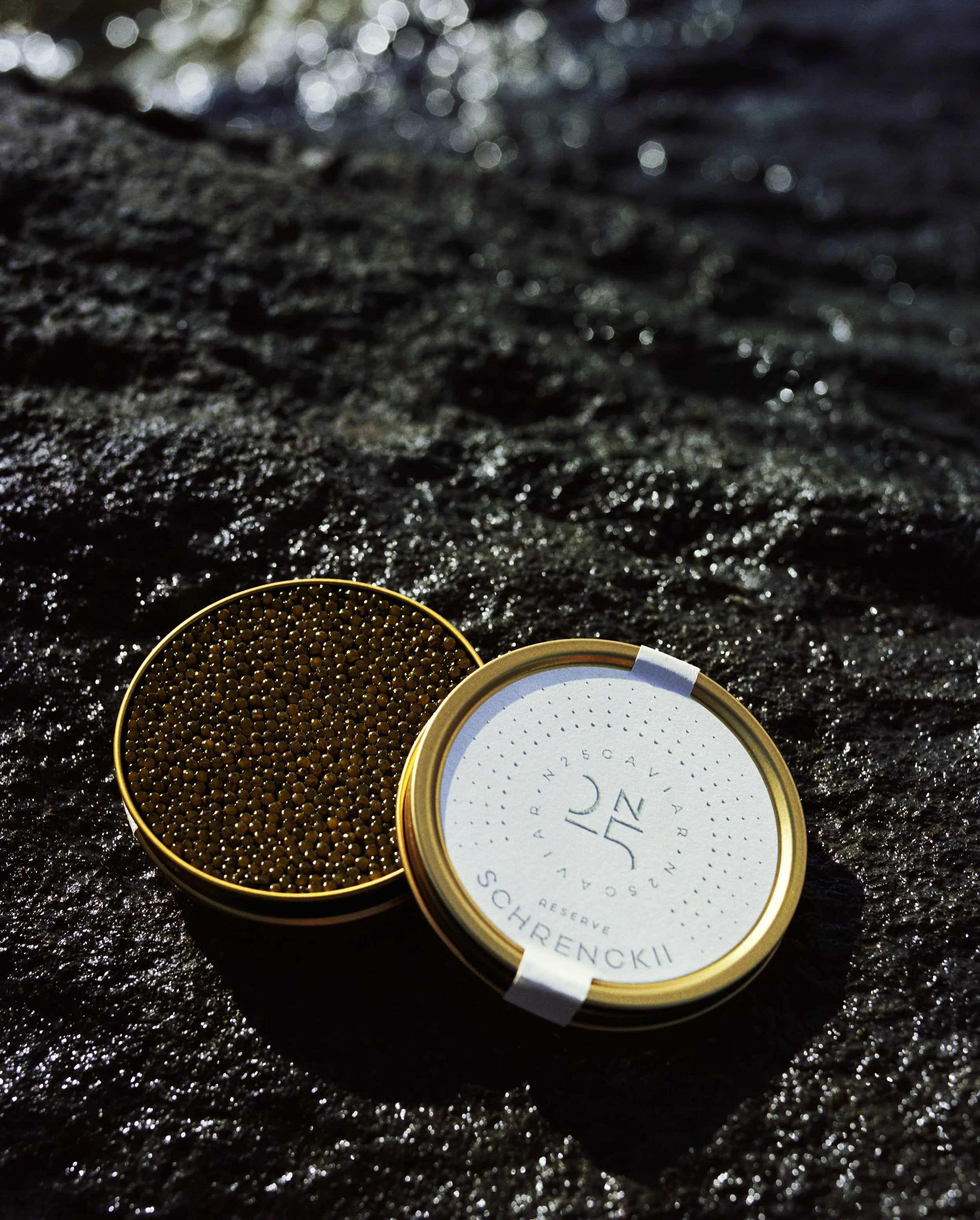
IN CONVERSATION WITH HERMES GEHNEN
interview by TIMOTEJ LETONJA
Founder of the caviar brand N25, Hermes Gehnen is revolutionizing the market. Through extensive research in caviar production, he has developed unique methods that set his process apart from old-school brands, providing a contemporary twist for the modern consumer.
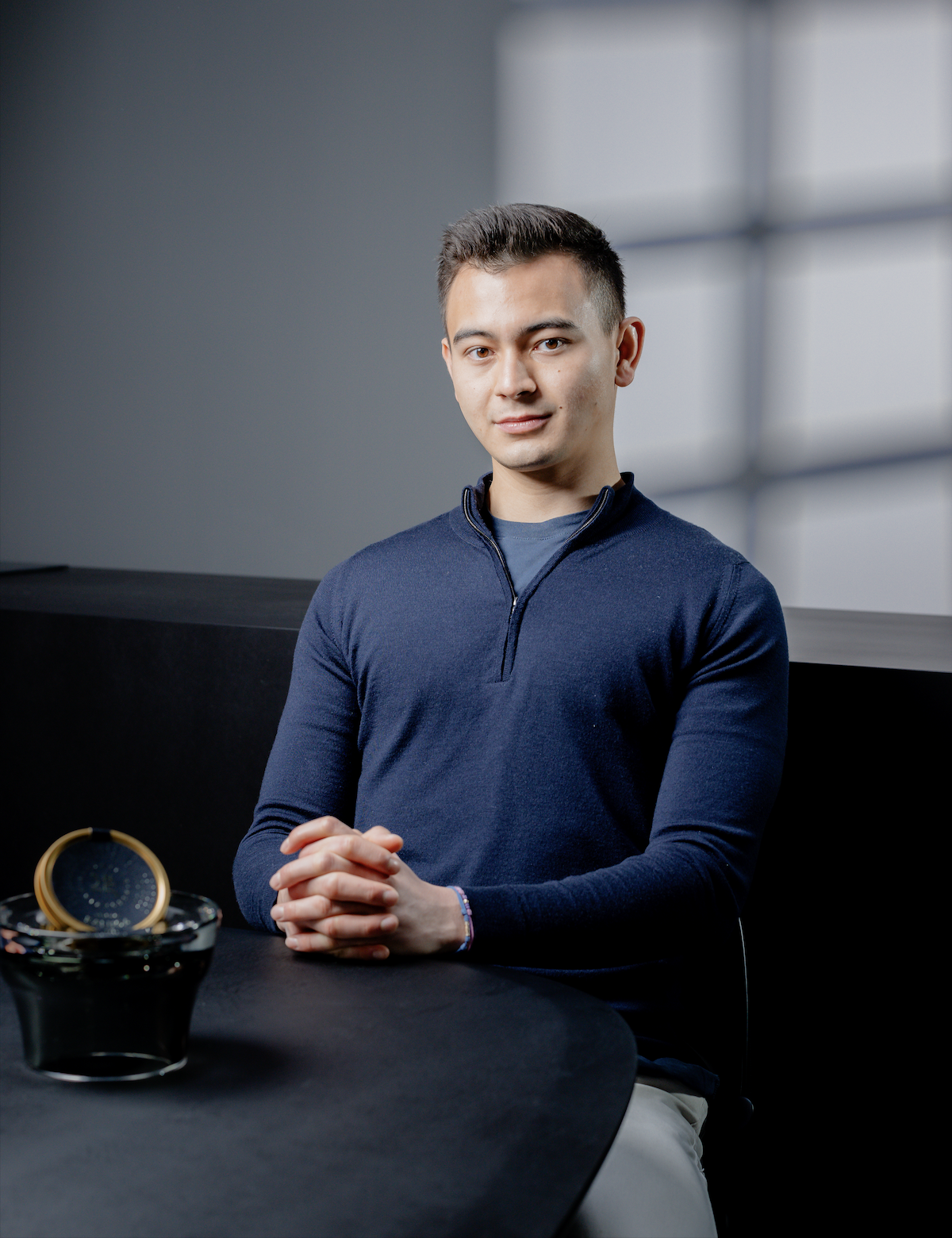
The name N25 references the 25th parallel north and its specific terroir. How does geography concretely shape flavour in your caviar, in the same way terroir defines wine?
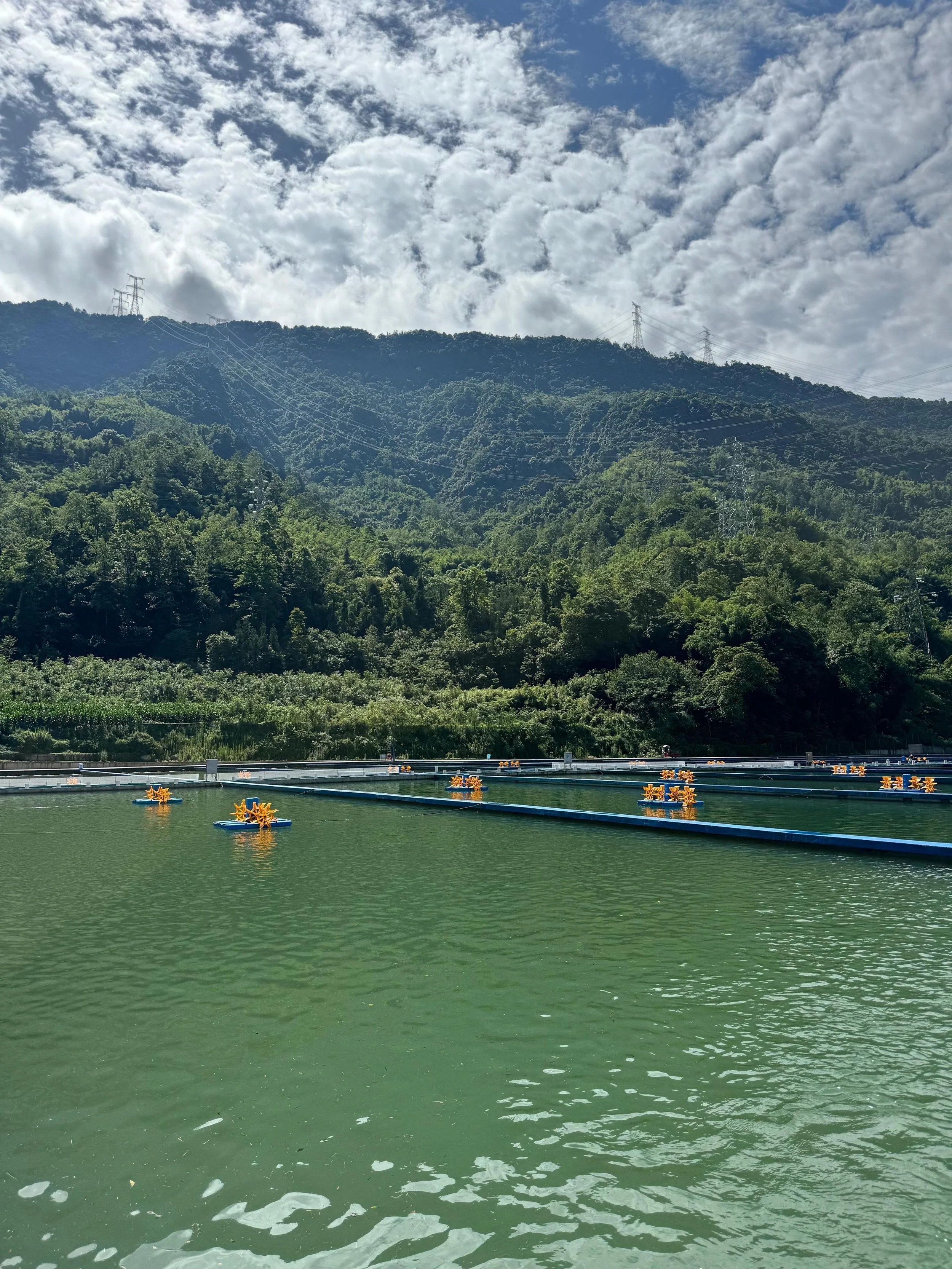
For me, the location of our aquaculture facilities is very important because it sets the starting point for our product quality. Our farms are located in the mountains on the Tibetan Plateau, it has a consistently cool climate, with naturally pristine water, where sturgeon grow slowly, producing larger, more complex roe. Just as terroir defines wine, water and ecosystem define our caviar.
Your messaging speaks about “pushing the boundaries of excellence in gastronomy.” What, in practical terms, are those boundaries today?
Caviar has traditionally been produced in much the same way for generations, and I respect that heritage. But at the same time, I was curious whether it could go further. Most producers sell caviar fresh, but I became interested in what aging might do. We already know how aging transforms wine, cheese, and cured meats; why not caviar?
After years of research, I developed a controlled aging process that allows the flavor to become more layered and expressive. For me, pushing boundaries allows us to combine tradition with science to reveal the caviar's full potential.
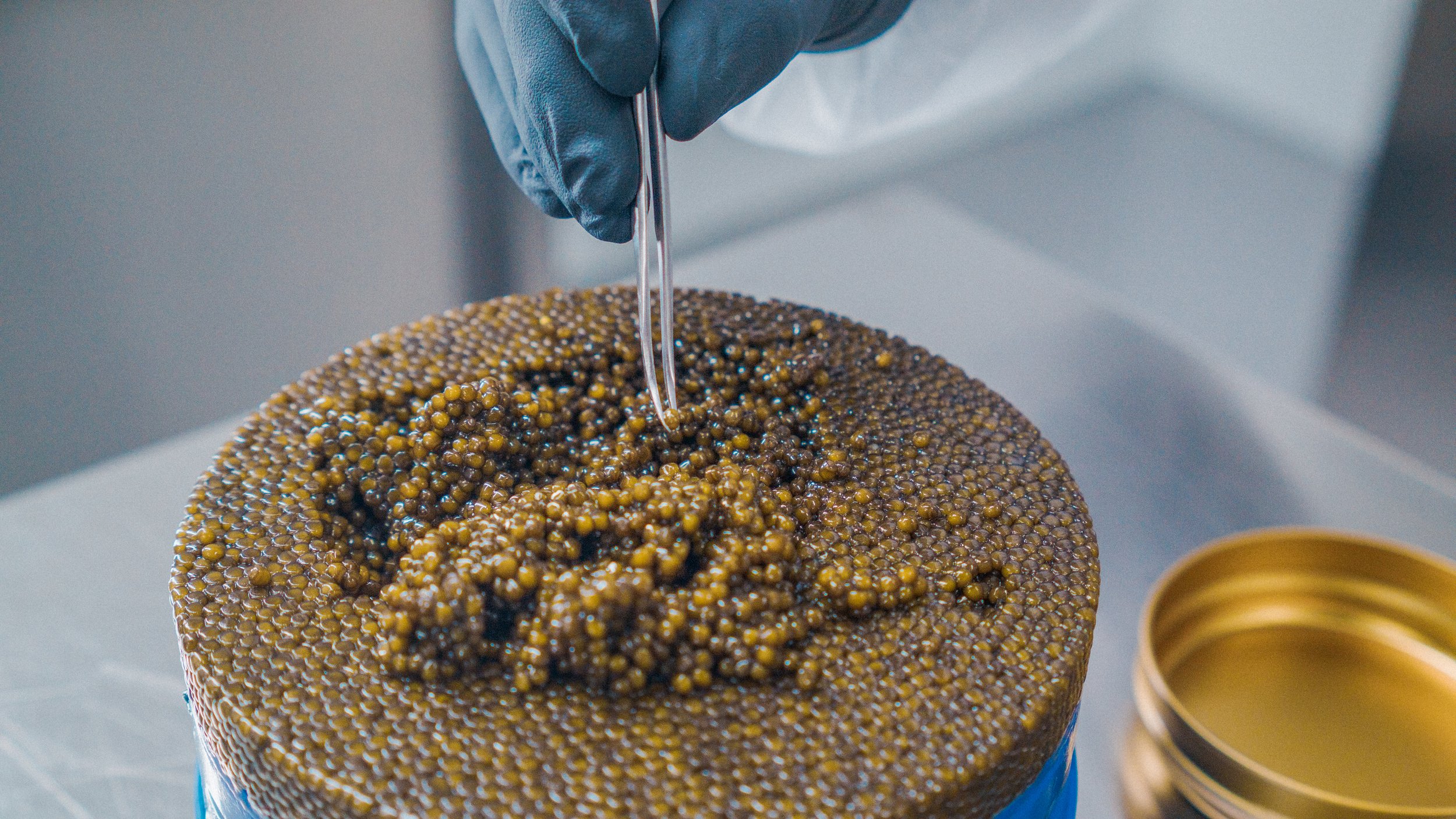
What was the founding dissatisfaction or gap in the market that led to the creation of N25?
Uniqueness and consistent style - a lot of caviar on the market is either fresh or uses dated methods with inconsistent qualities and flavor profiles. We defined our style, which is a uniquely umami yet elegant profile - and our standards and measurements allow us to deliver this consistently.
You highlight high-altitude mountains, natural spring water, and controlled aquaculture. What makes your aquaculture model fundamentally different from conventional sturgeon farming?
In more conventional sturgeon farming, nets are often placed in natural bodies of water such as lakes. This can disrupt local ecosystems and create environmental pressure on the surrounding habitat.
We prefer a model where water quality, nutrition, and living conditions are carefully monitored. By controlling these factors, we can maintain a healthy living environment for the sturgeons, ensuring that the roe they produce is consistently of the highest quality.
Sustainability is often a buzzword in luxury food. What measurable standards define sustainability at N25?
For us, sustainability has to be measurable. Water is filtered and treated beyond national standards before leaving the farms. Socially, over 80% of our production team are women from nearby villages, earning wages 30% above regional averages. Sustainability means long-term responsibility to both the environment and the community.
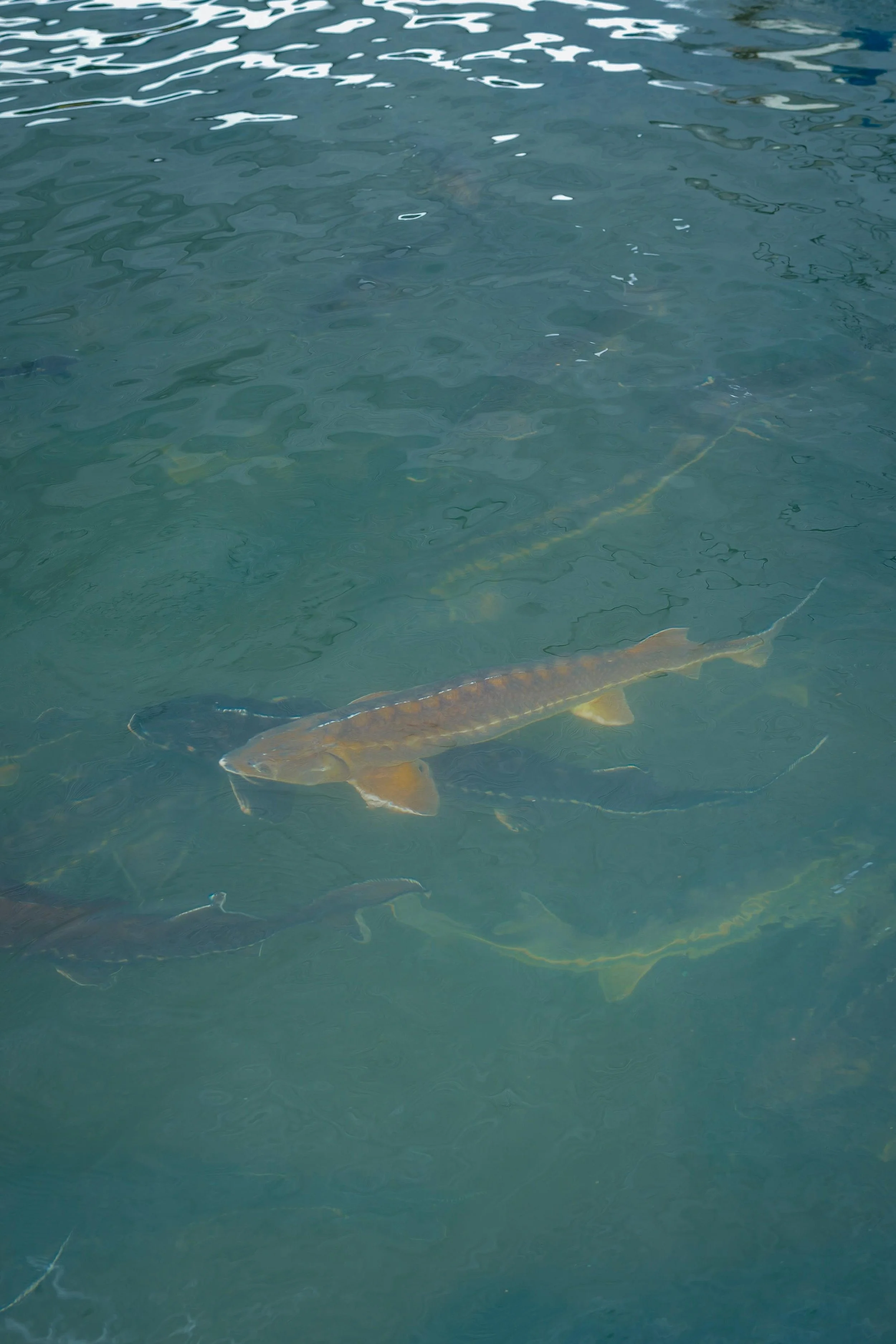
N25 is distributed almost globally. Does caviar taste preference vary culturally?
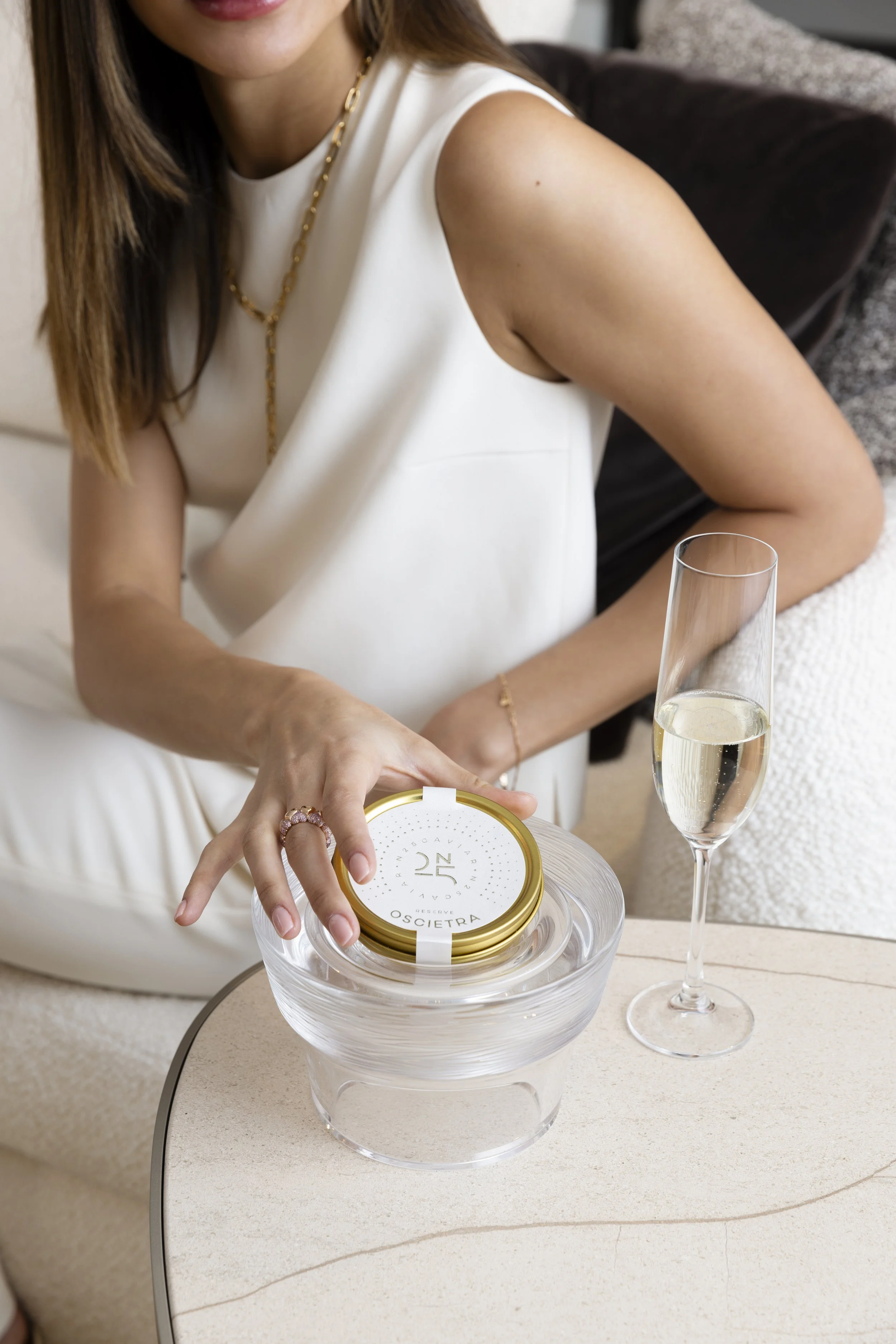
Taste is always personal, but we sometimes see some regional patterns with preferences. In much of Europe, people are drawn to oscietra because it’s a more classic and traditional flavor profile. Europe has a deeply rooted caviar culture.
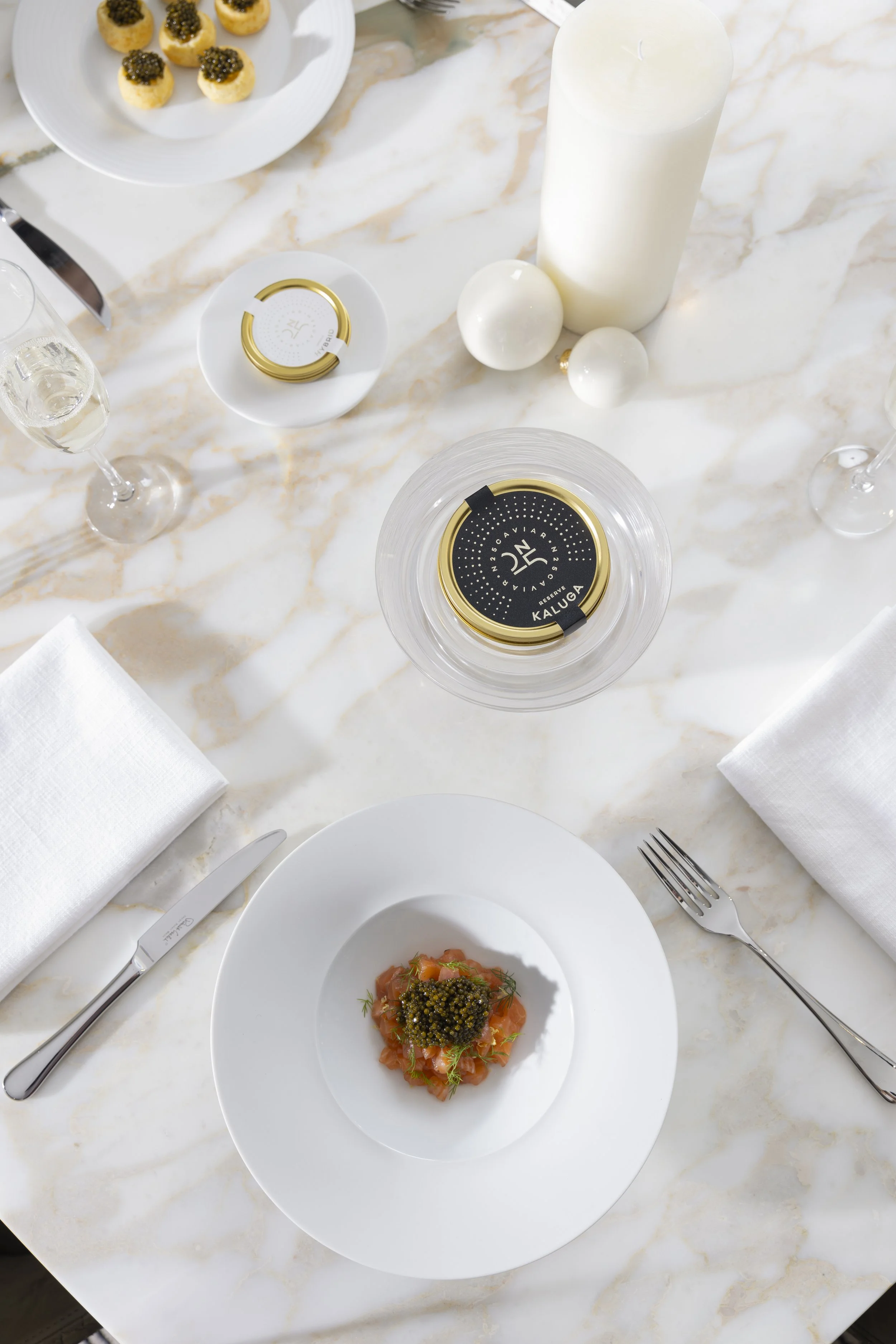
In Asia, caviar is relatively new, and people don’t have preconceptions - they prefer the more modern style of Kaluga Hybrid because of its clean, elegant umami character.
What markets understand the product most intuitively?
It’s interesting to see how traditional caviar markets, like Europe, use caviar versus relatively “new” markets like Asia and the US. The traditional consumers like to serve caviar in classic ways, like with blinis or seafood. In places like Asia or North America, people are more exploratory because there are no predefined ways to eat it. We see it with desserts and meats, and anything you can imagine.
In a world where luxury is increasingly experiential rather than material, how does N25 create emotional value?
Through unique moments like ambassador chef collaborations, pop-ups, and masterclasses with our restaurant and hotel partners that go beyond a traditional meal.
For us, our caviar represents the passion of our chef community, our commitment to quality, and the craftsmanship supported by innovation and science. When all of that comes together at the table, it creates a memorable experience, with real stories and methods that people can really connect with.
How do you maintain exclusivity in a category that is expanding rapidly?
Quality and innovation. While the caviar industry is expanding rapidly, I’m not interested in chasing explosive growth for N25. The brand needs to grow organically, with a strong foundation and a real story behind it.
N25 caviar is rare because very few fish produce roe with the right aging potential, with a caviar that is both umami-driven and elegant, with a refined flavor profile. Our strict selection naturally keeps the product exclusive. At the same time, exclusivity is not static. We are constantly refining our processes and continuing our research because maintaining quality means always pushing ourselves to improve further.
What was the most difficult decision you’ve made in building N25?
The most difficult decision was how to scale the business without compromising our product quality or brand values. And I can confidently say that we have stuck to this, growing in a way that preserved what makes N25 special, even when faster or easier paths were available.