
IN CONVERSATION WITH IBEN
interview by JANA LETONJA
Rising Norwegian alternative artist Iben is stepping into a defining new era with the release of her debut album HULDER, arriving on 14th August. Inspired by the mysterious female forest spirit from Nordic folklore, the eleven-track project reimagines the Hulder myth through a deeply personal and contemporary lens, exploring themes of womanhood, emotional imbalance, power, grief, conformity, and the longing to be truly understood. Blending emo-infused pop, electronica, distorted guitars, Norwegian folk influences, and heavy alternative textures, HULDER creates an immersive sonic world that feels both cinematic and emotionally raw. Drawing inspiration from artists like Ethel Cain, Paramore, Deftones, and Chelsea Wolfe, Iben is emerging as one of Norway’s most compelling new voices, balancing mythic storytelling with vulnerable songwriting that speaks directly to modern identity and emotional experience.
HULDER feels deeply cinematic and emotionally immersive. What was the starting point for this album creatively?
I am releasing the fourth version of HULDER, but it has kept its title throughout. The original idea was a storytelling concept album, written out like a fairytale. Eventually, as I started writing songs to fit into this universe, the demos started to lose their meaning. It was when I let go of the constant overthinking and just went with what felt good that the story kind of wrote itself. Huldra became less of this mysterious character and more of someone I saw pieces of myself in.
What first drew you to the myth of the Huldra as the central inspiration for the project?
As someone who grew up reading a lot of fantasy and watching Tim Burton’s movies over and over, weird outcasts have a special place in my heart. Old folklore and mythical creatures is also something that I’ve always felt drawn to, so it was only natural that the tale of Huldra resonated with me deeply.
You reinterpret the Huldra figure in a more human and emotional way. Why was that important to you?
I guess I just didn’t really settle for the idea of Huldra being this ruthless force of evil. I also found it very typical that she was given this beautiful, seductive exterior, kind of as an excuse for those who would fall into her trap. By choosing another perspective, I wanted to highlight how myths like these, as with witches and sirens, feed into the perpetual shame that we might carry with us as women or someone who doesn’t feel like they fit in.
The album explores ideas around fear, femininity, and seduction. What conversations did you want to open through those themes?
As a woman, I want to be able to be just as insecure and full of flaws as I am strong-willed and capable. I want to be mean without being a bitch, I want to be sad without being dramatic, and I want to have fun without being too much. In the end, we need to acknowledge each other as humans first, in all of our complexity, instead of expecting others to play the part that makes us comfortable.
How much of HULDER feels autobiographical emotionally, even within its mythological framework?
Pretty much all of it. As I mentioned earlier, I started to weave my own story into the myth more and more as the album developed. Now, it just feels like a hyperbolised version of my past experiences.
Sonically, the project moves between emo-pop, electronica, folk, and heavier alternative textures. How did you develop that sound world?
I had fun with it. Honestly, I just stopped caring about the direction I was taking sonically and just went with what felt right for each track. Since I grew up around a lot of different genres, and have had a lot of phases, my references can be pretty stretched out. But like with every other artist, it is the composition of all of those that has developed my sound today.
Artists like Ethel Cain and Deftones are clear inspirations. What specifically resonates with you about their work?
What makes them special to me is how their creative choices really reflect their sense of authenticity, whatever direction the music takes. I strive to recreate this feeling of “what the fuck did I just listen to” that I always get from their projects. The intro can be 5 minutes long, the lyrics terribly heartbreaking and the chorus the most catchy thing you have ever heard. It just never gets boring. To me, this is what’s at the very core of alternative music, something you feel so fulfilled by making that you forget all the rules.
You’ve described the album as making space for the “heaviness of life.” Why do you think listeners are craving emotionally honest music right now?
In a world full of AI music, fan bots and playlists generated by algorithms, it’s such a breath of fresh air when I discover something that doesn’t sound like it has been made to trend. Just pure whatever the hell that artist had to say, and in their own weird way of saying it.
What do you hope audiences feel after listening to HULDER from beginning to end?
I hope they have made up a bunch of music videos in their heads. And that they feel slightly more connected to their inner teenager.
How do you personally navigate the tension between seeking validation and wanting to stay authentic creatively?
I am, in fact, terrible at it. Not a day goes by that I don’t want to do something entirely different with my music because “then people will get it”. But whenever I try to make something that sounds like a cool song I just heard, it always ends up really bad. I think I have just found peace with making whatever comes naturally to me, and I hope that the people who like what I do will stick around.
Fashion and visual identity seem important to your world-building. How connected are visuals and music for you?
I am flattered. The artists I look up to have a very strong sense of their visual identity, so it’s always something I have in mind. I love creating characters and making up stories, and I feel like it’s the visuals that really tie the whole universe together.
What excites you most about stepping into this next chapter of your career?
HULDER is now a story of its own, and I am very curious to see if it will be able to stand out in the noise. I, on the other hand, am most excited about experimenting more and exploring other sides to my music. I know I have a whole lot more in me.
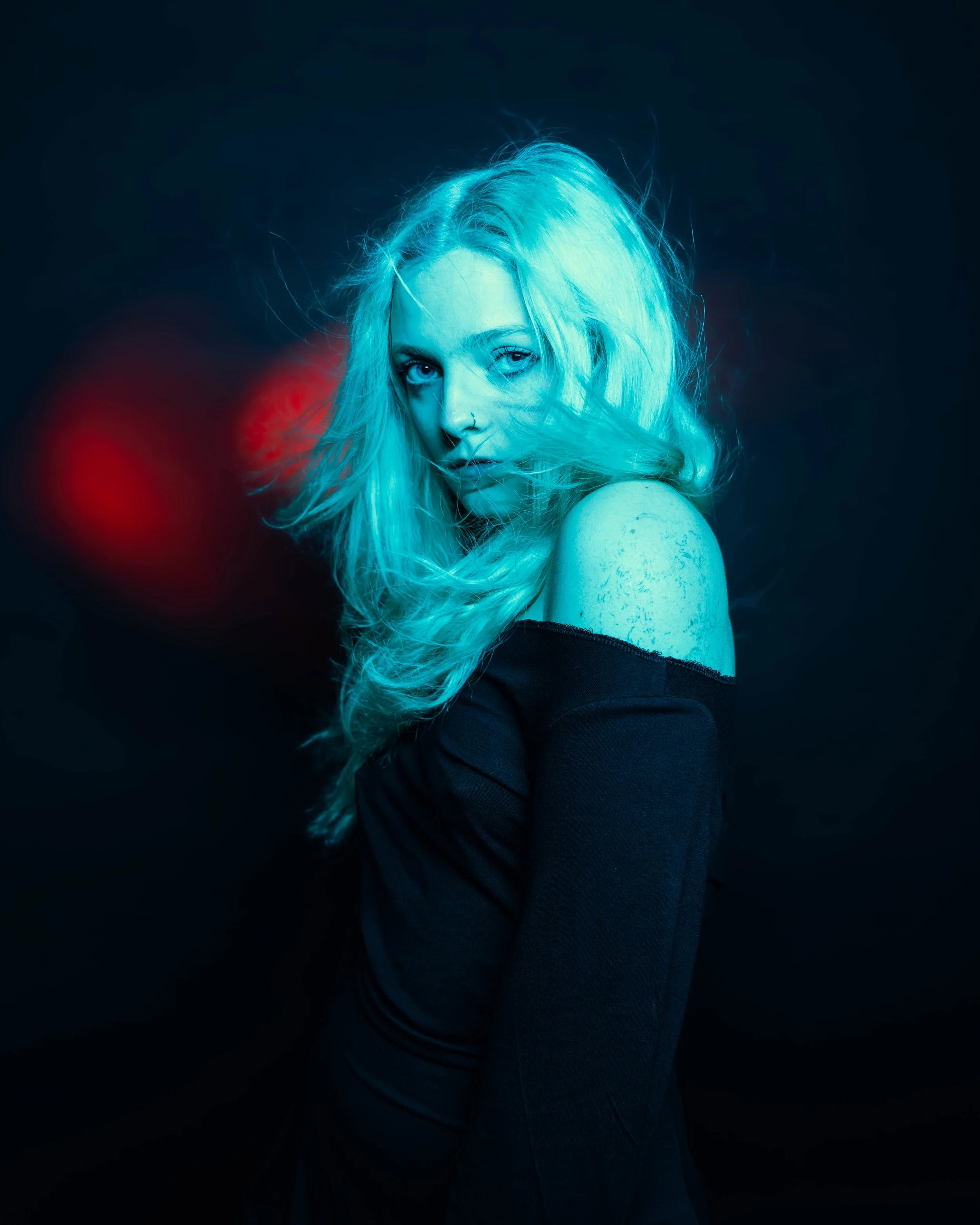
TEAM CREDITS:
photography ALEKSANDRA SUCHKOVA
