
IN CONVERSATION WITH IDK
interview by JANA LETONJA
idk is a genre-defying artist whose work sits at the intersection of sharp lyricism, conceptual storytelling, and cultural commentary. Blending rap, melody, and avant-garde production, he has built a reputation as one of the most intellectually driven voices in contemporary music, an artist unafraid to challenge expectations while remaining rooted in lived experience. With over a billion global streams and collaborations spanning names like Tyler, The Creator, Burna Boy, and MF DOOM, idk continues to push creative boundaries across music, fashion, and culture. His latest project, Even the Devil Smiles, draws from his early experiences with incarceration, transforming personal history into a powerful reflection on discipline, imagination, and purpose.
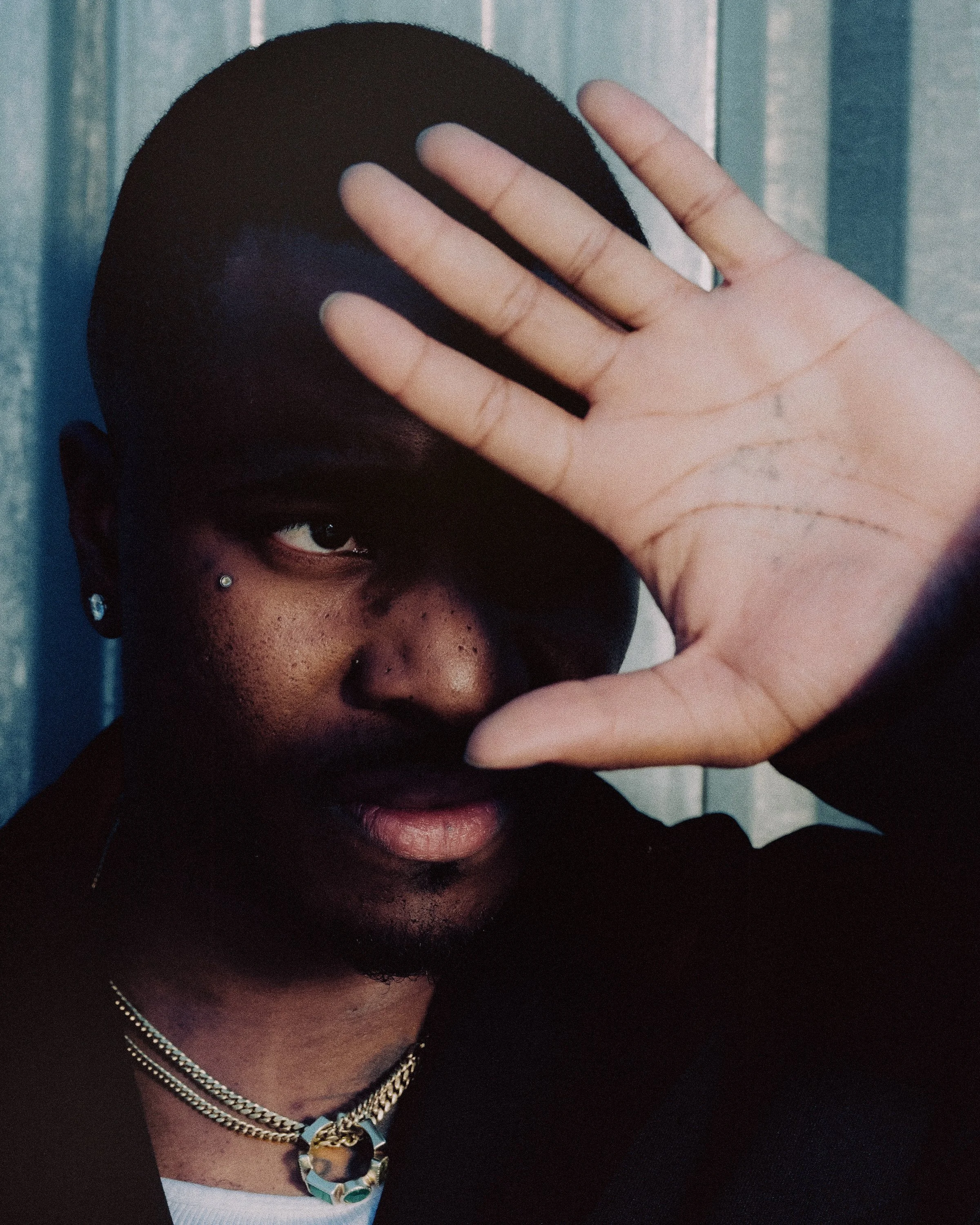
Even the Devil Smiles feels deeply personal. What was the starting point for this project?
Self-reflection that came from a gym session with a trainer who had been through similar things as me. The conversation was rooted in my frustration with people in the music industry. This led to a series of conversations that made me realise so much of what I’ve learned about becoming a functioning human and society with morals and principles came from my being incarcerated.
How did your experiences in confinement shape the themes of the album?
It was pretty simple. My experience behind Barz pretty much guided me through the storytelling. The idea was to show you what it’s like being a rowdy young guy entering the system, but by the end of it, there was self-reflection. There was growth, there was maturity, there was emotional intelligence and the want to understand myself.
The 15 tracks take you through the 15 years that would have been my full sentence to show you the importance of red redemption.
You often balance street perspective with intellectual insight. How do you navigate that duality?
That duality isn’t something that I necessarily navigate. It’s just something that is my real life. I still have friends in the hood that still deal with a lot of those struggles every single day, a lot of which allows me to have gratitude for my circumstances in my second chances.
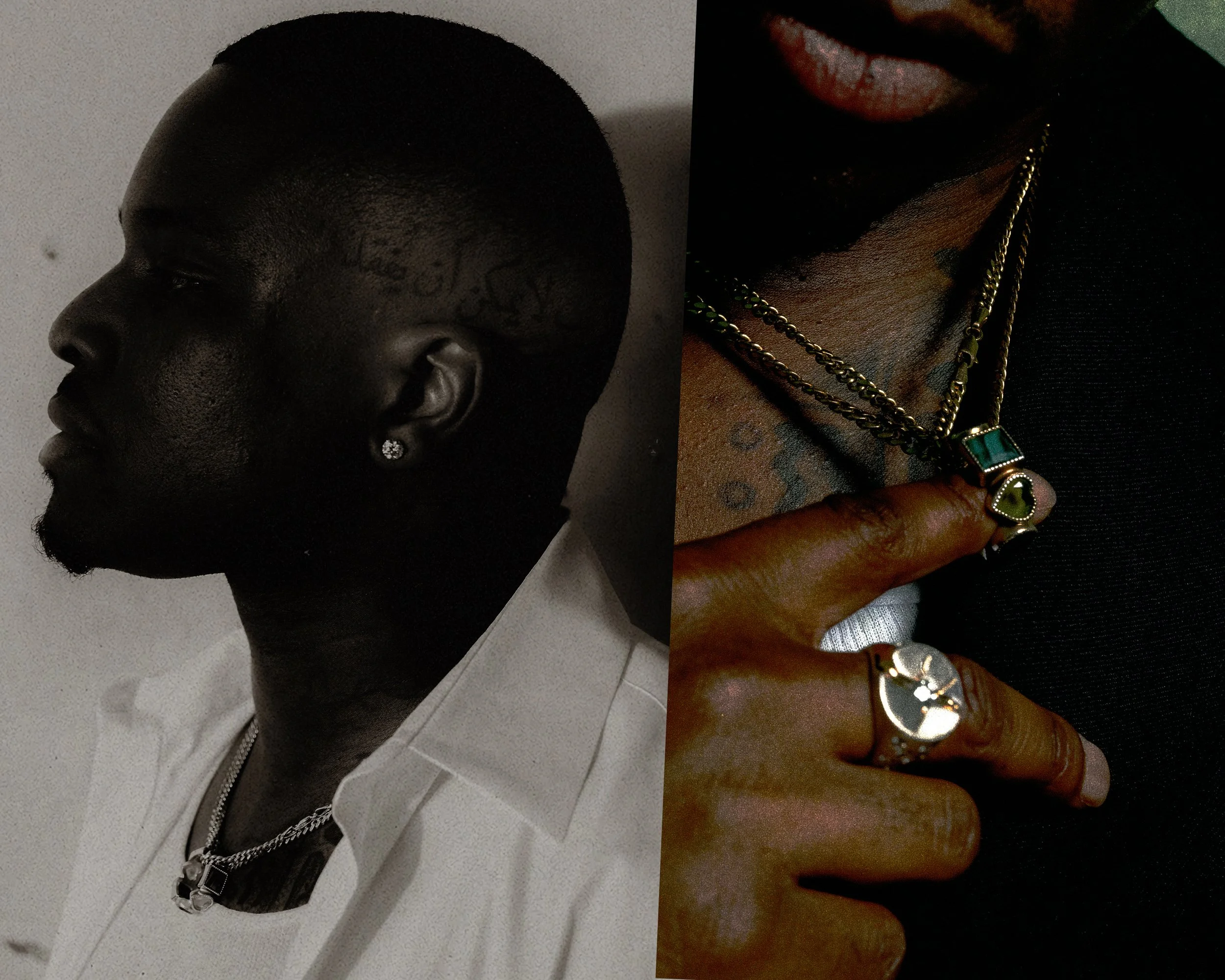
How do you approach turning lived experience into something conceptual and artistic?
Well, when I first make music, I don’t make it with the intention that it’s ever going to be released, and I make it with the intention that I want to be as honest as possible and let out whatever I feel or see in my mind. It’s the greatest form of therapy for me. Then, after time progresses and either a record needs to come out, I start to realise how much the world may benefit from some of these thoughts and feelings, and that’s what drives me to create an actual release.
Your music consistently pushes boundaries. What drives you to keep evolving creatively?
I think I feel the best when I challenge myself creatively to do better than I’ve done before. Originality is what drives me and what I strive for. It’s interesting because the world has yet to see how far I can take it.
You’ve collaborated with such a wide range of artists. What do you look for in a collaboration?
Who I look for on a record mainly depends on the tone of someone’s voice, and even the tone of the concept of the record. I don’t limit myself to the confines of what people think or who people think should be on records.
How do you maintain your individuality while working with other strong creative voices?
I think how I maintain the duality boils down to me as an actual individual. I just try to be myself in general, and who that person is is always changing. However, it’s my job to always have a grasp on who I am in whatever moment I decide to show up.
Beyond music, you’ve worked in fashion and design. How do those worlds influence your artistry?
I just use them as a tool or even a vessel in order to streamline conversation. Some people don’t care about the meaning of what they do, rather they do things for a check. Personally, the meaning of a conversation means a lot to me. But sometimes collaborations can be a way to streamline or articulate my thoughts to an audience.
What excites you about merging music with other creative industries?
The opportunity to reach the people who need to hear whatever it is I was put on this earth to communicate seems to be what excites me the most. I love to help, so I always love adding my two cents on what I think a brand could do better. I’m also a fan of people who trust me the most because I feel like I can’t let them down by giving them the wrong information. Anyone who trusts me tends to have my attention.
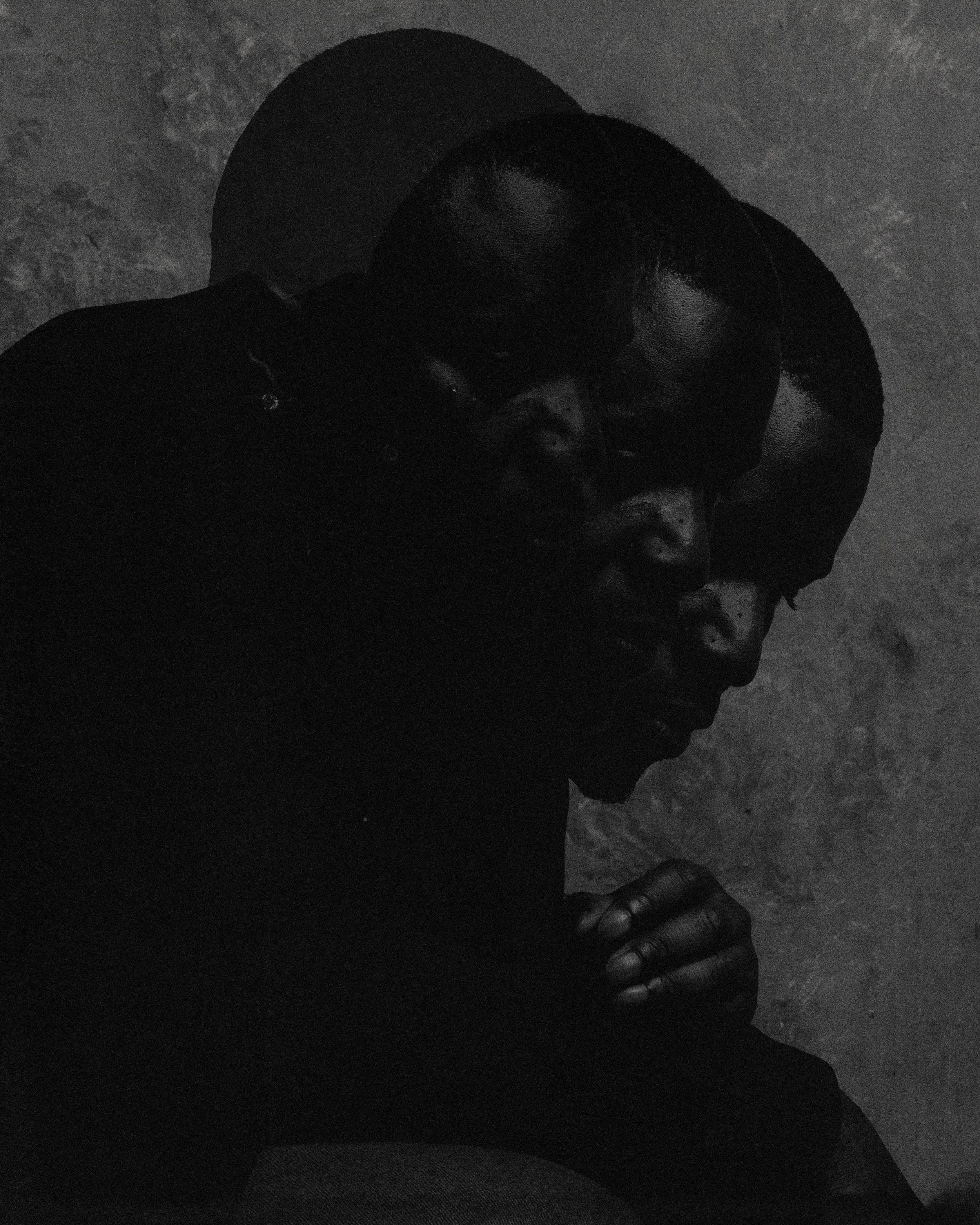
How important is it for you to challenge stereotypes within hip-hop and culture at large?
I like to scramble the algorithm in your mind that makes you think you know something about someone. The importance of that makes it so that if you see someone again, you don’t just jump to an assumption or conclusion.
That’s the beauty, that’s the mentality that could’ve saved so many people, especially Black people that were misunderstood. The moment we challenge people’s algorithm, the more people will be able to allow you to show them who you are before placing judgment.
How do you stay grounded while navigating both artistic ambition and public attention?
It’s easy to put your phone down. You don’t realise how much of public attention just lies in your phone. We have way more control over it than we’d like to believe. Physically, you can just stay at home. Good thing we have things like Instacart.
What do you hope listeners take away from your music beyond the surface?
I just want people to learn that with my art in my music. I get the most joy from you looking beyond the surface. I hope that more people continue to do that.
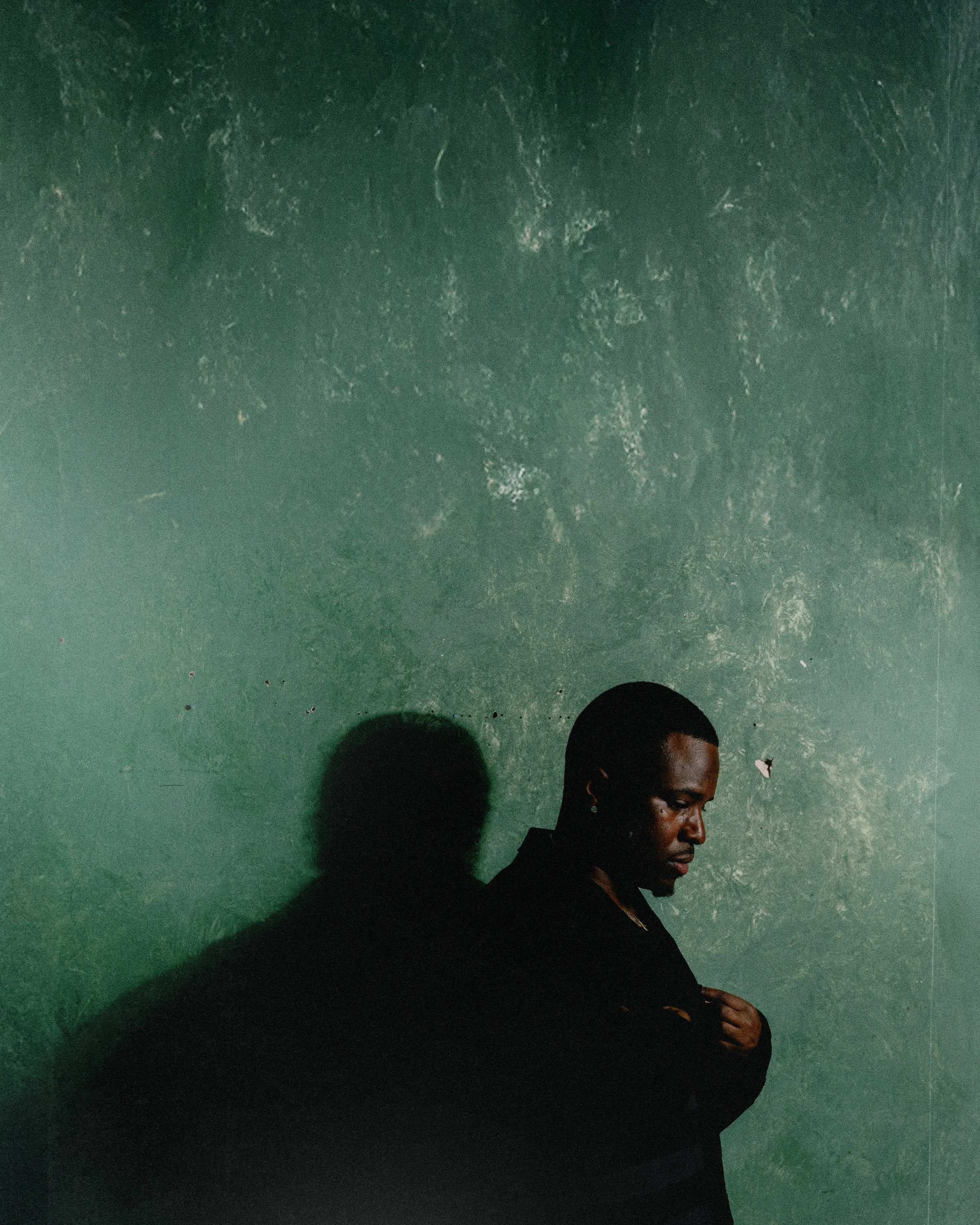
TEAM CREDITS:
photography HANNAN HUSSAIN
