
interview by JANA LETONJA
IZAN GUEVARA has been racing motorcycles for almost as long as he can remember. From getting on a bike at just three years old to becoming European Talent Cup Champion, Moto3 Junior World Champion and, at only 18, Moto3 World Champion, he has built a career defined by speed, adaptability and an ability to win at every level. His progression through Moto2 has added another dimension to that journey, culminating in his first victory and a breakthrough 2026 campaign with BLU CRU PRAMAC YAMAHA. Now at 22, Izan is preparing for the biggest step of all: a move to MotoGP with YAMAHA and PRIMA PRAMAC in 2027.
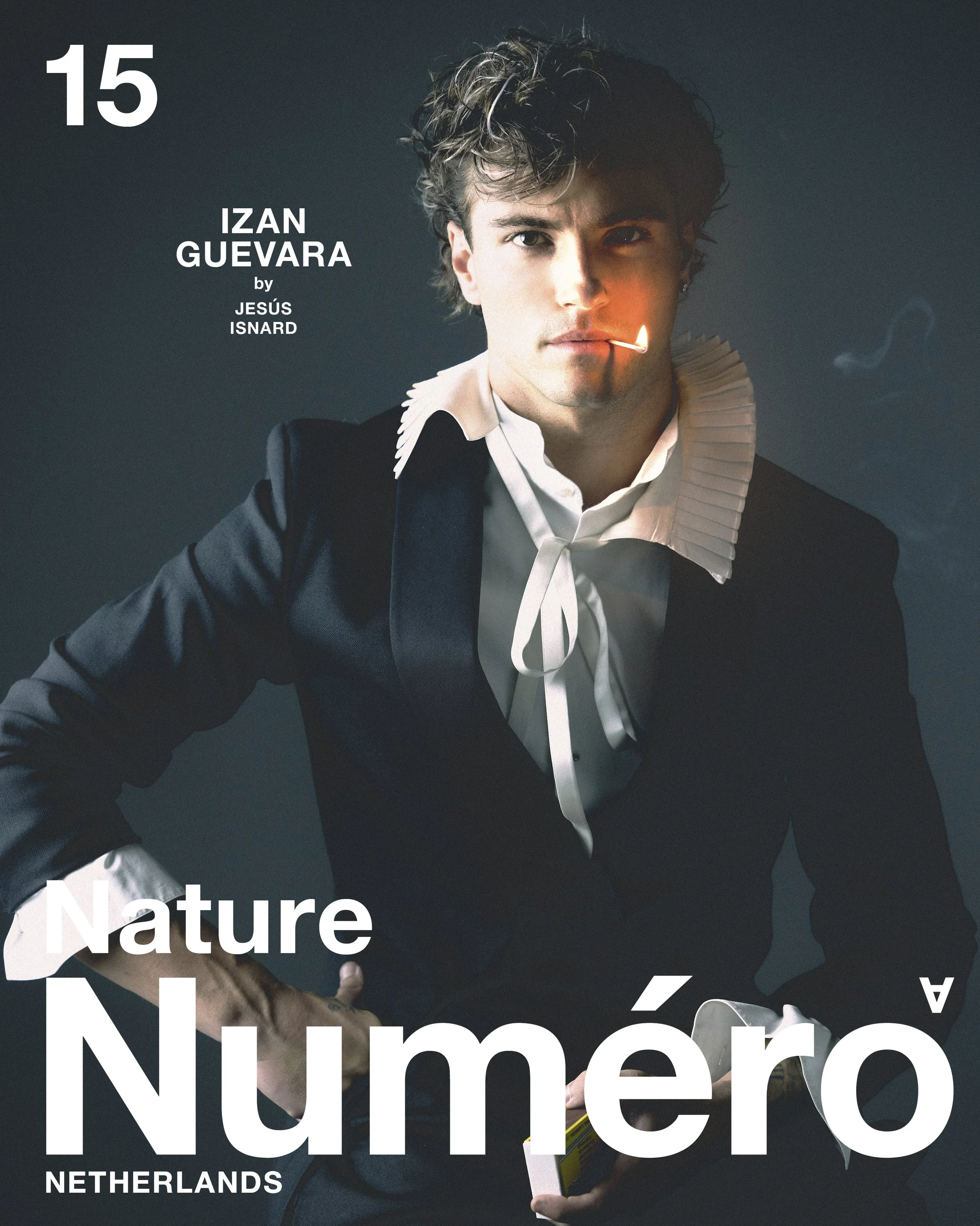
After getting on a motorcycle at just three years old, when did motorcycles go from being something you simply loved doing to something you realised could become a career?
I started riding motorcycles when I was very young, and at first it was simply a hobby for me. I enjoyed riding, but I also loved going to the races and experiencing everything that came with them. As I got older and started competing at a higher level, I gradually realised that it could become more than just a passion: it could become my job and professional career. I think it was a very natural process. There was never one specific moment when I decided I wanted to become a professional rider. I simply grew up in this world, and over time I started to see it as my path.
You won the European Talent Cup in 2019 and the Moto3 Junior World Championship in 2020. What allowed you to adapt and succeed so quickly every time you moved up a level?
They were two very special years for me, and, above all, two years in which I learned a lot. I think one of the keys was my ability to adapt quickly to the changes and demands of each category. Every bike, championship and situation was different, but I always tried to learn as much as possible and adapt quickly. I think that ability was very important in helping me succeed in both categories.
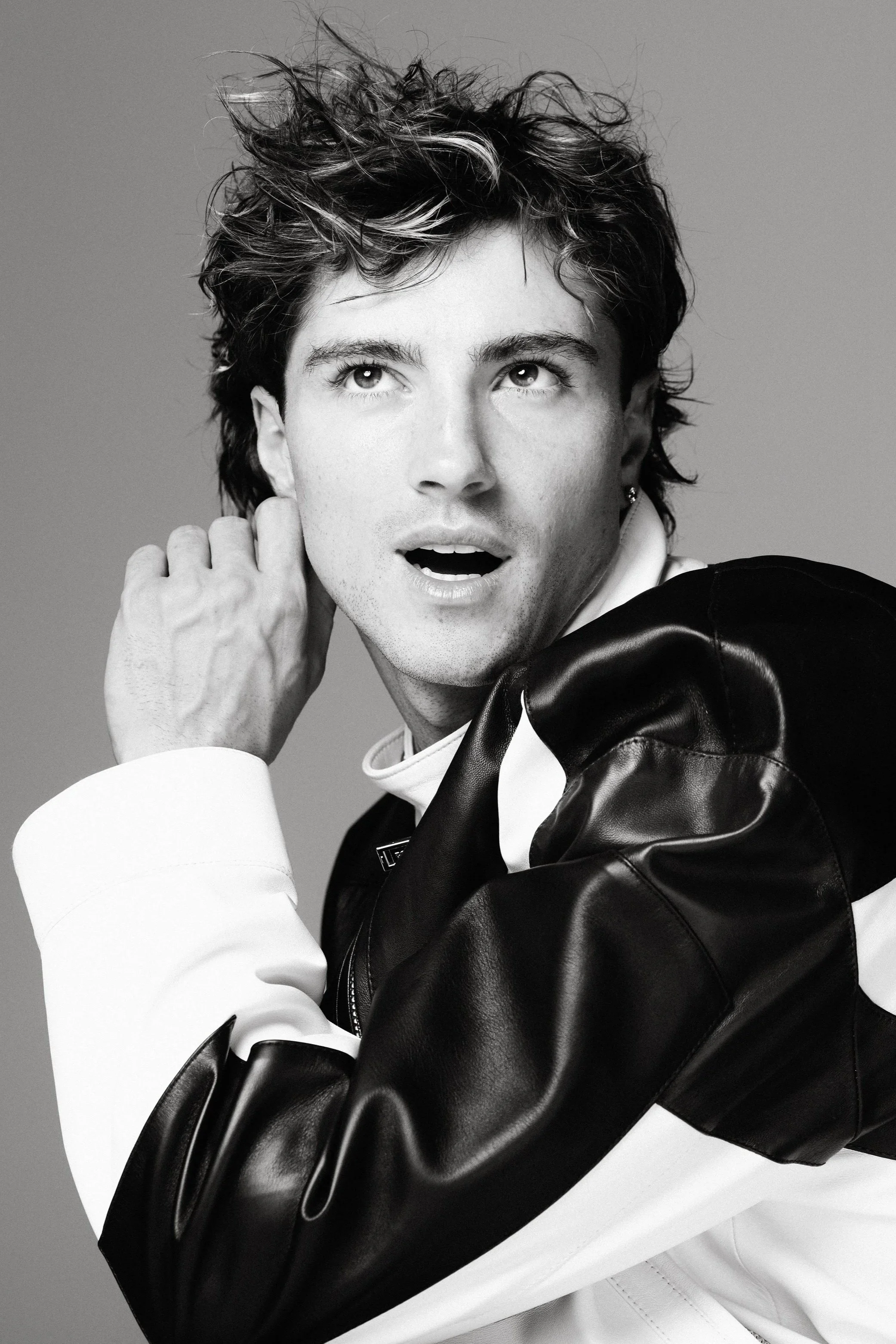
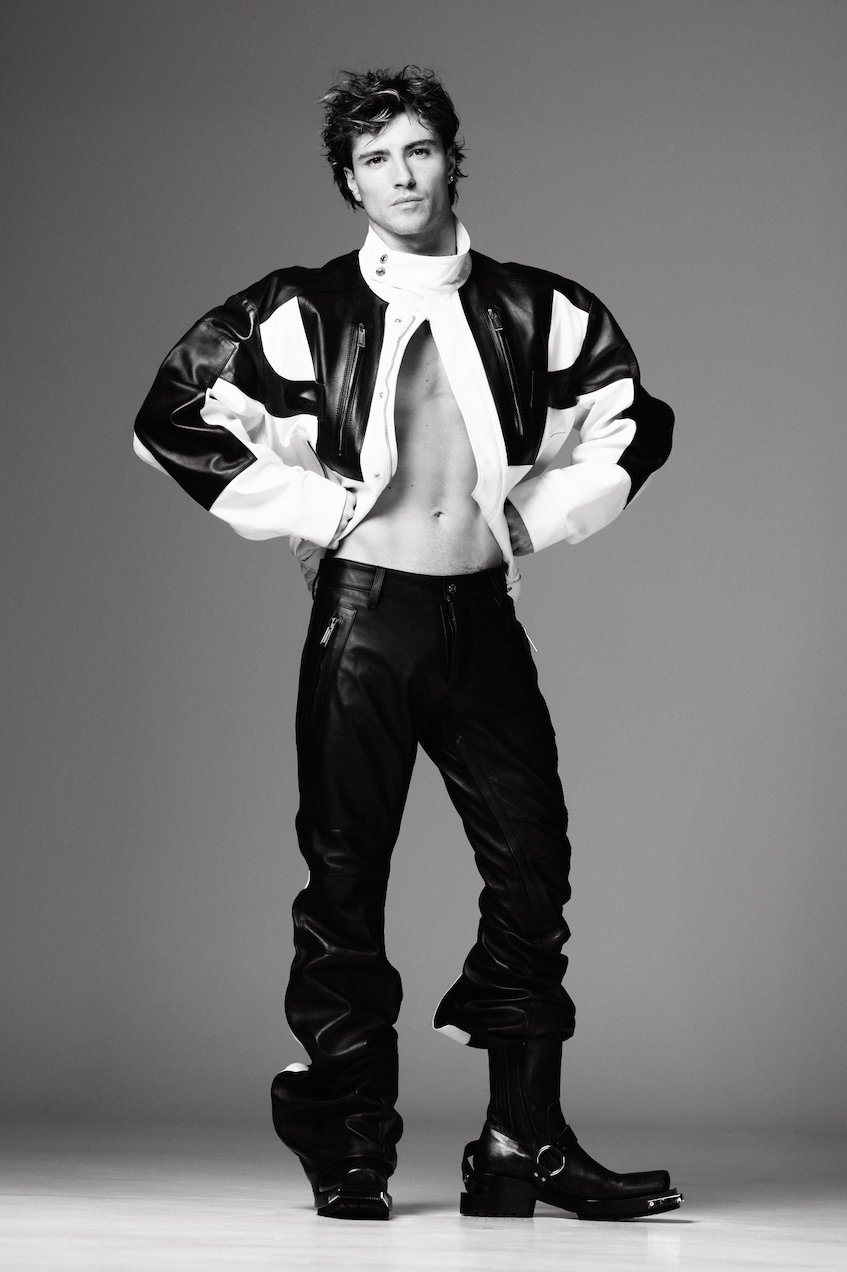
full look DSQUARED2
Looking back at yourself as a young rider, what do you think separated you from the other talented riders around you?
I think one of the things that set me apart was my situation and the way I had to learn to work. Growing up in Mallorca, it was very difficult for me to travel to the circuits on the mainland to train, because it was a significant financial cost. So, throughout my youth, I trained almost exclusively at the Llucmajor Circuit.
This meant I had to make the most of every opportunity to train and learn. Maybe I didn’t have the same opportunities as some other riders to train at different circuits, but I always tried to get the most out of what I had. I think that helped me develop my ability to adapt and to appreciate every opportunity I had to get on a motorcycle.
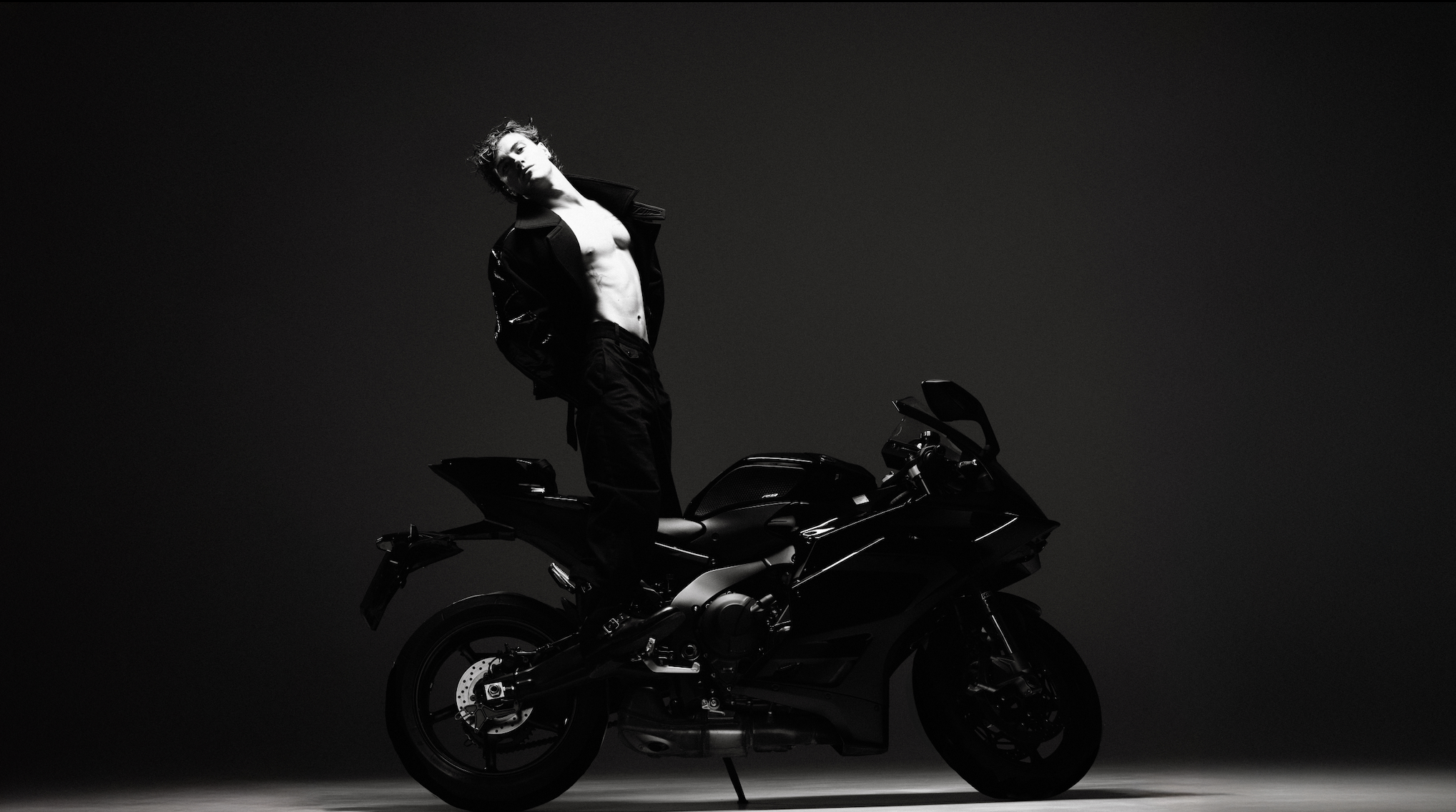
full look ISABEL MARANT
You became Moto3 World Champion at only 18. How much did winning a world title at such a young age change you, both as a rider and as a person?
It changed my perspective most of all. Winning a World Championship at 18 is something really special, and it’s what you dream about as a kid. But when it finally happens, you realise how much effort and how long a journey you have been through with the people closest to you to get there. It gave me a lot of confidence, but it also made me appreciate everything behind that moment even more. As a person, I think it made me more mature and more aware of everything around me and the people who have been with me throughout the whole journey.
Your first seasons in Moto2 required patience after experiencing success so early in your career. How difficult was that mentally?
It was probably one of the biggest challenges of my career. I was used to fighting for victories and championships, so suddenly having to accept that I wasn’t going through my best moment was difficult. I had to remind myself that a difficult period doesn’t erase what you are capable of. I learned to be patient, trust the process and keep working even when the results weren’t coming. I think that period helped me grow a lot, not only as a rider but also as a person.
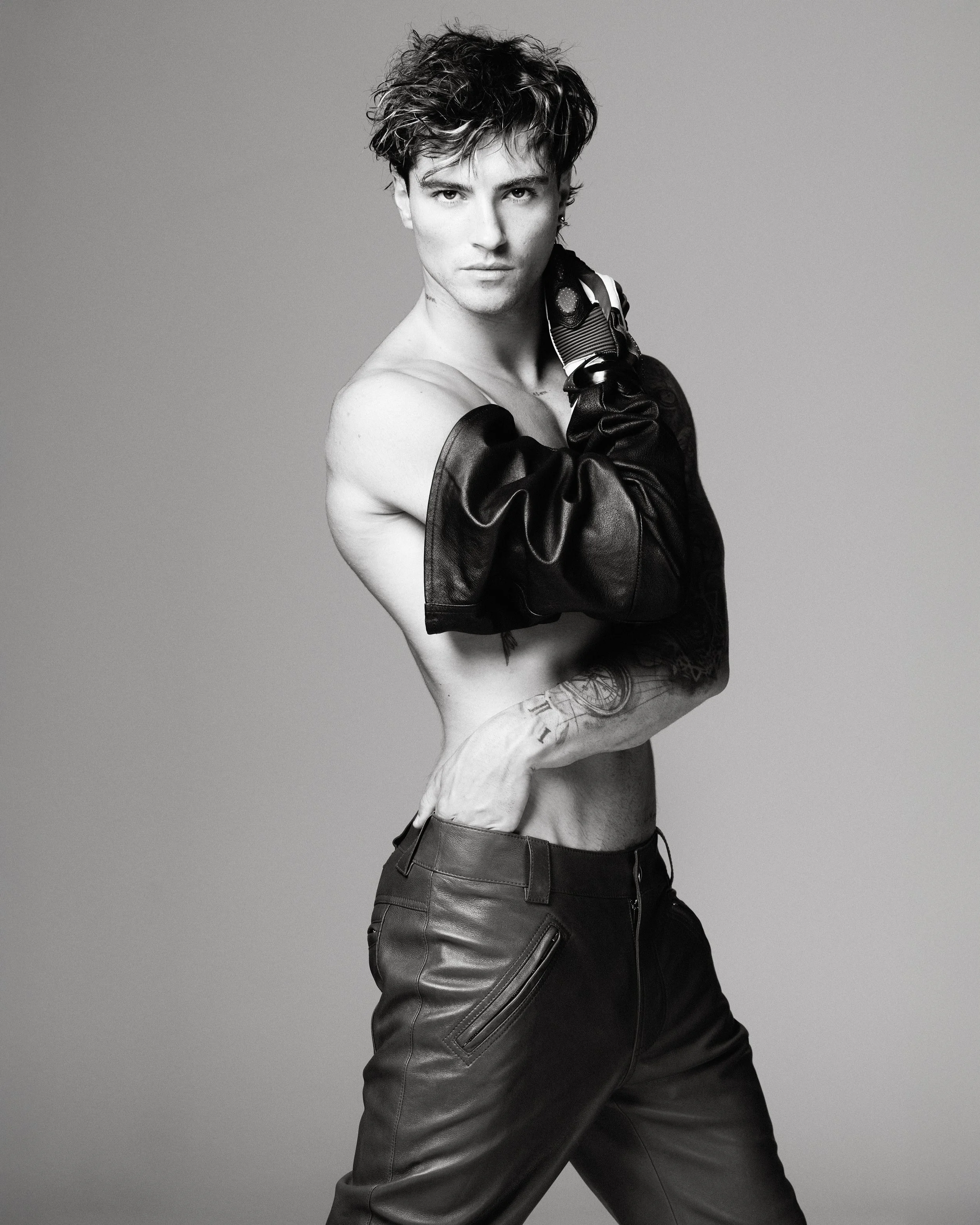
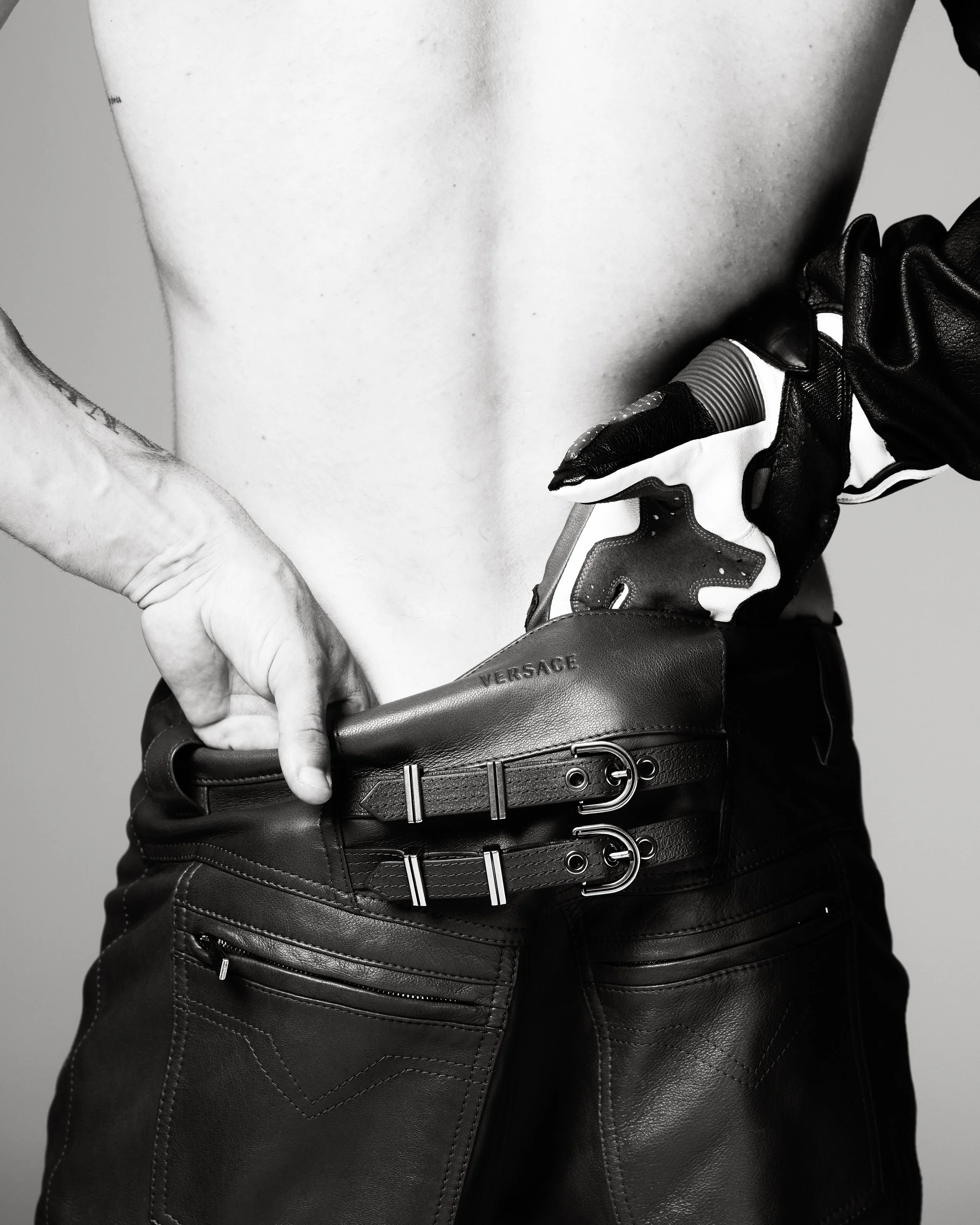
pants VERSACE
gloves TANIA MARCIAL
You have shown exceptional speed over one lap this season. How different is the mentality required to produce one perfect qualifying lap compared with managing an entire Moto2 race?
Mentally, they are almost two different sports. In qualifying, you have to be completely aggressive for a very short period of time and, in the end, only your fastest lap counts. There is no time to overthink. You have to be fully focused and trust your instincts.
In a race, you need much more patience. You have to understand the tyres, manage your physical energy, read the other riders and know when to attack. Qualifying is about finding the limit immediately; racing is about understanding how to use it for 40 minutes.
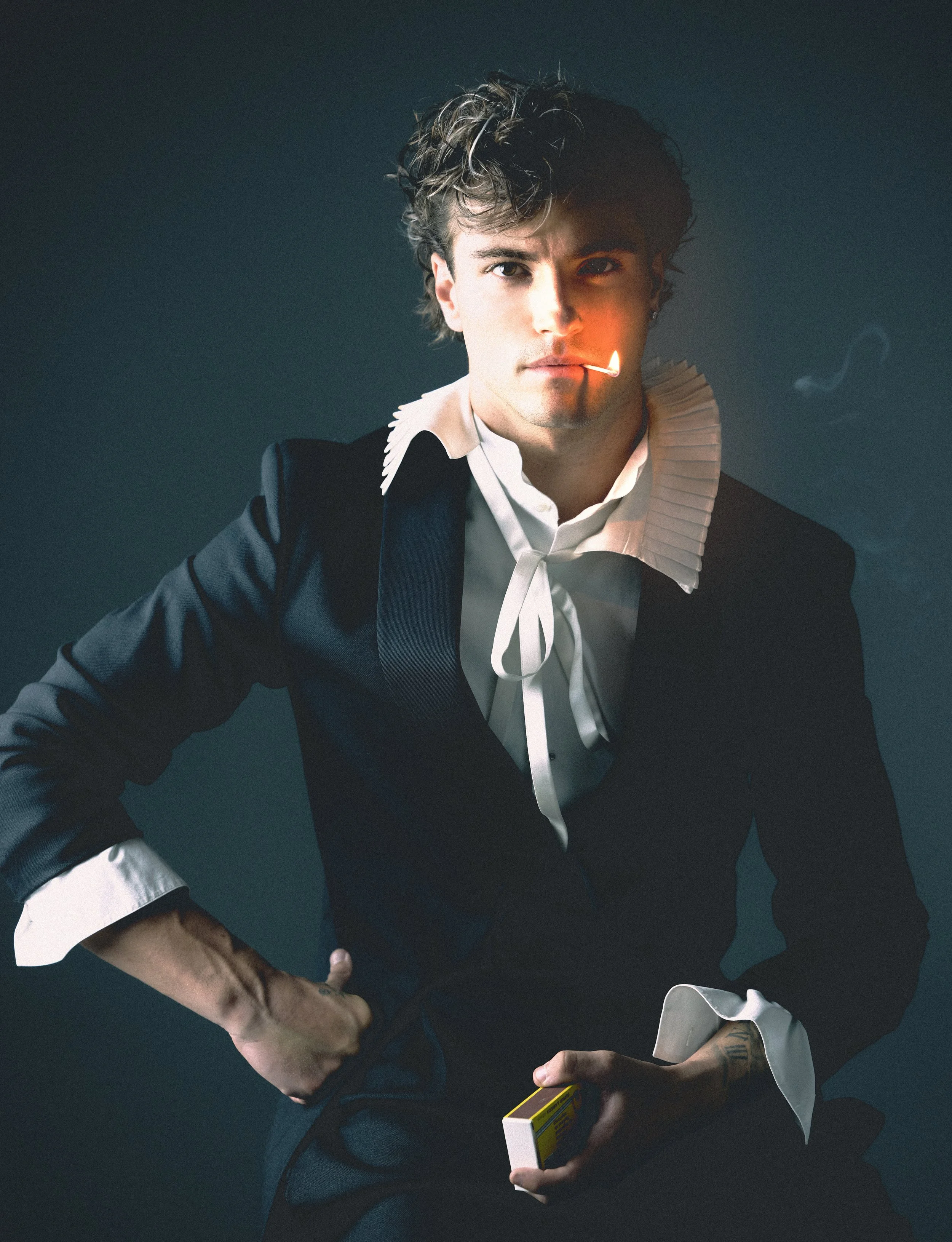
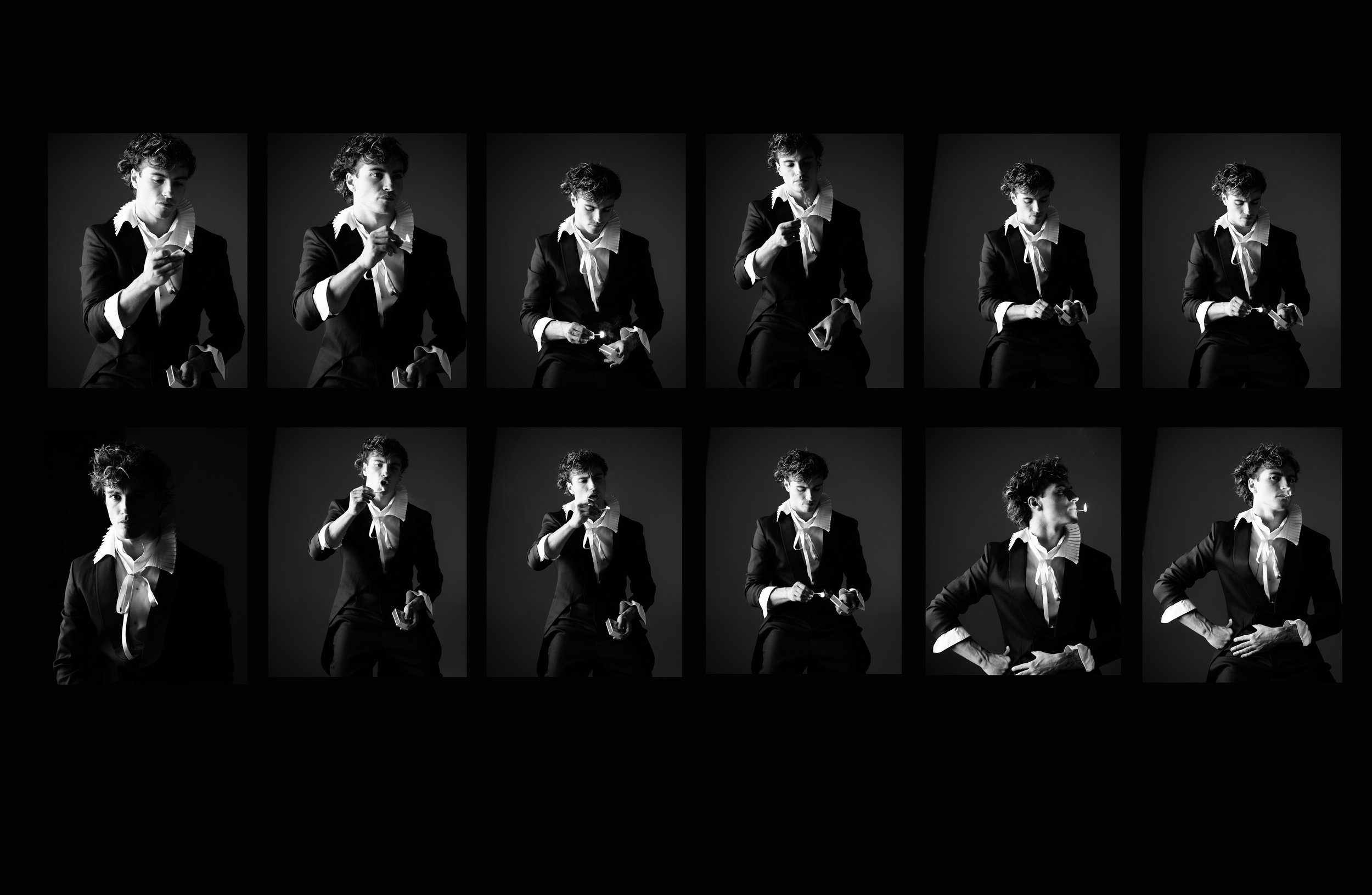
full look DIOR
Yamaha and Prima Pramac have chosen you for MotoGP in 2027. Can you describe the emotions you felt when you found out that you were going to become a MotoGP rider?
It’s difficult to describe. MotoGP has been my dream since I was a kid, so hearing that it was actually going to happen was a very special moment. I felt so much happiness, not only for myself but also for my family, because they have been with me from the very beginning and have been part of this entire journey.
I also felt excitement and a huge sense of responsibility. You dream about being there for so many years and then, suddenly, it becomes reality. I think the first thing I thought was simply, “Wow, I’ve made it.”
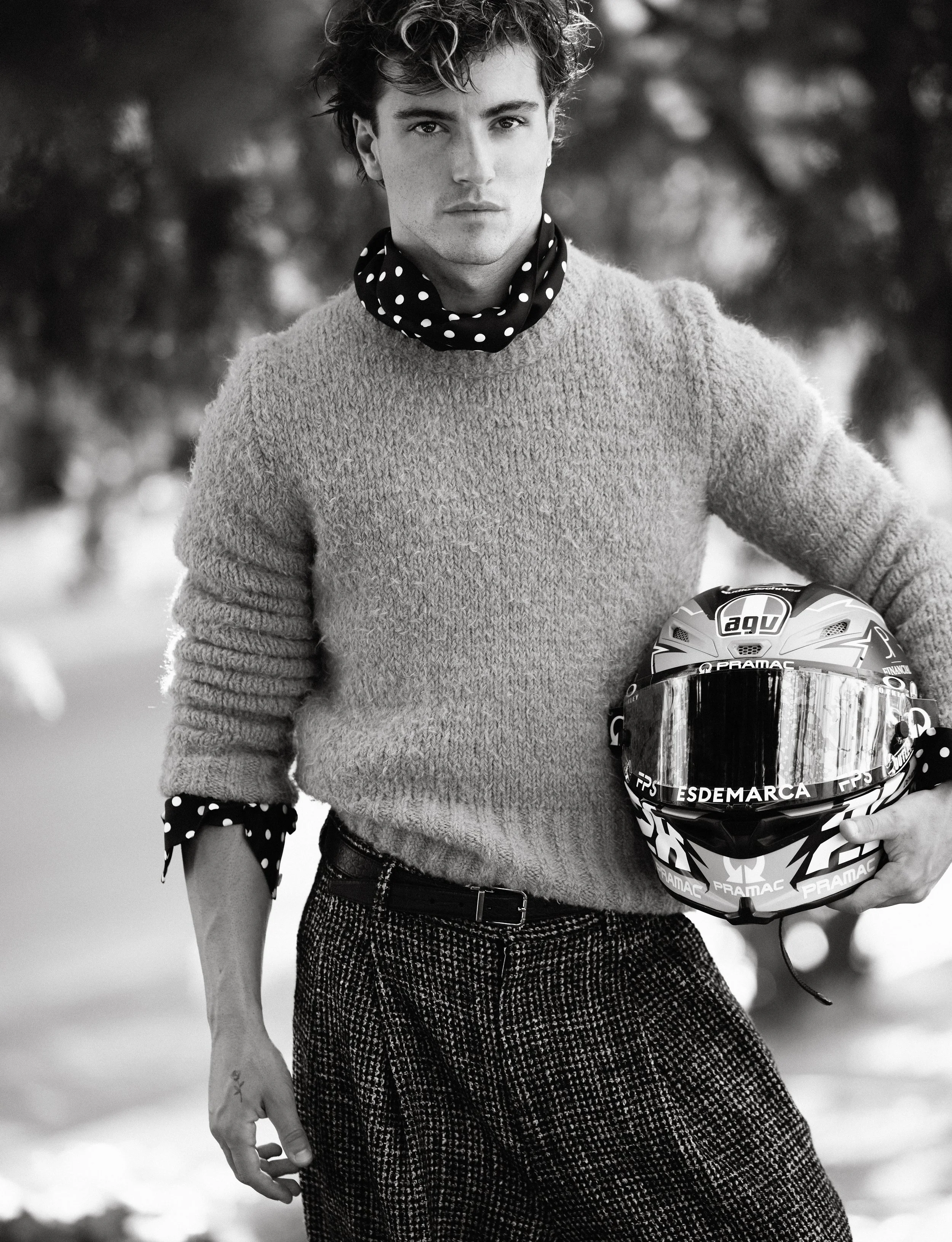
full look DOLCE & GABBANA
When you look at a MotoGP bike, what excites you most about riding one, and what do you expect will be the biggest challenge?
The speed. Everything about a MotoGP bike is taken to another level. The acceleration, the braking, the aerodynamics and even the dimensions of the bike. I want to feel what that level of performance is like. The biggest challenge will probably be learning how to get the most out of it. There are so many new elements that I’ll discover next year, and I know I’ll have to adapt to many things. But that’s precisely what makes it so exciting: having so much to discover and continuing to grow as a rider.
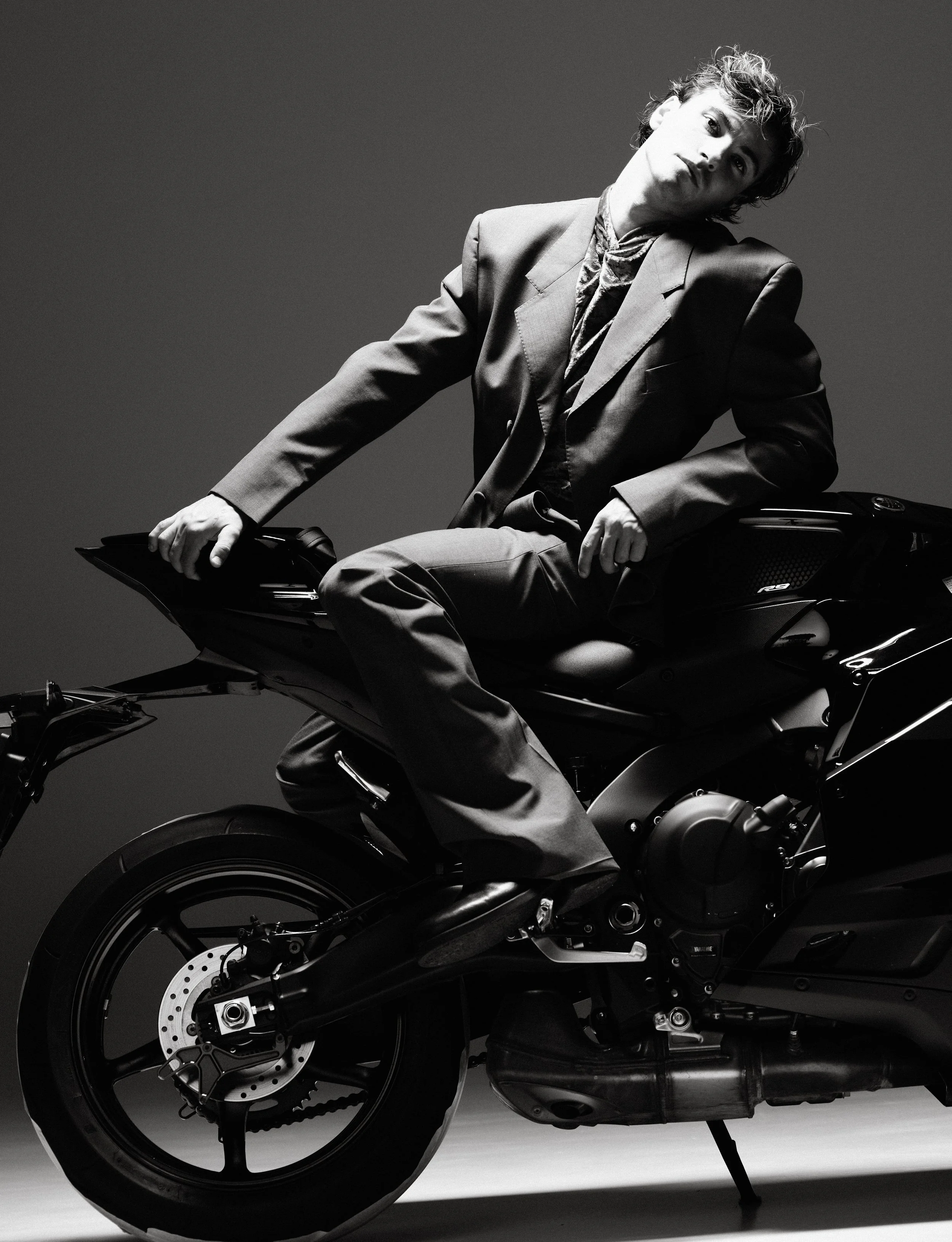
full look VALENTINO
MotoGP involves far more than simply discovering a faster motorcycle. Which area are you most interested in exploring and understanding?
The electronics and aerodynamics really interest me. With a MotoGP bike, there are so many things happening that you can’t necessarily feel immediately as a rider. I want to understand how every adjustment changes the behaviour of the bike and how I can use the technology rather than simply adapt to it. At that level, the smallest details can make a huge difference.
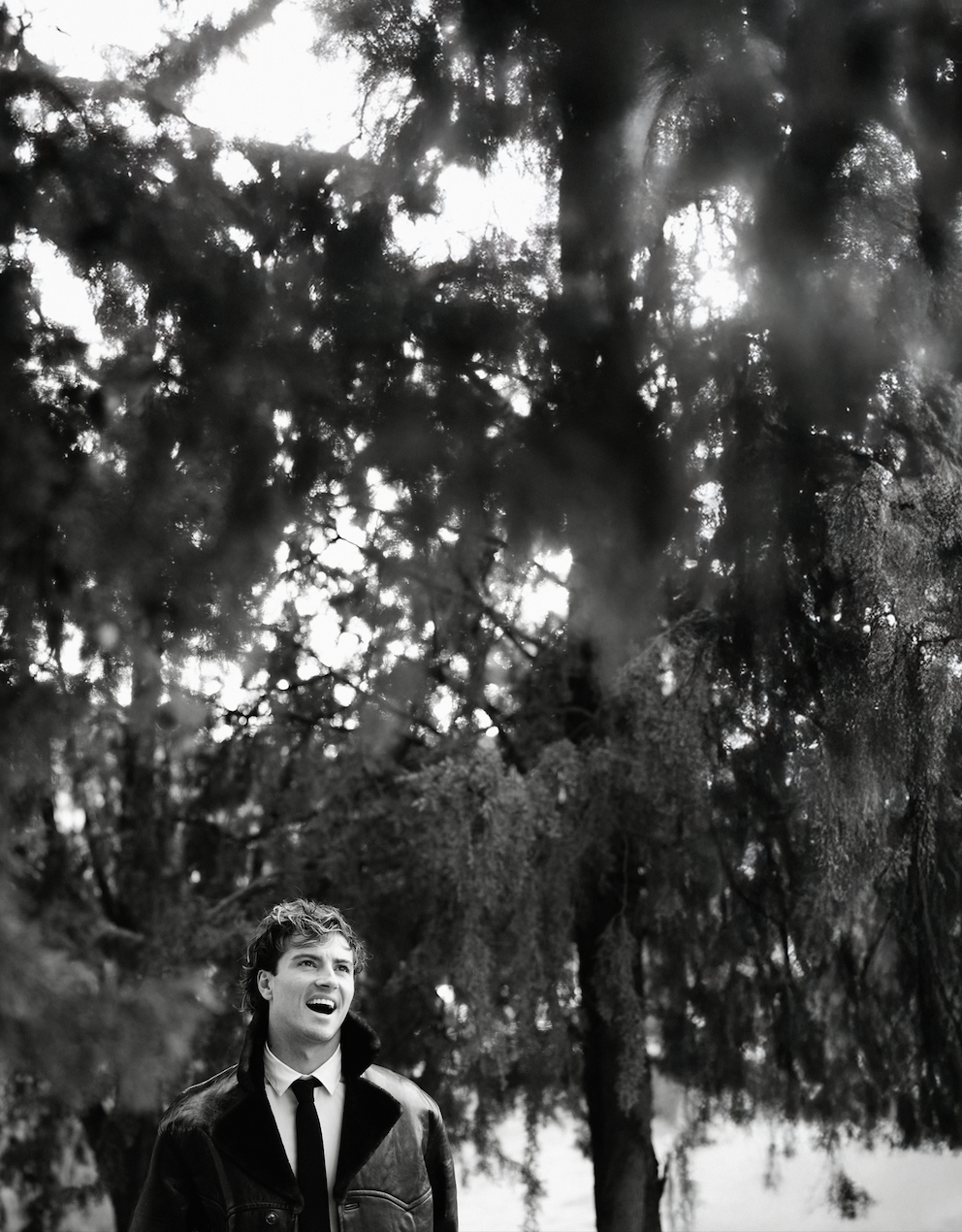
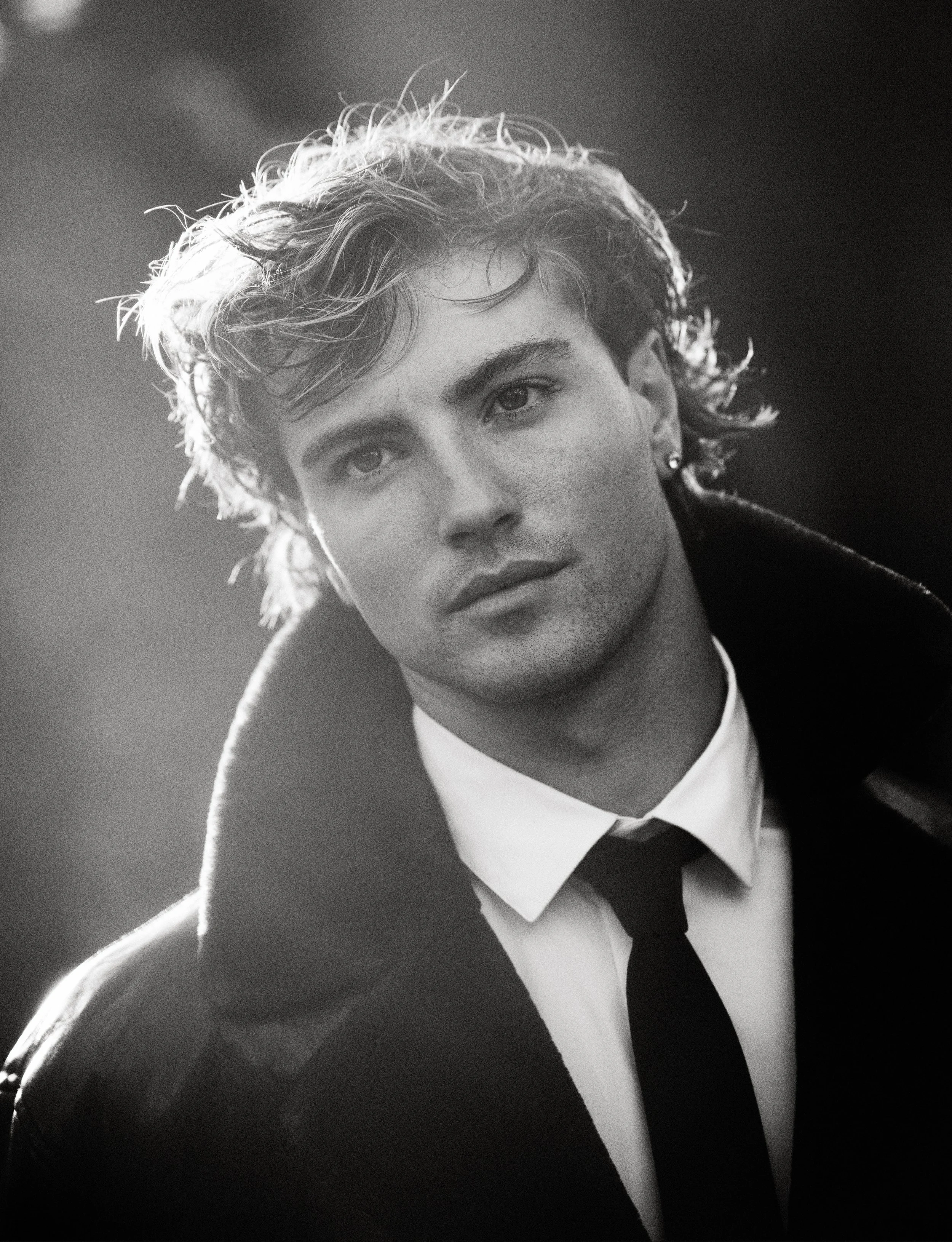
jacket, shirt and tie GIORGIO ARMAN
You will arrive in MotoGP alongside riders you may have watched when you were growing up. Is there anyone you are particularly excited to share a grid or fight with?
There are several. When you grow up watching MotoGP, some of these riders become part of your childhood. At first, it will feel strange to be on the same grid as them, but once the visor comes down, they are simply another rider you want to beat. I’m looking forward to racing against all of them and discovering where I can be among the best riders in the world.
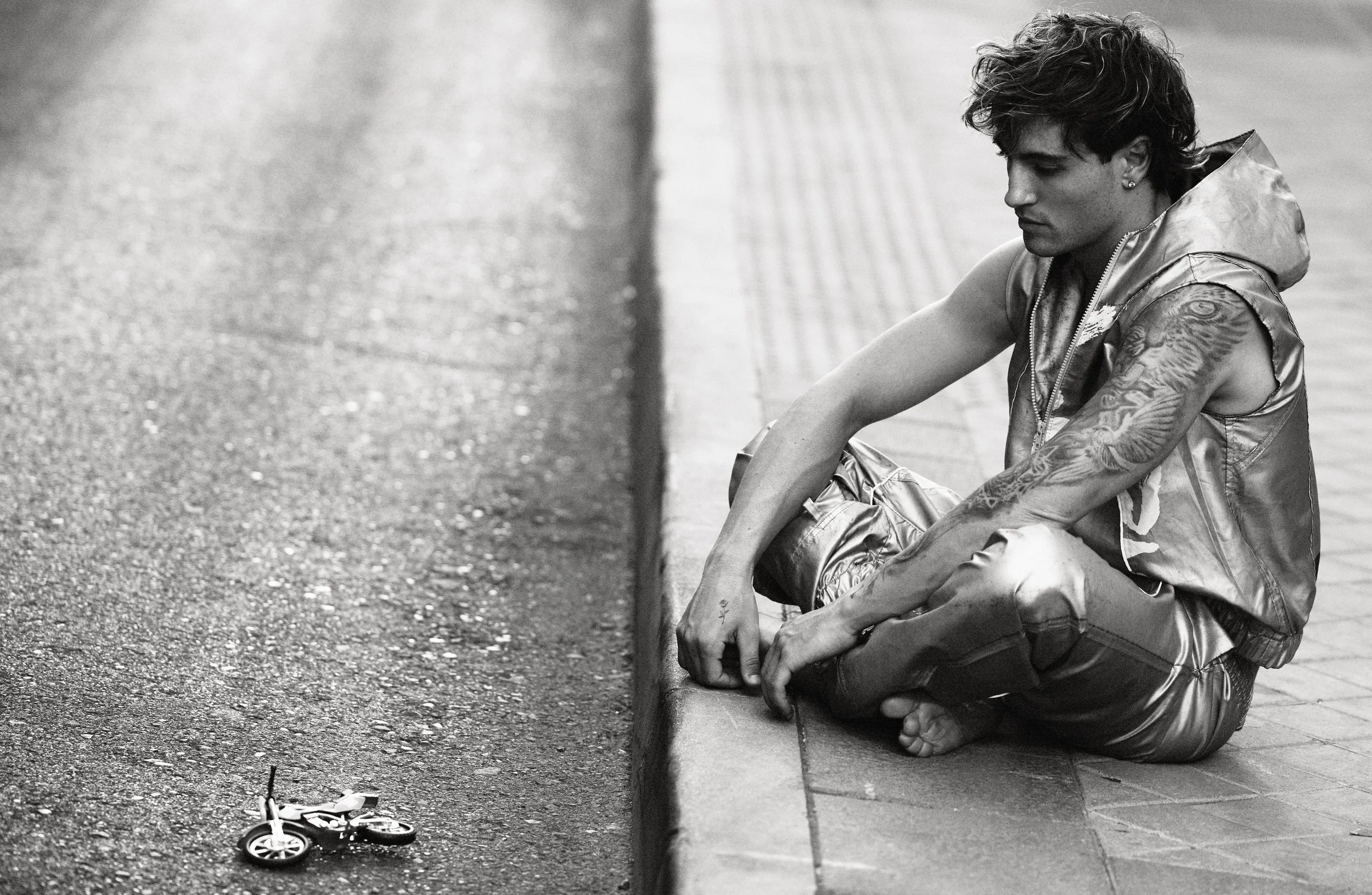
full look TANIA MARCIAL
Away from lap times and results, what helps you switch off from racing?
I love spending time on my own and doing things that have nothing to do with motorcycles. Cycling is an important part of my life because it keeps me active, but it also gives me a different rhythm and helps me switch off. I also enjoy travelling, discovering new places, and spending time with my family and friends. And simply having moments where I don’t have to think about lap times or results helps me reset. Sometimes, doing absolutely nothing is the best way to switch off.
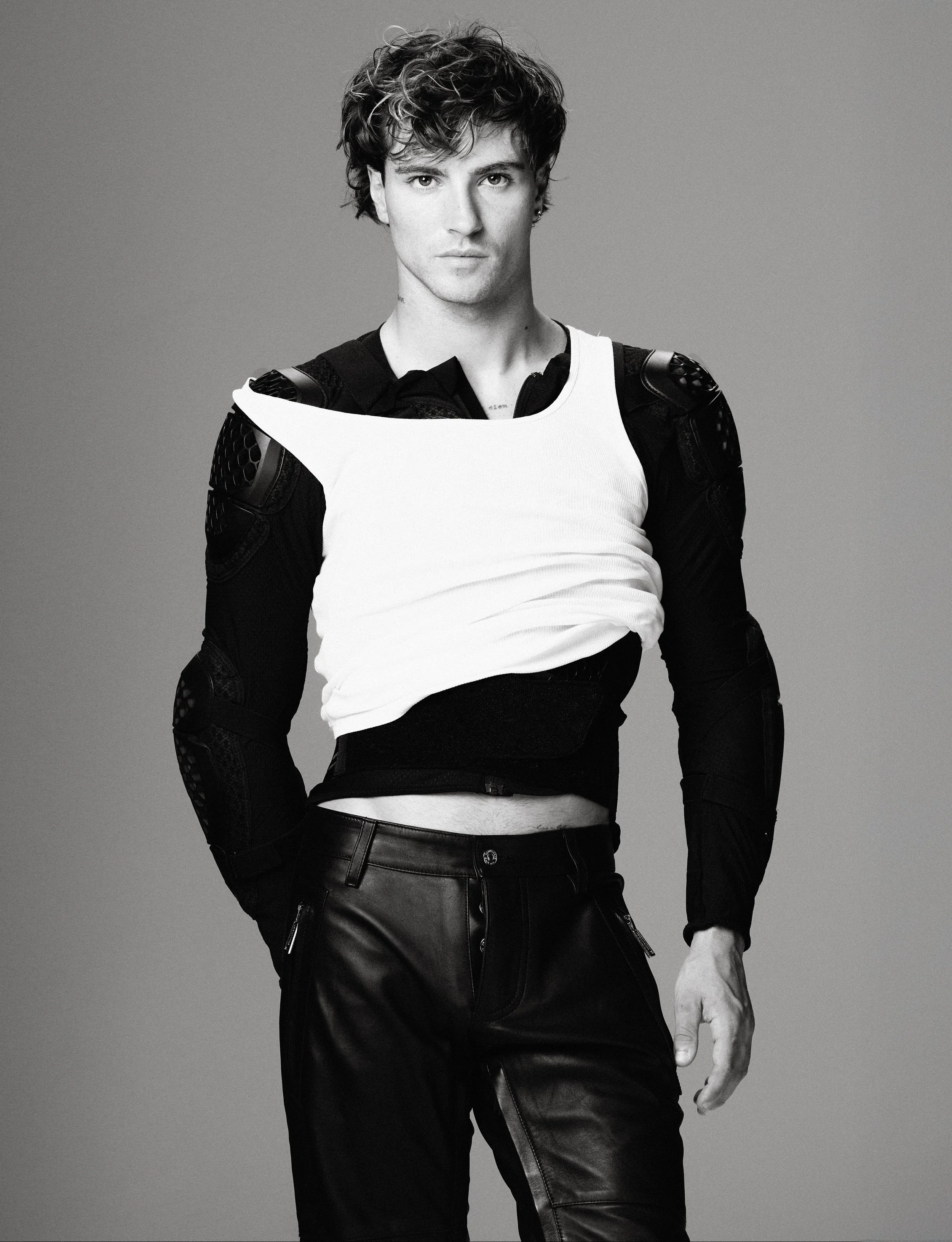
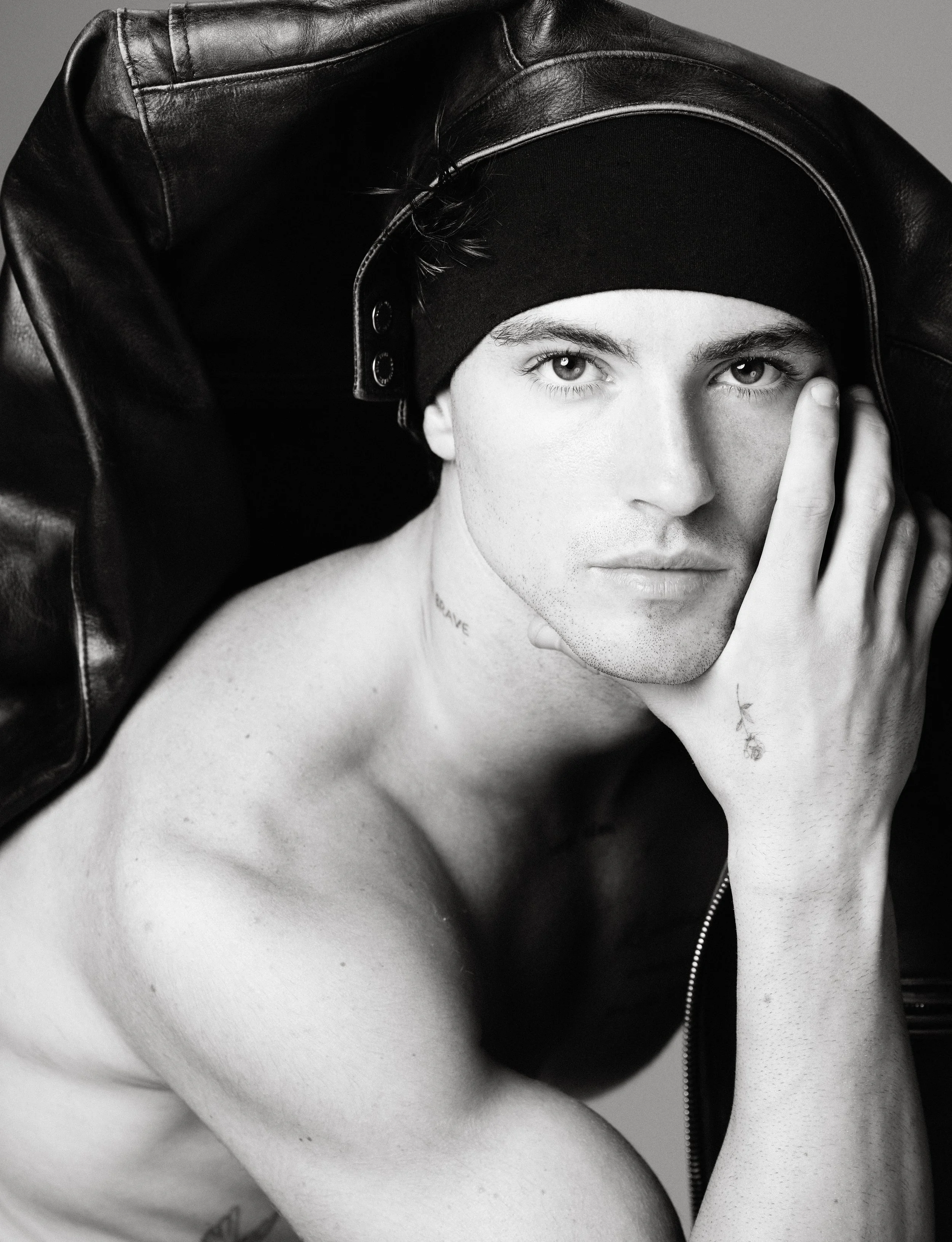
jacket and pants DSQUARED2
As the theme of this issue is Nature, what role does nature have in your day-to-day life, both in the off-season and during the season, when you are travelling around the world?
Nature is probably one of the easiest ways for me to switch off. I grew up in Mallorca, surrounded by the sea and the mountains, so being outdoors has always been part of my life. During the season, I’m constantly moving between circuits, airports and hotels, so whenever I have the opportunity, I try to get outside, whether that’s cycling, being by the sea or simply discovering a new place.
Nature gives me a different kind of energy. Racing is very intense and highly controlled, and being in nature is the complete opposite. You don’t have to control anything.
TEAM CREDITS:
talent IZAN GUEVARA
photography JESÚS ISNARD
styling SERGI PADIAL
hair and makeup JOSÉ CARLOS GONZALEZ at UNO ARTISTS
photography assistance ALEJANDRO VAQUERO
styling assistance MARIA GADEZ
casting and interview JANA LETONJA
location ESPACIO LA CANDELARIA
editor TIMI LETONJA
cover design ARTHUR ROELOFFZEN
