
IN CONVERSATION WITH JAMES K
editor ELIANA CASA
Entering the sonic world of New York artist, producer, and singer James K feels like stepping into a parallel universe where time and space don’t really matter. Ethereal, hypnotic, distorted sounds – crystallised like shards of a mirror in which you have long gazed at yourself – wash over your ears, transporting you and the crowd around you to a much deeper place. What we like to call a dreamscape. At least this is what happened when we caught her for the first time ever at Rewire Festival a few months ago. With a phone-free audience, we wondered where those almost church-like soundscapes came from. “I grew up singing in choirs and I do feel it has had an influence in the ways I produce vocals. The layering of many voices creates this depth and texturing of the voice,” she told us.
James K can materialise acoustic delays, layers, and reverbs into something tangible, as if you could almost reach them; all the while she moves on the stage like a fairy creature, leaving behind a sense of yearning, sadness and hope in the air…
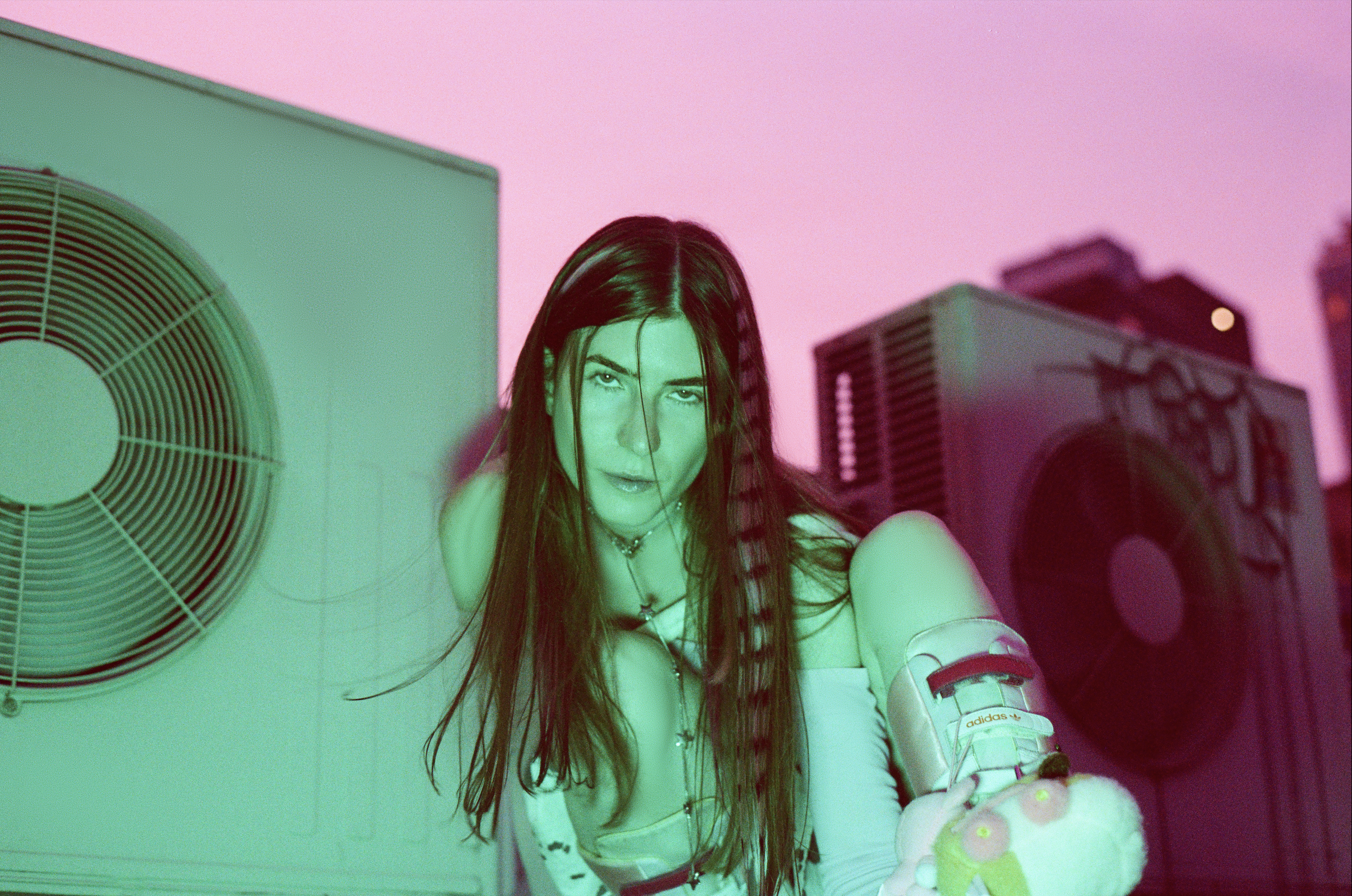
all images courtesy of LIKE MGMT
ELIANA CASA: What’s your earliest memory of music, and when did it start to feel essential to you?
JAMES K: When I was a kid, I sang all the time. It was always a way to find comfort, and to express parts of myself that I couldn’t articulate otherwise. My desire to sing in choirs came from the joy of sharing that expression with many voices moving in unison, creating something larger than ourselves, both physically and emotionally. It’s an incredibly powerful experience. I’ve never really stopped singing since then; it has always felt essential to who I am. One of my earliest memories is singing Judy Garland’s Over the Rainbow and the ABCs at my aunt’s wedding when I was four years old.
EC: You began as a visual artist before moving into music. What drew you toward sound?
JK: I began as a singer and musician, but I was already making music and art throughout my childhood into my teens. I decided to study at an art college instead of applying to a conservatory, because I wanted to first shape my thinking around art making. I wanted to protect my relationship with music and not choke it with too much theory or structure – I felt like honing my creative mind by making music directly. I knew I would find other musicians at art school. The people, and the teachers I met in Providence during this time were my greatest inspiration…I was exposed to and learned new approaches to performance and music.
EC: How has New York shaped your aesthetic and sonic language, and in what ways did Berlin shift it?
JK: New York is extremely diverse and there is a frenetic energy to it. It has definitely subconsciously influenced my approach around music. For me, it’s a place of endless connections, with a strong communal spirit. The city is boundaryless, and I channel that approach in how I produce music. On the other hand, Berlin taught me patience, solitude, to slow down and focus into the details of the sound. The club culture that ultimately brought me there in the early 2010’s helped me to understand, and appreciate club and experimental music in a new way. Hearing those sounds taught me to focus more into sound design, which has eventually shaped my current approach to production.
EC: Looking across PET, RandomGirl, and Friend, what changed in you between those releases?
JK: A lot of changes occurred throughout that time – it’s been almost a decade in between them. I was very young when I put out PET. It was my first LP as a producer. I had only been producing electronic music for about one or two years at the time I wrote it. A lot of the same ideas existing in Friend are present in PET, but the execution was limited to where I was as a producer then. Random Girl was inspired more by my desire to explore sound design, and challenging myself with that task. I was also challenging my assumptions of what constituted the structure of a song. While writing it, I wanted to break the restraints down and build new pathways. Friend was a return to structure, and deeper sounds, but with a retention of the knowledge I formed over those previous years.
EC: Each project feels like a distinct emotional world. Random Girl is disorienting, PET is more direct, and Friend feels like a fever dream. How would you describe those three moments in your life?
JK: I felt a lot of excitement at the time I produced PET. The DAW unlocked endless creative possibilities and speed. I had been holding all of those songs inside me, and I had just found the right tools to put them out and into motion. There was an immediacy to that moment in my life. I was moving fast around ideas, people, places, without second guessing myself, and by simply letting expression happen. With Random Girl, I was going deeper into parts of myself emotionally and psychologically. However, as an artist and producer, I really wanted to slow down, and become much more critical about constructing sounds, compositions, and the intentions I had around my creative decisions. In many ways, Friend was about letting go of some of those restraints, trusting myself, and finding my flow. I view it as a middle ground between the different states I was in while creating my first two albums.
EC: Your visual identity looks inseparable from your music. What were your early influences growing up?
JK: A mixture of nature and television. I was split between crafting imaginary worlds in the forest–fairy houses I would build out of sticks, leaves, and flowers; and then escaping into worlds inside my television. When I was young, I was particularly obsessed with animated shows on MTV like Æon Flux and Daria. I loved music videos, and was attracted to anything horror or weird, like Tales From The Crypt. As a teenager, I became really passionate about anime and films. I also collected printed materials and different items that I found on eBay whilst doing my research on magazines, photos, books, memorabilia – and created mixed-media collages using drawings, paintings, writings, clippings, trinkets, and so on. When I got older, I moved more towards video. I realised that all of those mediums could exist in one space through more fulfilled narratives. I’m still forming my visual identity right at this moment. I’m constantly sourcing and collecting physical media through places like Tumblr and Pinterest. My visuals are a result of sourcing, curating images and objects, and building narratives through them to externalize my internal experiences.
EC: When building your soundscapes, what comes first: the lyrics, the sound, or the visuals?
JK: Sounds.
EC: Your sound feels suspended in time—candid lyrics that blend into electronic beats, with your voice framing it all together. It carries nostalgia, sadness, but also hope and empathy for the world. How conscious are you of that emotional tension when creating and performing live? What drew you toward that more atmospheric, almost trip-hop sound?
JK: The emotion in my music is what guides the process for me, so when I am performing live, it is quite important for me to feel that I'm communicating and connecting with that emotion to the audience. This is the magic of music for me.
I feel often drawn towards more textural and atmospheric soundscapes because they create almost physical spaces to explore and be inside of. The vocals for me are about touching the interior, which is formed by many layers. The bassy elements and downtempo is the ‘physical’ side to my sound that transports the body in a more fluid and emotional place. The flow and sensuality to trip hop is the place I want to be in, and where my vocals sit expressively, and naturally. It can be described as a yearning feeling but also present in the moment which describes something deeper to me.
EC: The latest Friend Remixes bring others into your world. How did the idea of collaborating with your friends come about? Do you also value moments of working in complete solitude?
JK: I’ve formed a number of collaborative projects over the years, and it has definitely served as a way to let go and be more present in the moment, which I try to then transport into my solo practice. It had been a thought of mine for some time and something I wanted to explore to fulfill larger visions I have for my music project. The course of events that led to us working together felt all very fluid. My collaborators on this record (s/o Shy, Francis, Adam, Patrick, Hank, Ben) are people I have deep trust with. I feel I could communicate with them without words, and we would understand the same sound language. That being said, working in solitude is such an integral part of what I do. When I am working alone, I’m only in conversation with myself, operating within my own echo chamber; even though I can become much more critical and obsessive. For this record, I allowed others into my world to form a greater whole.
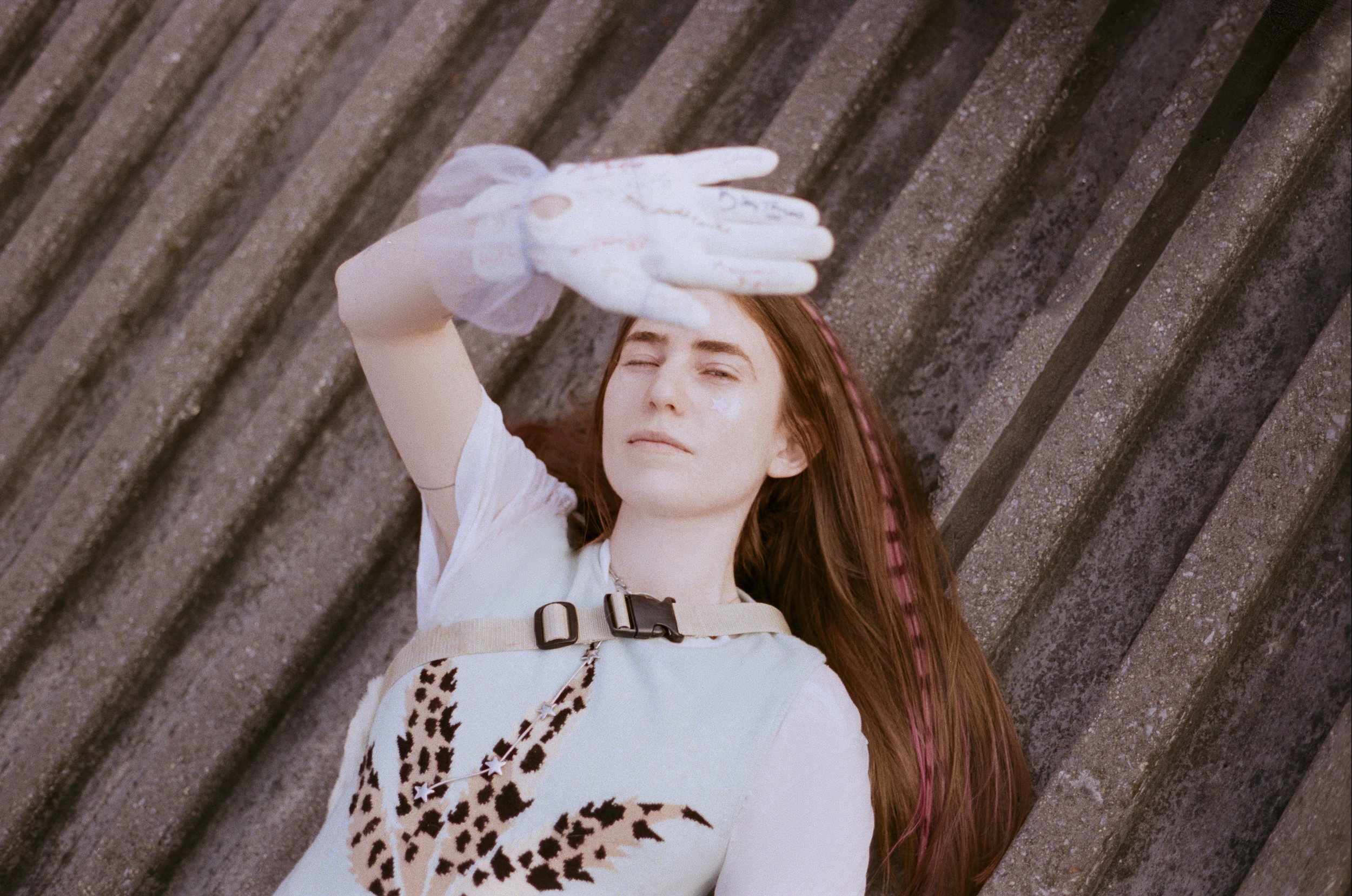
EC: How was performing at Rewire, and what stayed with you afterward?
JK: I was very impressed by the intention around the curation of the festival. It was an honor to play amongst such a large group of artists I deeply admire. I found that the audience was in harmony with the intention around the programming. There was a desire from people to truly engage, and that always feels incredible, as a performer. I was lucky to spend extra days at the festival and see a few performances before I played. The morning of my show, I sat in my hotel room and made some big changes to my set, so I could lean deeper into the more emotive elements. After seeing how locked in and open the audience was, I felt like I could really take my time while performing, and go deeper. I wanted to allow more space for the sounds, with more experimental songs from my recent record, and slow it all down. Even though the festival’s programming is packed, it doesn’t feel like any other festivals, where sometimes people are sort of grazing the shows, dipping in and out while trying to catch everything. The inspiration I felt afterwards has lingered with me since then, and I’m sure it will continue to.
EC: Before performing, you invited the audience to cry if they needed to. Is sensitivity something you consciously protect in your work, or something you’re still learning how to live with?
JK: Yes, I did mention crying. After I play, people often come up to me and say that they cried at some point during my set. But, on this particular occasion, I had been moved to tears the night before by my friend Drew’s (McDowall) performance, so that was on my mind. Music acts as a space to feel safe, touch you deeply, and let out what’s inside. I think when I made that comment on stage, I just wanted to set an intention for the show: if you feel it, you can let the music happen to you and you don't have to do anything about it. We’re all sensitive in the end. It’s just about letting things move through you instead of trying to control them.
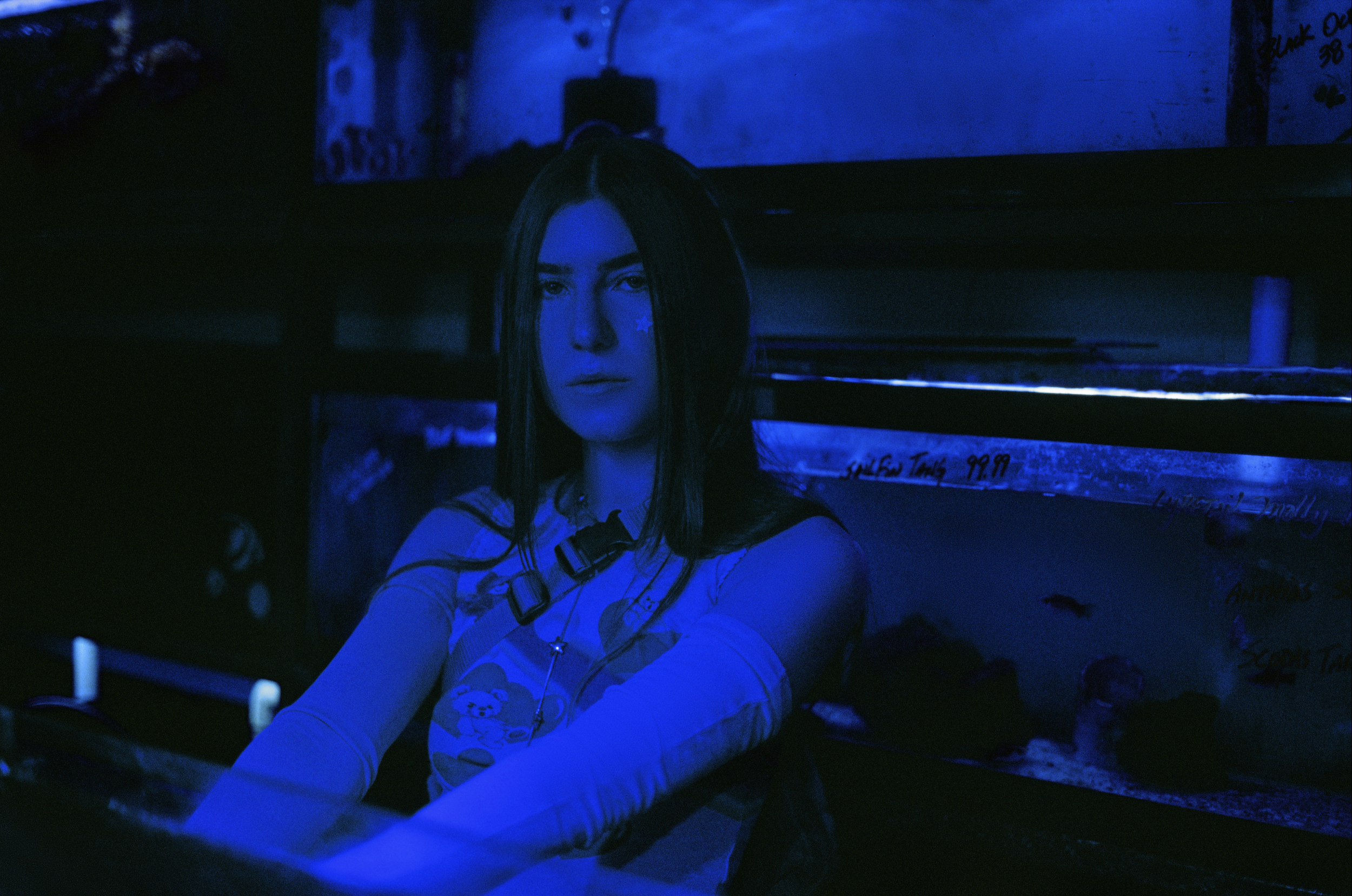
EC: What’s currently inspiring or exciting you?
JK: The sun.
EC: Is there a city where you’d like to create your next album?
JK: I’m a homebody. What’s most inspiring to me are the mundane walks, hanging out with my friends, my cat, my home… all the things that keep me grounded. The dream forms while actually making the things. Though, I do have a fantasy about making an album in Roswell and White Sands, in New Mexico.
EC: Dream collab?
JK: My friends.
