interview by MAGDALENA ROE
What makes you return to a restaurant? For Jan Hunke, the answer has as much to do with what happens around the table as with what is served on it. The people, the sound, the atmosphere and the smallest details can make the difference between a good dinner and one you’ll remember. It’s something the Berlin-based entrepreneur considers long before the first guests walk through the door.
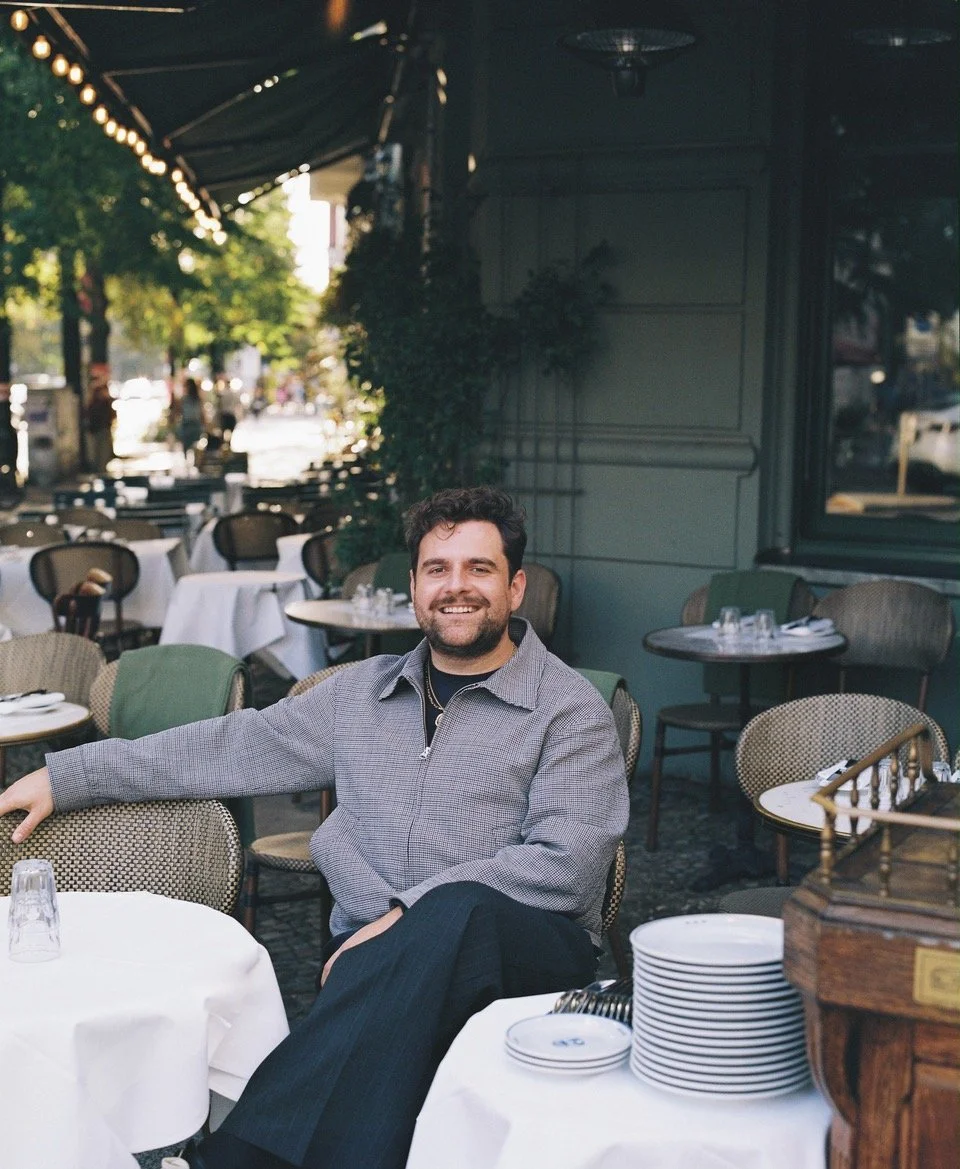
At 33, Hunke has built a growing portfolio of restaurants, including Torbar, Bostich and Capvin, becoming a familiar name in Berlin’s restaurant scene. His concepts move between Parisian elegance, Italian conviviality and Berlin’s unapologetic energy. Each has its own character, with carefully sourced furniture, art and an attention to detail that extends well beyond the menu. Having started his entrepreneurial journey with a vintage furniture shop in Bielefeld, Hunke has since made Berlin his playground, with further projects already taking shape and ambitions extending as far as New York.
We spoke with Hunke about the art of building restaurants, the meaning of good taste, the increasingly blurred lines between gastronomy, fashion and culture, and why creating places where people genuinely want to spend their time remains his greatest motivation.
photography by ASSANEE MEGUID
You have always had an entrepreneurial instinct, even working with vintage furniture before entering hospitality. Did you always know you wanted to create something of your own? What eventually led you into the restaurant business?
I knew quite early, around 18 or 19, that a traditional nine-to-five job wasn't for me. I always had a lot of ideas and wanted to put them into practice myself. My mother had two hospitality businesses, so food and restaurants were always part of my life. When I was 22, I opened a second-hand and vintage furniture shop. I would visit recycling centres, work with companies clearing out properties and look for interesting pieces. I built the business around finding objects that had character. We even hosted parties there once a month. It was a great introduction to being self-employed.
A few years later, I came across a restaurant for sale in Bielefeld. I had very little money at the time, but I could immediately imagine what the place could become. I started developing the concept, looking at the numbers, and eventually found an investor. That became my first restaurant.
Berlin came later, through a trip to Naples with a close friend. We visited some of the city's best pizzerias and discovered Vincenzo Capuano. We loved his approach and eventually decided to bring the concept to Germany. Berlin was the city he wanted to open in, so I started looking for a location. That's how Capvin began, and how I eventually found myself spending more and more time in Berlin.
From Torbar to Capvin and Bostich, how do you approach creating a restaurant's identity, and what makes a place worth returning to?
I think years ago, good food and good service were enough. Today, those are simply the minimum requirements. Everything has to come together. Of course, the food needs to be excellent, but the atmosphere is just as important. You want the right people in the room, those who contribute to the energy of the place. You need to create a feeling.
At Capvin, for example, it's about bringing a certain Italian spirit to Berlin. Our pizza makers come from Italy, and they're incredibly proud of their products. We travelled to Naples and visited the producers ourselves, and we use the same ingredients that Vincenzo Capuano works with in Naples. Even our two Capvin locations have different personalities. Rosenhöfe takes inspiration from the Amalfi Coast, with a more elegant atmosphere, while Weinbergsweg is more relaxed, somewhere you can sit for hours with a bottle of wine and pizza.
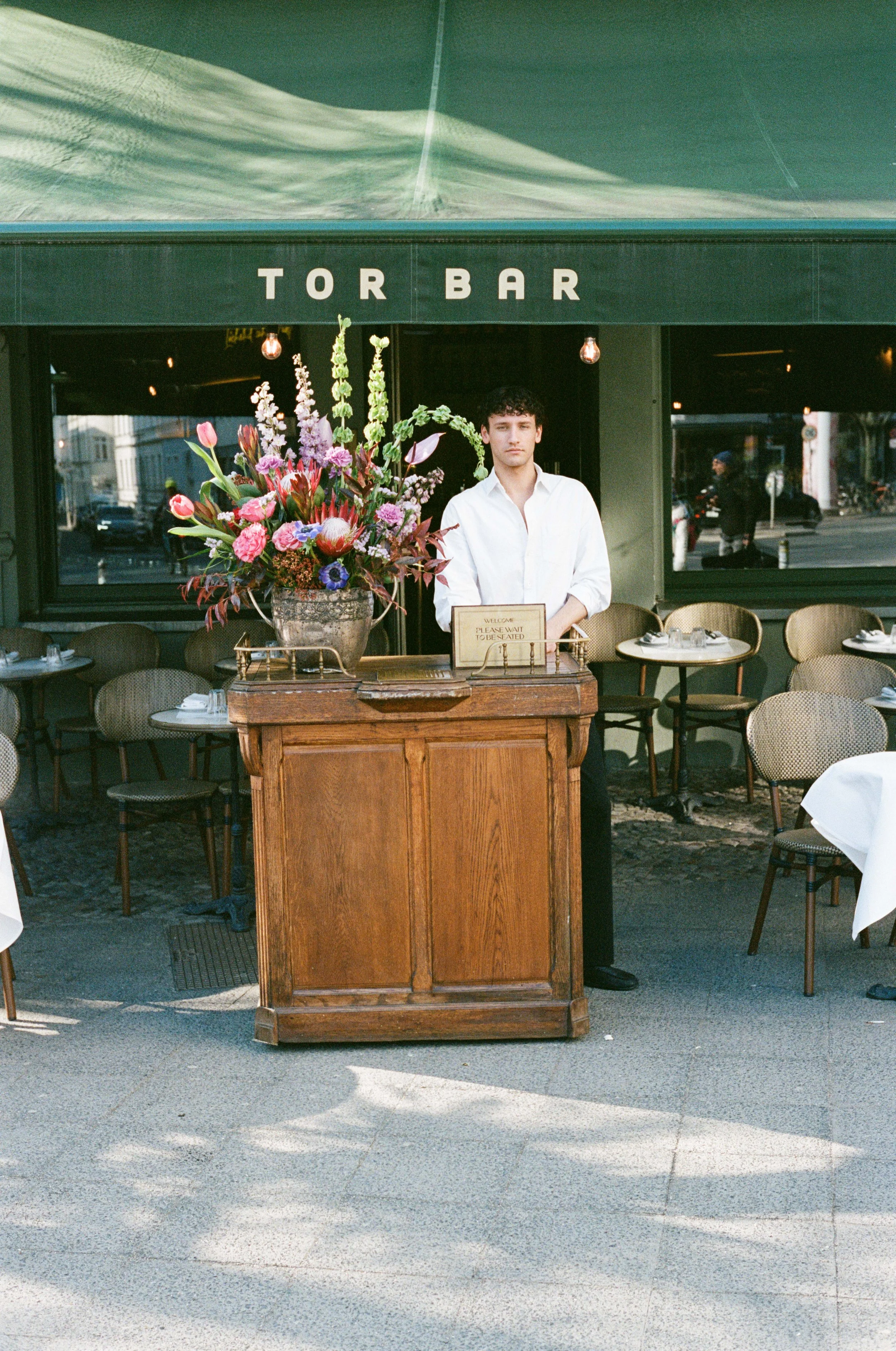
With Torbar, we wanted to bring that particular Parisian brasserie feeling to Berlin and create a place that feels as though it has existed for decades. My partner Simon spent a lot of time travelling through Paris and Avignon, sourcing furniture and special pieces for the restaurant. The space is filled with art, including works by Dieter Meier and Jorinde Voigt, beautiful Maison Jansen palm lamps and many other pieces we've collected over time. We also try to serve as many dishes as possible on vintage hotel silverware that we've found and collected over the years. It's these kinds of details that make a difference.
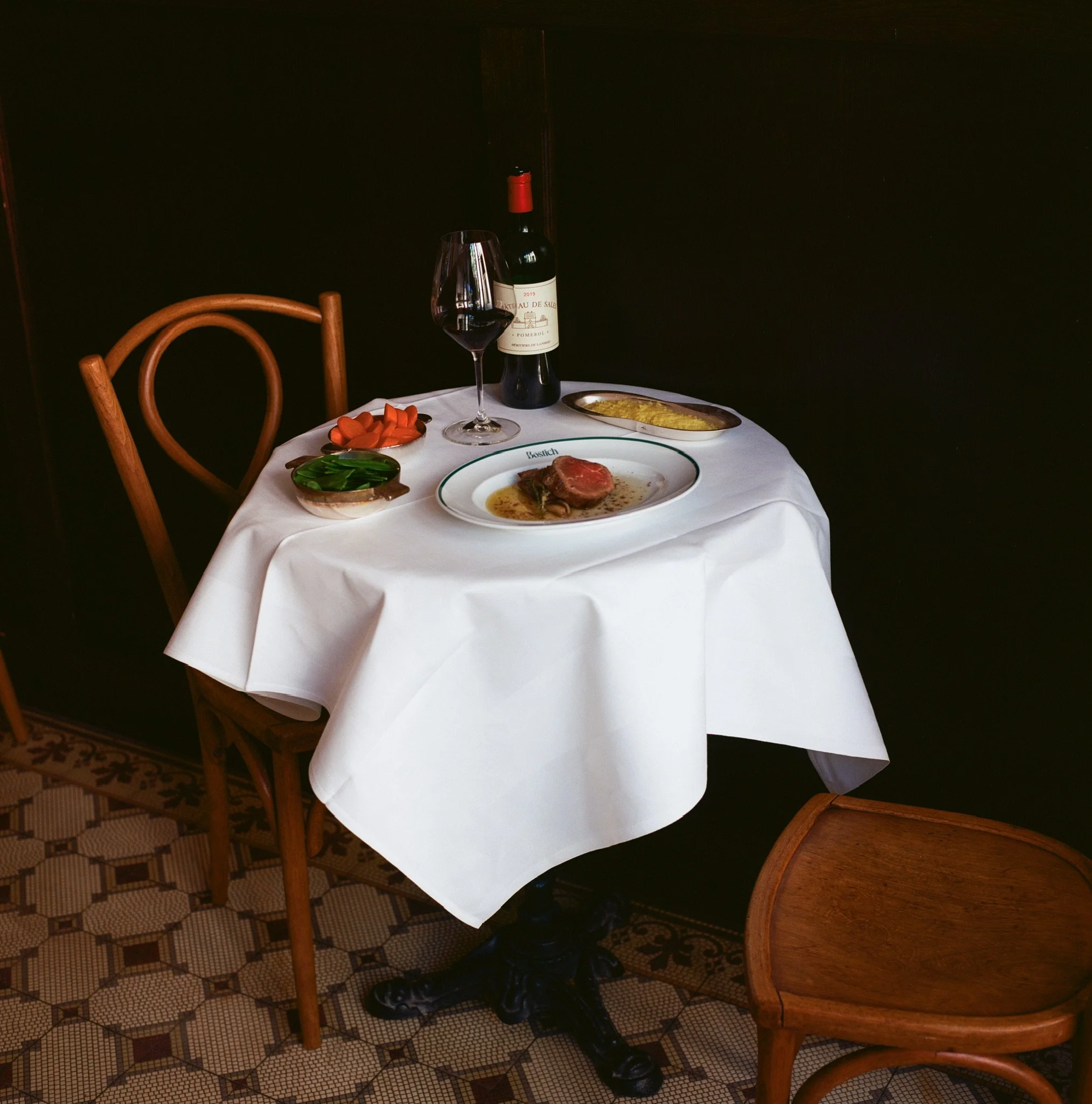
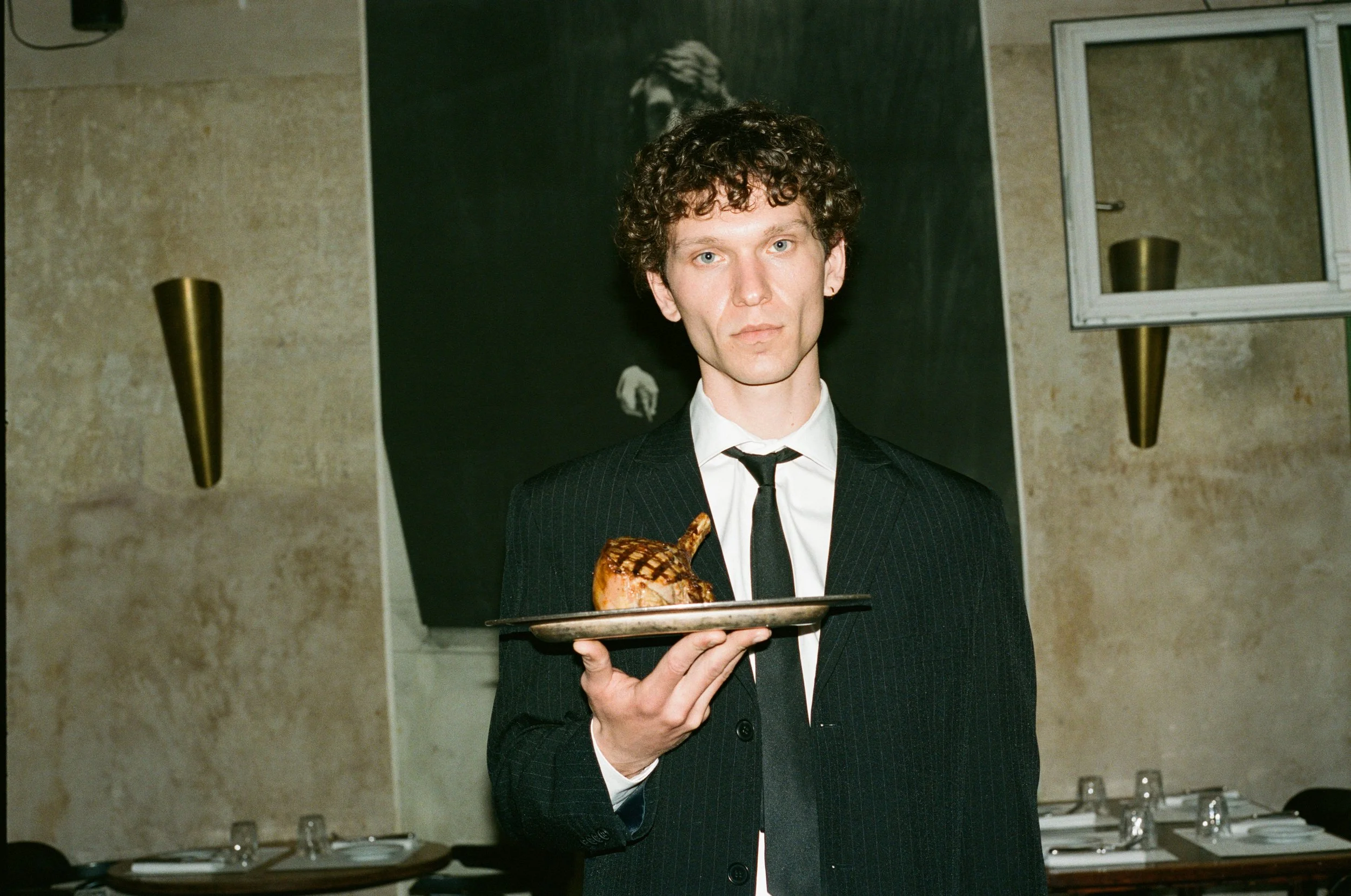
That same appreciation for Parisian elegance carries through to Bostich. We wanted to create the feeling of entering a restaurant in Paris that had already existed for 30 years. Although the restaurant is relatively new, everything was designed to feel as though it had a history. The stucco ceilings, mirrors, interiors, presentation and wine list all contribute to that impression.
Simon is an incredibly inspiring partner to me. He has such a love for detail and a particular instinct for how a restaurant should feel. I'm very happy to have him by my side at both Torbar and Bostich.
What role do you want your spaces to play beyond the table?
We spend so much time on social media that meeting people in real life has become increasingly valuable. Whether it's going for coffee or meeting friends for dinner, people want genuine conversations and experiences. They want to put their phones away and spend time together. People aren't necessarily going to a restaurant just because they're hungry. They want to see their friends, meet interesting people and spend time with like-minded people. Feeling comfortable is such an important part of it. You want to feel welcome, somewhere you can relax and enjoy yourself. Of course, the food matters, but it's no longer the only reason people go out.
Taste is an interesting currency, especially when you're turning a vision into a business. How do you define good taste, and how much do you trust your own intuition?
Taste is subjective, but I think what's important is staying curious and paying attention to what's happening around you. I travel a lot and visit restaurants all the time. This year, I've been trying at least one new restaurant every week. Even when I'm eating somewhere purely for pleasure, I find myself analysing the place. Why did the owner make certain decisions? How does the restaurant operate behind the scenes? What would I do differently?
I'm also interested in what's happening internationally, particularly in cities like New York. You start noticing certain developments and thinking about how you might interpret them in your own way. I think you have to understand what's happening around you, but ultimately find your own perspective.
Speaking of taste, let's talk about what's actually on the plate. How do you approach developing menus with your chefs, and what makes a dish good enough to earn its place on your menu?
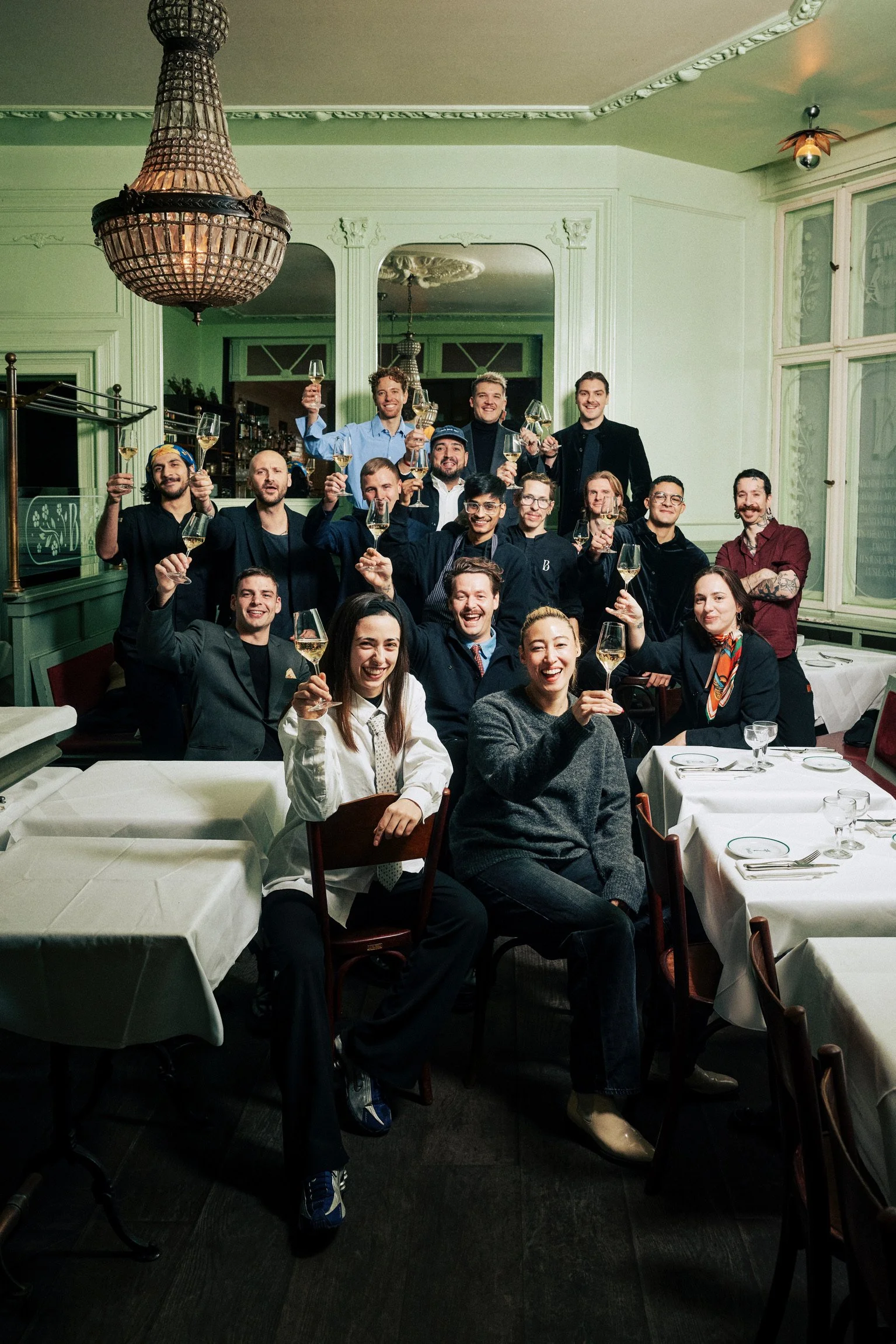
Developing a menu is very much a collaborative process. I think it's important to involve different people from the beginning, particularly the chefs who will eventually be working with it every day. We usually start by creating a general structure, thinking about the starters, main courses and what kind of food fits the concept. From there, we begin developing individual dishes. Recently, we spent an entire weekend cooking together as a team of seven, testing dishes, discussing presentation and looking at how everything could work on the menu.
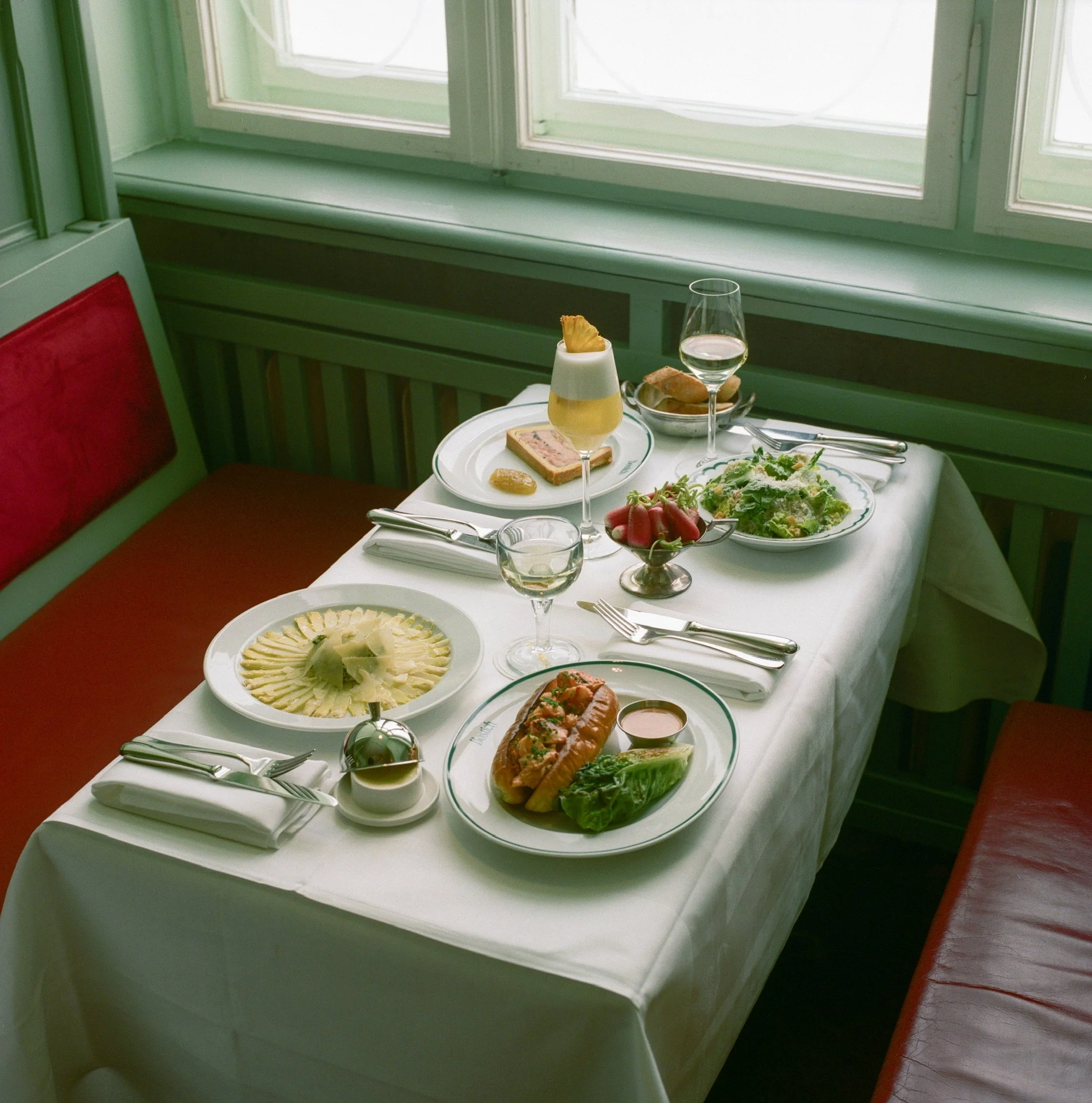
For me, the quality of the ingredients is incredibly important, but the presentation also matters. A dish should look beautiful when it arrives at the table. You should almost want to take a photograph of it. At the same time, you have to understand what works in a restaurant. Having several locations gives us access to a lot of experience and information about what guests enjoy. That helps when developing new concepts. I want the chefs to feel involved and proud of what we're creating. A good menu needs a team behind it.
There is a tension between creativity and commercial success. How do you balance the two without compromising the identity of your restaurants?
I think the two have to work together because you can't separate the creative side from the business side. When I look at a new location, I'm already thinking about what kind of concept would work there, how much the renovation might cost and what the restaurant needs to achieve financially.
One thing we've done well is build a relatively lean structure. We work digitally, keep our overhead costs low and have a very clear understanding of the numbers behind each restaurant. We also work very transparently with our teams. Every month, we sit down with the restaurant managers and look at the figures together. That way, everyone understands how the business is performing and where improvements can be made.
A restaurant can look incredibly successful from the outside, but that doesn't necessarily mean it's financially healthy. You need to understand both sides.
What continues to excite you about starting something new, and where do you find inspiration outside hospitality?
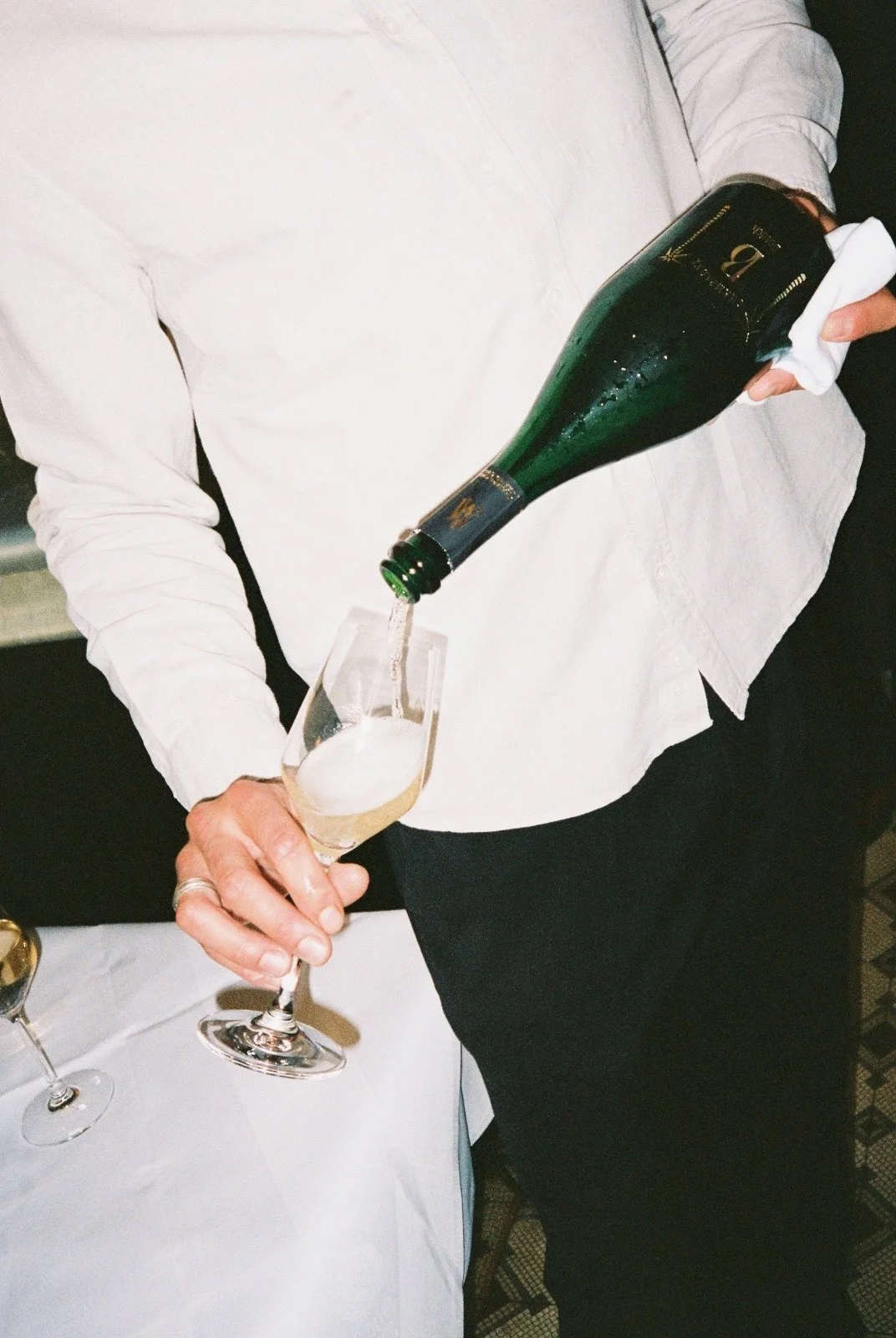
Hospitality, fashion, music and lifestyle are becoming increasingly connected. In the past, you might have looked mainly at other restaurants for inspiration. Today, it can come from almost anywhere. It might be a playlist, the way a waiter is dressed, the atmosphere at an event or something you experience while travelling. All those things influence how people perceive a space. I find that incredibly interesting because it means the creative process never really stops. I'm constantly thinking about new ideas and imagining what could work in a particular location.
There's something special about creating places where people genuinely want to spend their time. People I've never met come into one of my restaurants, meet their friends and have a great evening. Knowing that I've created a space for those moments is incredibly rewarding.
We're currently developing another restaurant concept in Charlottenburg. Renovations are already underway, and we're planning to open in February 2027. I've also recently taken over a restaurant on Türkenstraße in Munich, which we're planning to open in April 2027. I'm working on that project with Arash, who runs Bar Basta in Berlin.
New York seems to be high on your list. What's the bigger vision, and what would you like to build next?
New York has been on my mind for quite some time. For me, it's one of the most exciting cities in the world. I've wanted to open a restaurant there for years, and in 2025 I started exploring potential locations, visiting around 15 different restaurants and spaces to get a better understanding of the city. I'm very inspired by Keith McNally and what he's created in New York. I recently read his book, and I find his approach to hospitality fascinating.
My goal has always been to create things that last. I'm not interested in building something just to sell it a few years later. I want to develop restaurants that have a long-term future. I'm 33 now, and looking back at what I've built over the past eight years, I feel there's still so much ahead of me.
What makes you return to a restaurant? For Jan Hunke, the answer has as much to do with what happens around the table as with what is served on it. The people, the sound, the atmosphere and the smallest details can make the difference between a good dinner and one you’ll remember. It’s something the Berlin-based entrepreneur considers long before the first guests walk through the door.
At 33, Hunke has built a growing portfolio of restaurants, including Torbar, Bostich and Capvin, becoming a familiar name in Berlin’s restaurant scene. His concepts move between Parisian elegance, Italian conviviality and Berlin’s unapologetic energy. Each has its own character, with carefully sourced furniture, art and an attention to detail that extends well beyond the menu. Having started his entrepreneurial journey with a vintage furniture shop in Bielefeld, Hunke has since made Berlin his playground, with further projects already taking shape and ambitions extending as far as New York.
I spoke with Hunke about the art of building restaurants, the meaning of good taste, the increasingly blurred lines between gastronomy, fashion and culture, and why creating places where people genuinely want to spend their time remains his greatest motivation.
You have always had an entrepreneurial instinct, even working with vintage furniture before entering hospitality. Did you always know you wanted to create something of your own? What eventually led you into the restaurant business?
I knew quite early, around 18 or 19, that a traditional nine-to-five job wasn't for me. I always had a lot of ideas and wanted to put them into practice myself. My mother had two hospitality businesses, so food and restaurants were always part of my life. When I was 22, I opened a second-hand and vintage furniture shop. I would visit recycling centres, work with companies clearing out properties and look for interesting pieces. I built the business around finding objects that had character. We even hosted parties there once a month. It was a great introduction to being self-employed.
A few years later, I came across a restaurant for sale in Bielefeld. I had very little money at the time, but I could immediately imagine what the place could become. I started developing the concept, looking at the numbers, and eventually found an investor. That became my first restaurant.
Berlin came later, through a trip to Naples with a close friend. We visited some of the city's best pizzerias and discovered Vincenzo Capuano. We loved his approach and eventually decided to bring the concept to Germany. Berlin was the city he wanted to open in, so I started looking for a location. That's how Capvin began, and how I eventually found myself spending more and more time in Berlin.
From Torbar to Capvin and Bostich, how do you approach creating a restaurant's identity, and what makes a place worth returning to?
I think years ago, good food and good service were enough. Today, those are simply the minimum requirements. Everything has to come together. Of course, the food needs to be excellent, but the atmosphere is just as important. You want the right people in the room, those who contribute to the energy of the place. You need to create a feeling.
At Capvin, for example, it's about bringing a certain Italian spirit to Berlin. Our pizza makers come from Italy, and they're incredibly proud of their products. We travelled to Naples and visited the producers ourselves, and we use the same ingredients that Vincenzo Capuano works with in Naples. Even our two Capvin locations have different personalities. Rosenhöfe takes inspiration from the Amalfi Coast, with a more elegant atmosphere, while Weinbergsweg is more relaxed, somewhere you can sit for hours with a bottle of wine and pizza.
With Torbar, we wanted to bring that particular Parisian brasserie feeling to Berlin and create a place that feels as though it has existed for decades. My partner Simon spent a lot of time travelling through Paris and Avignon, sourcing furniture and special pieces for the restaurant. The space is filled with art, including works by Dieter Meier and Jorinde Voigt, beautiful Maison Jansen palm lamps and many other pieces we've collected over time. We also try to serve as many dishes as possible on vintage hotel silverware that we've found and collected over the years. It's these kinds of details that make a difference.
That same appreciation for Parisian elegance carries through to Bostich. We wanted to create the feeling of entering a restaurant in Paris that had already existed for 30 years. Although the restaurant is relatively new, everything was designed to feel as though it had a history. The stucco ceilings, mirrors, interiors, presentation and wine list all contribute to that impression.
Simon is an incredibly inspiring partner to me. He has such a love for detail and a particular instinct for how a restaurant should feel. I'm very happy to have him by my side at both Torbar and Bostich.
What role do you want your spaces to play beyond the table?
We spend so much time on social media that meeting people in real life has become increasingly valuable. Whether it's going for coffee or meeting friends for dinner, people want genuine conversations and experiences. They want to put their phones away and spend time together. People aren't necessarily going to a restaurant just because they're hungry. They want to see their friends, meet interesting people and spend time with like-minded people. Feeling comfortable is such an important part of it. You want to feel welcome, somewhere you can relax and enjoy yourself. Of course, the food matters, but it's no longer the only reason people go out.
Taste is an interesting currency, especially when you're turning a vision into a business. How do you define good taste, and how much do you trust your own intuition?
Taste is subjective, but I think what's important is staying curious and paying attention to what's happening around you. I travel a lot and visit restaurants all the time. This year, I've been trying at least one new restaurant every week. Even when I'm eating somewhere purely for pleasure, I find myself analysing the place. Why did the owner make certain decisions? How does the restaurant operate behind the scenes? What would I do differently?
I'm also interested in what's happening internationally, particularly in cities like New York. You start noticing certain developments and thinking about how you might interpret them in your own way. I think you have to understand what's happening around you, but ultimately find your own perspective.
Speaking of taste, let's talk about what's actually on the plate. How do you approach developing menus with your chefs, and what makes a dish good enough to earn its place on your menu?
Developing a menu is very much a collaborative process. I think it's important to involve different people from the beginning, particularly the chefs who will eventually be working with it every day. We usually start by creating a general structure, thinking about the starters, main courses and what kind of food fits the concept. From there, we begin developing individual dishes. Recently, we spent an entire weekend cooking together as a team of seven, testing dishes, discussing presentation and looking at how everything could work on the menu.
For me, the quality of the ingredients is incredibly important, but the presentation also matters. A dish should look beautiful when it arrives at the table. You should almost want to take a photograph of it. At the same time, you have to understand what works in a restaurant. Having several locations gives us access to a lot of experience and information about what guests enjoy. That helps when developing new concepts. I want the chefs to feel involved and proud of what we're creating. A good menu needs a team behind it.
There is a tension between creativity and commercial success. How do you balance the two without compromising the identity of your restaurants?
I think the two have to work together because you can't separate the creative side from the business side. When I look at a new location, I'm already thinking about what kind of concept would work there, how much the renovation might cost and what the restaurant needs to achieve financially.
One thing we've done well is build a relatively lean structure. We work digitally, keep our overhead costs low and have a very clear understanding of the numbers behind each restaurant. We also work very transparently with our teams. Every month, we sit down with the restaurant managers and look at the figures together. That way, everyone understands how the business is performing and where improvements can be made.
A restaurant can look incredibly successful from the outside, but that doesn't necessarily mean it's financially healthy. You need to understand both sides.
What continues to excite you about starting something new, and where do you find inspiration outside hospitality?
Hospitality, fashion, music and lifestyle are becoming increasingly connected. In the past, you might have looked mainly at other restaurants for inspiration. Today, it can come from almost anywhere. It might be a playlist, the way a waiter is dressed, the atmosphere at an event or something you experience while travelling. All those things influence how people perceive a space. I find that incredibly interesting because it means the creative process never really stops. I'm constantly thinking about new ideas and imagining what could work in a particular location.
There's something special about creating places where people genuinely want to spend their time. People I've never met come into one of my restaurants, meet their friends and have a great evening. Knowing that I've created a space for those moments is incredibly rewarding.
We're currently developing another restaurant concept in Charlottenburg. Renovations are already underway, and we're planning to open in February 2027. I've also recently taken over a restaurant on Türkenstraße in Munich, which we're planning to open in April 2027. I'm working on that project with Arash, who runs Bar Basta in Berlin.
New York seems to be high on your list. What's the bigger vision, and what would you like to build next?
New York has been on my mind for quite some time. For me, it's one of the most exciting cities in the world. I've wanted to open a restaurant there for years, and in 2025 I started exploring potential locations, visiting around 15 different restaurants and spaces to get a better understanding of the city. I'm very inspired by Keith McNally and what he's created in New York. I recently read his book, and I find his approach to hospitality fascinating.
My goal has always been to create things that last. I'm not interested in building something just to sell it a few years later. I want to develop restaurants that have a long-term future. I'm 33 now, and looking back at what I've built over the past eight years, I feel there's still so much ahead of me.